
home/projects/exhibition centers/bound to shanghai
Bound to Shanghai / Wutopia Lab + YU Ting
Cultural ArchitectureExhibition center
- Architects
- Wutopia Lab, YU Ting
- Lead architects
- YU Ting
- Location
- Shanghai, China
- Year
- 2026
- Photographs
- LI Haoyang
- Materials
- Plywood; color-printed steel panels; foam; polyurethane foam hardener; polycarbonate panels; aluminum profiles; bamboo-charcoal metal panels; curtains
- Project leads
- HUANG He, MU Zhilin, ZHU Xingyuan, SUN Liran
Bound to Shanghai is a spatial concept exhibition by architect YU Ting that reconsiders the conventional architecture exhibition through seven physical environments. Presented at the China Art Museum, Shanghai, the year-long project replaces images, models, and videos with built spaces that visitors can enter and experience directly. Organized as the “Seven Treasure Caskets,” the exhibition explores seven spatial conditions: home, city, museum, café, garden, community, and sacred space. Each installation translates aspects of Shanghai into a compact architectural environment shaped by a specific material, spatial condition, and emotional association. Four chapters have opened progressively during 2026, beginning with Home · Dignity and continuing through City · Pride, One Person’s Gallery and Café · Satisfaction. Together, they trace a movement from domestic life toward increasingly public forms of urban experience, while positioning the city as an accumulated field of memory and personal encounters. Three additional spaces will complete the sequence, extending the exhibition as an evolving spatial experiment through early 2027.
For YU Ting, the architectural exhibition becomes another form of architectural practice in Bound to Shanghai. Rather than presenting completed buildings through drawings, models, or audiovisual documentation, the architect constructs environments that require physical presence. The decision places the visitor inside the work and makes bodily perception part of the exhibition’s architectural language. It also establishes a different relationship between architecture and representation, where the built environment is not an illustration of an idea but the medium through which the idea is encountered.
The exhibition takes the form of seven compact spatial chapters collectively described as the “Seven Treasure Caskets.” The sequence is rooted in YU Ting’s three decades of living and working in Shanghai, drawing from observations, memories and experiences rather than attempting to define the city through a fixed architectural typology. Home, city, museum, café, garden, community and sacred space provide the framework, while each installation establishes its own material and emotional character. Their gradual unveiling throughout 2026 and into early 2027 turns the exhibition into a process, allowing the understanding of Shanghai to accumulate one spatial encounter at a time.
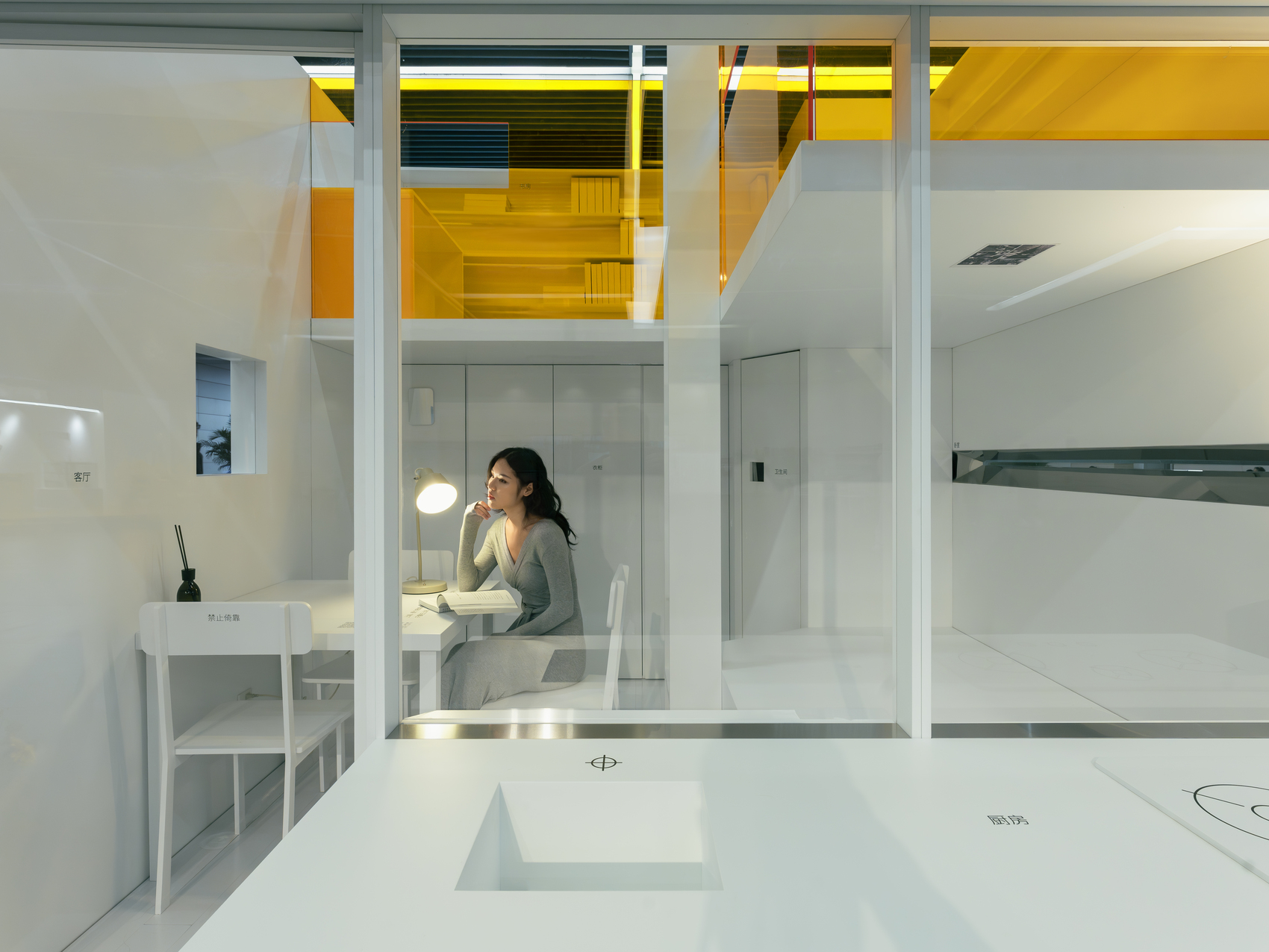
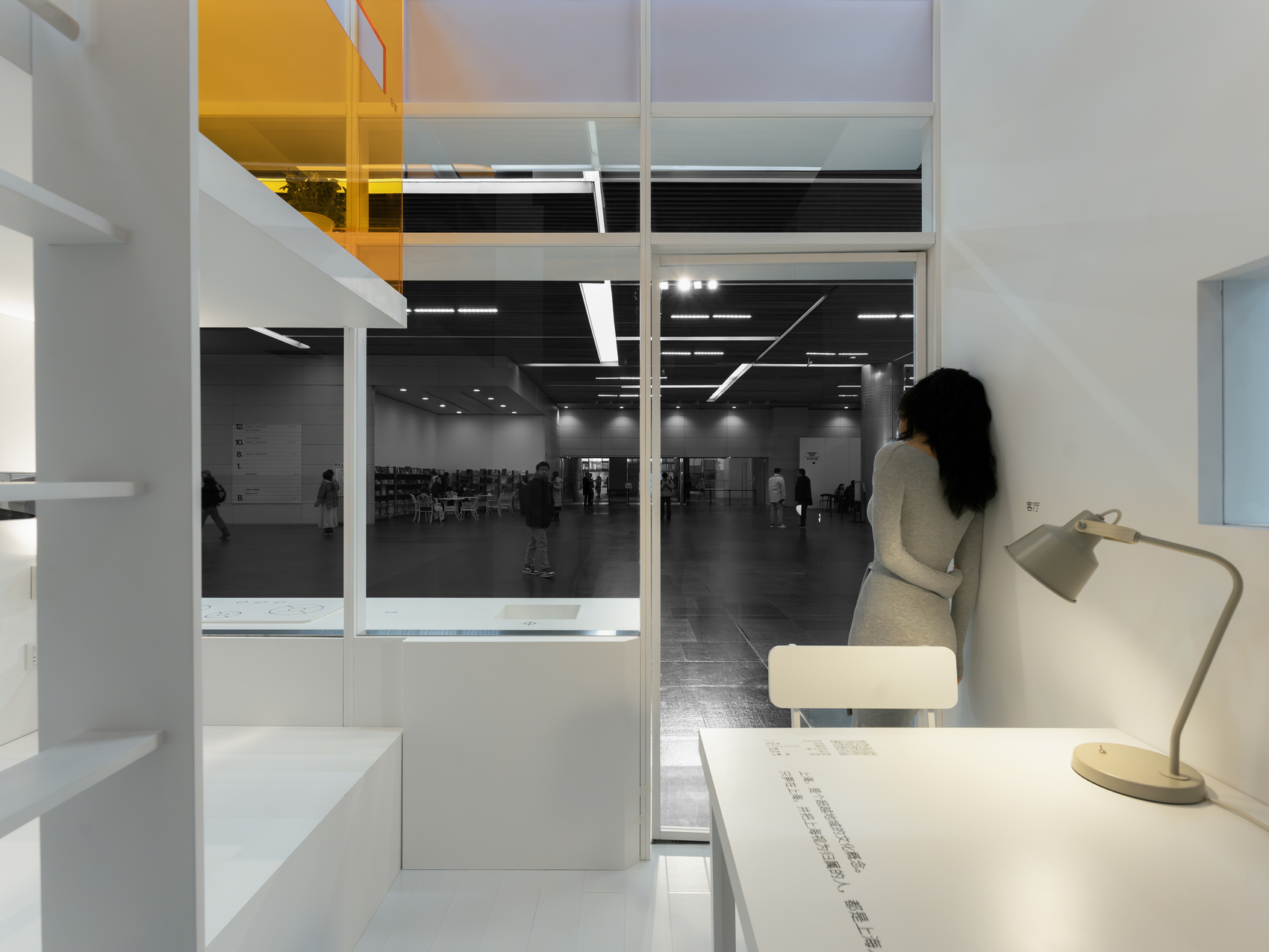
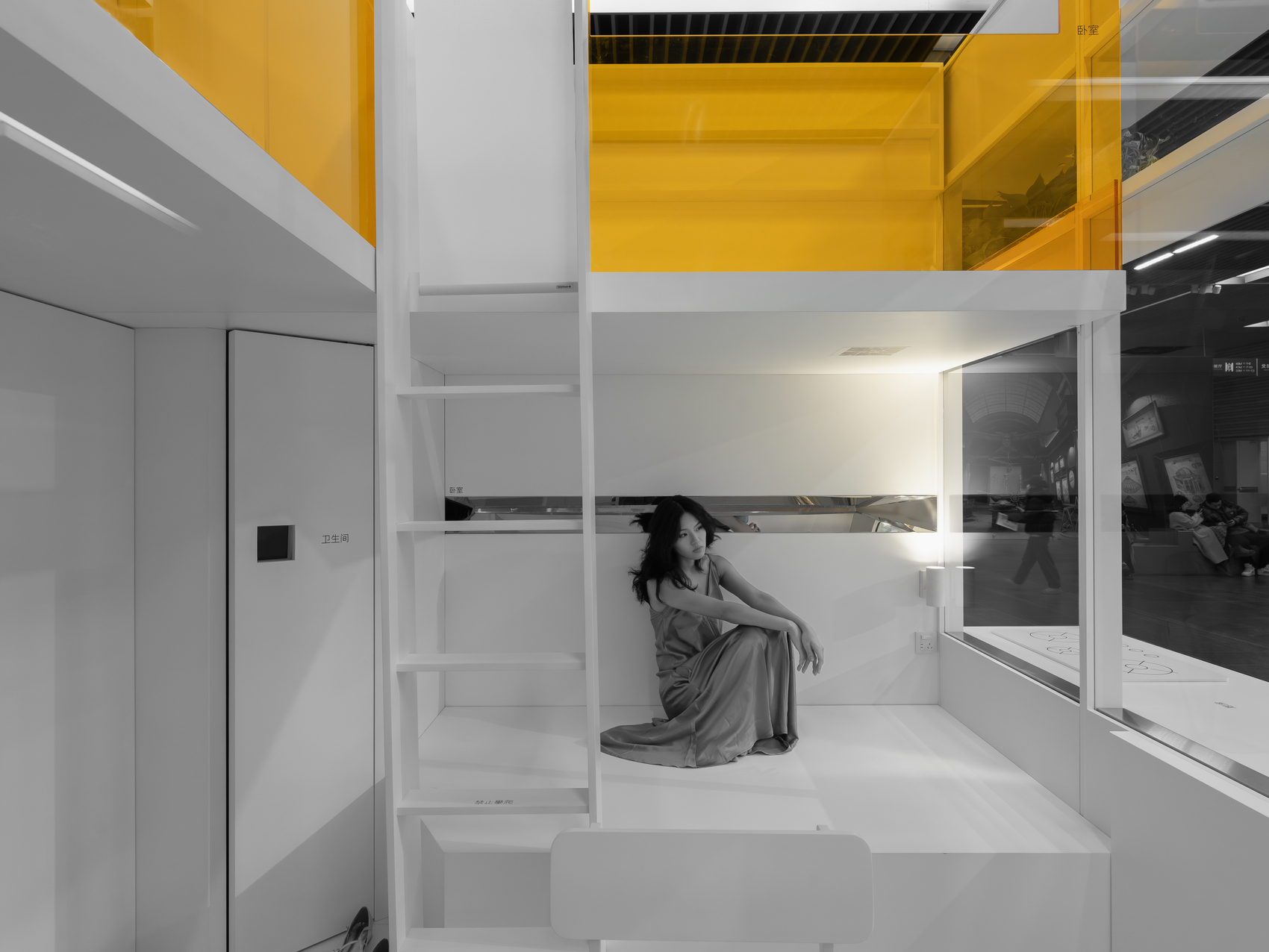
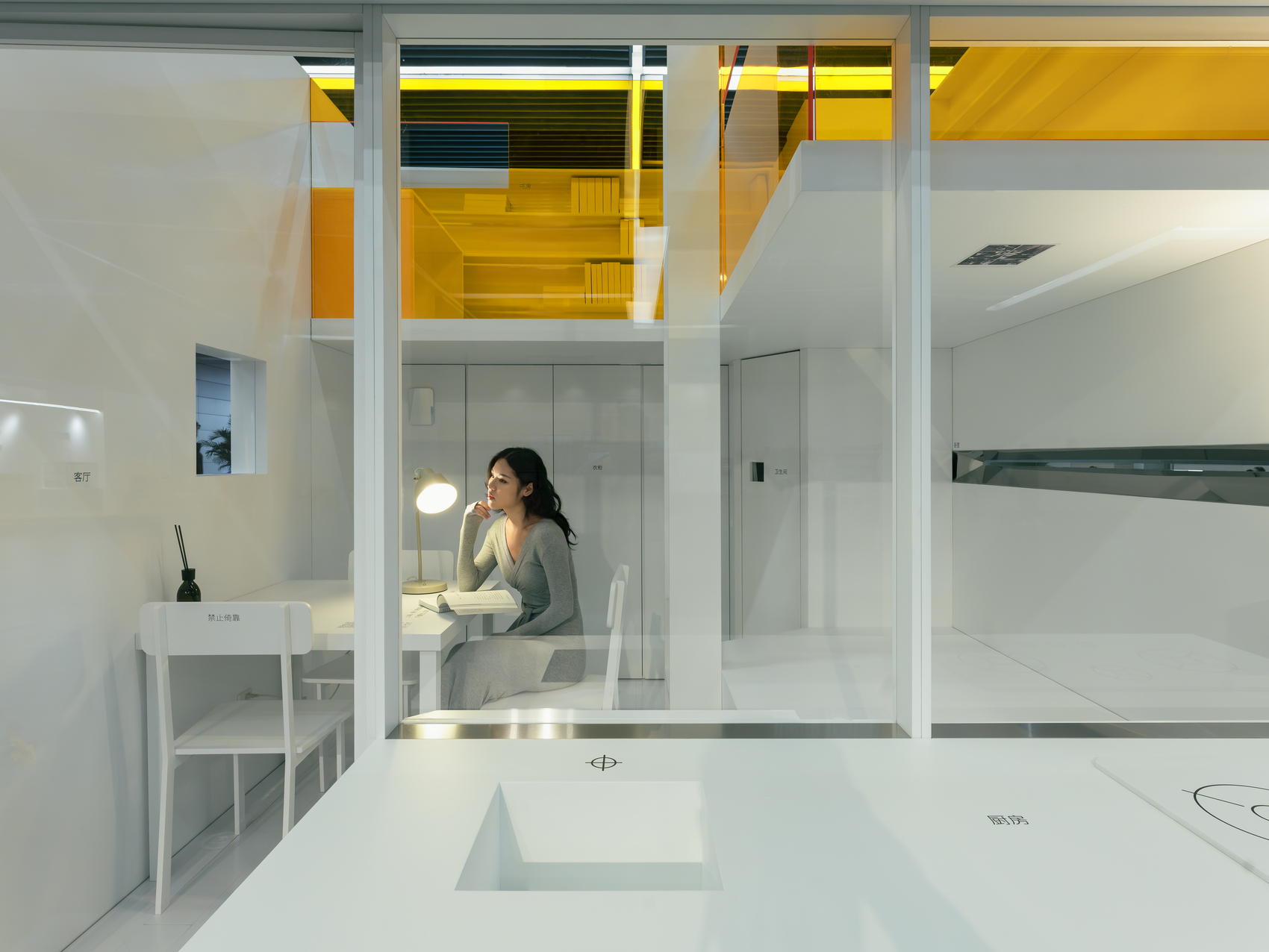
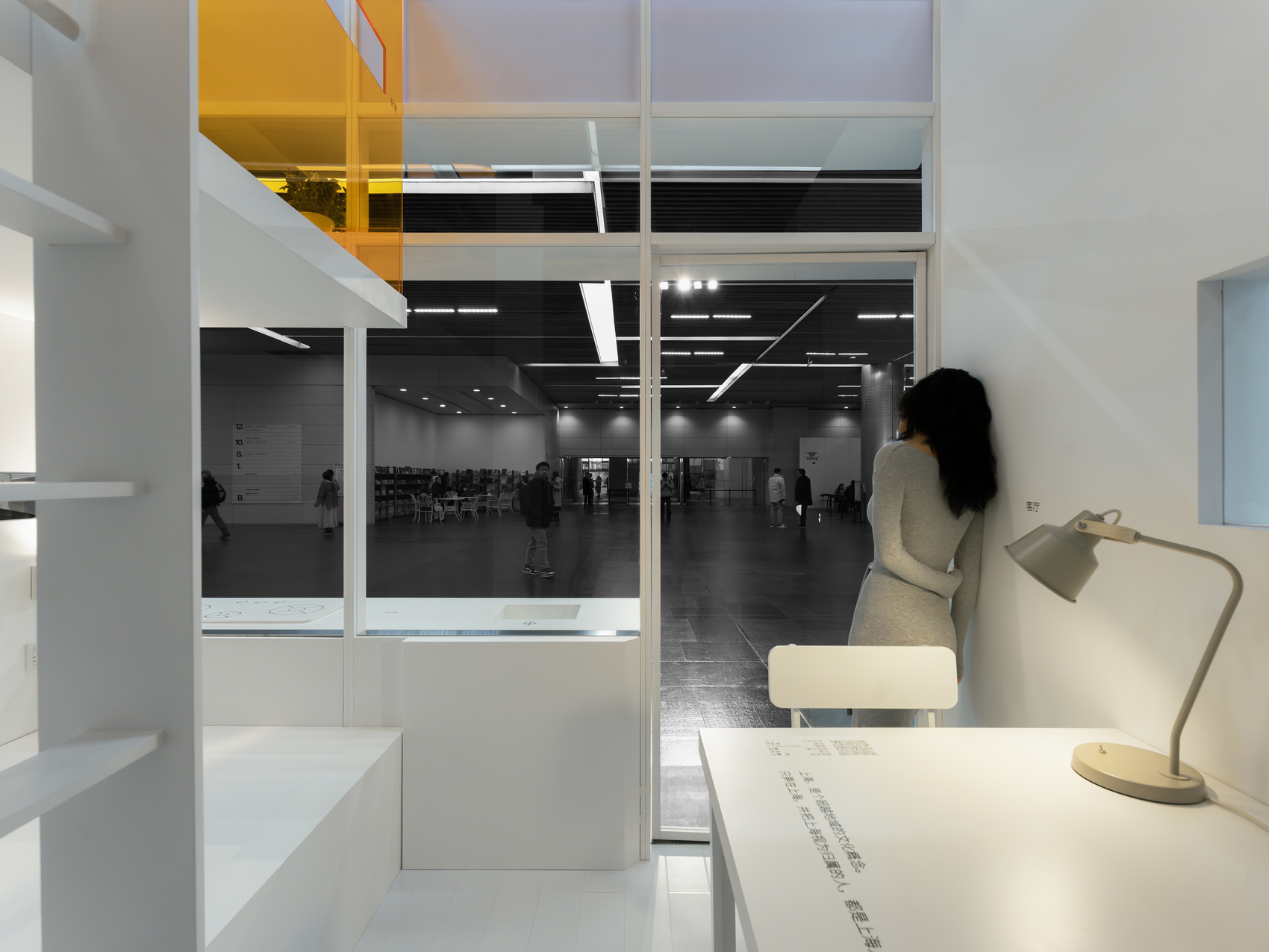
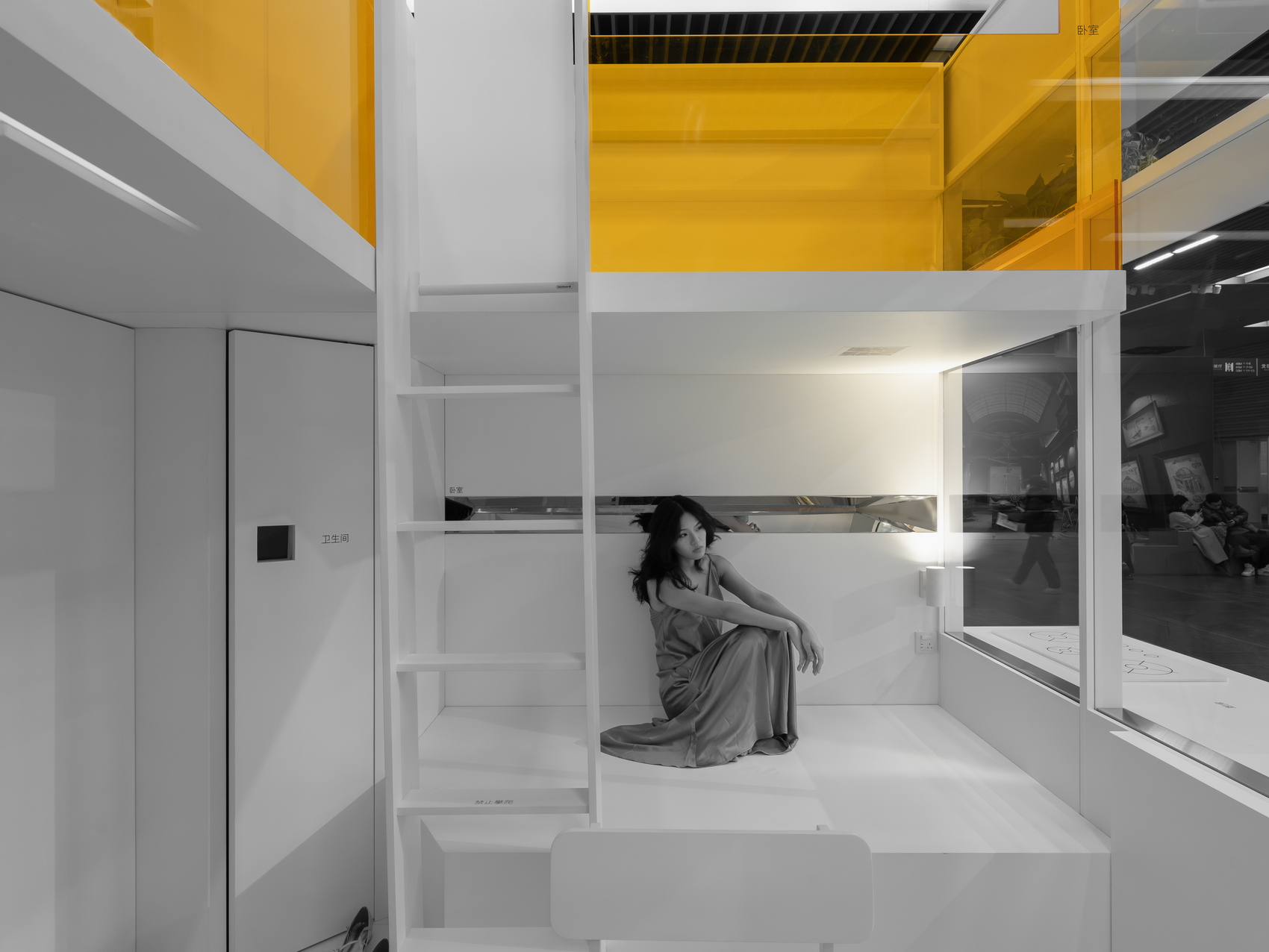
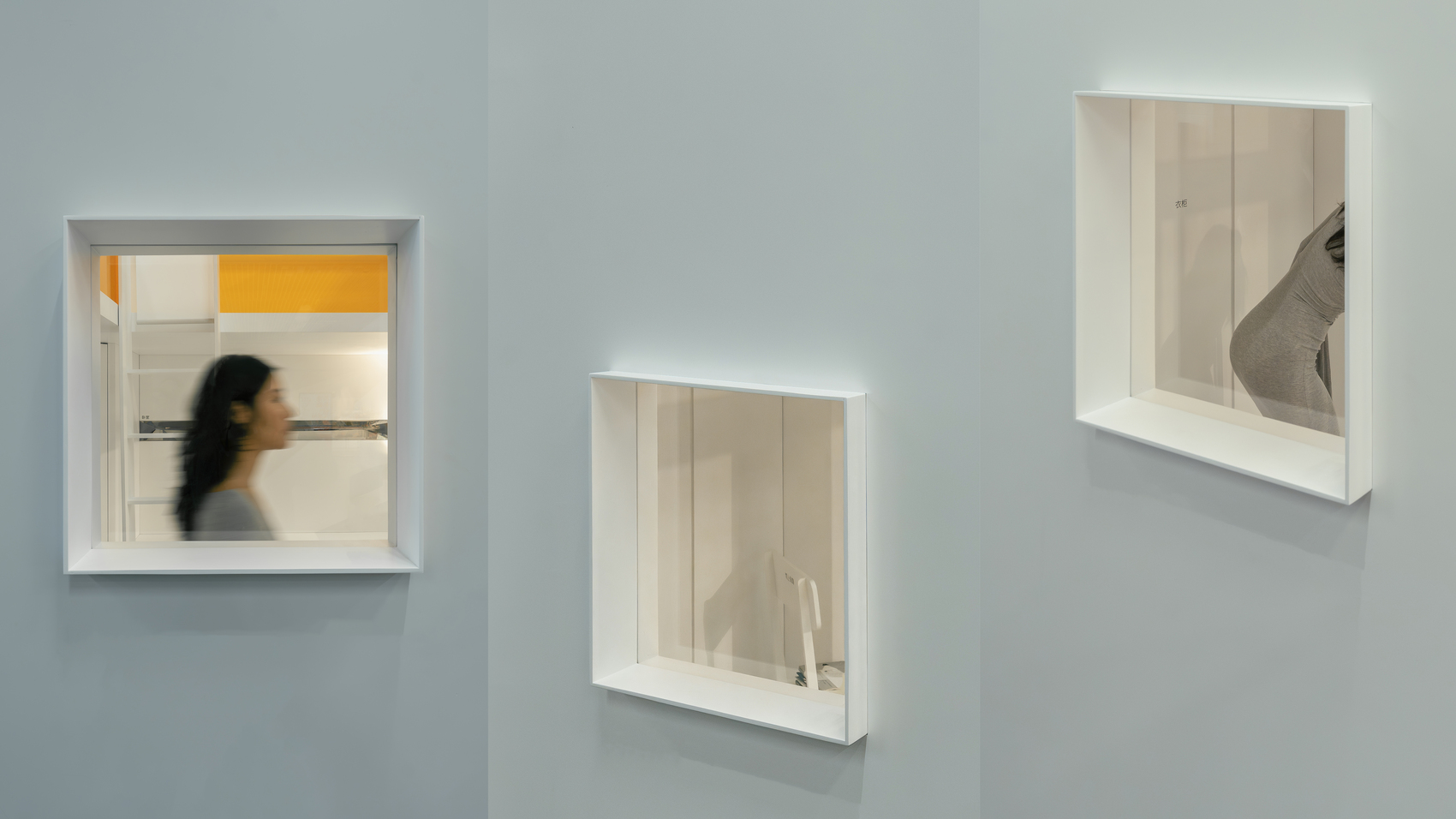
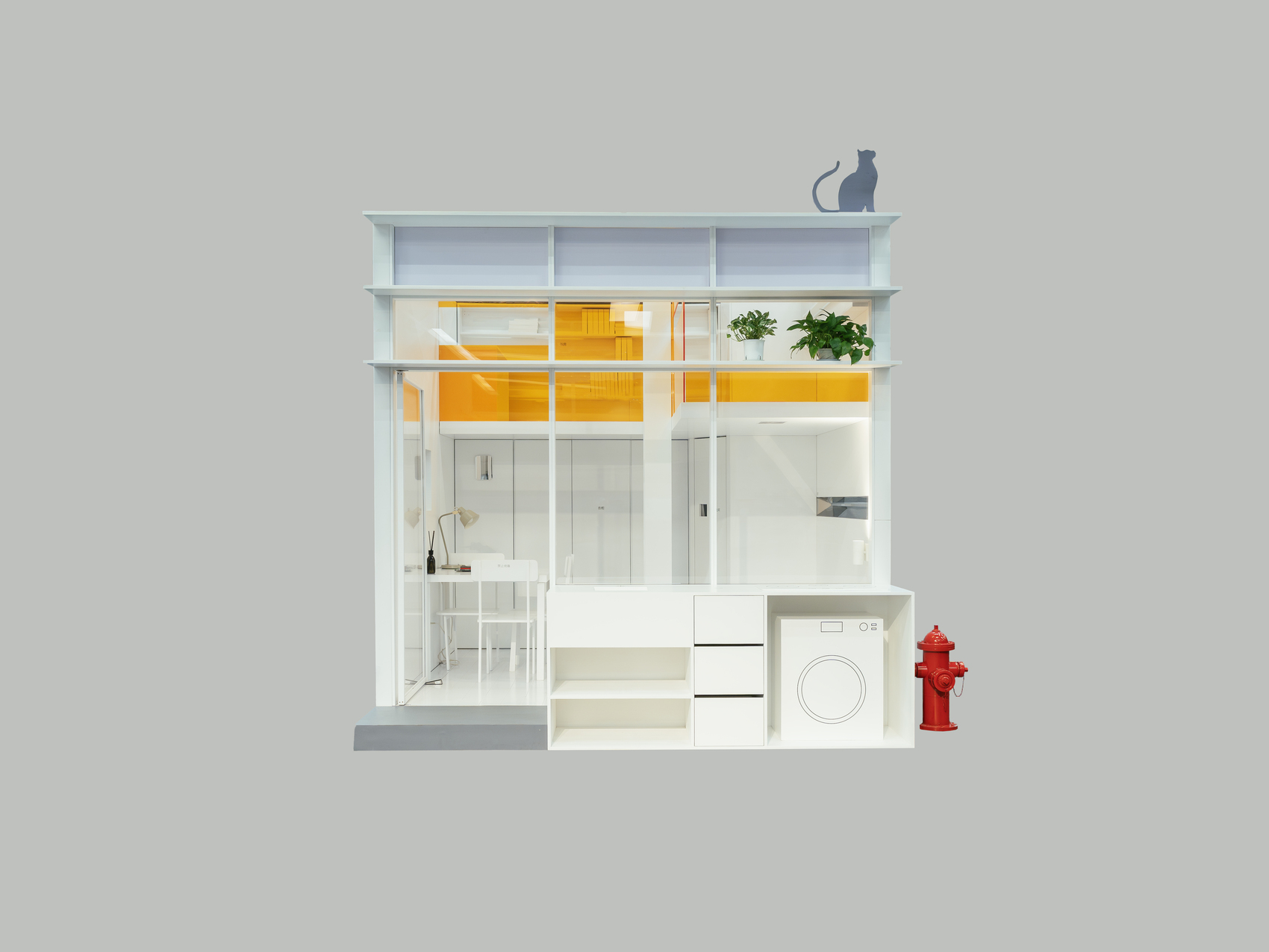
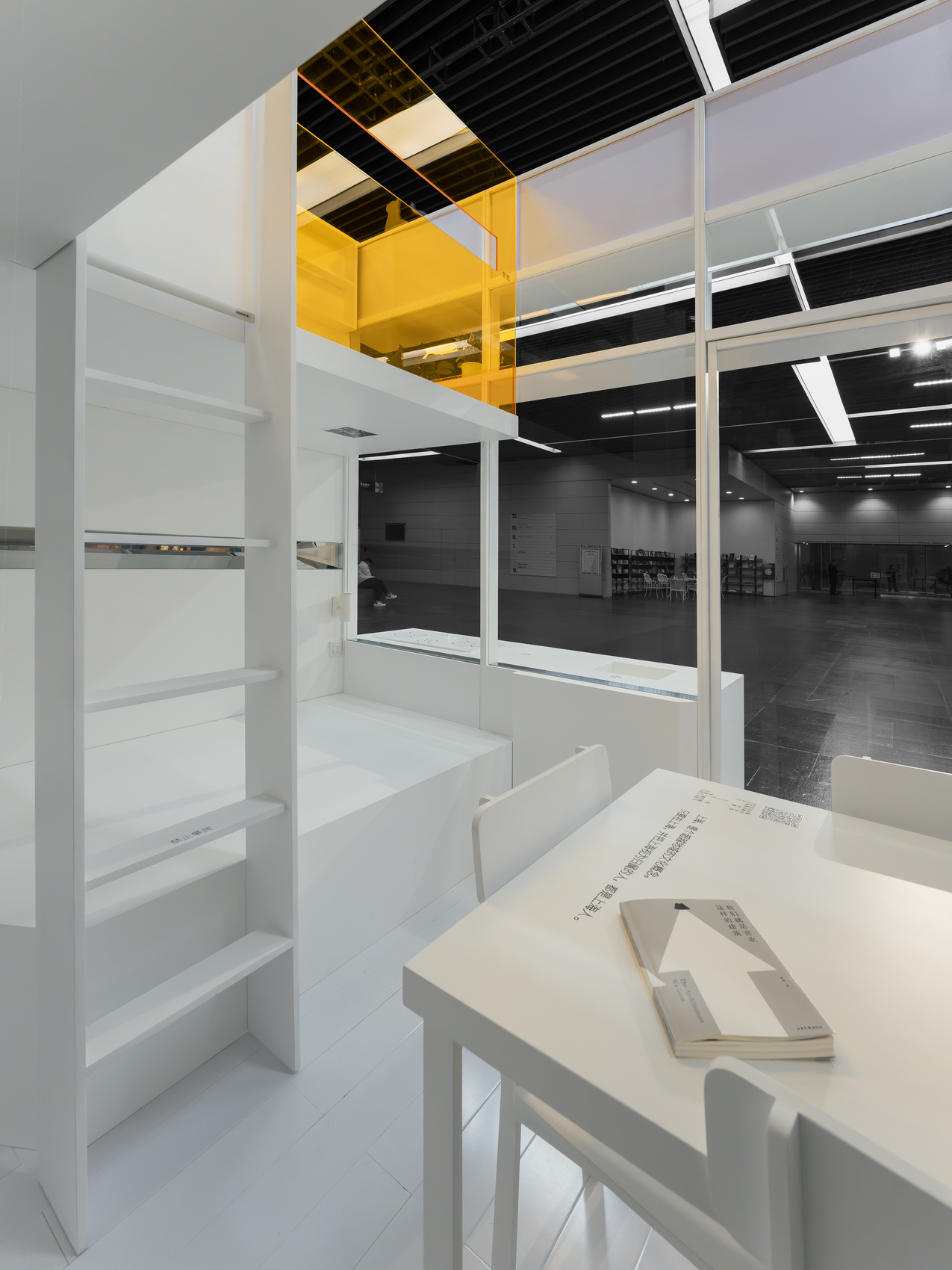
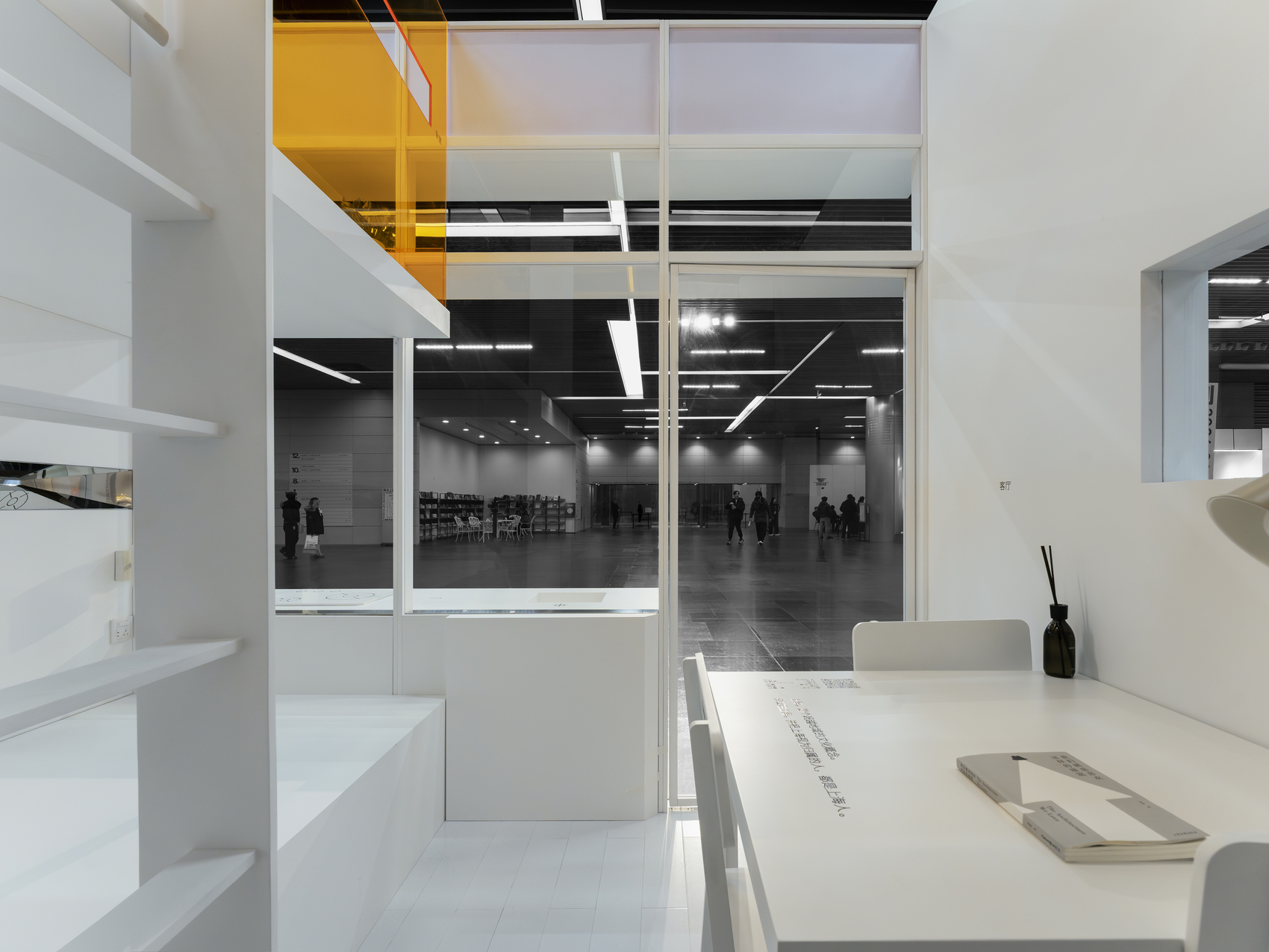
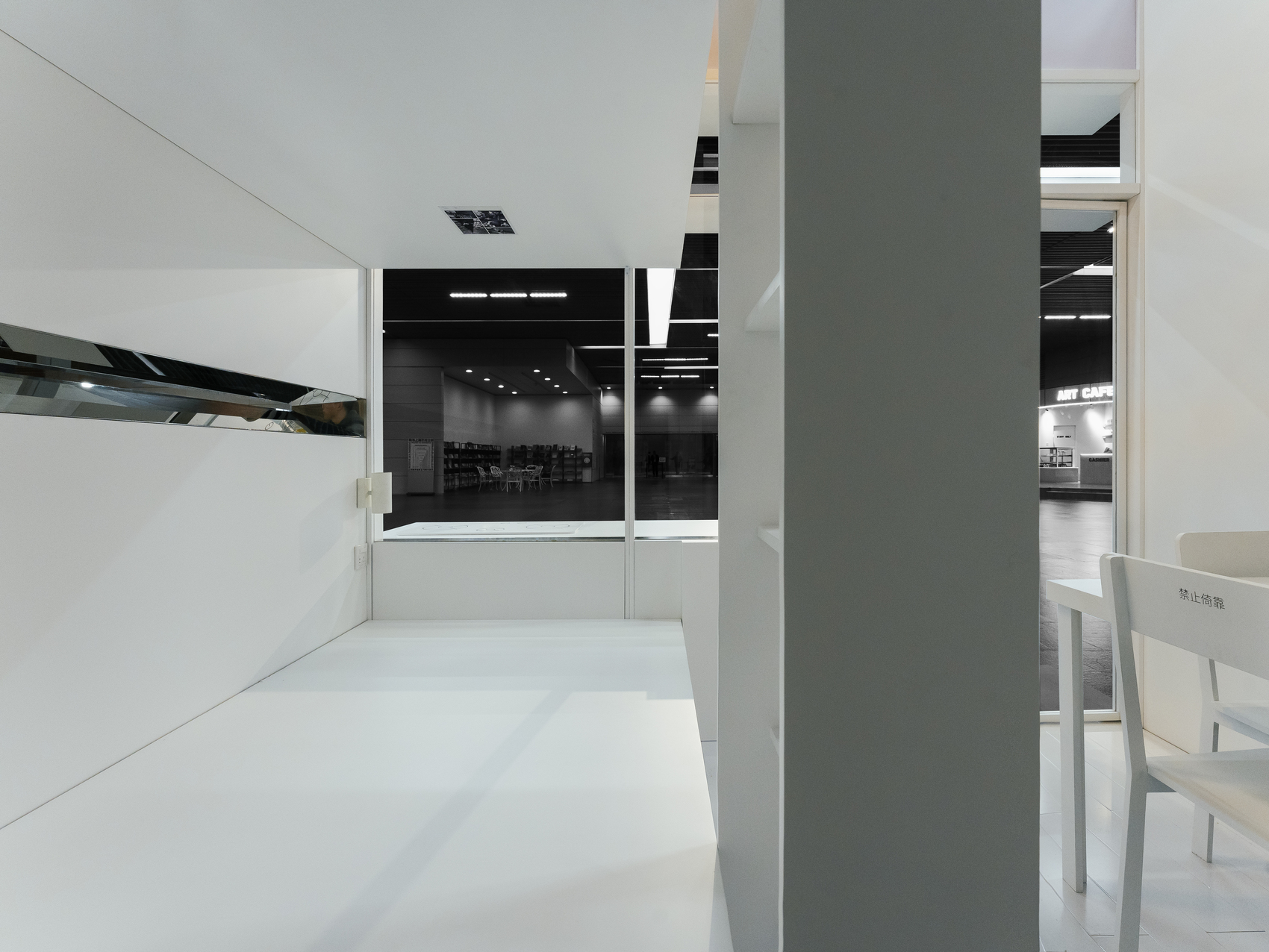
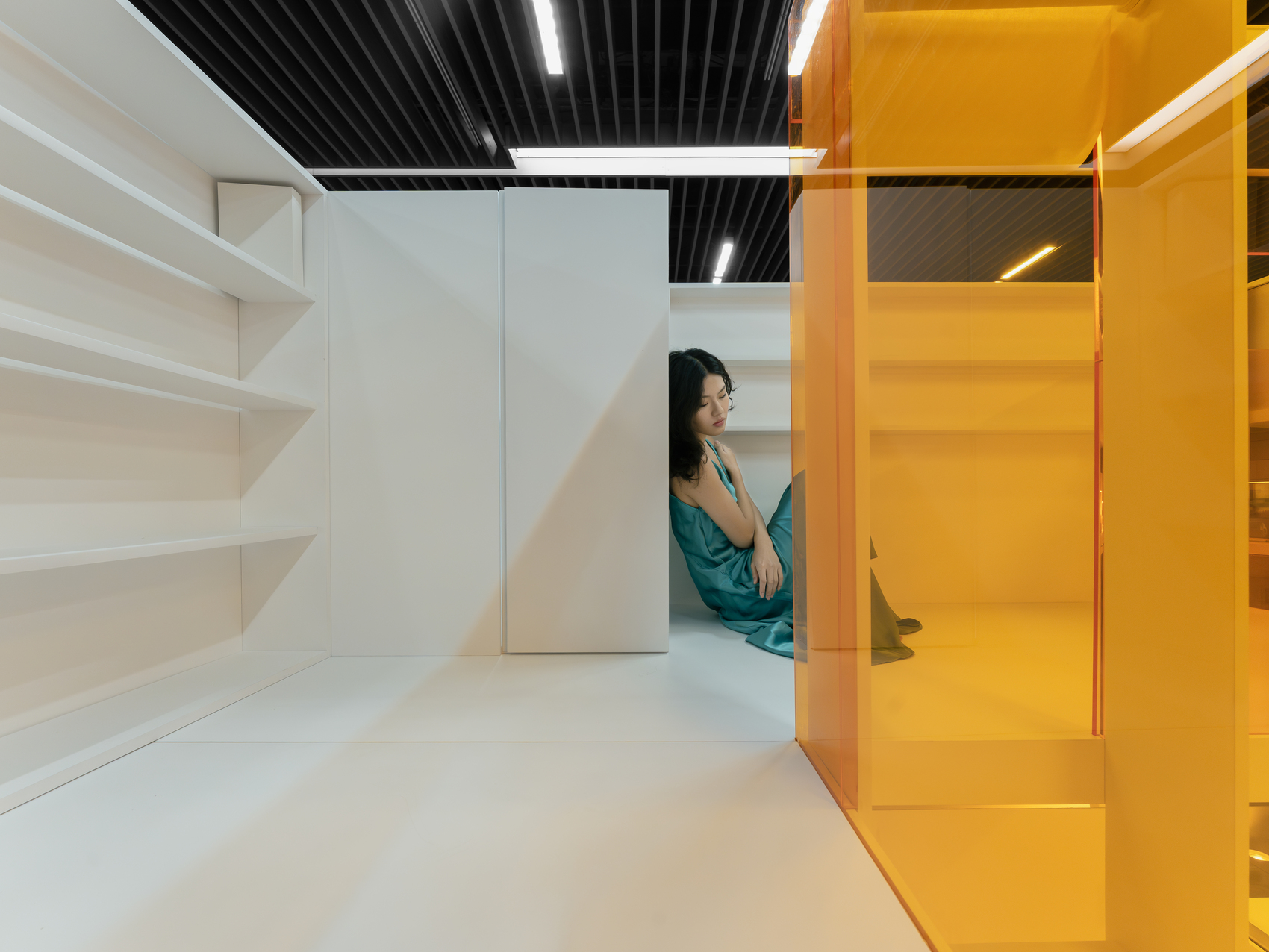
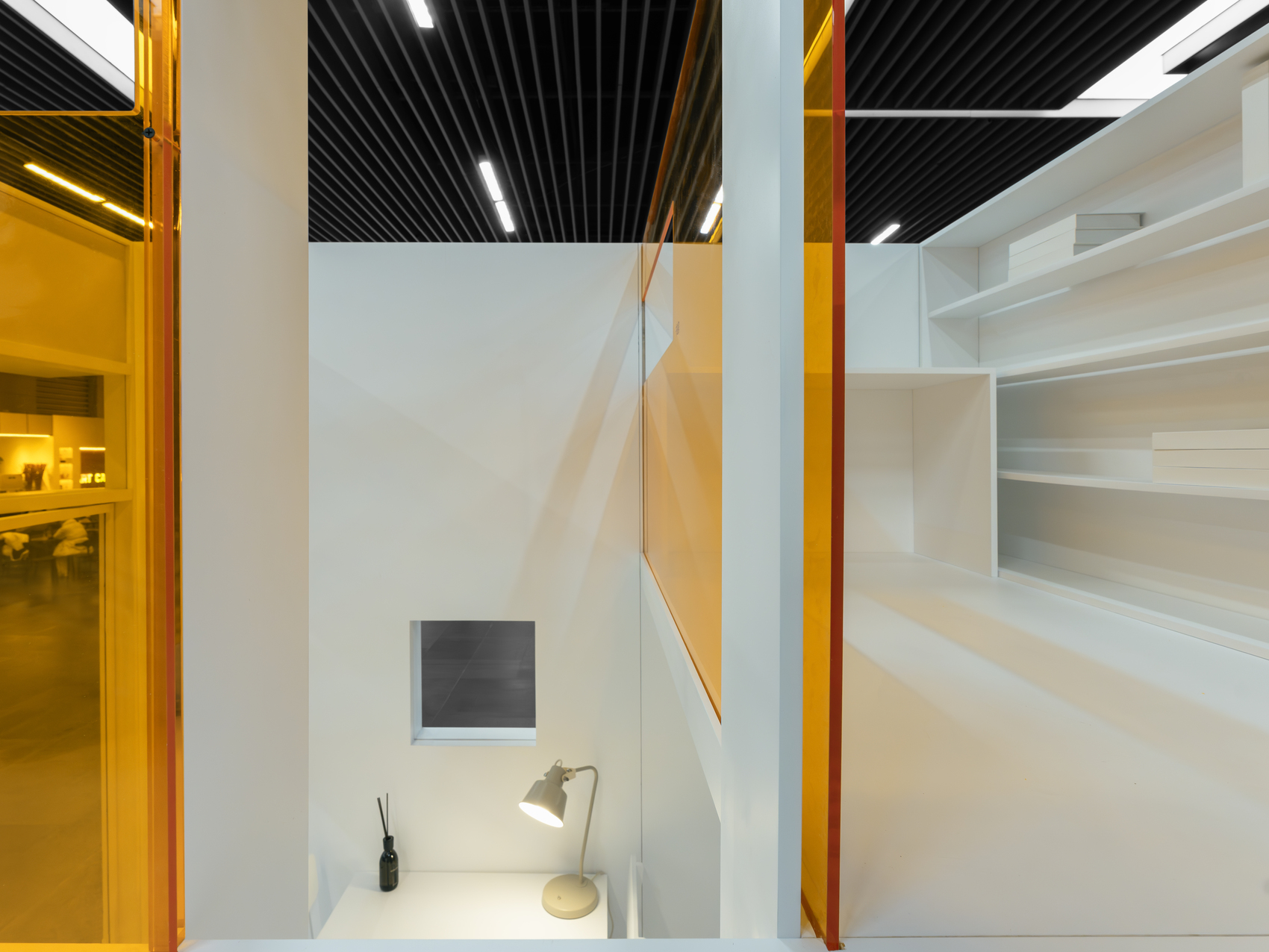
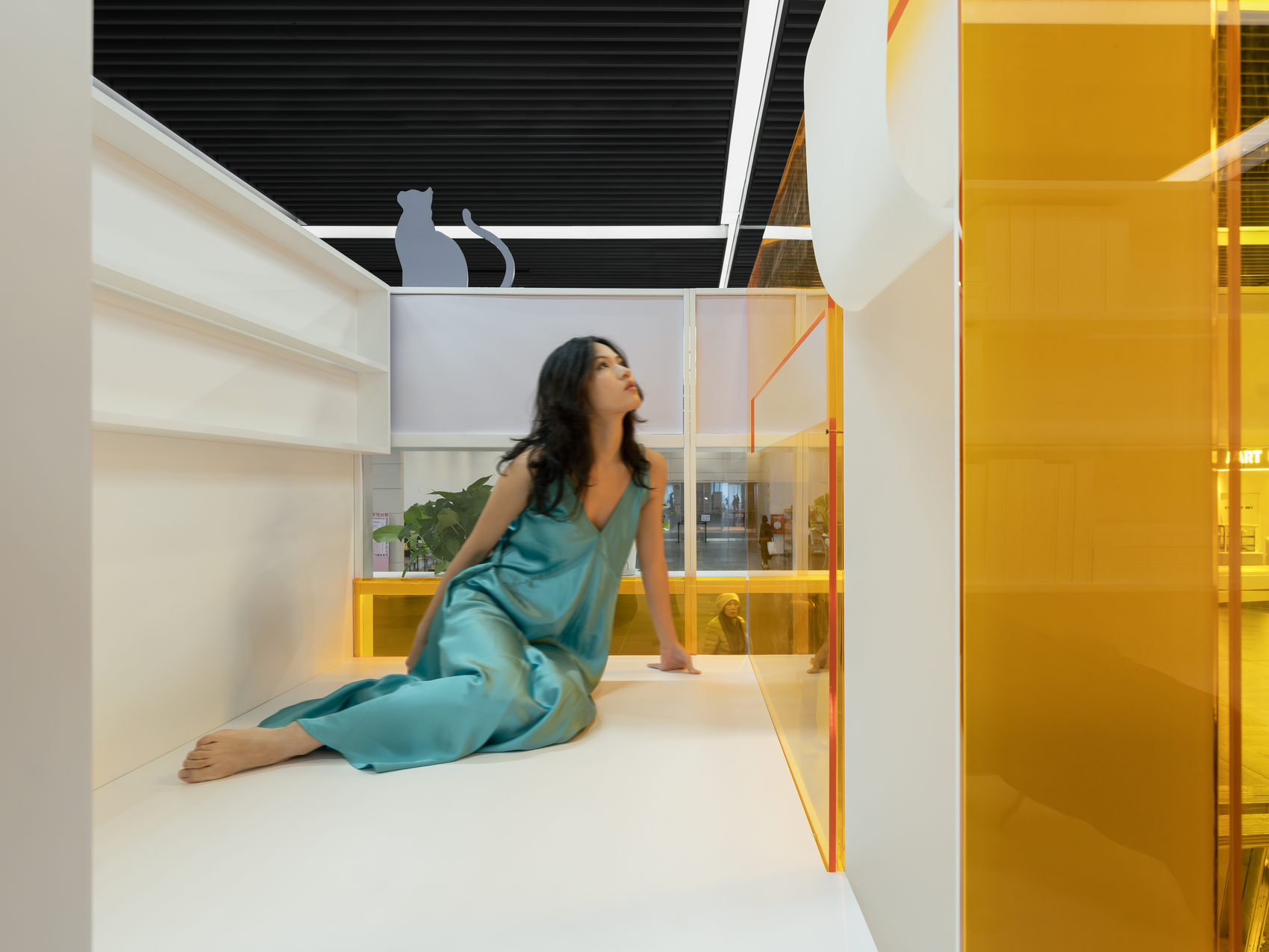
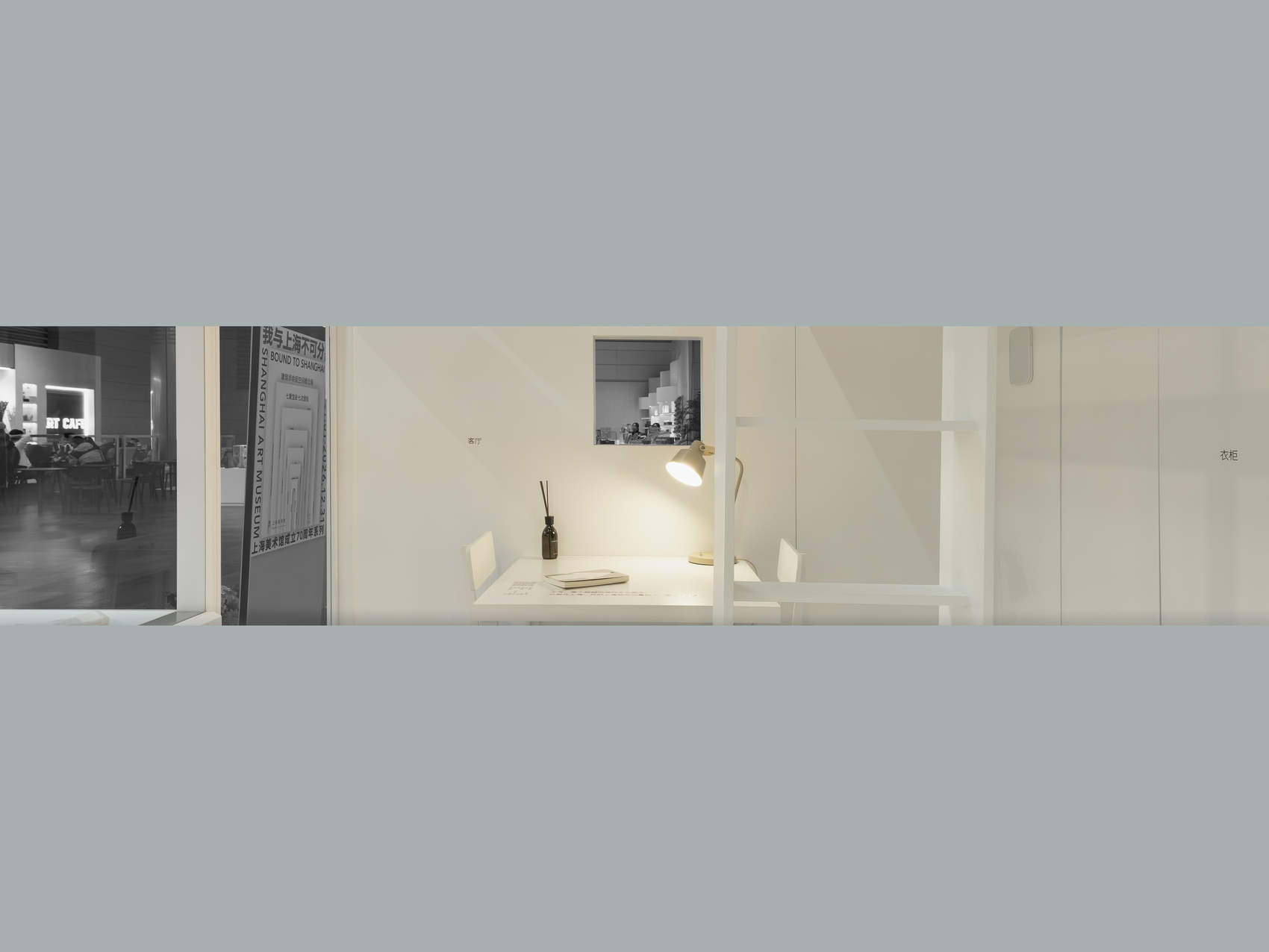
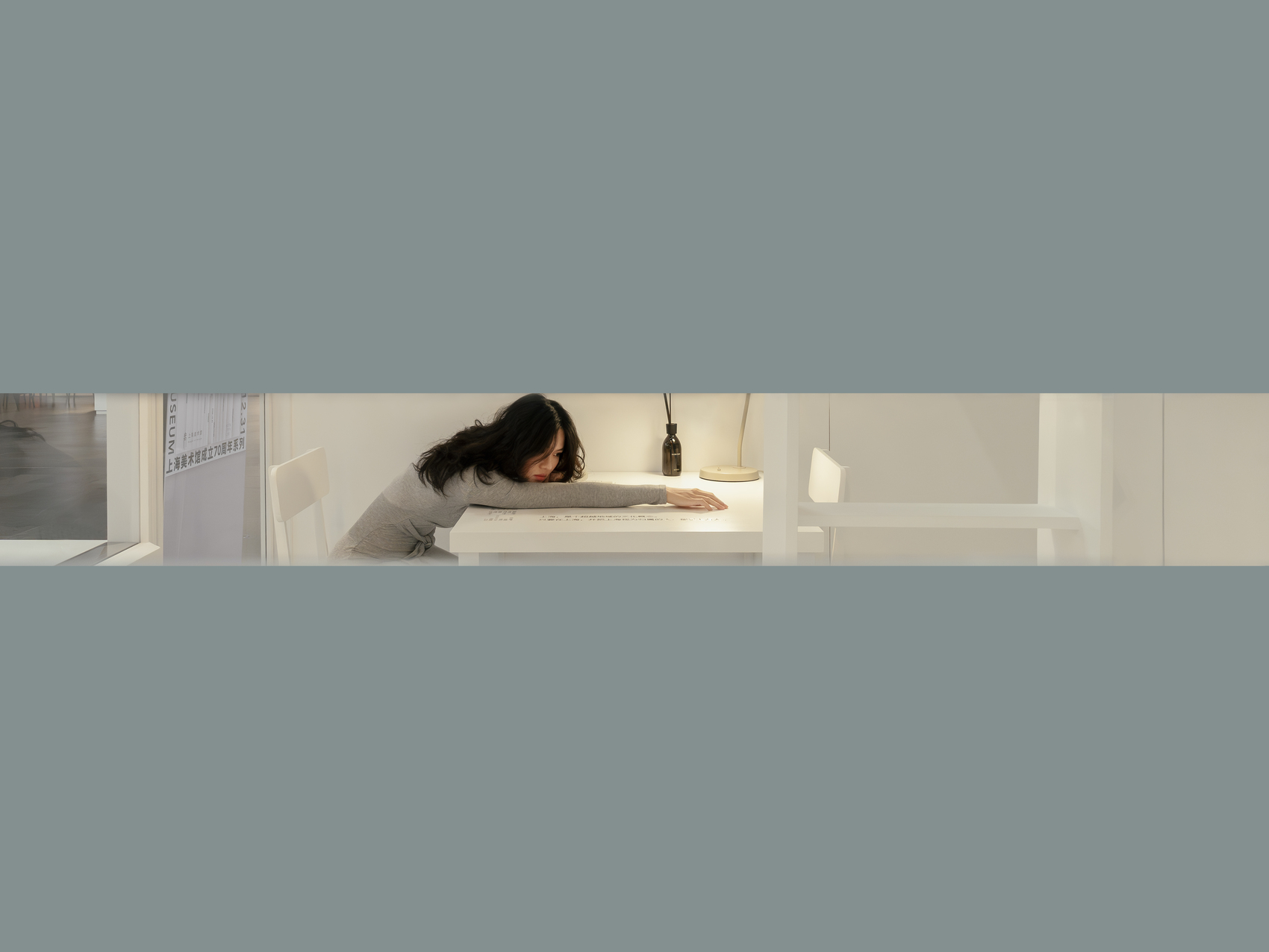
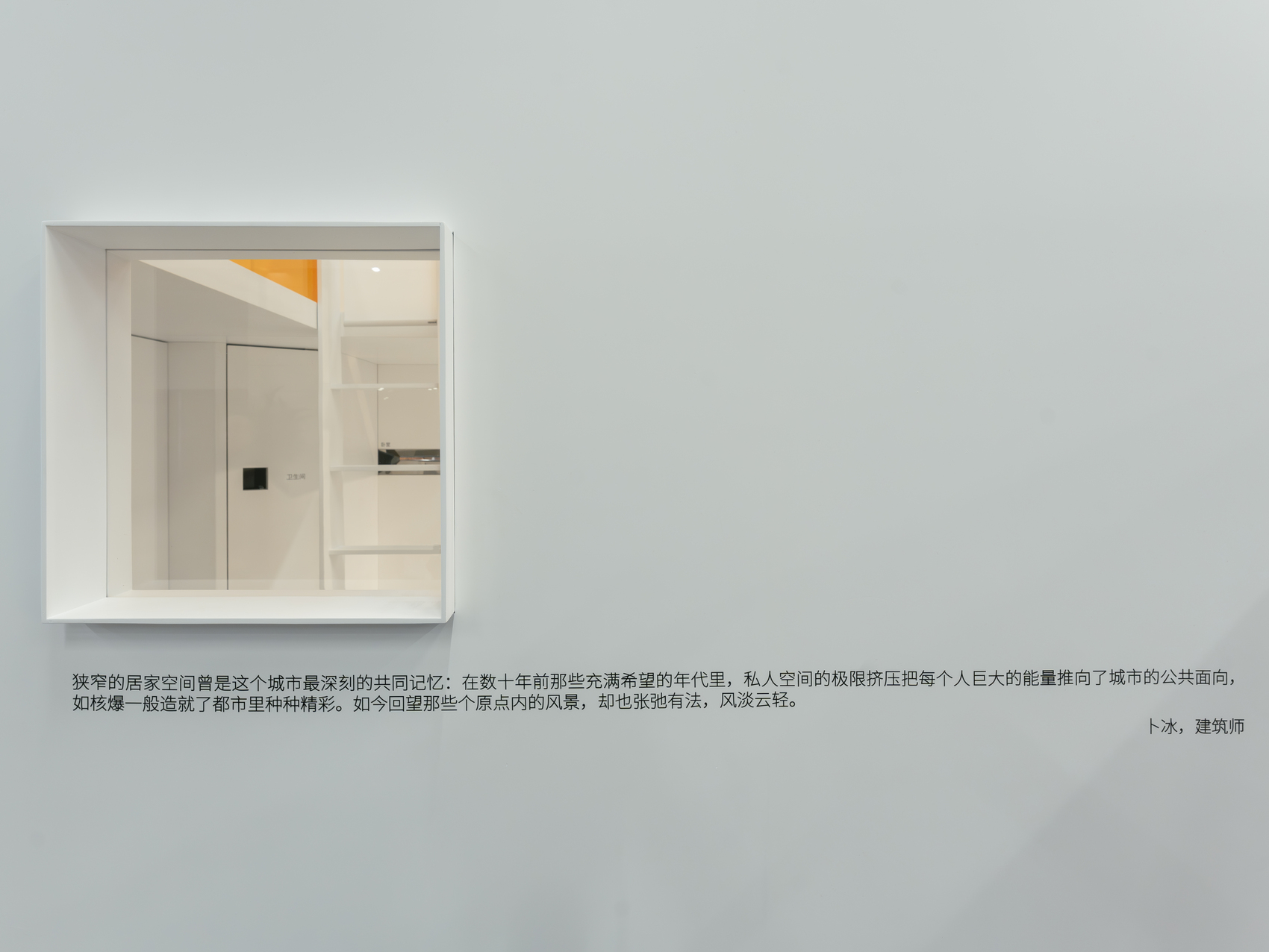
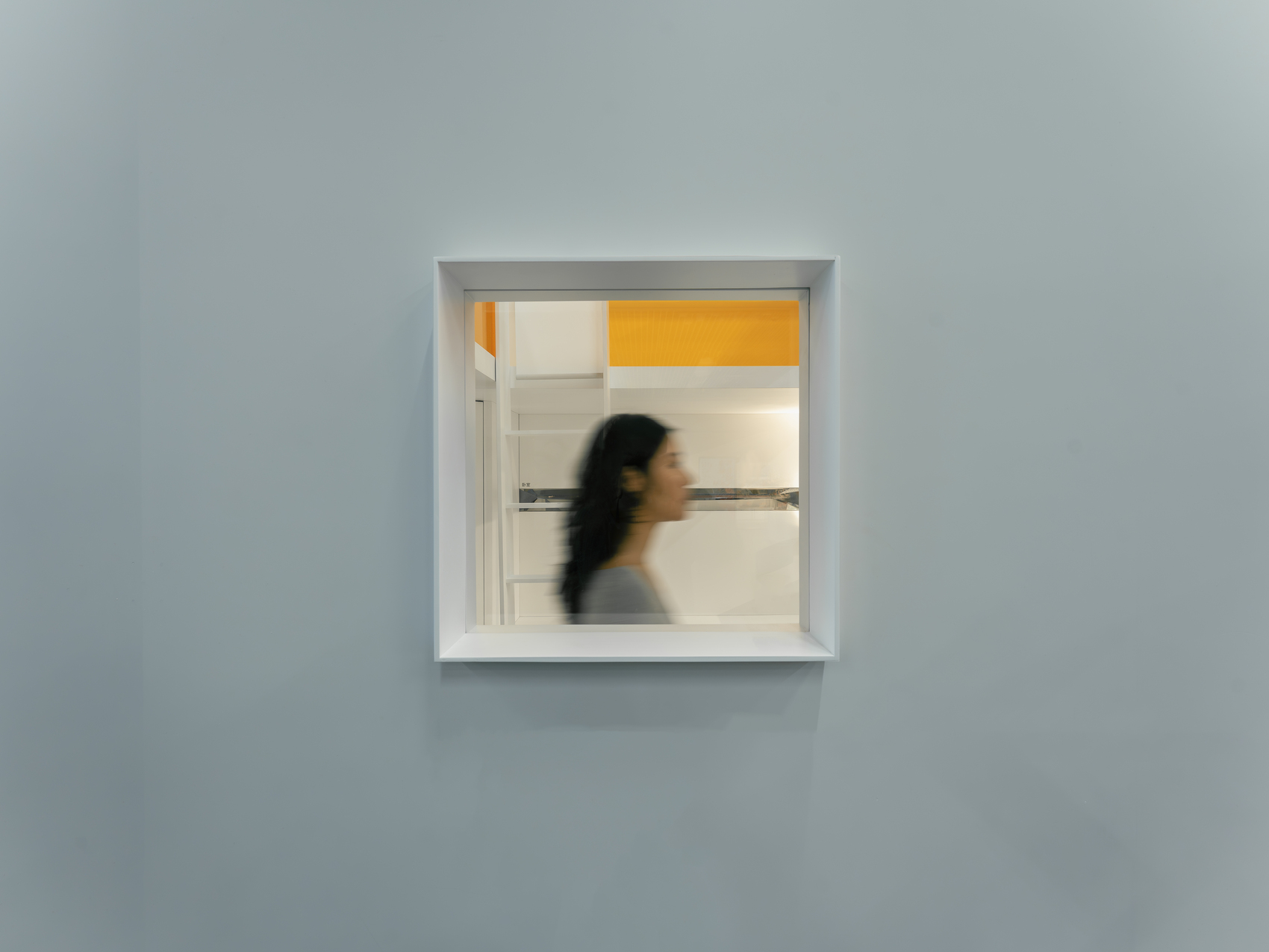
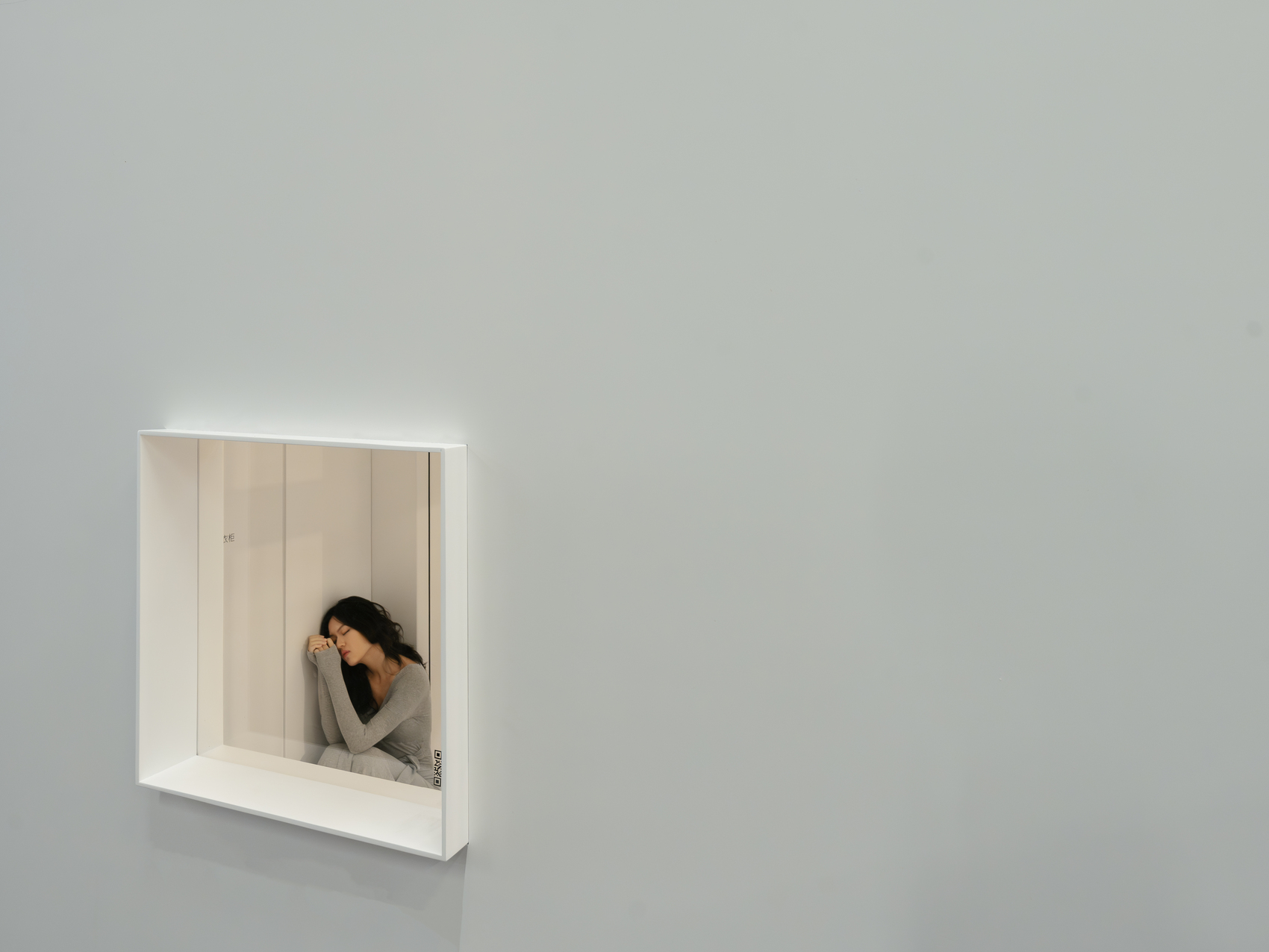
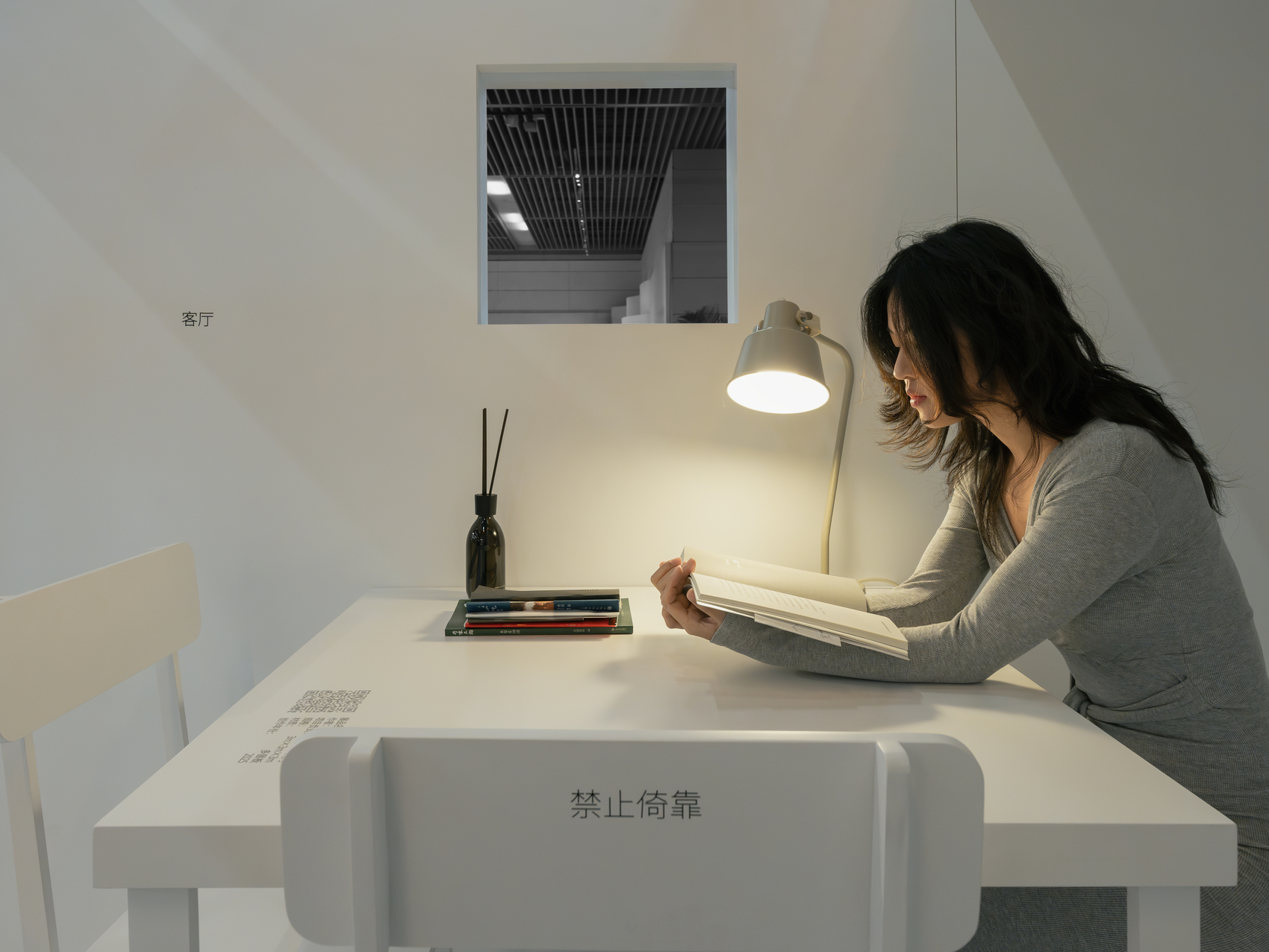
The first chapter, Home · Dignity, opened on January 1, 2026, translating domestic life into a three-meter cube. Developed from YU Ting’s earlier work The Dignity of Nine Square Metres, the plywood installation accommodates a family of three within a white, model-like interior containing a sofa bed, wardrobe, bathroom and multifunctional dining table. A raised section creates a smaller world for the child, combining a bed and desk within the compact volume. The arrangement uses the limited footprint to examine how everyday activities can coexist through flexible and multifunctional domestic elements.
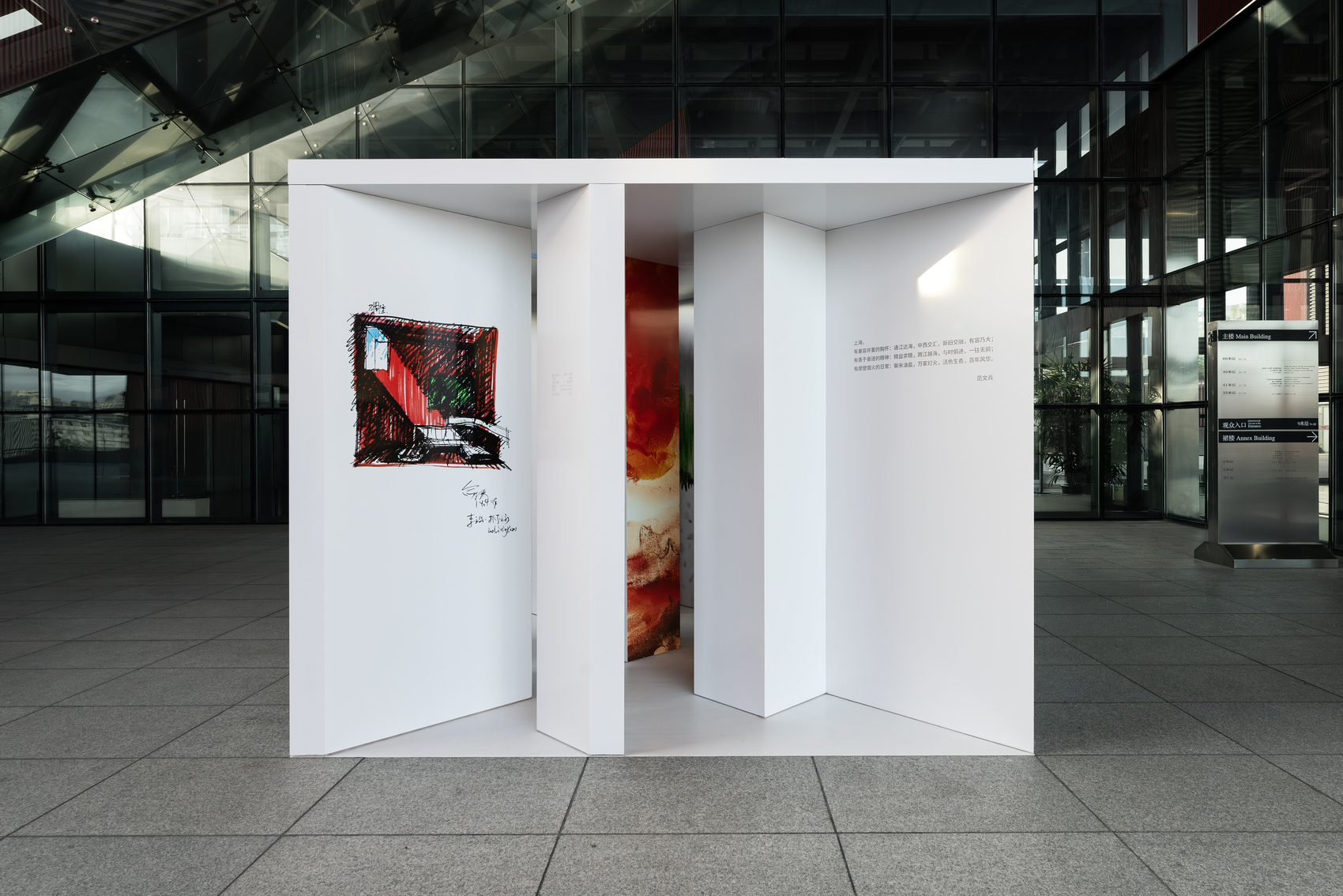
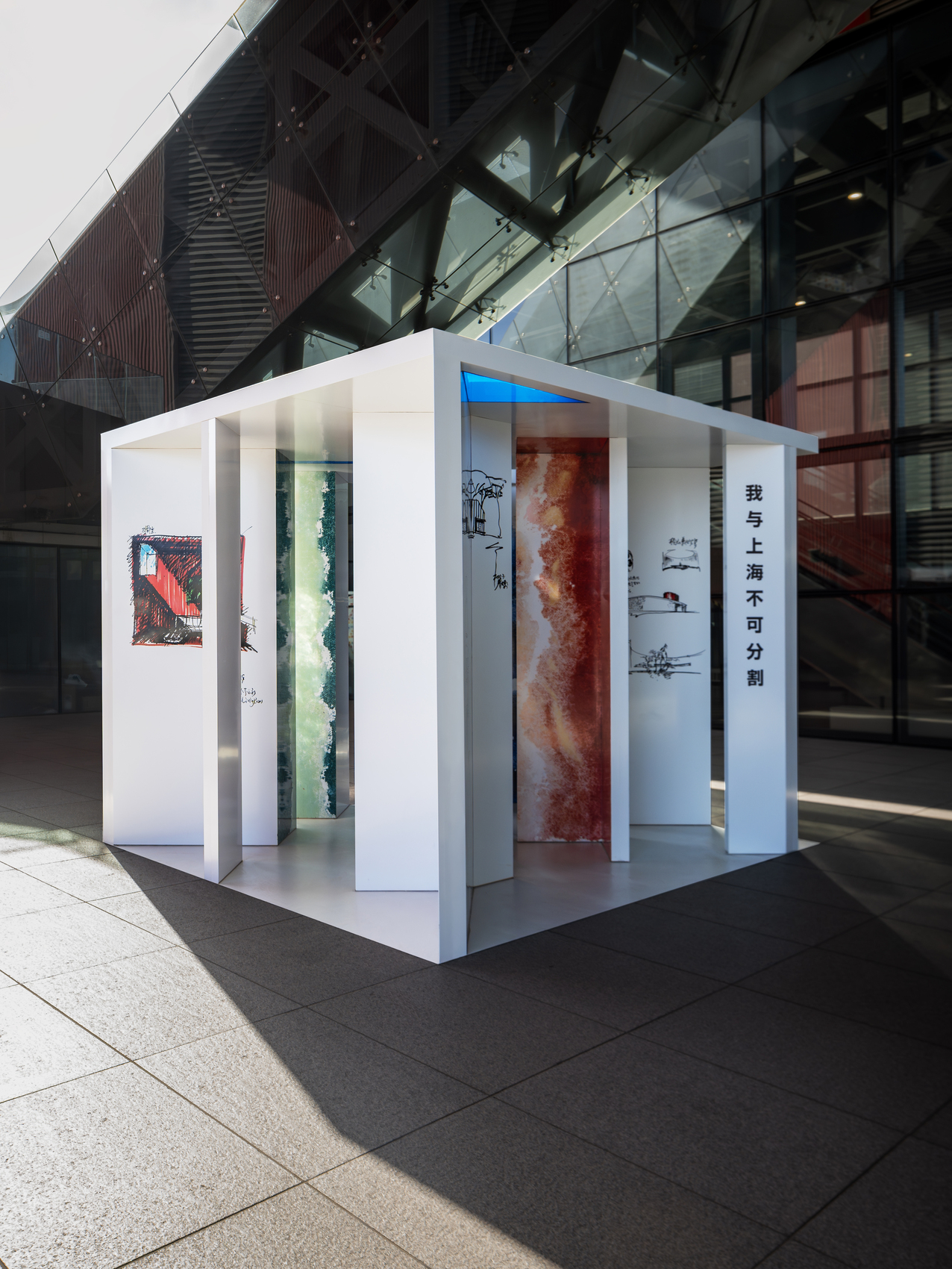
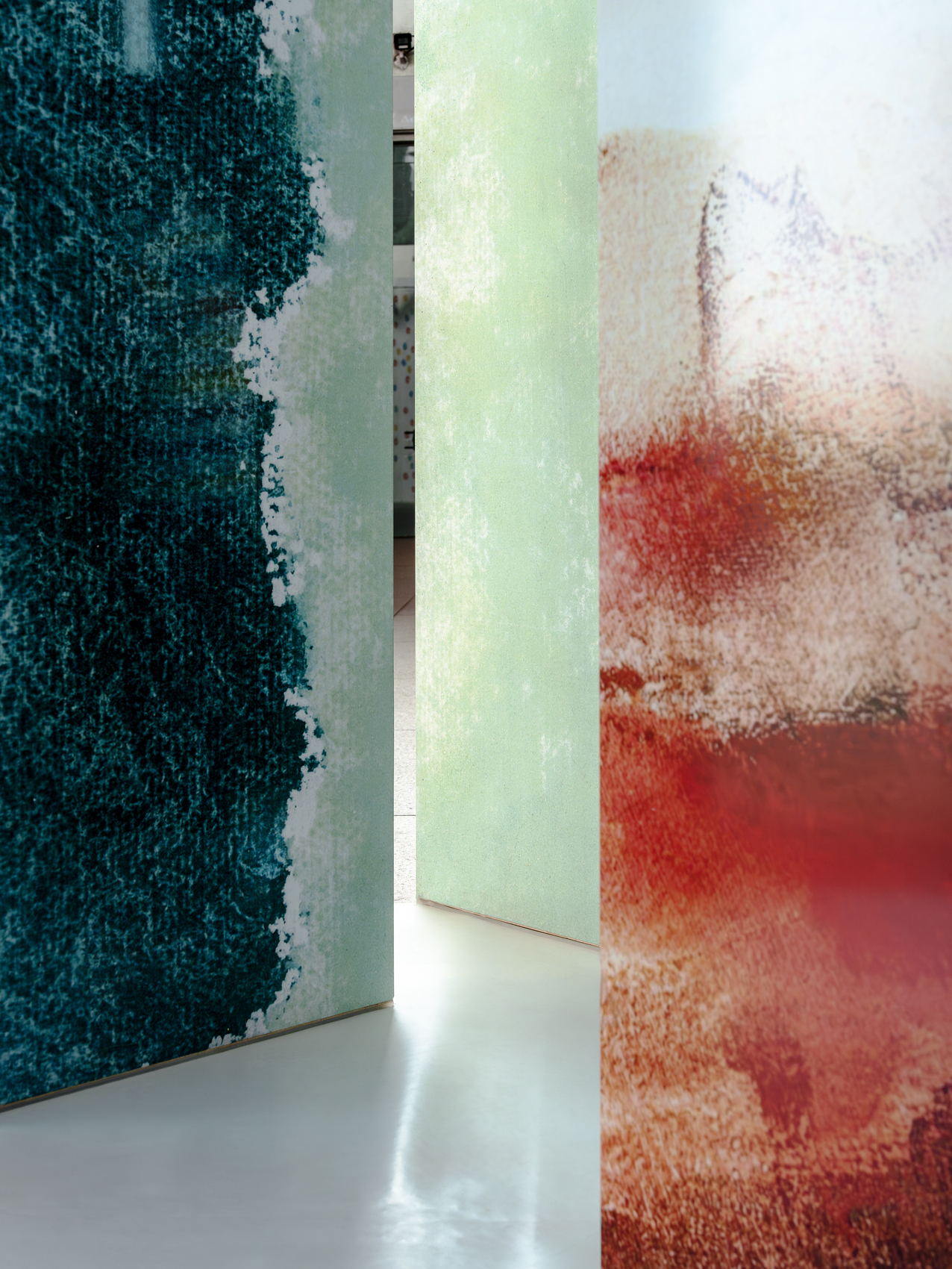
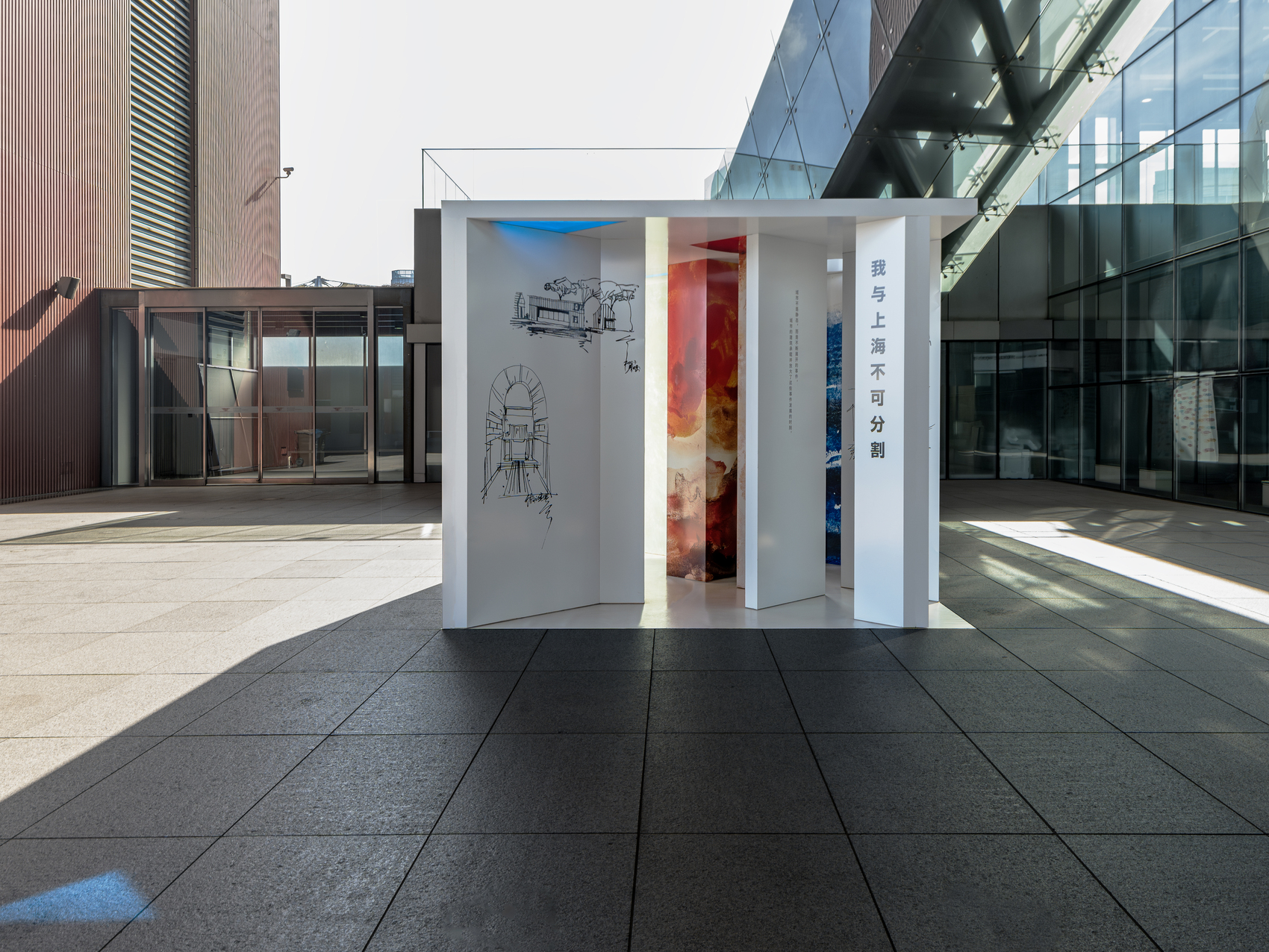
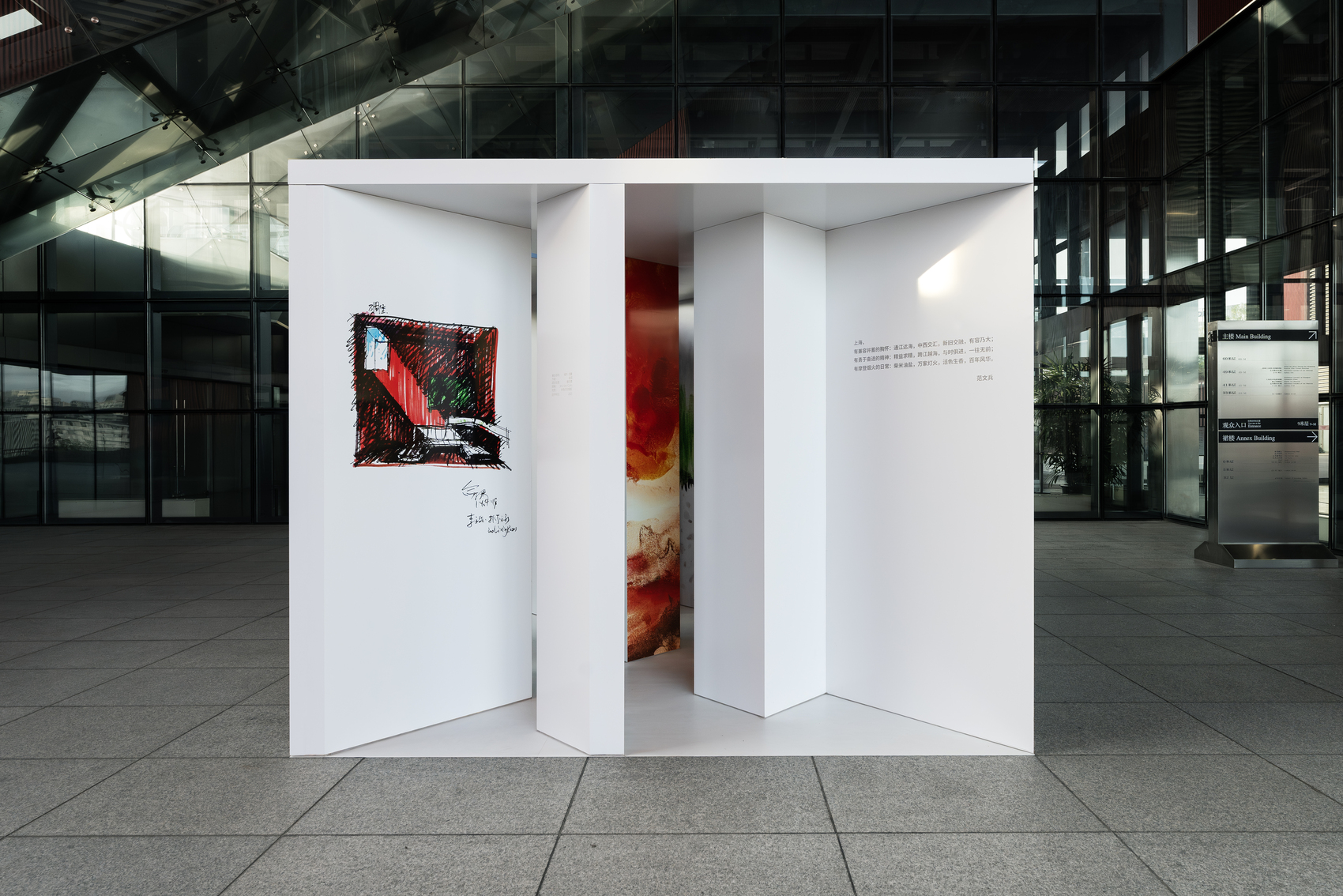
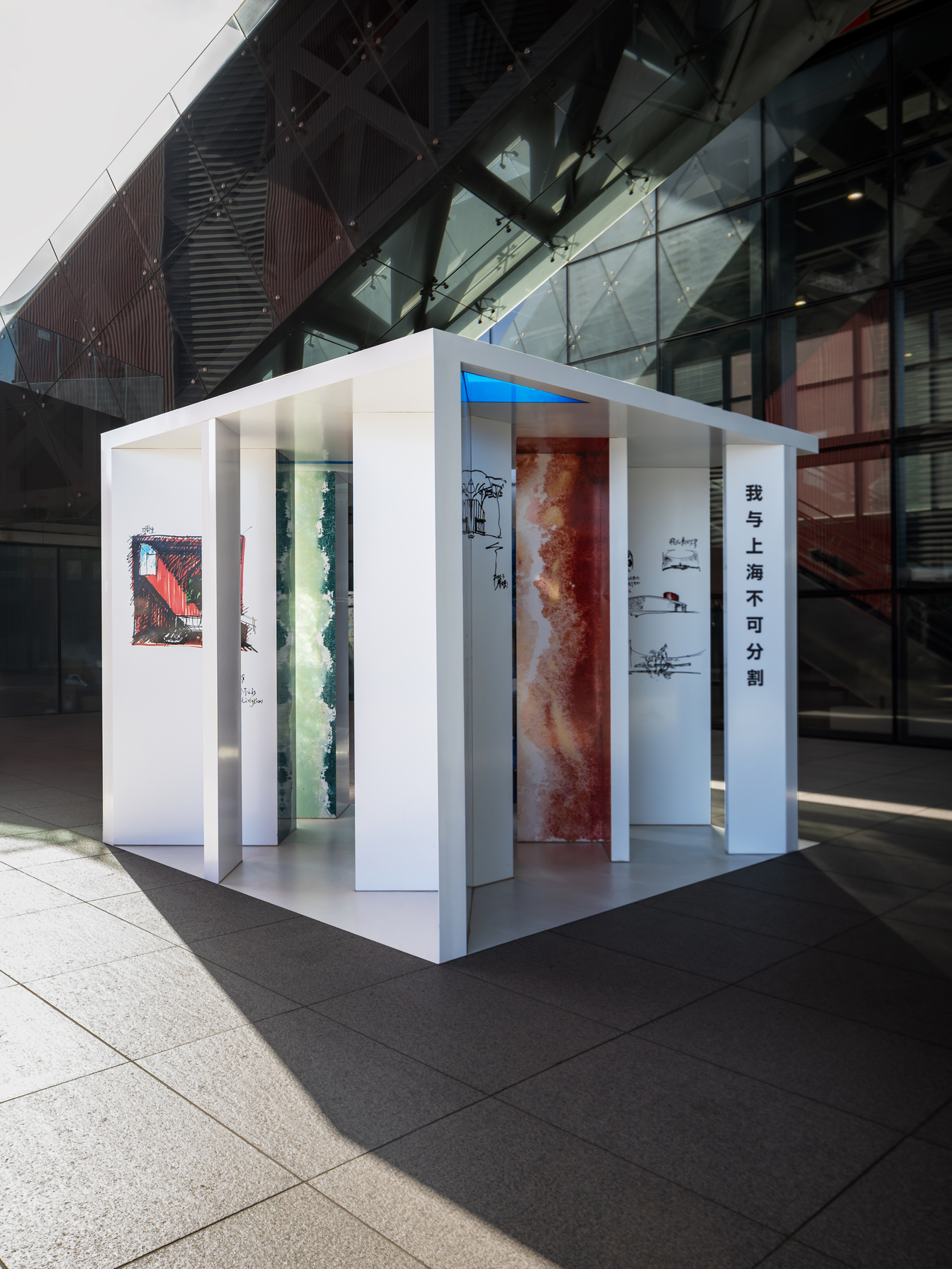
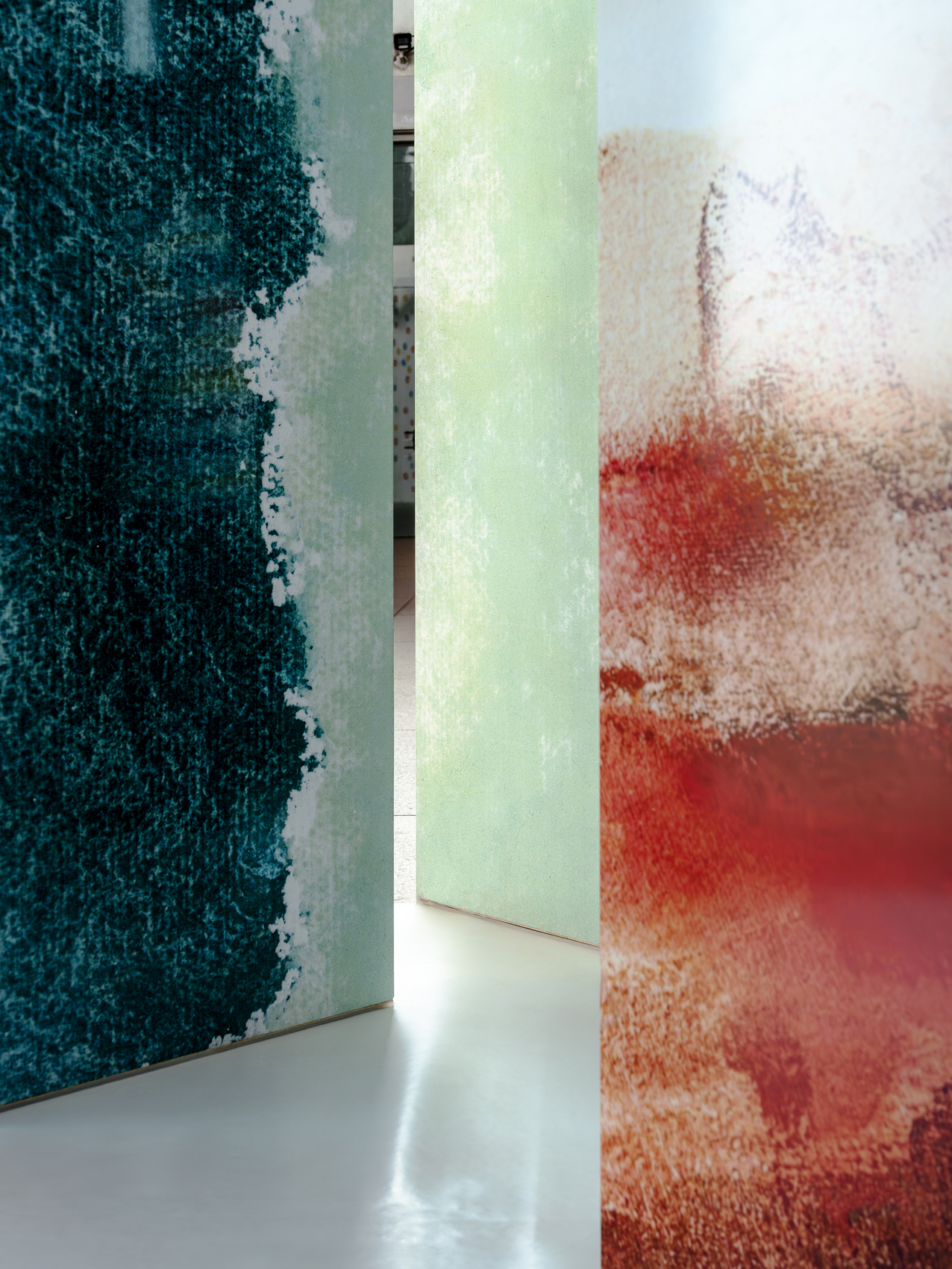
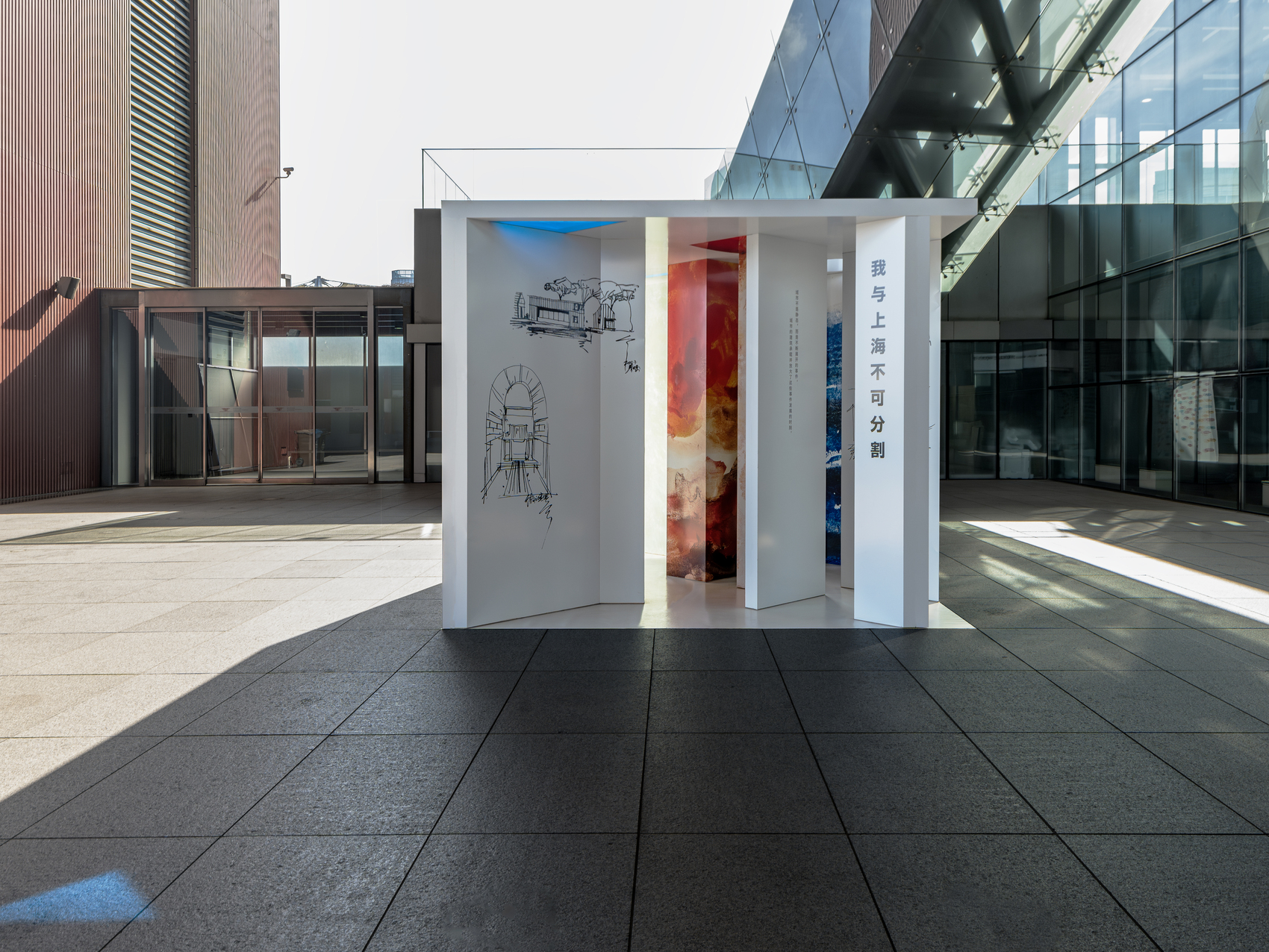
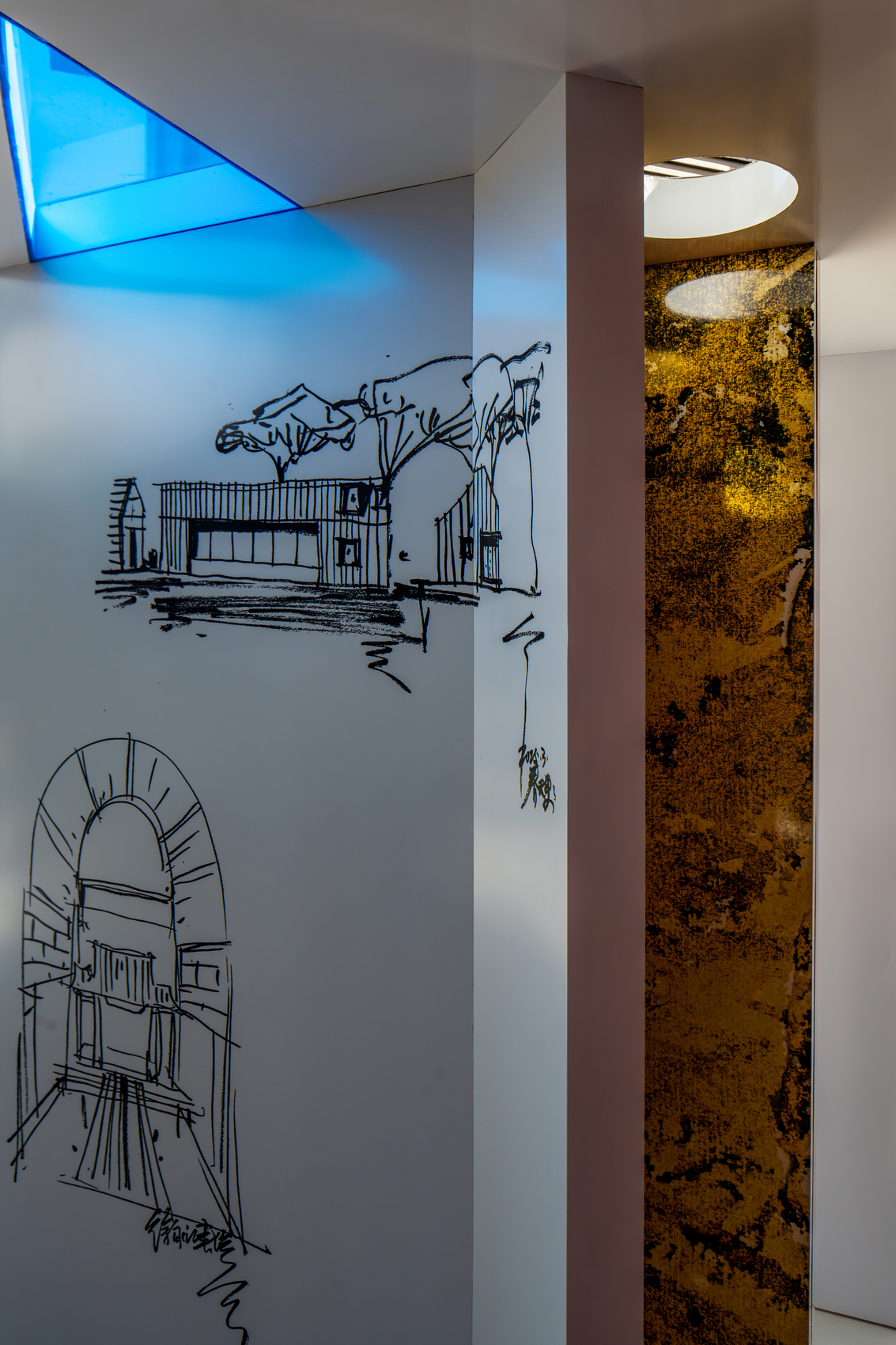
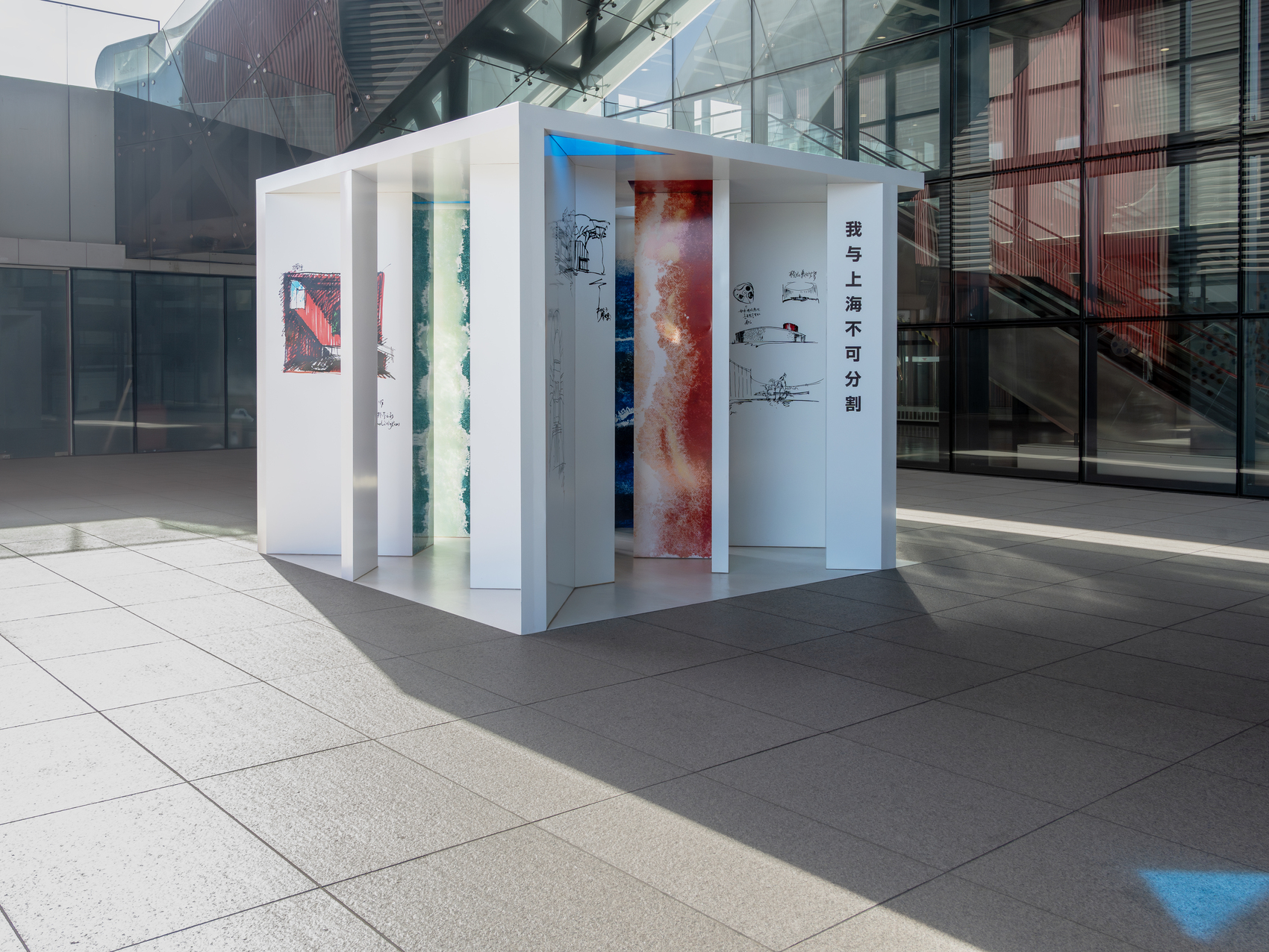
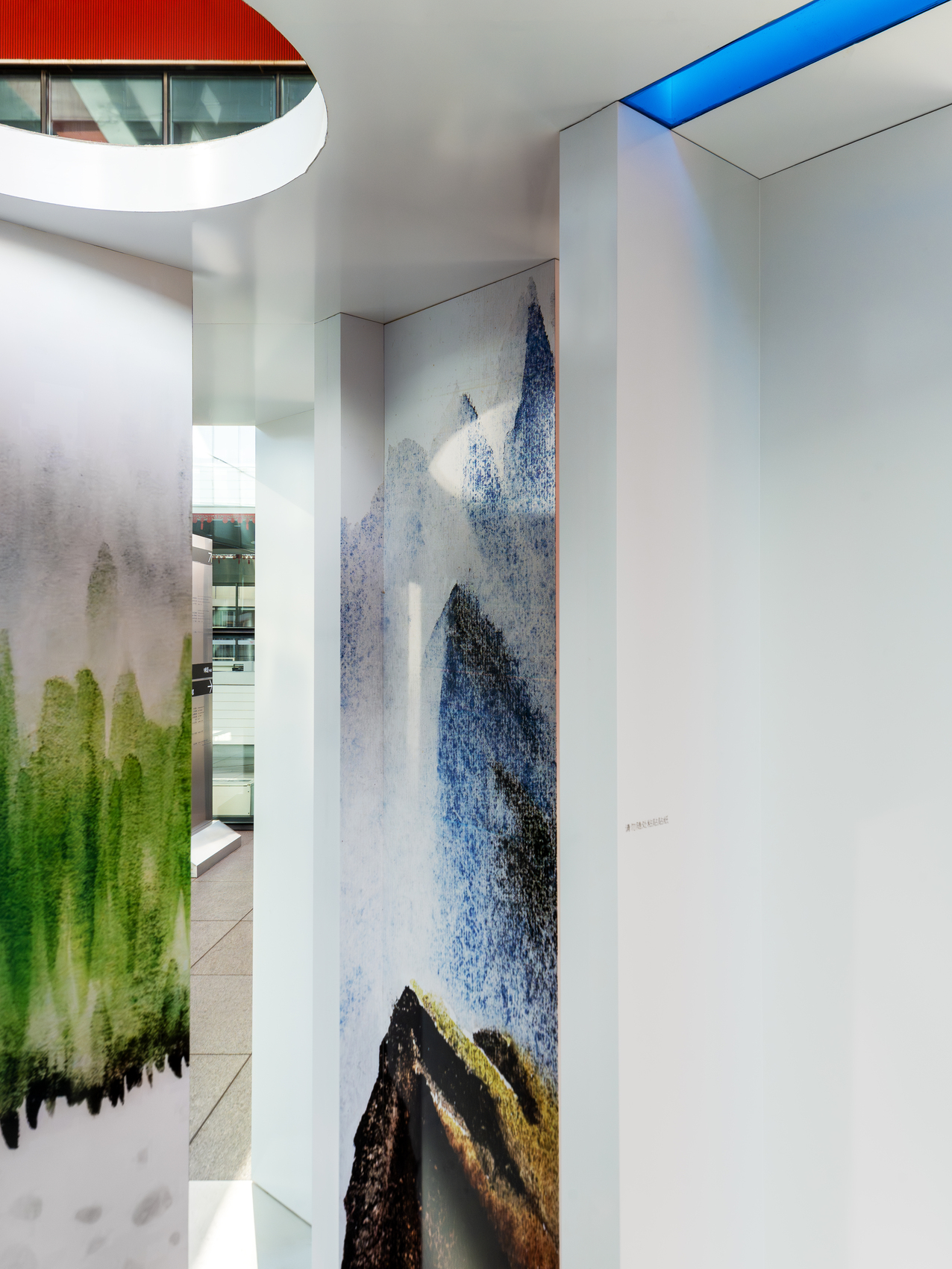
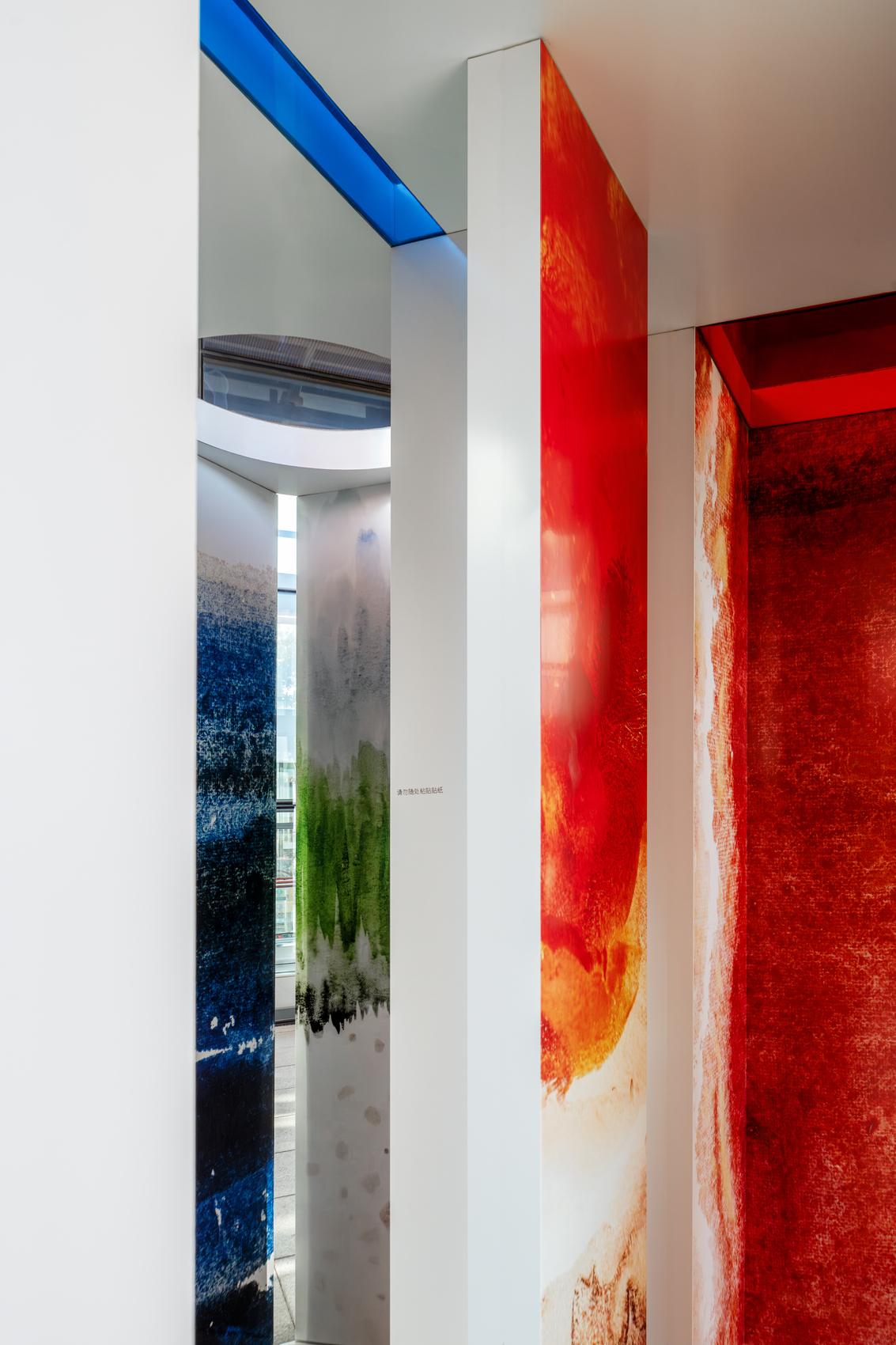
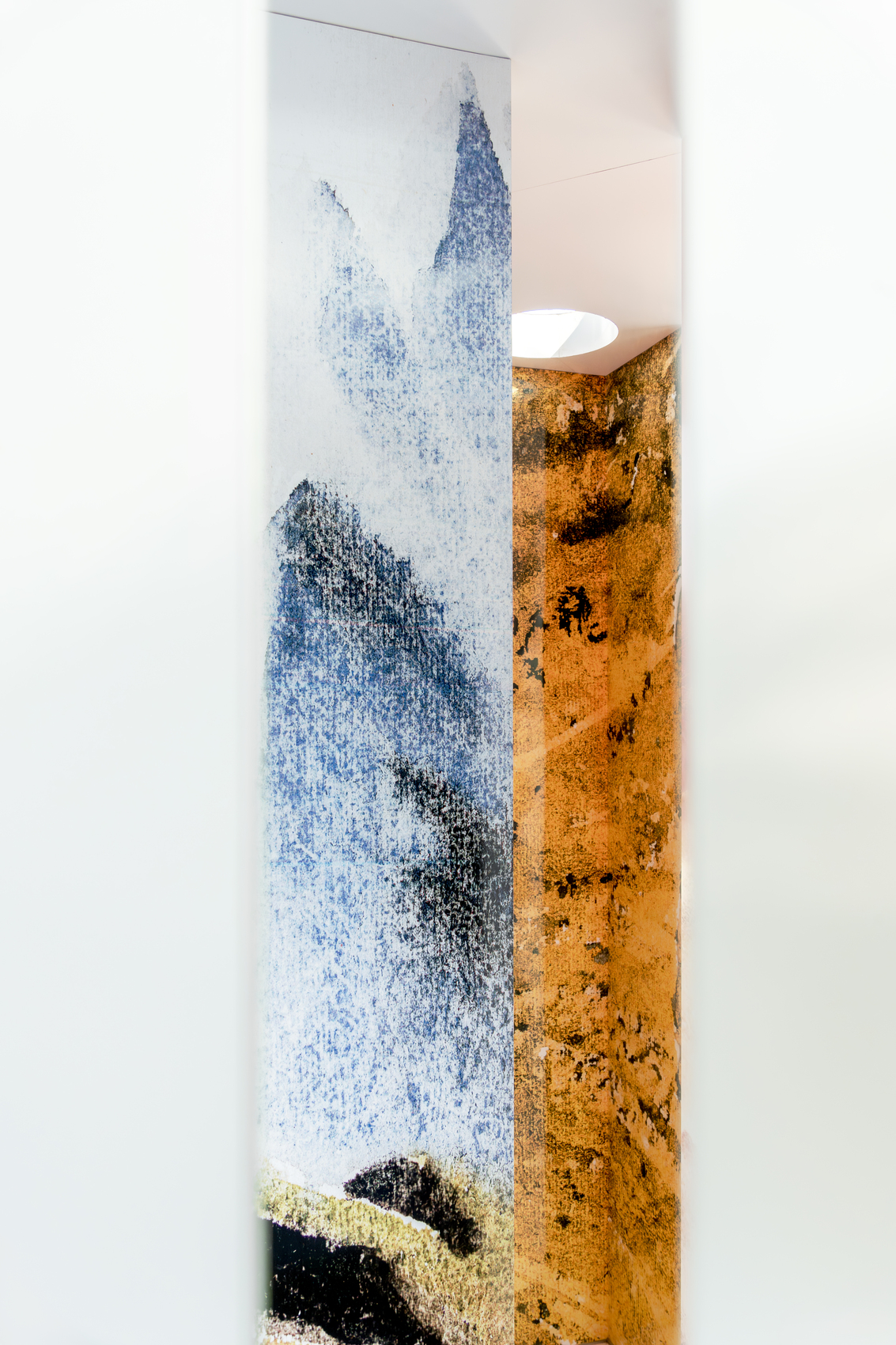
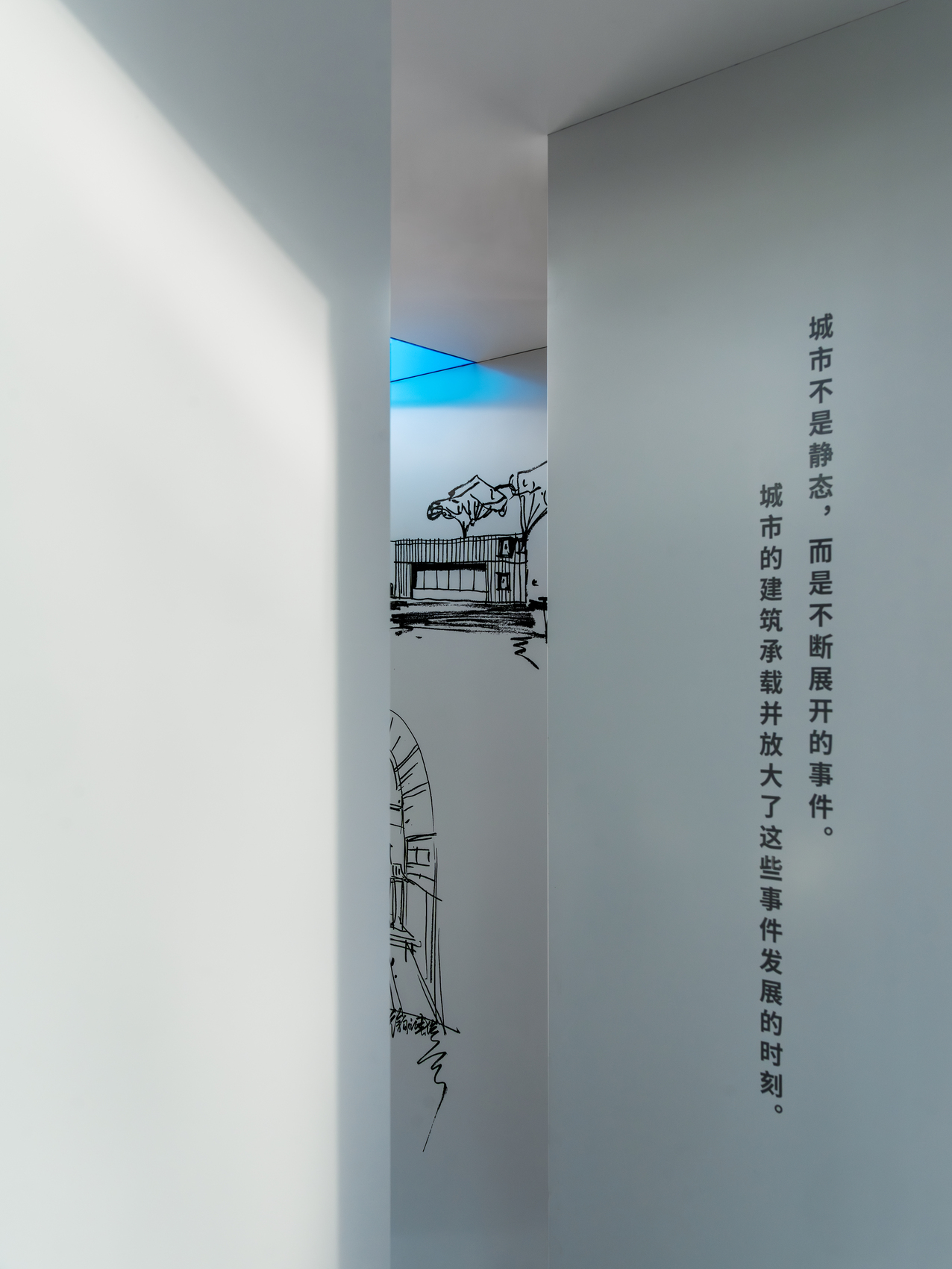
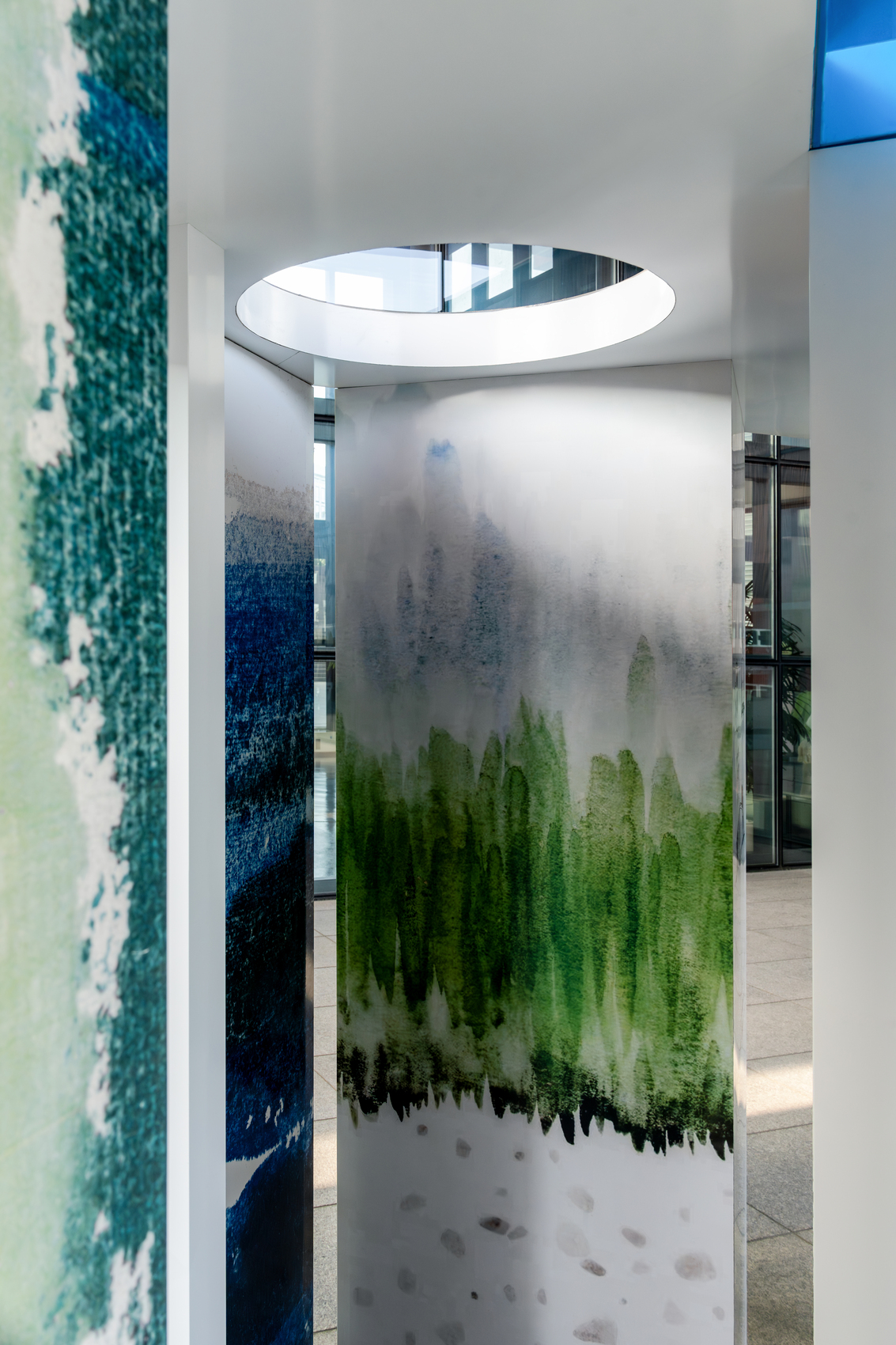
On March 19, the second chapter, City · Pride, expanded the exhibition from the individual dwelling to the larger urban environment. A labyrinth made from color-printed steel panels occupies a nine-square-meter footprint, its narrow passages repeatedly changing direction to create a spatial experience of uncertainty and exploration. Watercolor paintings and sketches of Shanghai buildings appear across the exterior, including references to YU Ting’s architectural work such as Xujiahui Library. The installation frames the city as something understood through movement, where wandering and finding one’s way become part of developing a sense of belonging.
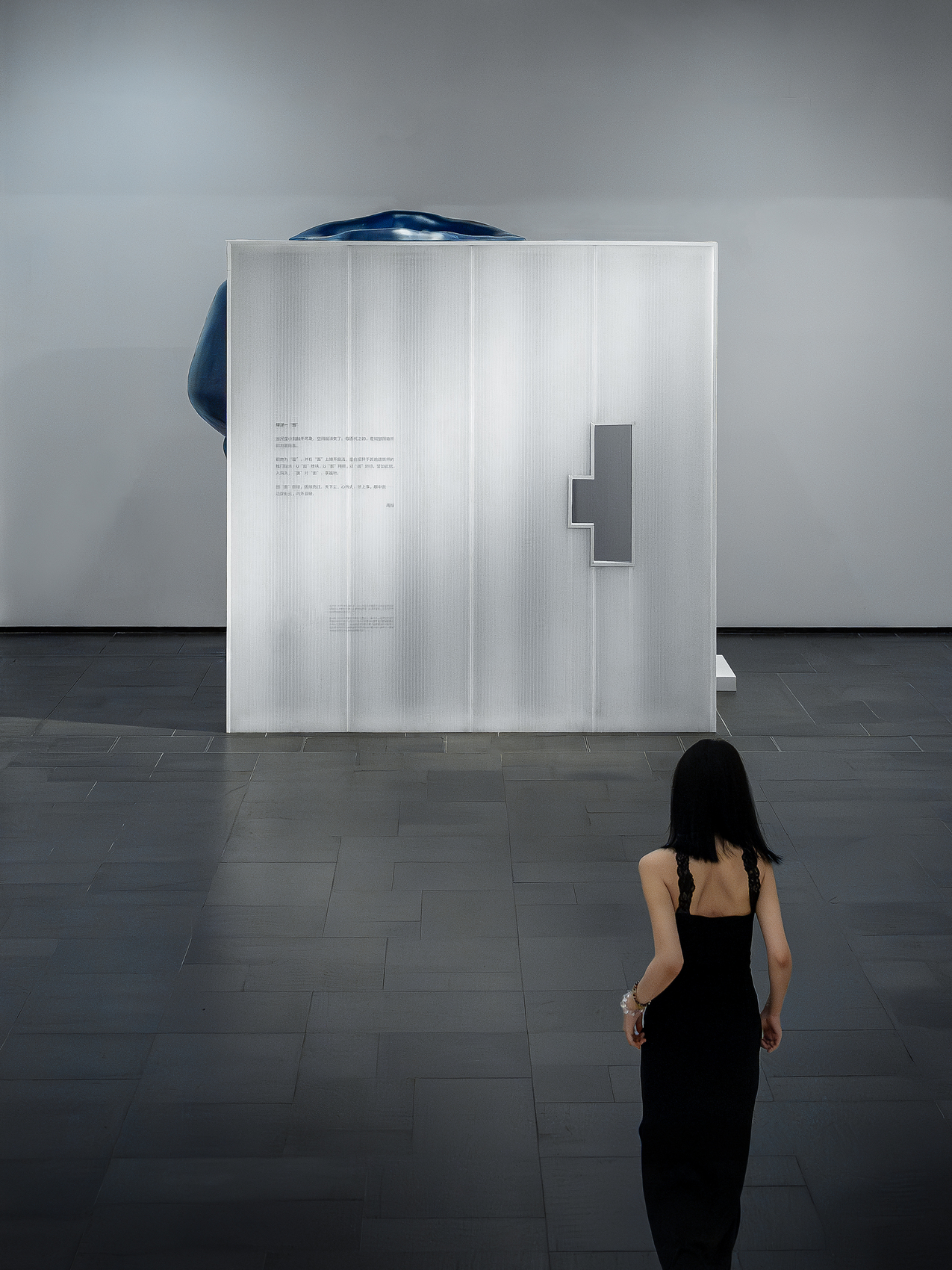
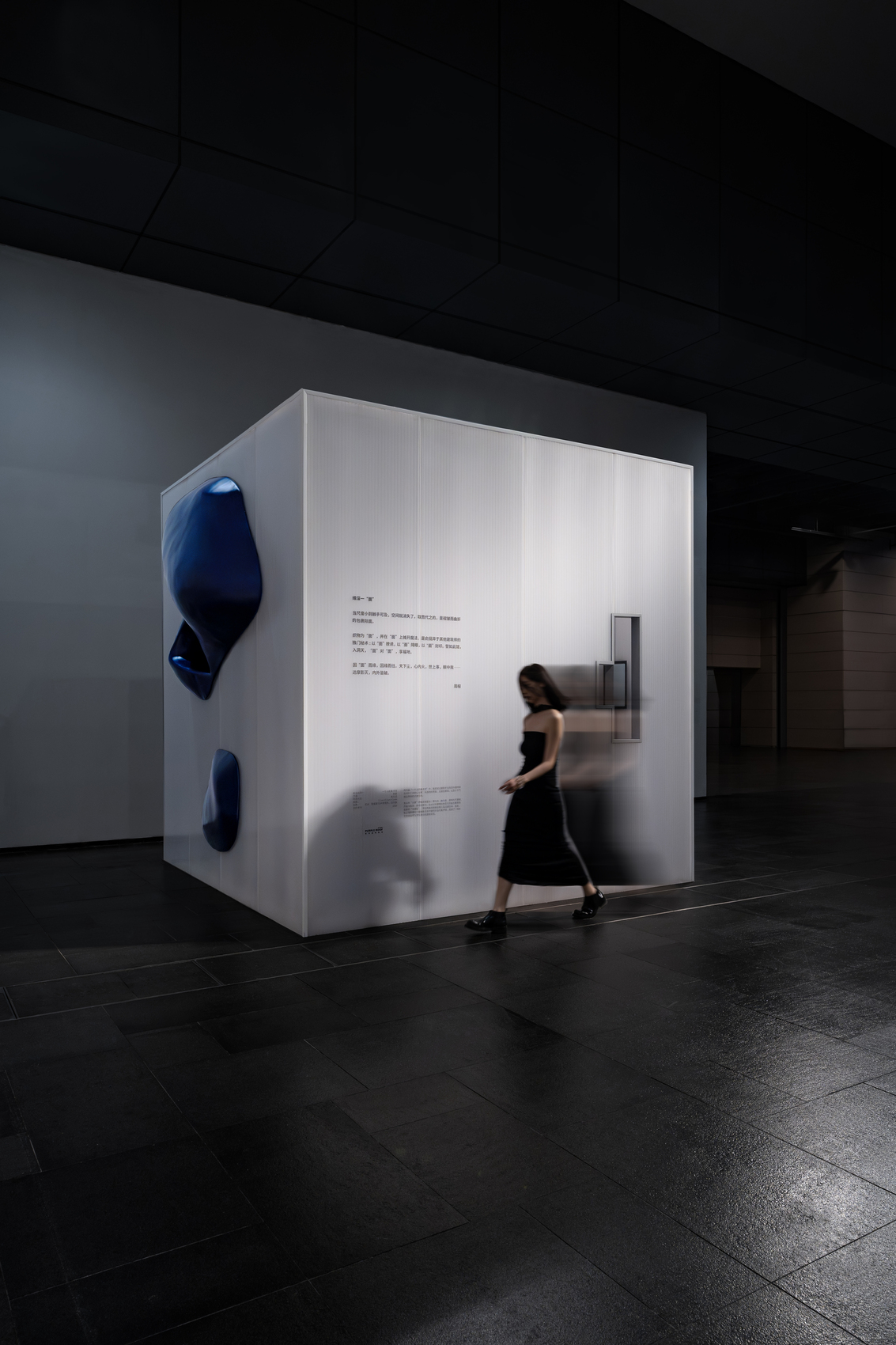
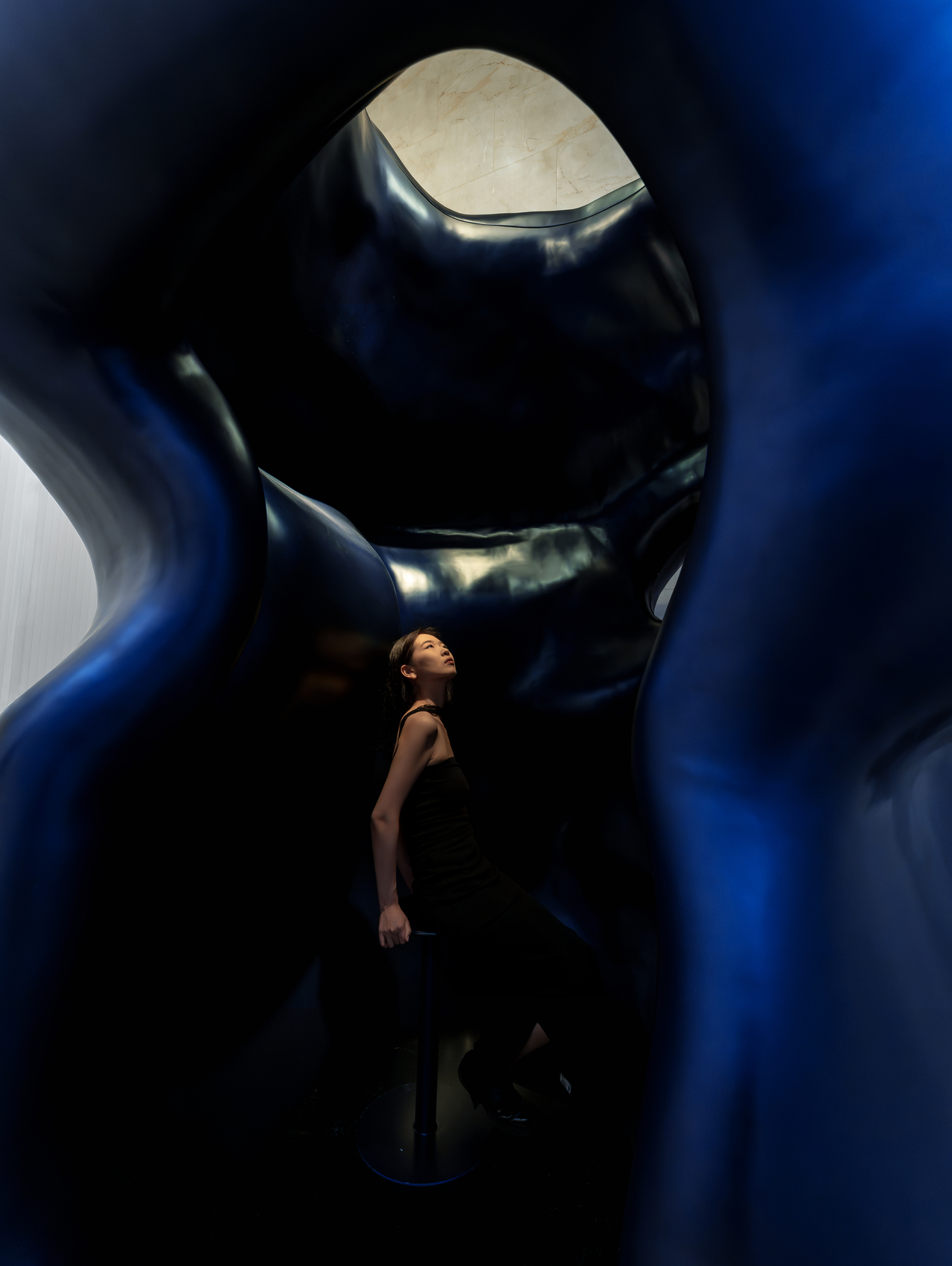
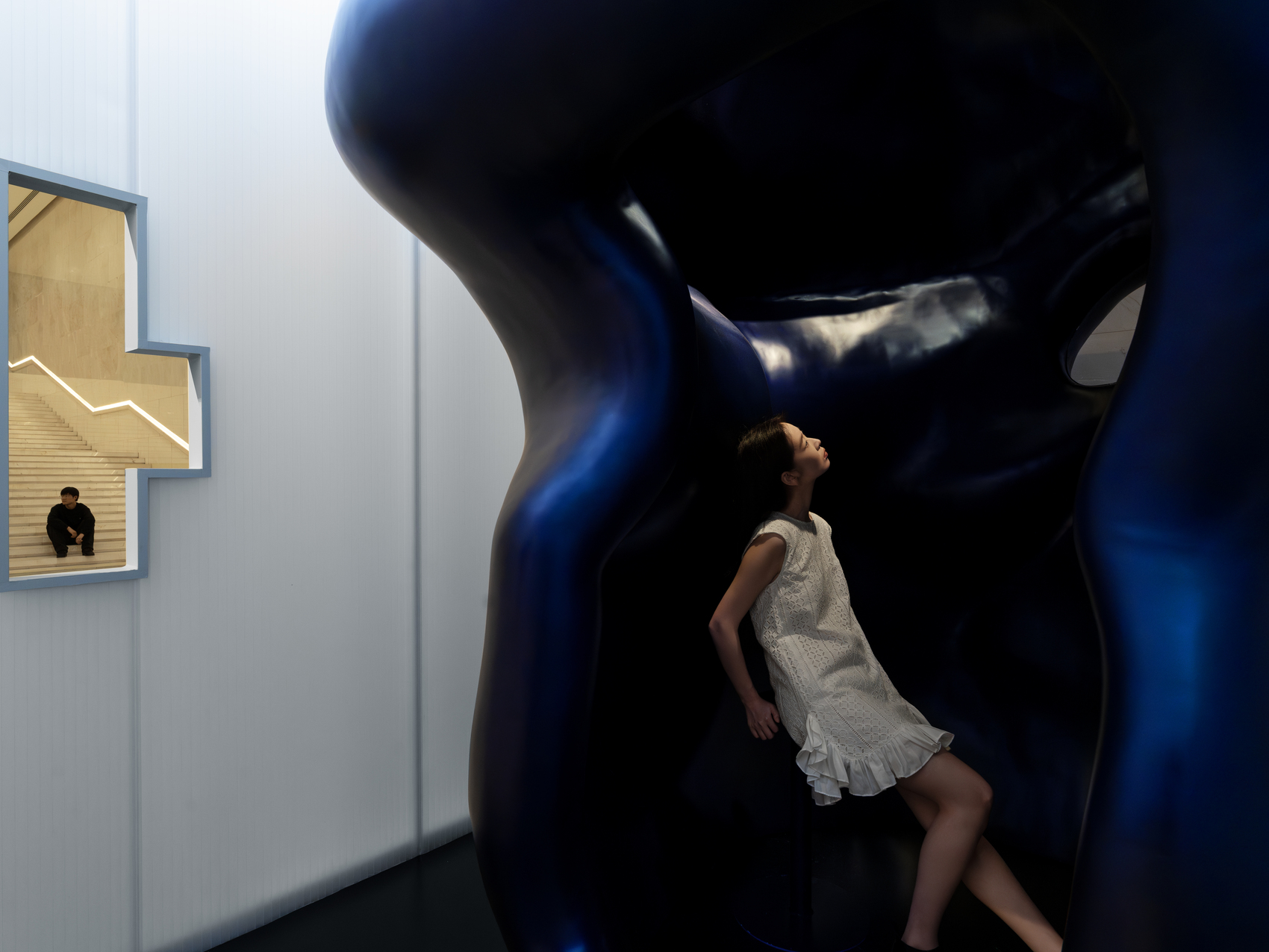
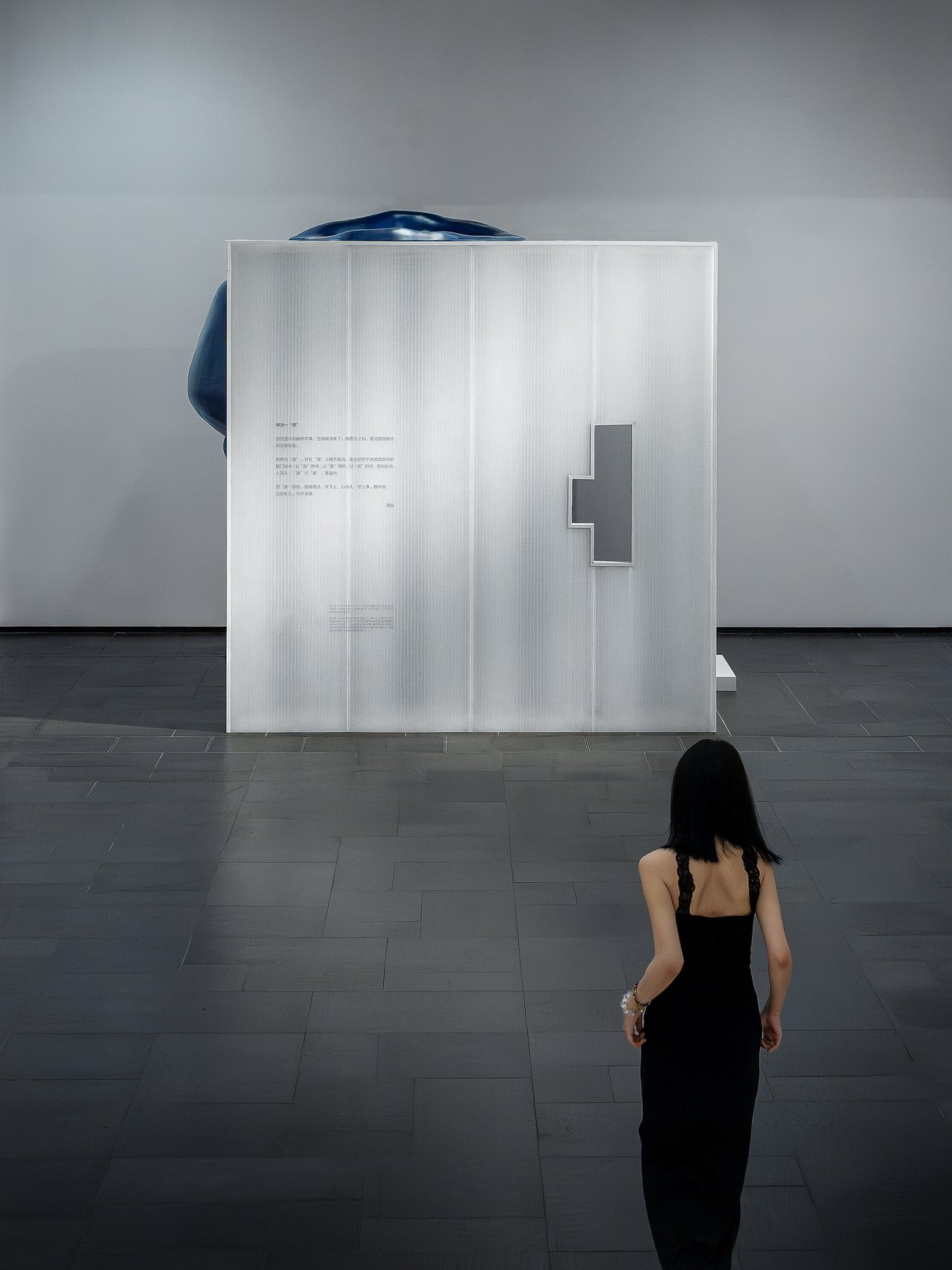
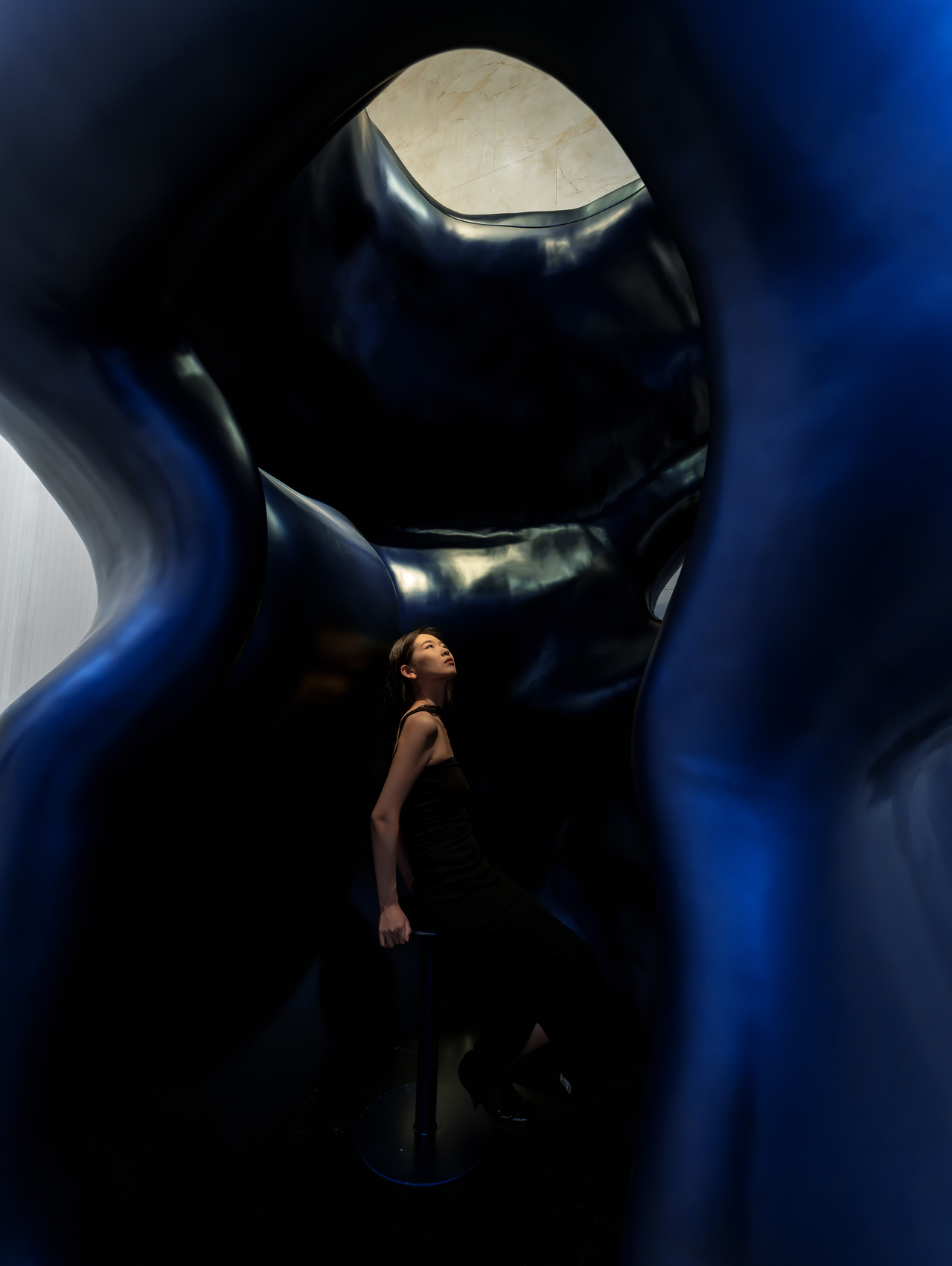
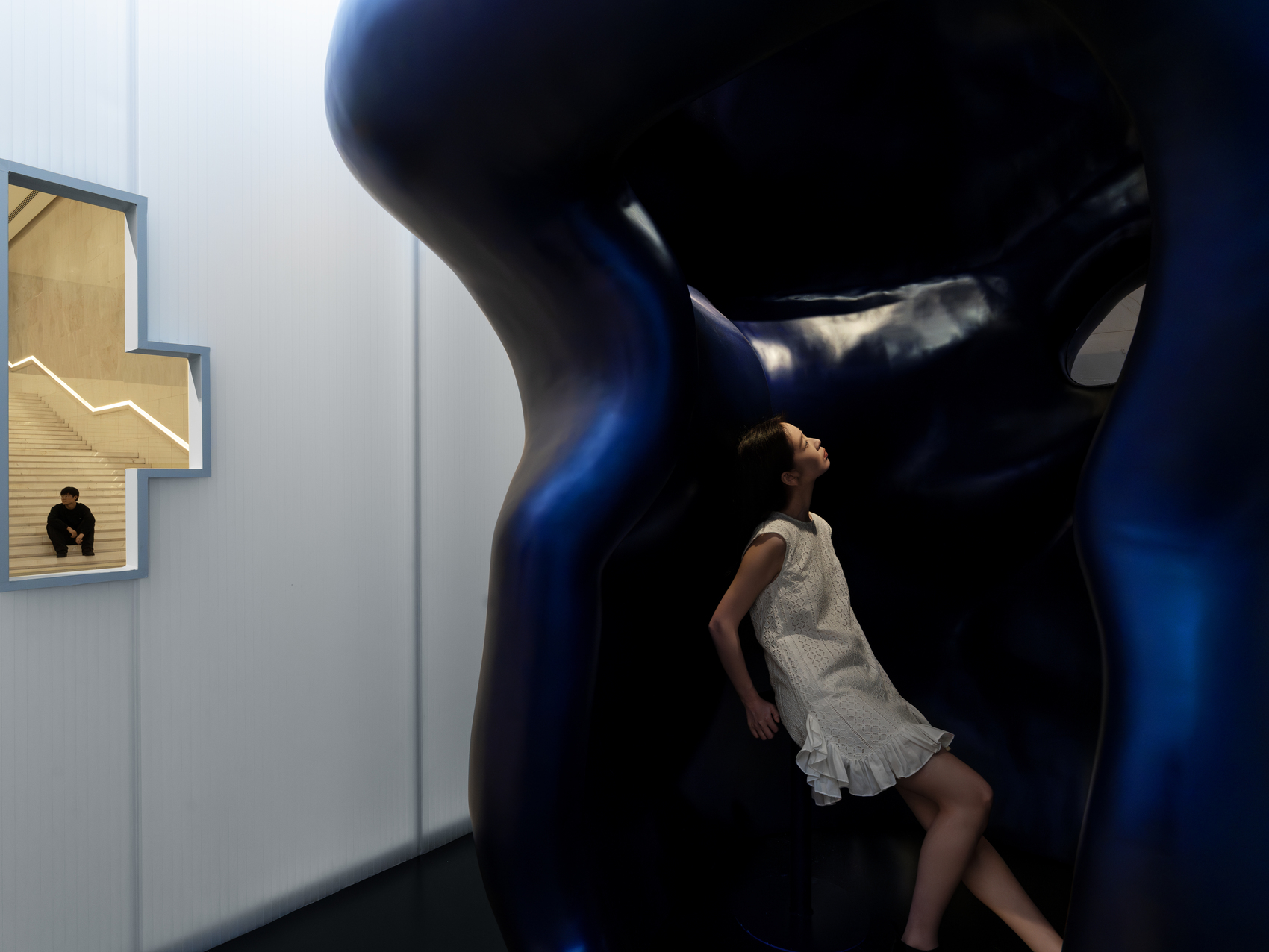
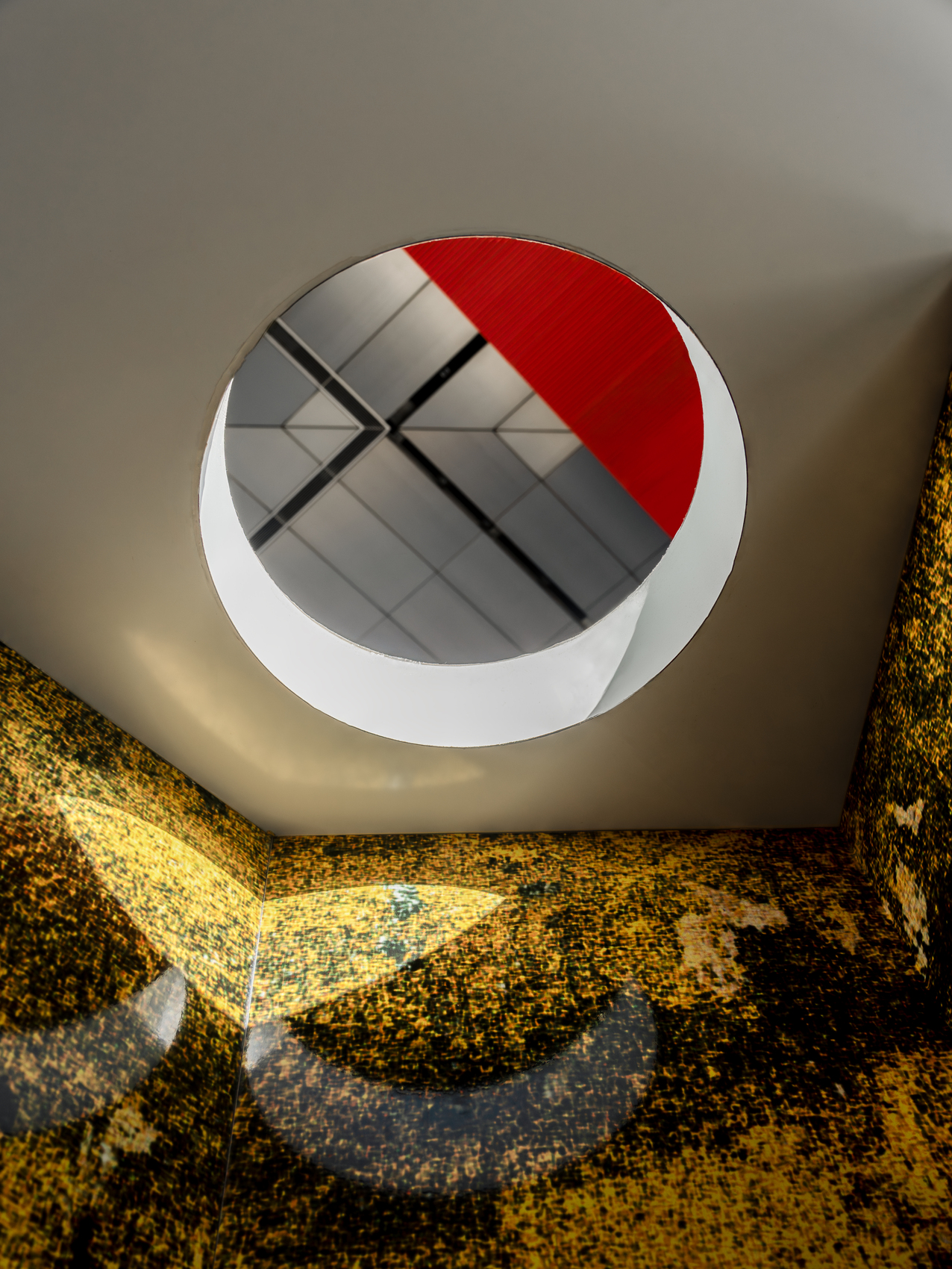
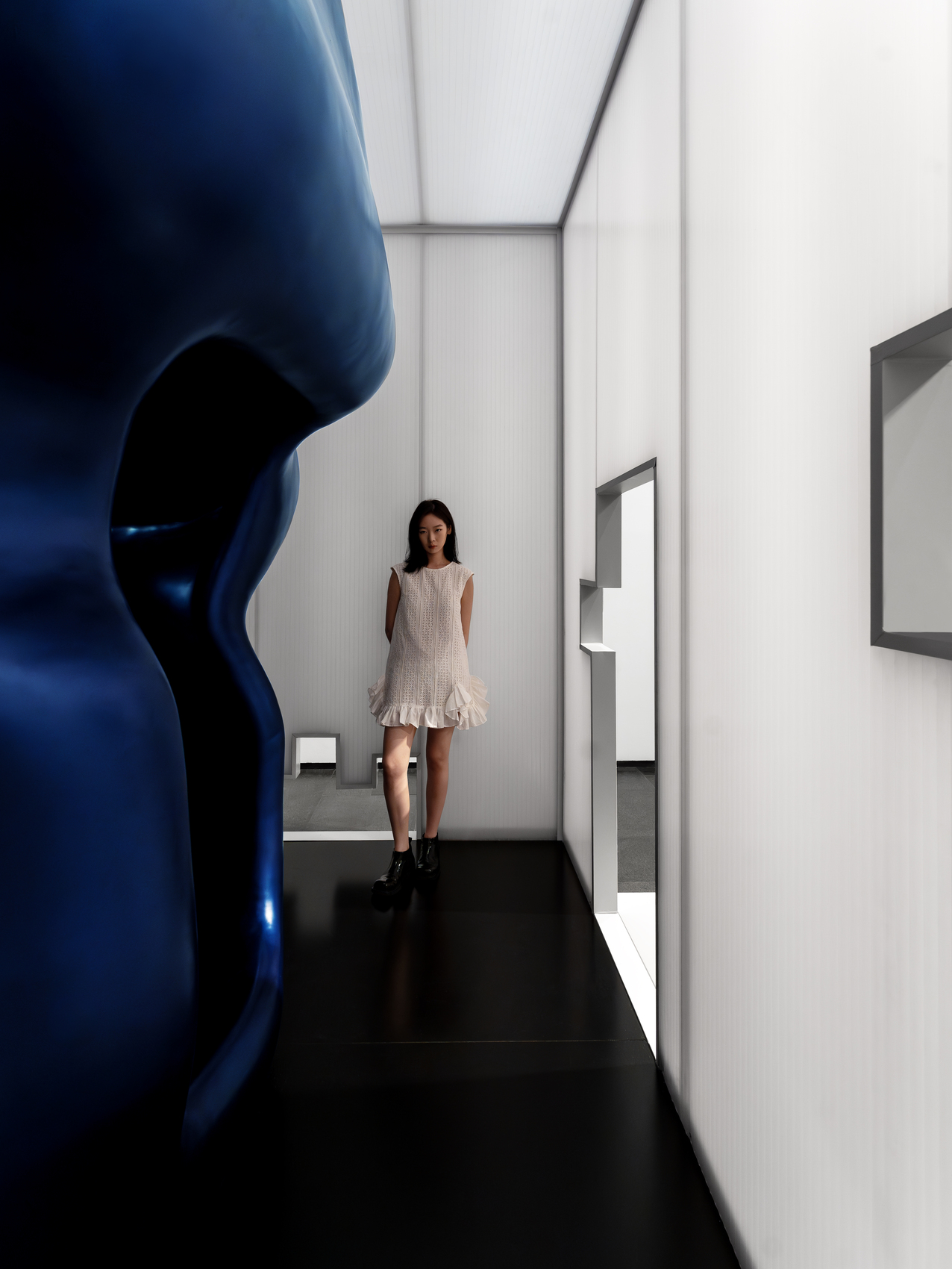
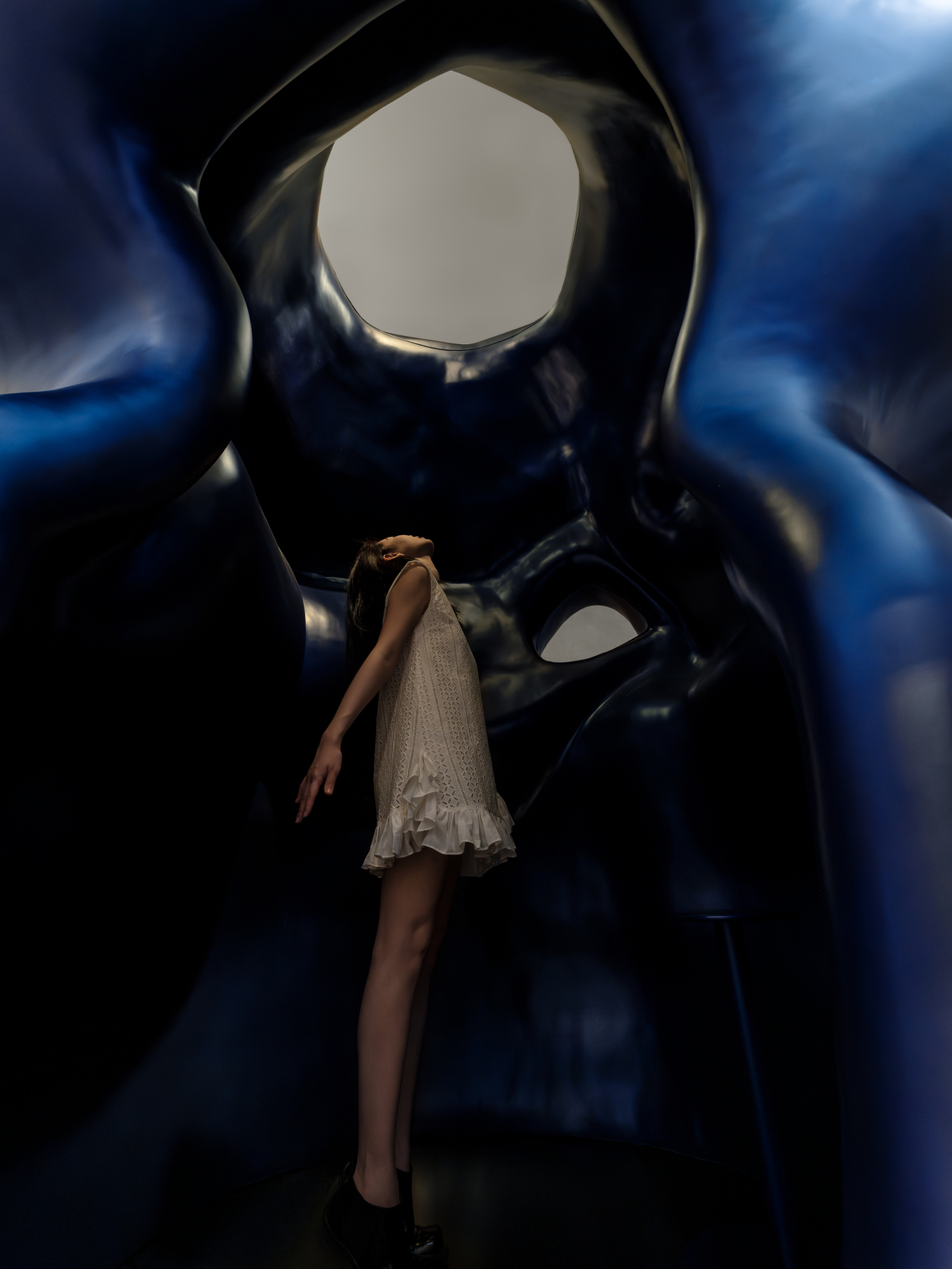
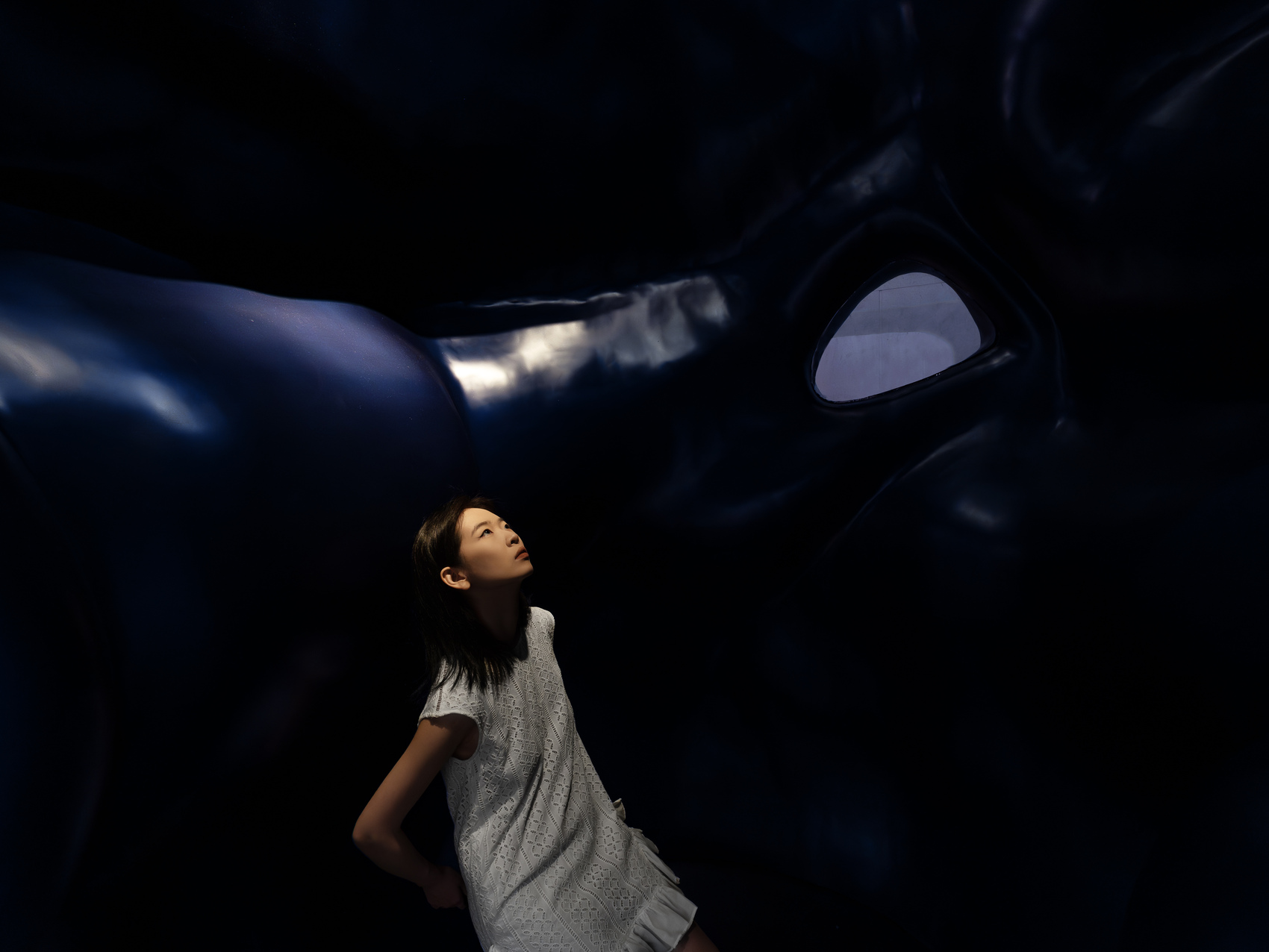
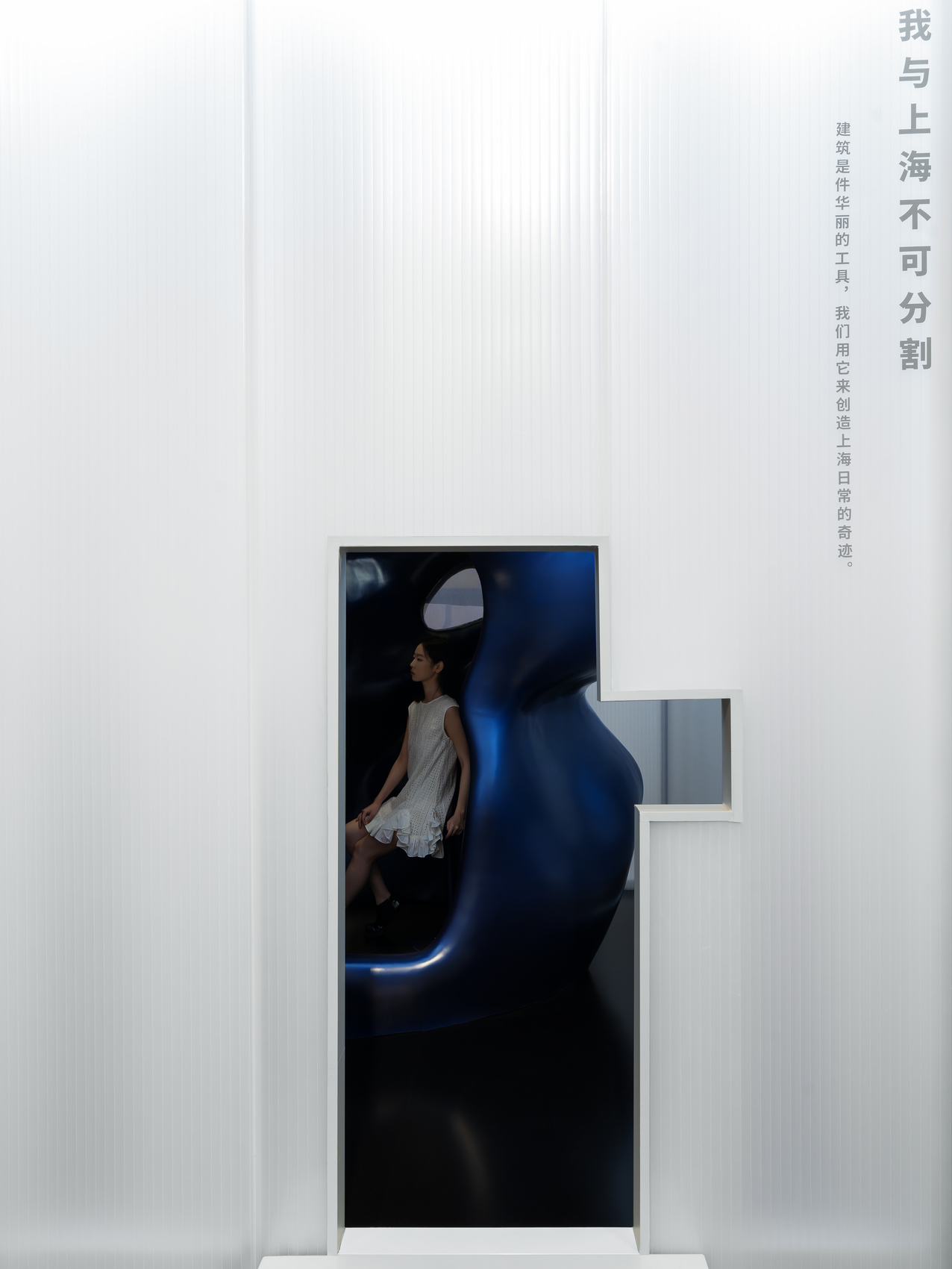
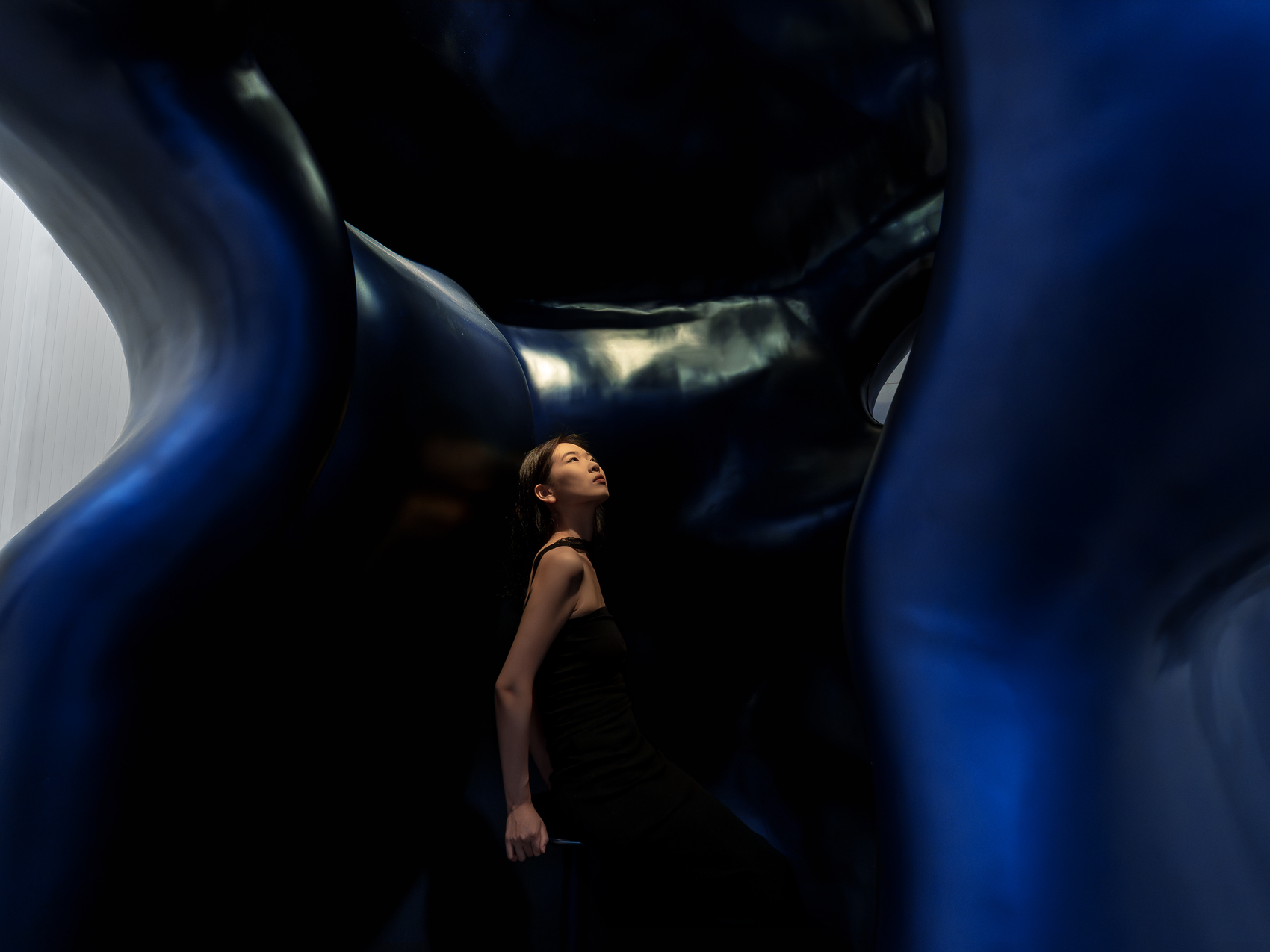
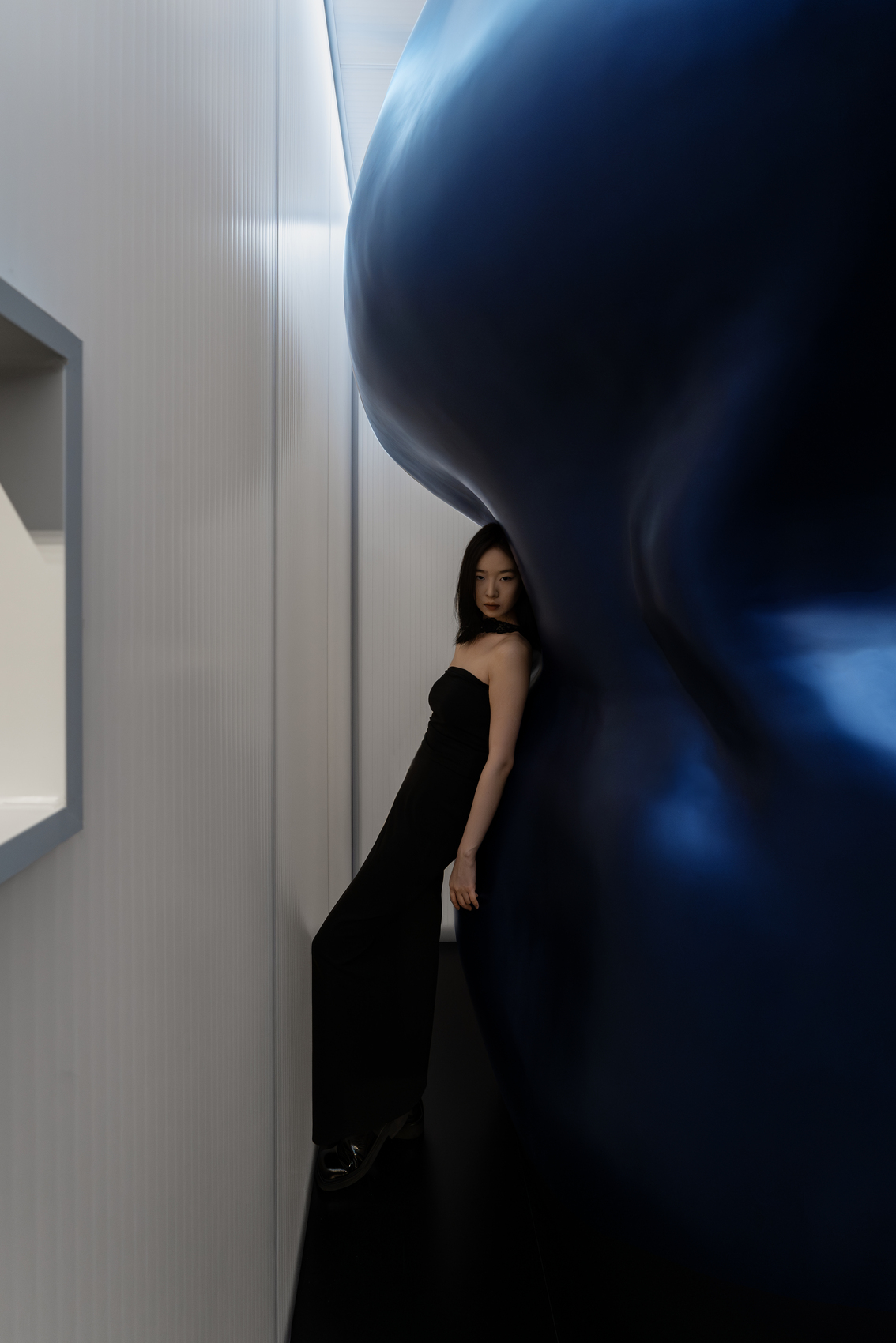
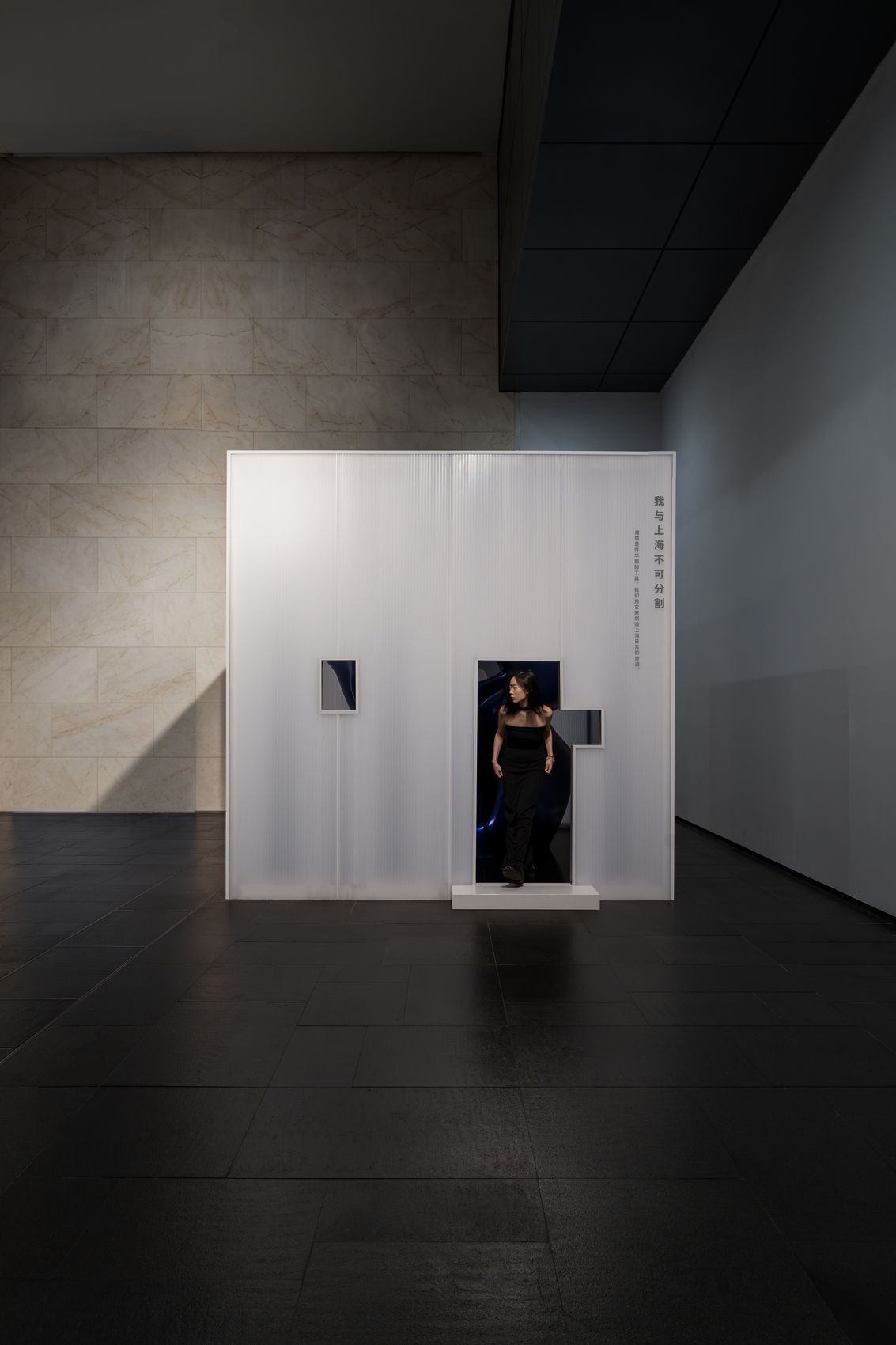
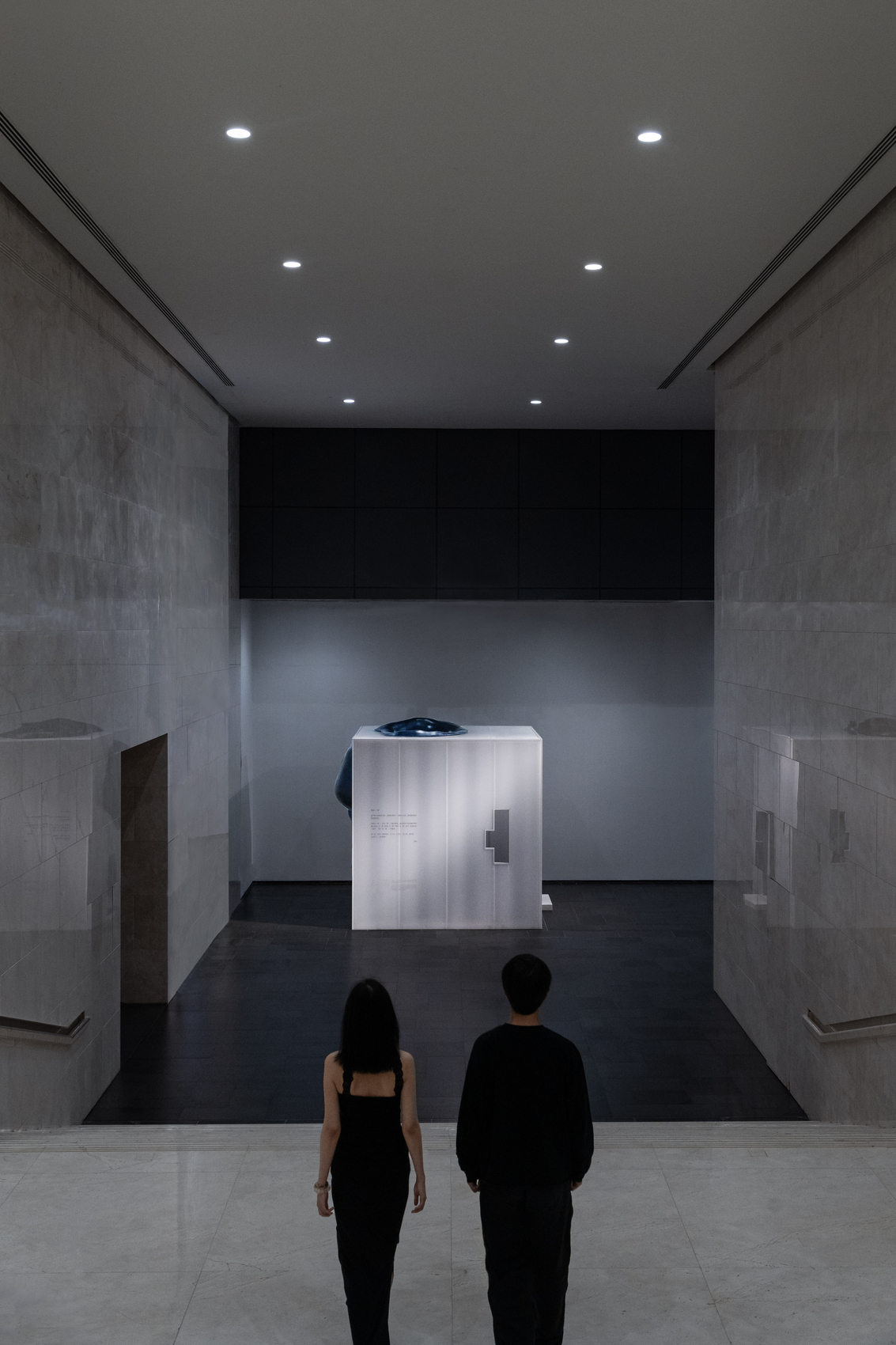
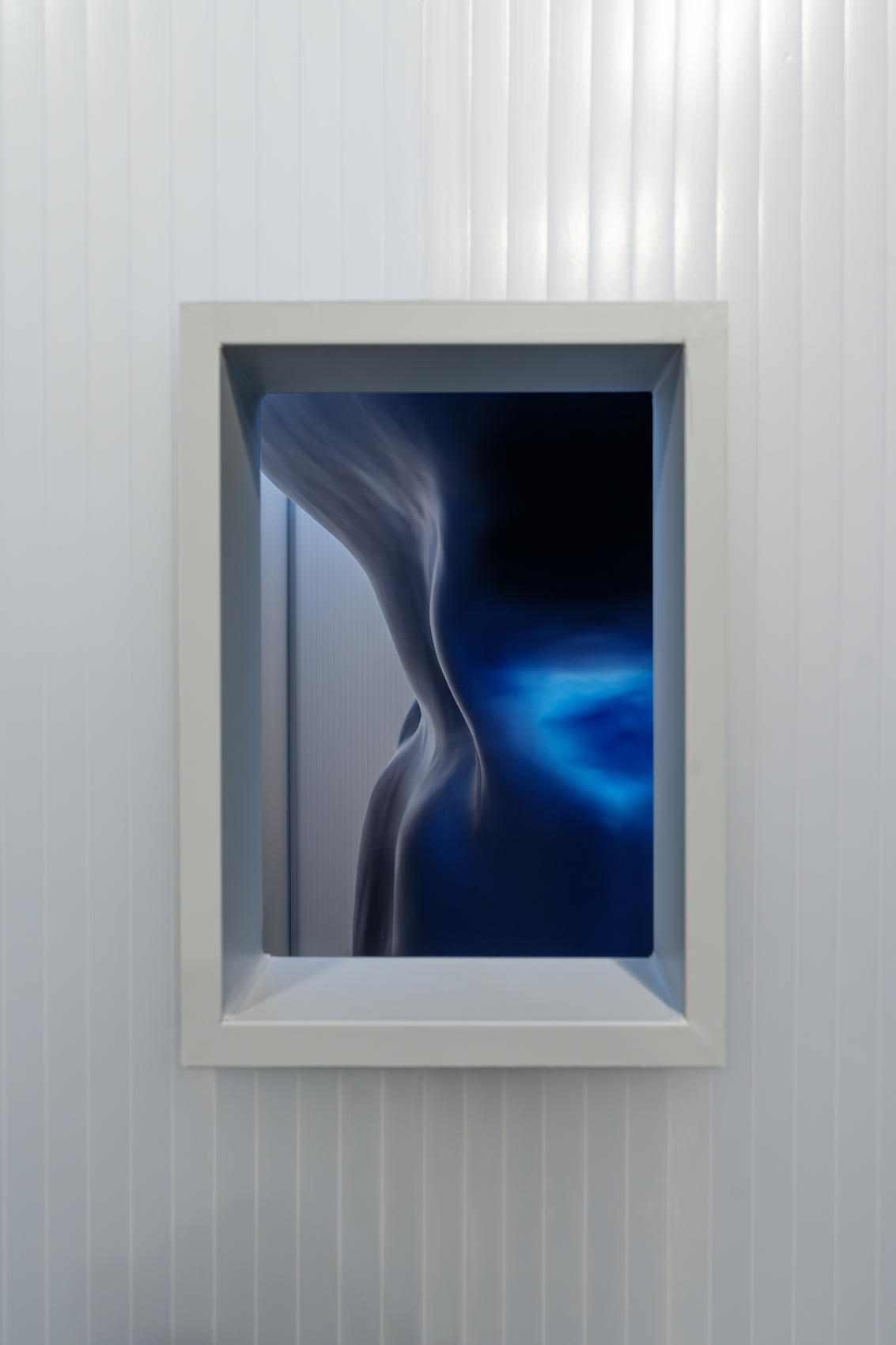
The third chapter, One Person’s Gallery, opened on May 1 and focuses on the possibility of individual experience within a public cultural institution. Measuring 3.1 by 3.5 by 3.4 meters, the installation combines foam, polyurethane foam hardener and polycarbonate panels to reinterpret elements associated with traditional Chinese spatial language. A black volume conceived as a Taihu stone is enclosed by translucent white panels, while an intermediate layer separates the two. Contrasting conditions of solid and translucent, curved and straight, and open and enclosed create a sequence of spatial thresholds, while an opening above the black volume allows daylight to enter and change the interior over time. Visitors are also invited to photograph themselves with the installation, making personal presence part of the encounter.
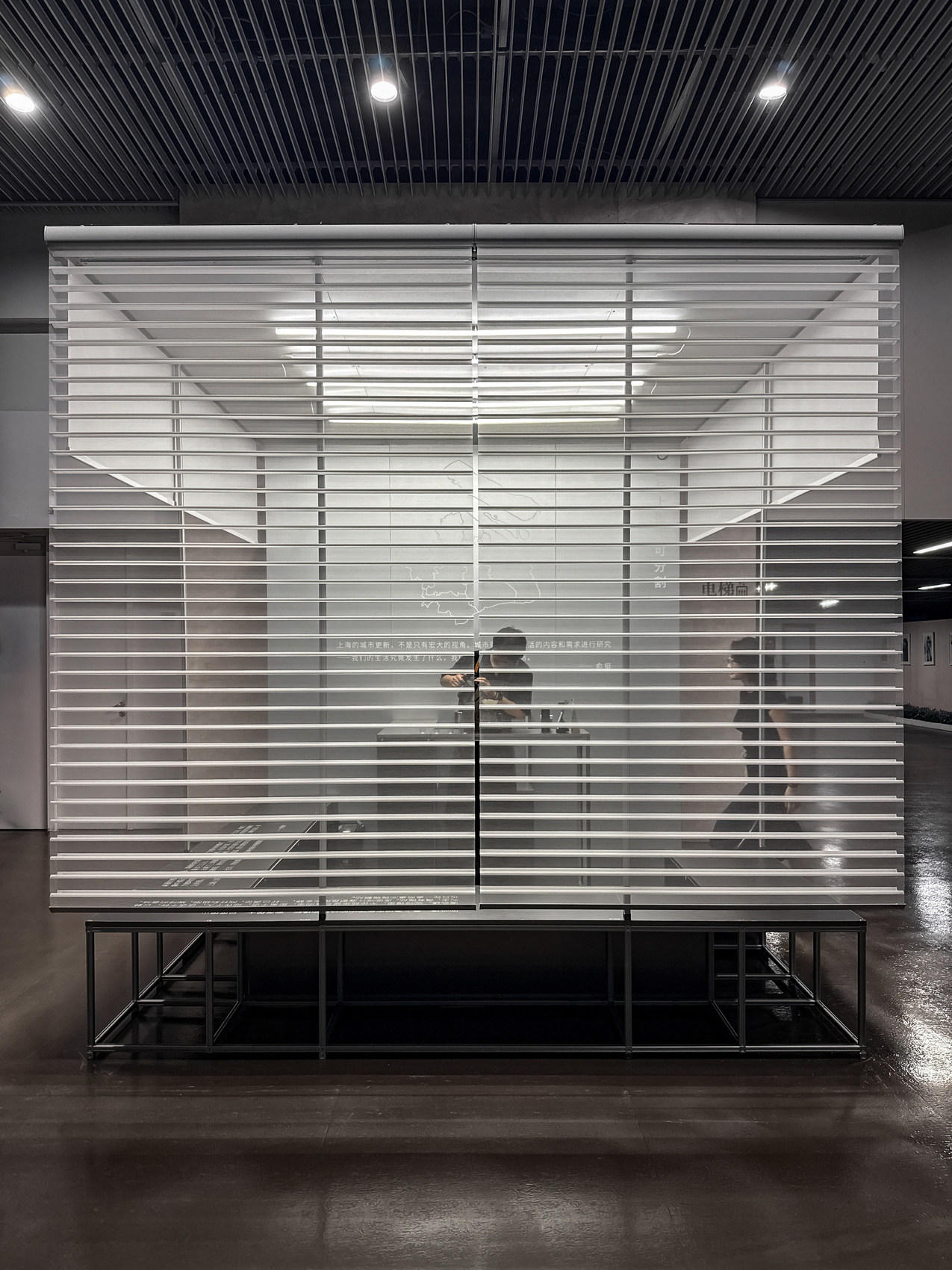
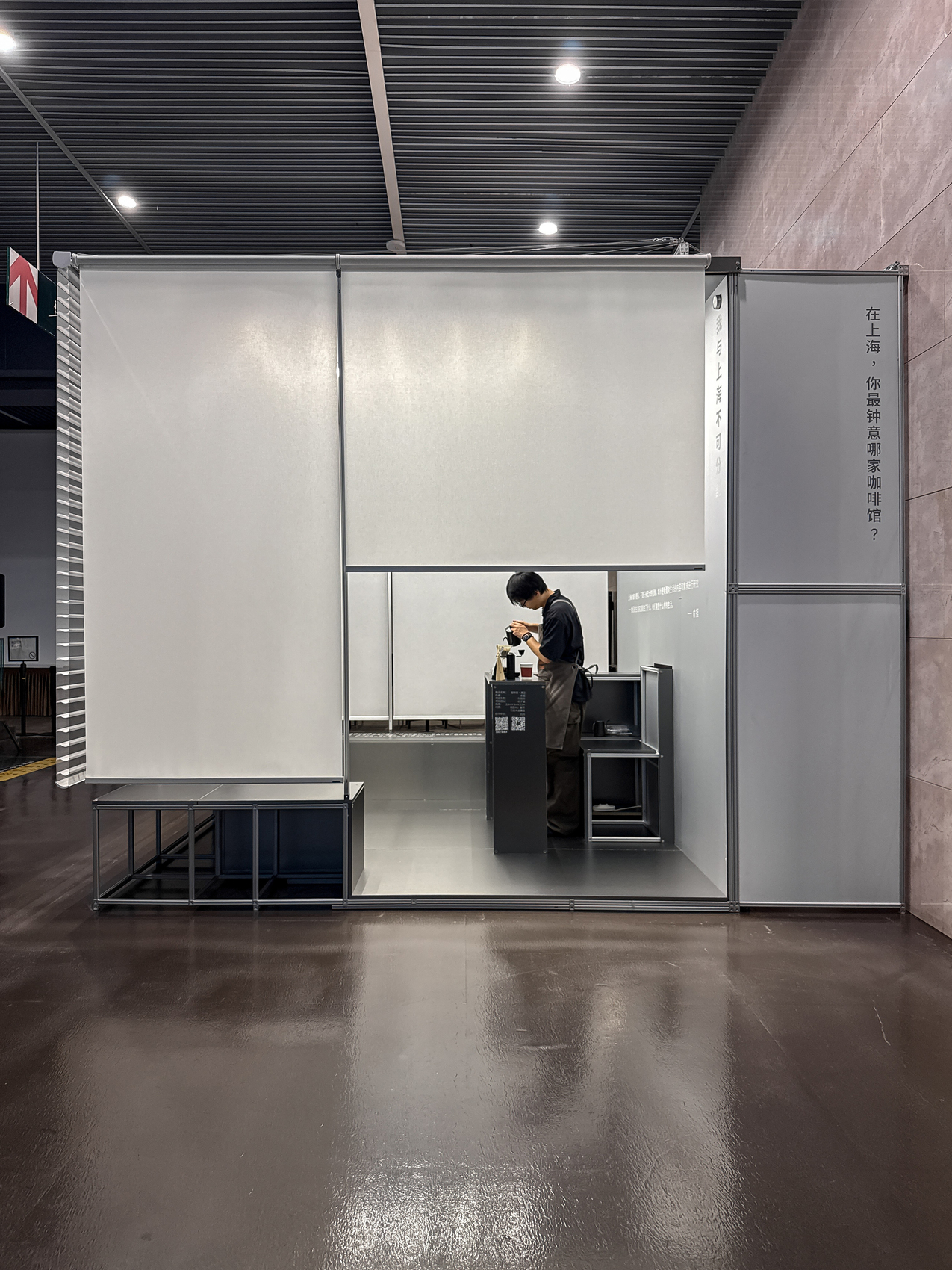
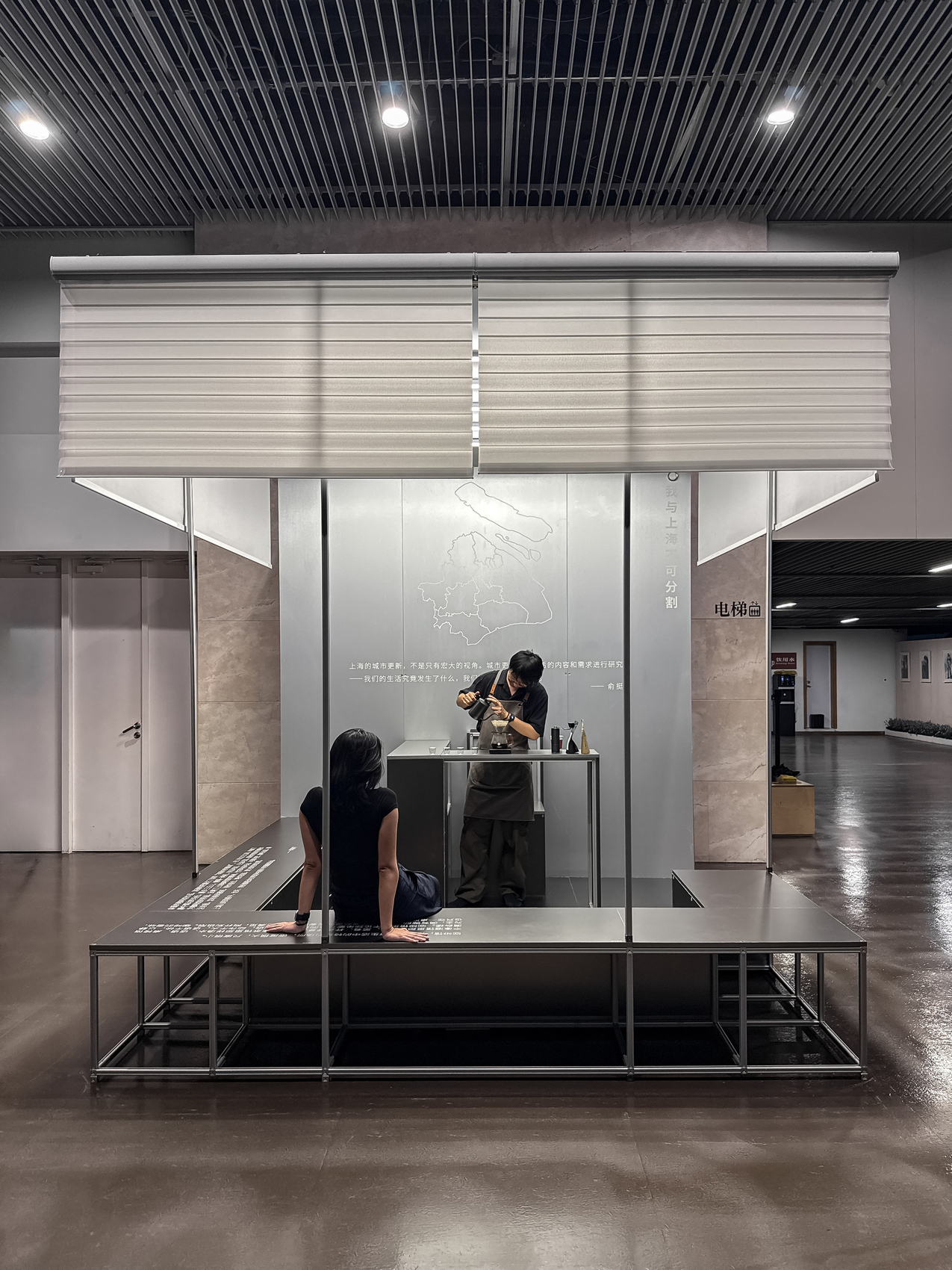
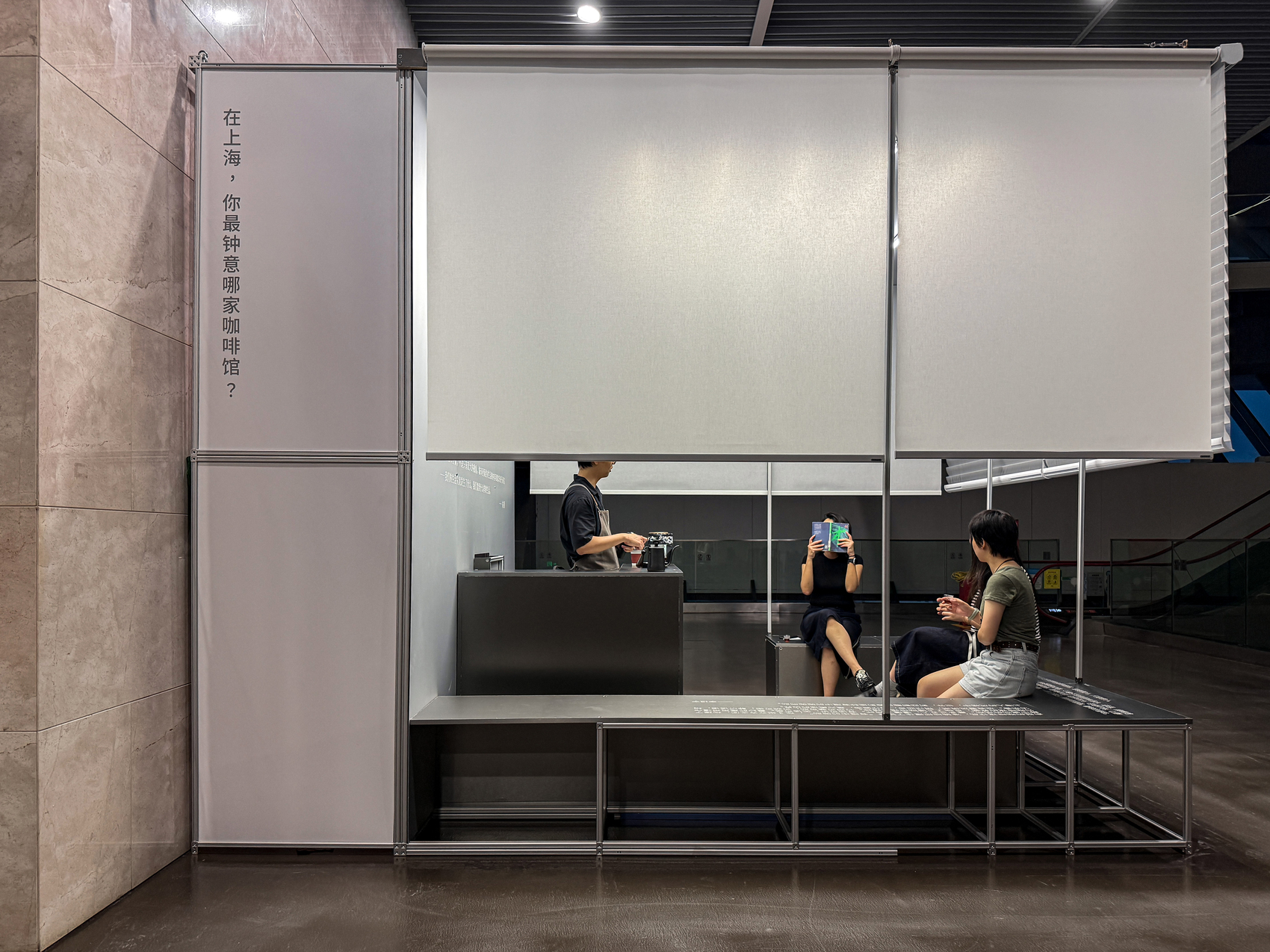
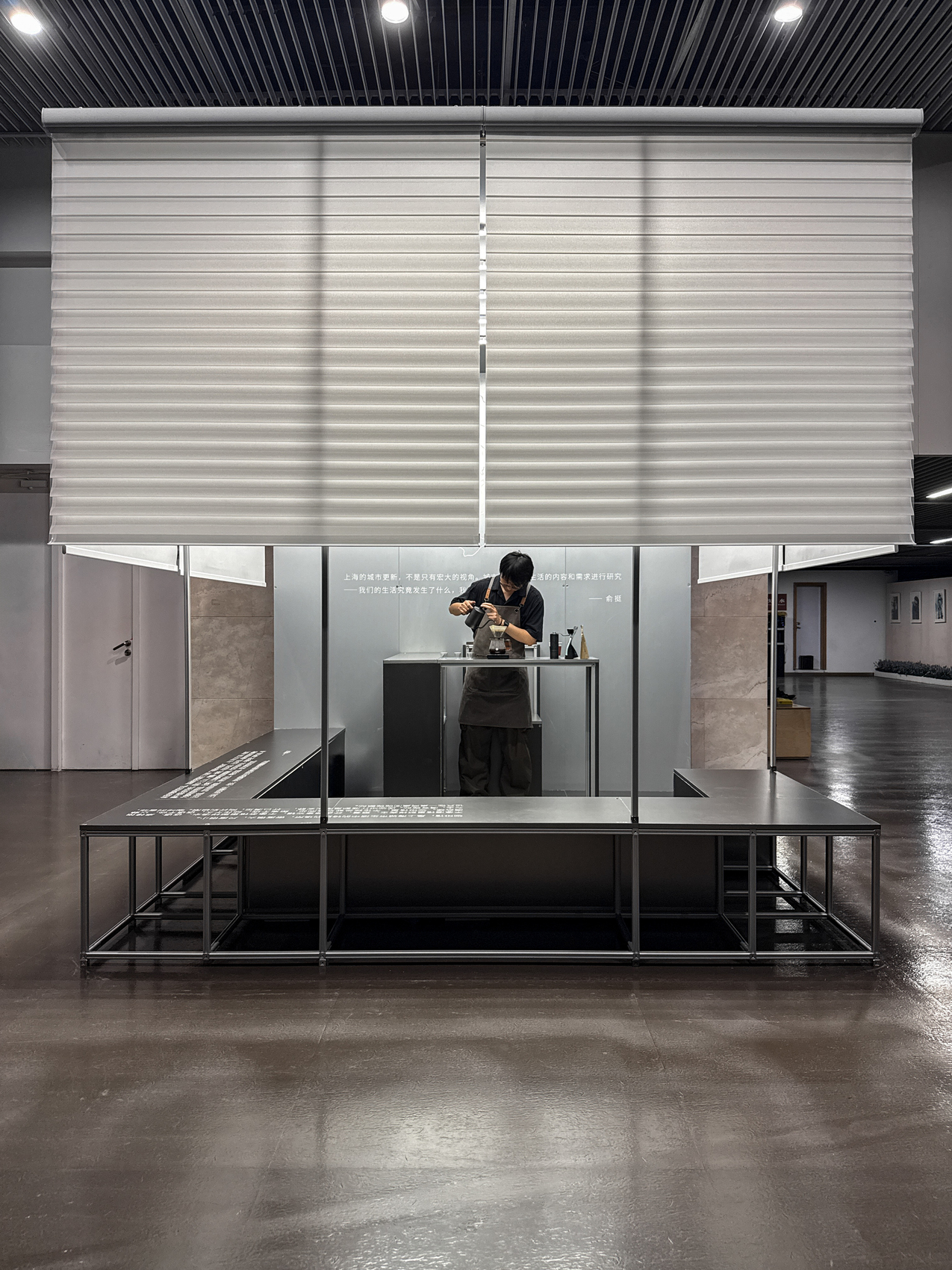
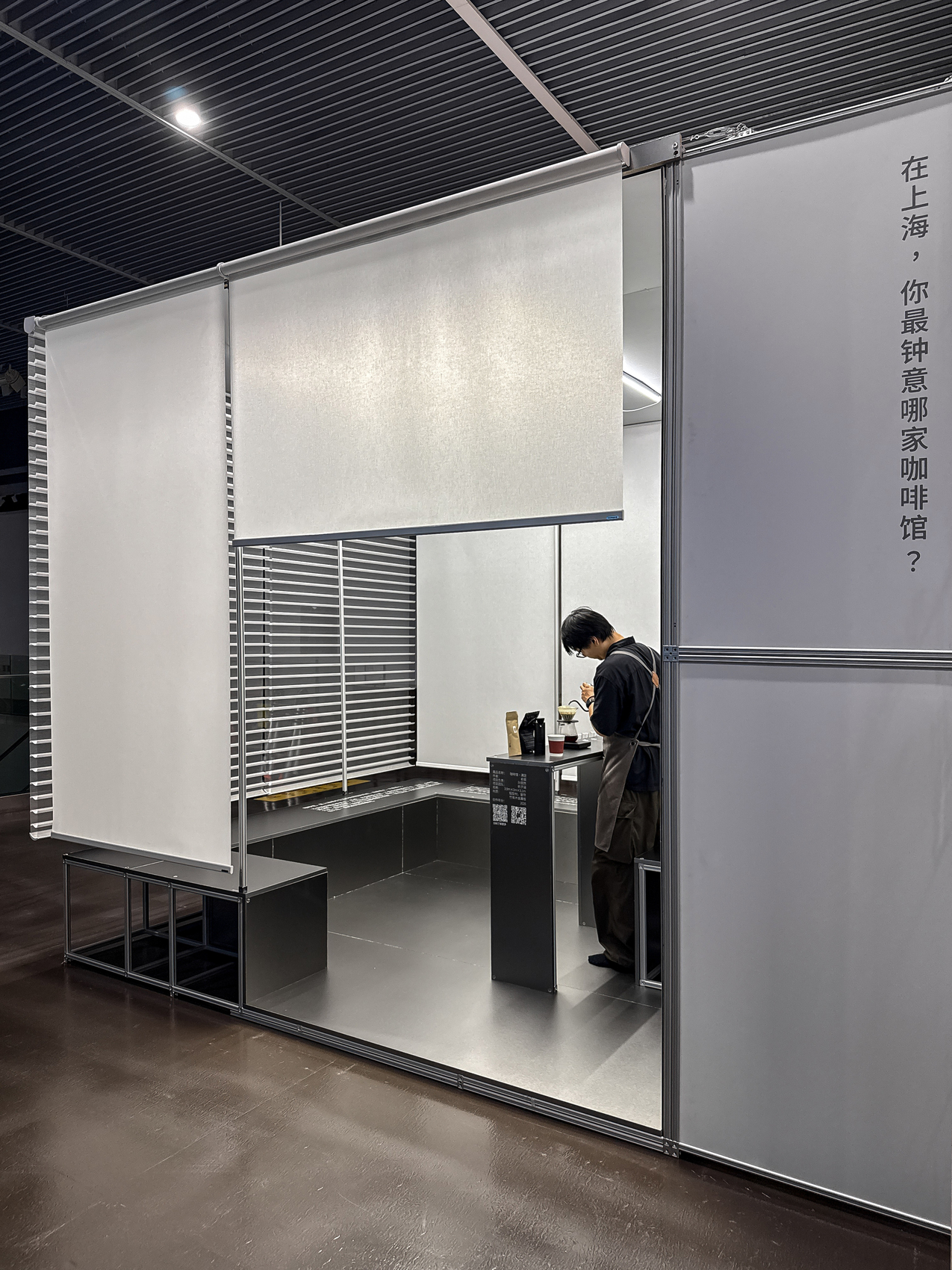
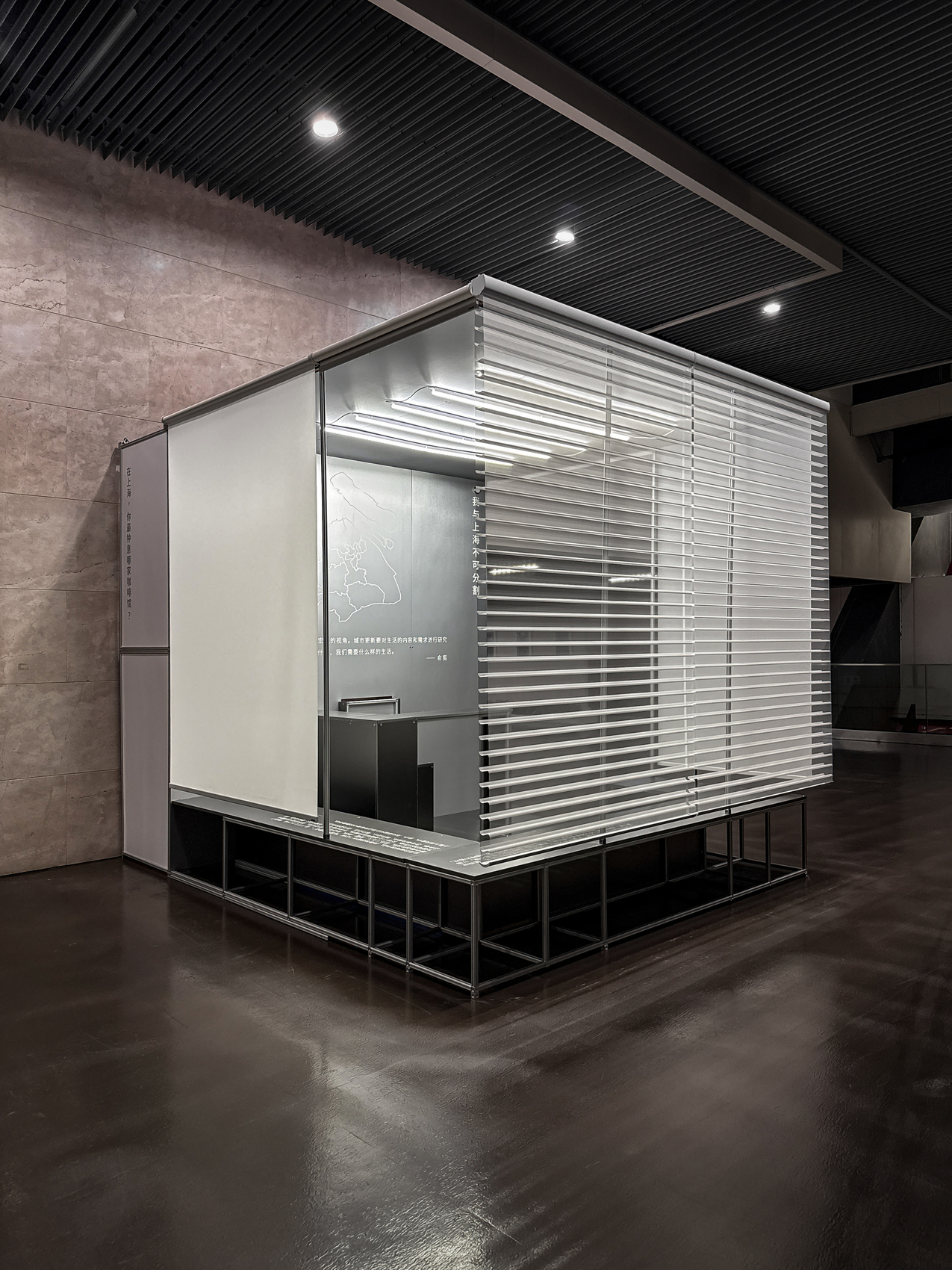
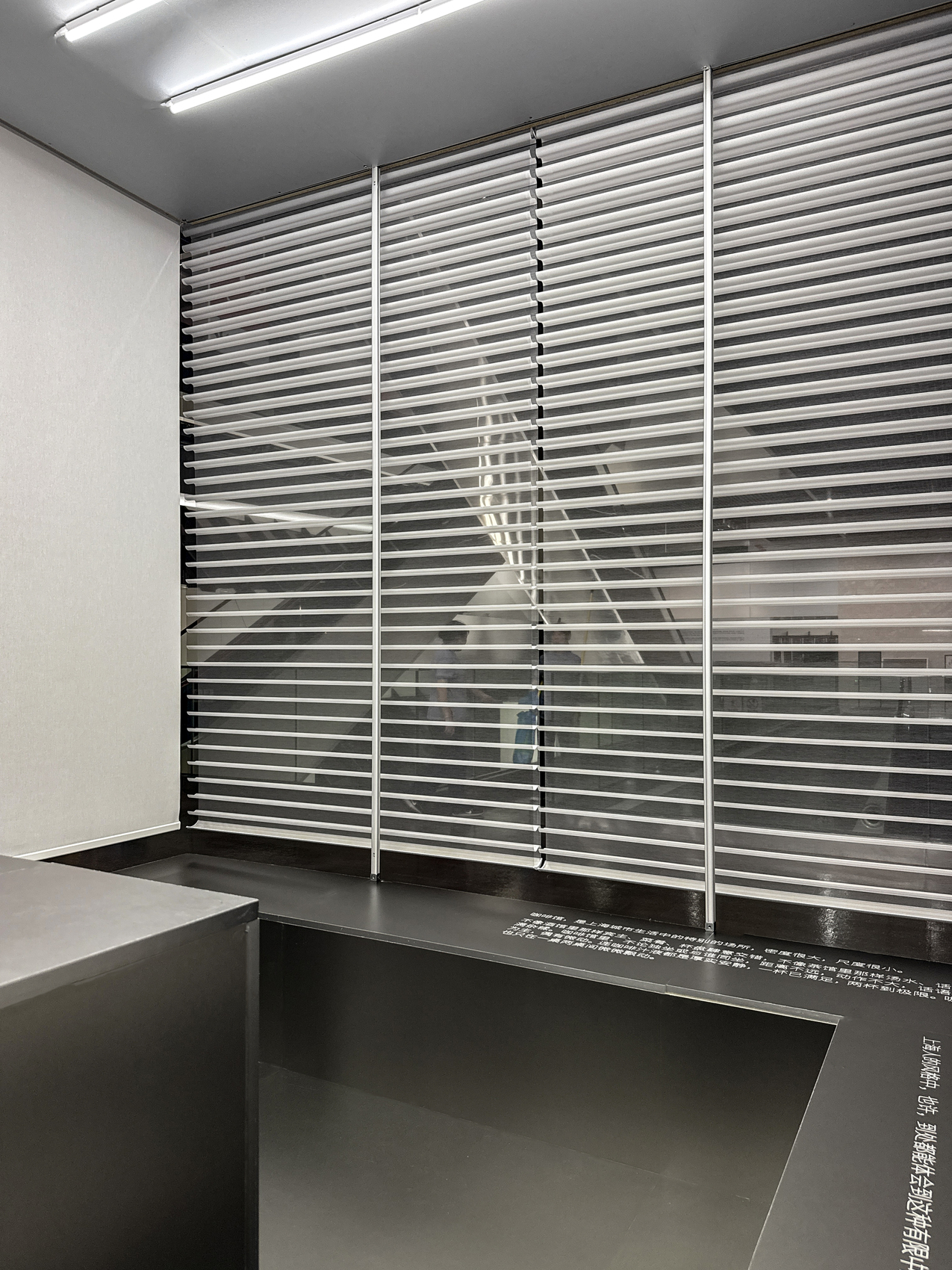
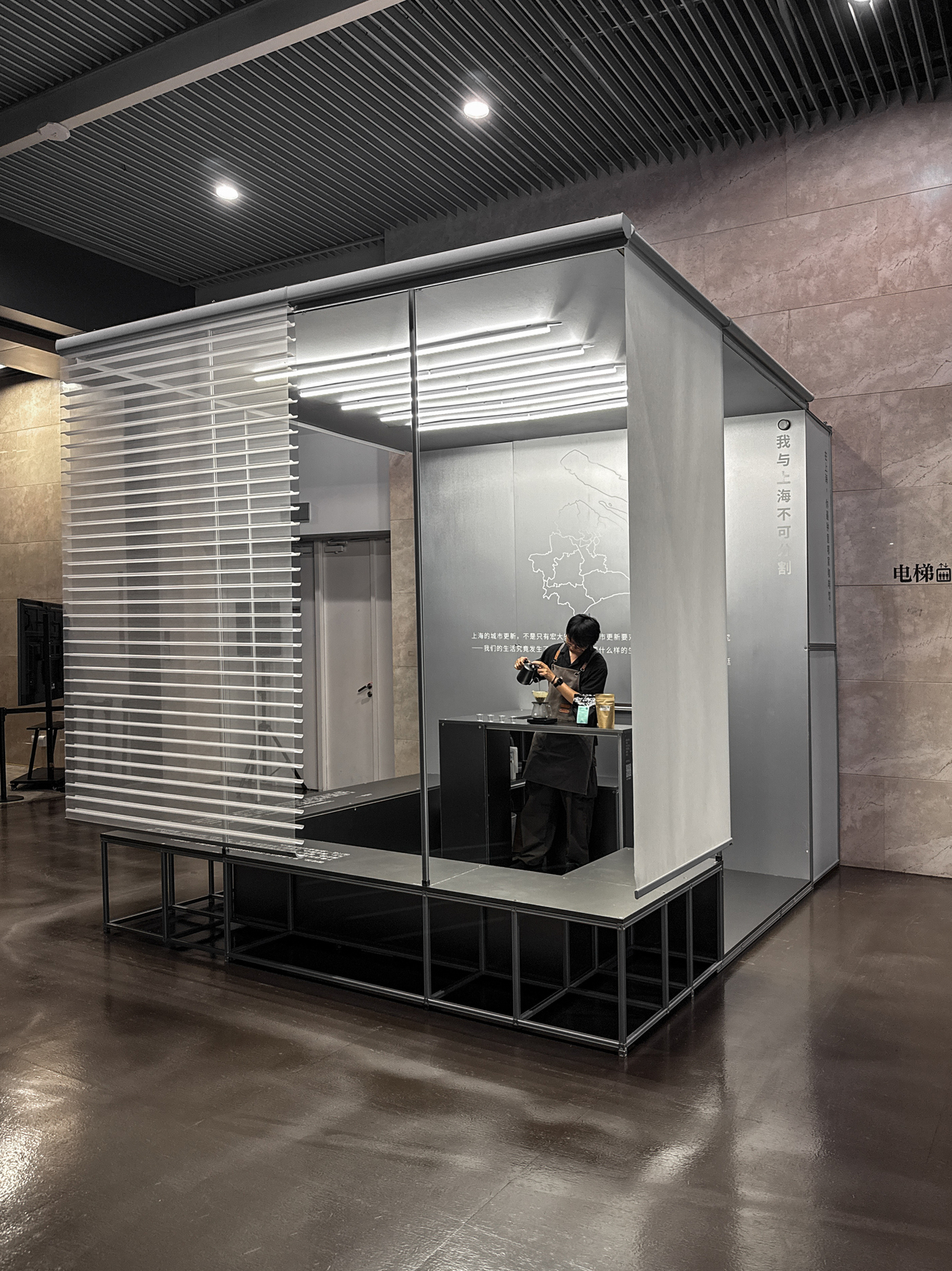
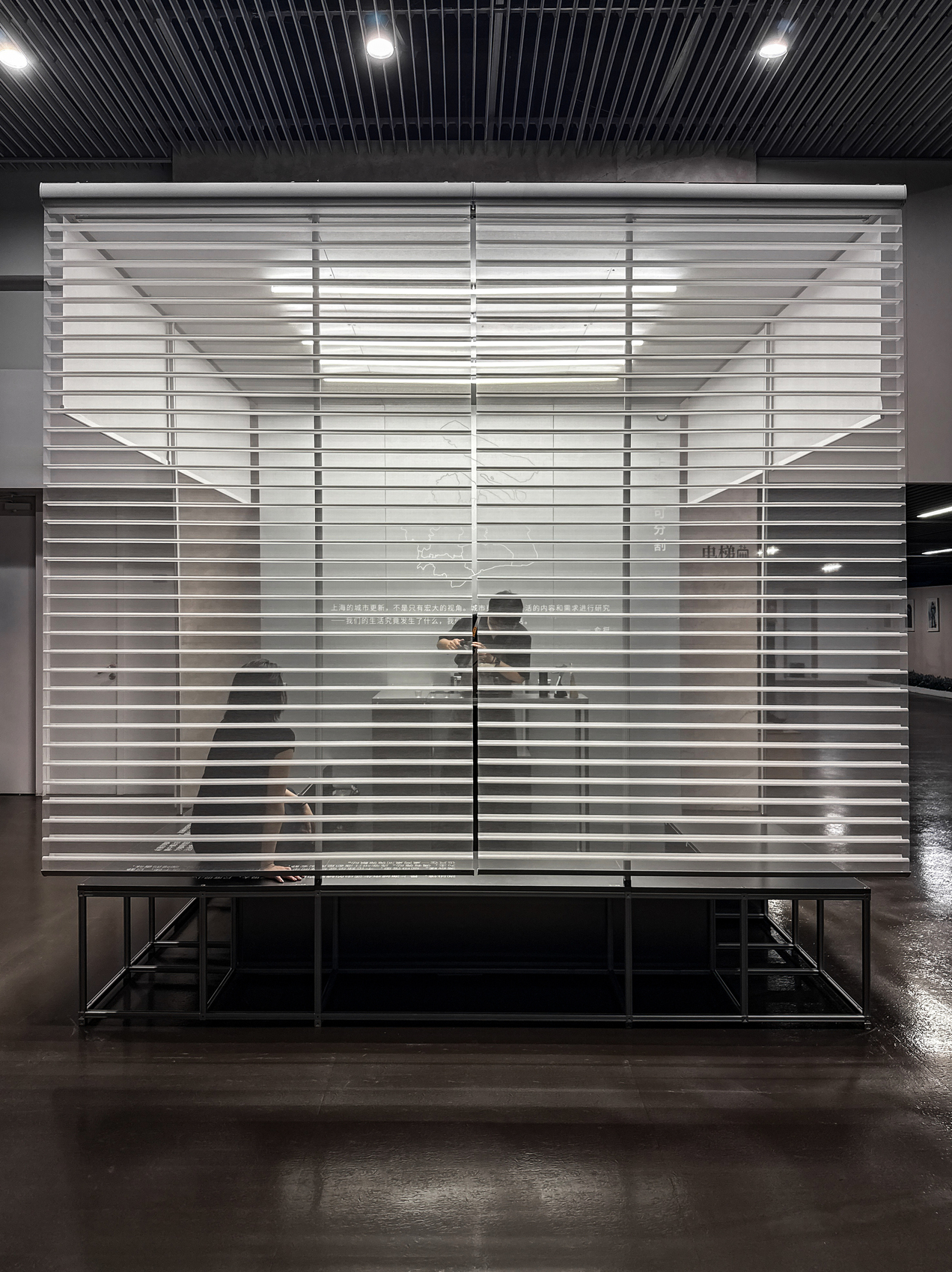
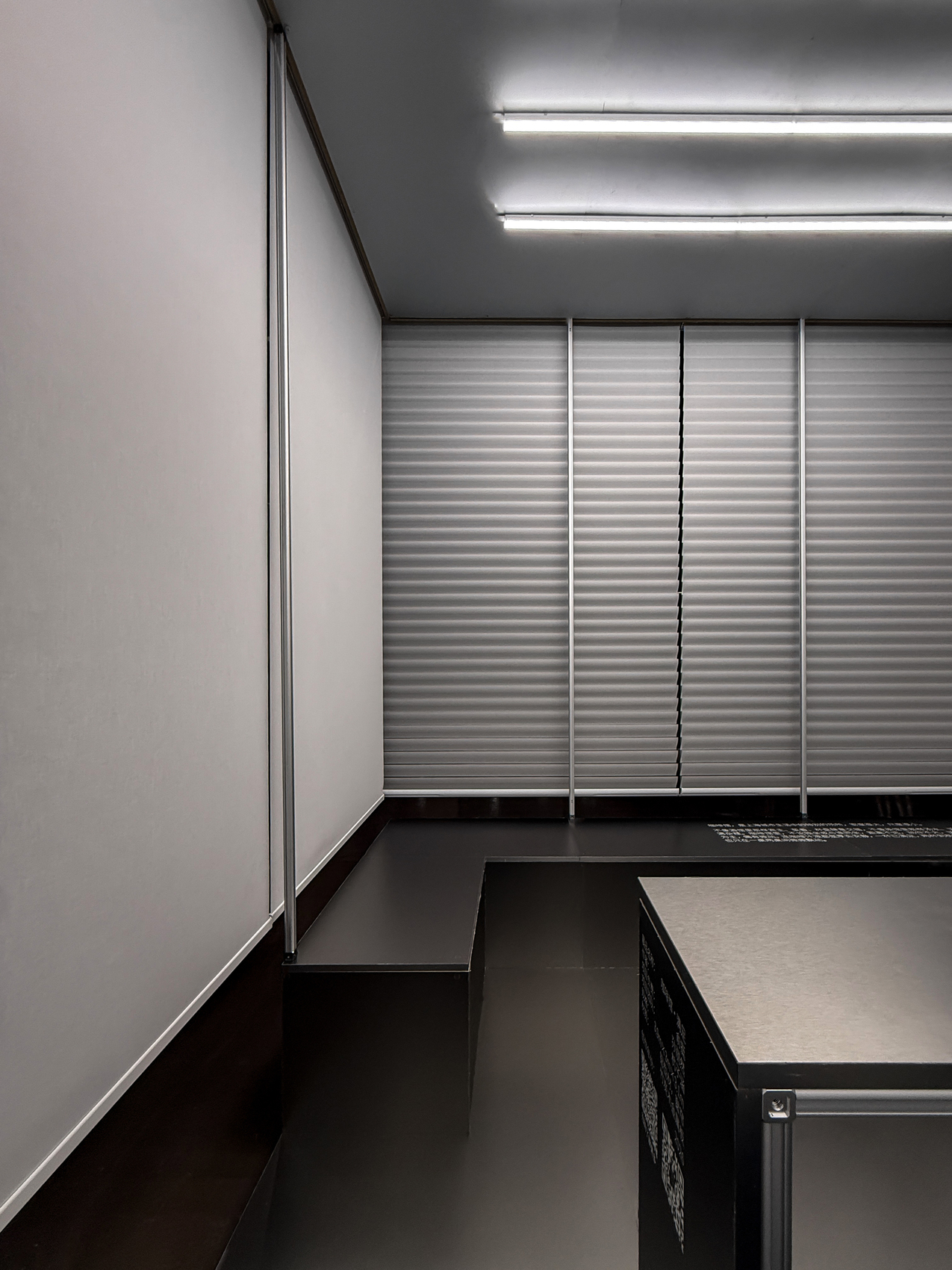
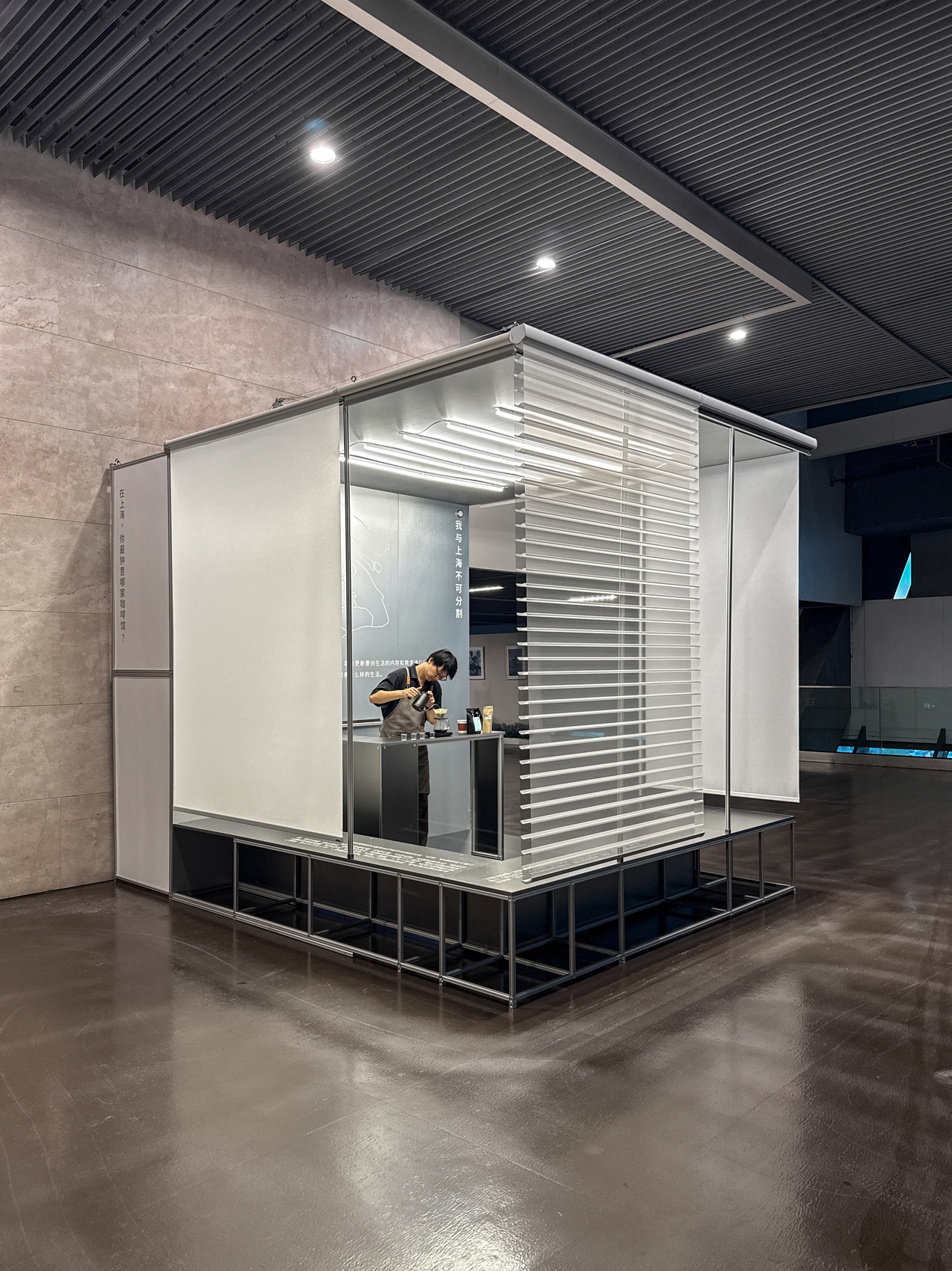
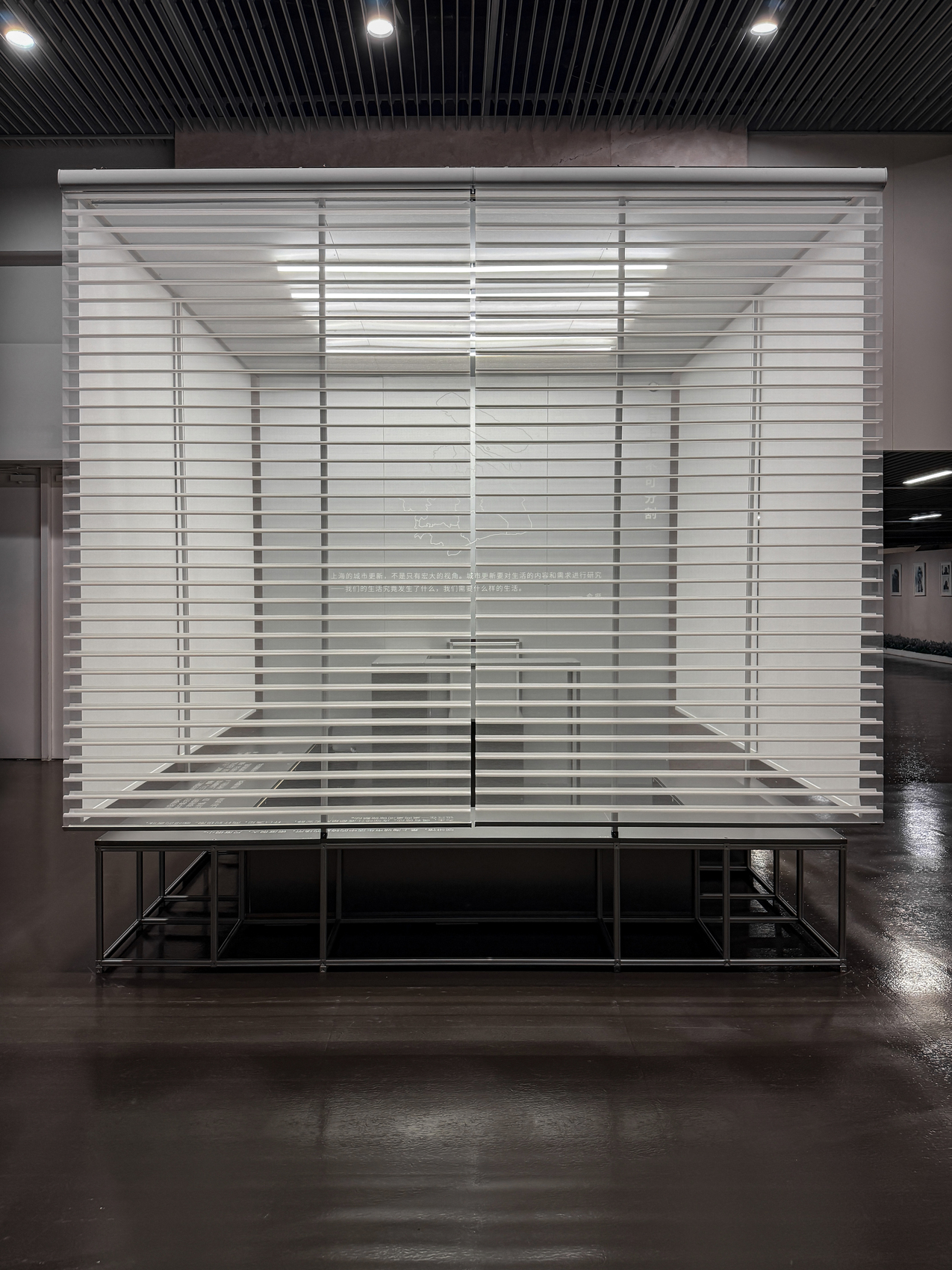
The fourth chapter, Café · Satisfaction, opened on August 7 and considers the café as a small but precise intervention within Shanghai’s urban fabric. The 3.9-by-3-by-3.1-meter structure uses aluminum profiles, bamboo-charcoal metal panels and curtains to establish a flexible enclosure. Its C-shaped aluminum framework is deliberately exposed as an architectural exoskeleton, while seating folds outward from panels connected to the floor and walls. Three sides are fitted with movable curtains that can open the café to the surrounding museum space or close it into a more intimate setting. As the curtains move, light, silhouettes, visibility and the perception of the interior change, producing a spatial boundary that remains in constant transition.
Together, the four realized installations establish a progression through different scales and conditions of urban life. The domestic volume considers dignity within a limited footprint, the labyrinth transforms the complexity of the city into a navigable environment, the gallery creates an opportunity for individual concentration within a public institution, and the café examines the shifting threshold between public and private space. Although their materials and configurations differ, the works share an interest in how architecture is experienced through occupation, movement, perception, and changing relationships between people and their surroundings.
The exhibition remains intentionally incomplete, with garden, community and sacred space still to be unveiled. This unfinished condition is central to its structure rather than a limitation, allowing Bound to Shanghai to remain an evolving experiment in spatial construction. As visitors enter each new environment with their own memories and experiences, the meaning of the exhibition continues to develop. By the time the sequence concludes in early 2027, the seven spaces will have formed not a definitive portrait of Shanghai, but an accumulating architectural map of the city as experienced through place, memory and individual perception.
Project Gallery
58 photographs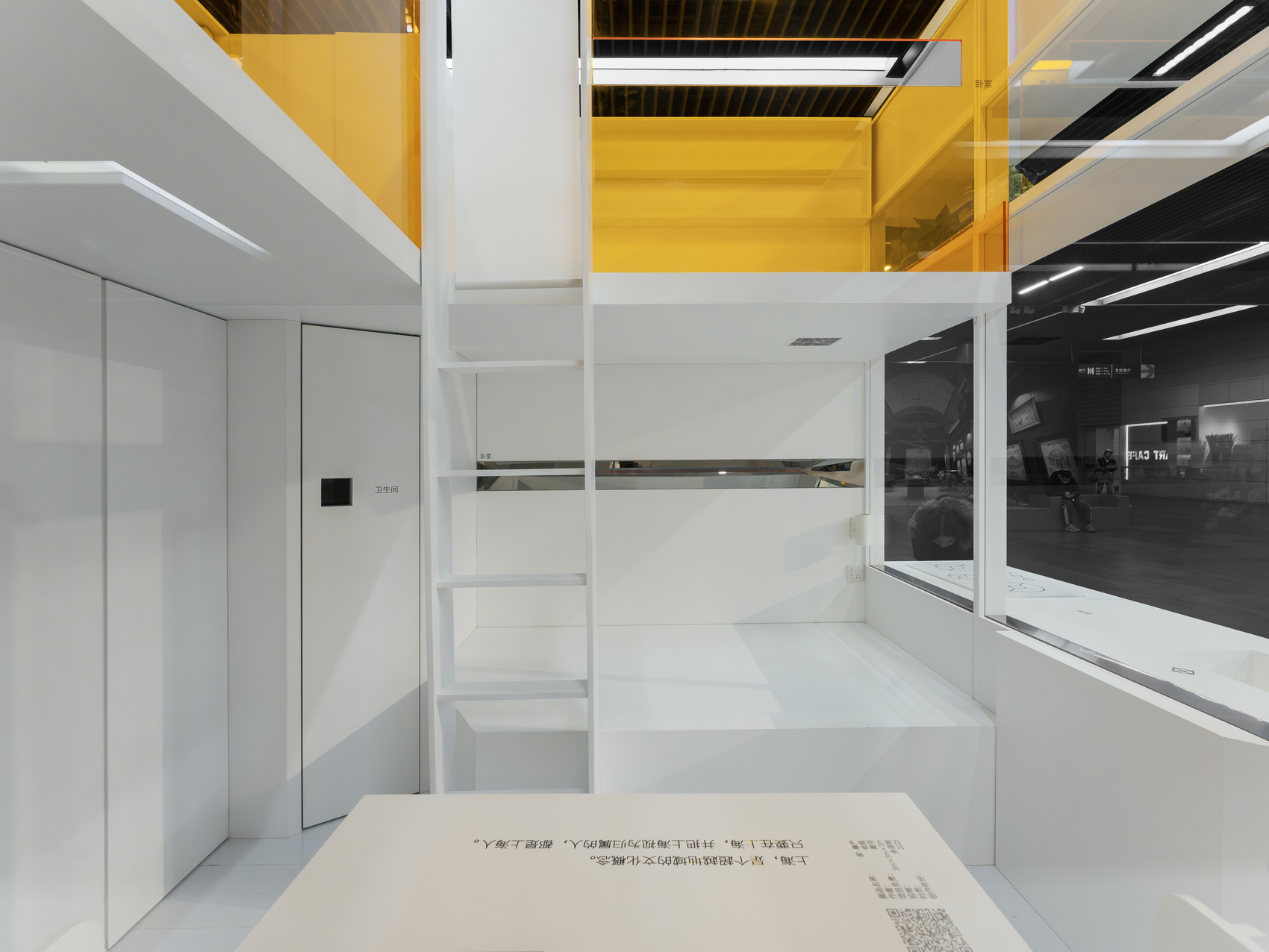
.jpg)

Project Location
AddressShanghai, China
The location is intended for general reference and may denote a city or country; it does not identify a precise address.