
home/projects/exhibition centers/in the garden at marco museum
In the Garden at MARCO Museum / LANZA Atelier
Cultural ArchitectureInterior DesignExhibition centerMuseum & exhibition interior
- Architects
- LANZA Atelier
- Lead architects
- Isabel Abascal, Alessandro Arienzo
- Location
- Monterrey, Mexico
- Photographs
- Michelle Lartigue
- Materials
- Oak wood
- Curatorship
- Magnolia de la Garza
- Production
- CIAC A.C. and MARCO
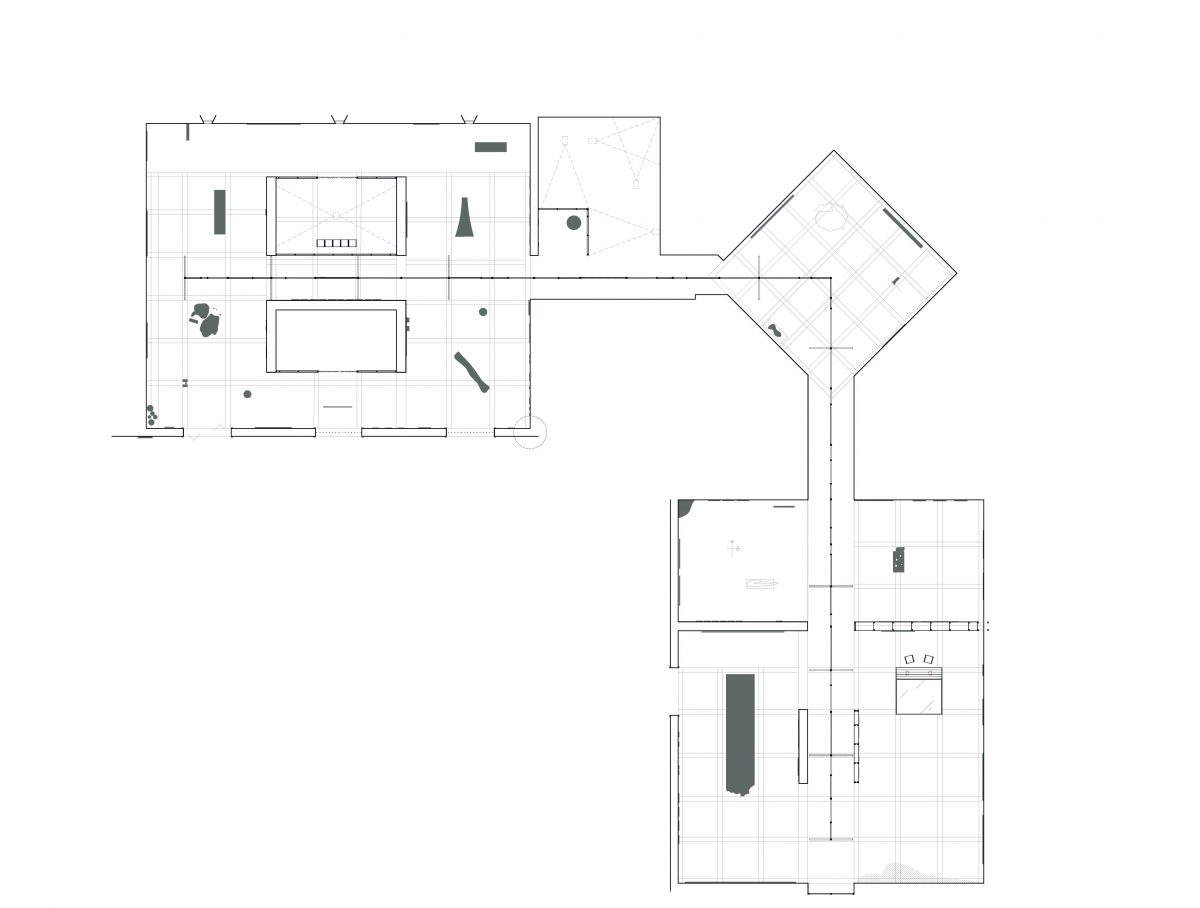
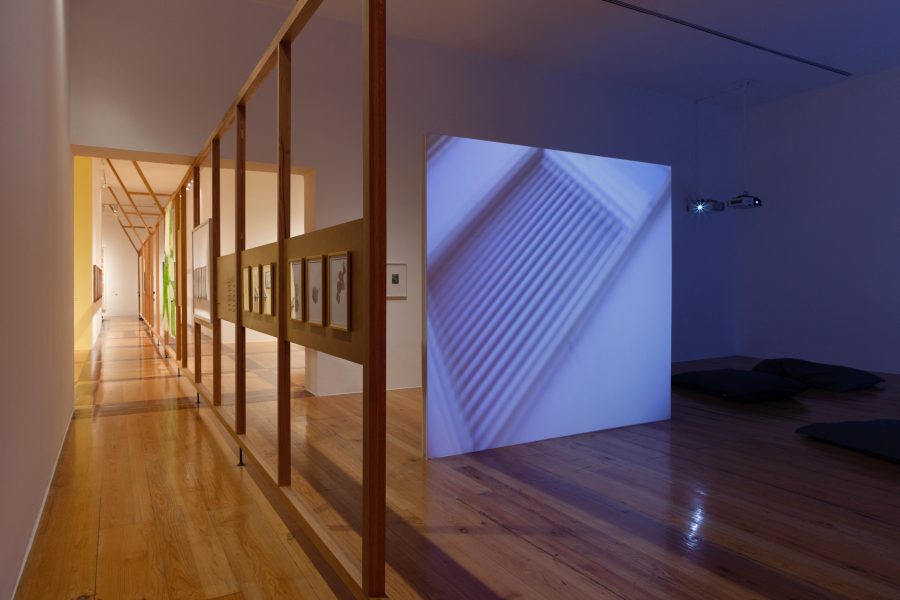
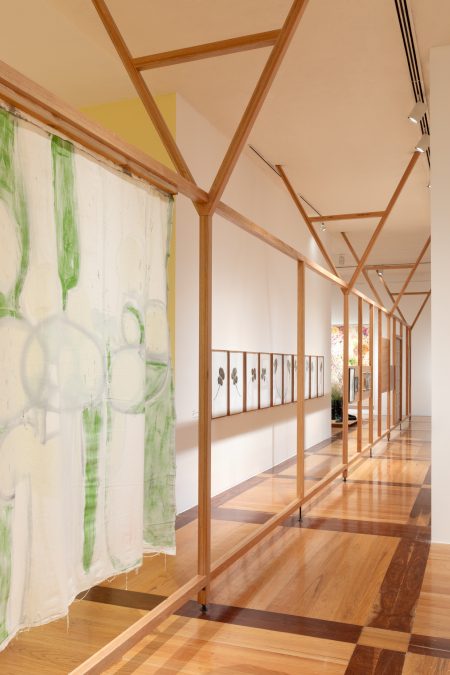
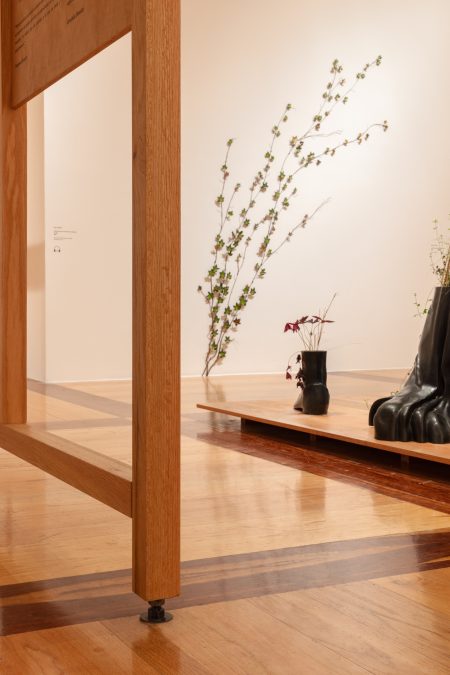
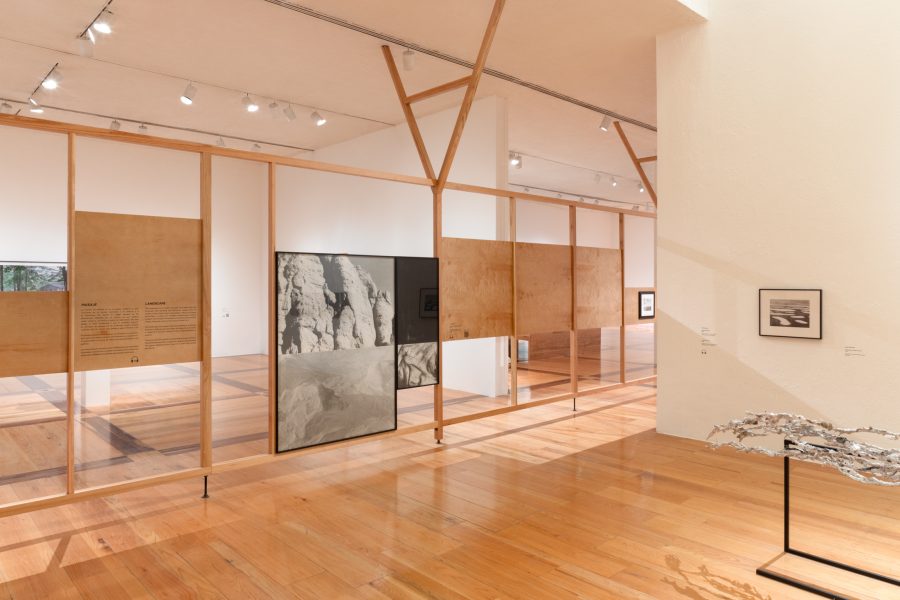
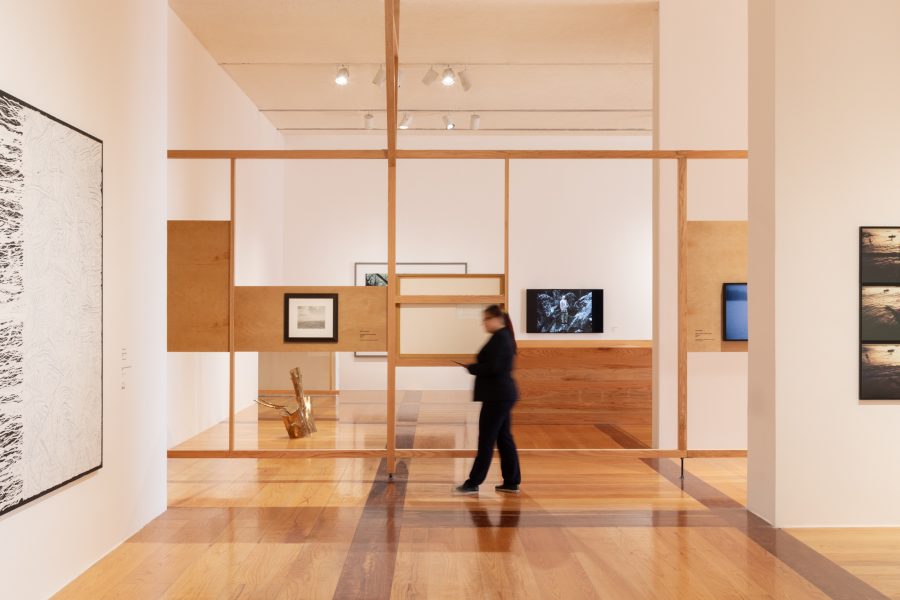
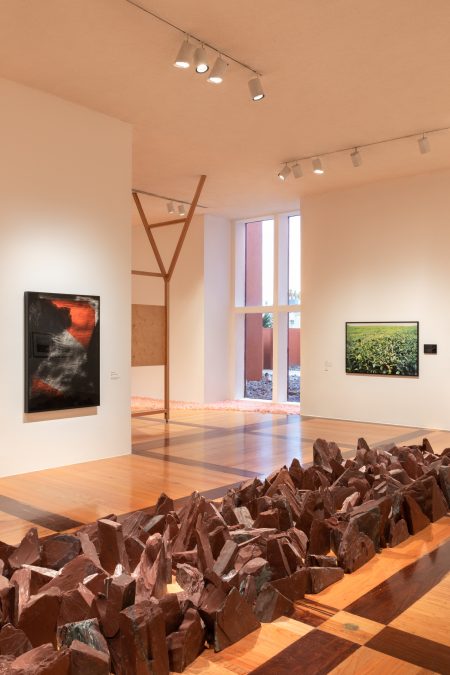
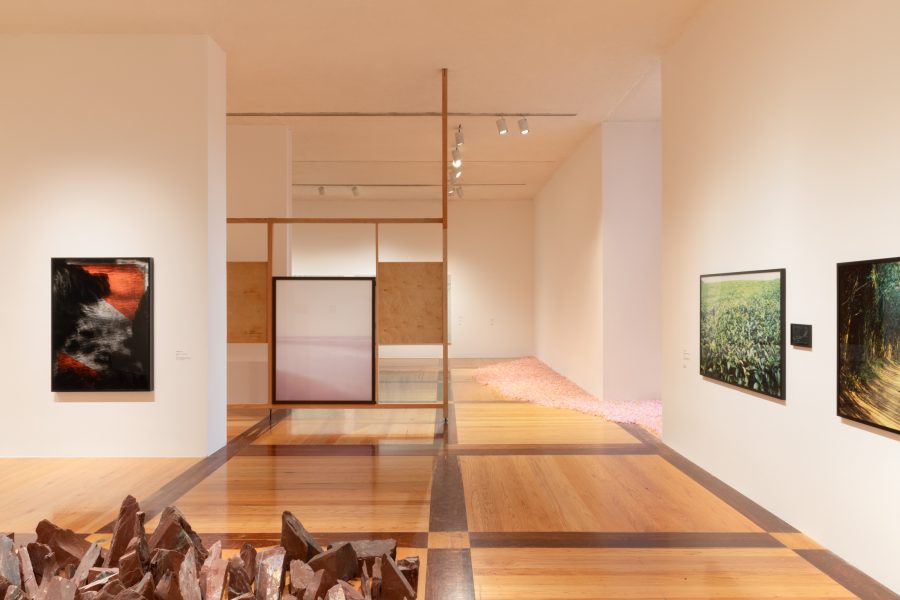
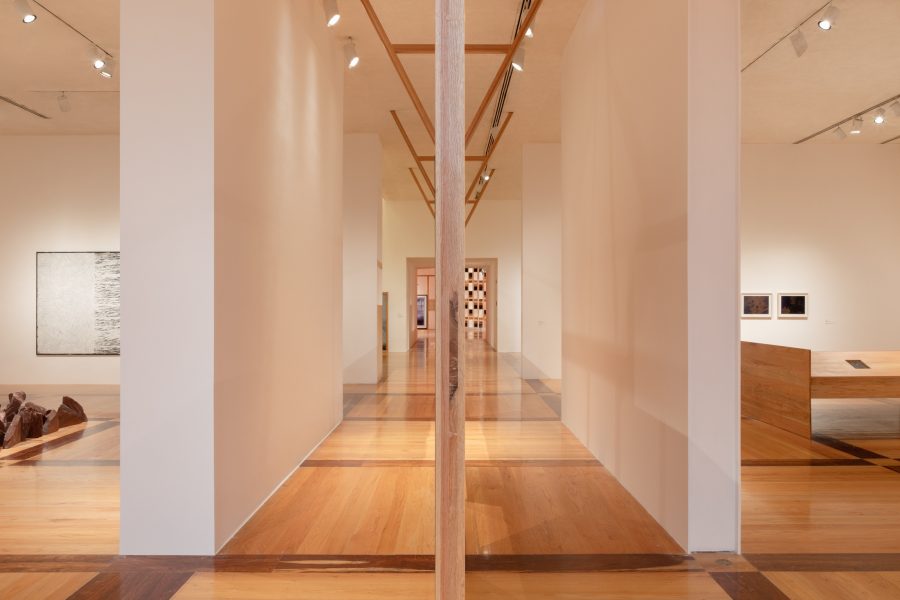
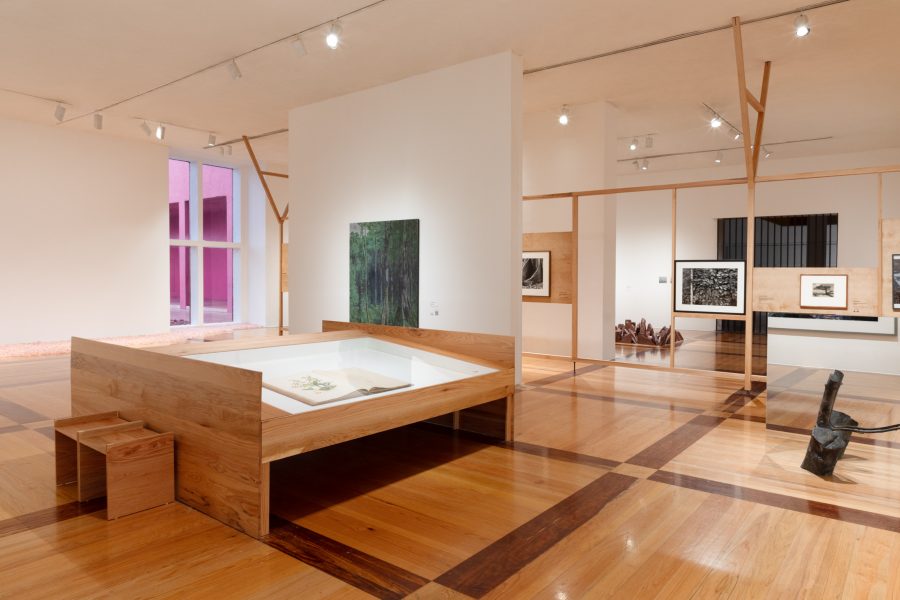
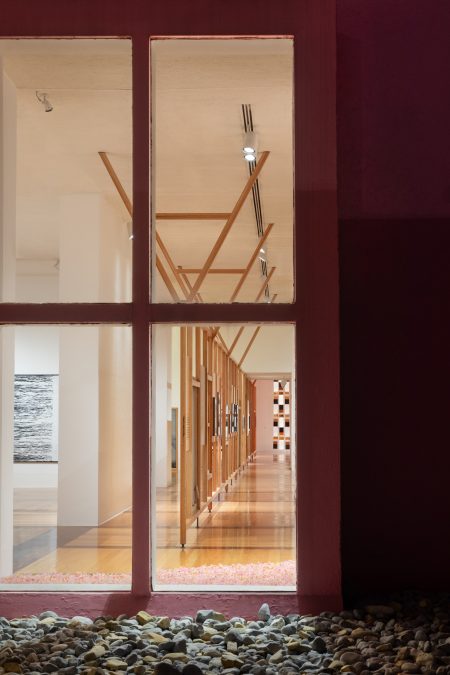
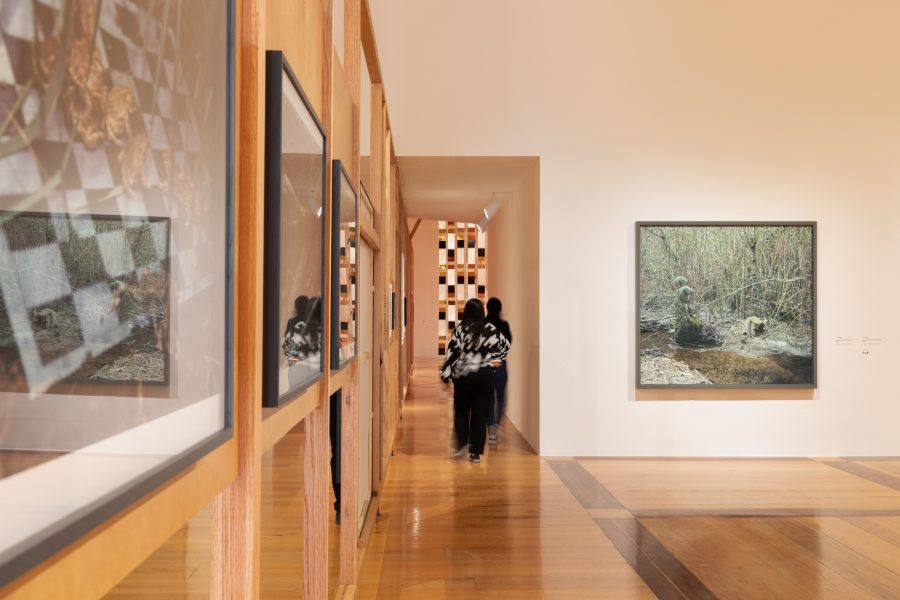
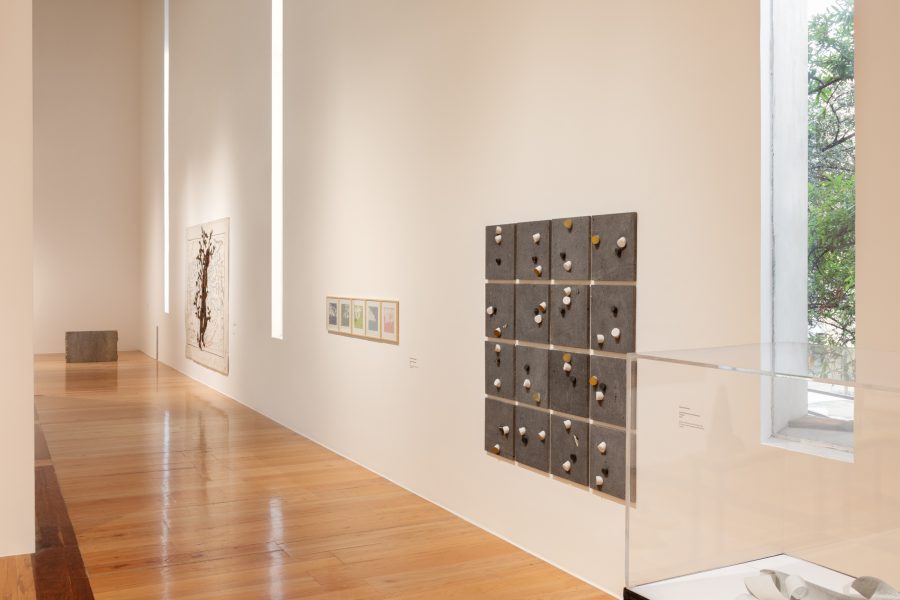
In the Garden at MARCO Museum is an exhibition designed by LANZA Atelier that reconceives four gallery rooms as a spatial sequence informed by the idea of the garden. Developed for a curatorial selection of works from the Coppel Collection, the project establishes a new internal order that mediates between the artworks and the museum’s assertive architectural character. Rather than relying on a conventional progression from room to room, the intervention introduces a clear framework of symmetry, visual permeability, and controlled separation. At the center of the scheme is an 80-meter-long, 3-meter-high oak structure that extends across the galleries, expanding the available display surface while organizing the exhibition with a measured logic. Duplicated walls form symmetrical thresholds, creating enclosed settings for sculpture and video installations. Because the structure allows views through it without permitting direct passage, it produces a spatial experience defined by curiosity, distance, and overlap. In architectural terms, the exhibition translates the garden into a condition shaped by beauty and pleasure, as well as by boundary, access, and control.
“Architecture should instead provide a space where one can react, experiment and feel the infinite possibilities of life itself.”Interview with Isabel Abascal and Alessandro Arienzo of LANZA atelier
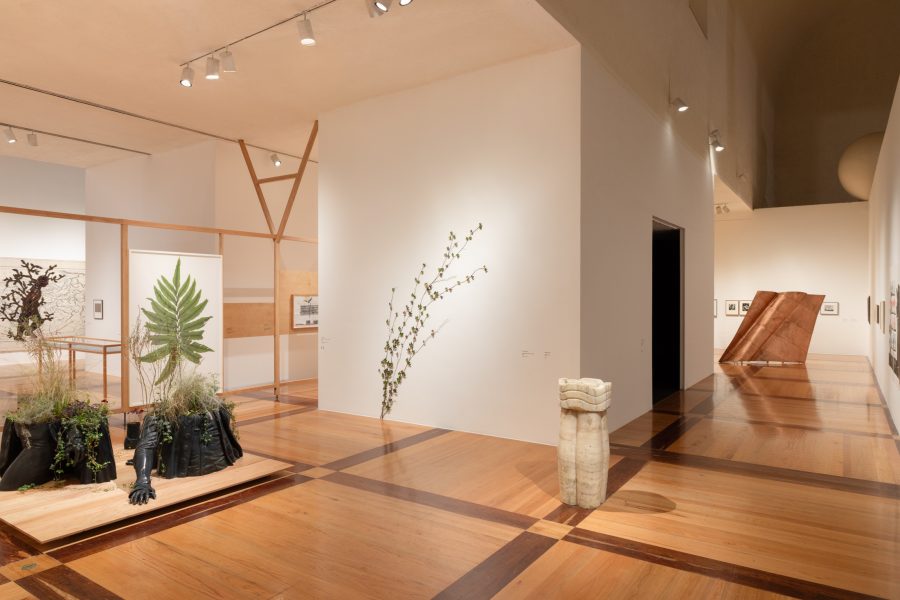
What distinguishes this project is the way it treats exhibition design as a form of architectural interpretation rather than a neutral support system. LANZA Atelier does not attempt to soften the MARCO Museum’s pronounced postmodern presence, nor to compete with it through formal excess. Instead, the intervention introduces a quiet but disciplined order that redirects attention to how visitors move, pause, and look. The galleries are understood not simply as rooms containing artworks, but as an environment in which circulation itself becomes part of the curatorial argument.
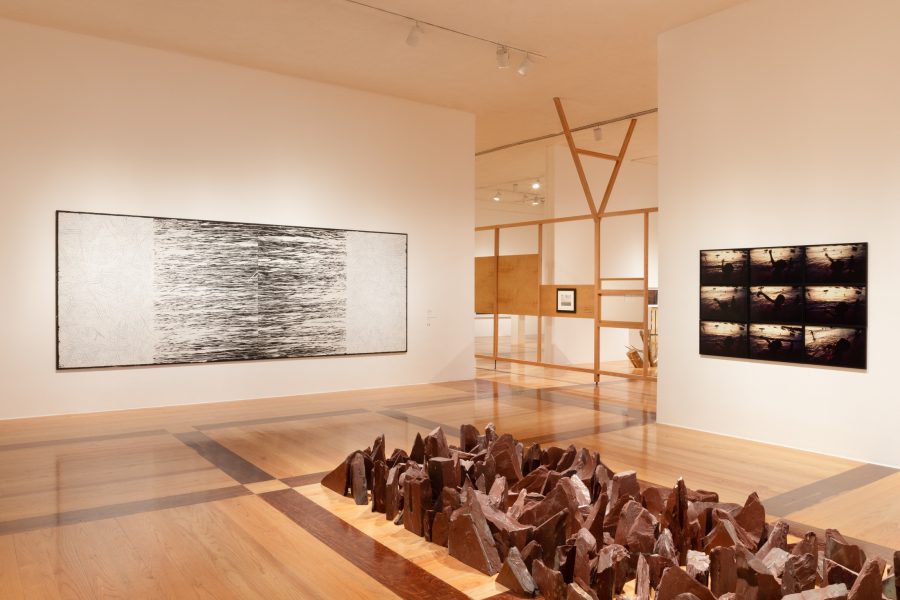
That argument is developed through a symmetrical organization drawn across the four spaces. By duplicating selected walls, the design produces a sequence of calibrated thresholds and subsidiary enclosures that alter the expected route through the museum. The effect is not one of fragmentation, but of reorientation. Sculpture and video are given more precise spatial settings, while the broader exhibition acquires a sense of rhythm that encourages visitors to read the rooms relationally rather than individually. In this respect, the project borrows from the logic of landscape, where experience is often constructed through transition, framing, and gradual revelation rather than direct access.
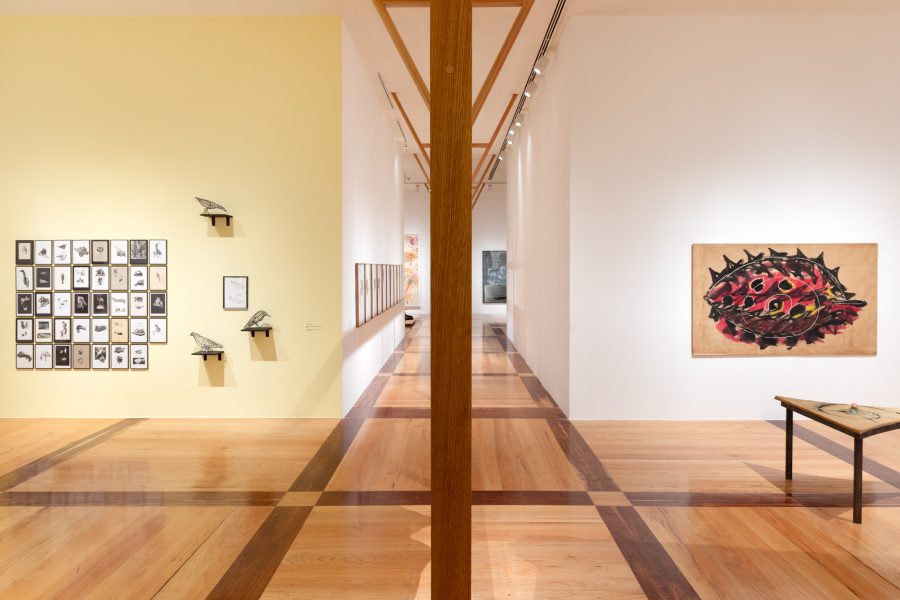
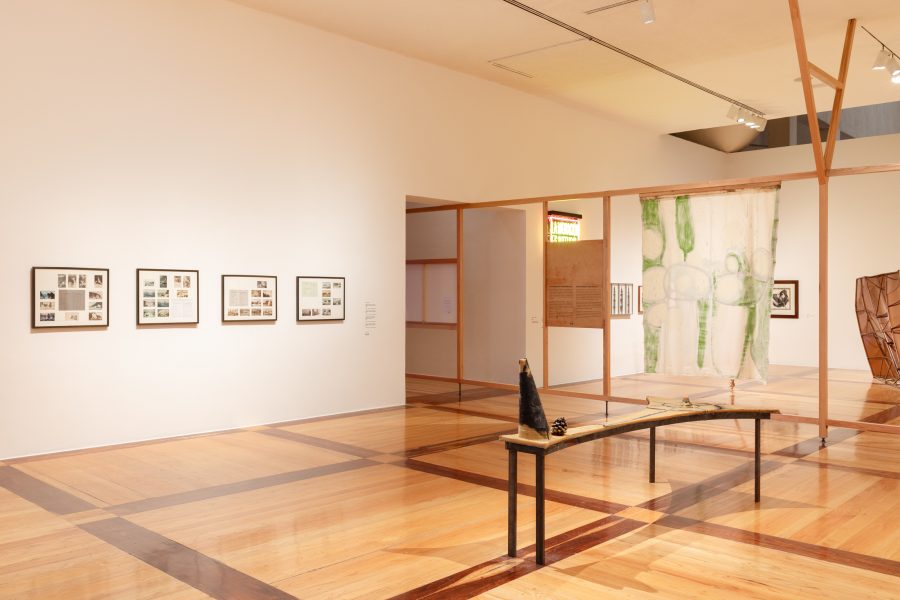
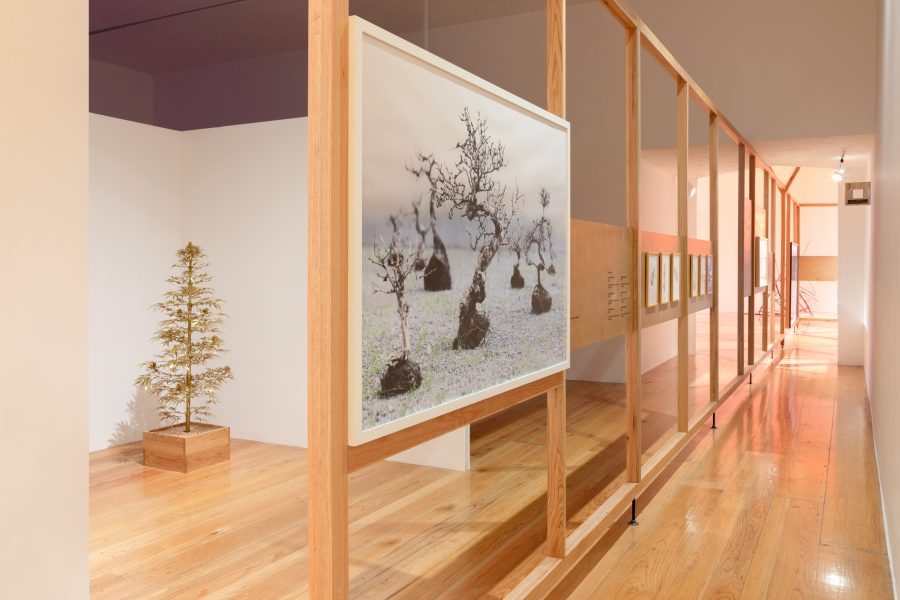
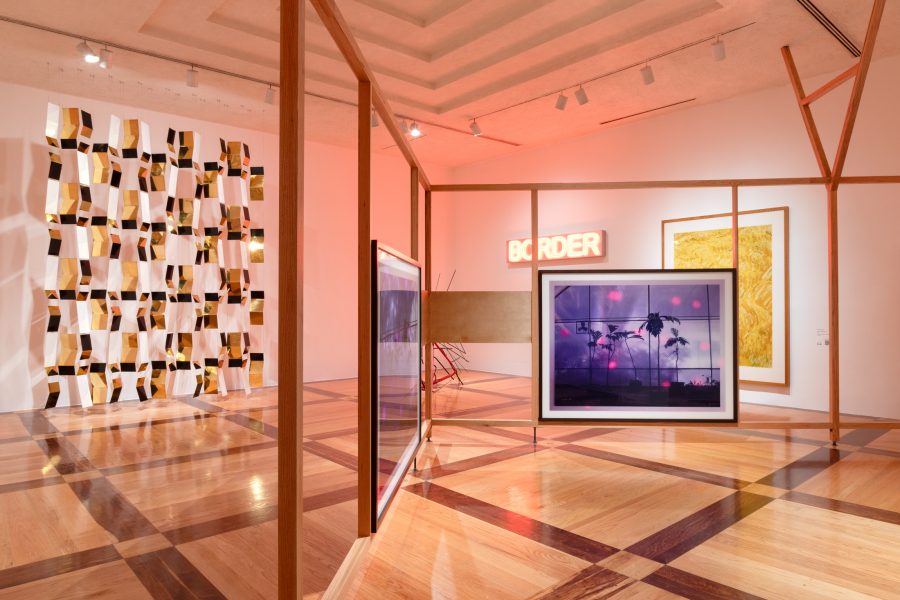
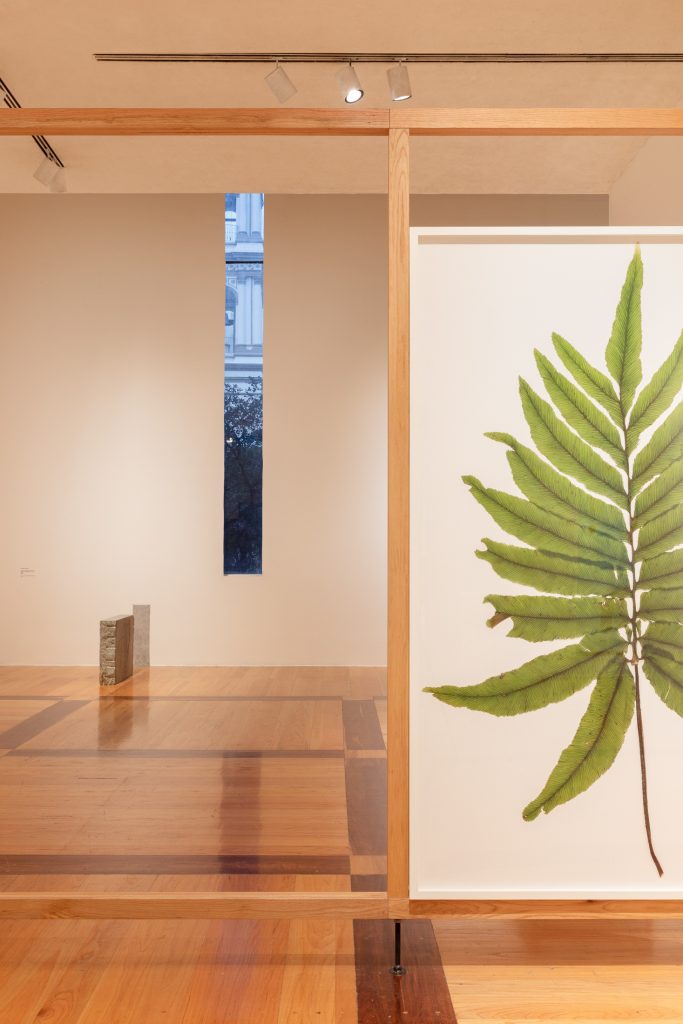
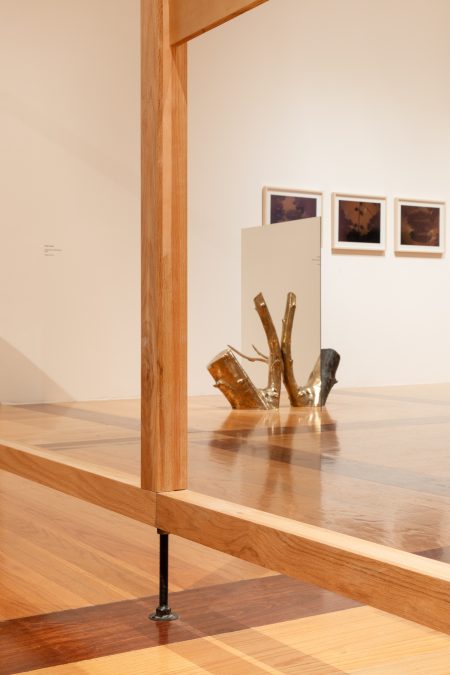
The central oak structure gives this strategy both material clarity and conceptual depth. Its length and height establish a firm visual order, yet its permeability prevents it from becoming a blunt divider. One can see through it, register artworks on the opposite side, and understand the exhibition as a layered whole, but one cannot simply cross at will. That withheld access introduces a productive tension between proximity and removal. The structure’s supports, which subtly evoke the figure of the tree, reinforce the project’s garden reference without resorting to literal scenography, allowing the installation to remain abstract, precise, and architecturally self-possessed.
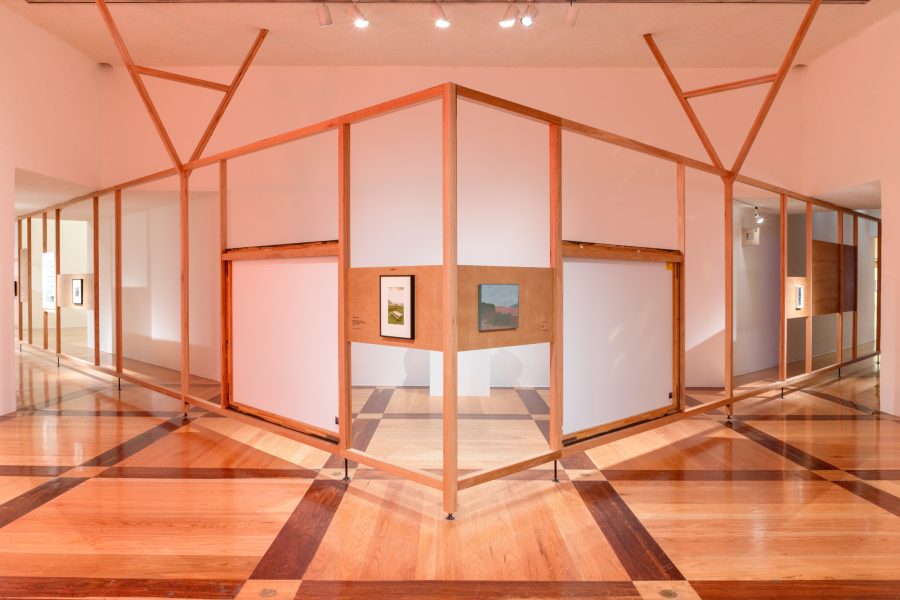
The result is an exhibition architecture that aligns two historical meanings of the garden. On one level, the garden appears as a place of pleasure, contemplation, and visual abundance. On another, it emerges as a space defined by demarcation and power, where beauty is inseparable from the question of who may enter, pass, or remain outside. The Garden at MARCO Museum succeeds because it gives physical form to that dual condition. Through restraint, symmetry, and controlled visibility, LANZA Atelier turns the exhibition into a spatial essay on desire, order, and the politics of the border.
Project Gallery
23 photographs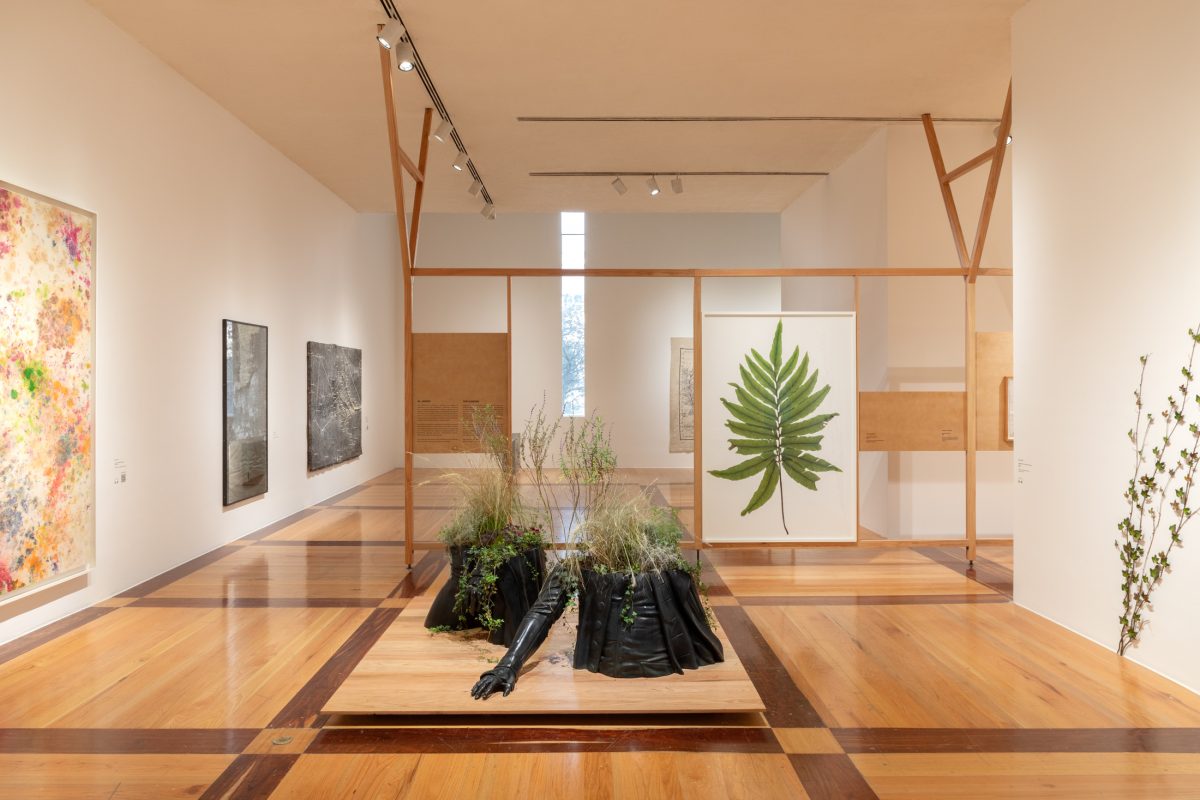
Project Location
AddressMonterrey, Nuevo León, Mexico
The location is intended for general reference and may denote a city or country; it does not identify a precise address.