
home/projects/pavilions/resting loop with views
Resting Loop with Views / HCCH Studio
Cultural ArchitecturePublic ArchitecturePavilionInstallationPublic space
- Architects
- HCCH Studio
- Location
- Huizhou, China
- Year
- 2025
- Area
- 200 m²2,153 ft²
- Photographs
- Fangfang Tian; ArchExist; Guowei Liu; Qingyan Zhu
- Type
- Pavilion · Installation · Public space
- Client
- Fengyuzhu Culture&Tech
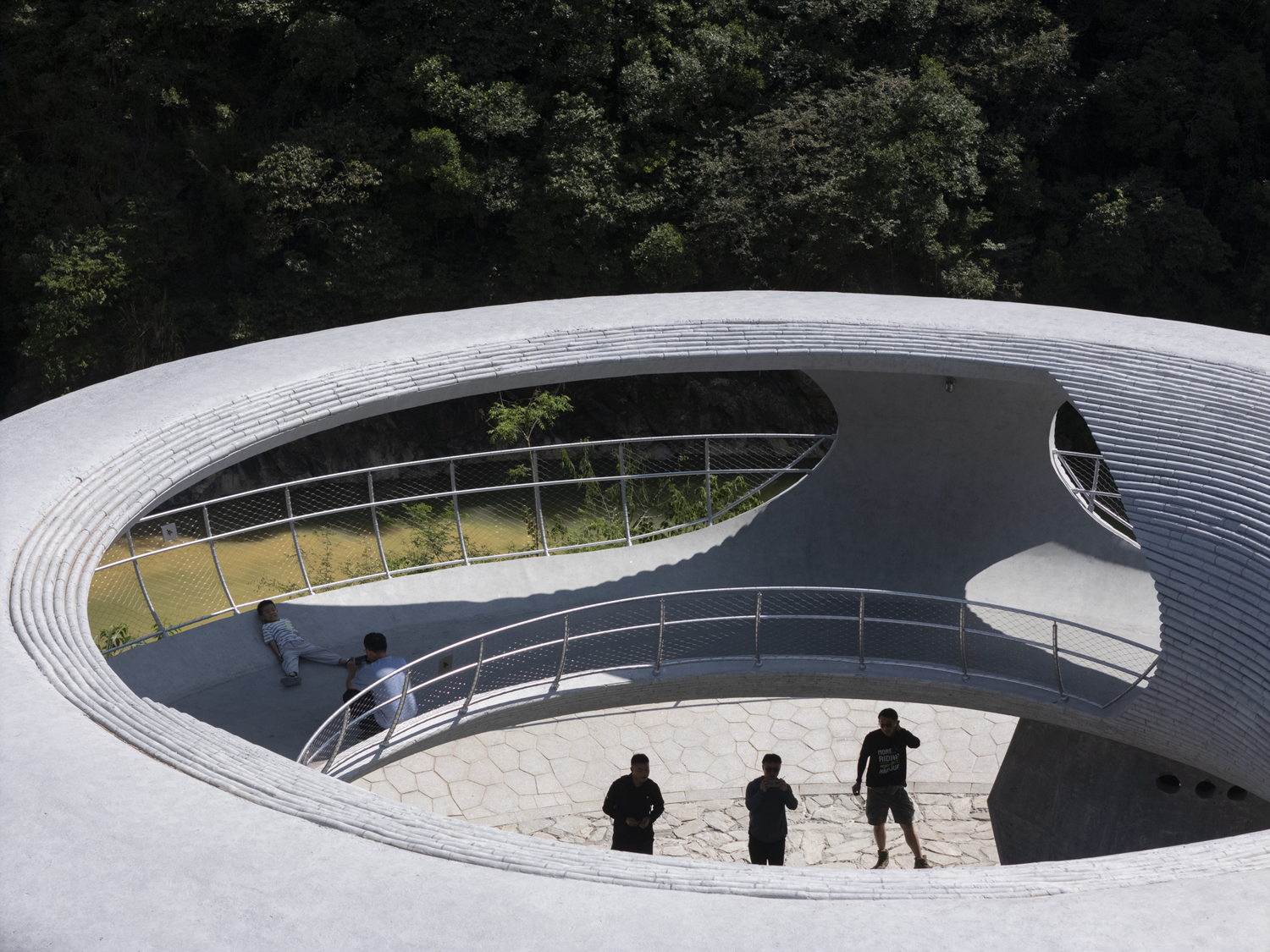
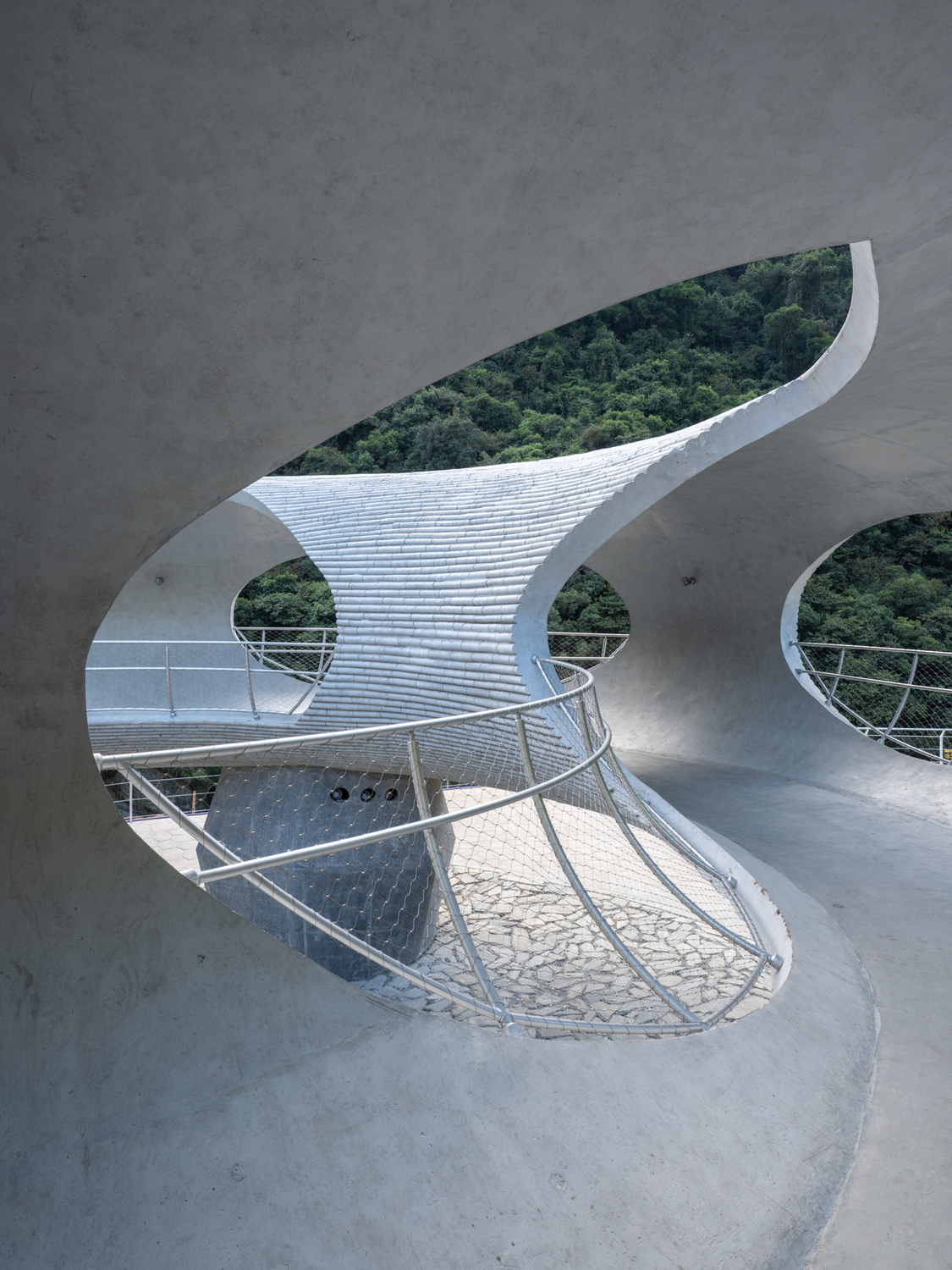
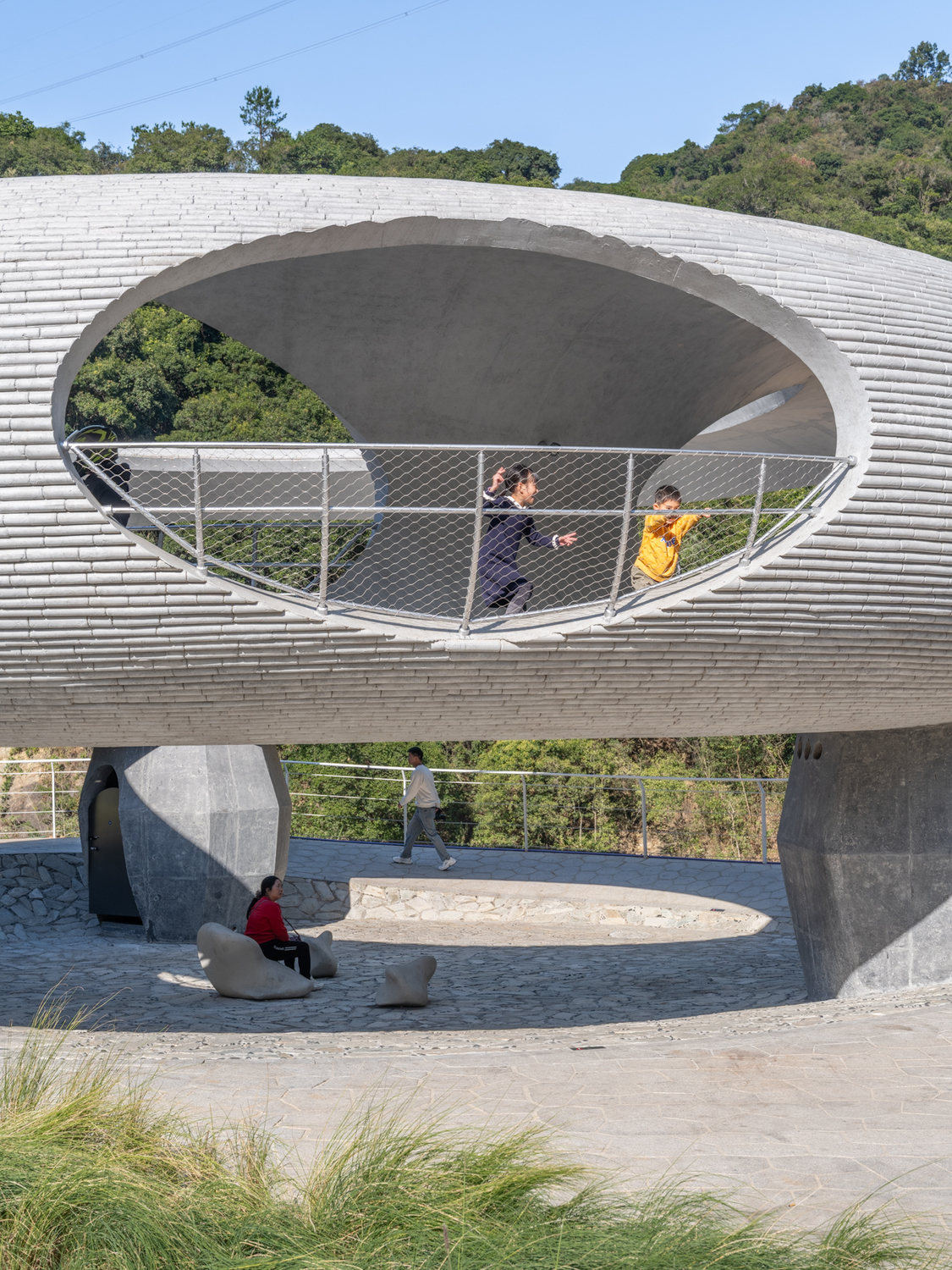
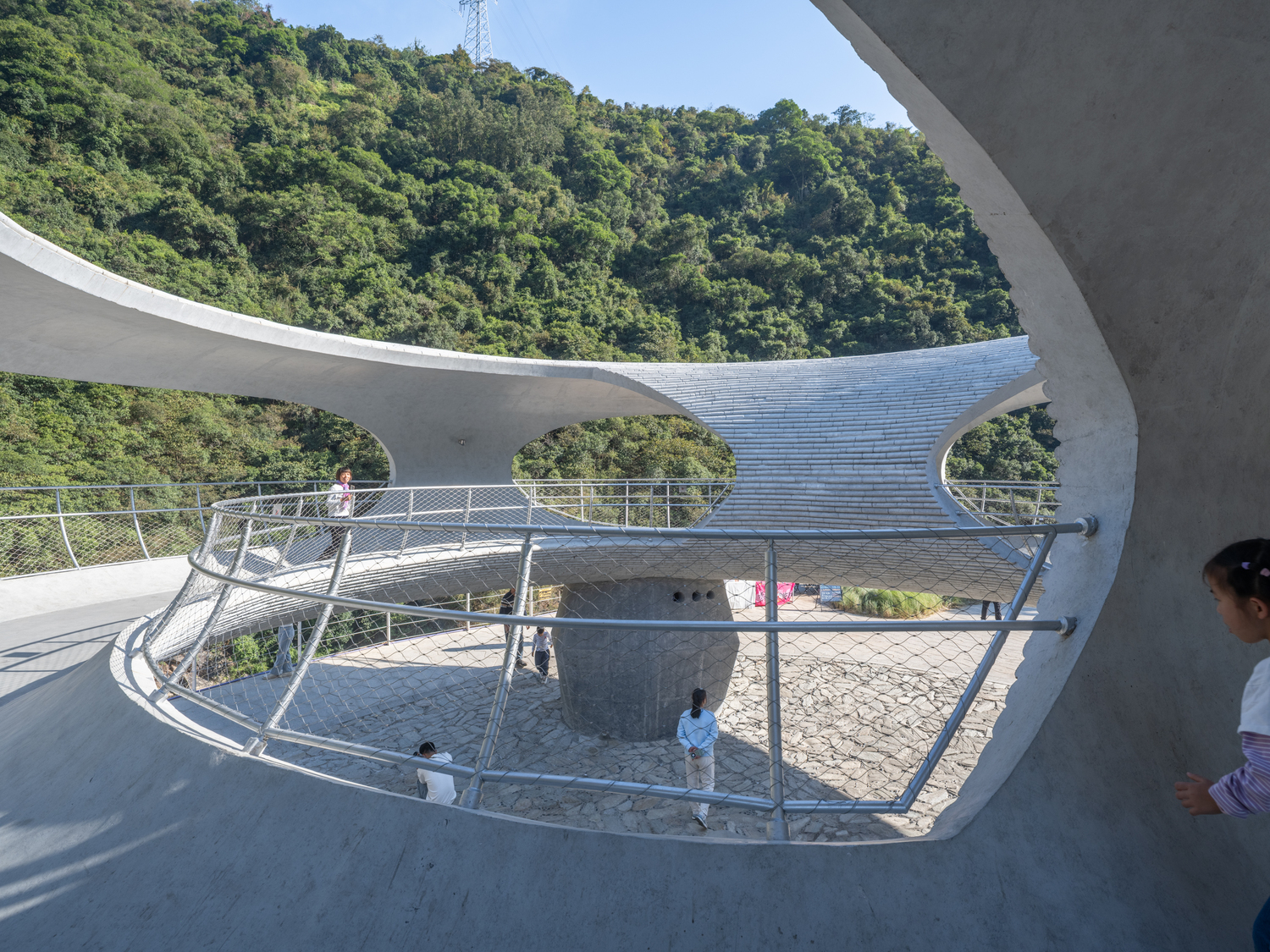
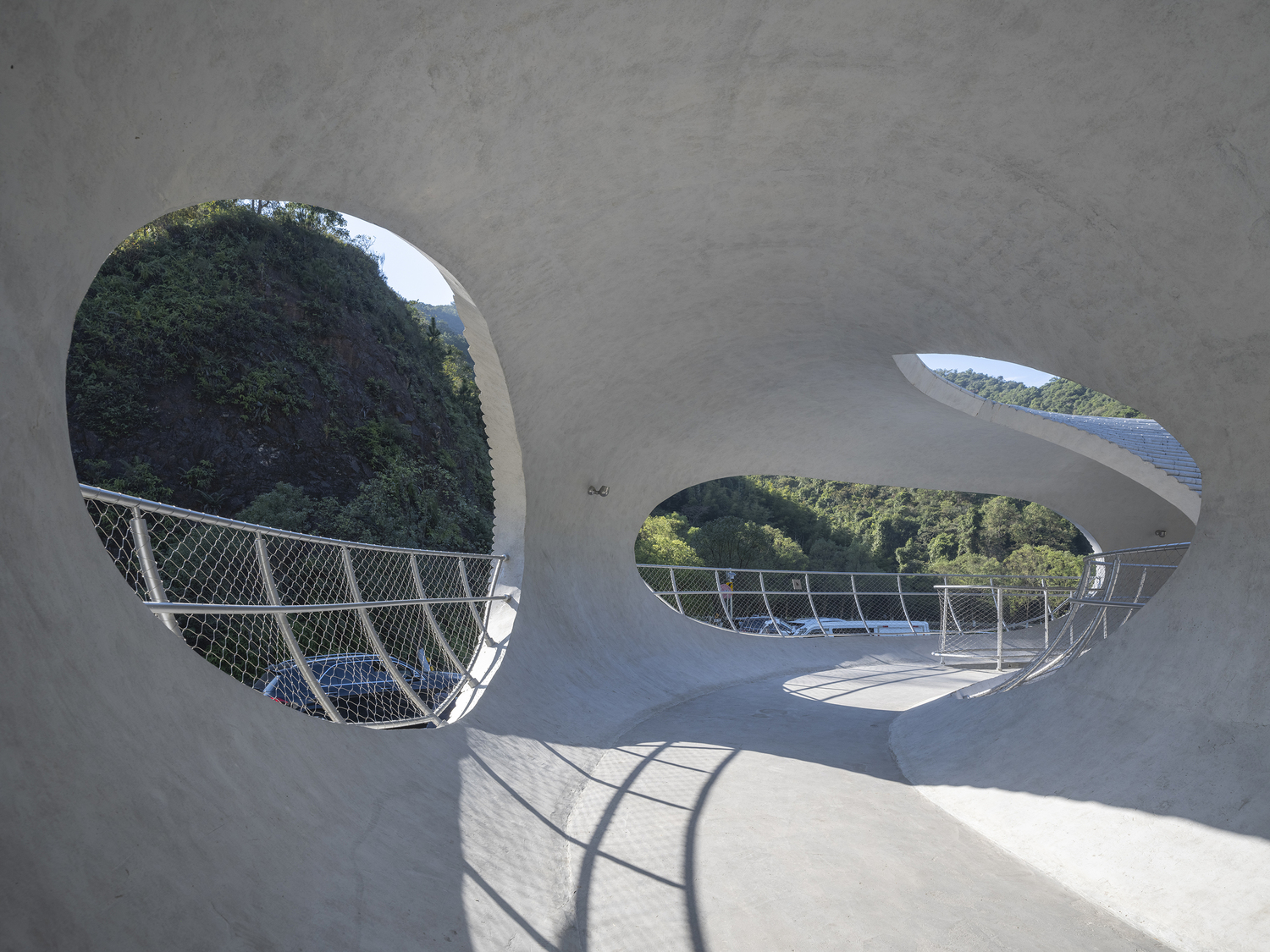
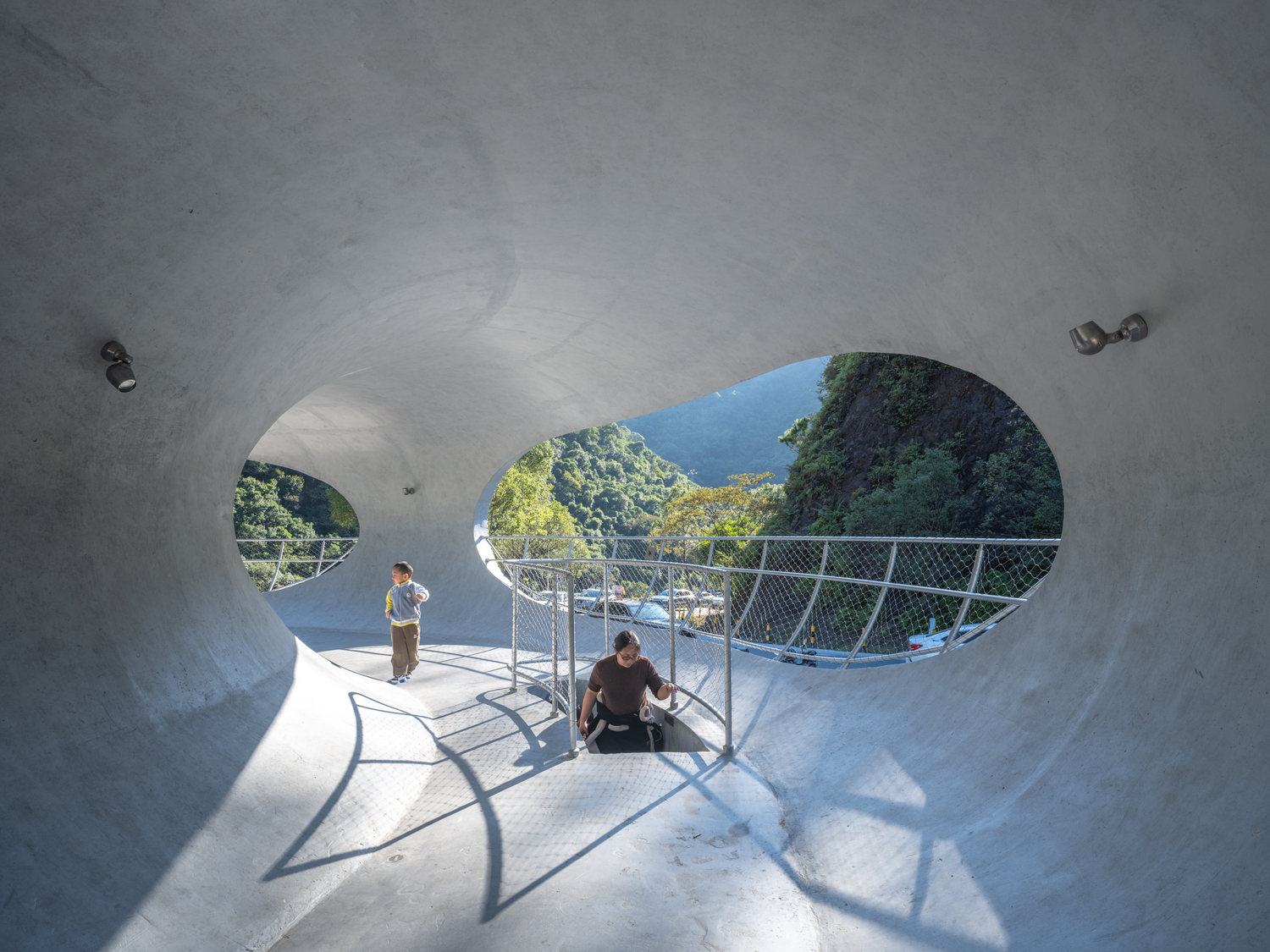
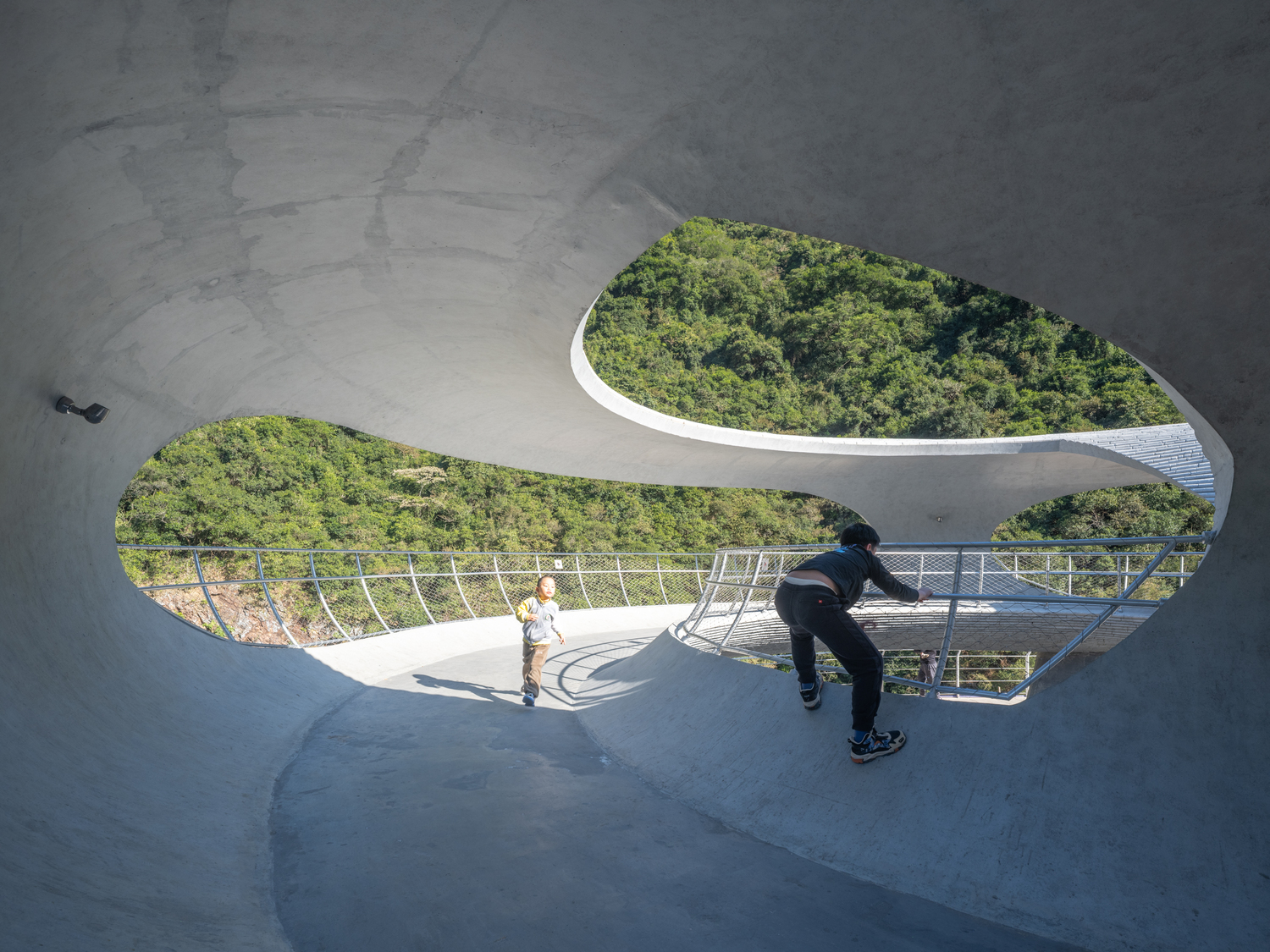
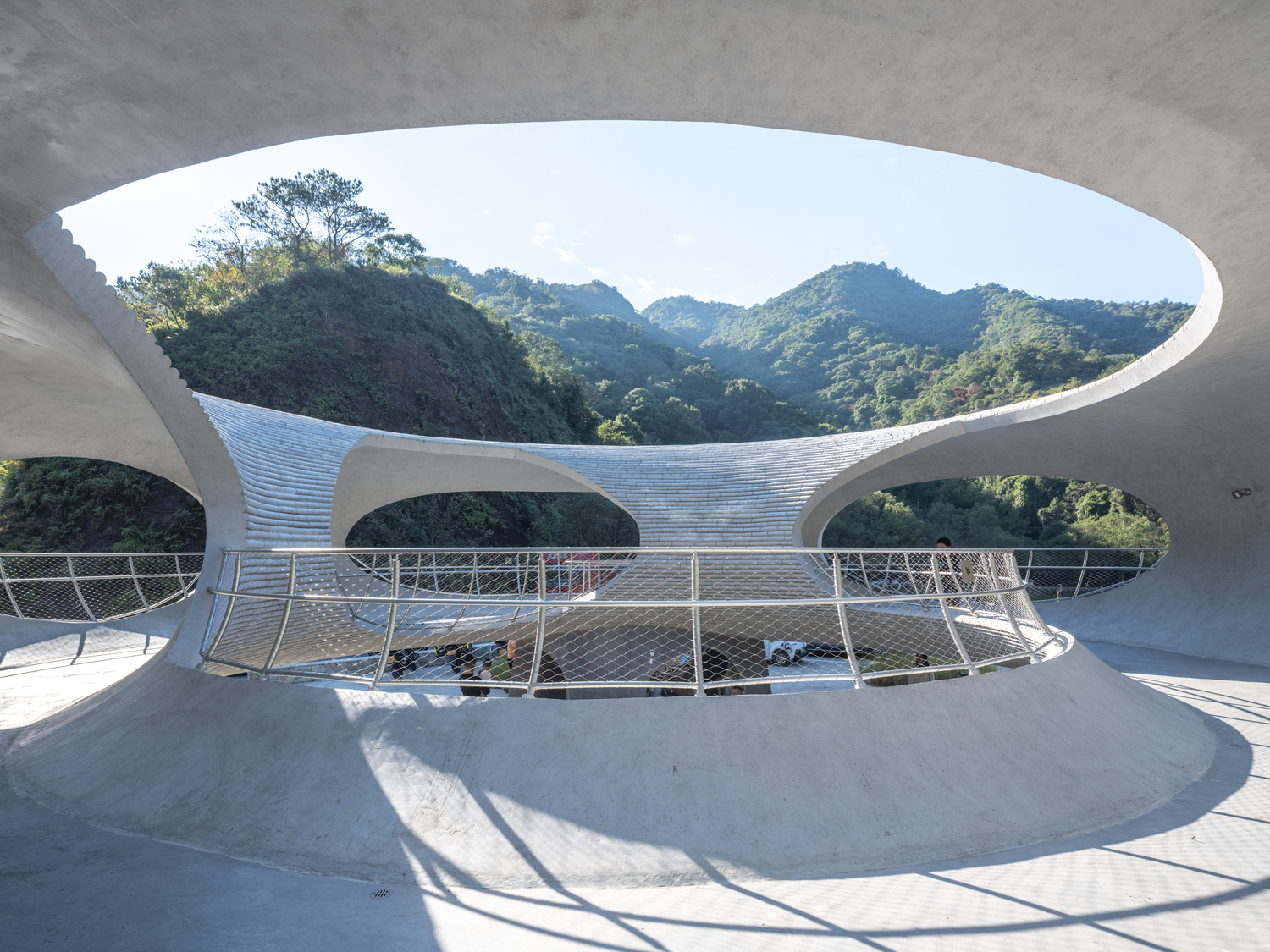
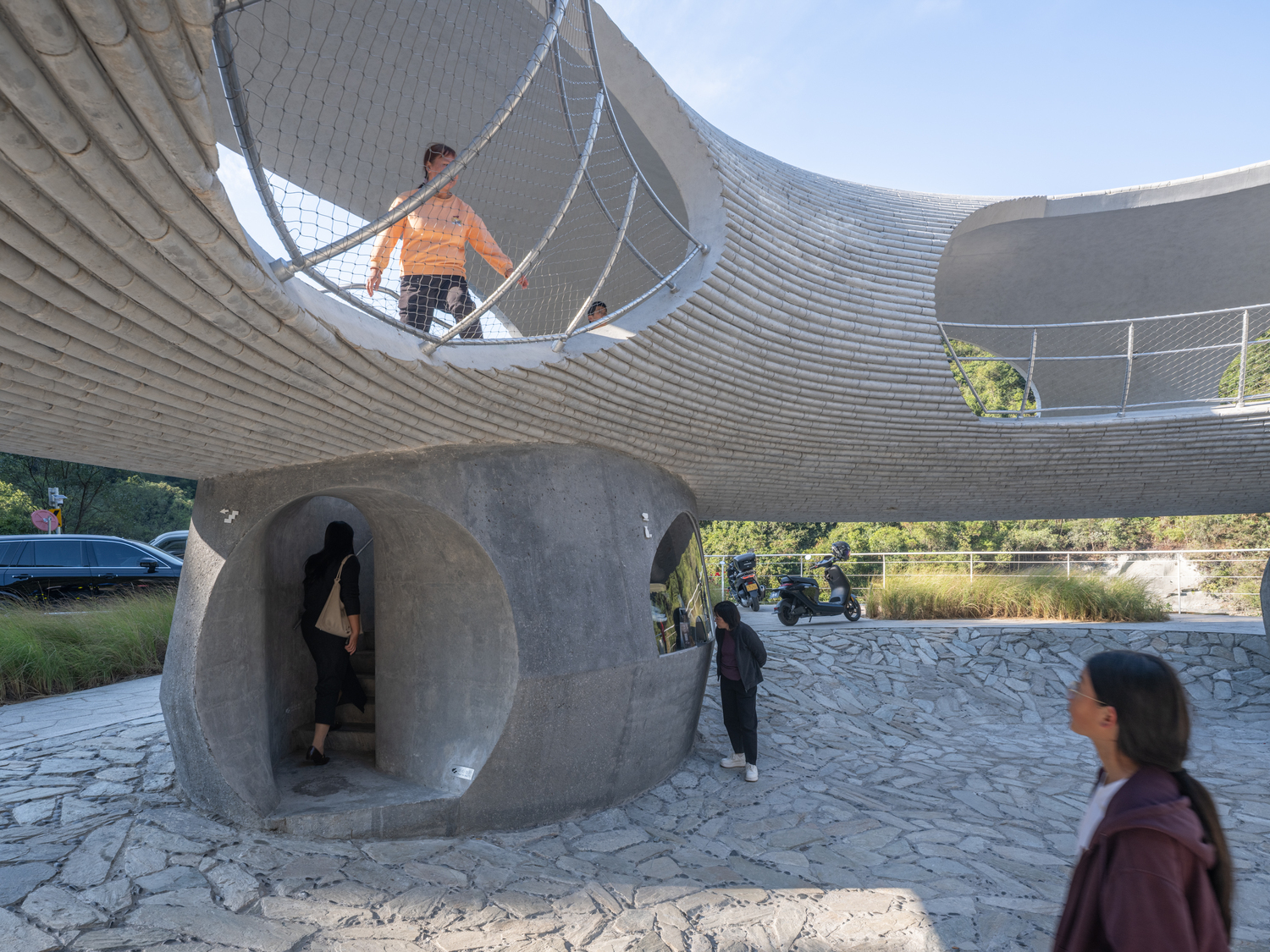
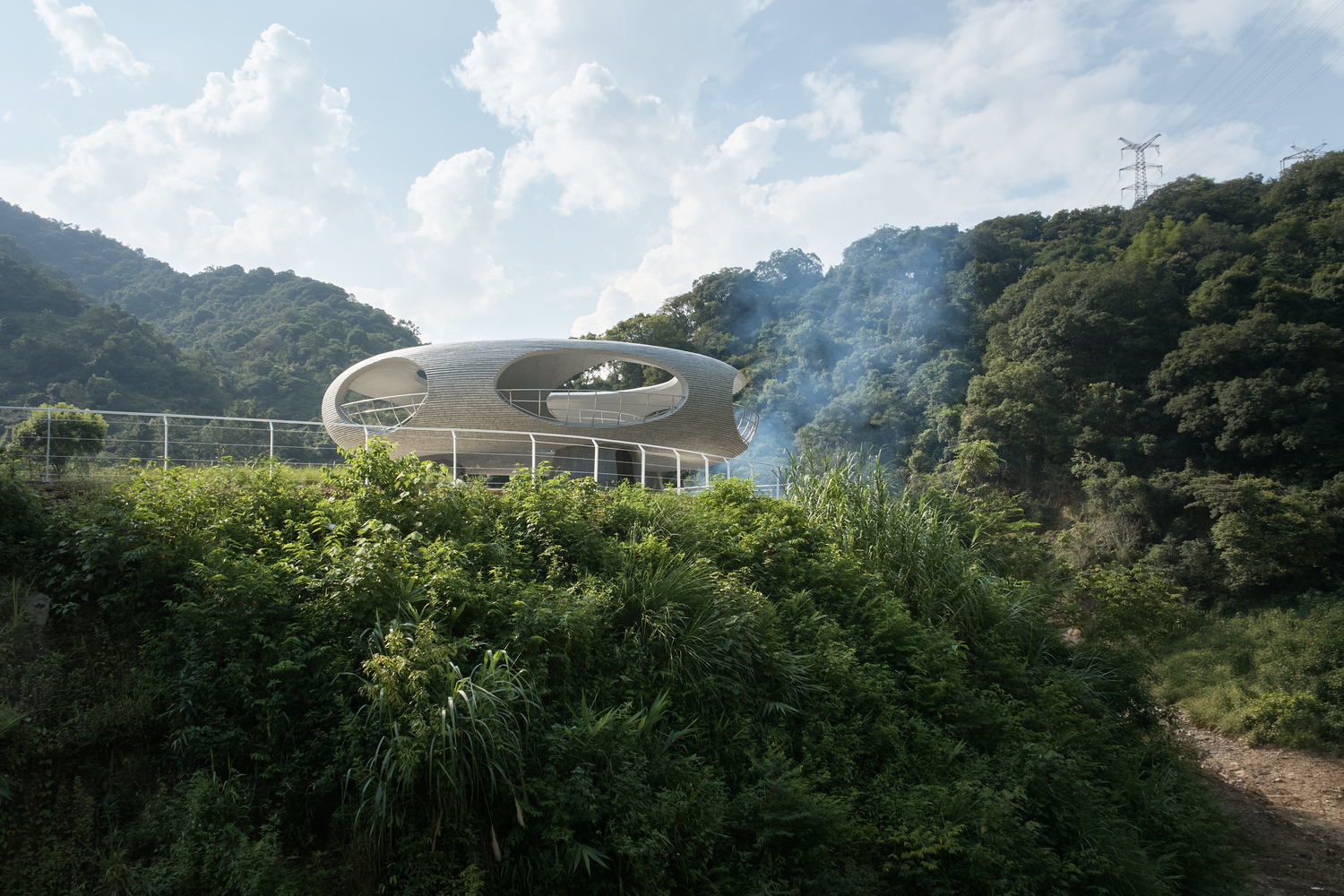
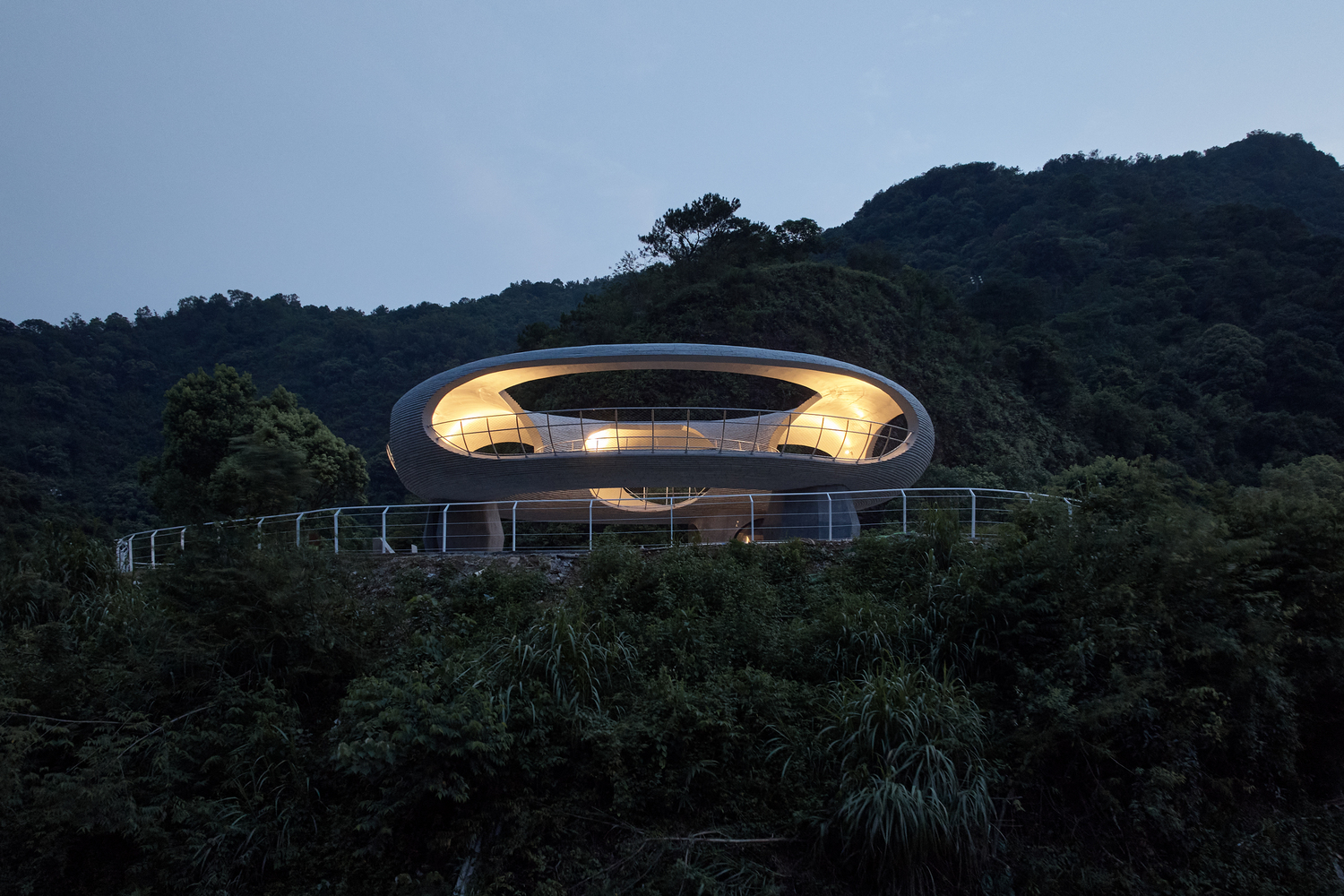
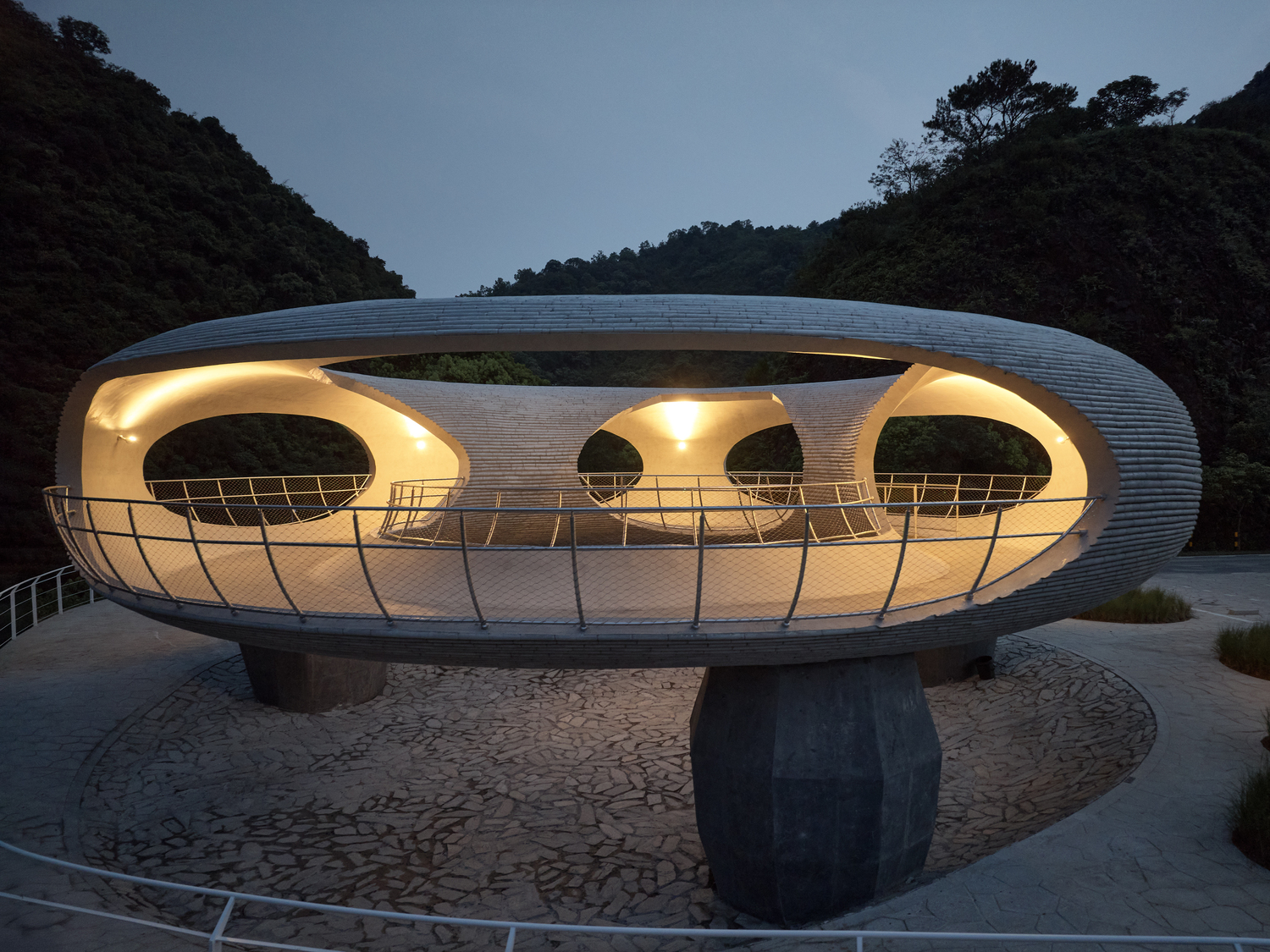
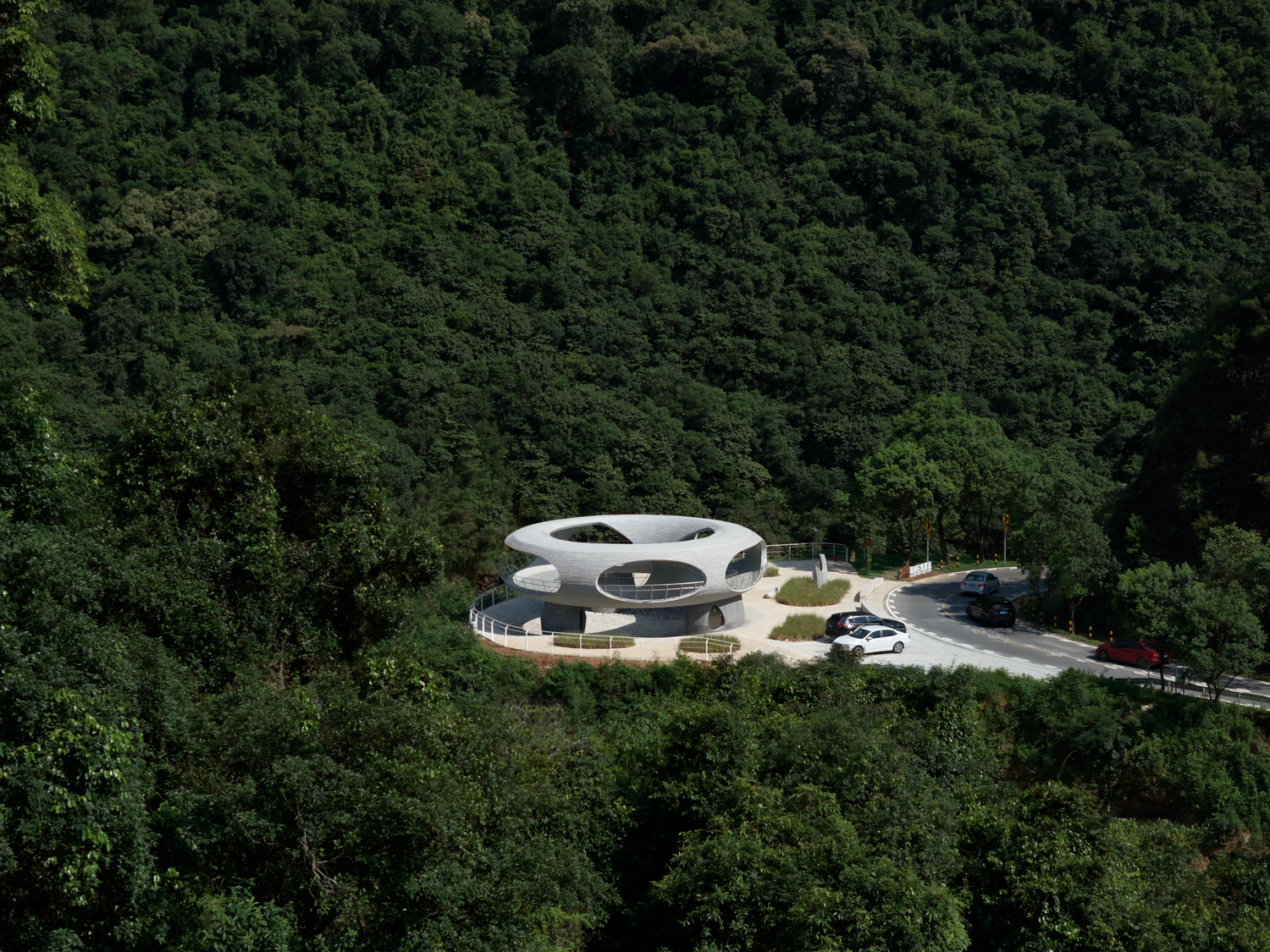
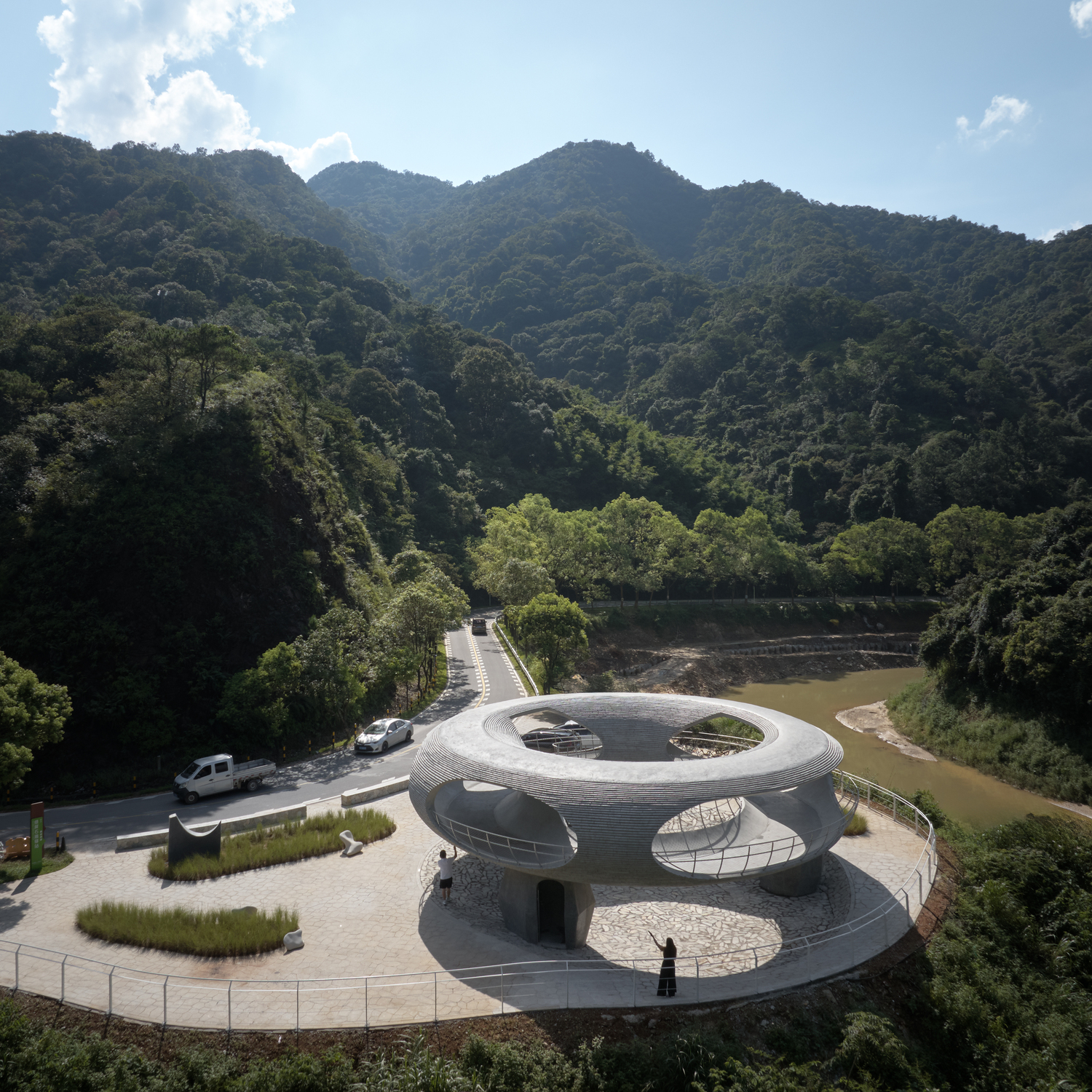
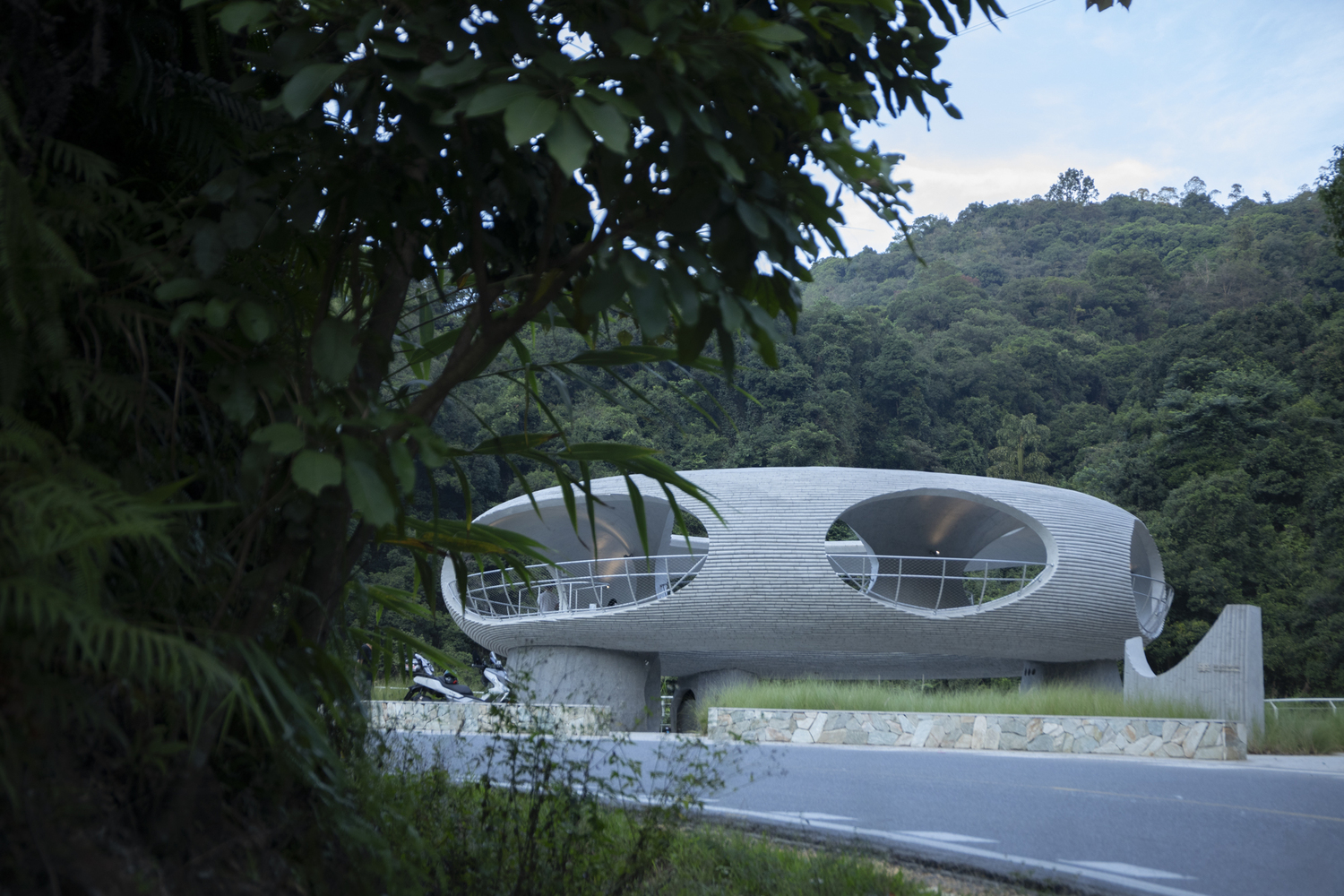
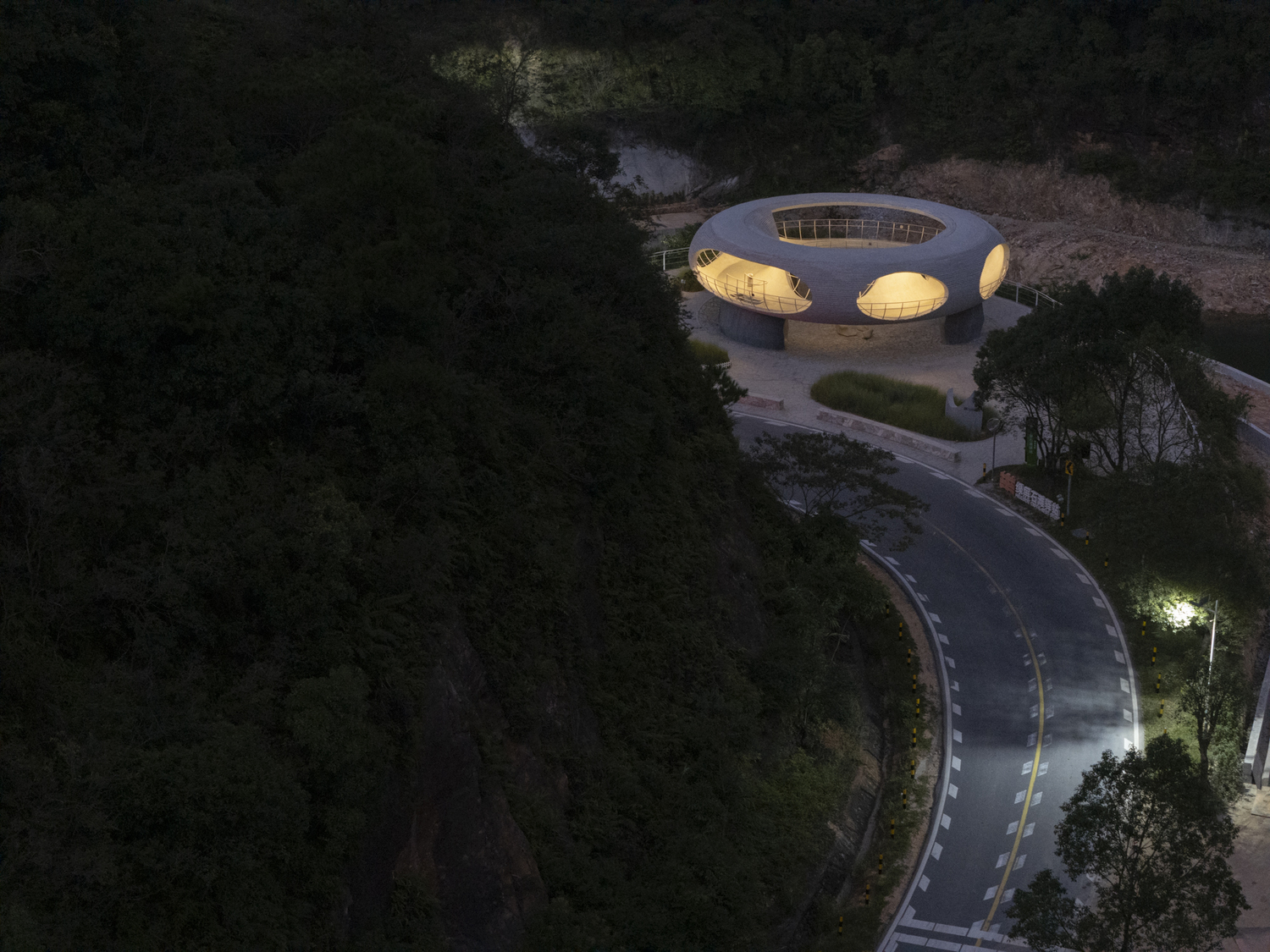
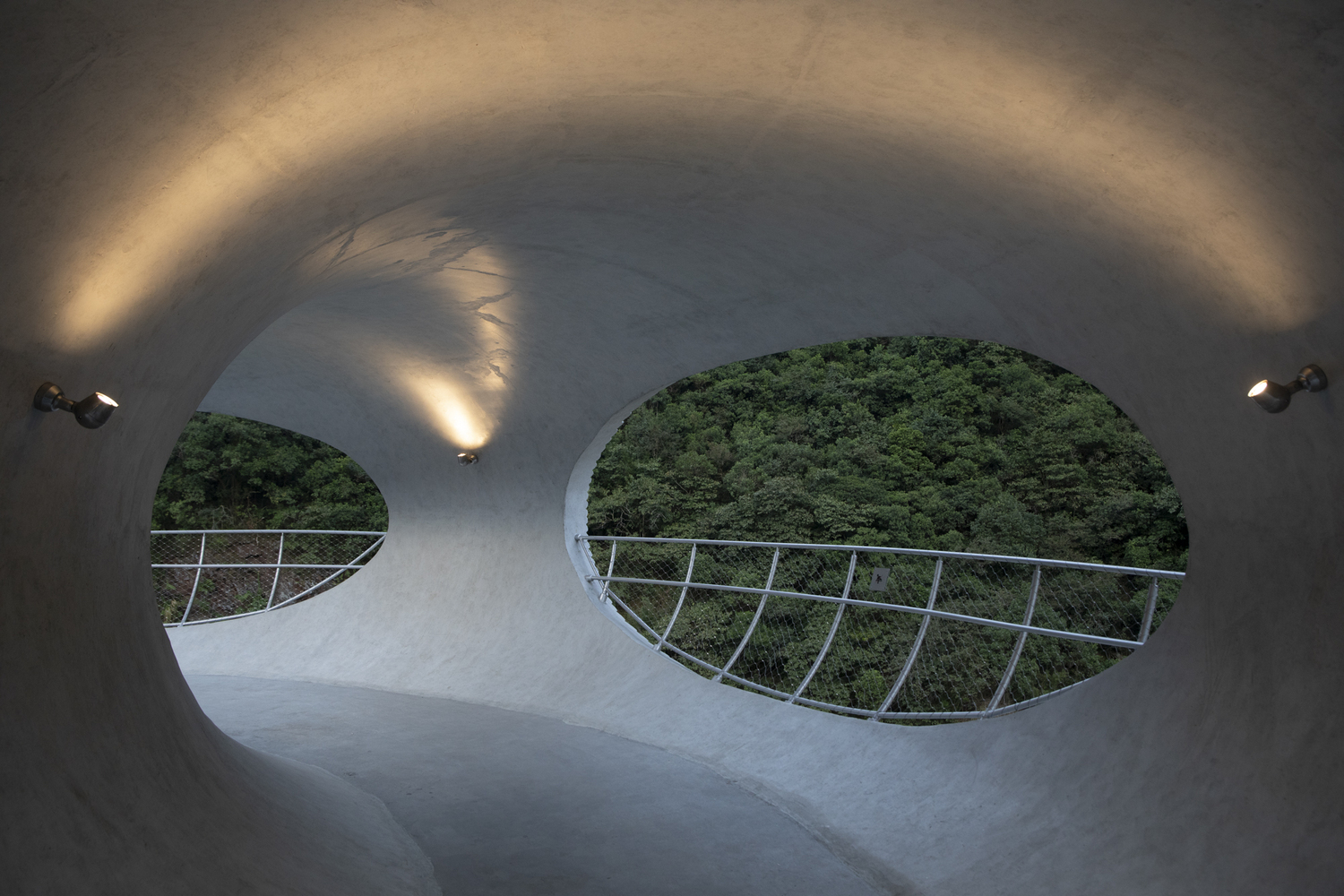
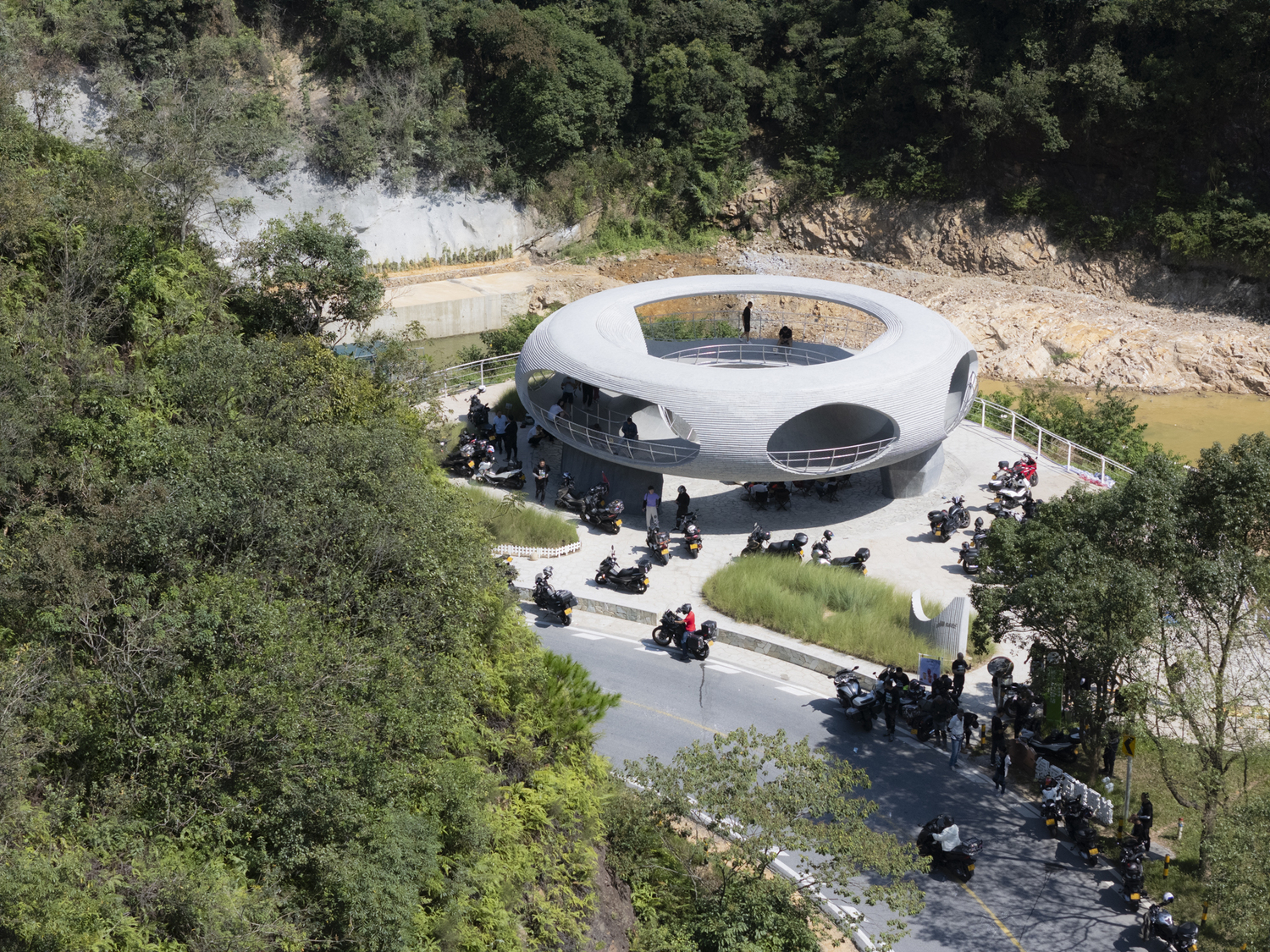
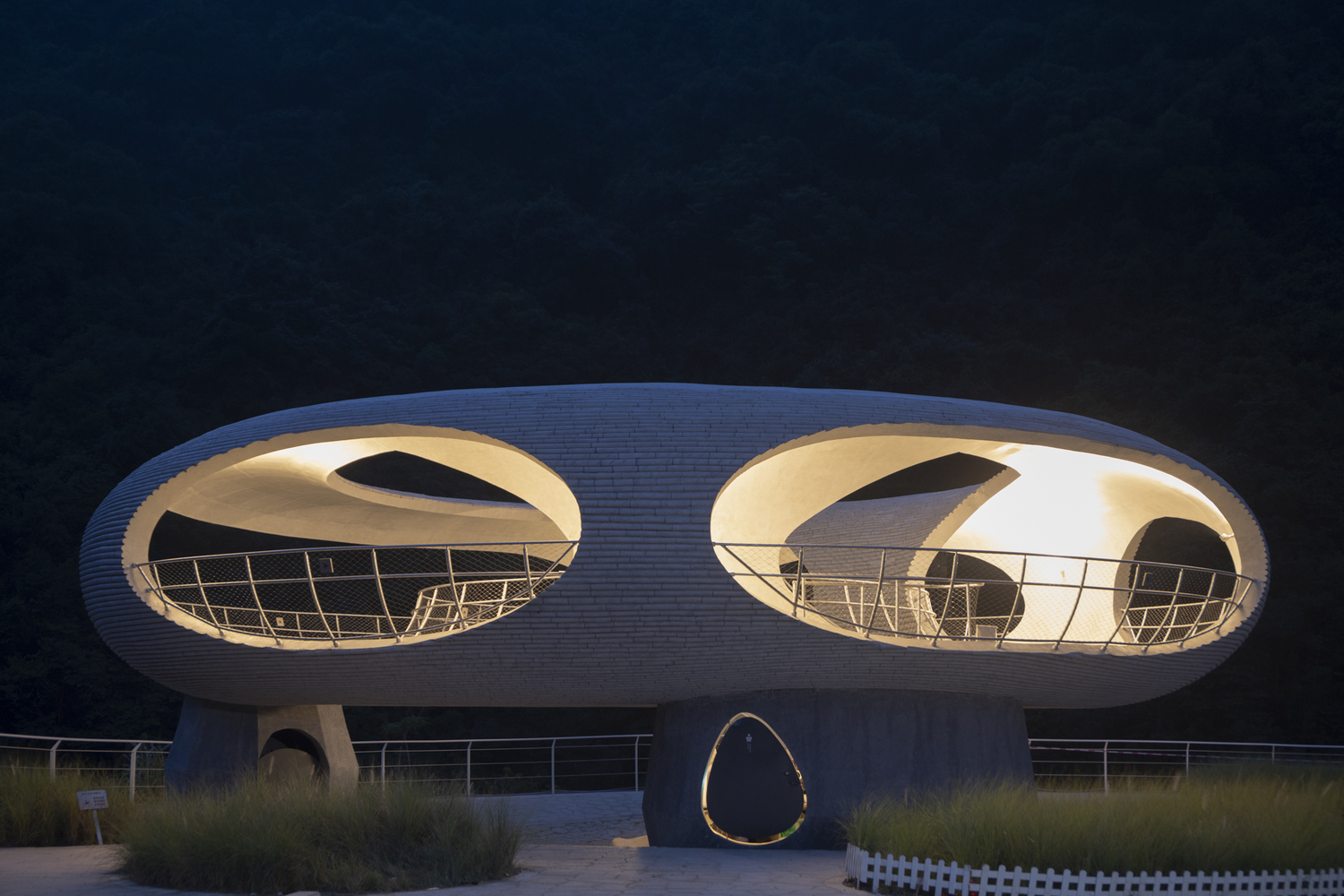
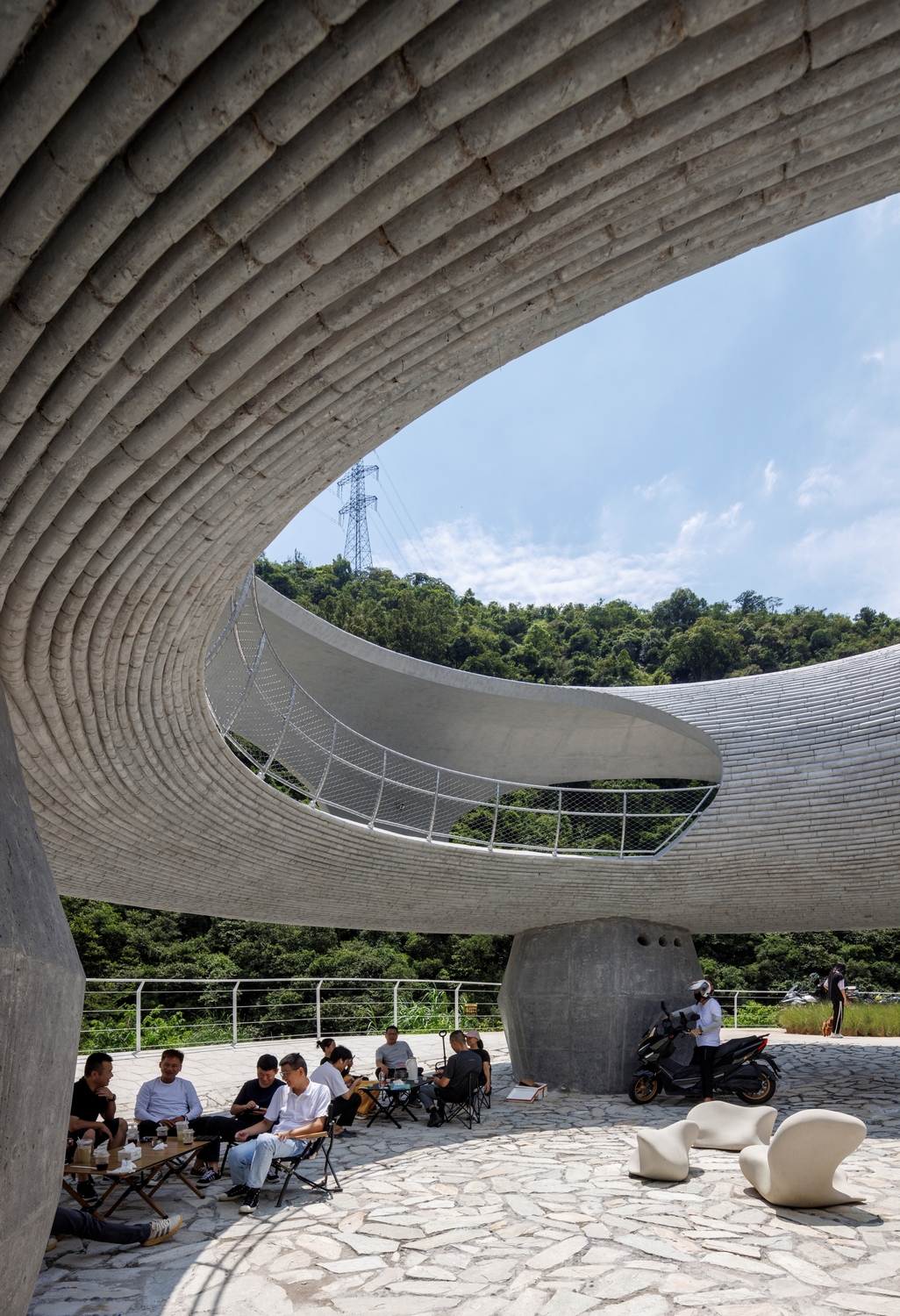
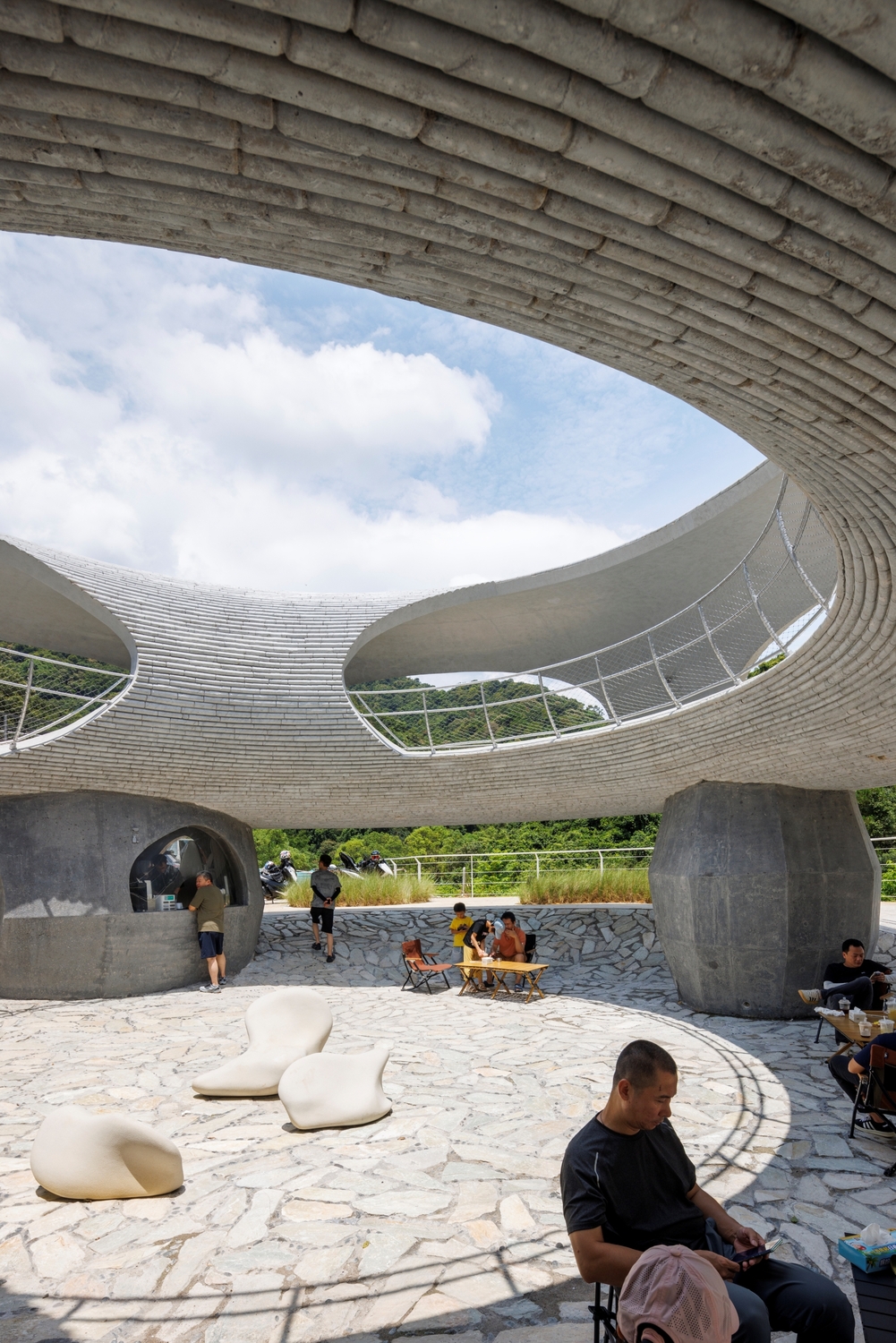
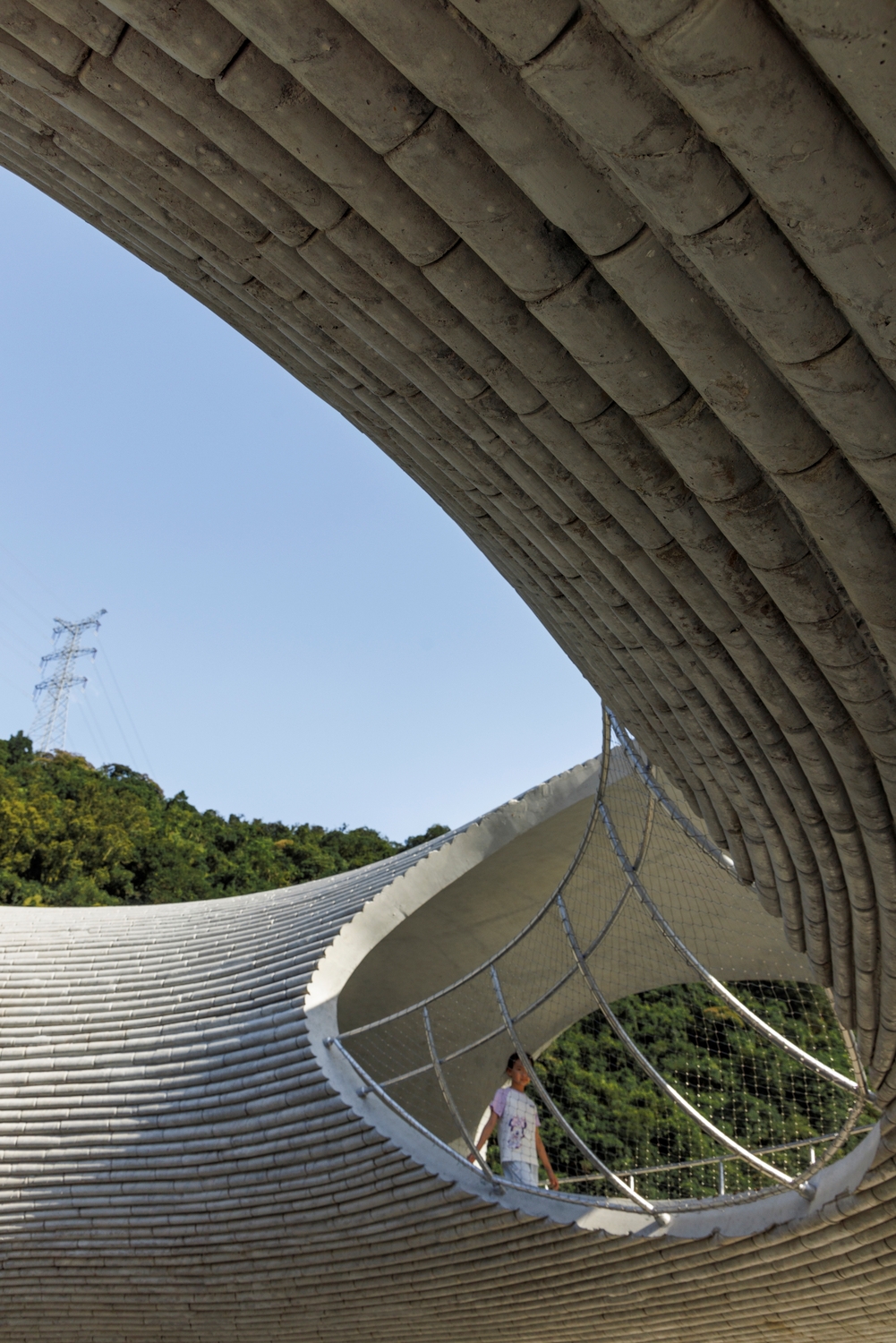
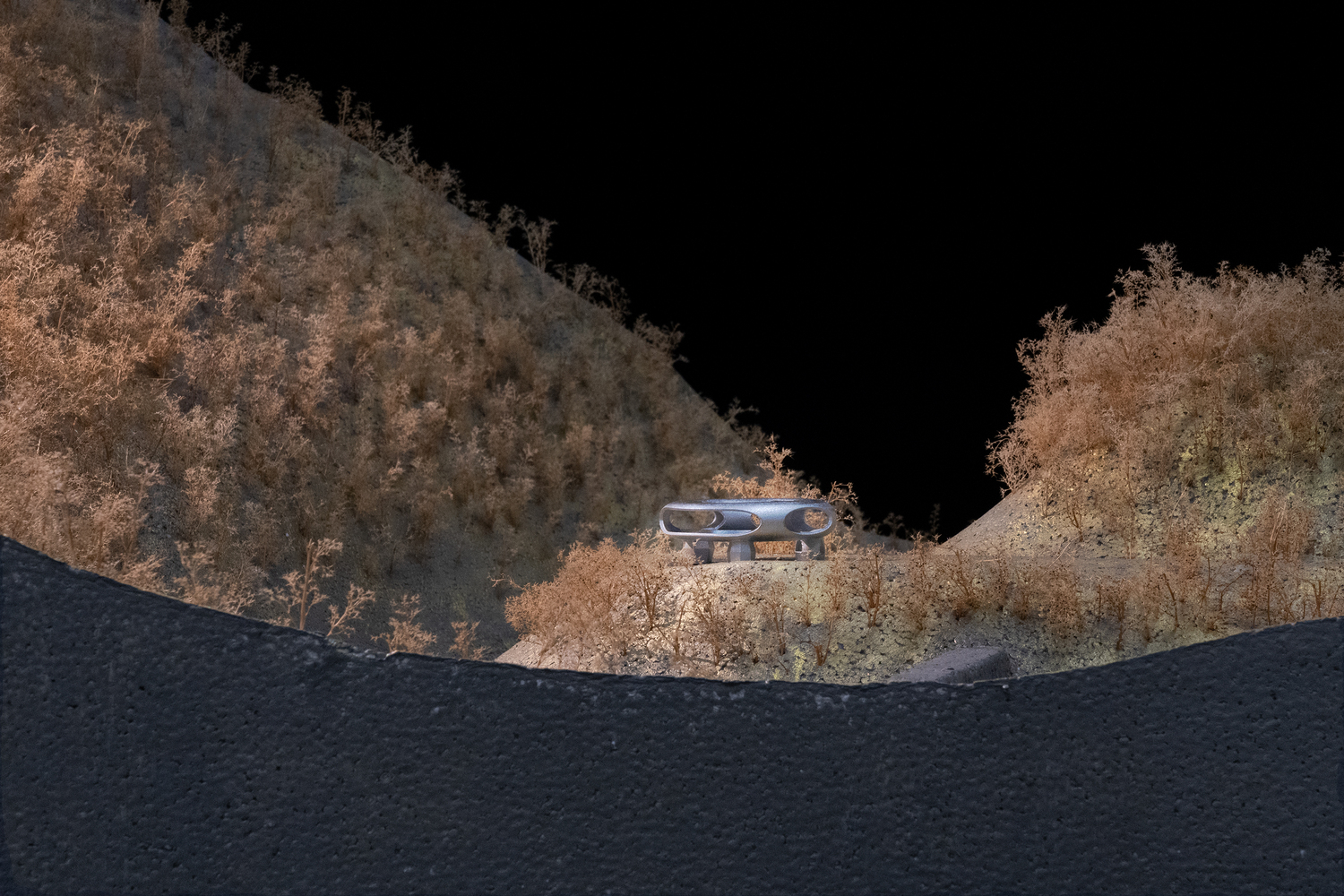
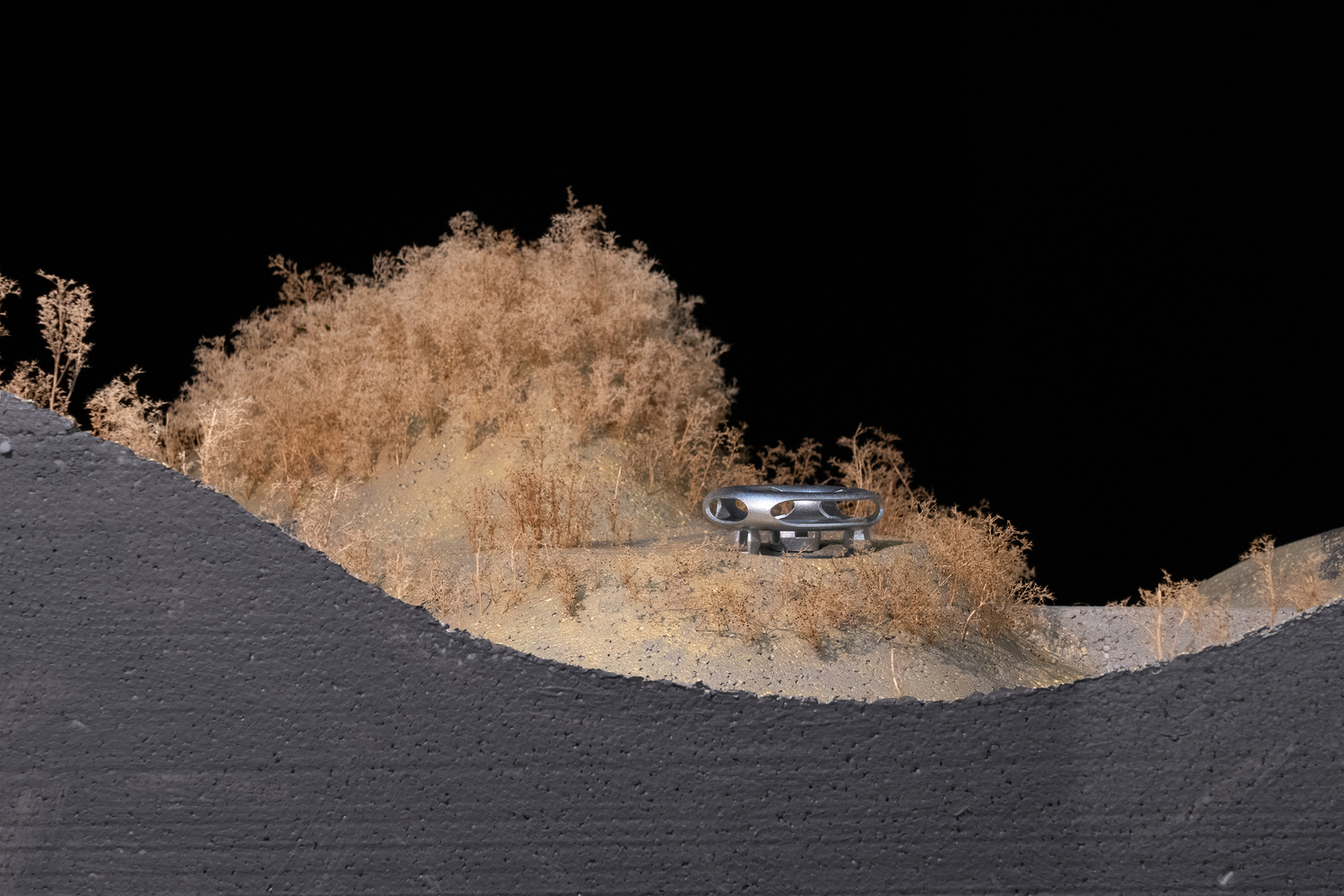
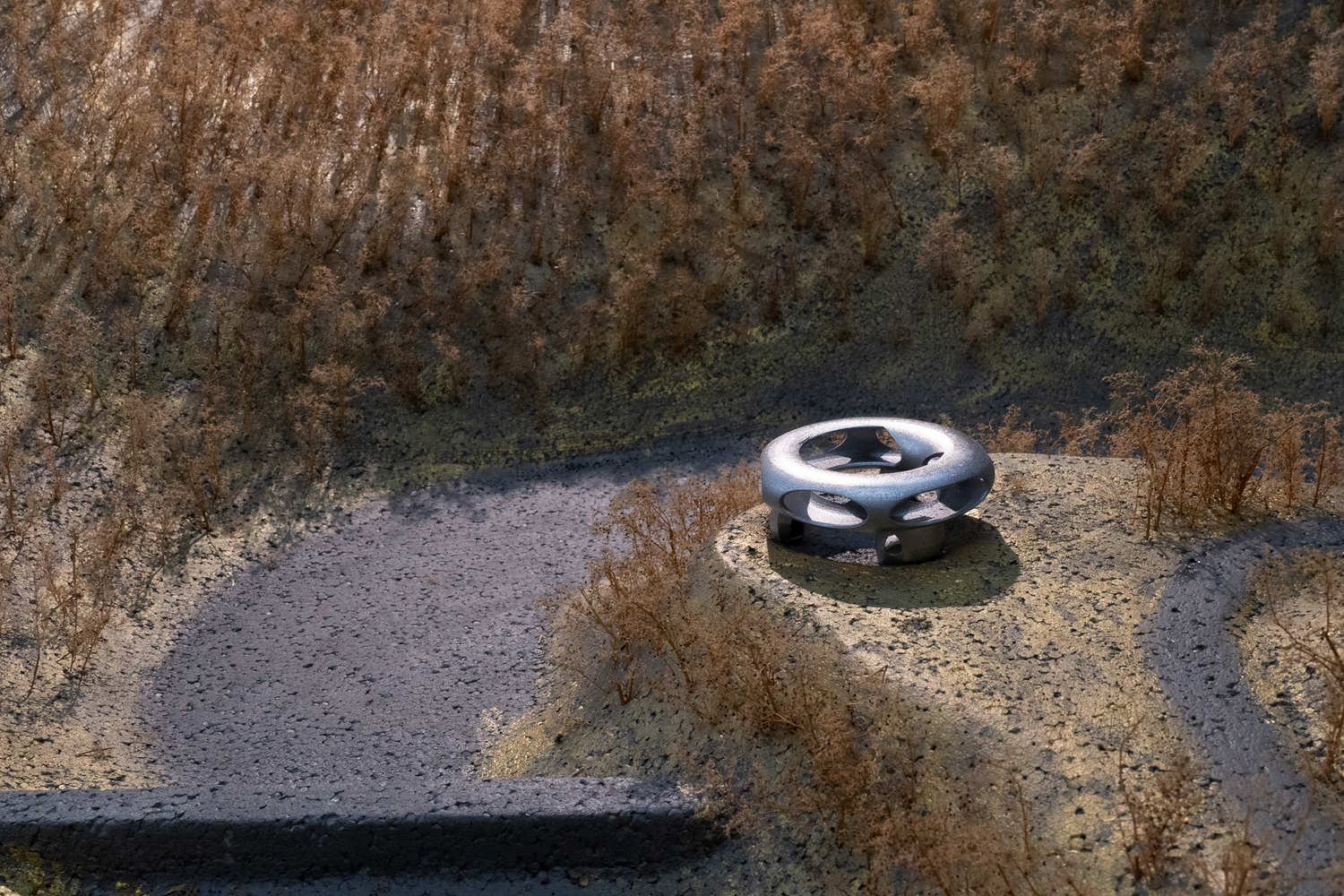
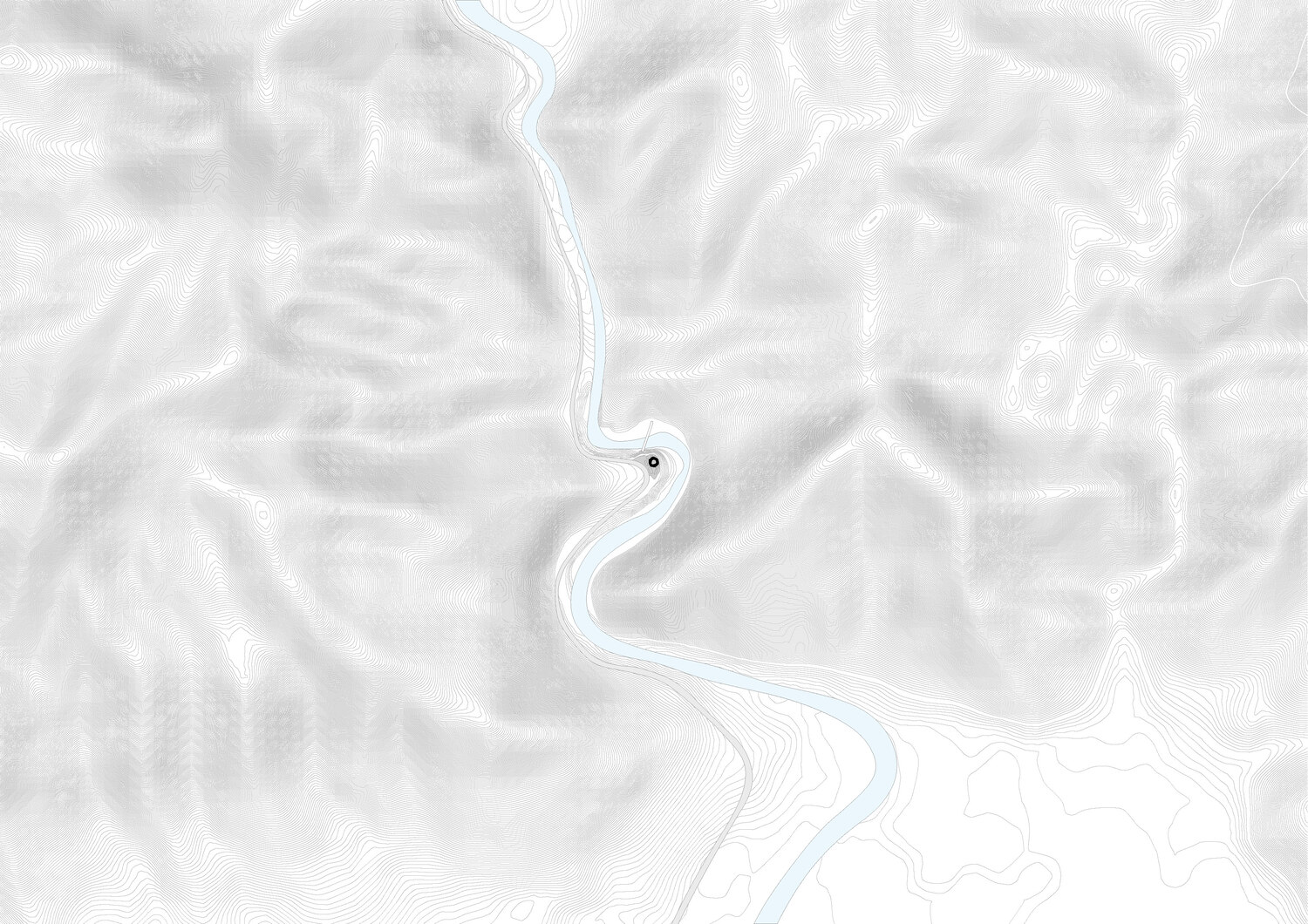
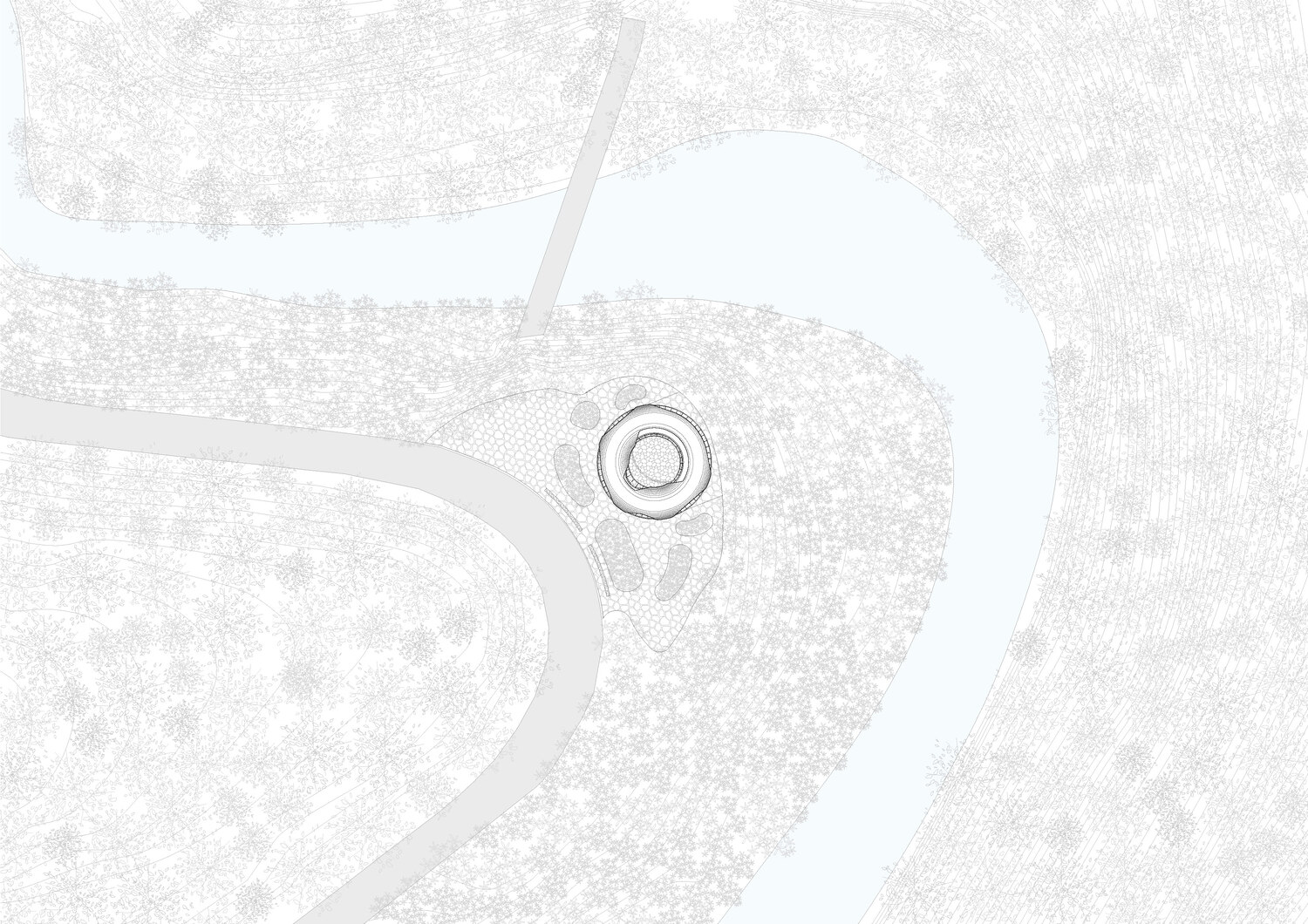
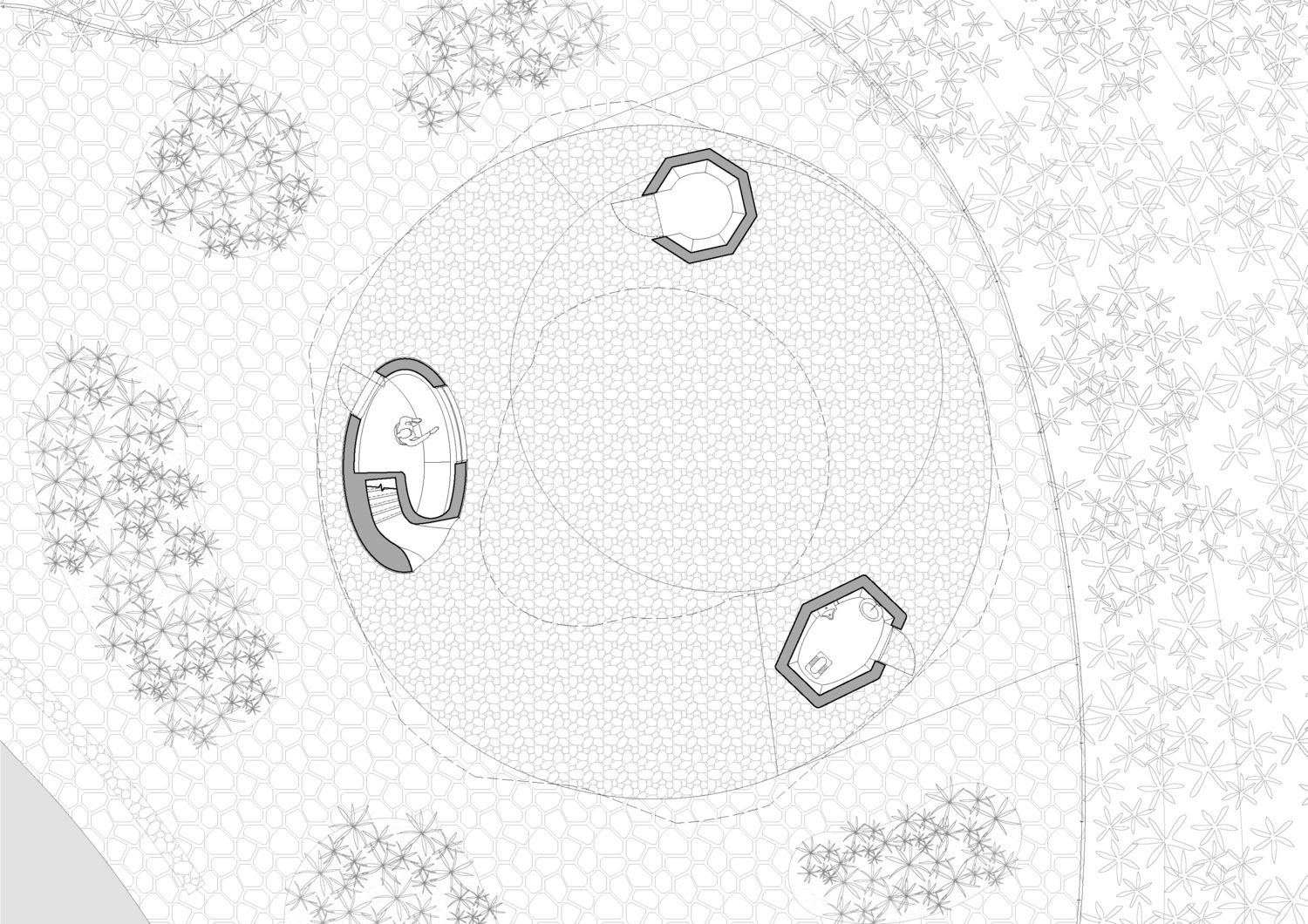
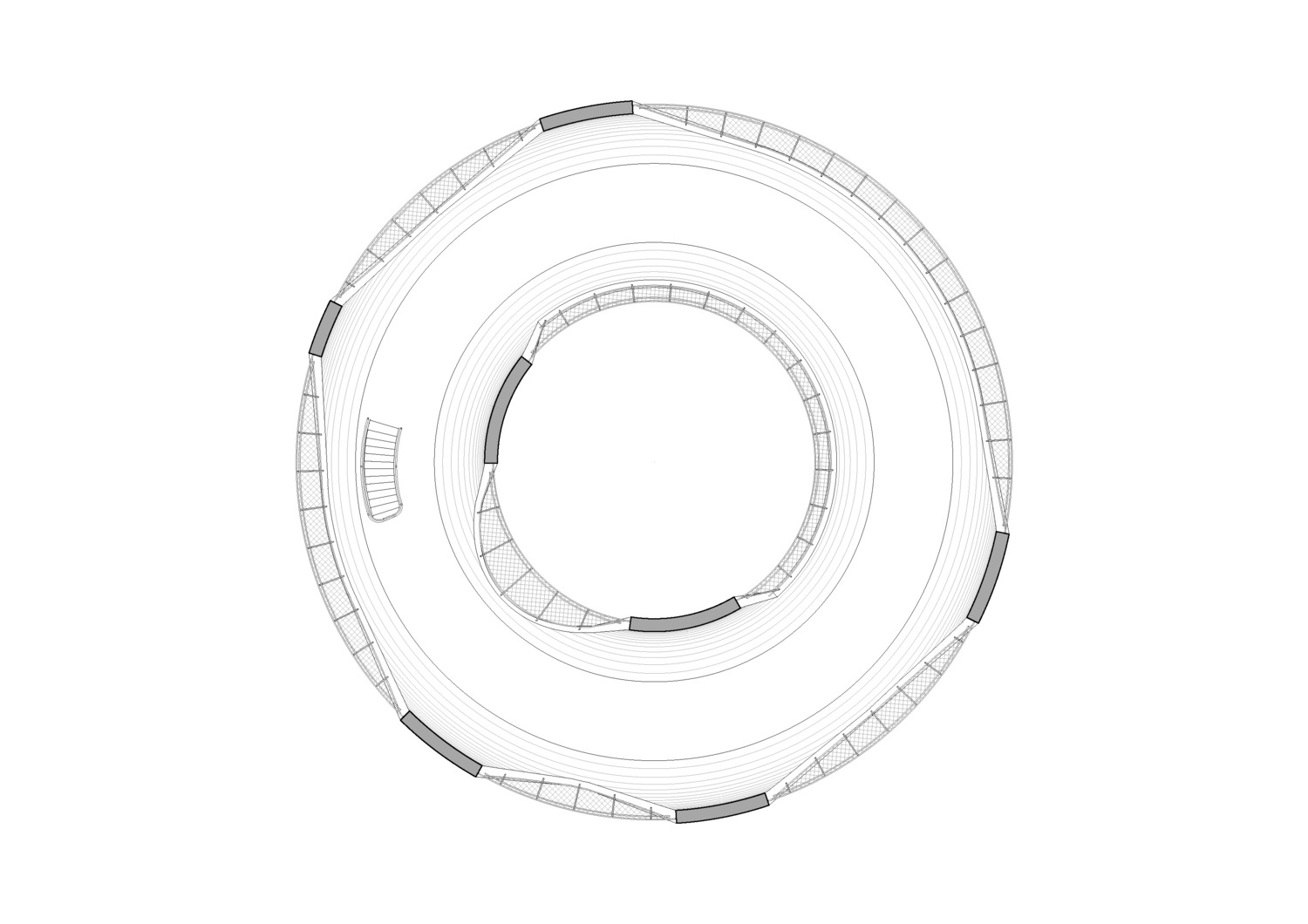
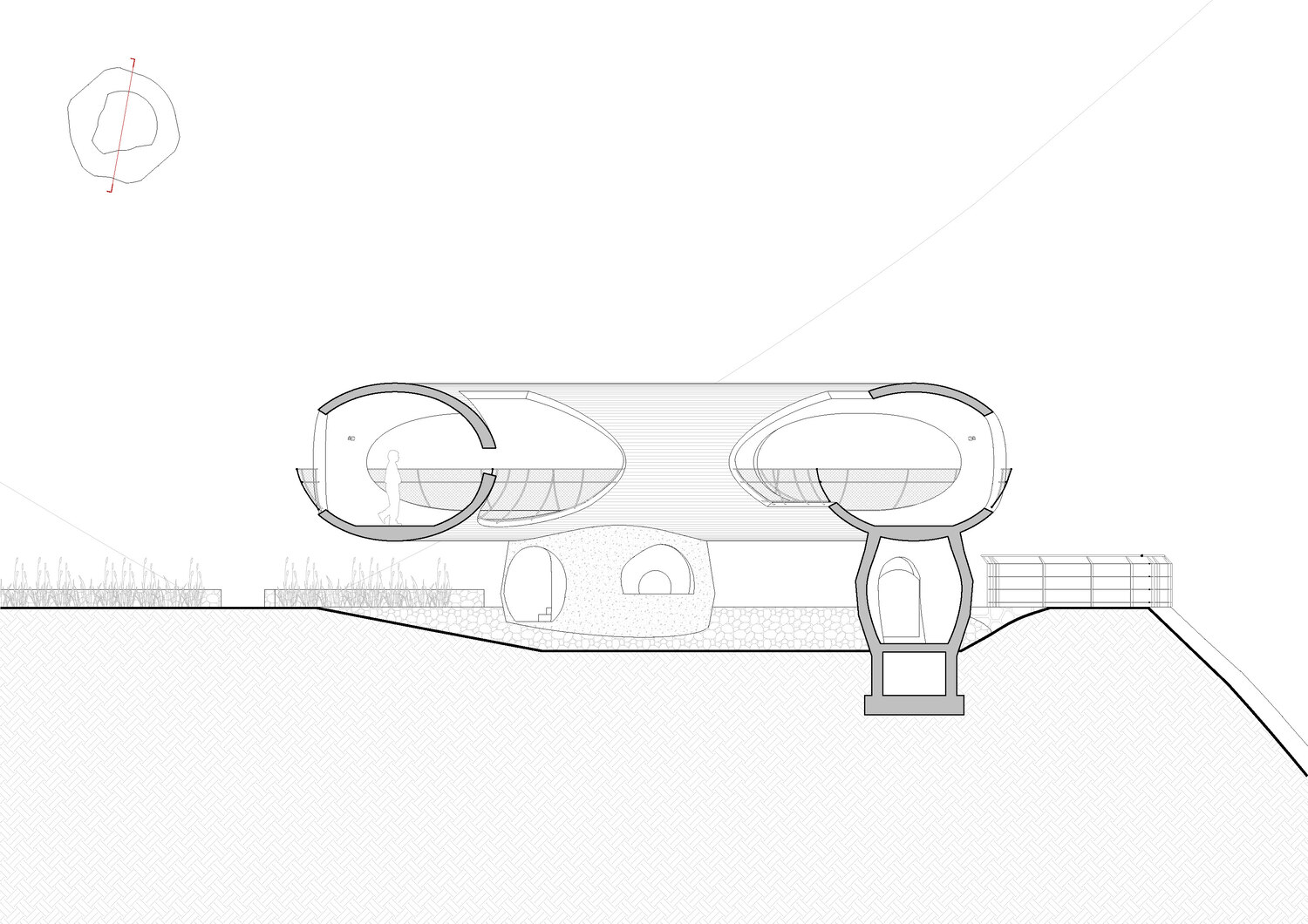
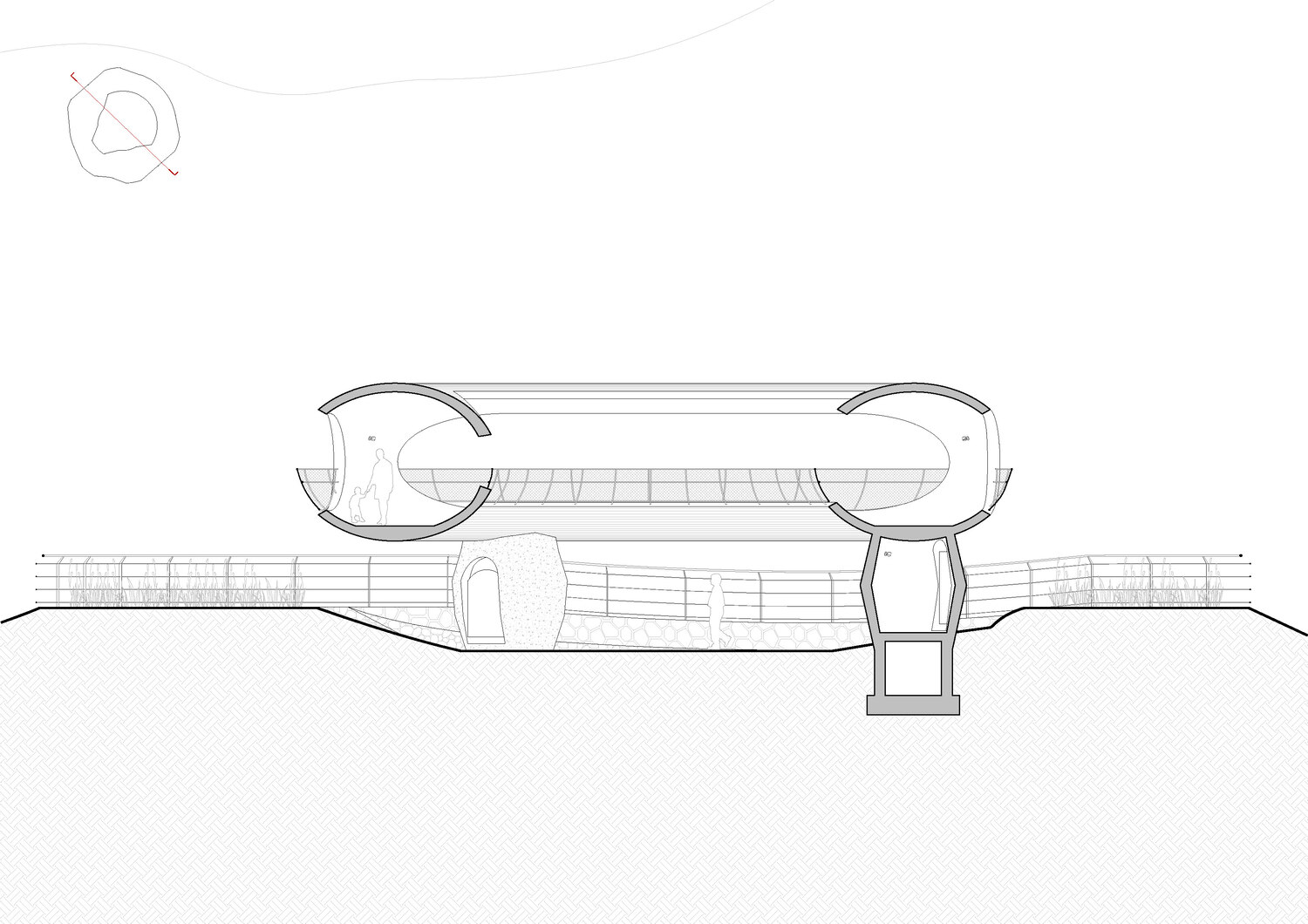
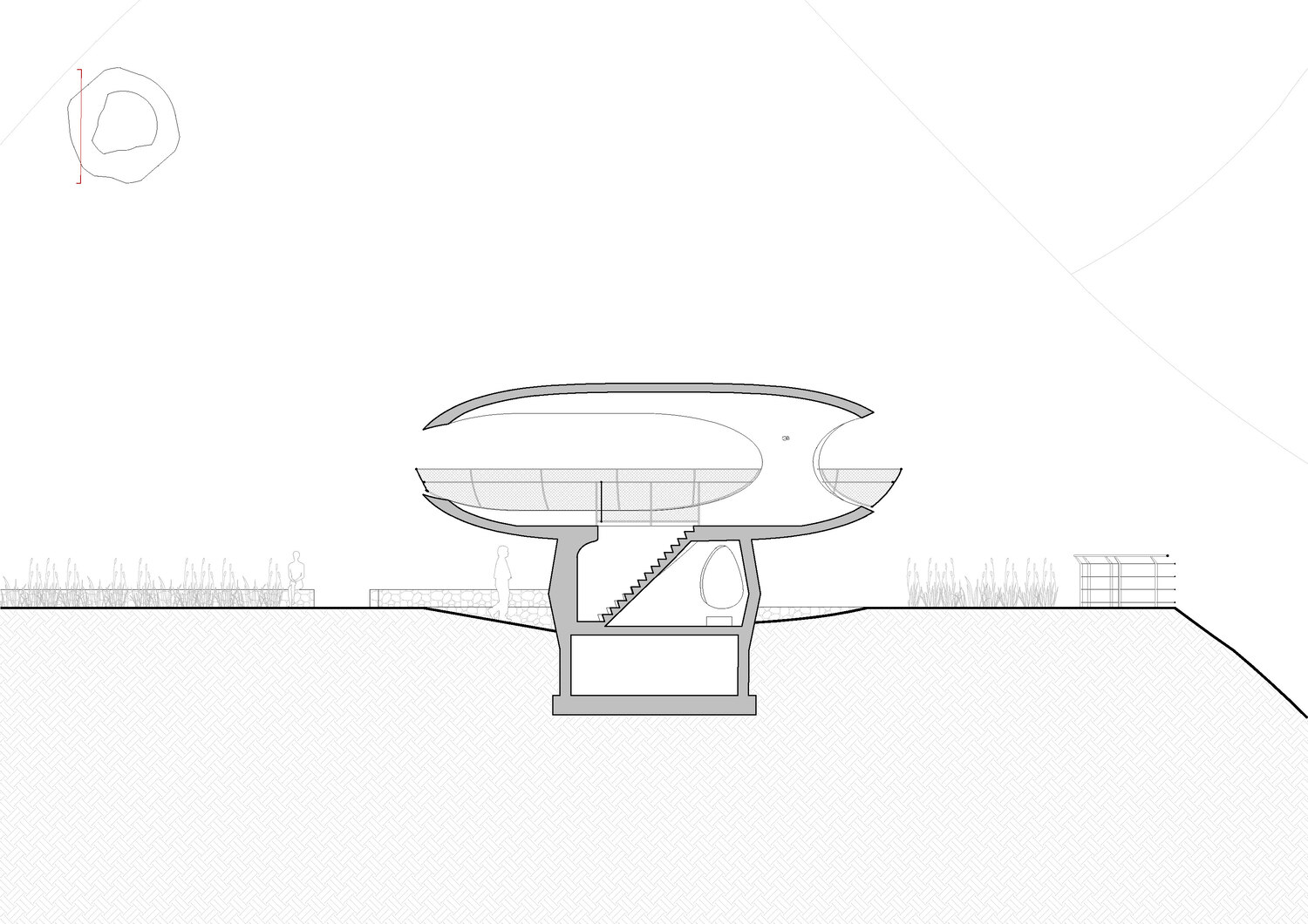
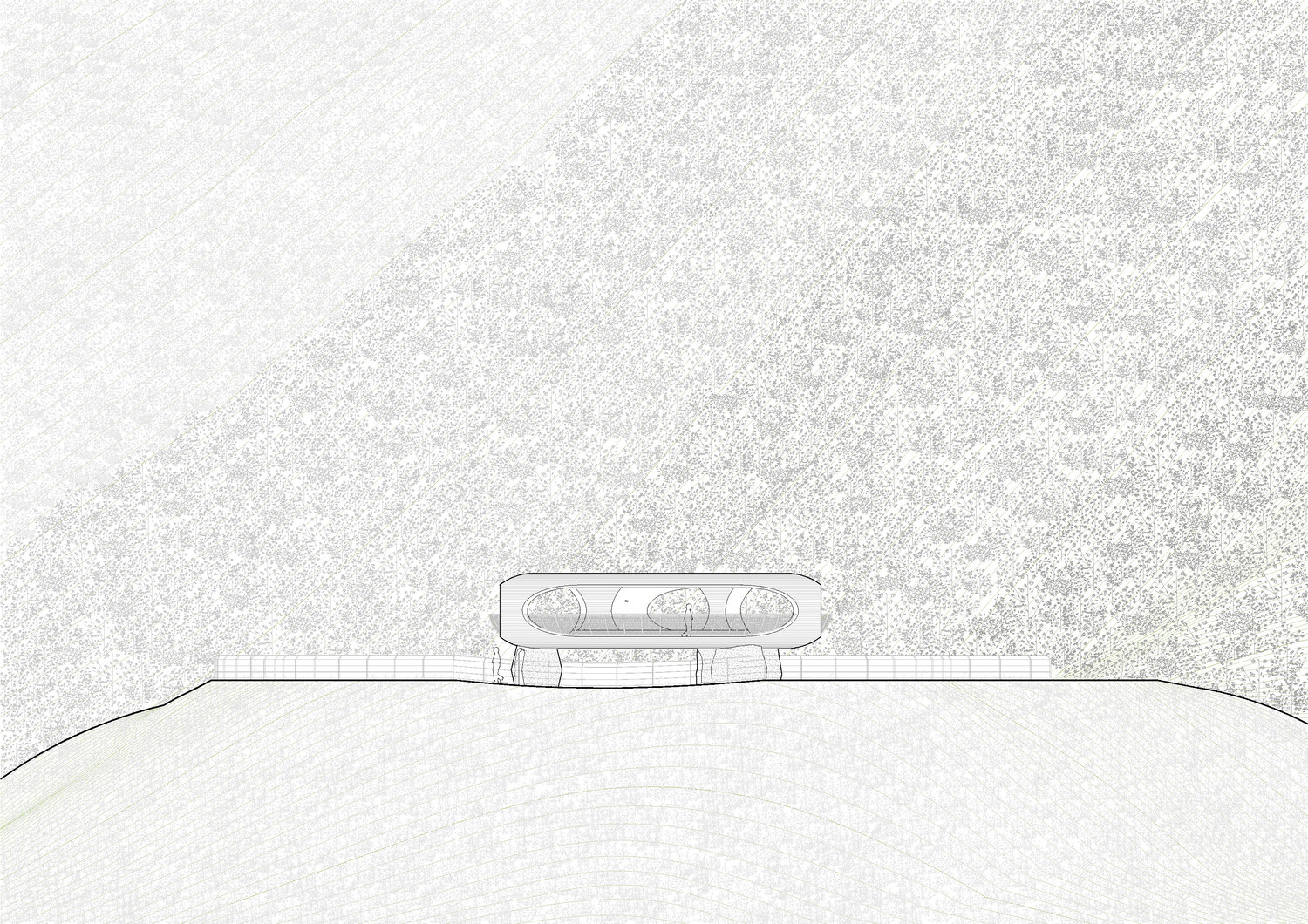
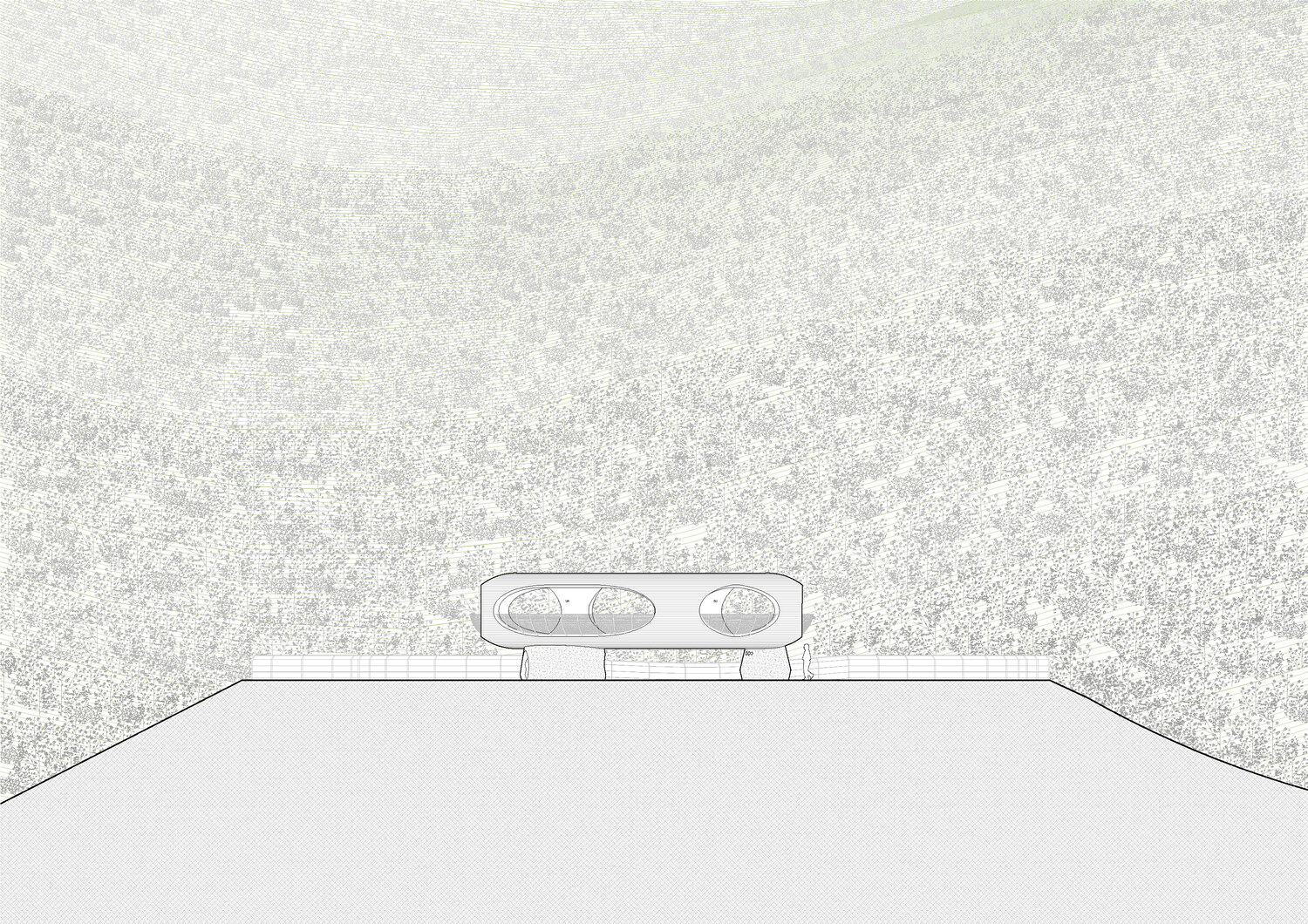
Resting Loop with Views is a compact pavilion conceived as a resting and viewing facility for cyclists traveling through Mount Luofu. Positioned on a constrained site between a highway and a river, the project transforms a residual buffer zone into a civic amenity that combines infrastructure, landscape, and architecture. The pavilion takes the form of a circular concrete ring elevated above a sunken plaza, organizing movement and occupation across two distinct levels. Openings carved through the ring frame multiple perspectives toward the surrounding mountains, water, and sky, while a continuous promenade encourages slow circulation and prolonged observation. Programmatic functions, including a small café, public restroom, and storage, are consolidated into three freestanding concrete volumes beneath the ring. Material treatment reinforces the project’s dialogue with its natural context, contrasting a rugged, bamboo-imprinted exterior with a smooth interior surface. Since its completion, the pavilion has evolved beyond a quiet lookout into an active social stop along a popular cycling route.
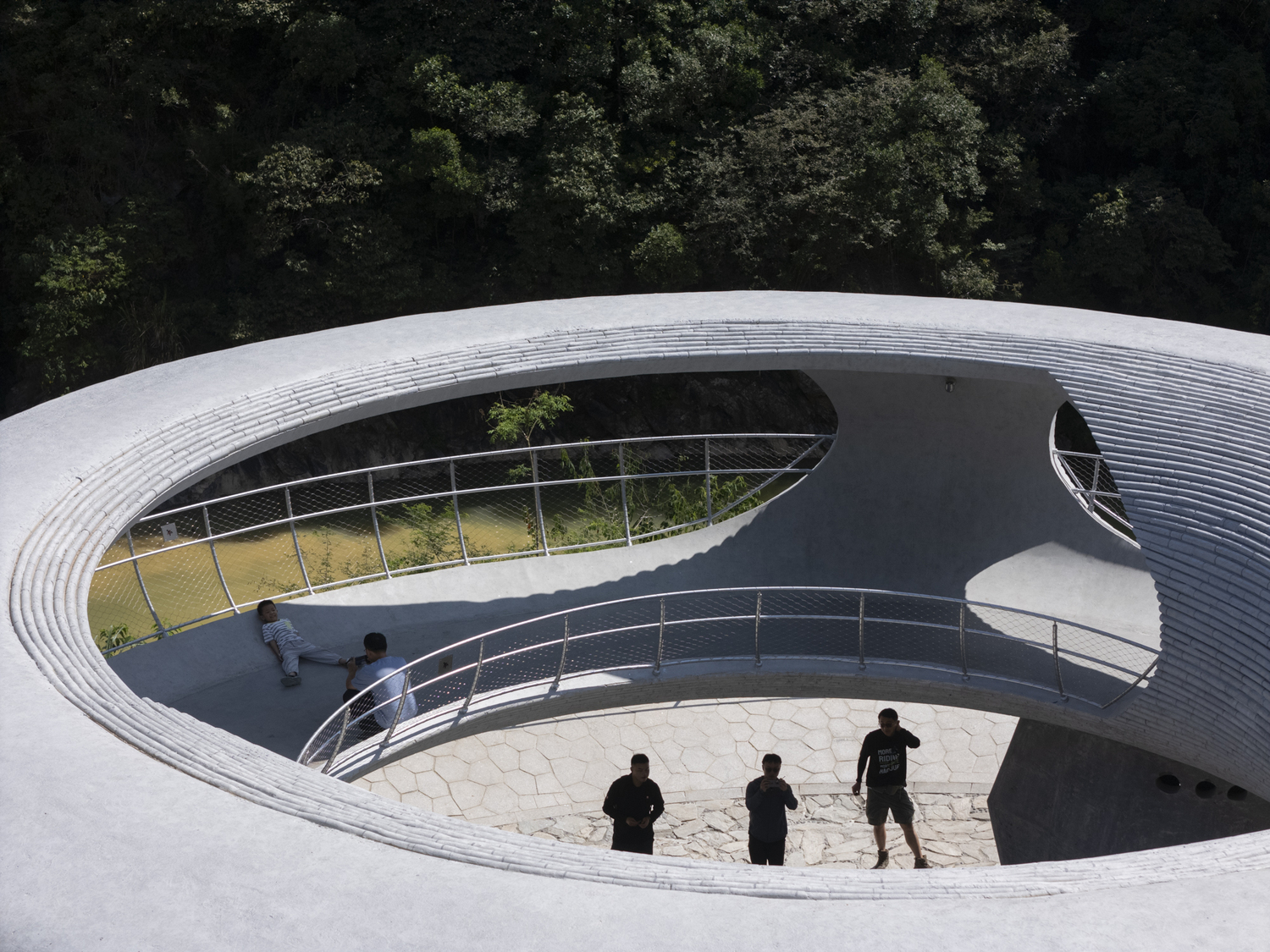
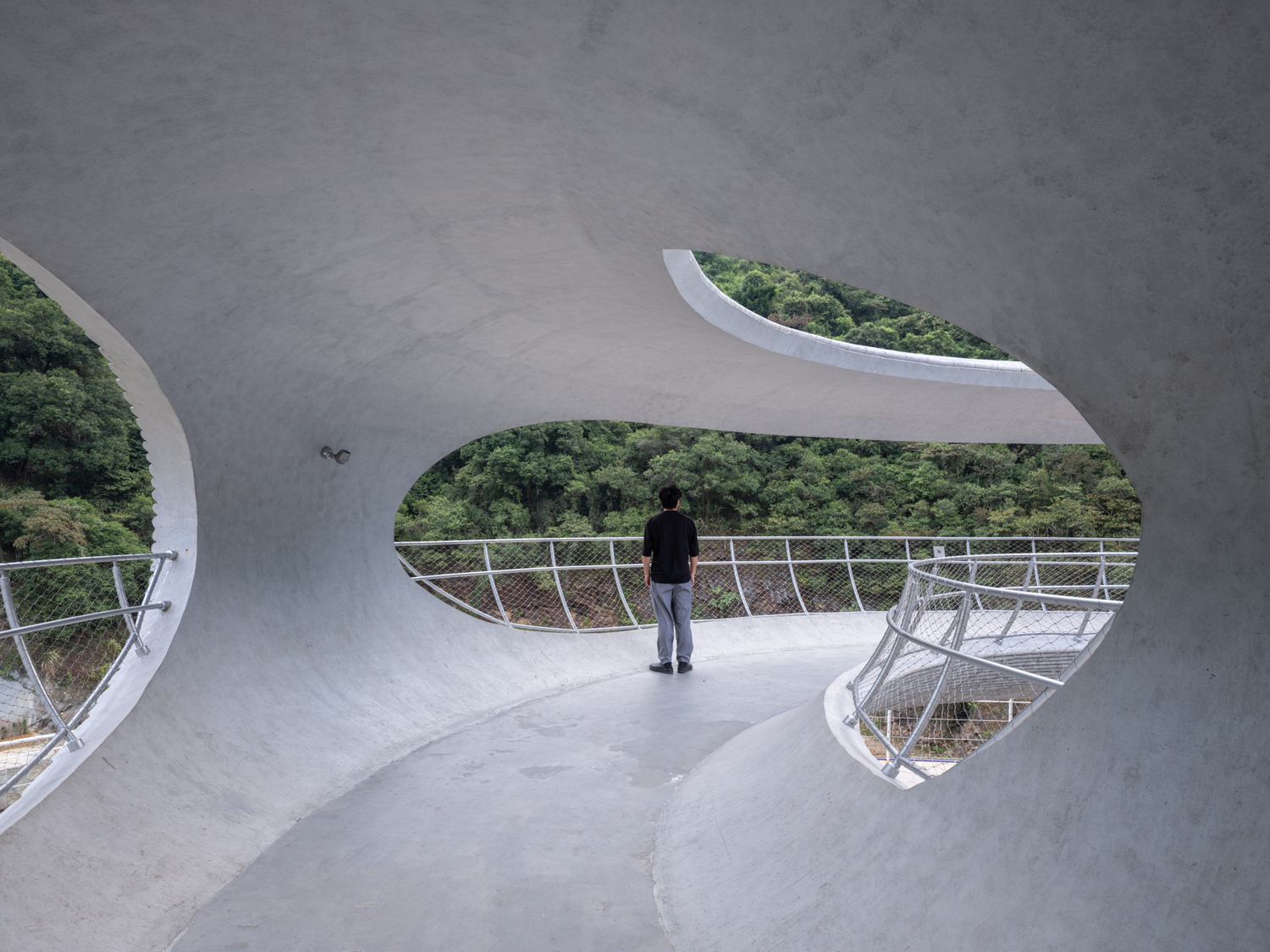
The project departs from the assumption that small roadside structures must remain purely utilitarian, instead proposing architecture as a mediator between movement and pause. HCCH Studio approached the site as both an interruption in the journey and an opportunity to recalibrate attention toward the surrounding landscape. Rather than orienting visitors to a single focal point, the pavilion disperses views in multiple directions, allowing perception to unfold gradually as one walks the loop.
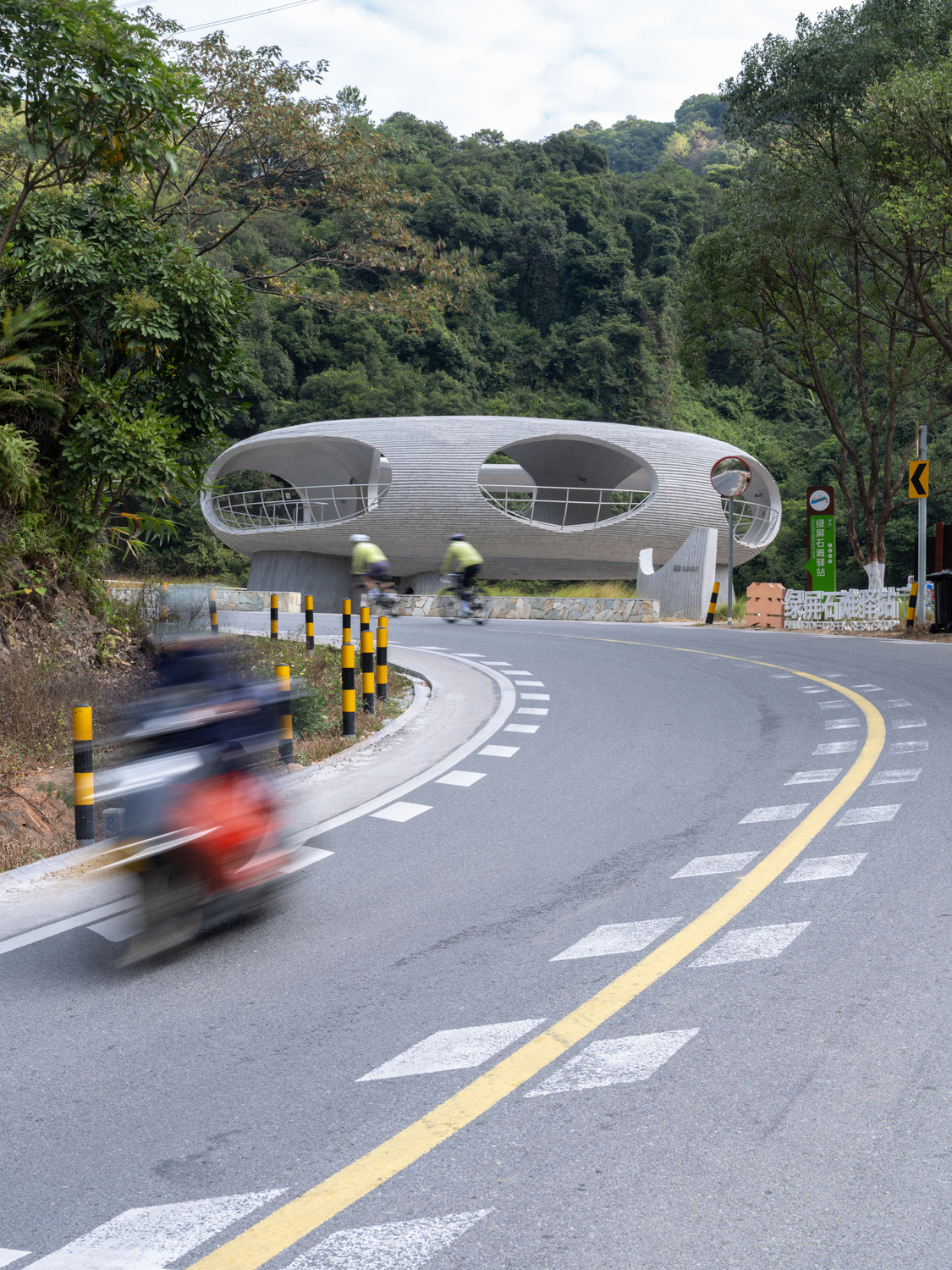
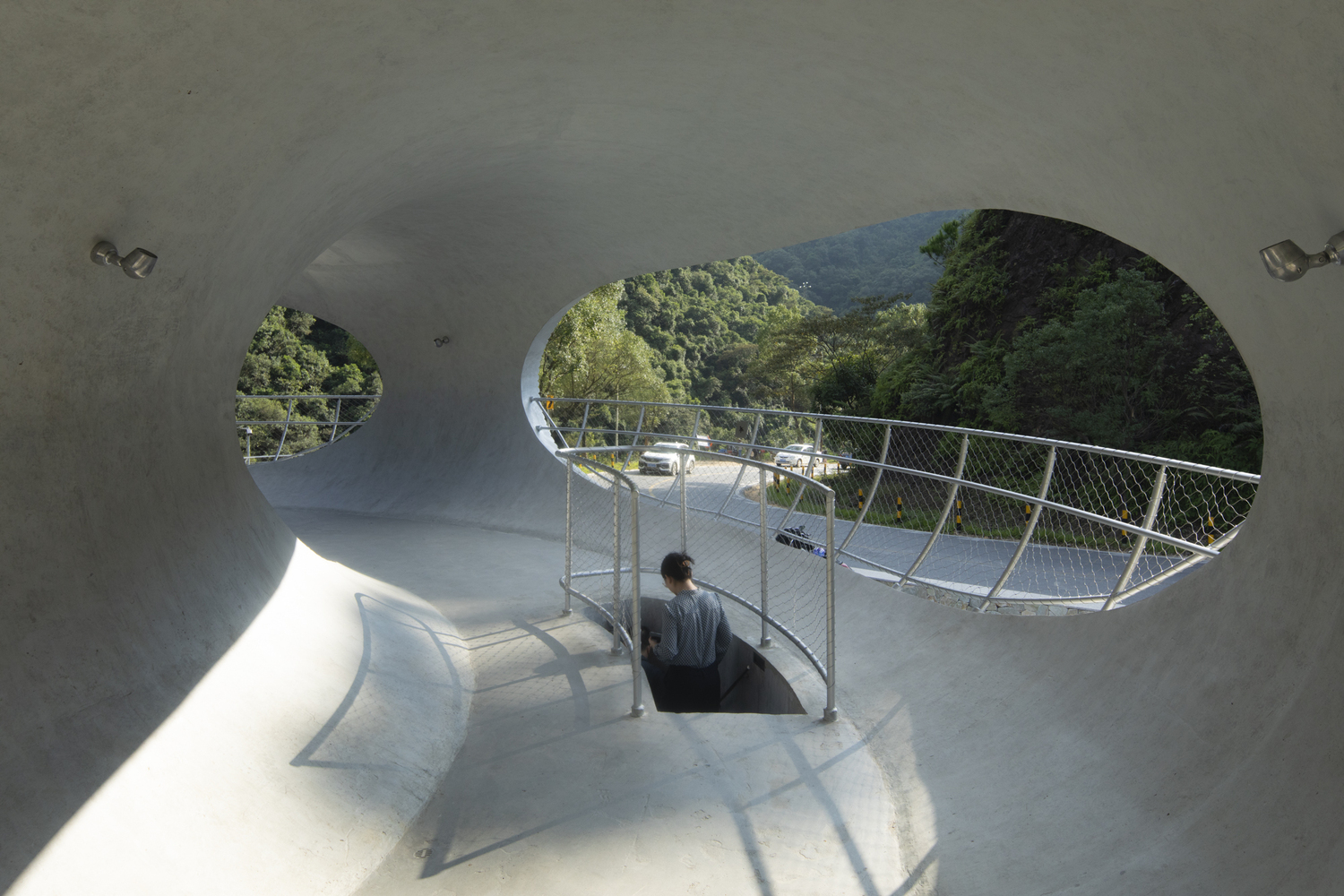
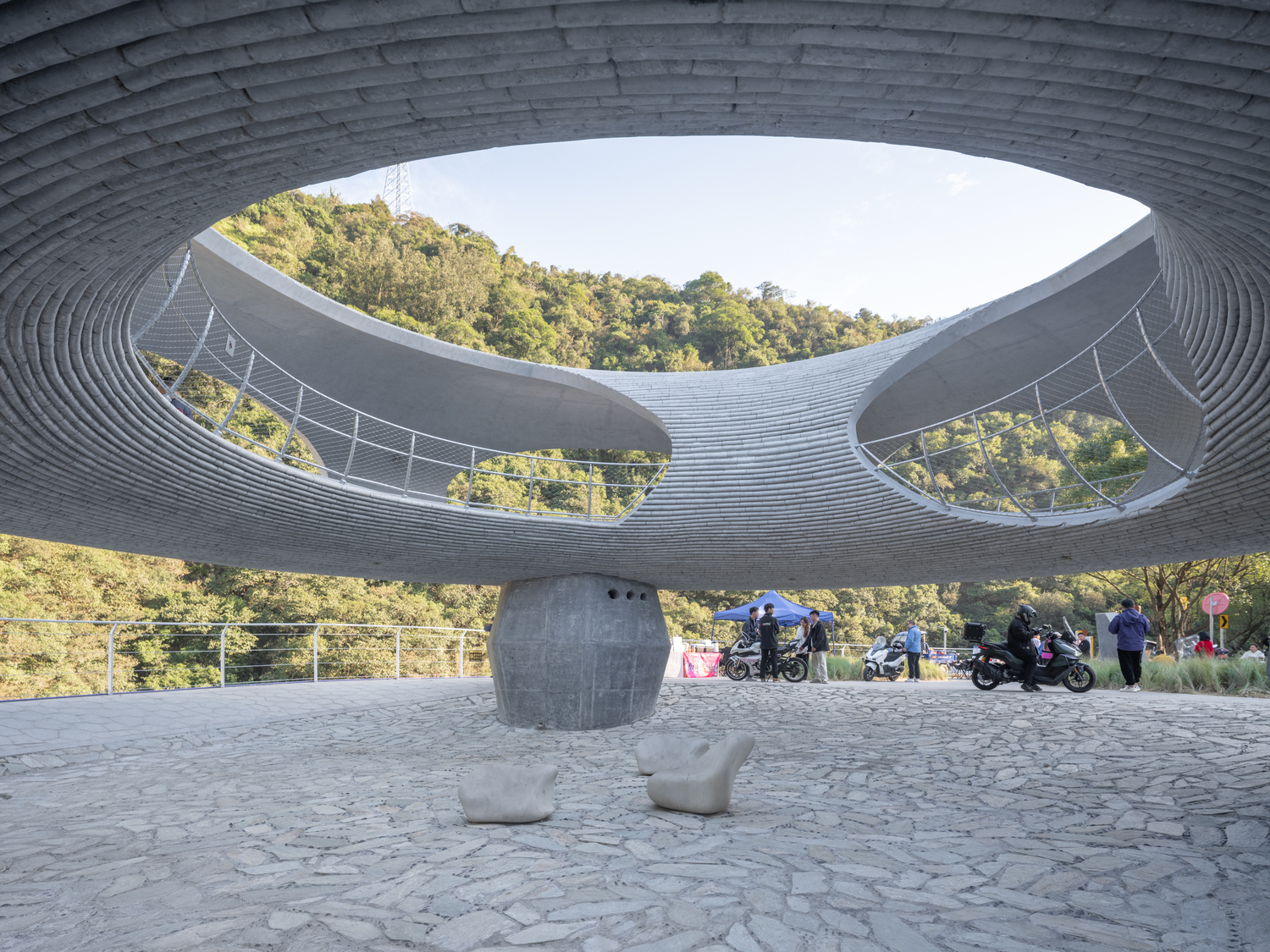
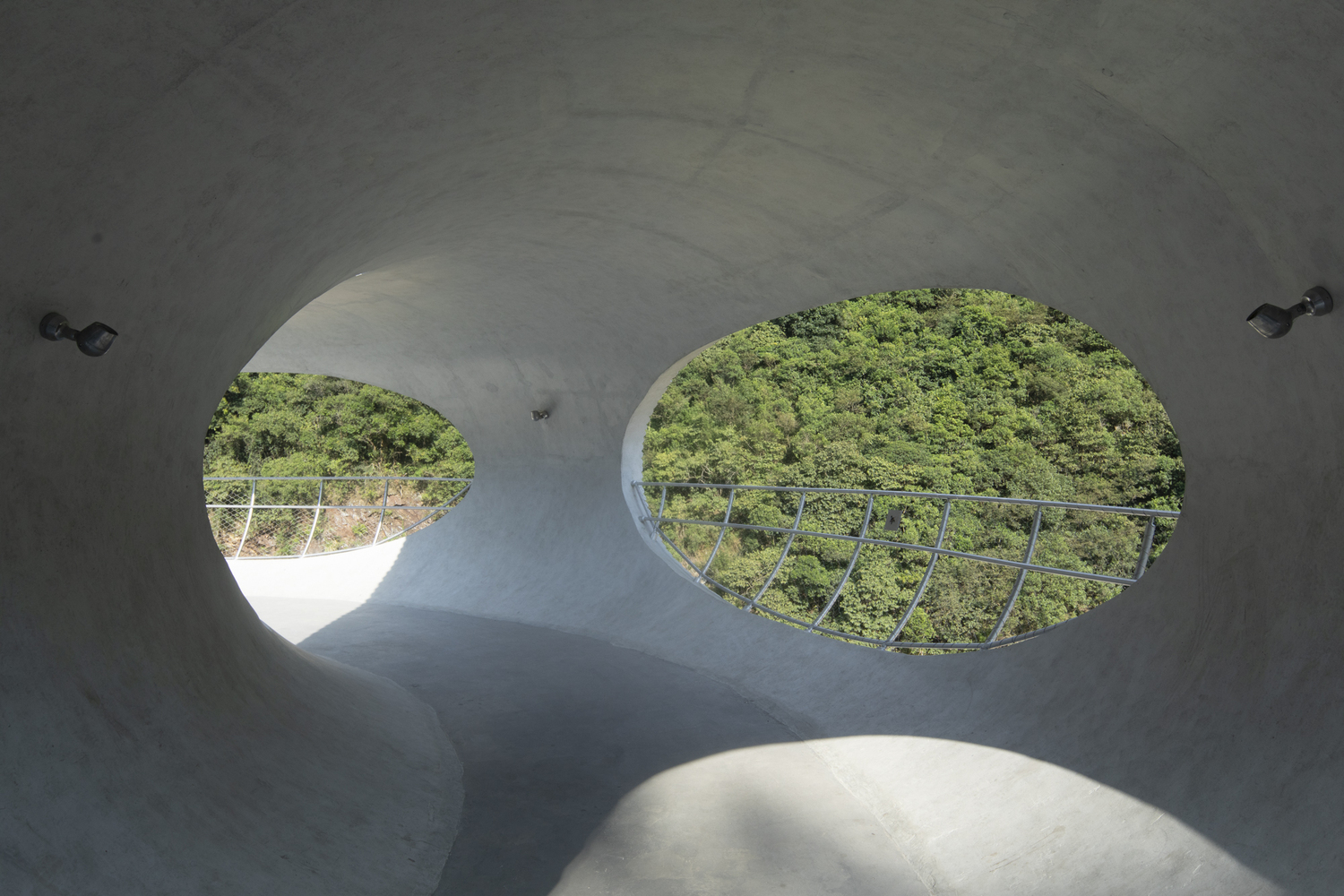
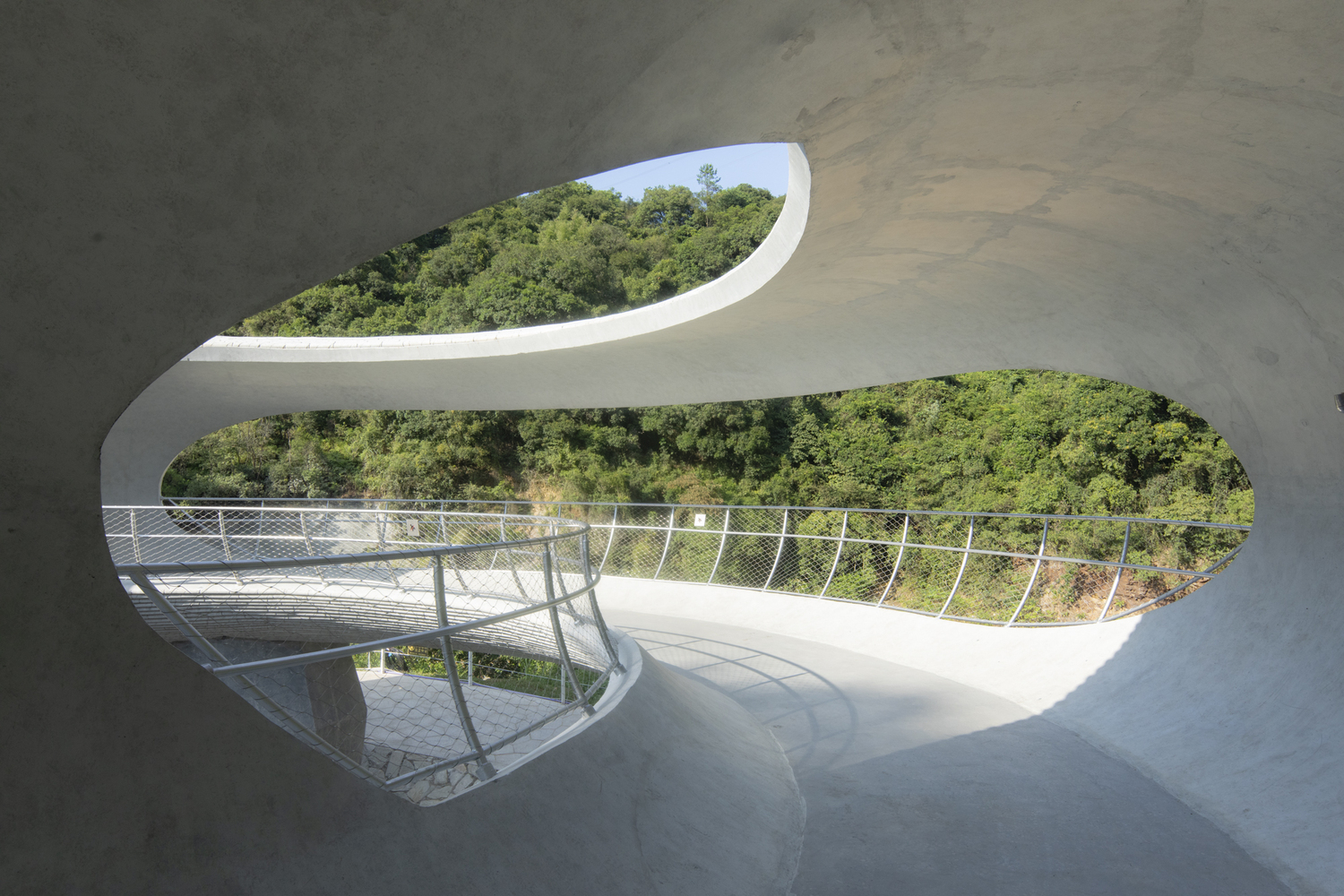
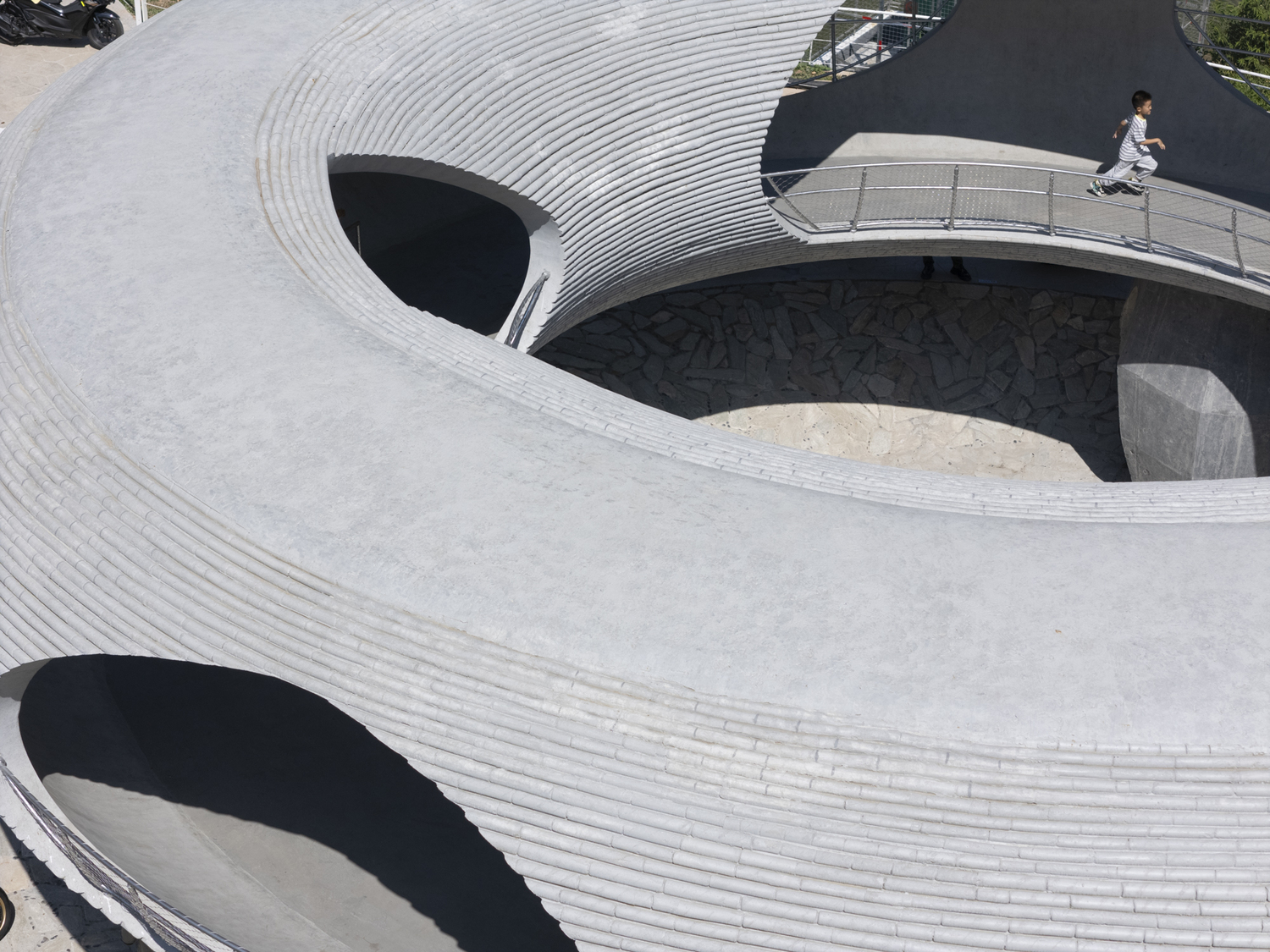
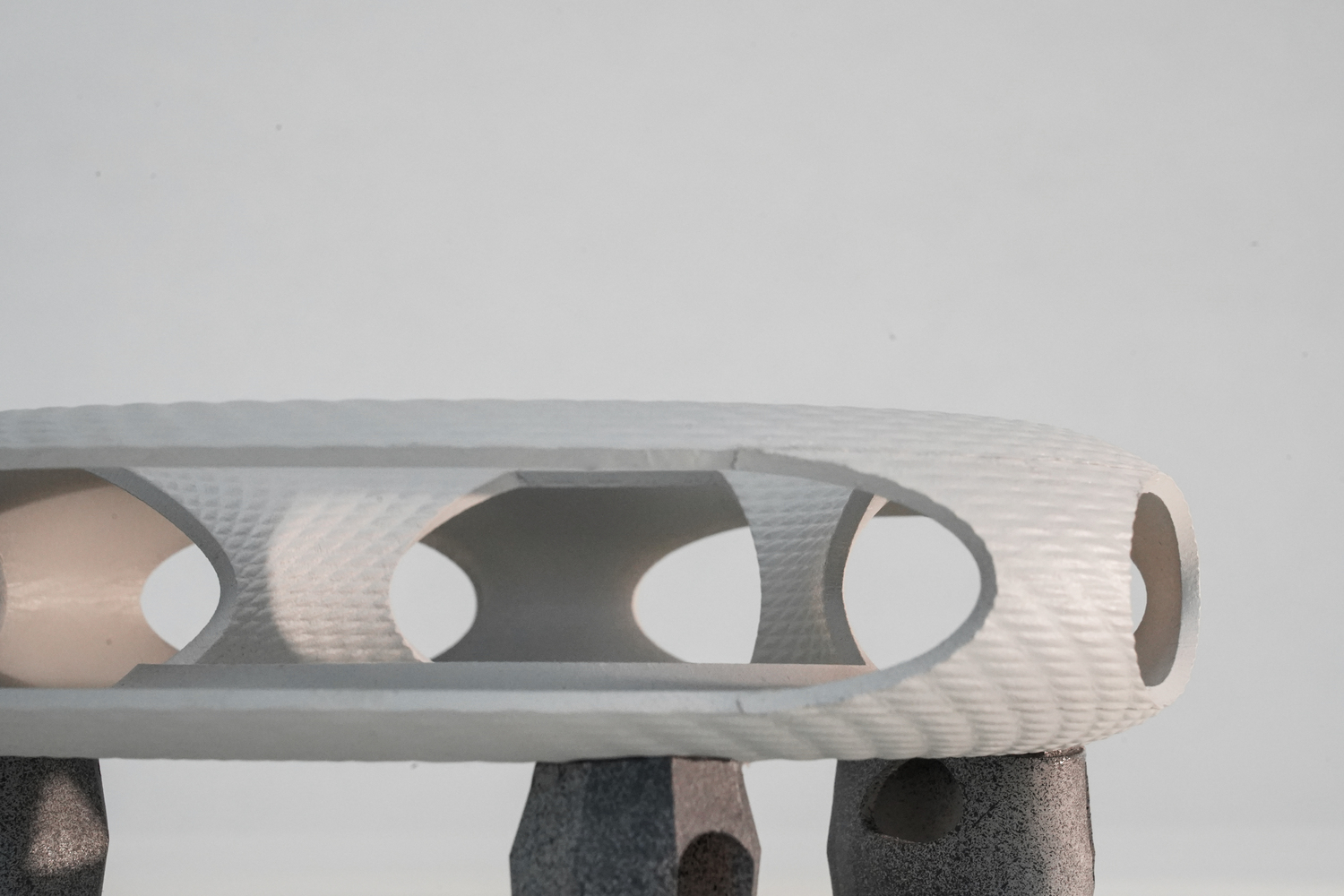
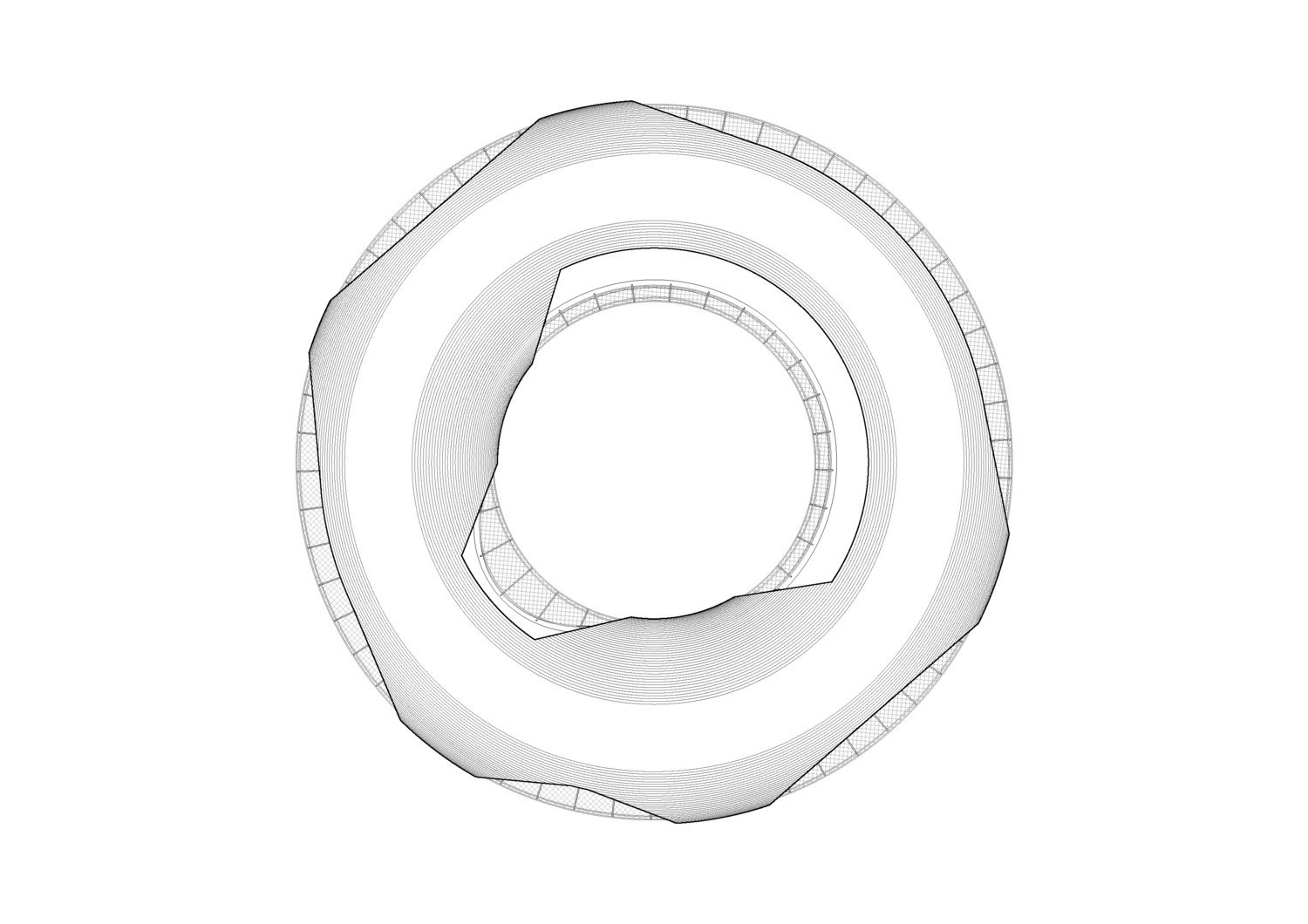
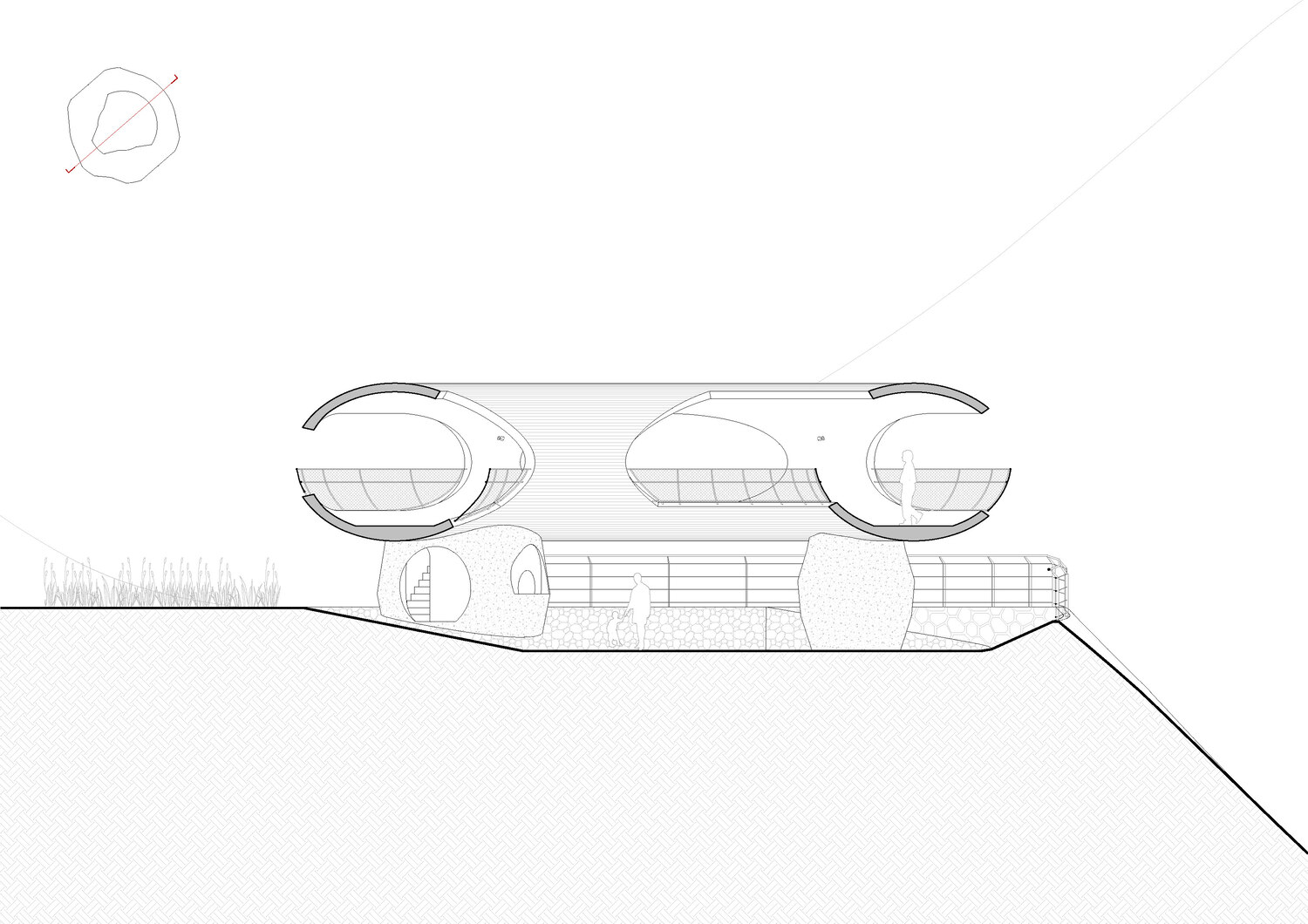
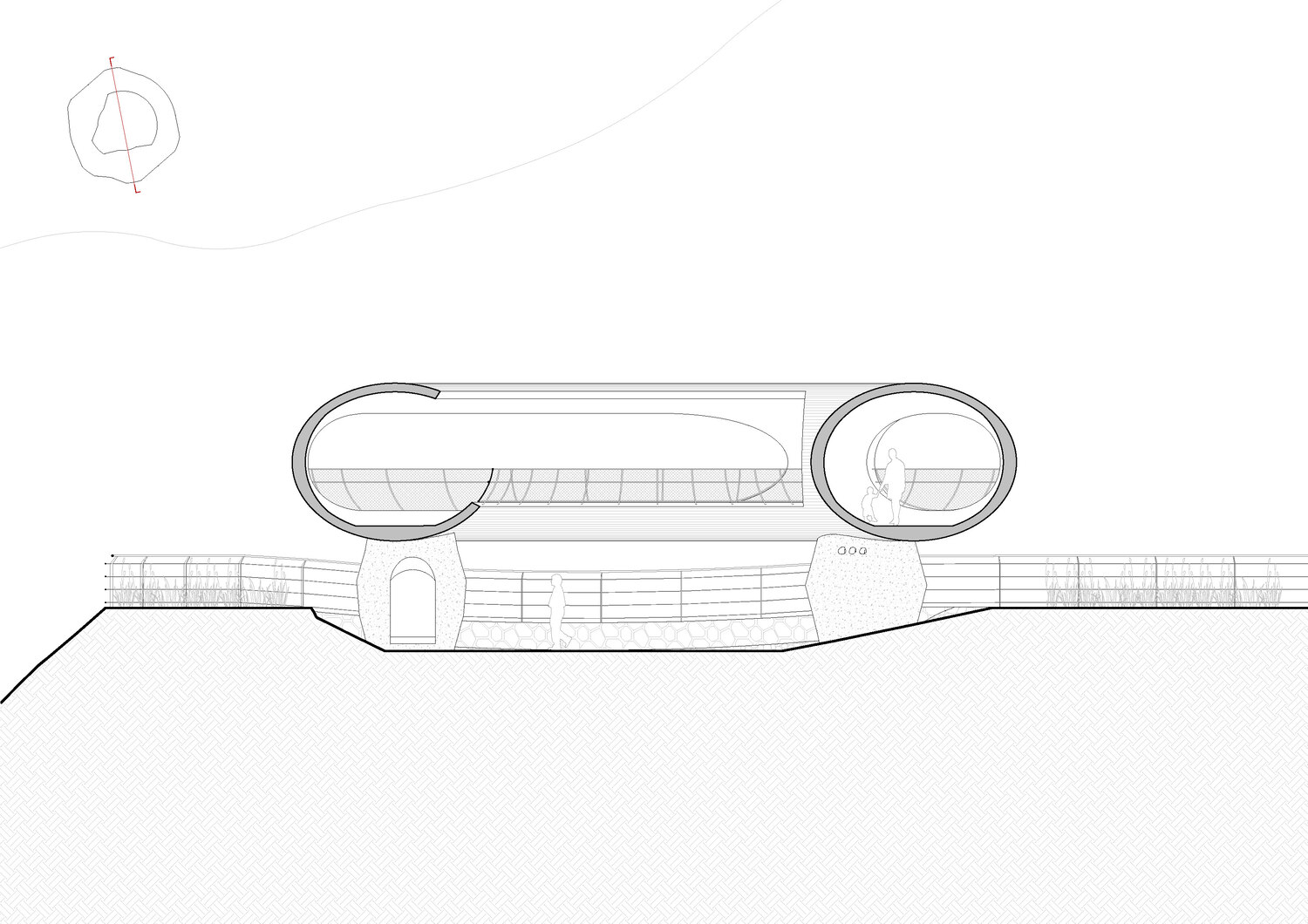
Formally, the structure reads as a low-flying concrete ring set above a stone platform, its geometry defined by an outer diameter of sixteen meters. Vertical cuts slice through the ring at varied angles, generating overlapping oval apertures that register shifting alignments of river, mountain, and sky. This strategy transforms the act of walking into a sequence of framed encounters, where the environment is edited but never fully contained. The lower level operates as a sheltered gathering space, offering seating and refreshment, while the upper loop functions as an elevated promenade that emphasizes continuity and motion.
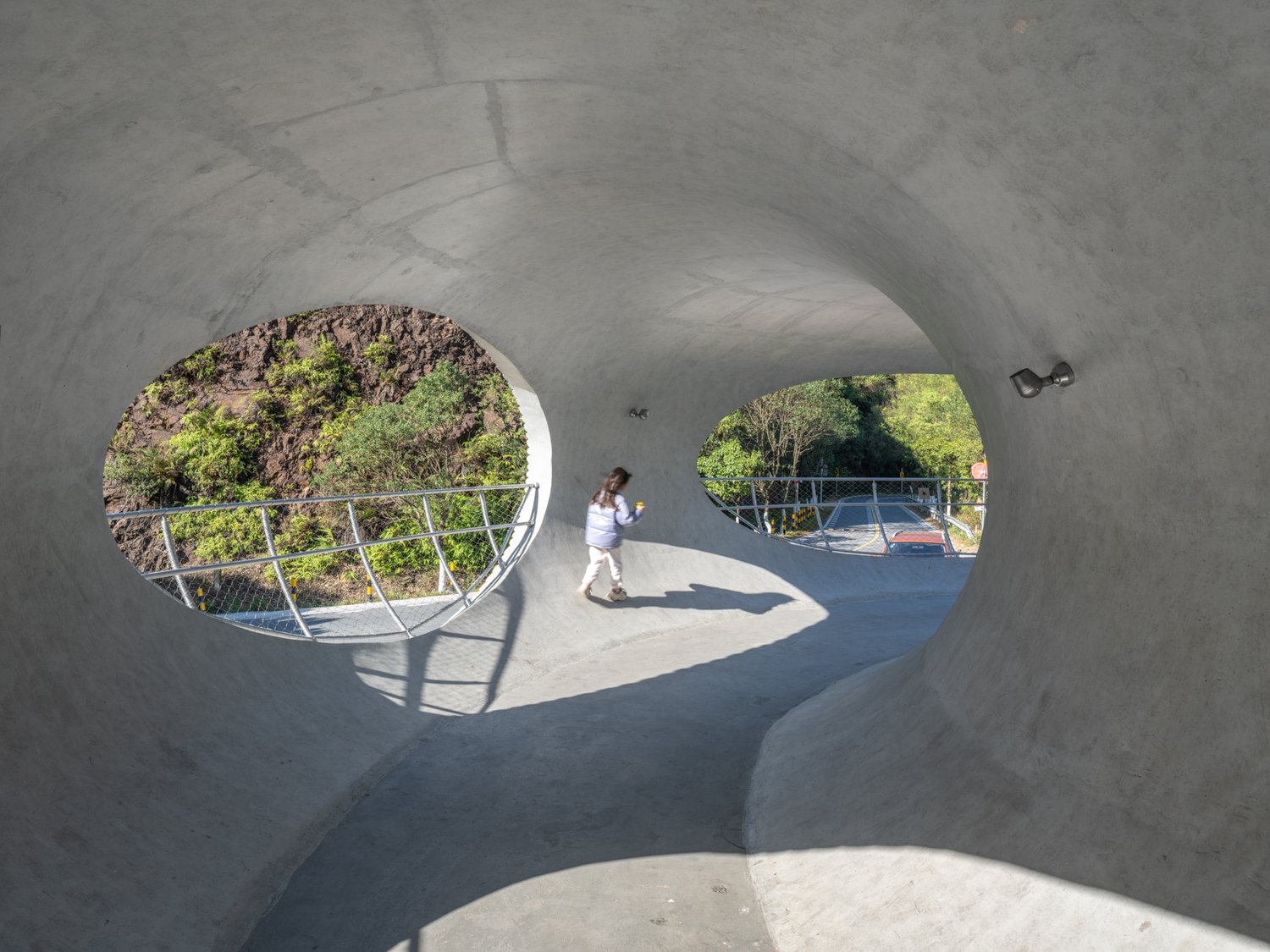
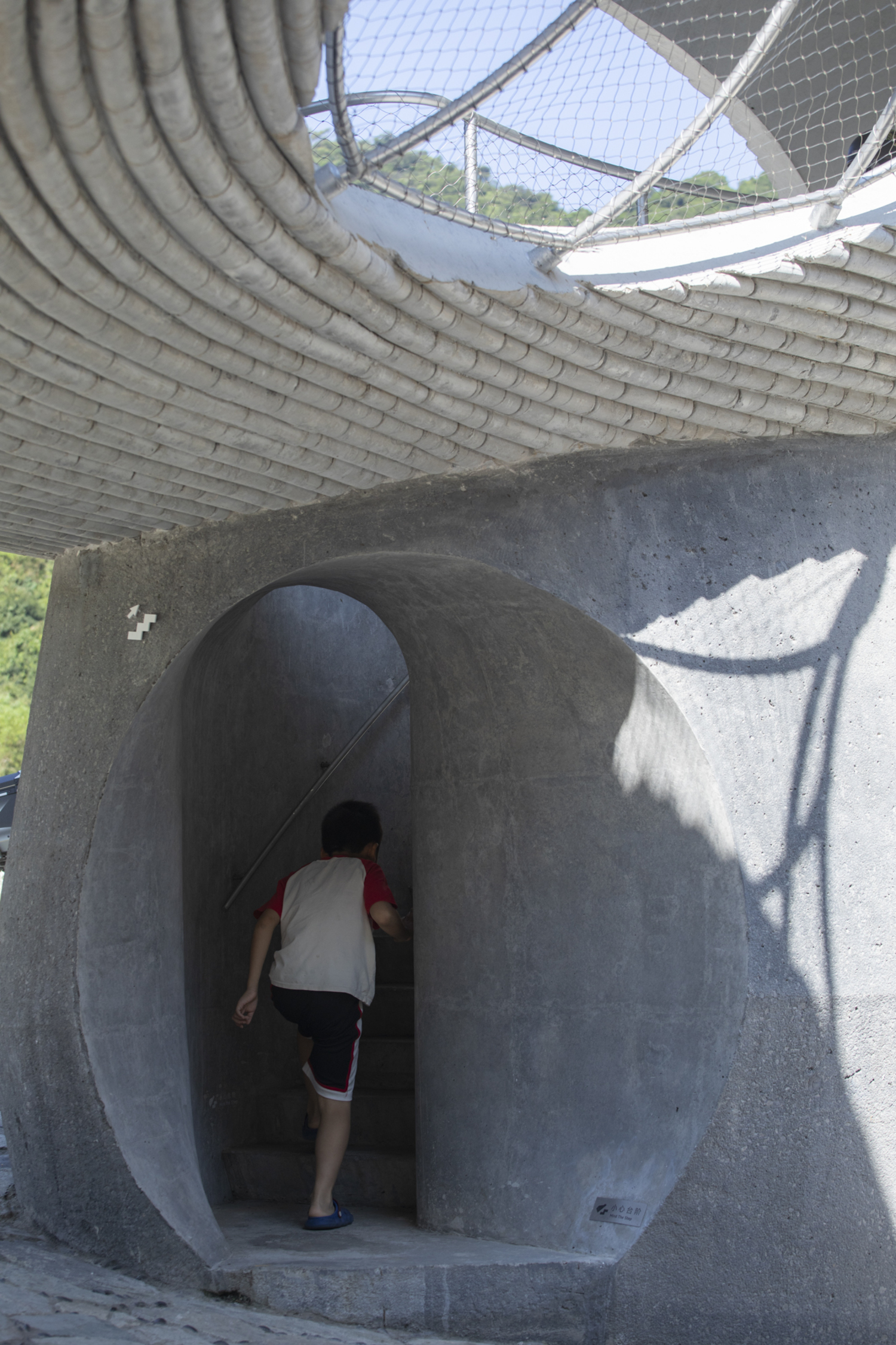
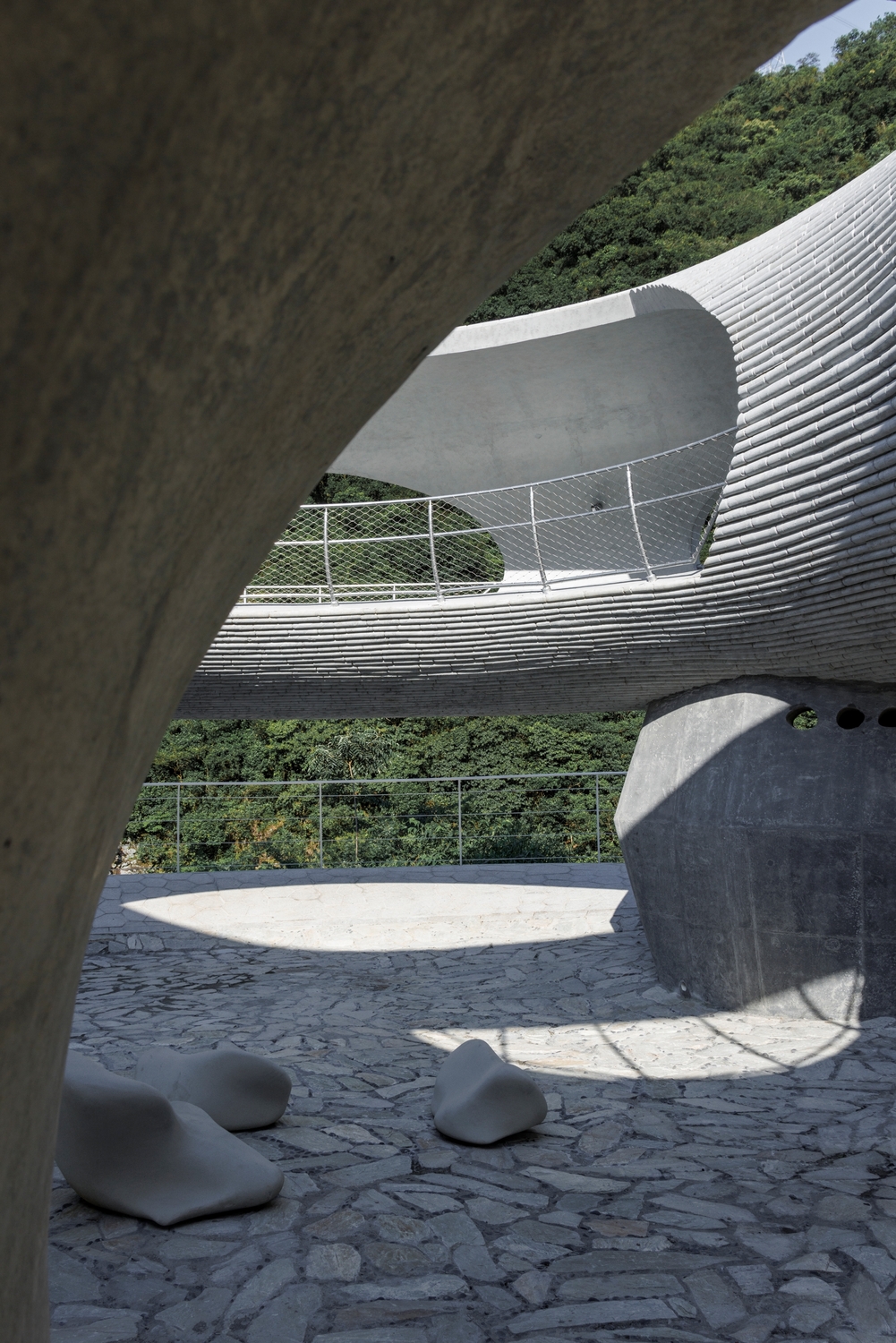
Beneath the ring, three compact concrete volumes anchor the composition and accommodate the pavilion’s service functions. Their dark, hammered surfaces resonate with the stone paving of the sunken plaza and with sculptural seating elements integrated into the landscape. Openings are aligned to create visual connections between interior and exterior, reinforcing the project’s porous character despite its robust materiality.
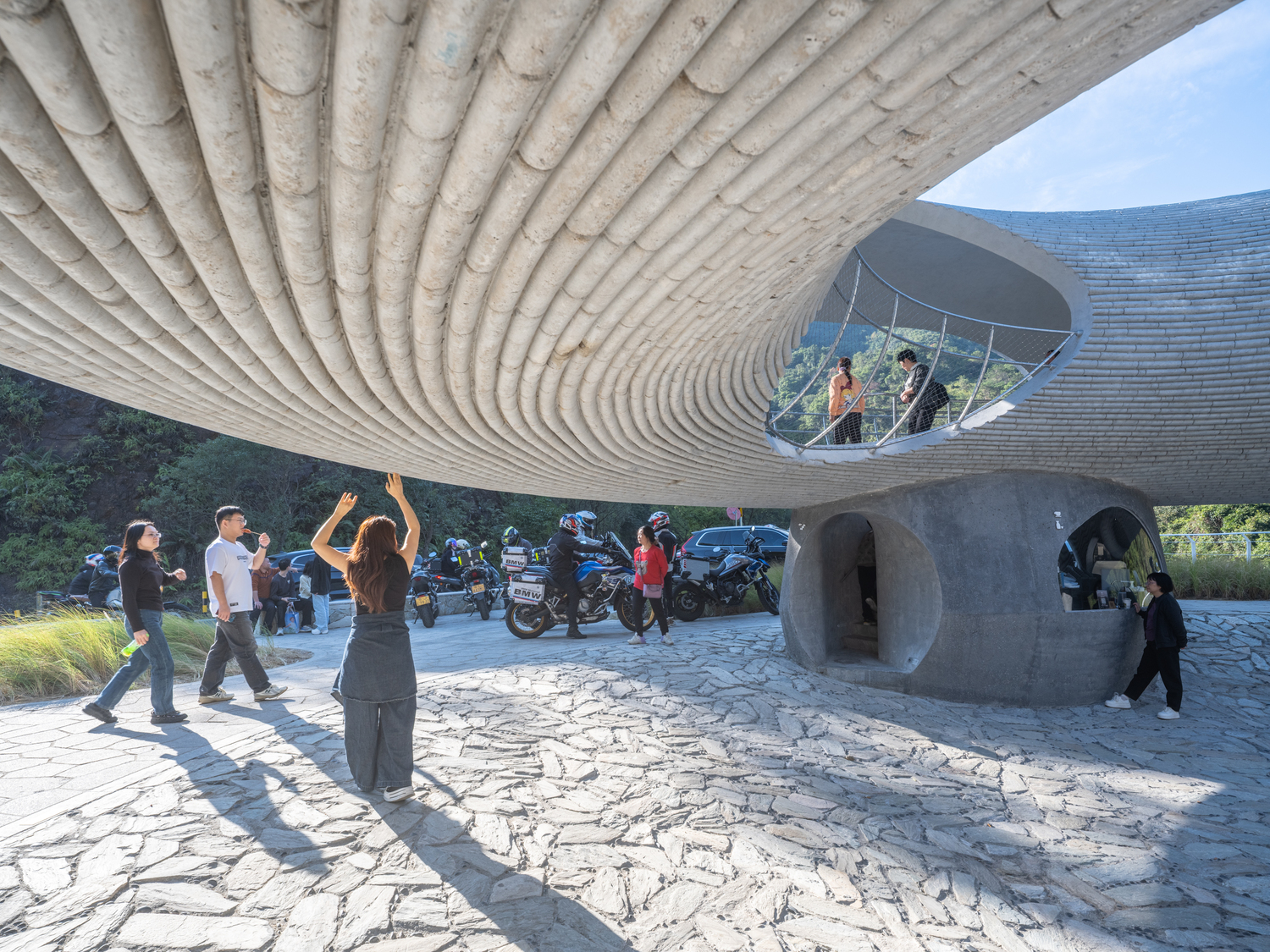
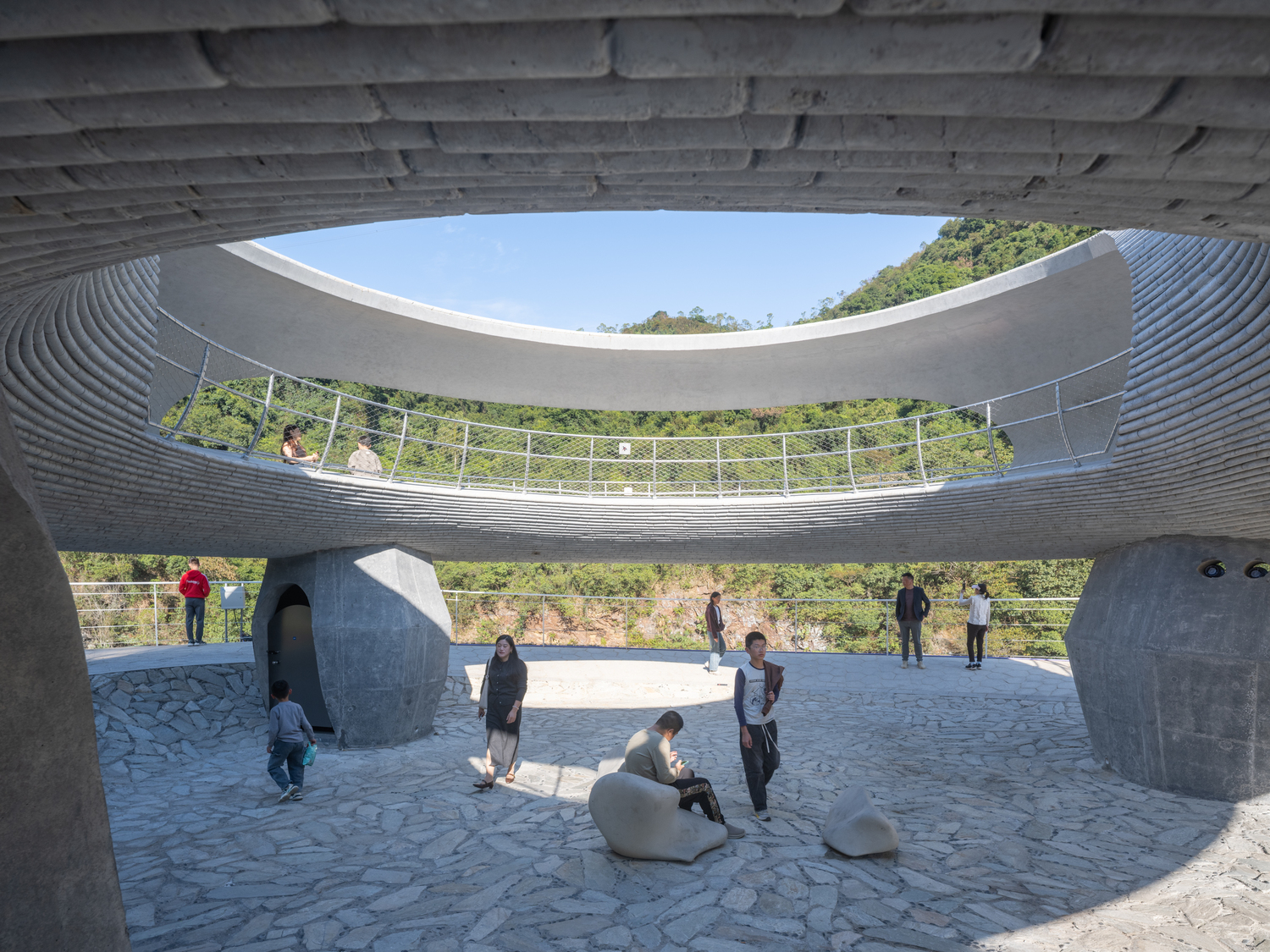
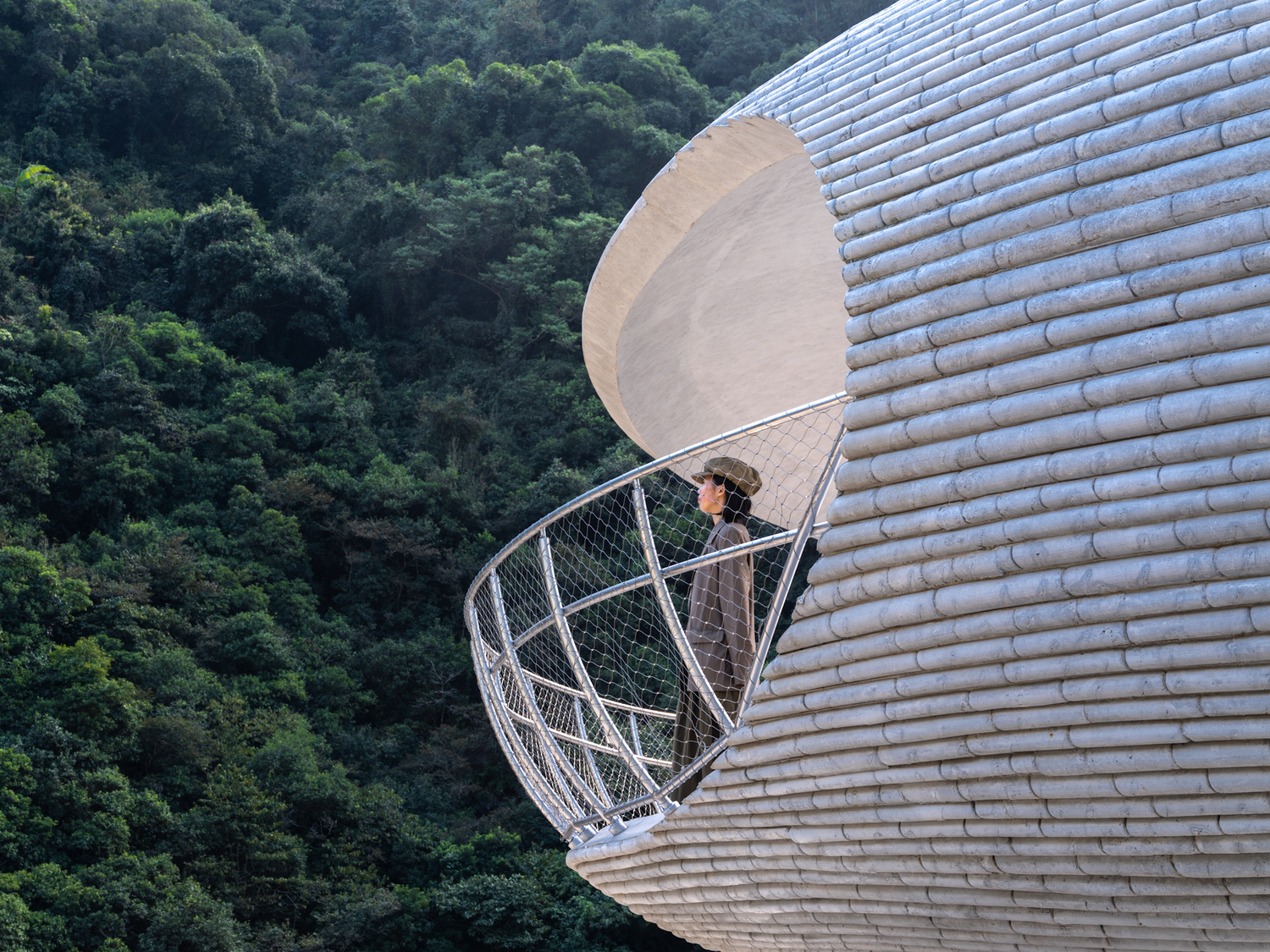
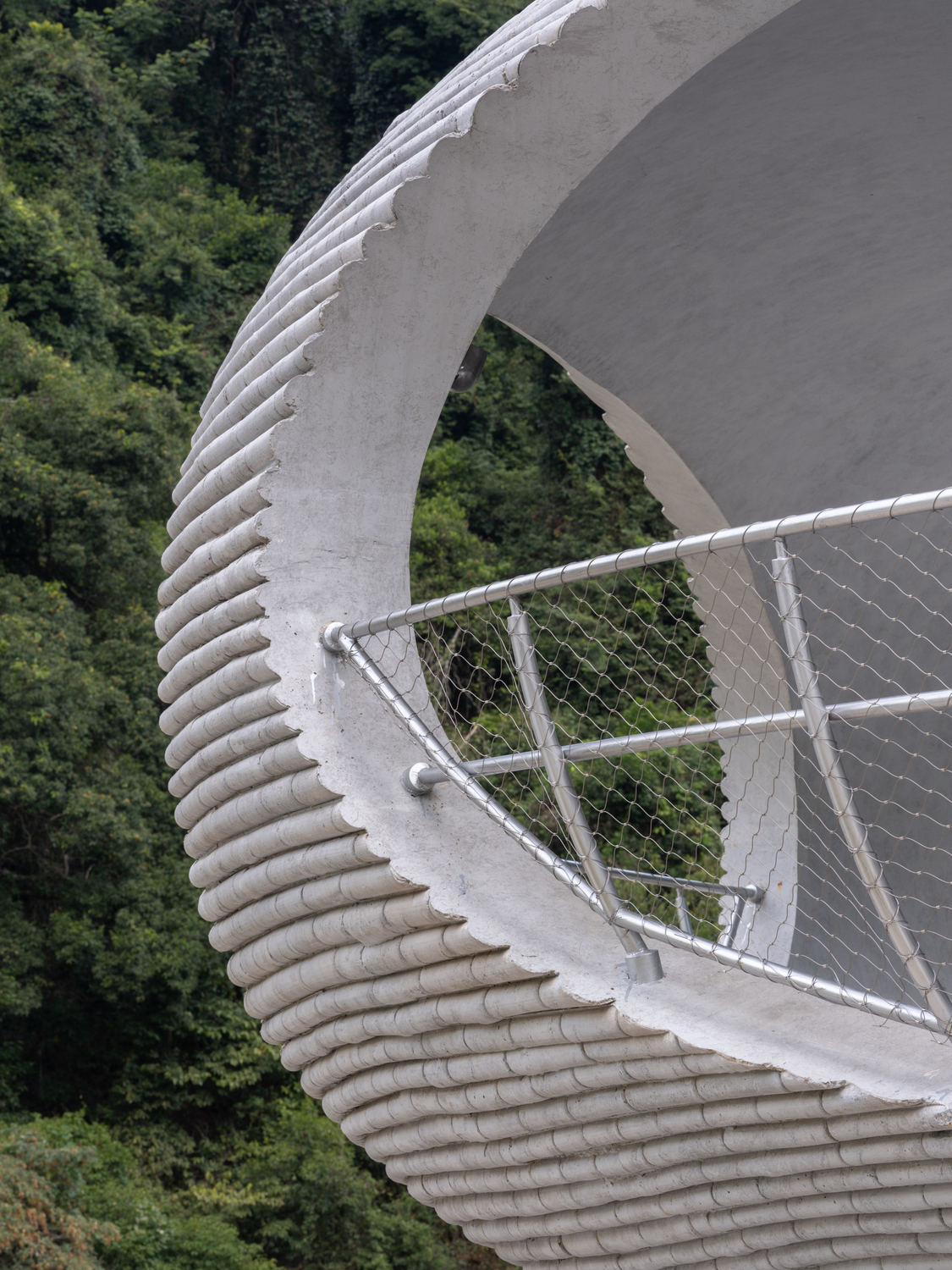
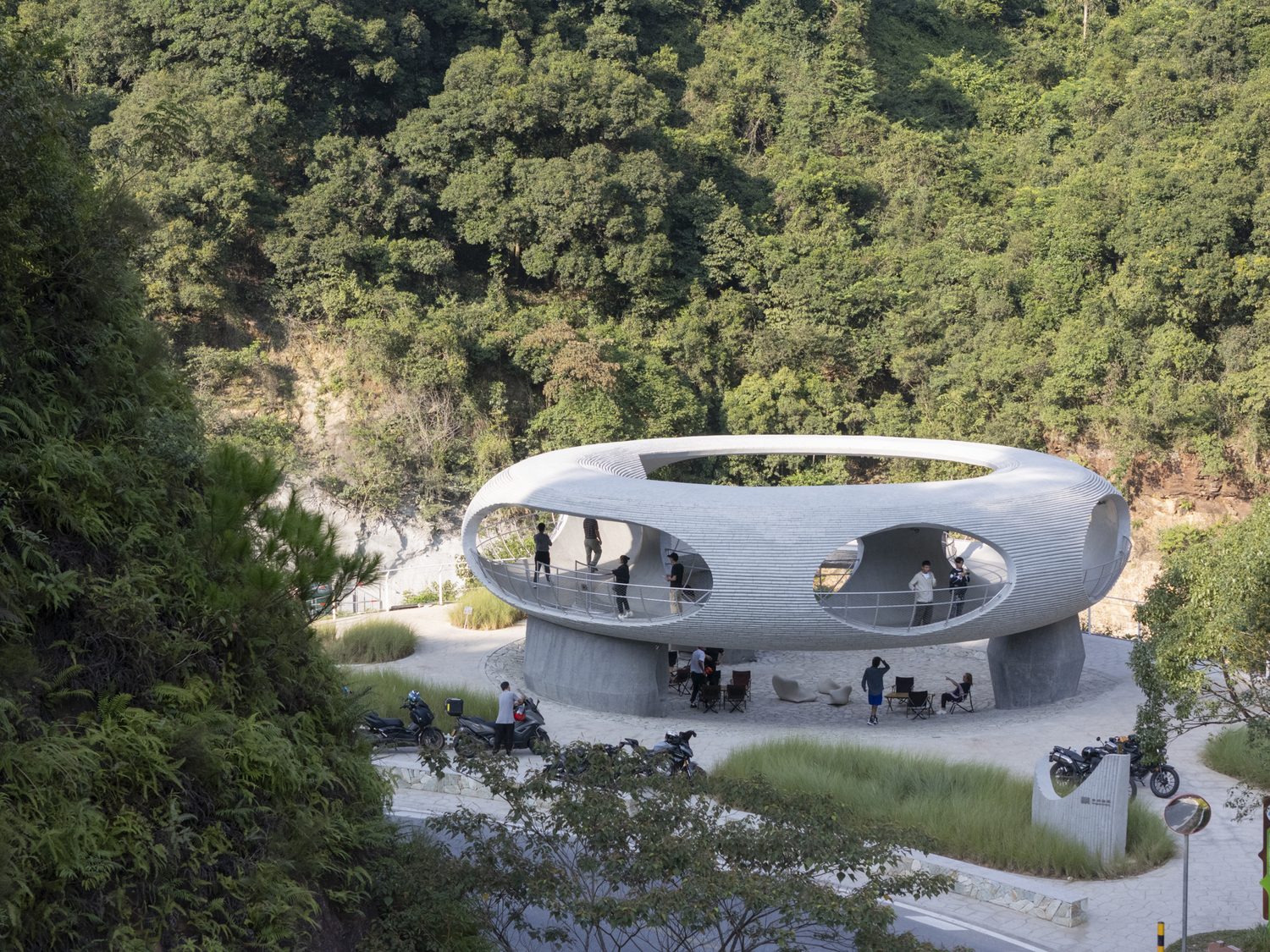
Material expression plays a central role in establishing atmosphere. The exterior concrete was cast in situ using bamboo molds, imprinting a pronounced texture that echoes the surrounding vegetation. Inside, the surface shifts to a smooth, seamless finish, producing a more abstract spatial experience. The meeting of these two treatments at the edges of the oval cuts accentuates the thickness of the ring and underscores the tactile qualities of the structure.
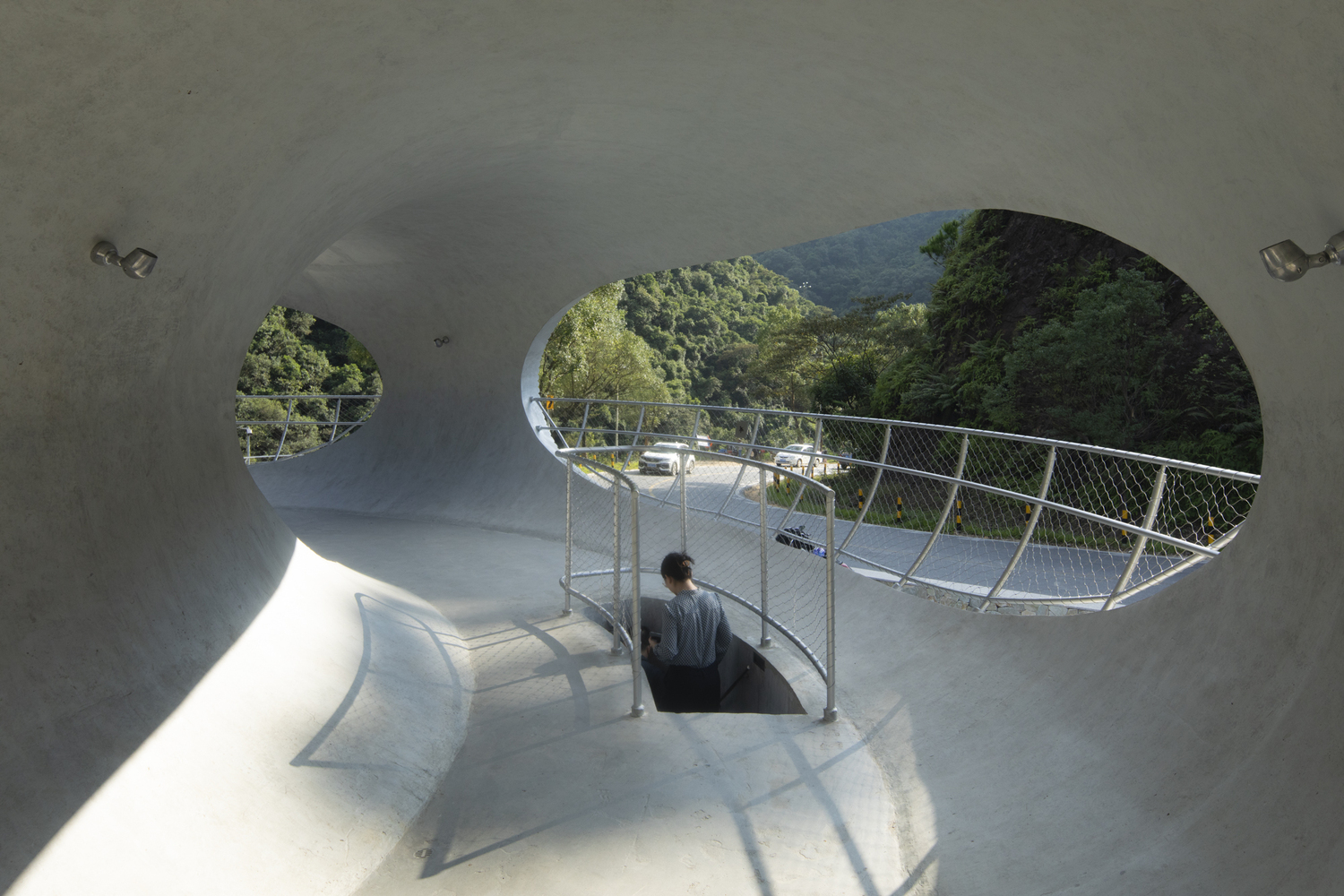
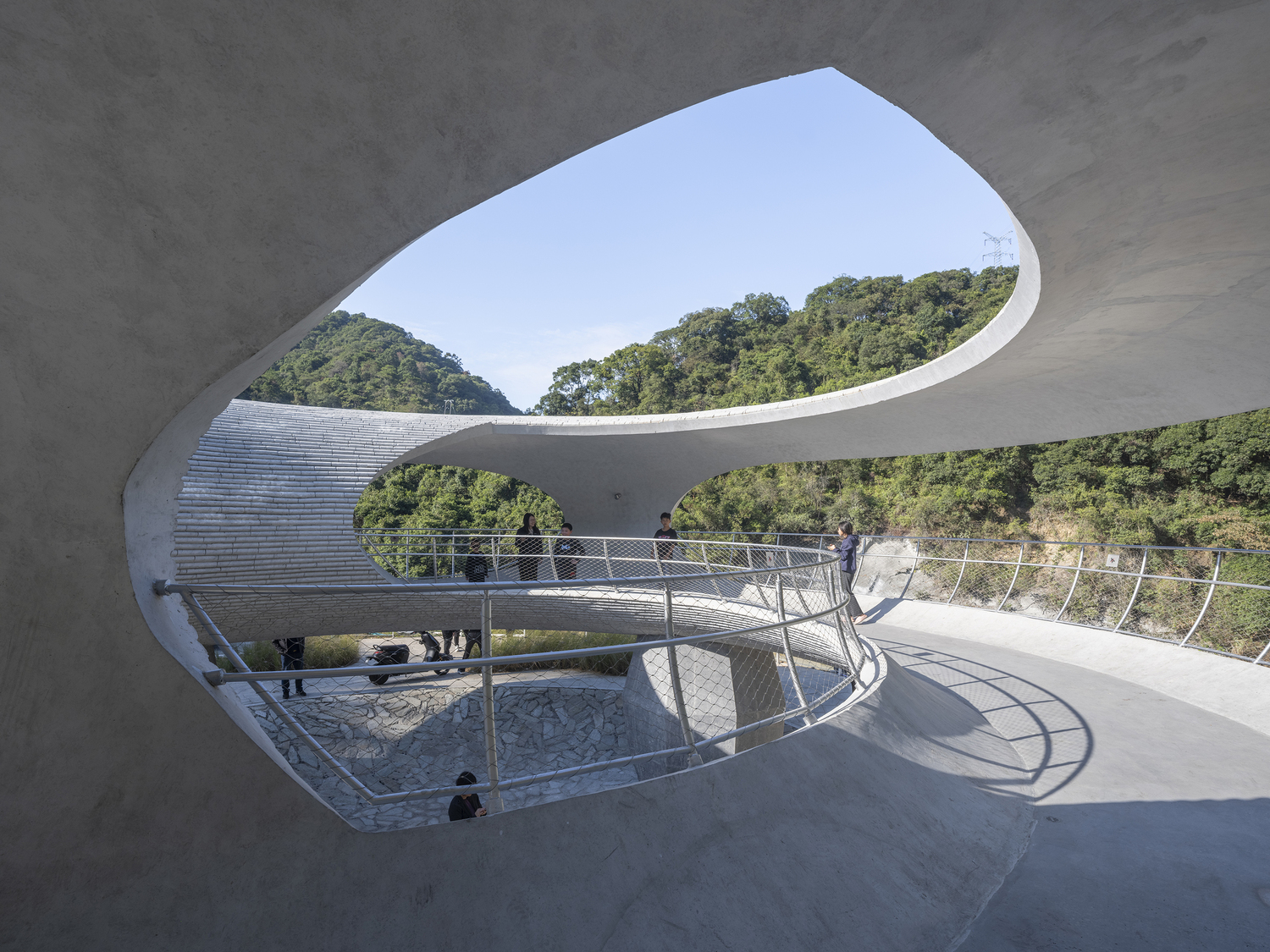
Originally envisioned as a tranquil pause within a mountainous setting, Resting Loop with Views has quickly become an animated destination. The steady presence of cyclists and passersby has introduced an unexpected layer of social energy, suggesting that the project’s success lies not only in its sculptural clarity but also in its capacity to adapt to collective use without losing its architectural intent.

Project Gallery
55 photographs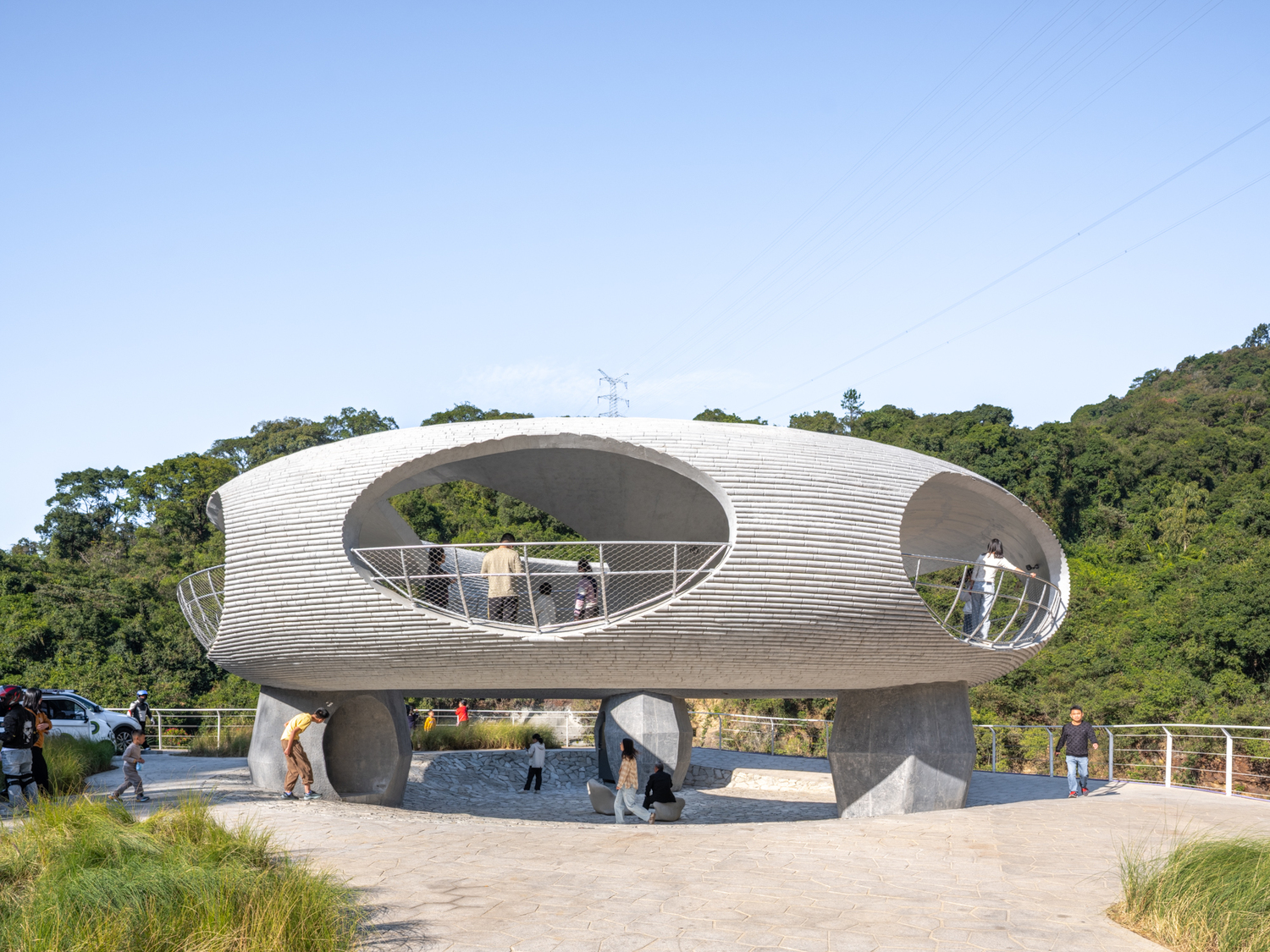
Project Location
AddressMount Luofu, Huizhou City, Guangdong Province, China
The location is intended for general reference and may denote a city or country; it does not identify a precise address.