search

home/projects/churches/st. mary cathedral

St. Mary Cathedral / Kenzo Tange | Classics on Architecture Lab

Religious ArchitectureChurch

St. Mary Cathedral / Kenzo Tange | Classics on Architecture Lab
© Scarletgreen
Architects
Kenzo Tange
Location
Tokyo (Bunkyo), Japan
Year
1964
Photographs
Kenzo Tange, Tange Associates, Frances Loeb Library, Harvard University Graduate School of Design, James Florio Photography, Xia Zhi, Scarletgreen, Mobileart, D. Fajio, Wikimedia Commons, Morio, Zairon, Shinjuku1, Fred Cherrygarden, Bigjap
Type
Church
Did you contribute to this project?

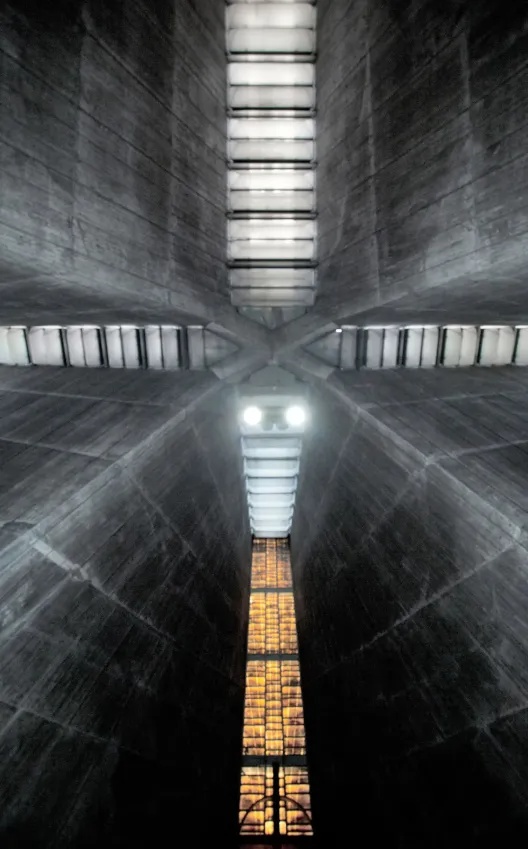
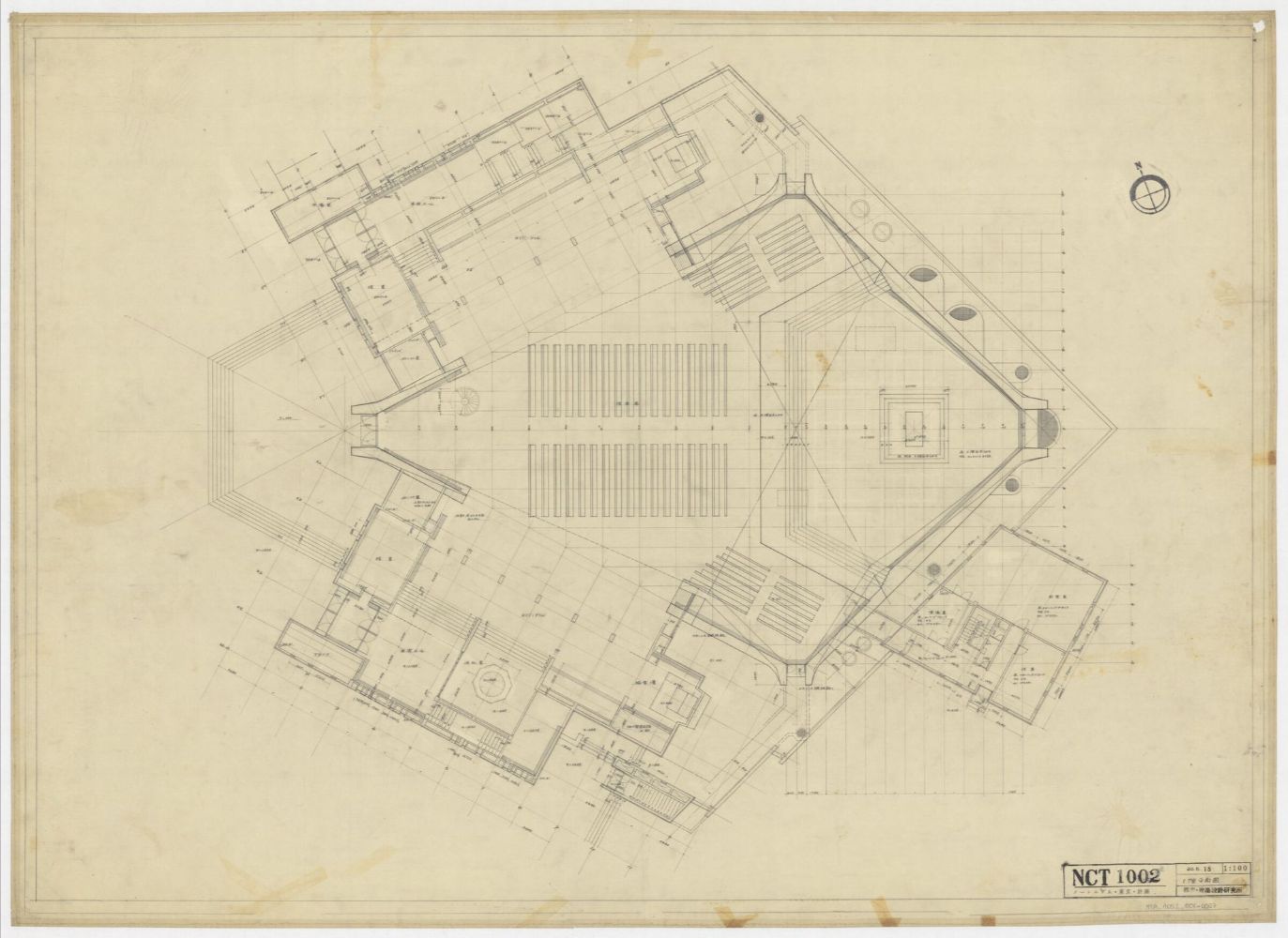
St. Mary’s Cathedral, a religious building designed by Kenzo Tange in Tokyo, has redefined the relationship between structure, symbolism, and light through a sculptural concrete form that transforms a traditional basilica into a modern spatial system. The project replaces a destroyed wooden cathedral with a new architectural language that merges Modernist principles with references to Japanese spatial sequences. St. Mary’s Cathedral organizes its form through eight hyperbolic concrete shells that rise to generate a cross of light, turning a rhomboidal plan into a symbolic figure at the roof. St. Mary’s Cathedral integrates structure and enclosure, where walls and roof operate as a continuous system articulated by vertical glazed fissures. The building establishes contrast between a reflective stainless steel exterior and an exposed concrete interior surface that intensifies spatial perception. Light operates as a primary architectural element, entering through vertical and overhead openings that define the sacred atmosphere. St. Mary’s Cathedral remains a critical work in postwar architecture, where abstraction, engineering, and religious symbolism converge into a unified form.
St. Mary cathedral / kenzo tange | classics on architecture lab

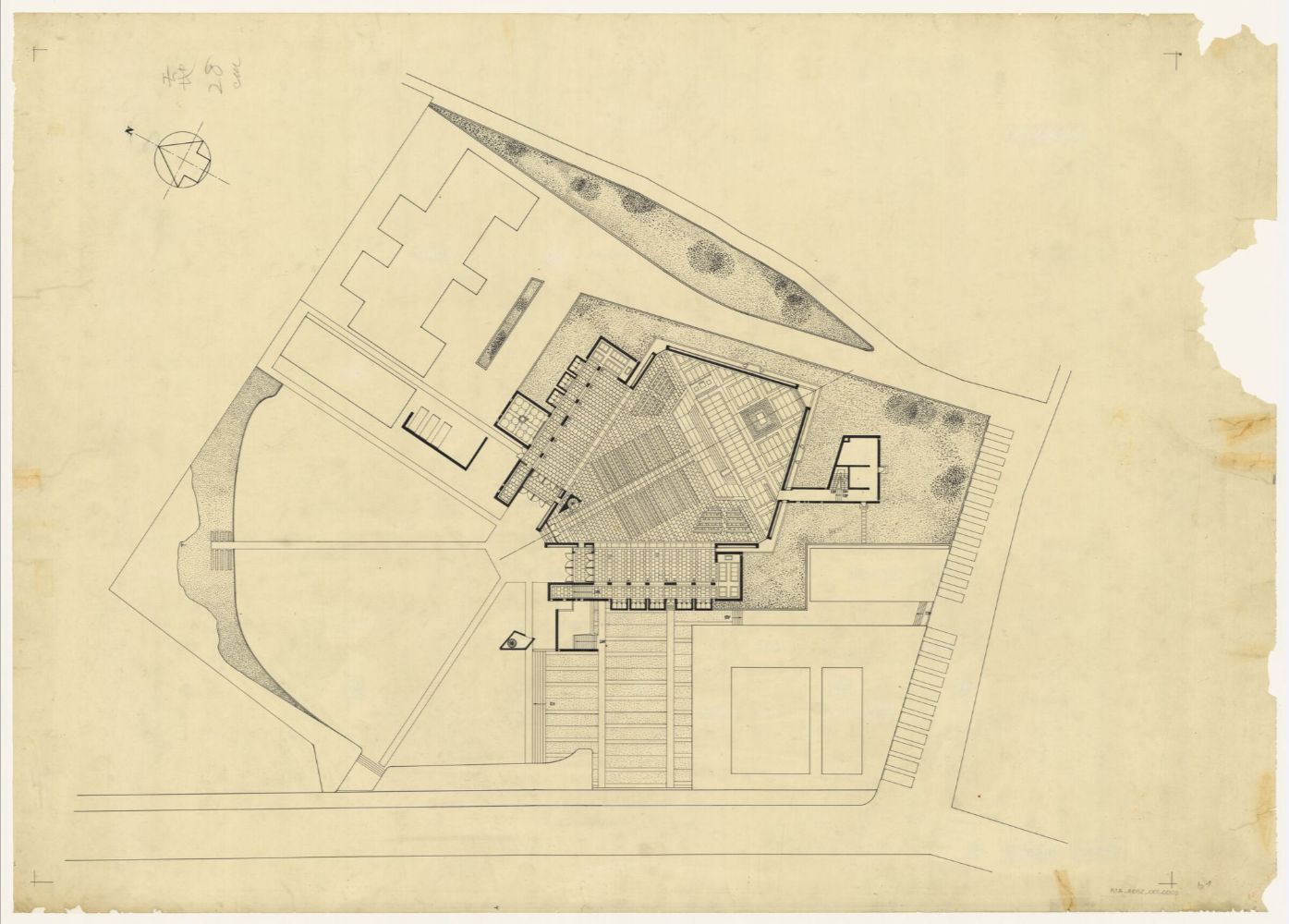
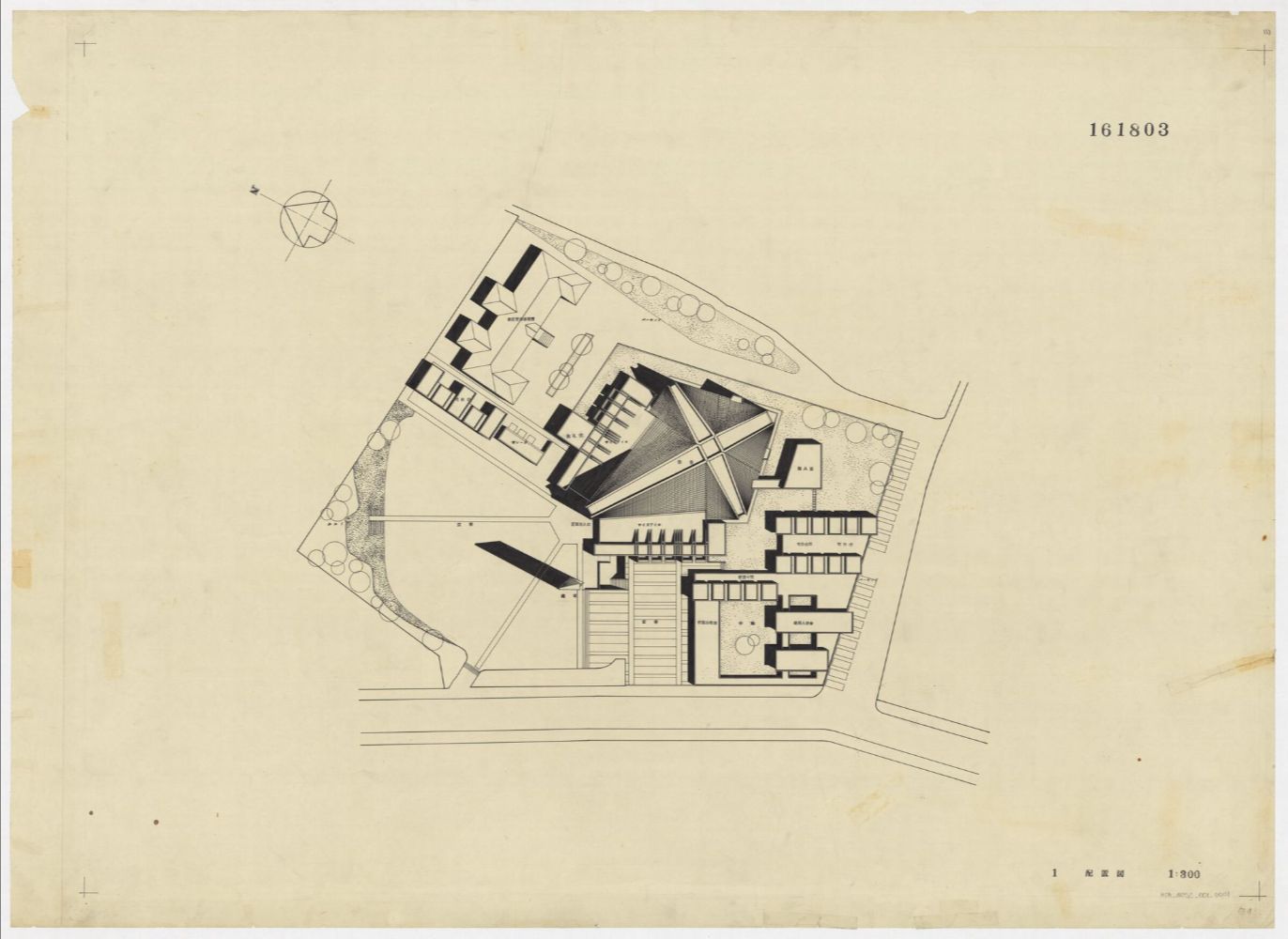
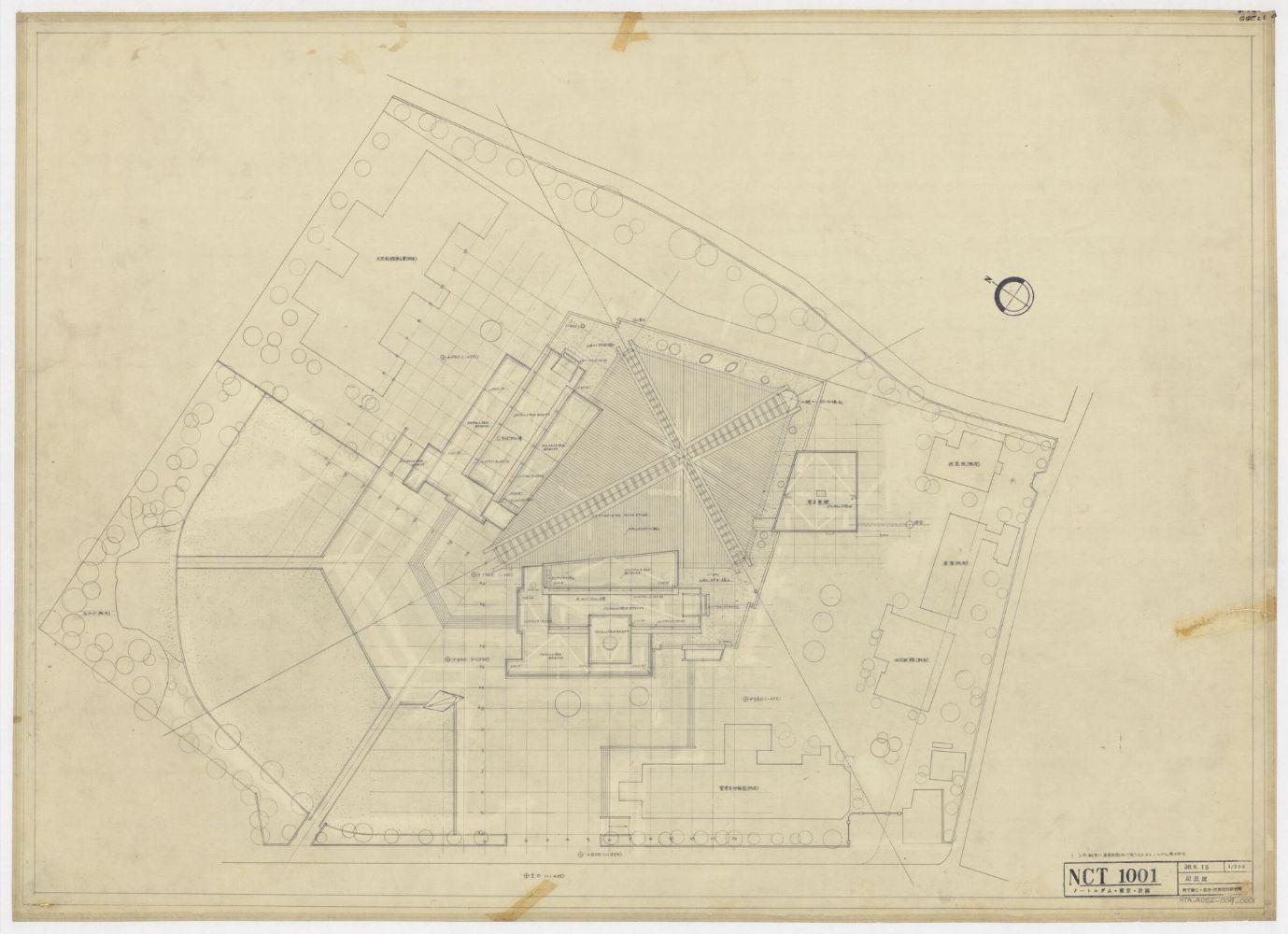
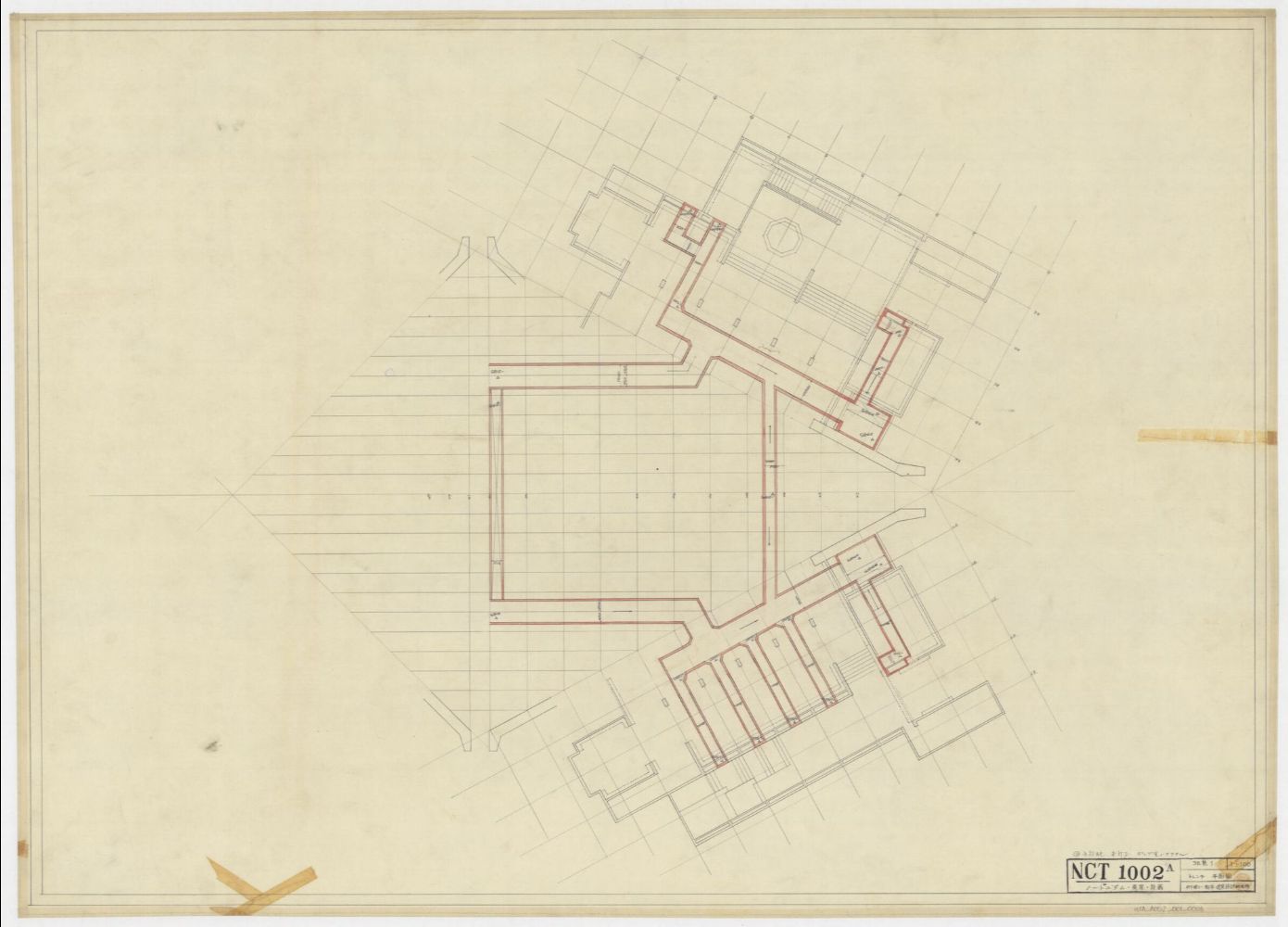
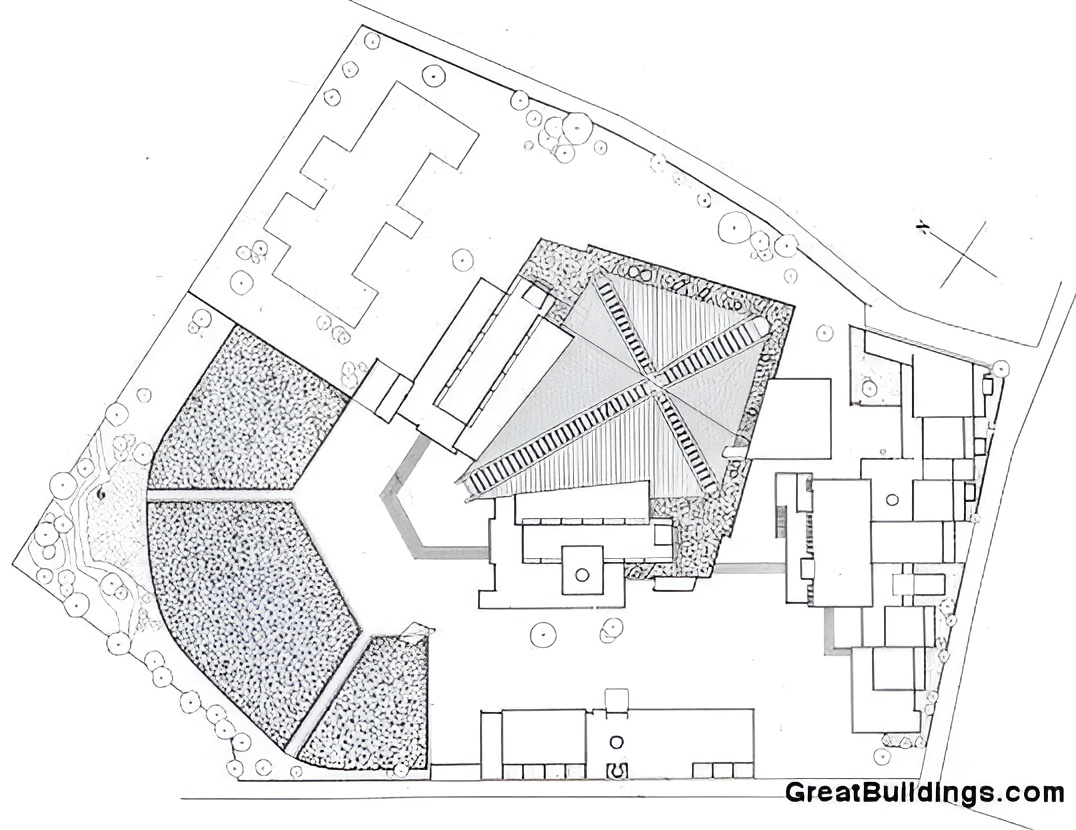
St. Mary’s Cathedral stands in the Sekiguchi district of Bunkyo, Tokyo, as the seat of the Roman Catholic Archdiocese of Tokyo. The building replaces an earlier wooden Gothic cathedral destroyed during World War II, marking a shift from historical reconstruction toward a new architectural expression.
St. Mary cathedral / kenzo tange | classics on architecture lab

The project emerged from a 1960 competition commemorating the reintroduction of Catholicism to Japan. Kenzo Tange’s proposal distinguished itself through a cruciform concept expressed through form and light rather than plan alone. Construction began in 1963 and concluded in 1964.
St. Mary cathedral / kenzo tange | classics on architecture lab

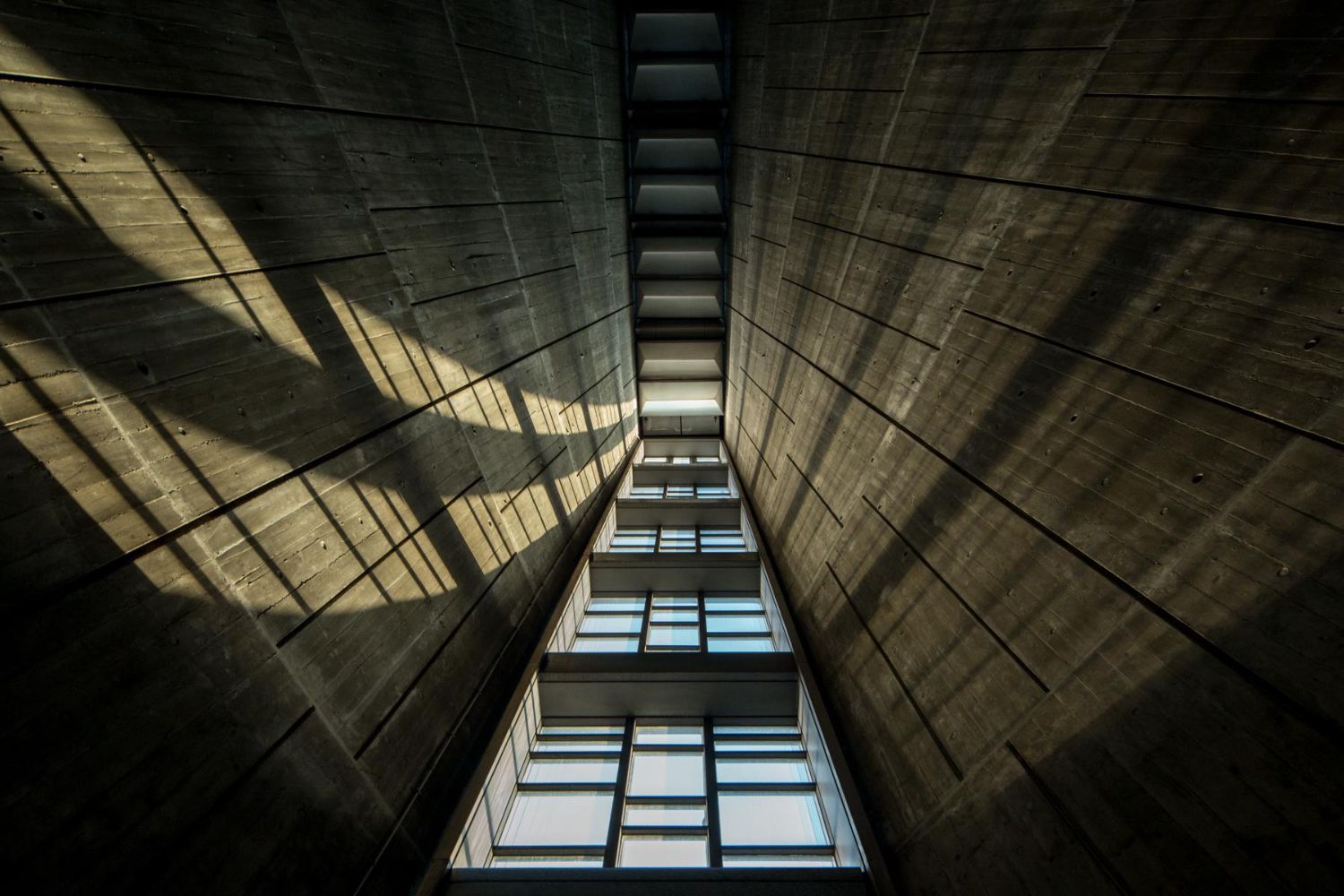
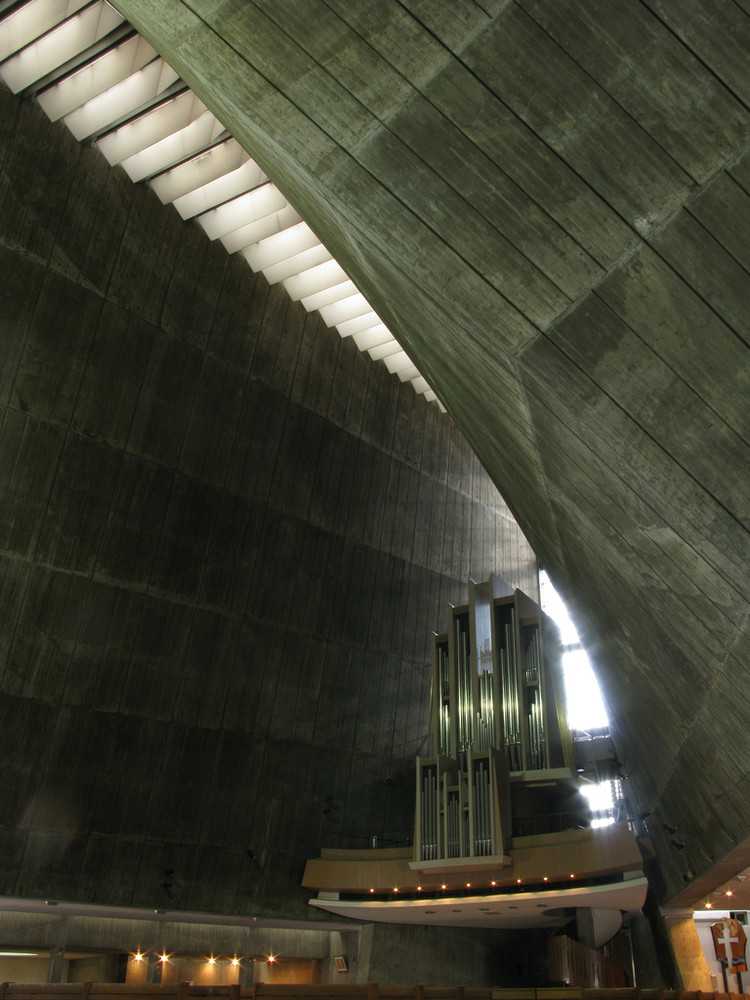
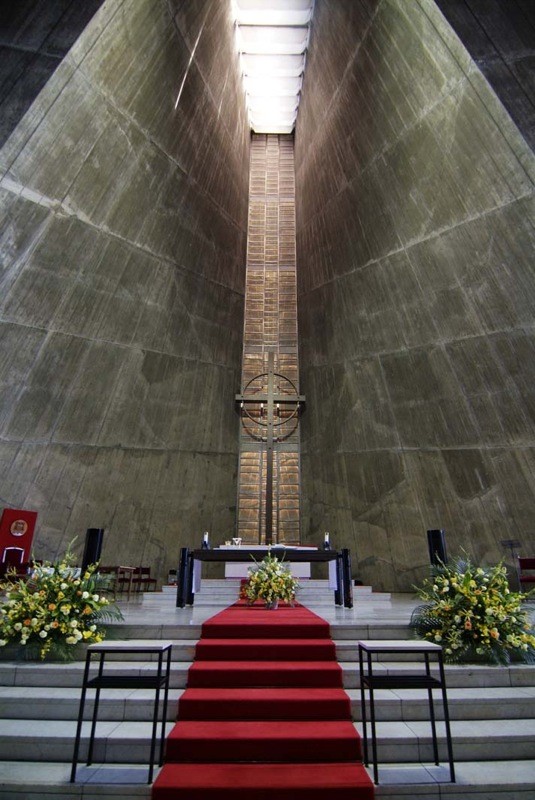
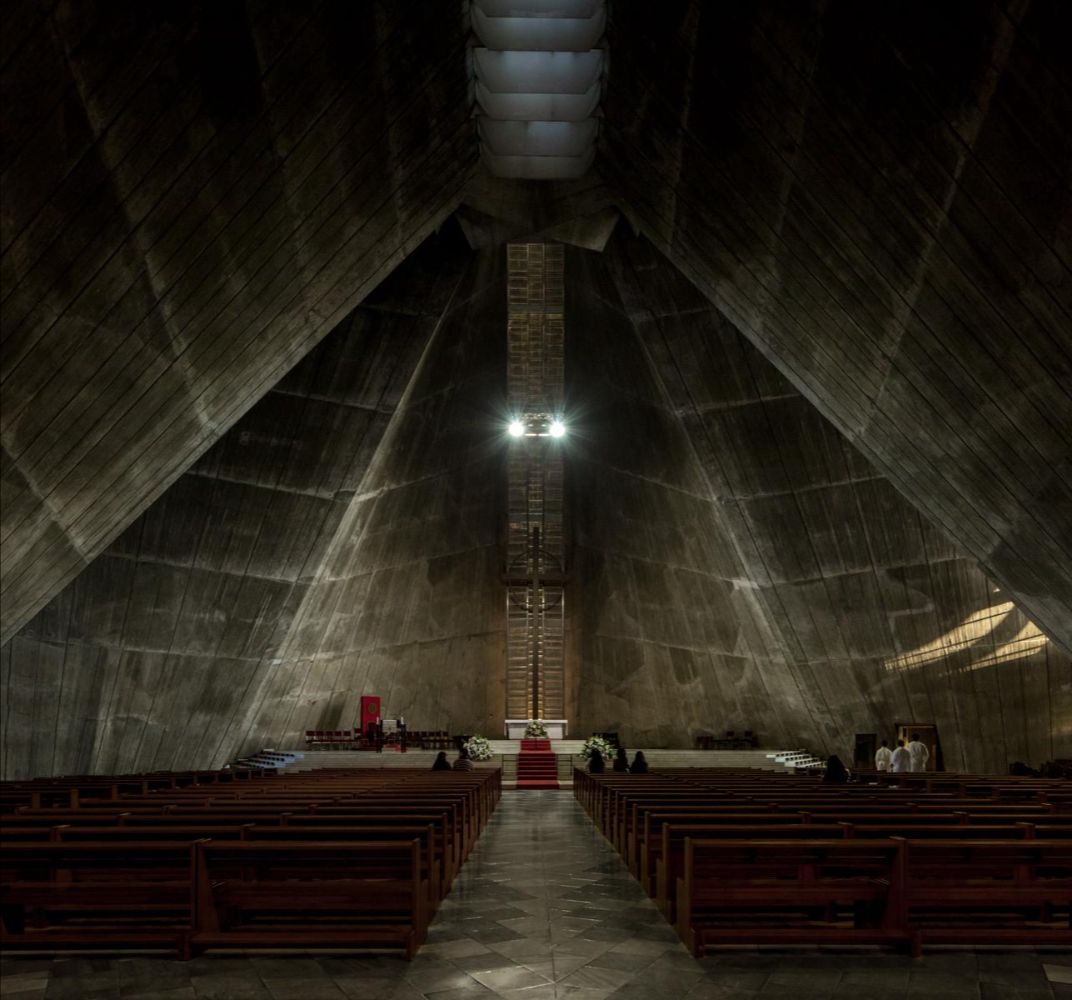
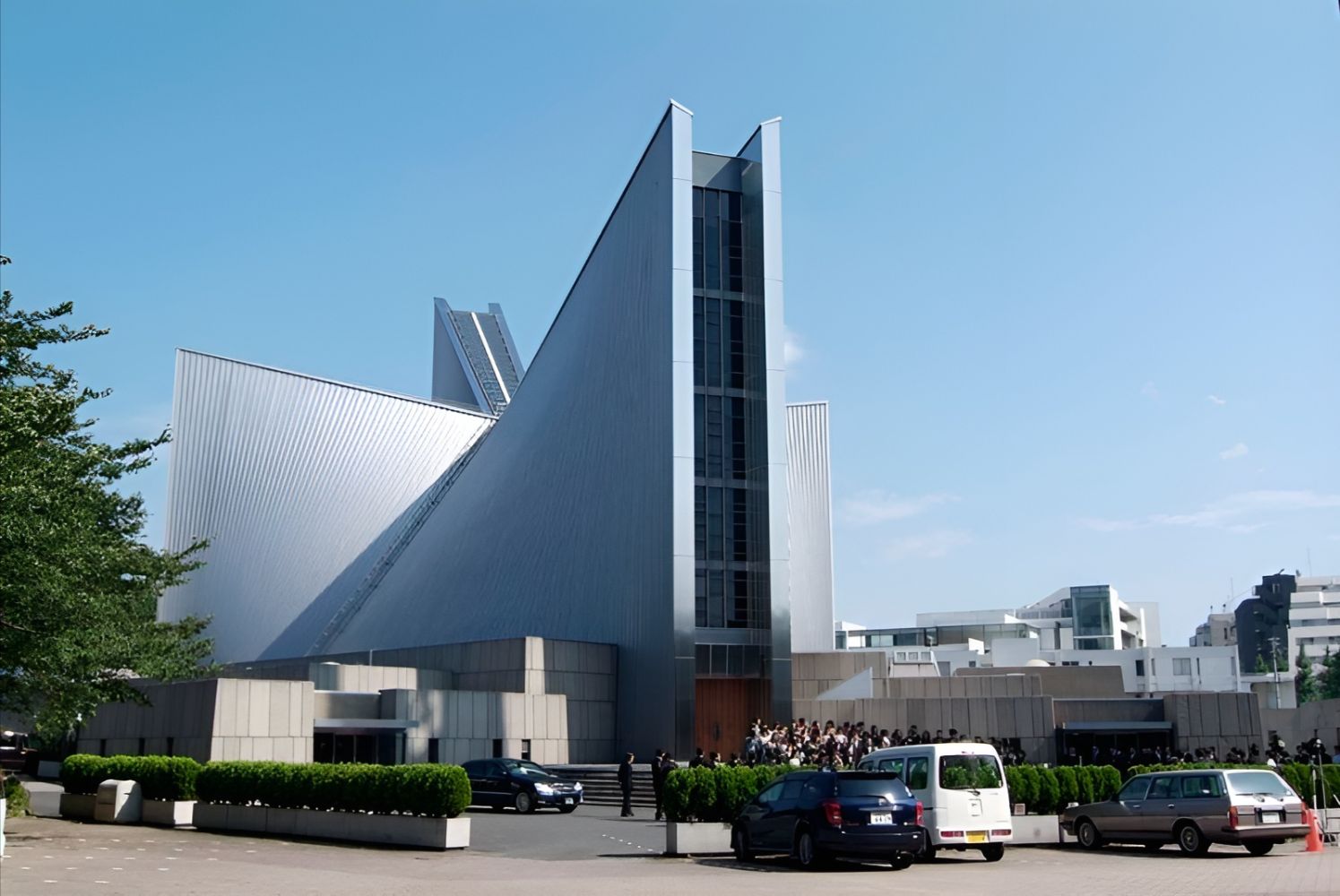
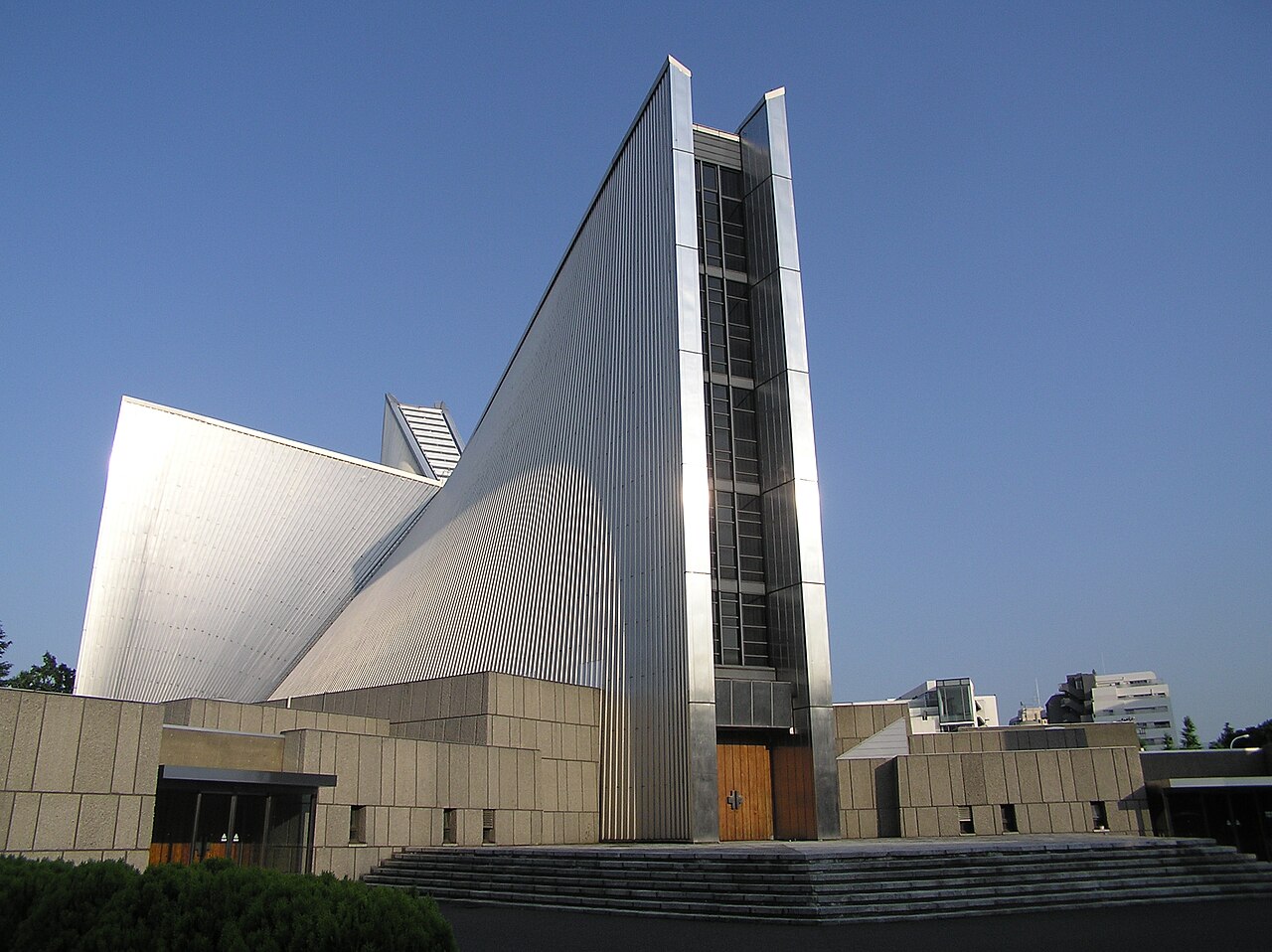
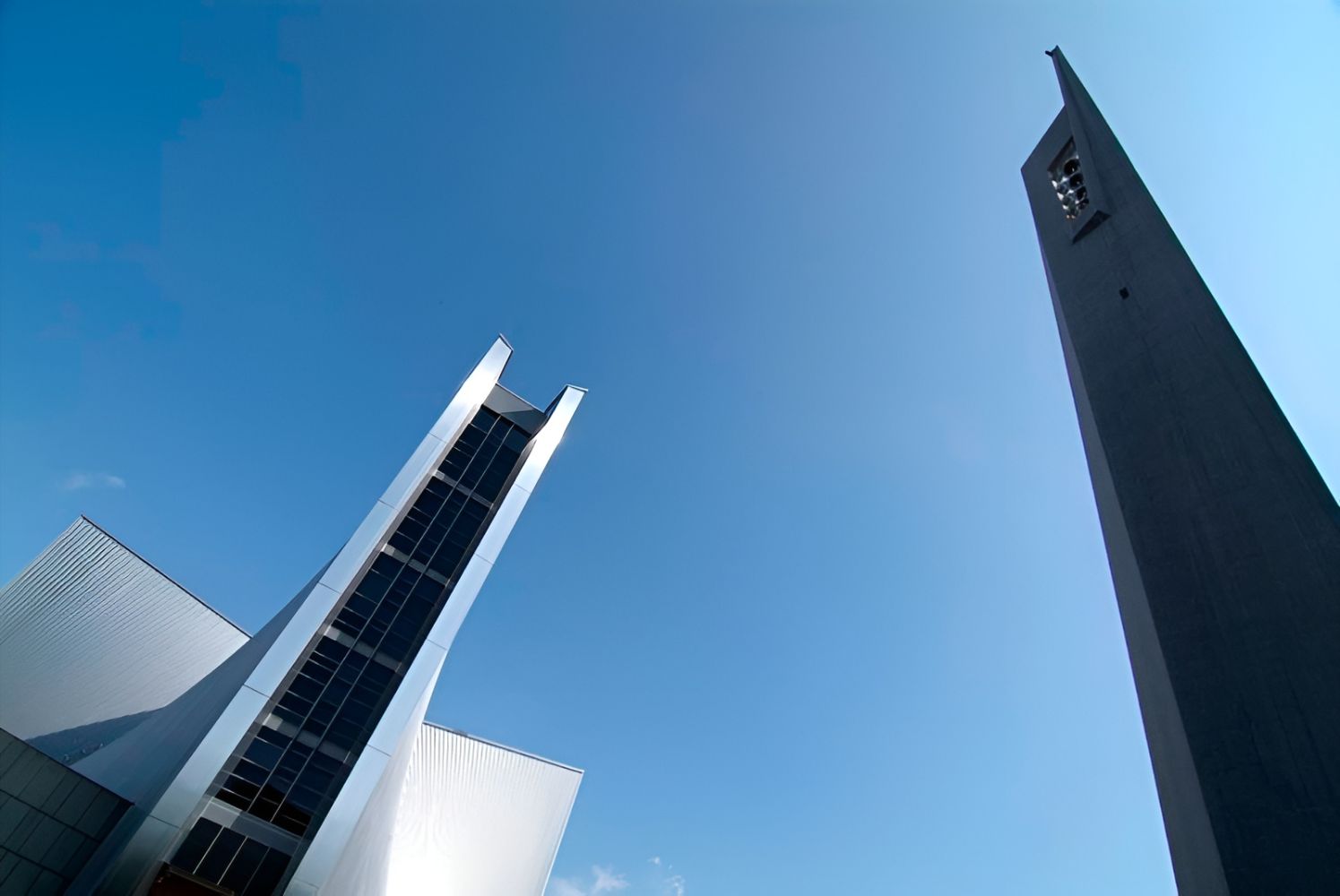
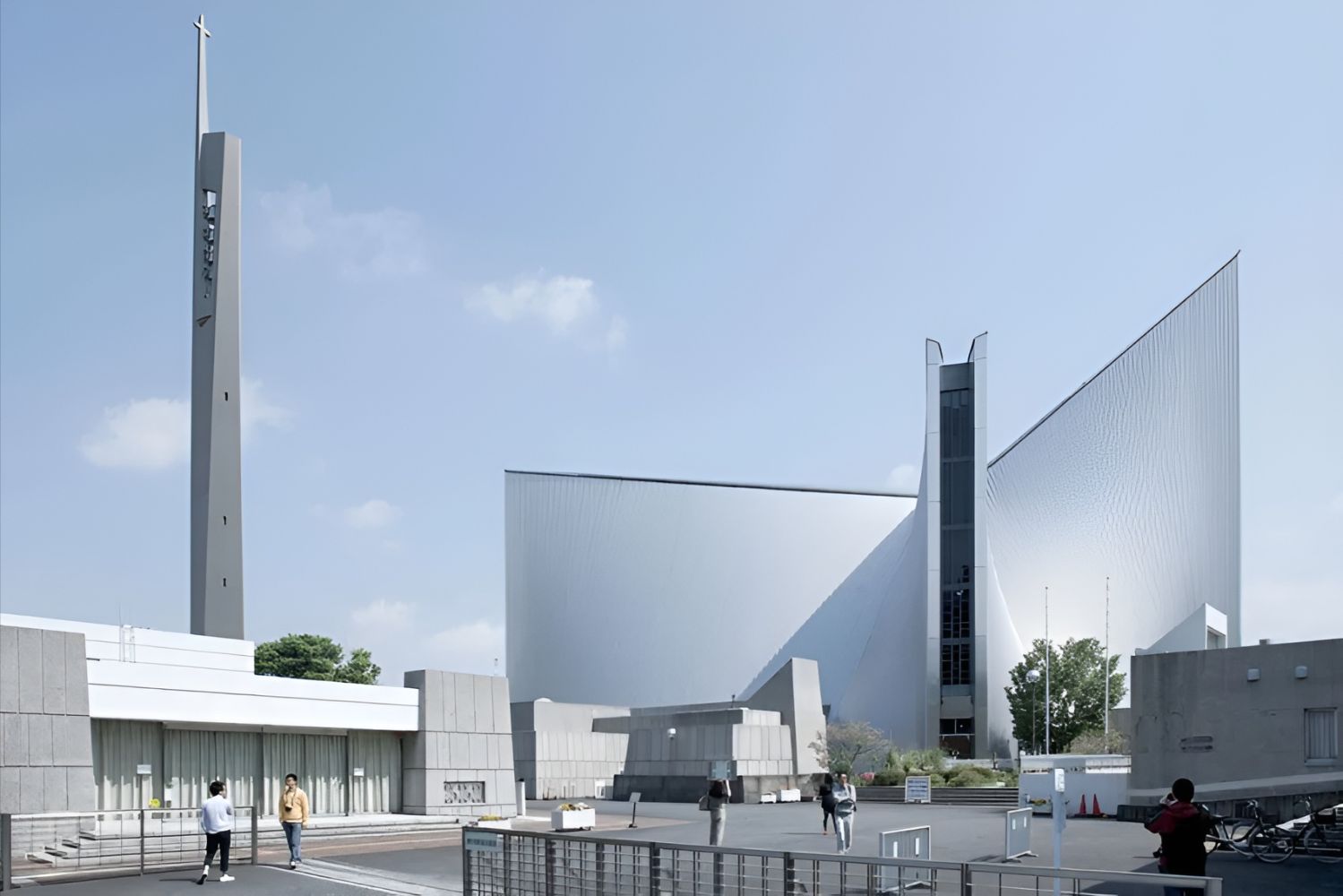
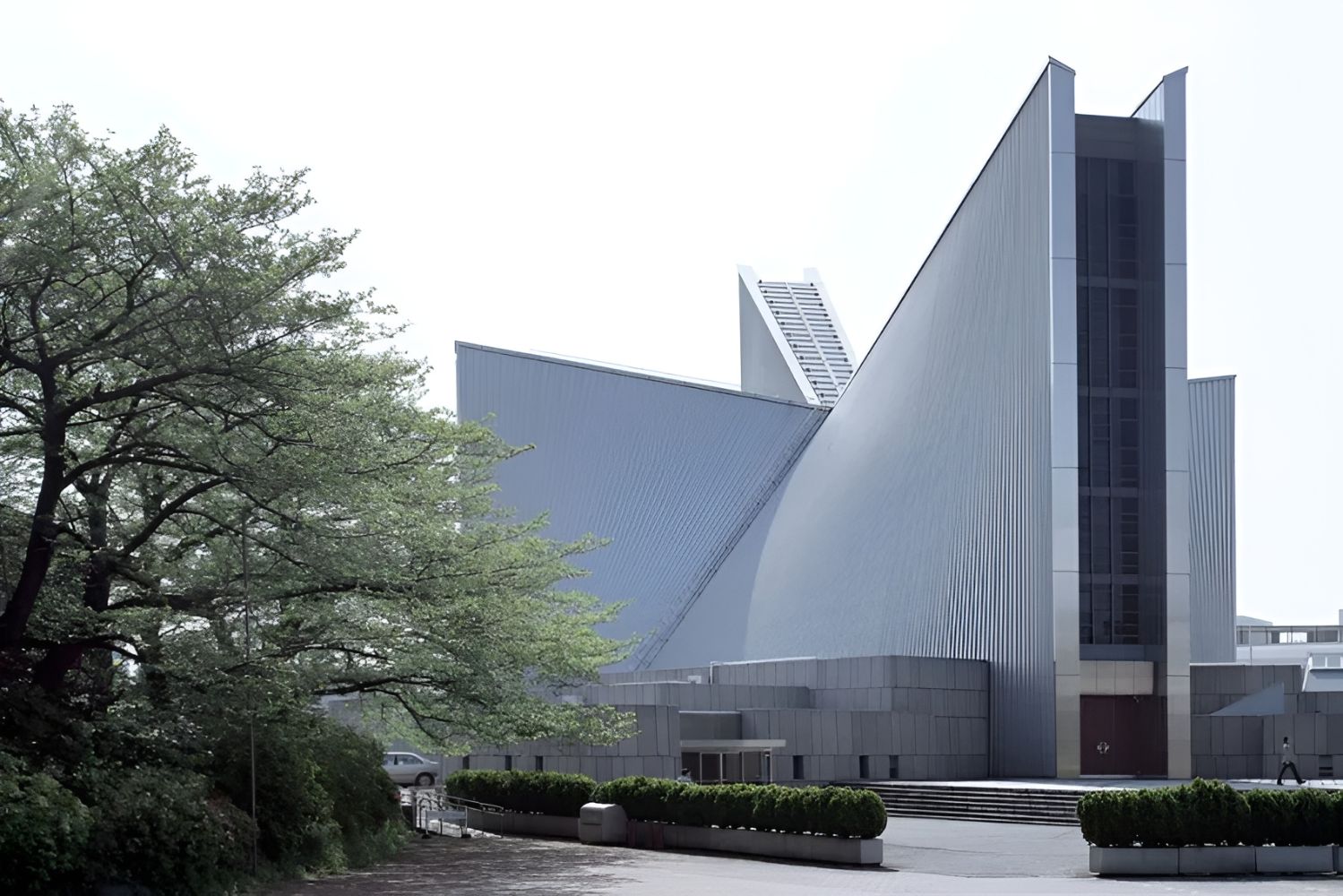
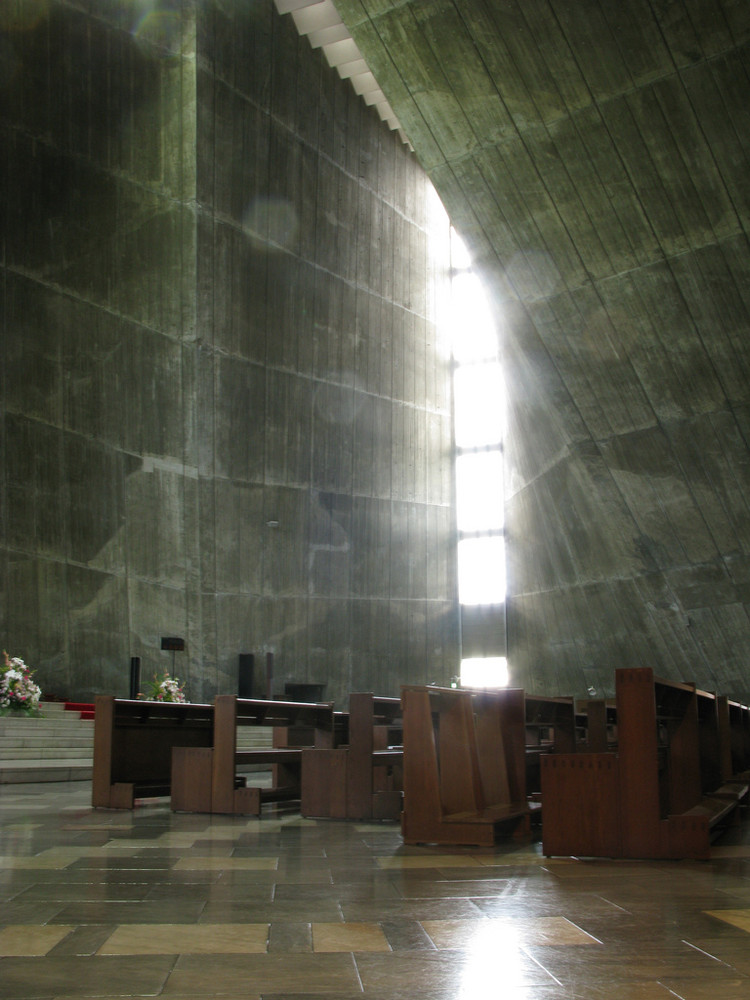
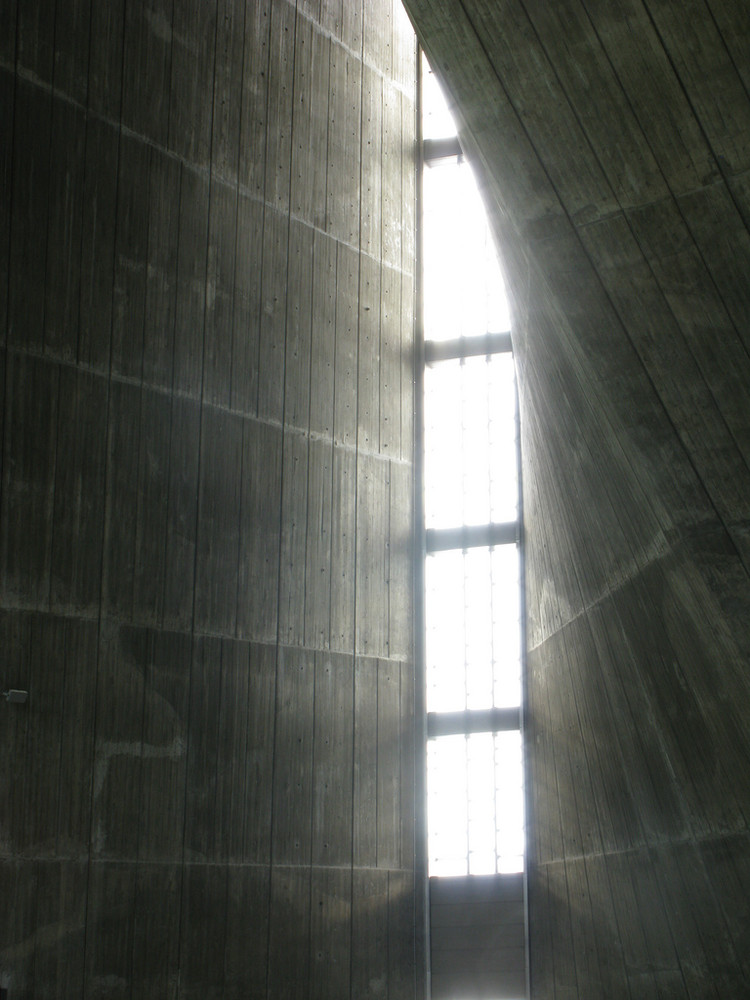
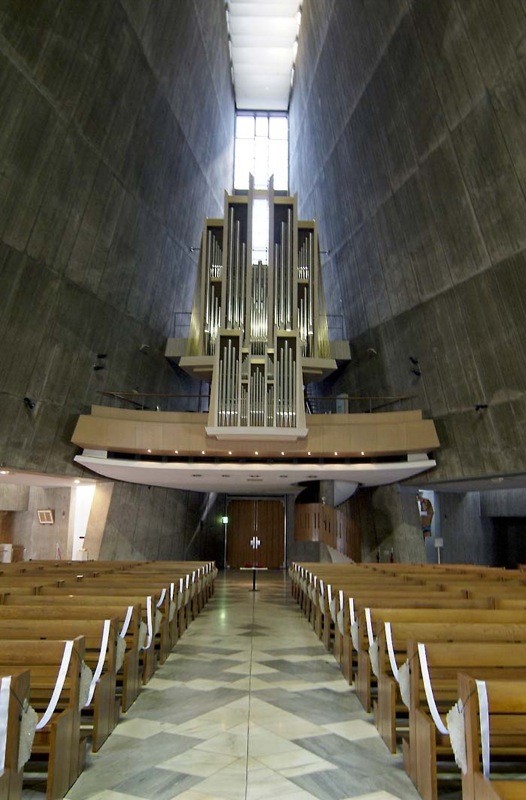
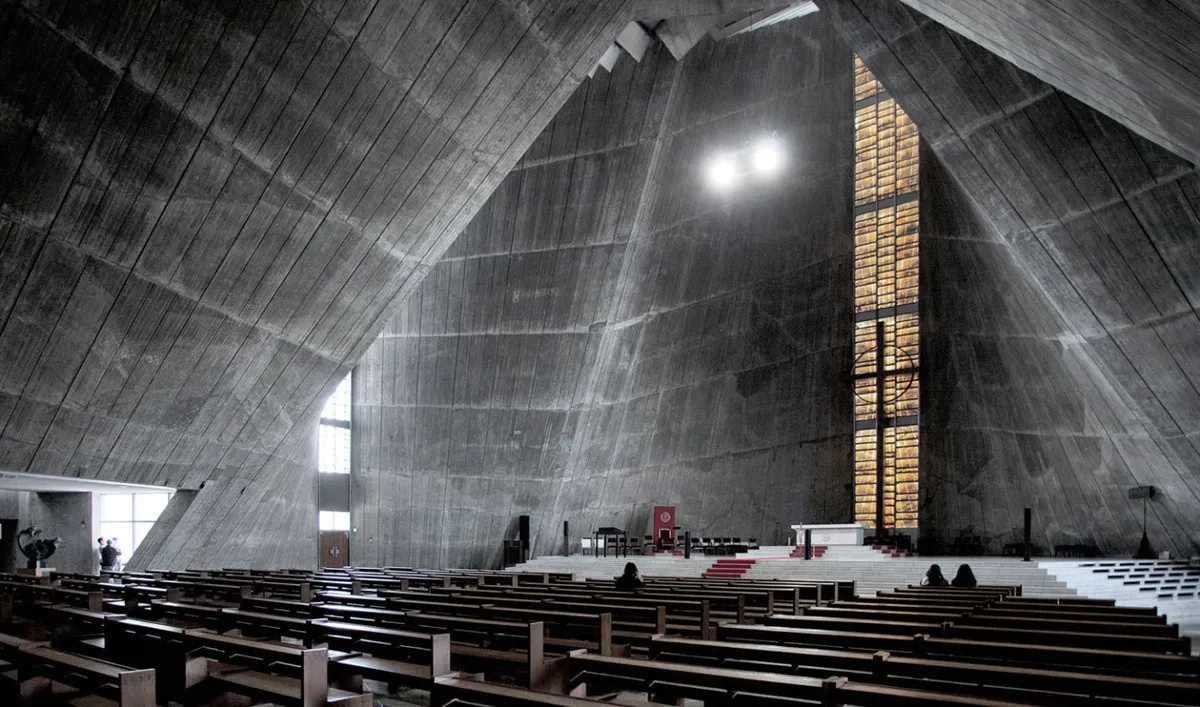
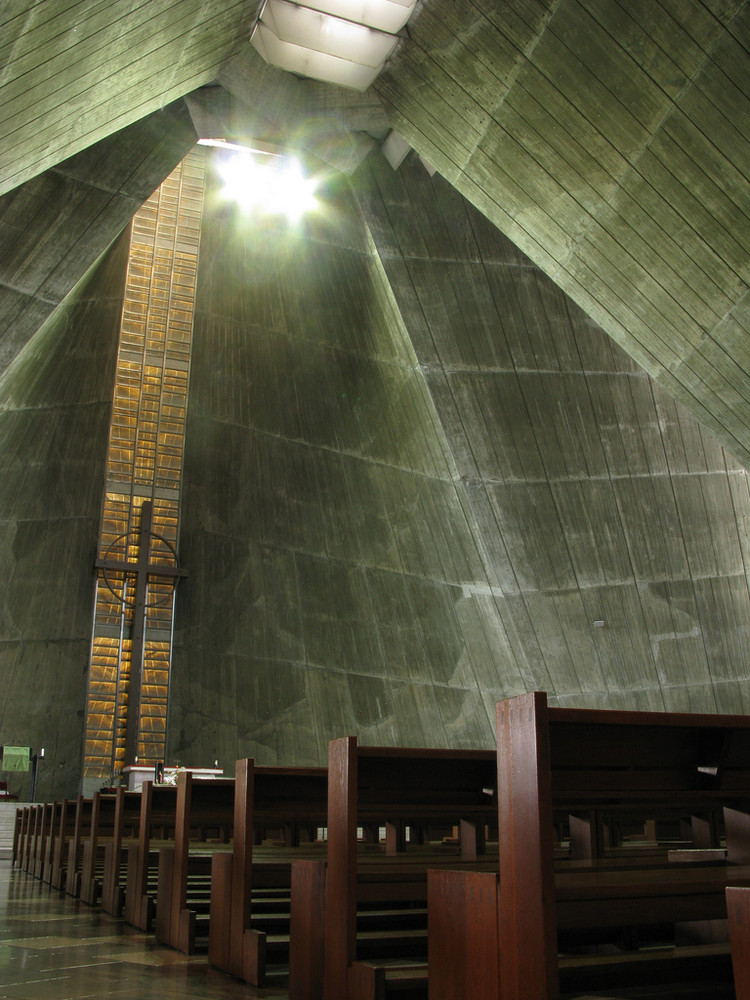
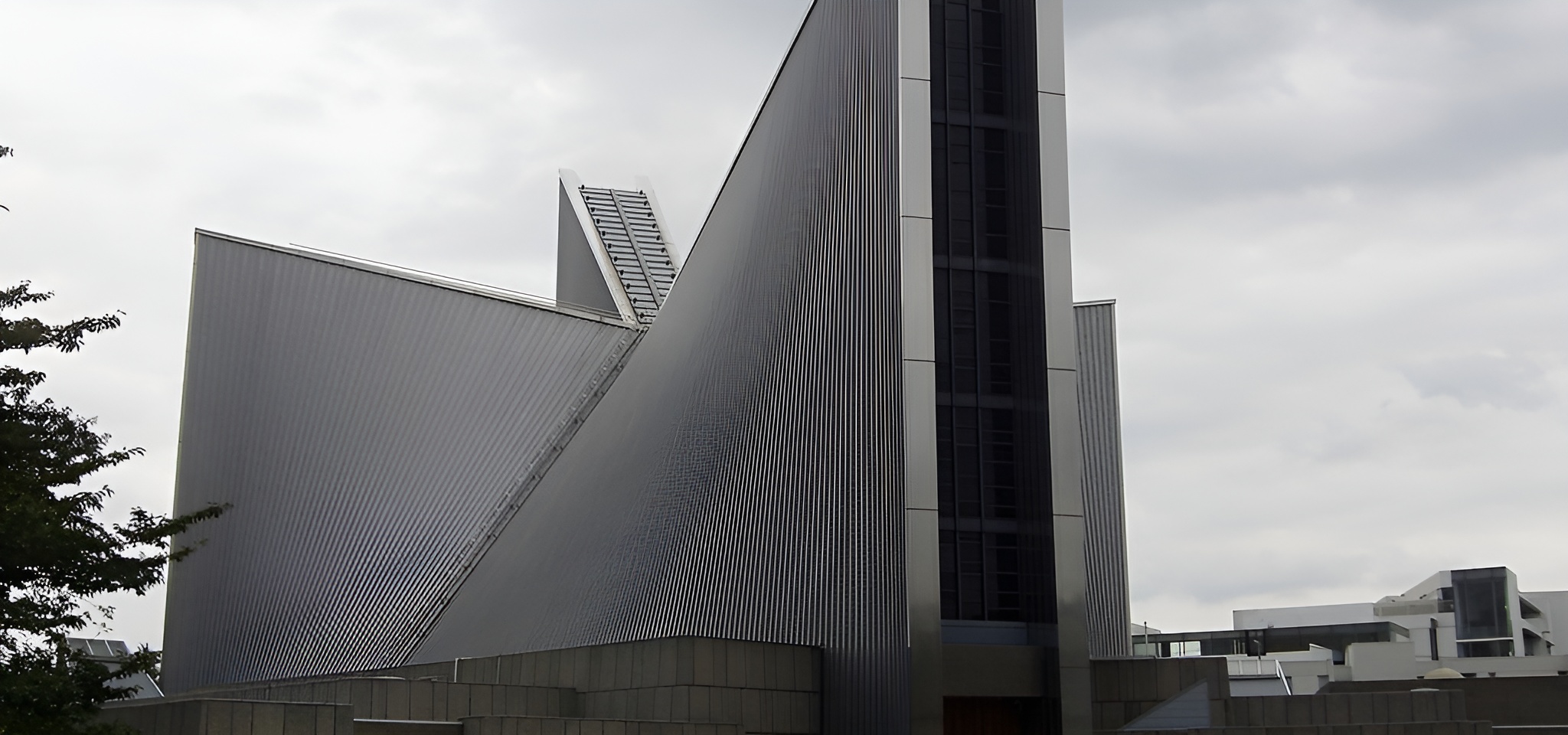
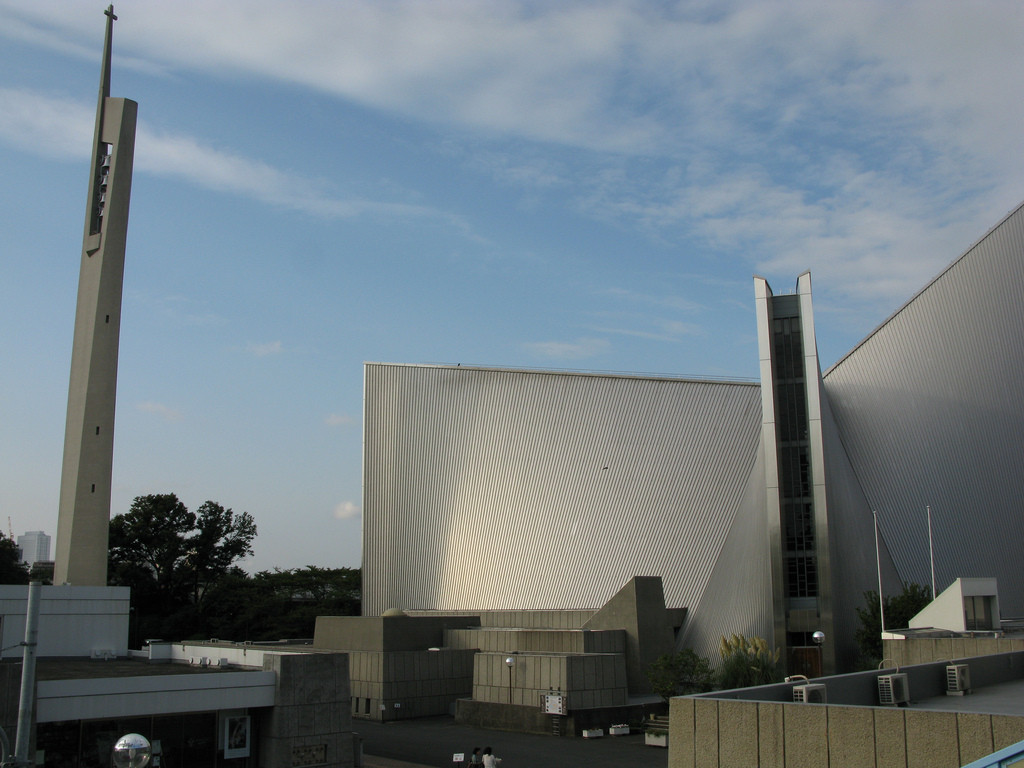
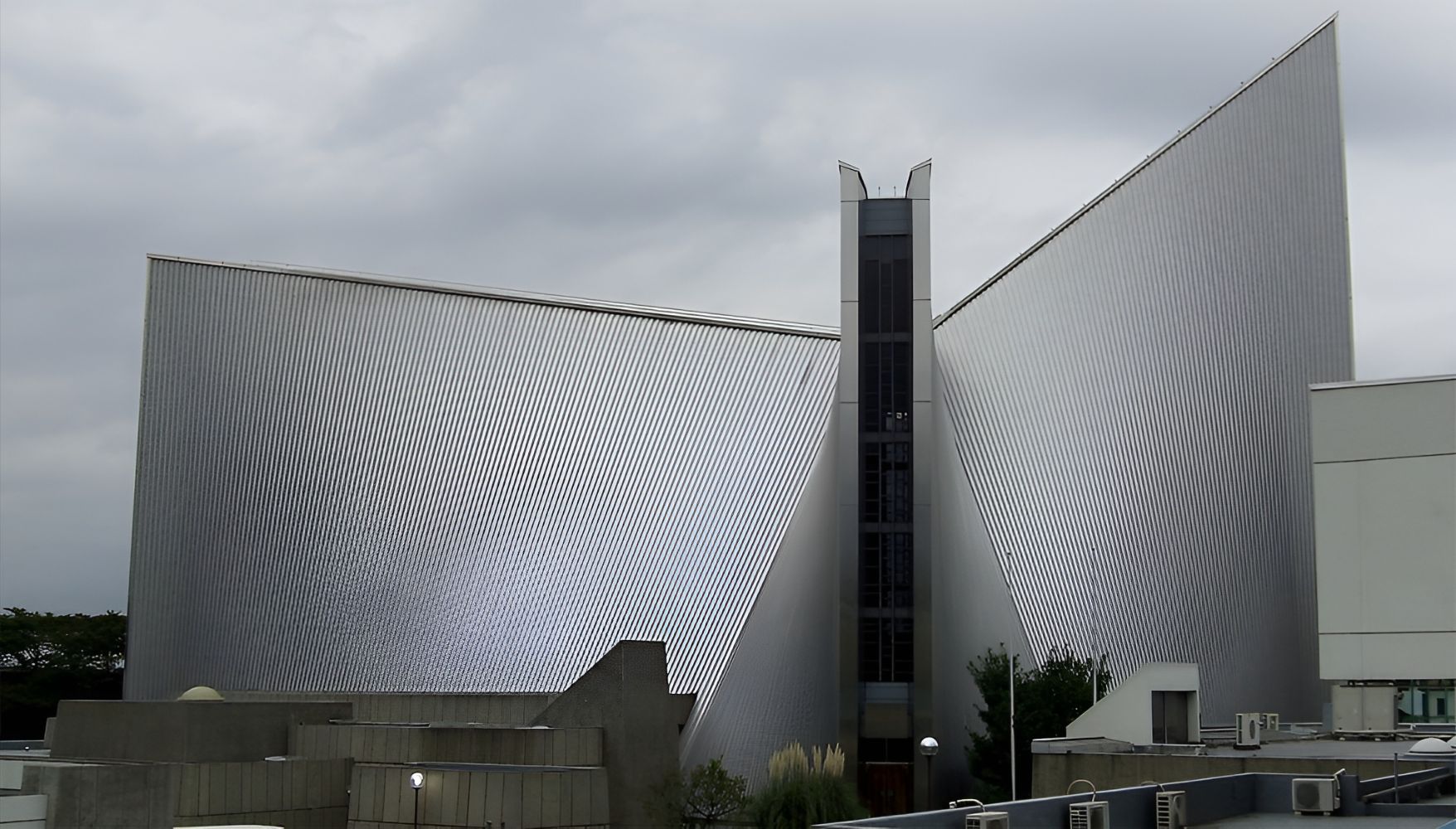
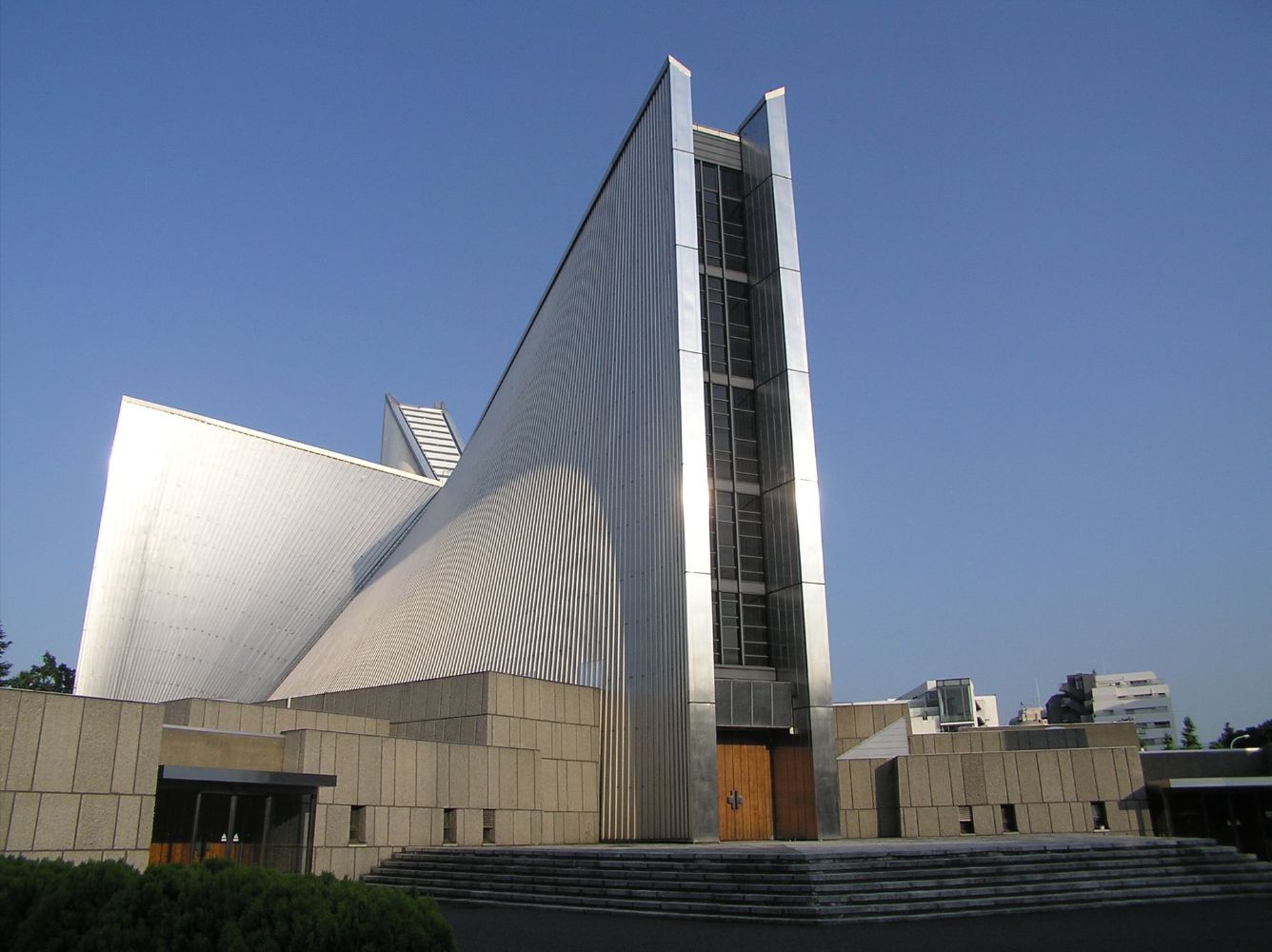
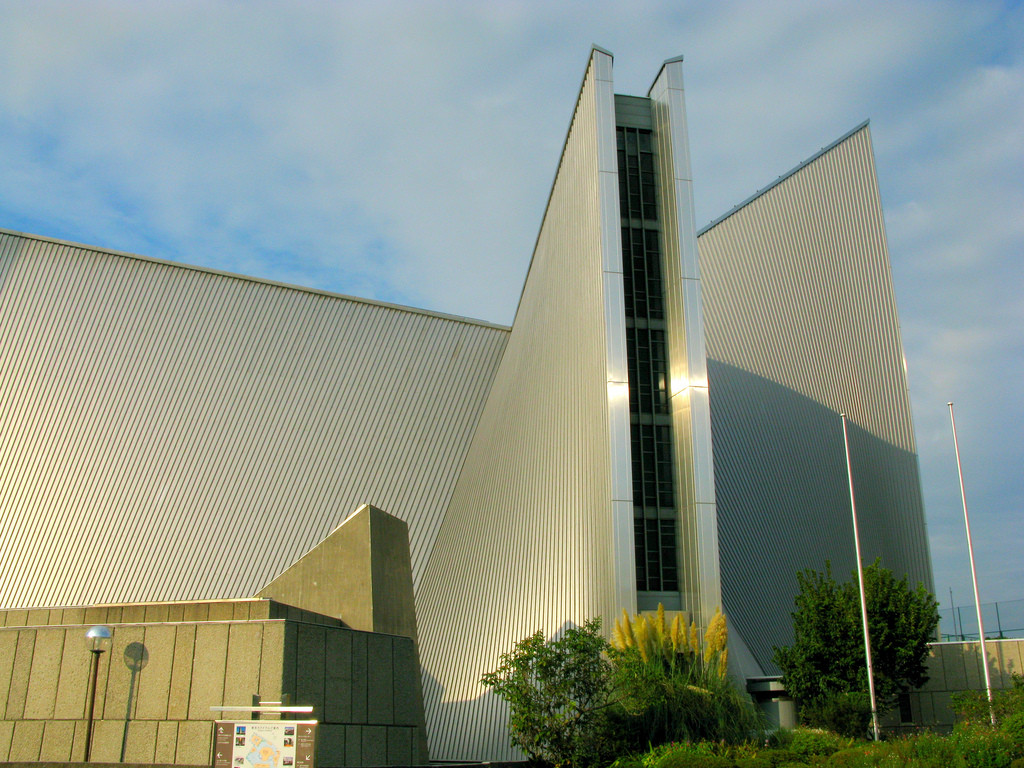
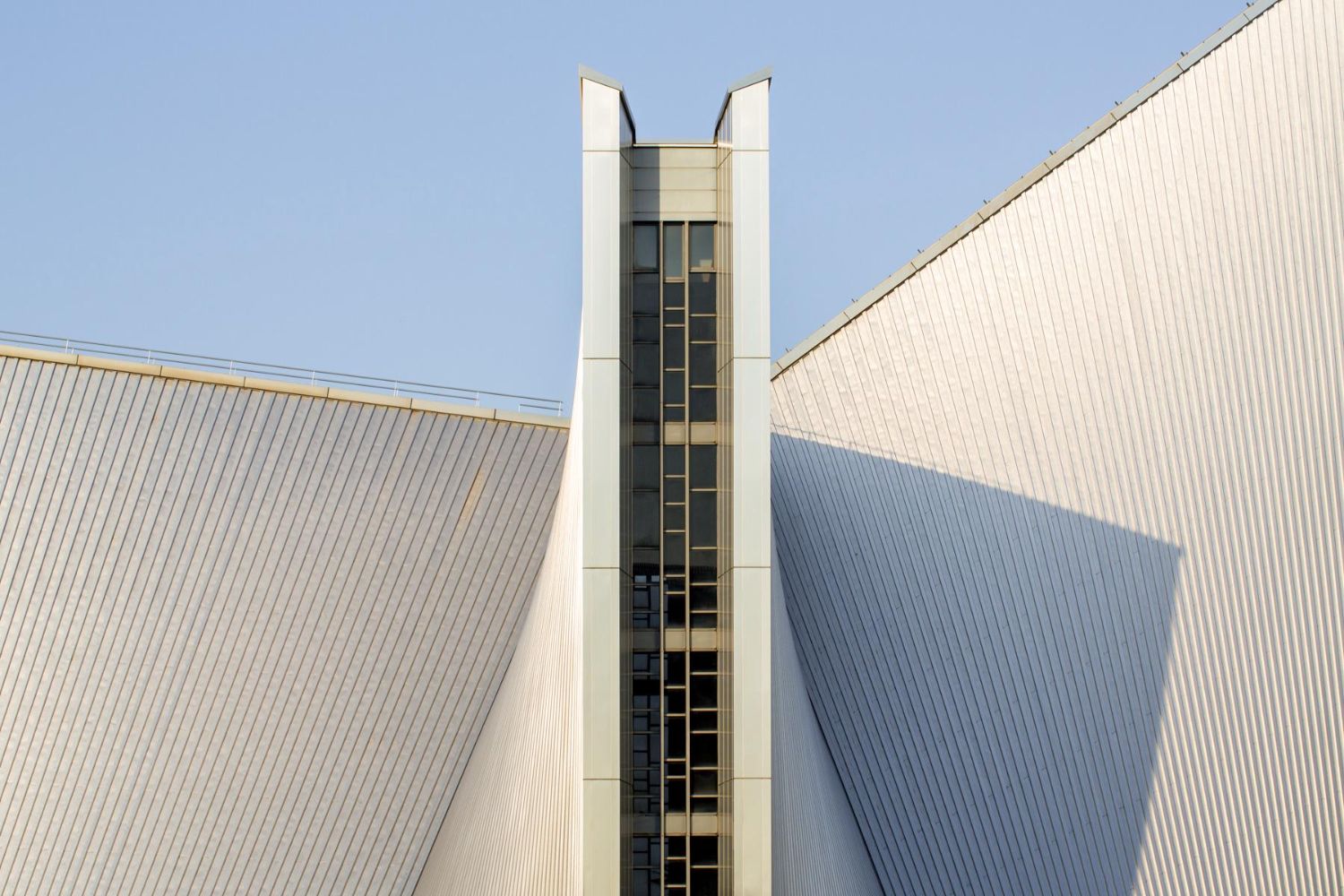
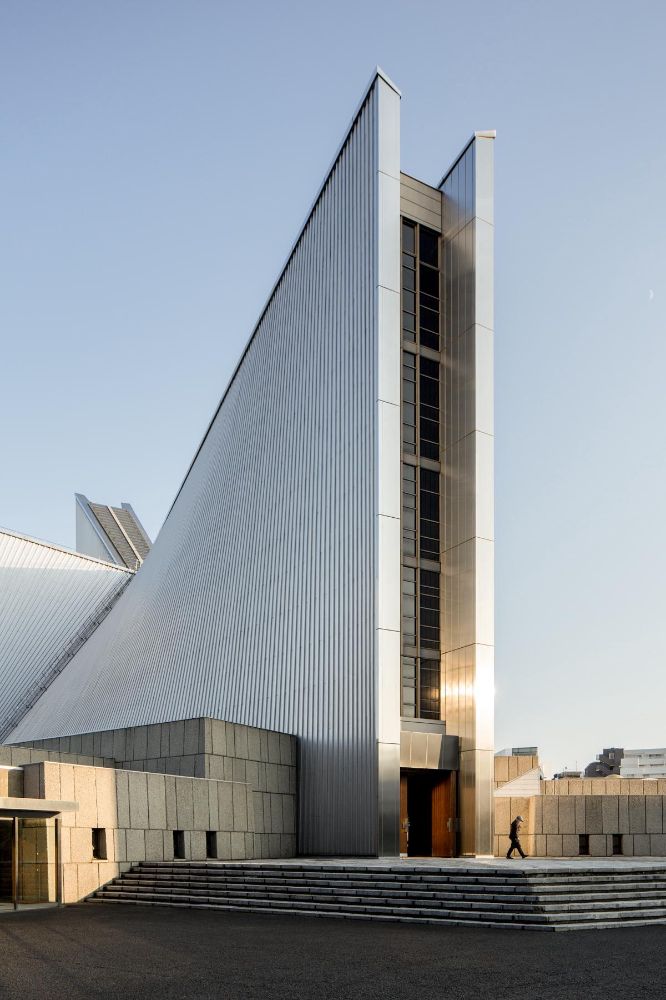
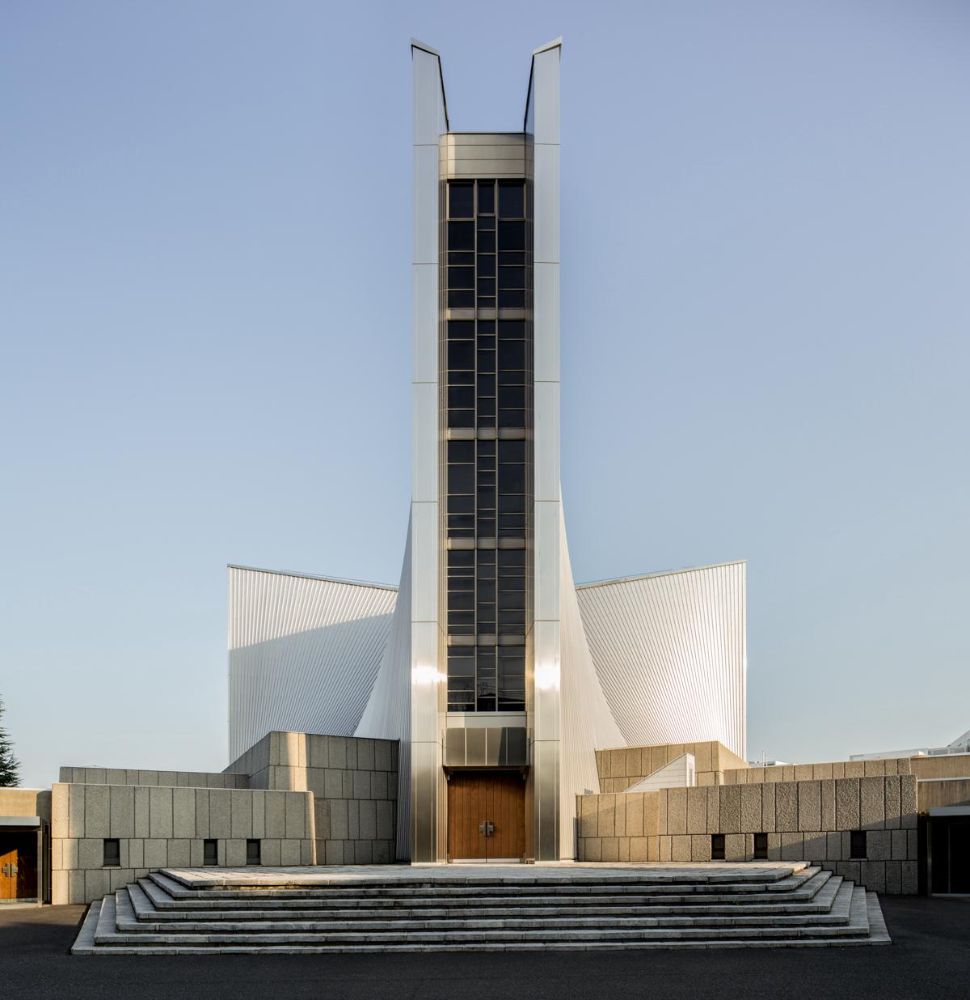
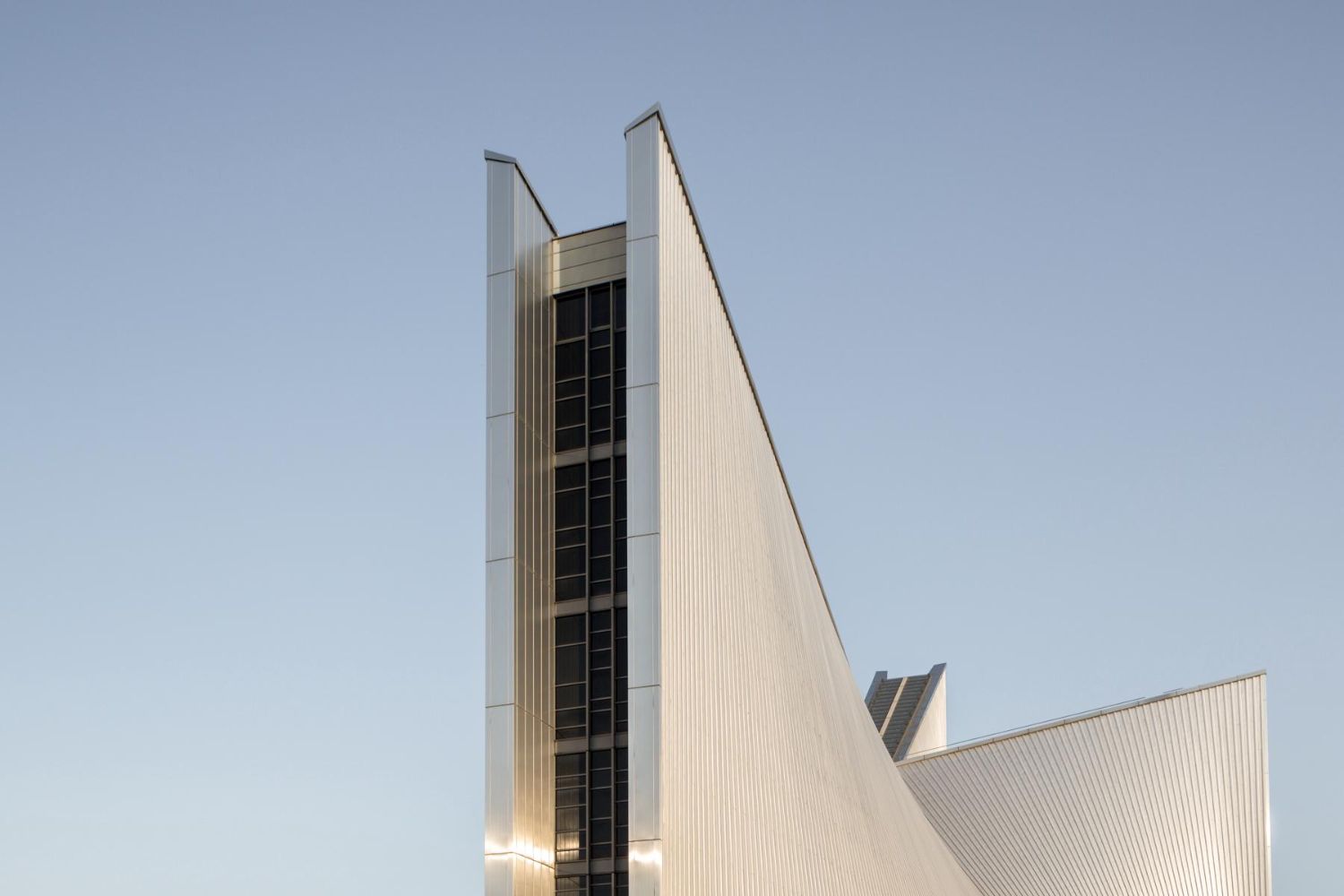
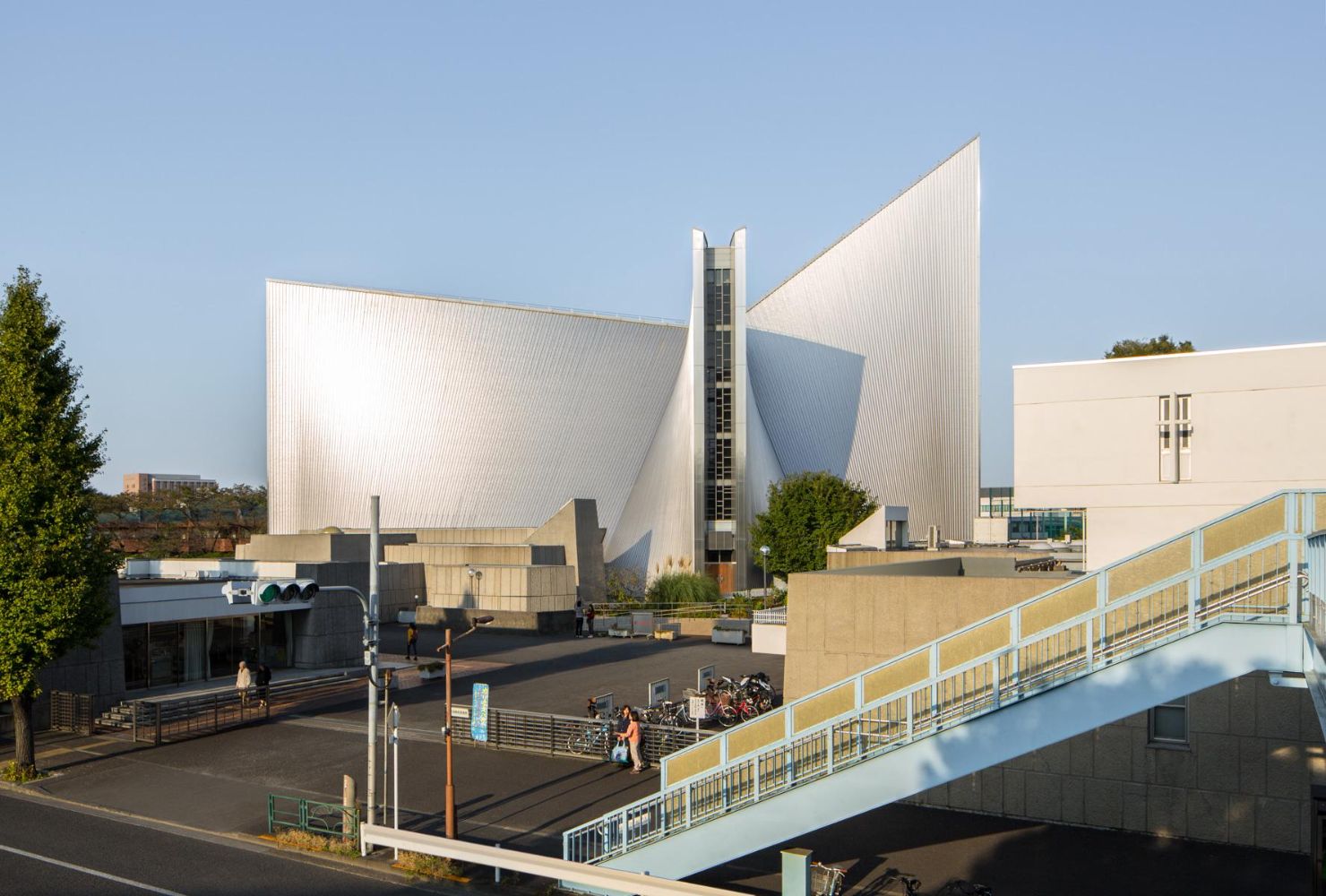
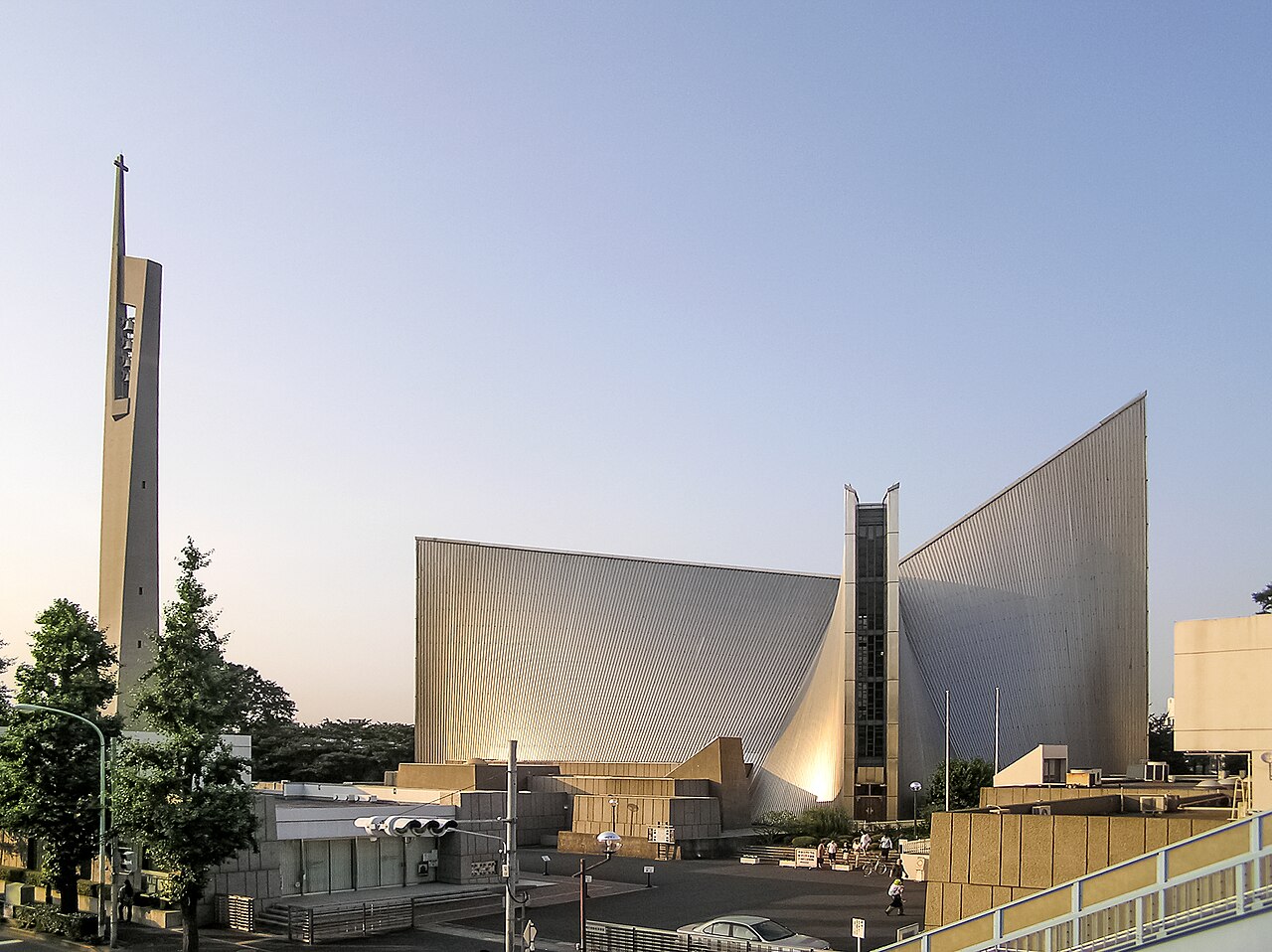
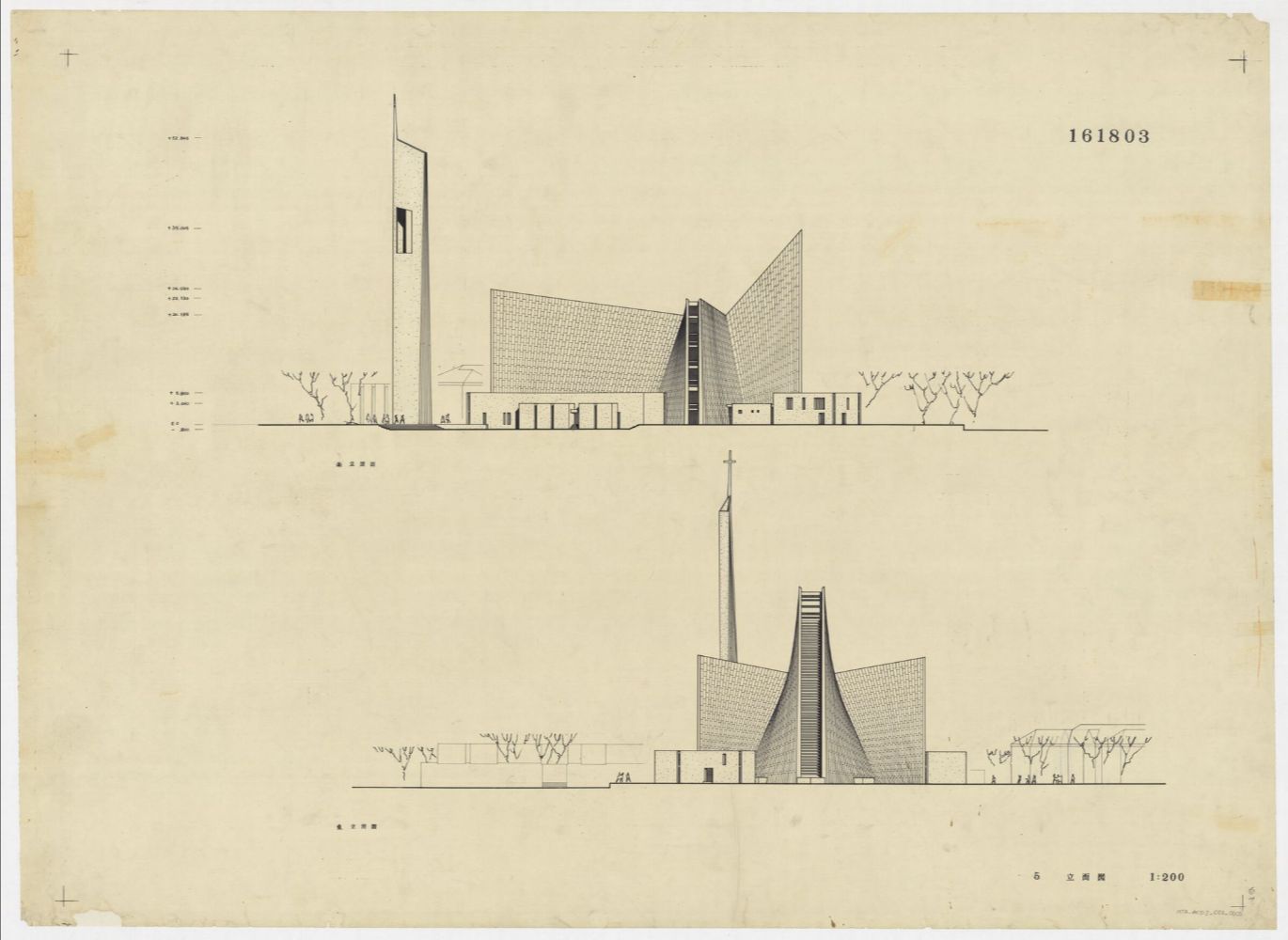
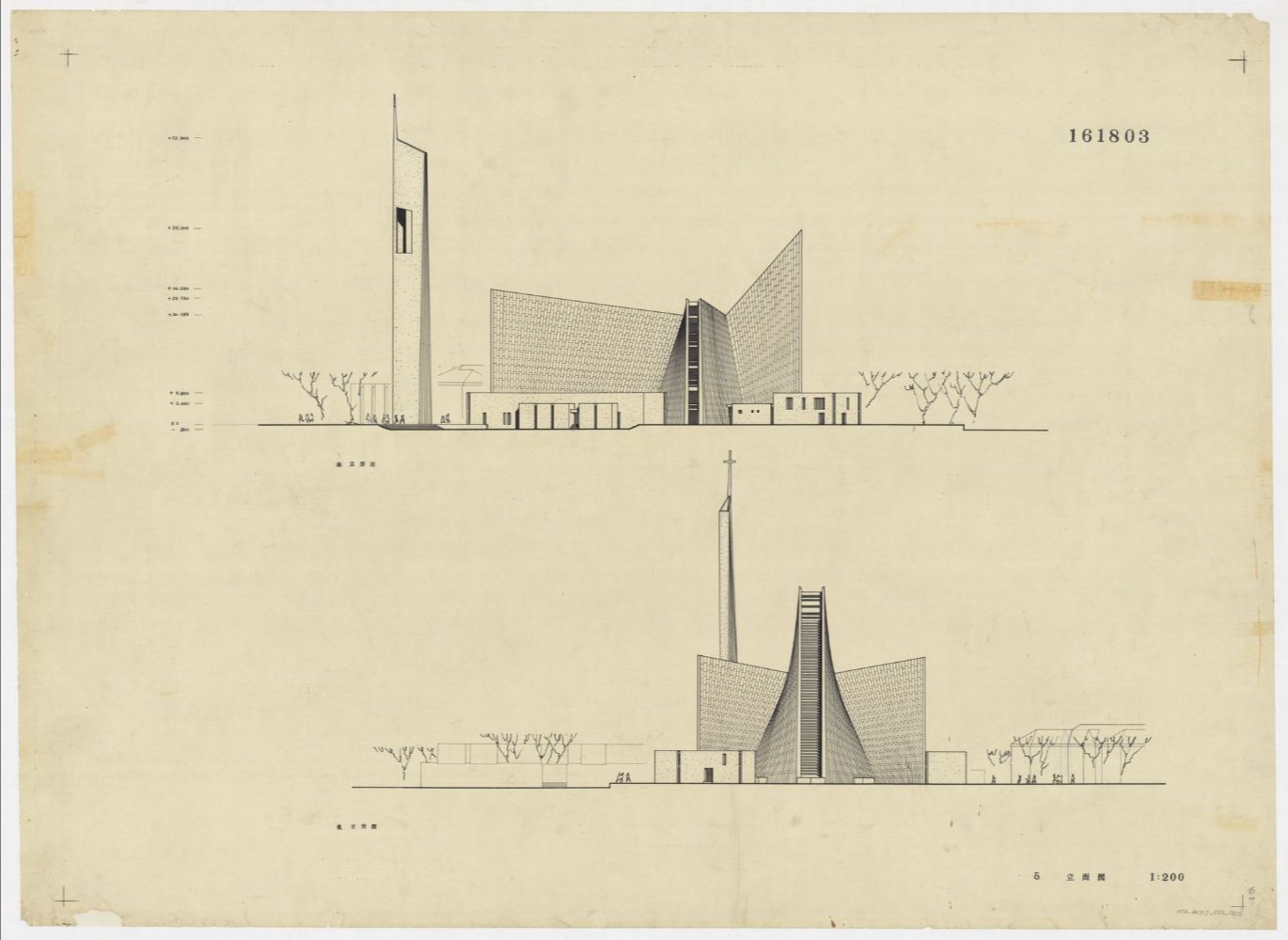
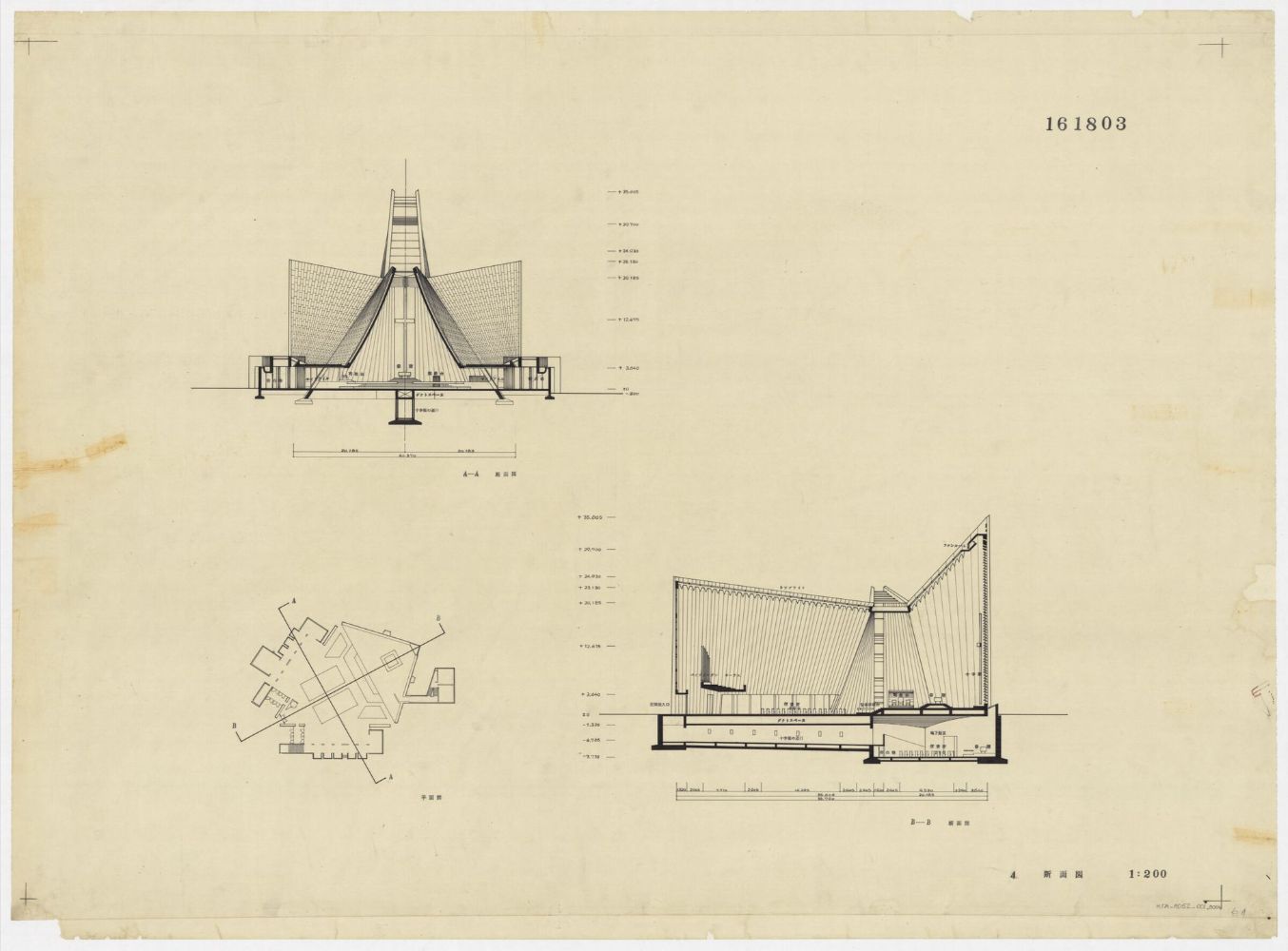
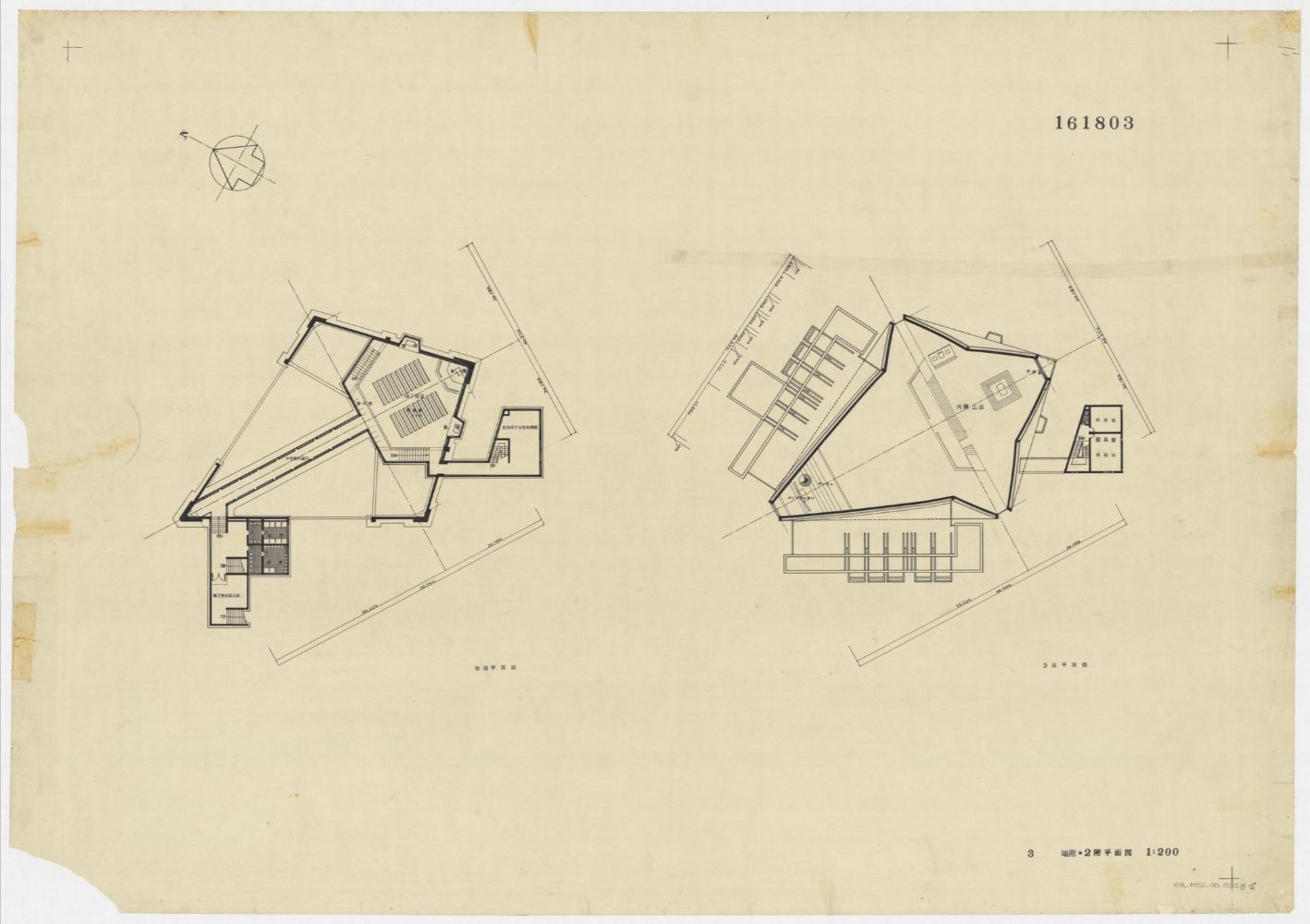
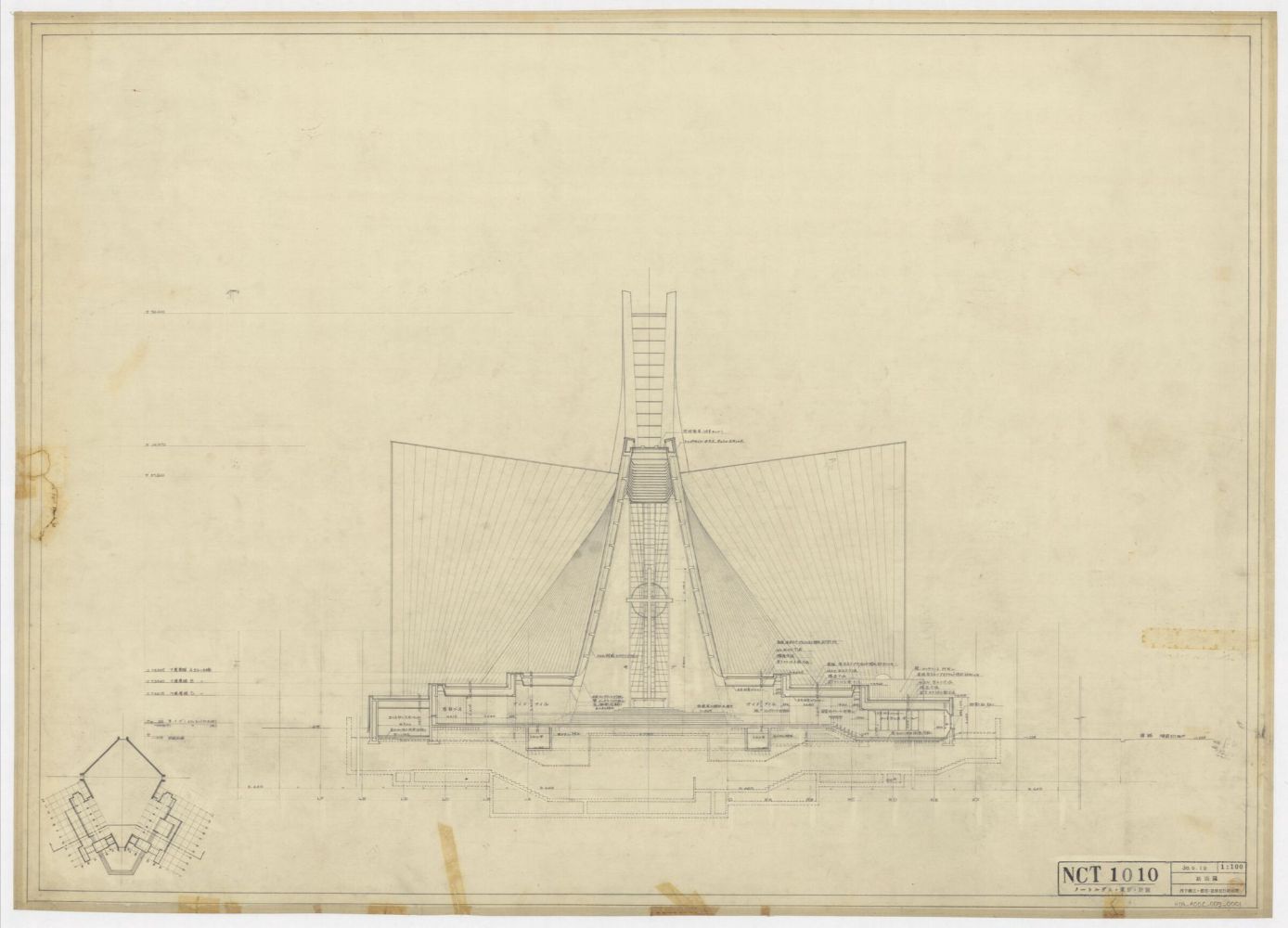
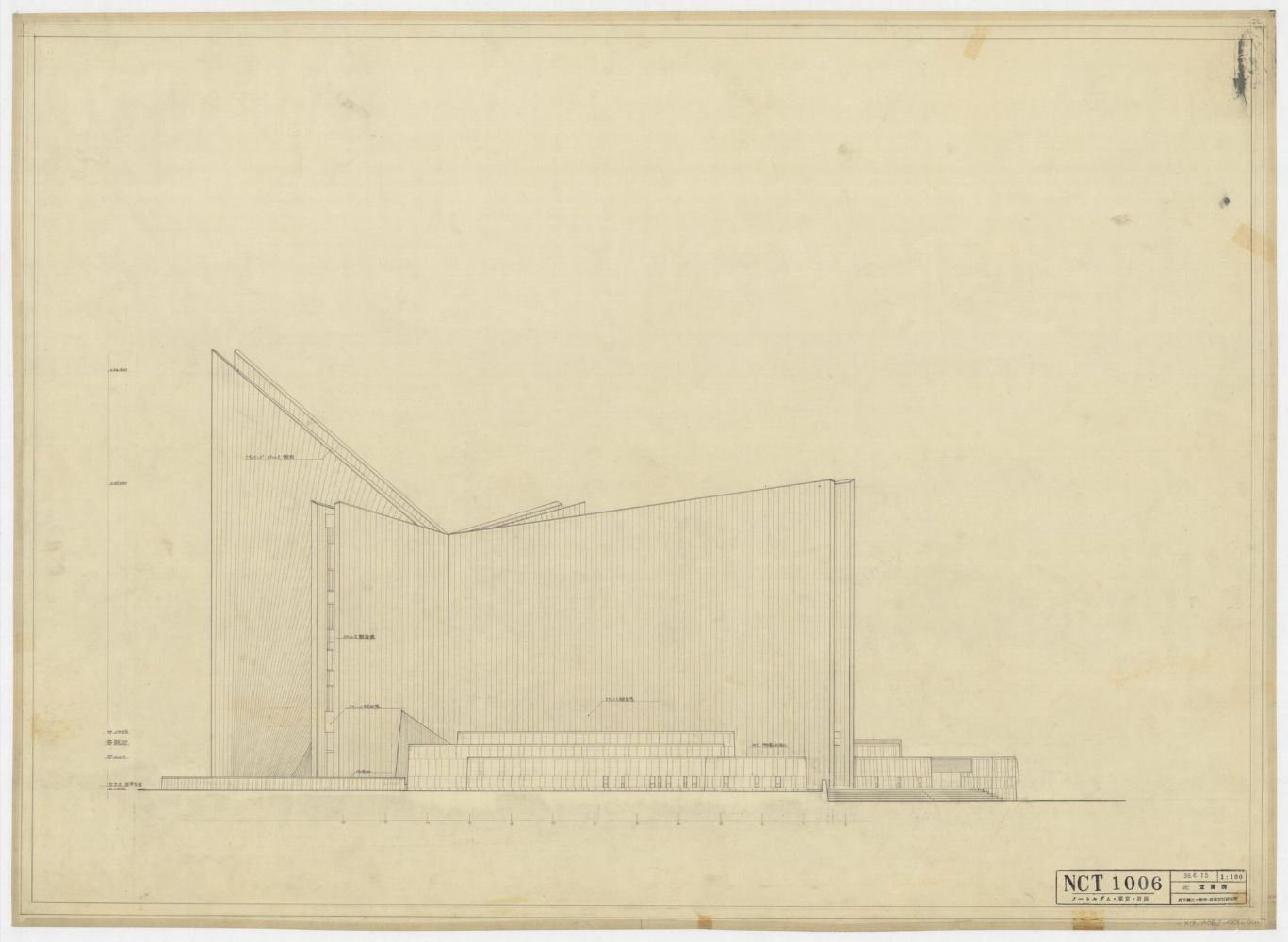
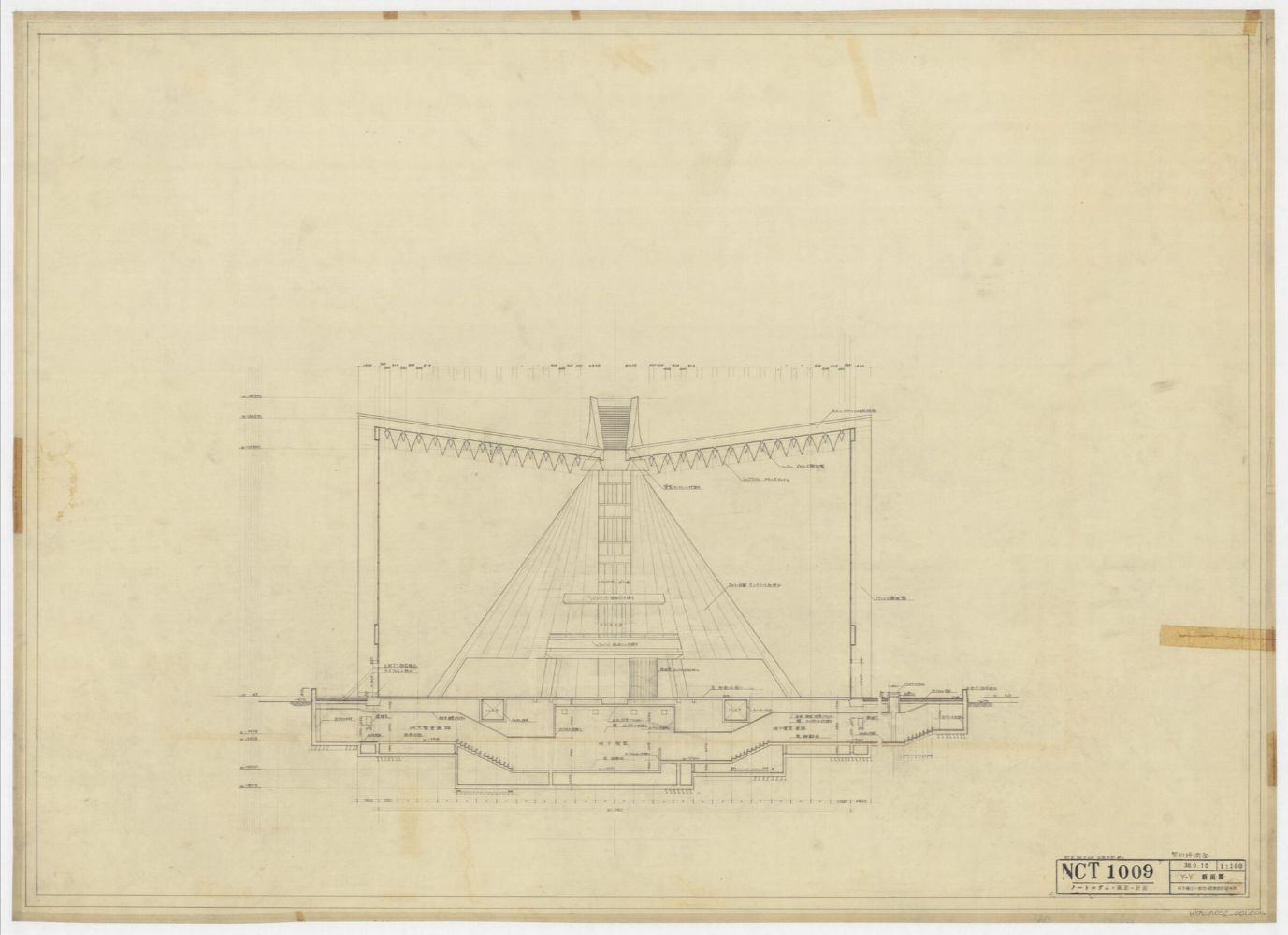
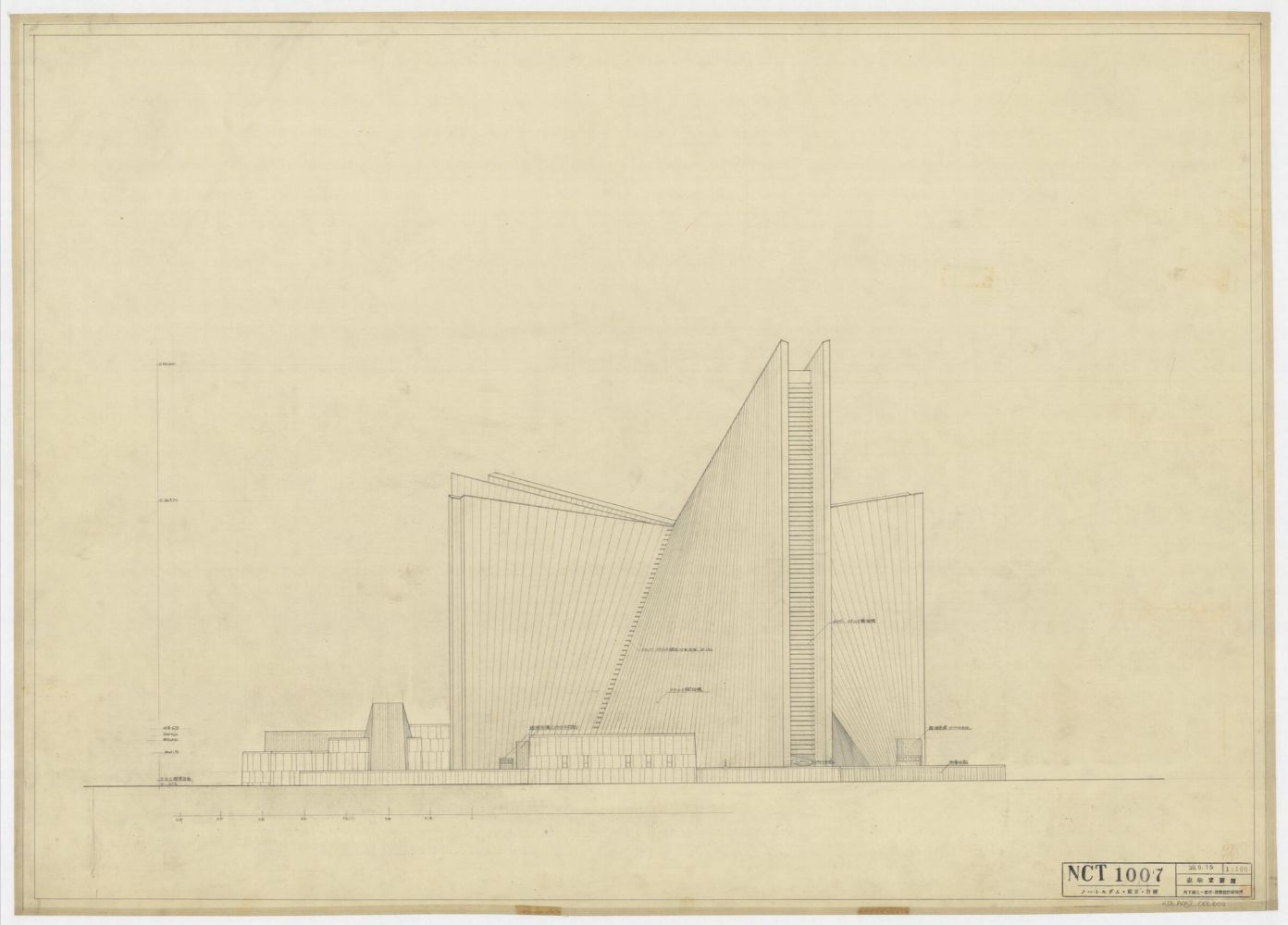
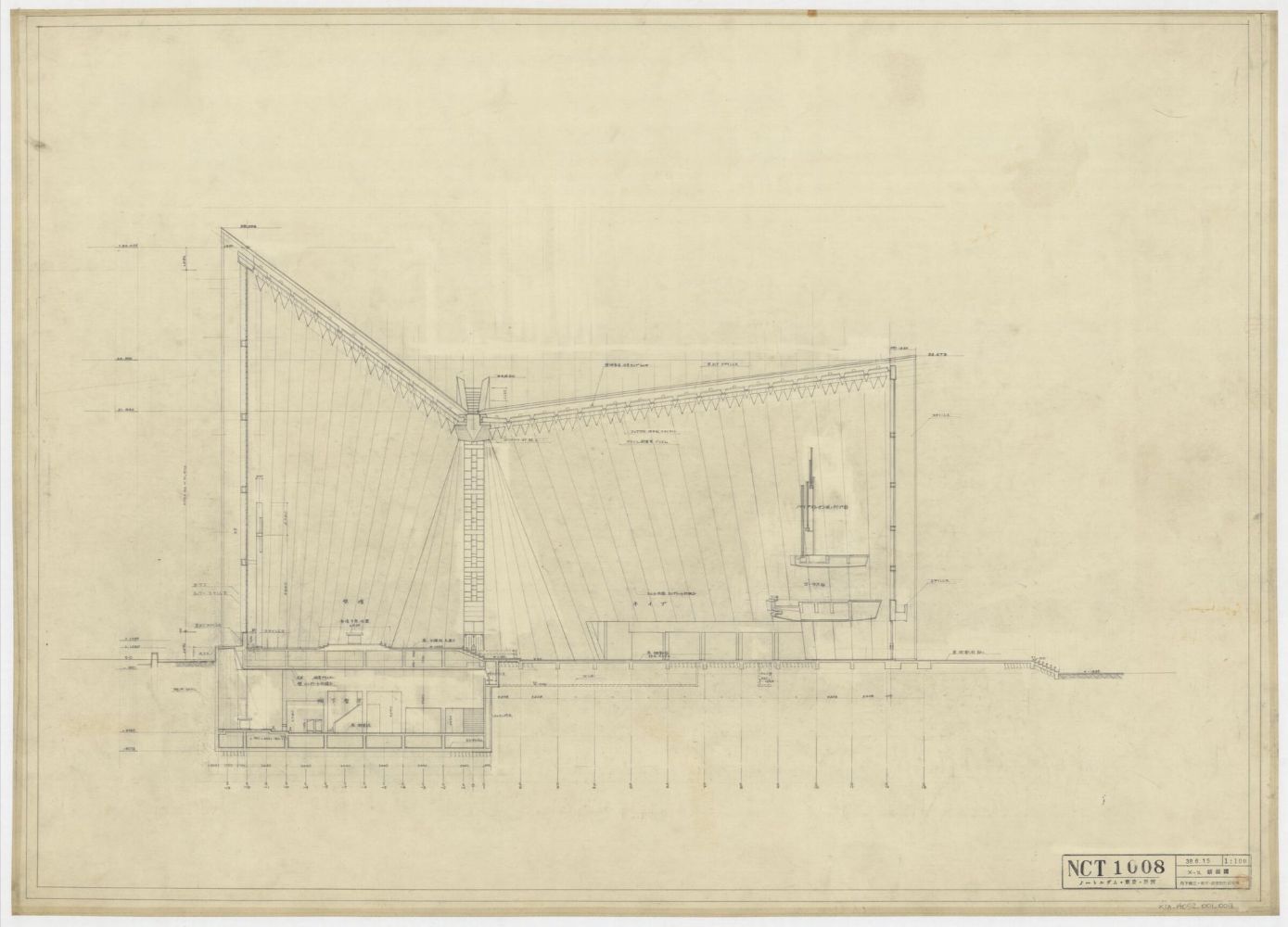
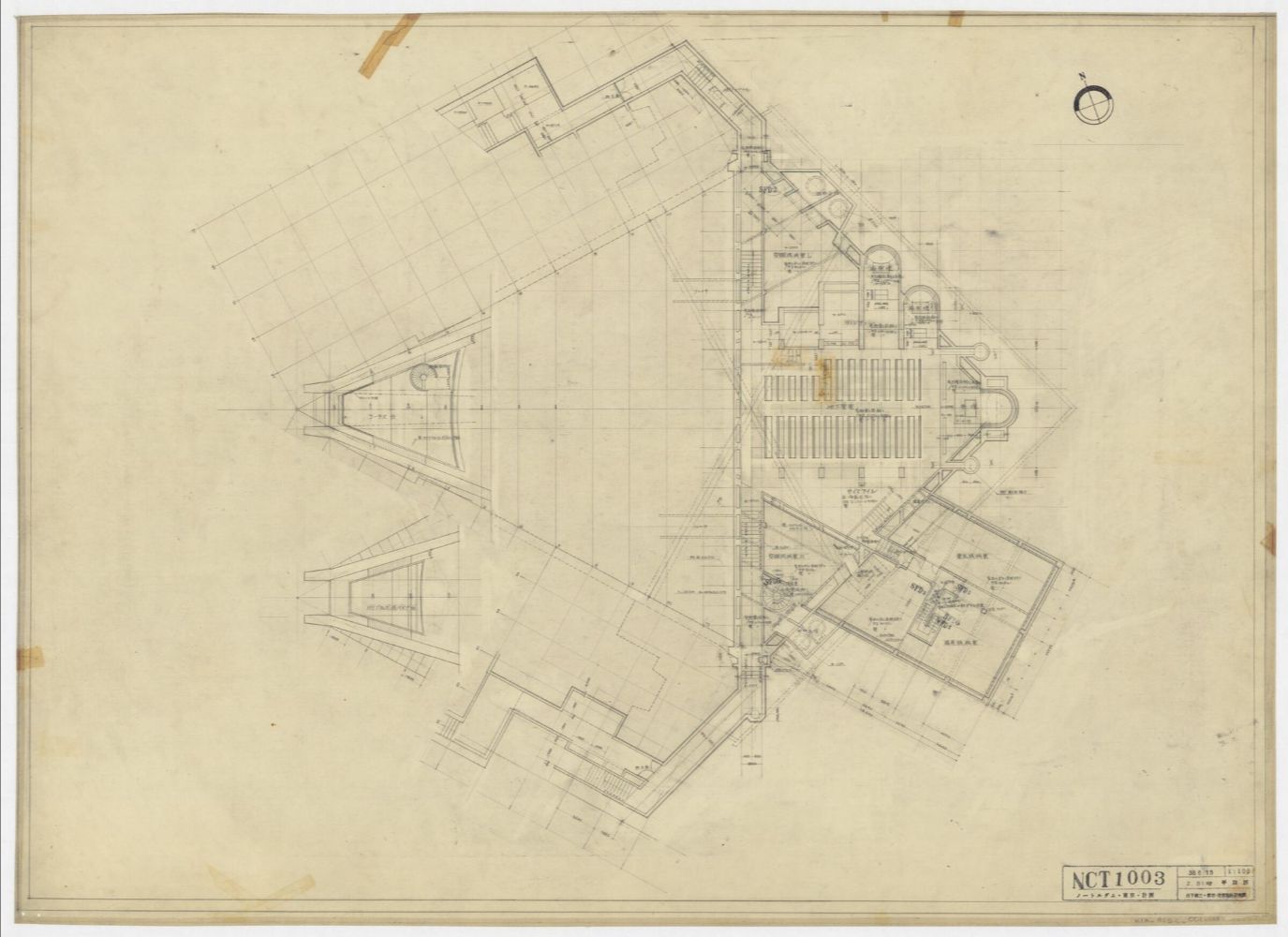
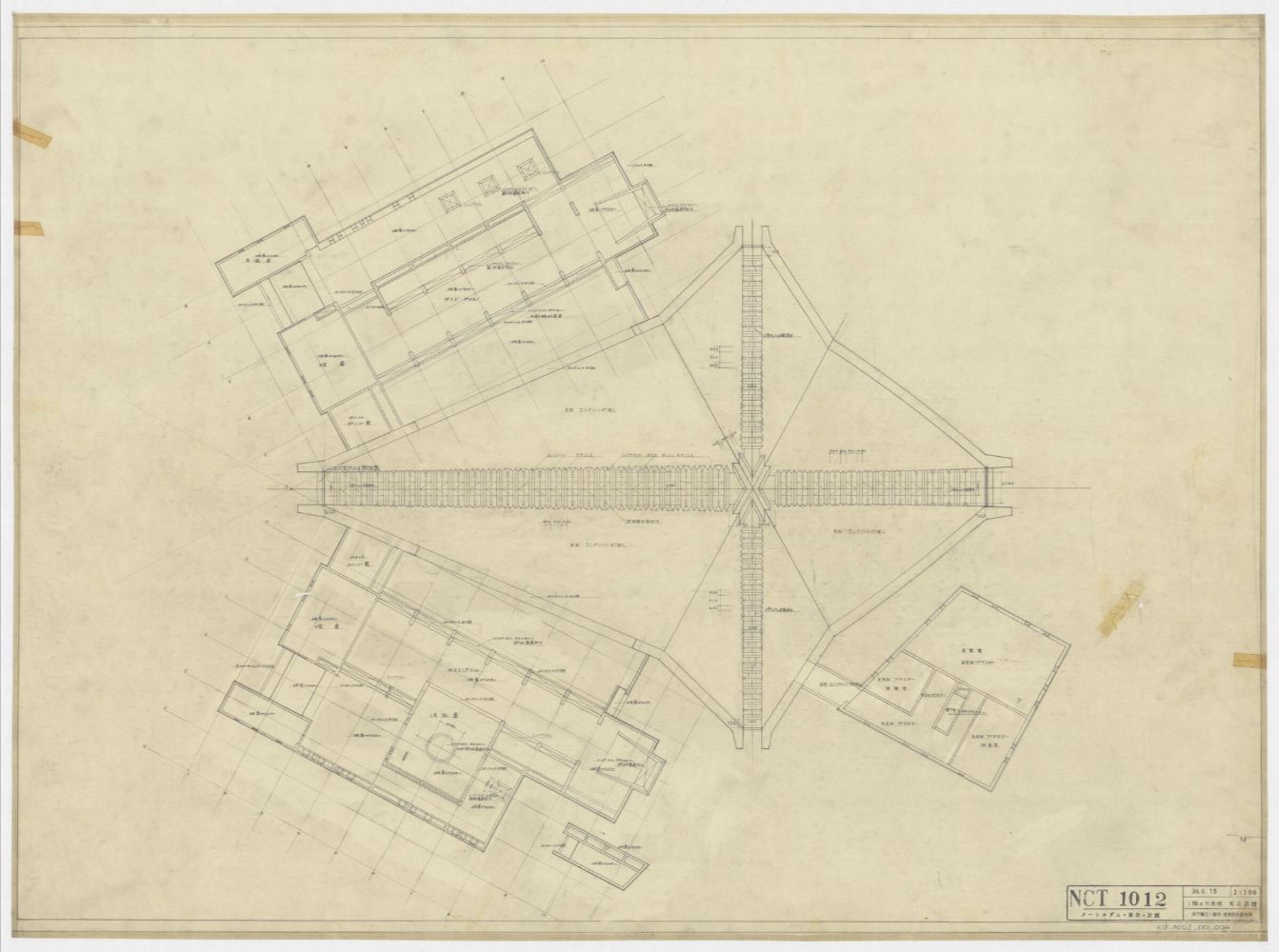
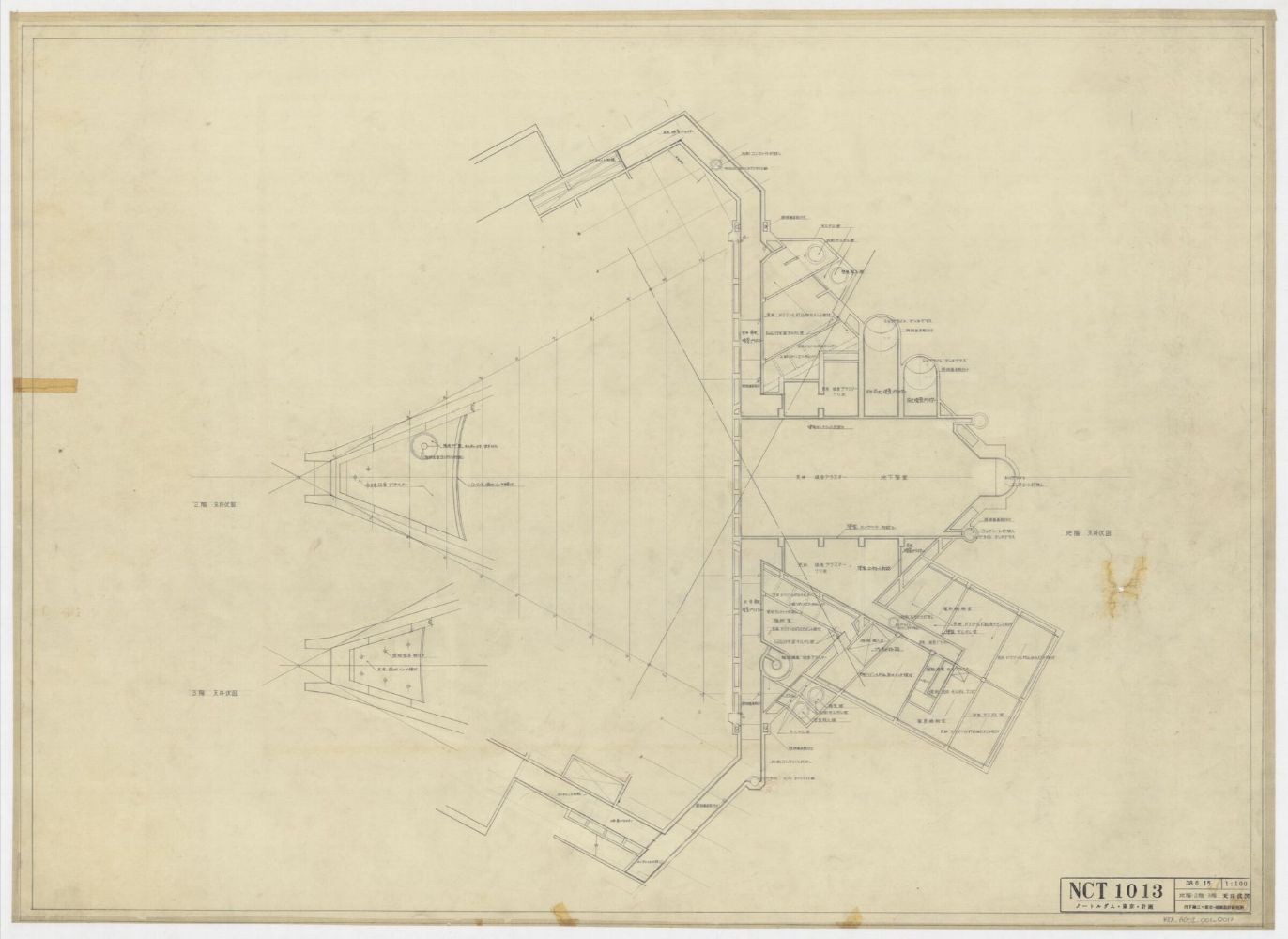
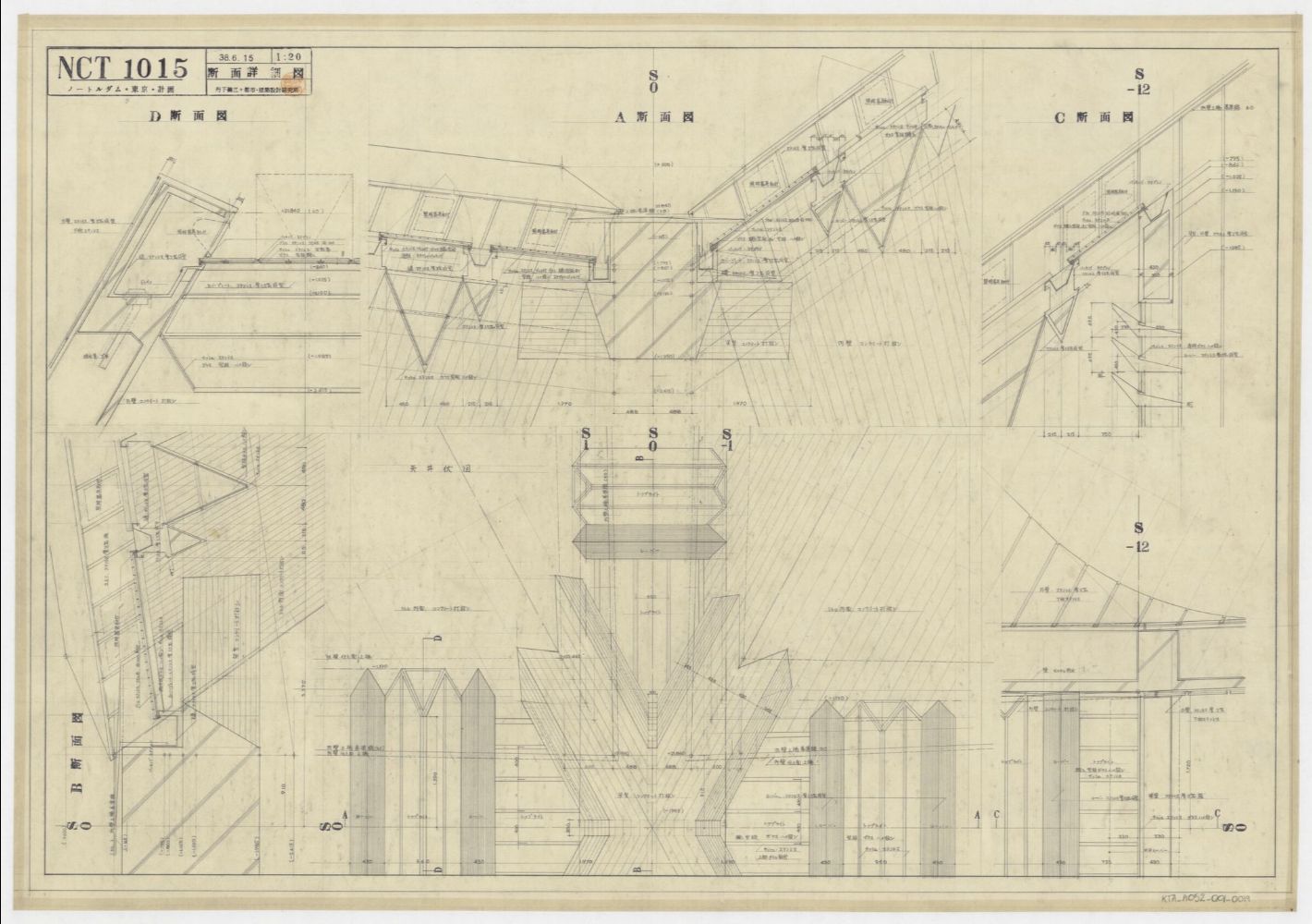
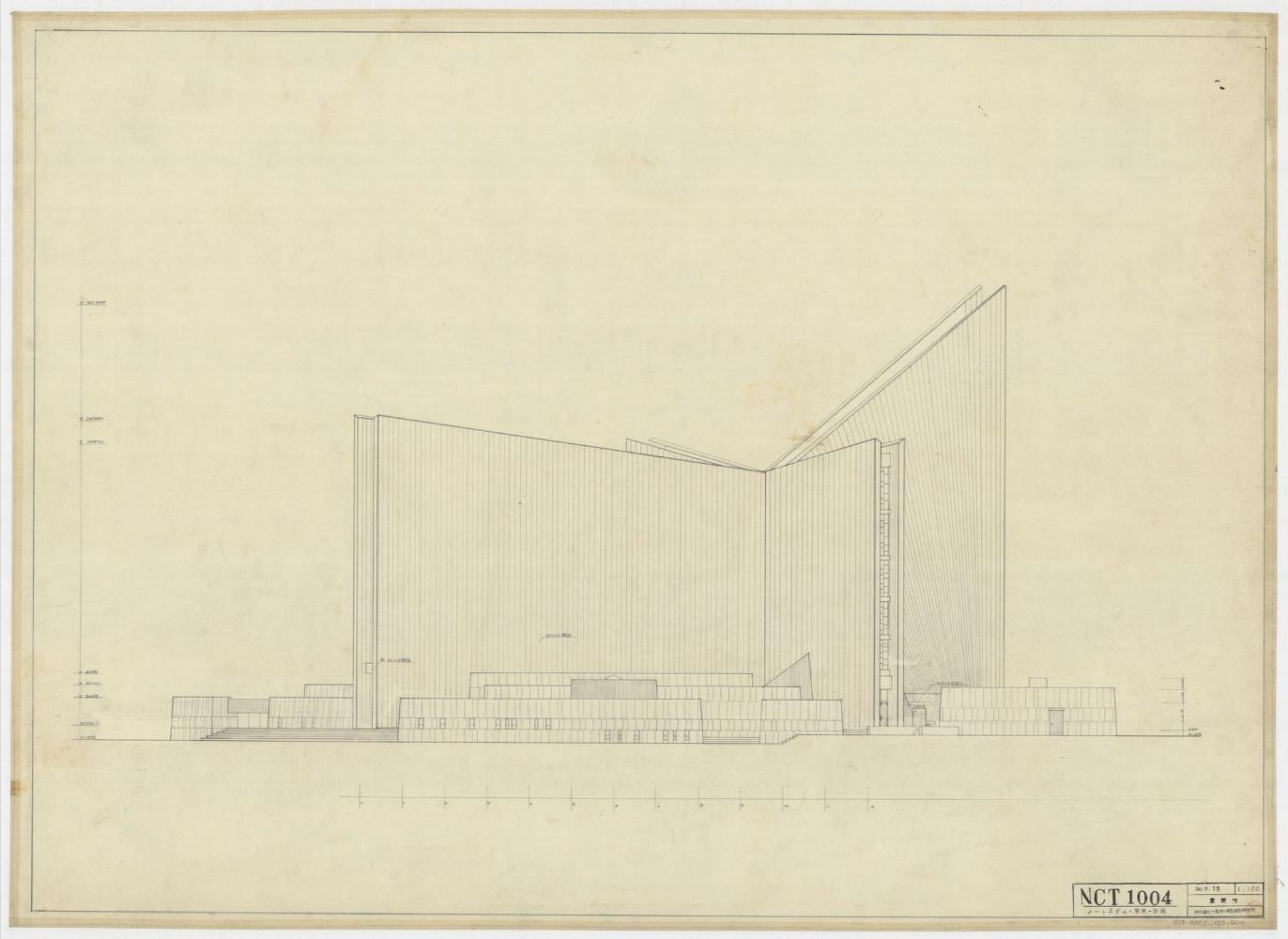
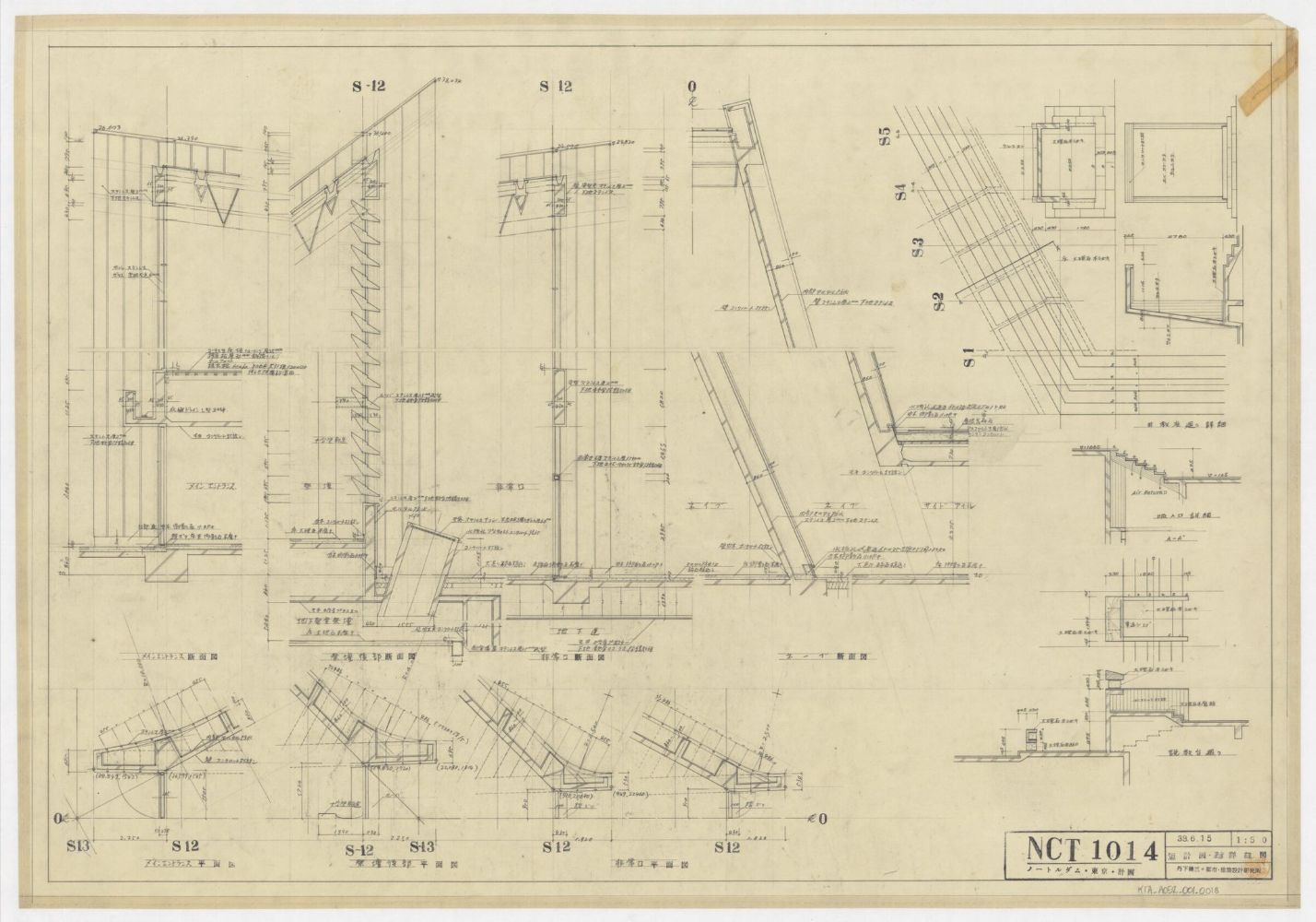
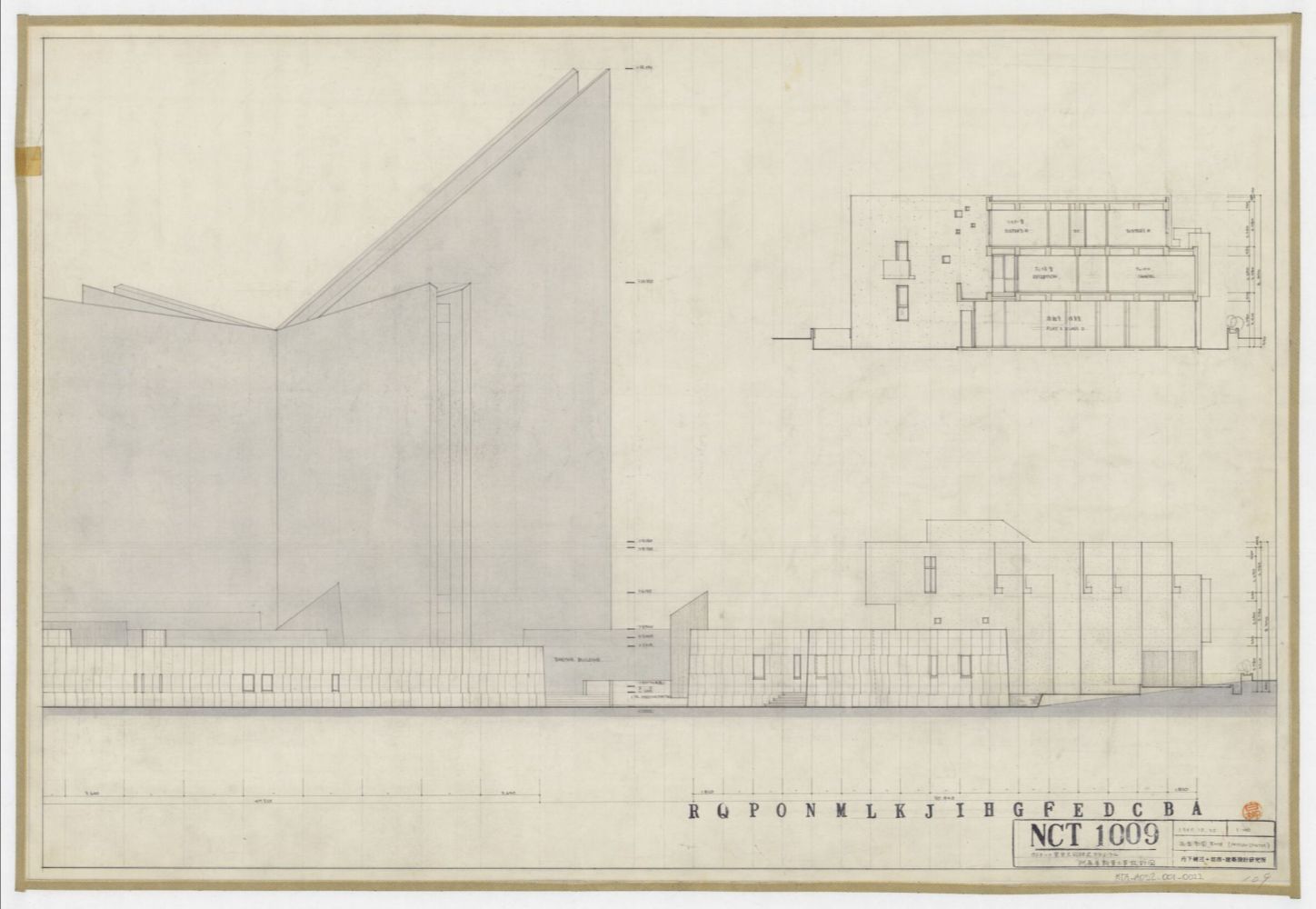
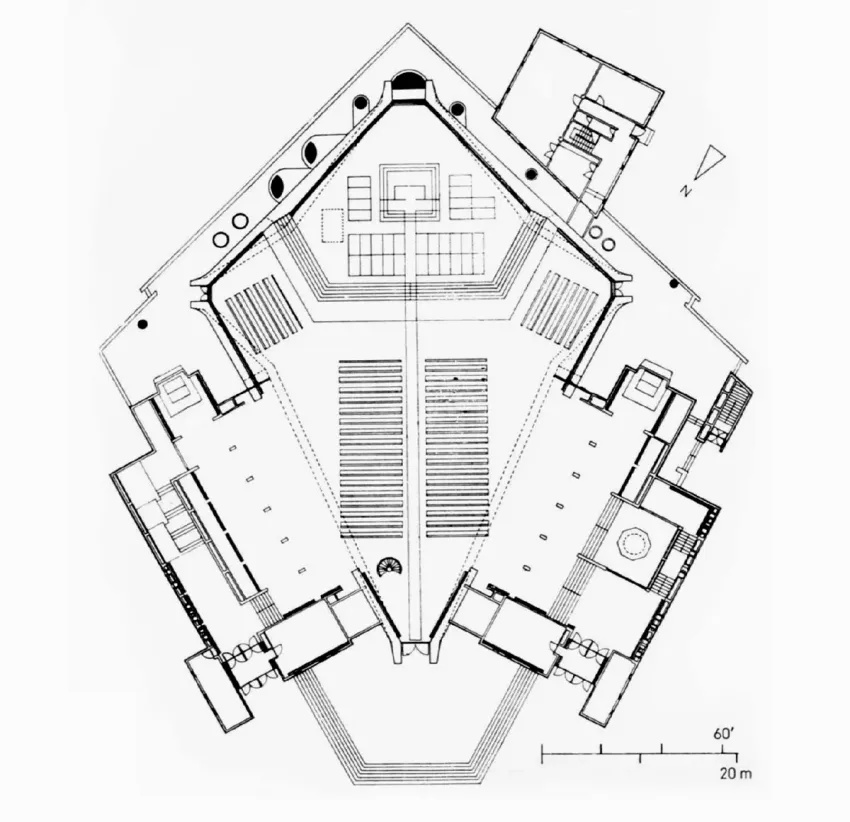
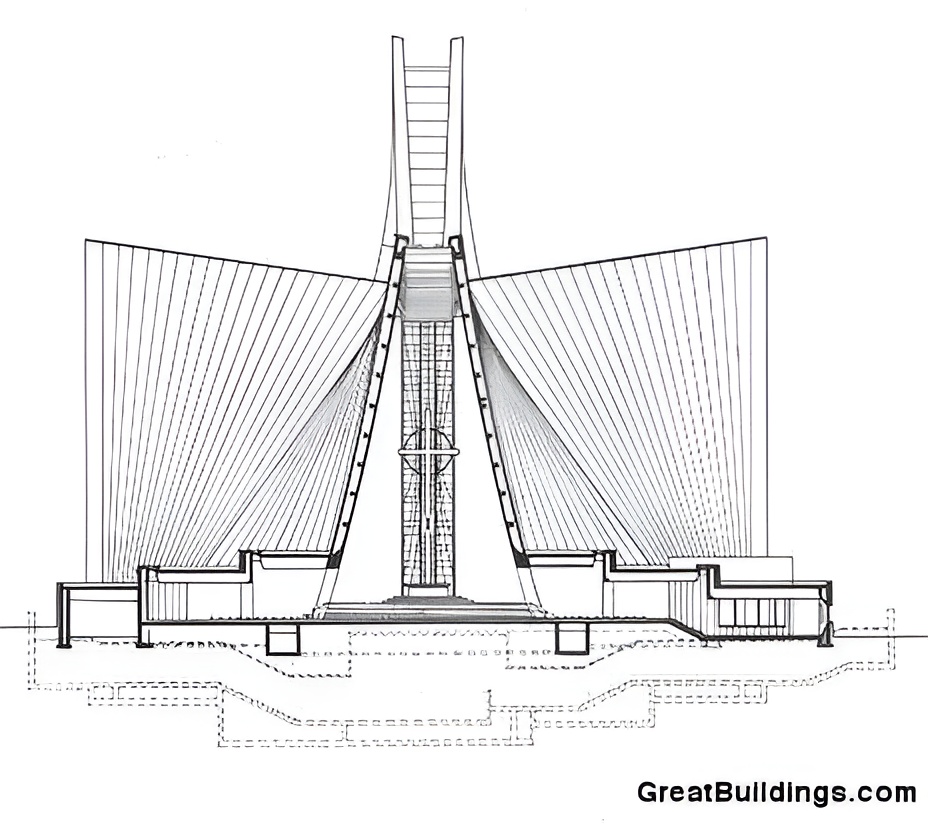
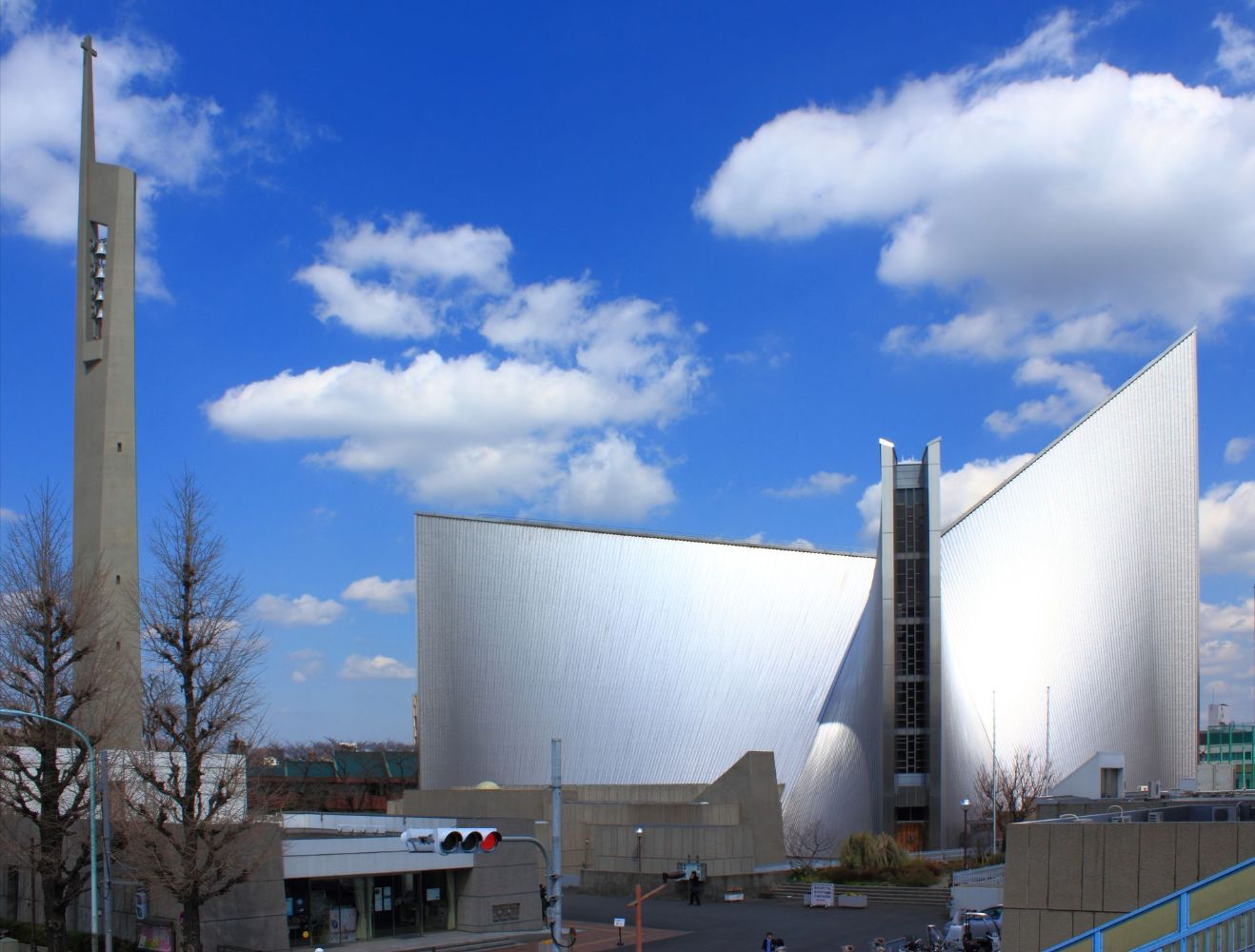
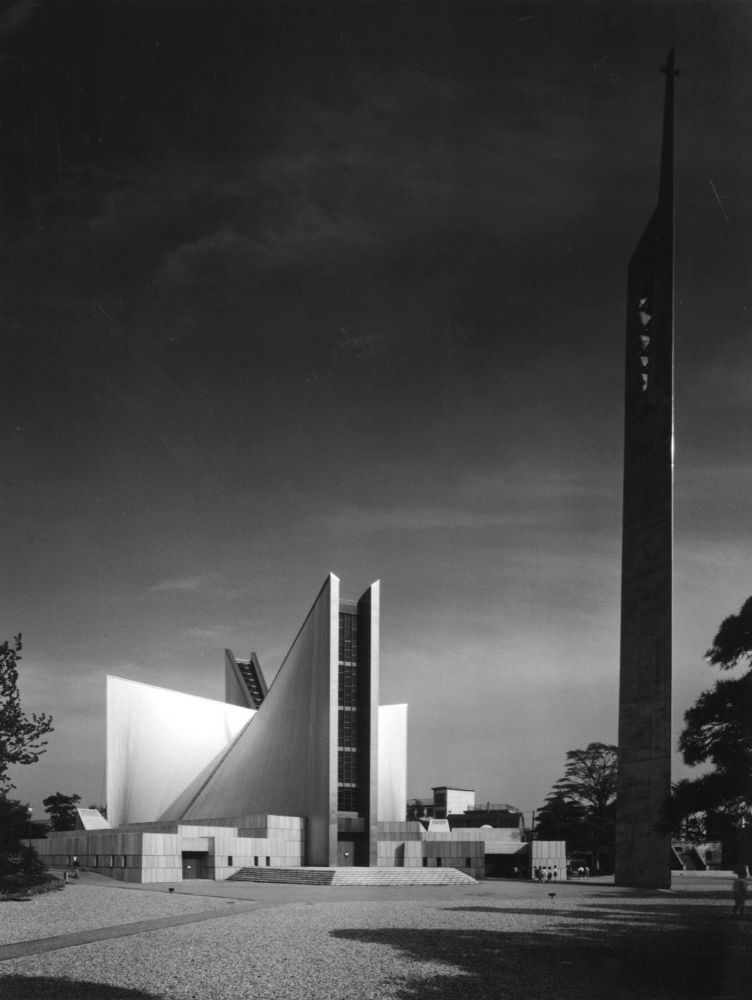
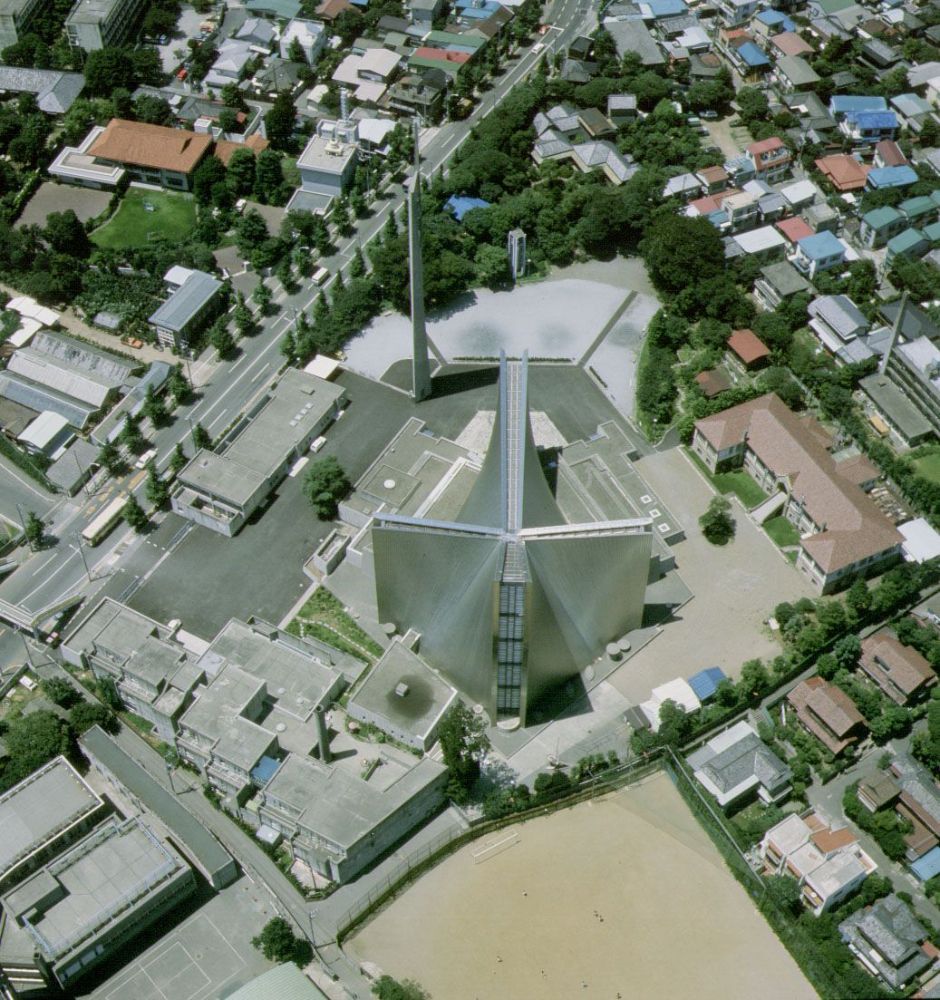
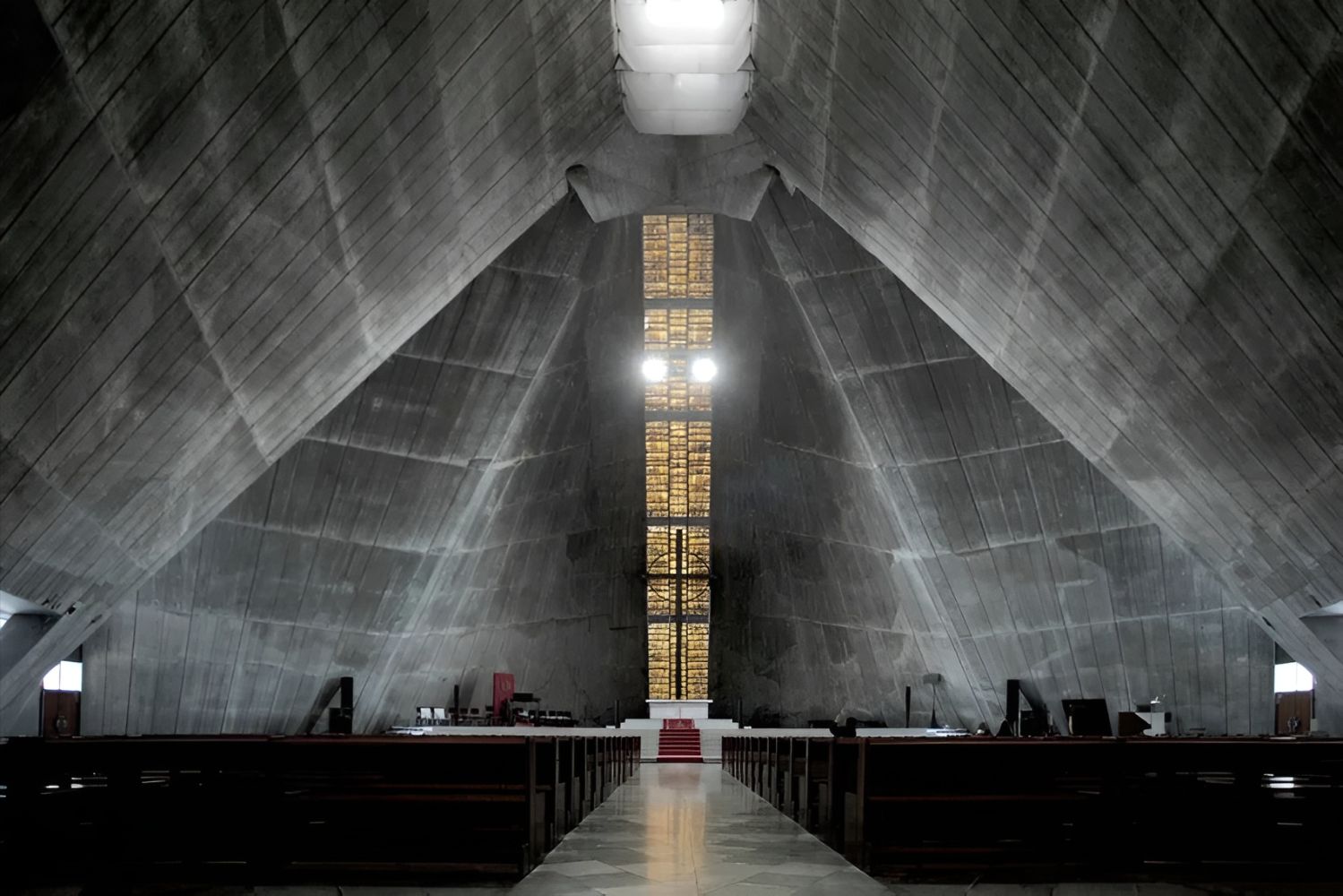
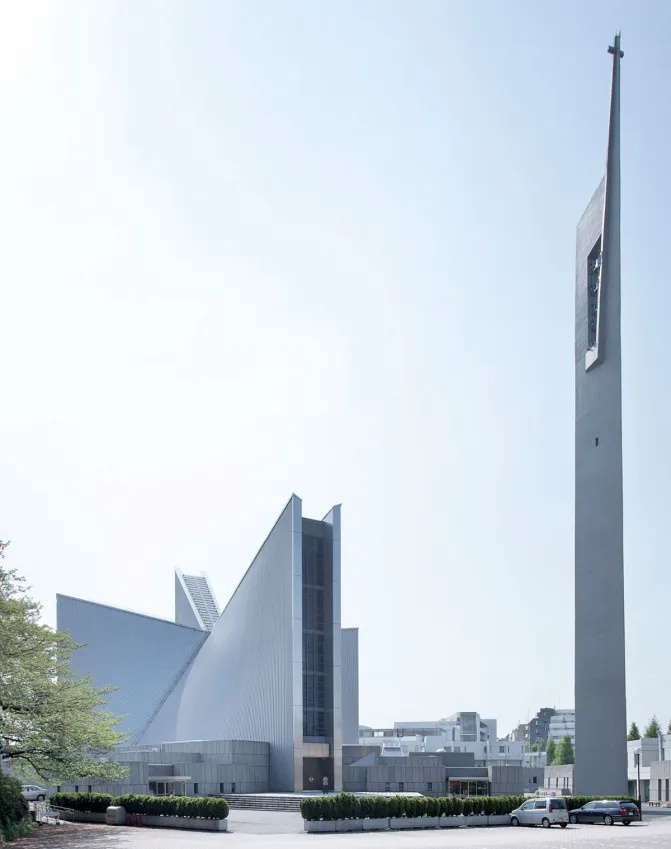
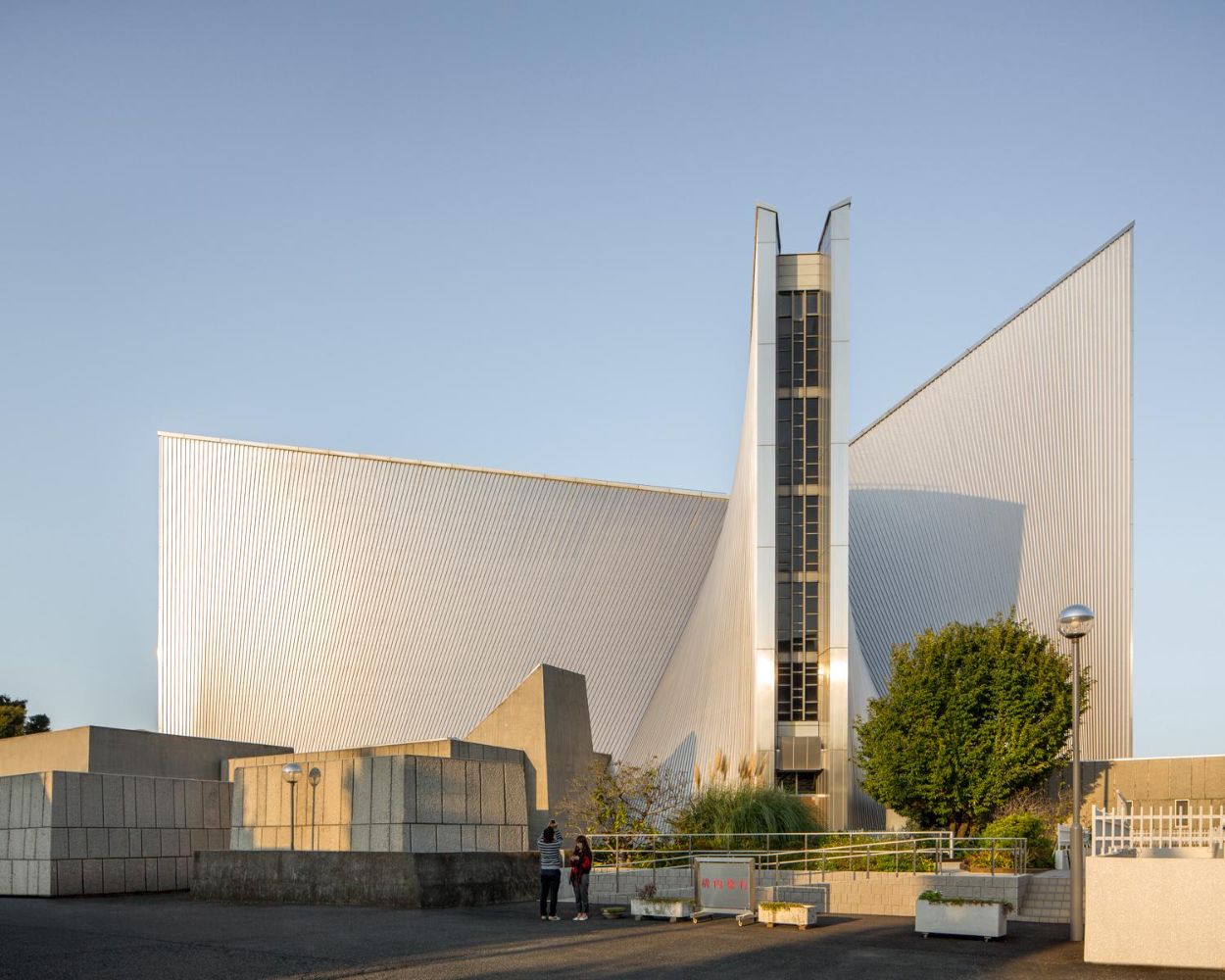
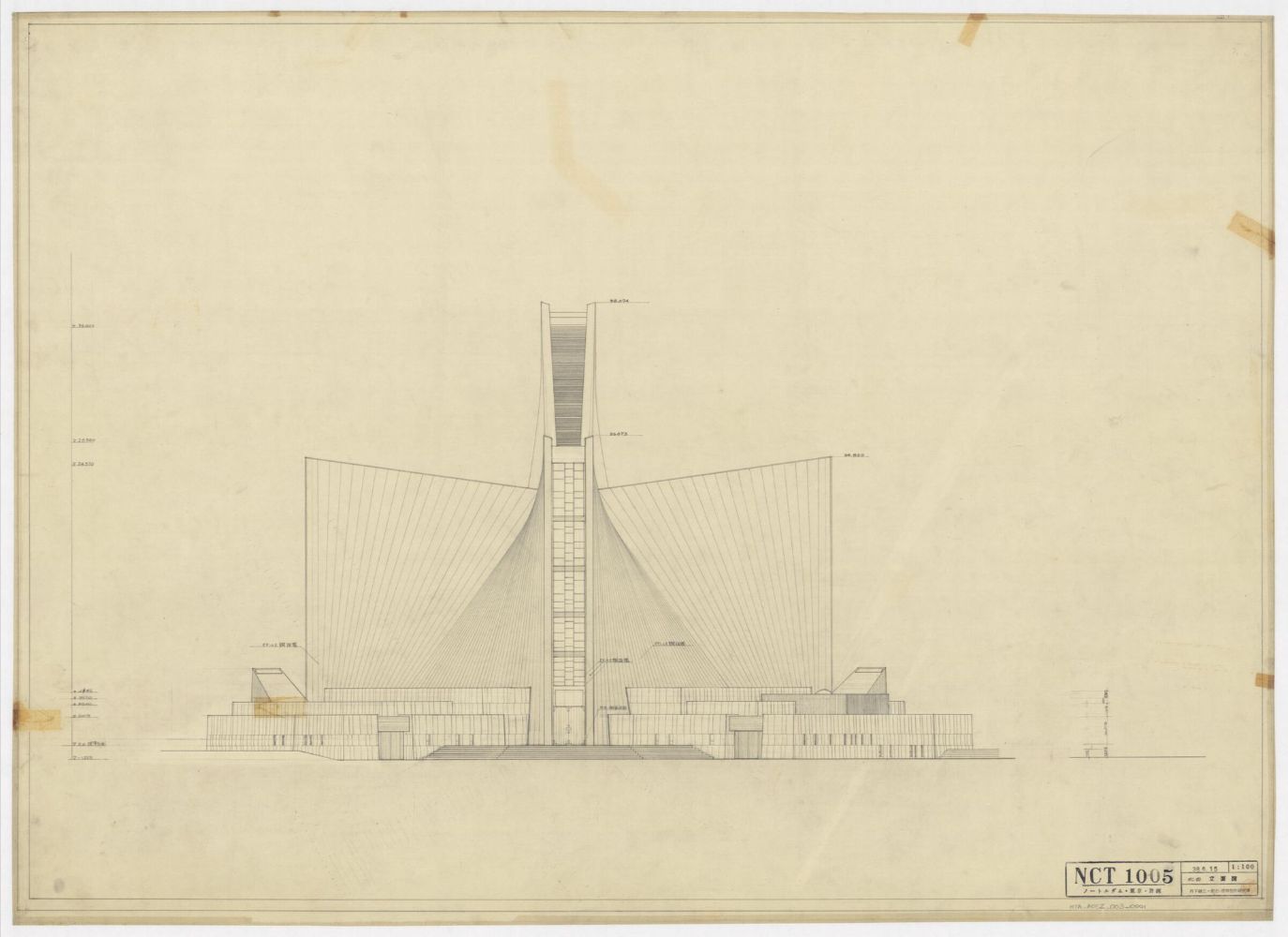
The cathedral is defined by eight curved reinforced concrete shells that function simultaneously as walls and roof. These hyperbolic surfaces rise from a rhomboid base and converge to form a cross-shaped opening at the top. Vertical gaps between the shells extend this cross down the façades, allowing light to penetrate the interior and reinforcing the symbolic structure of the building.
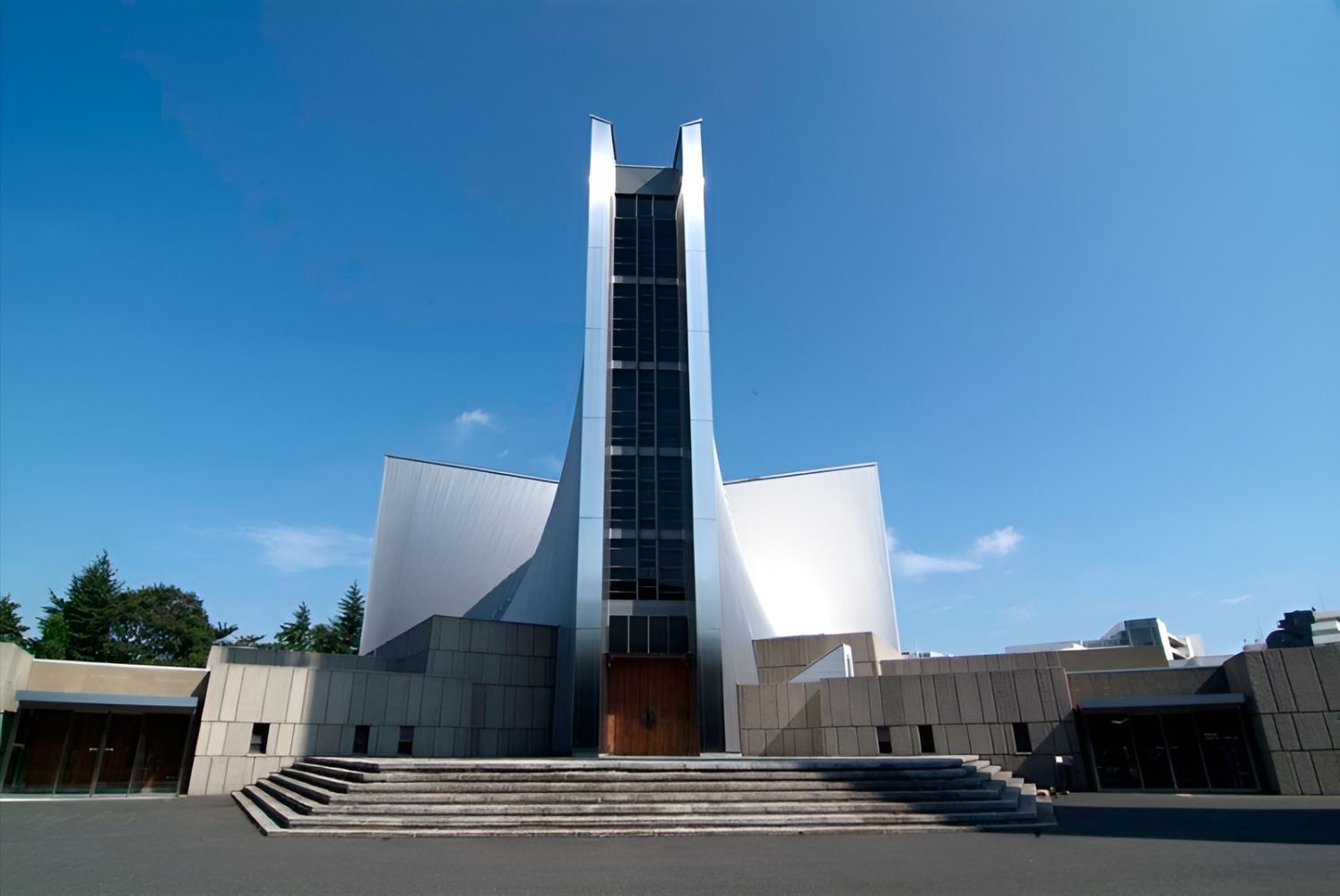
St. Mary cathedral / kenzo tange | classics on architecture labSt. Mary cathedral / kenzo tange | classics on architecture lab

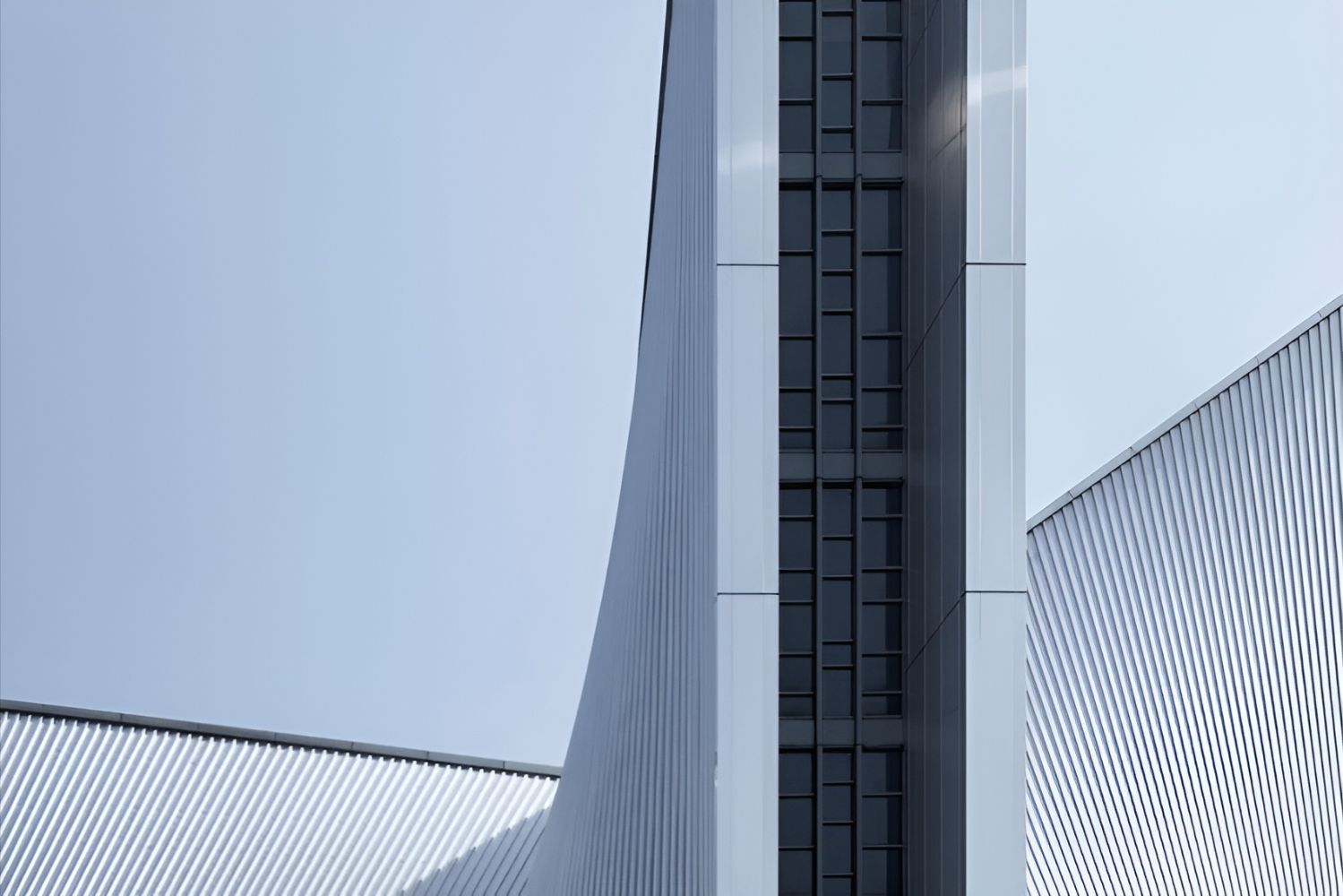
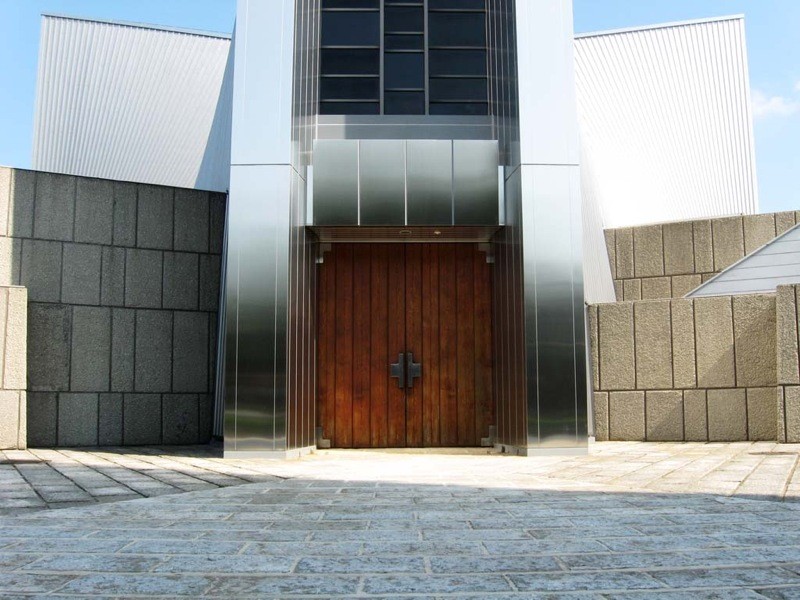
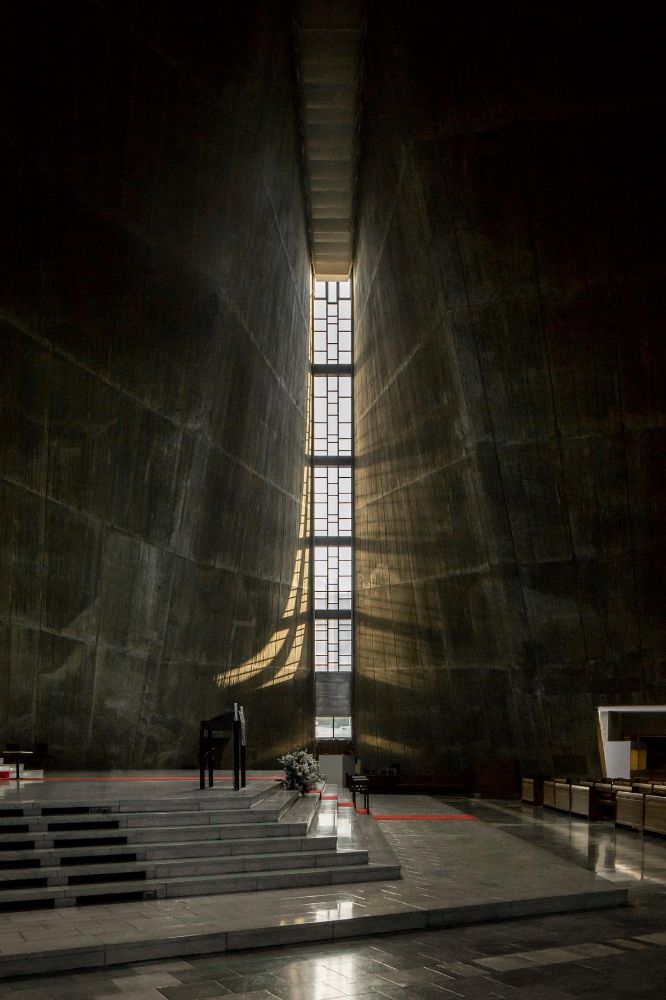
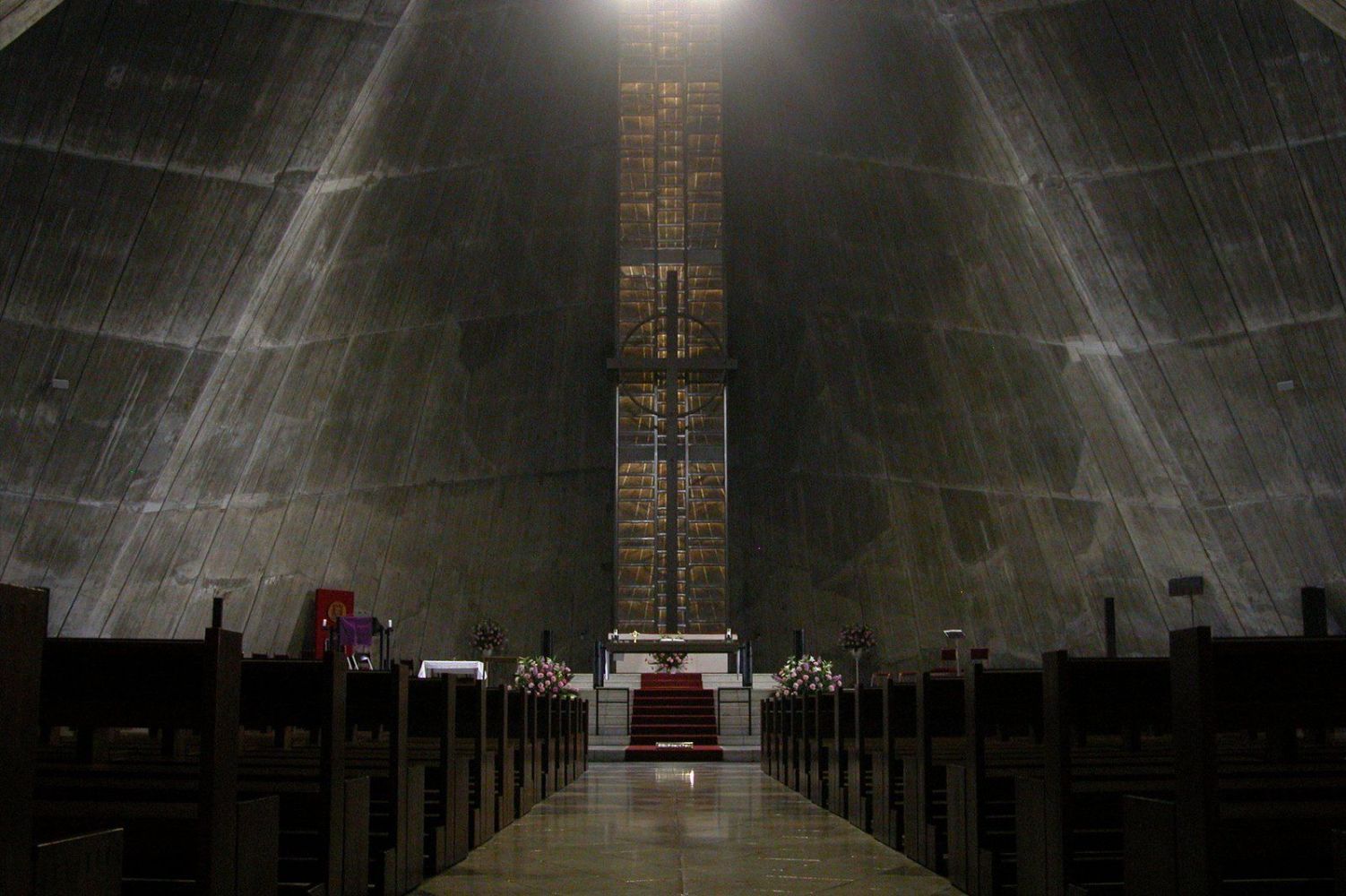
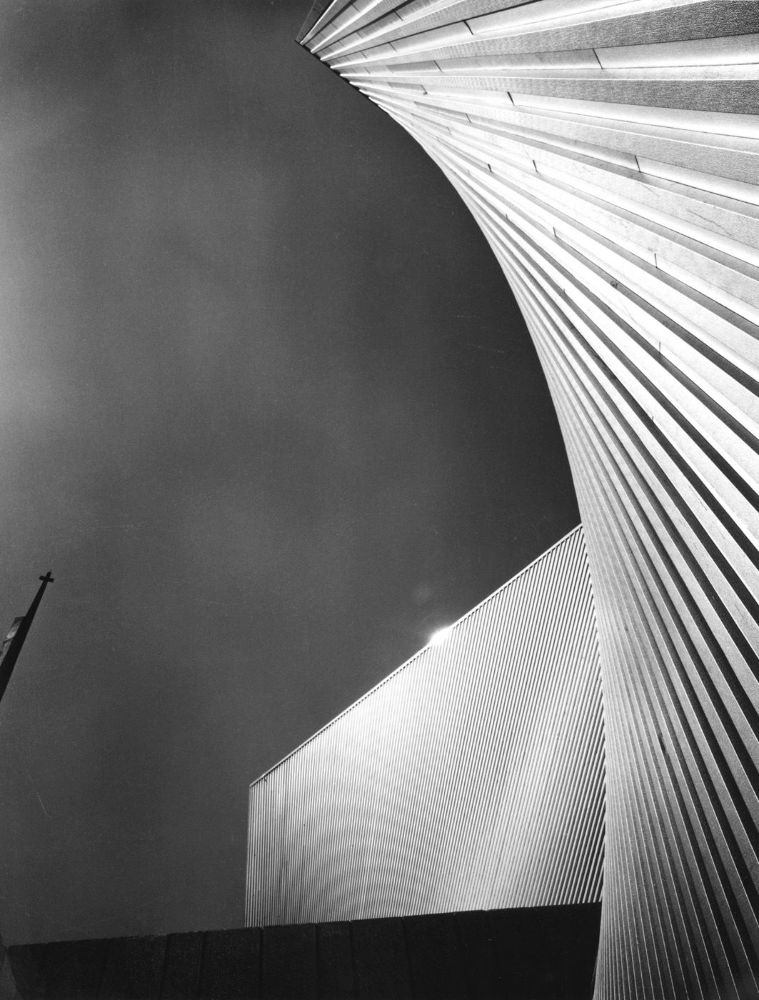
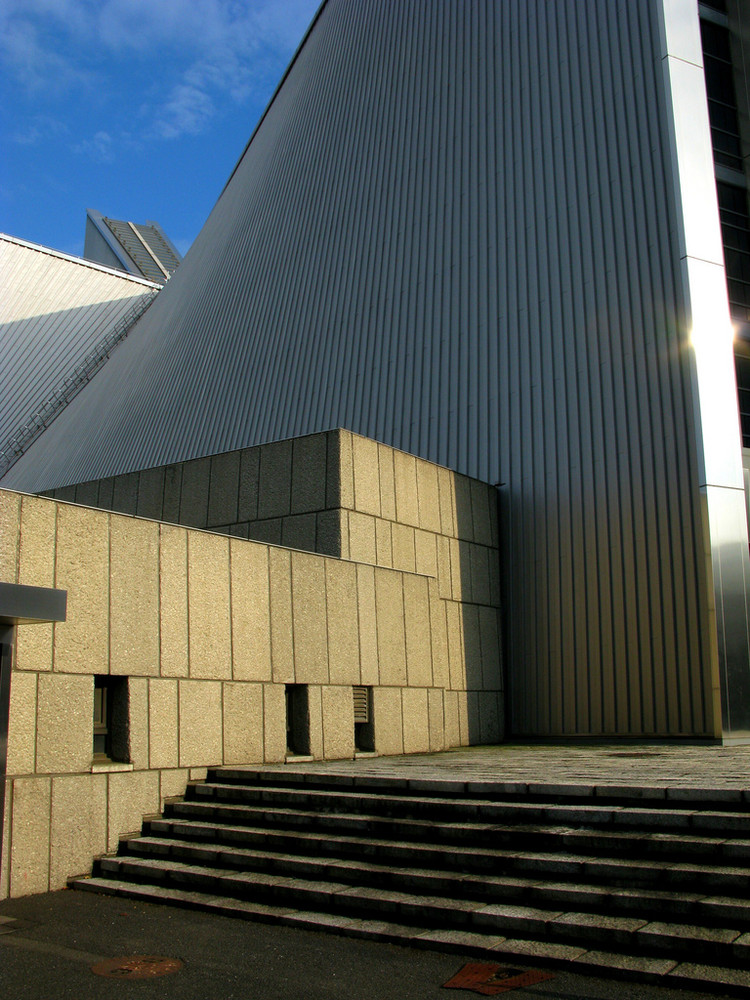
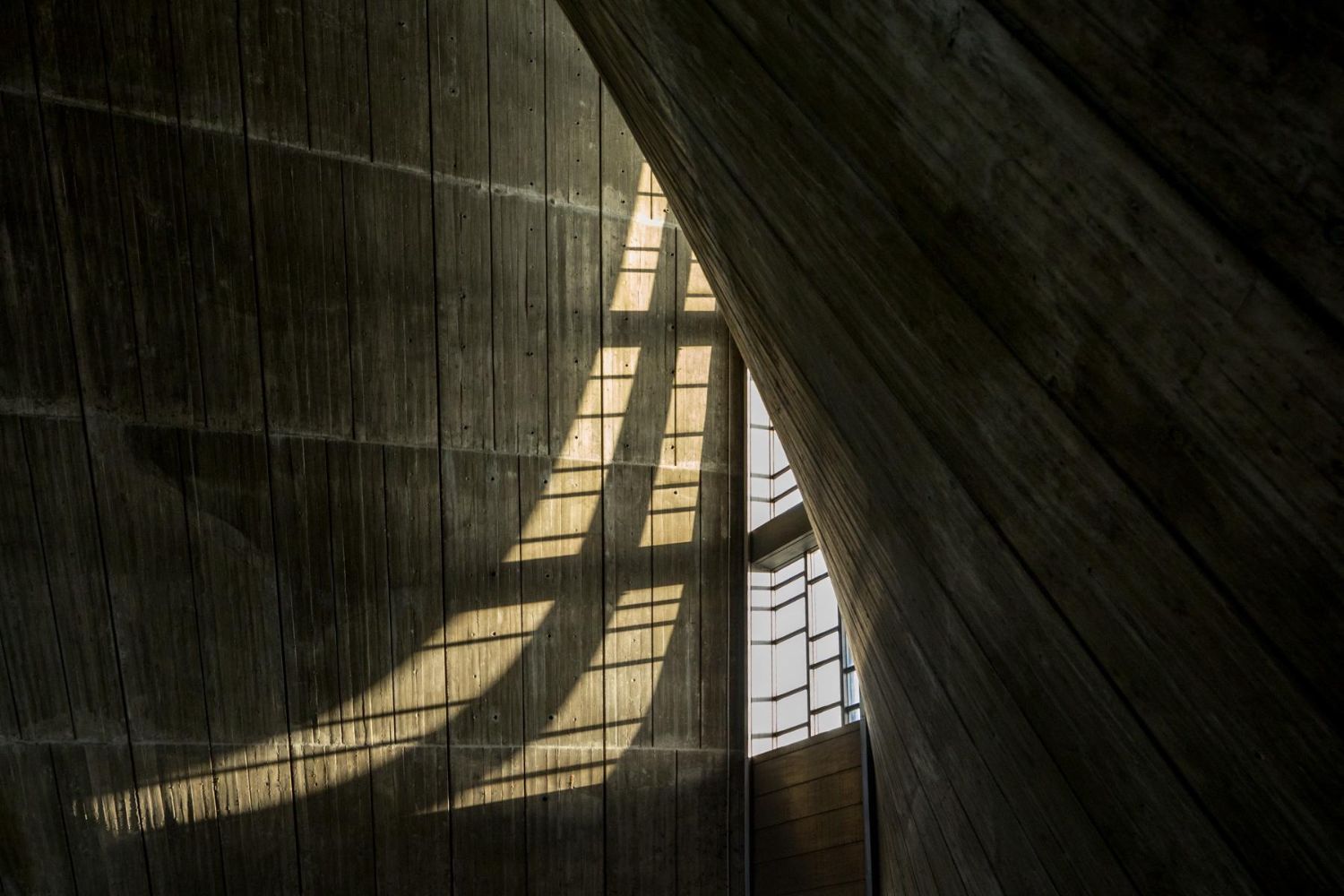
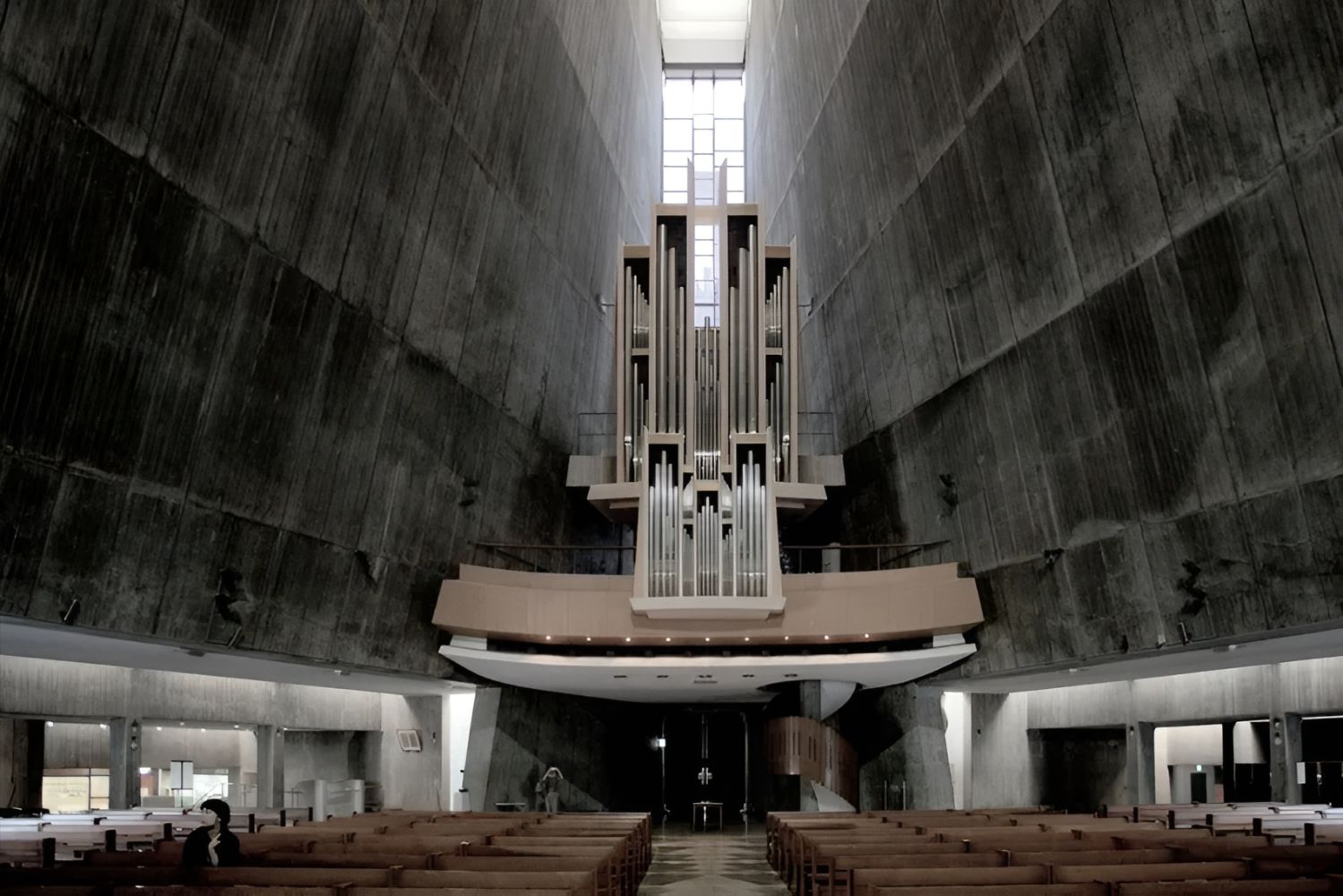
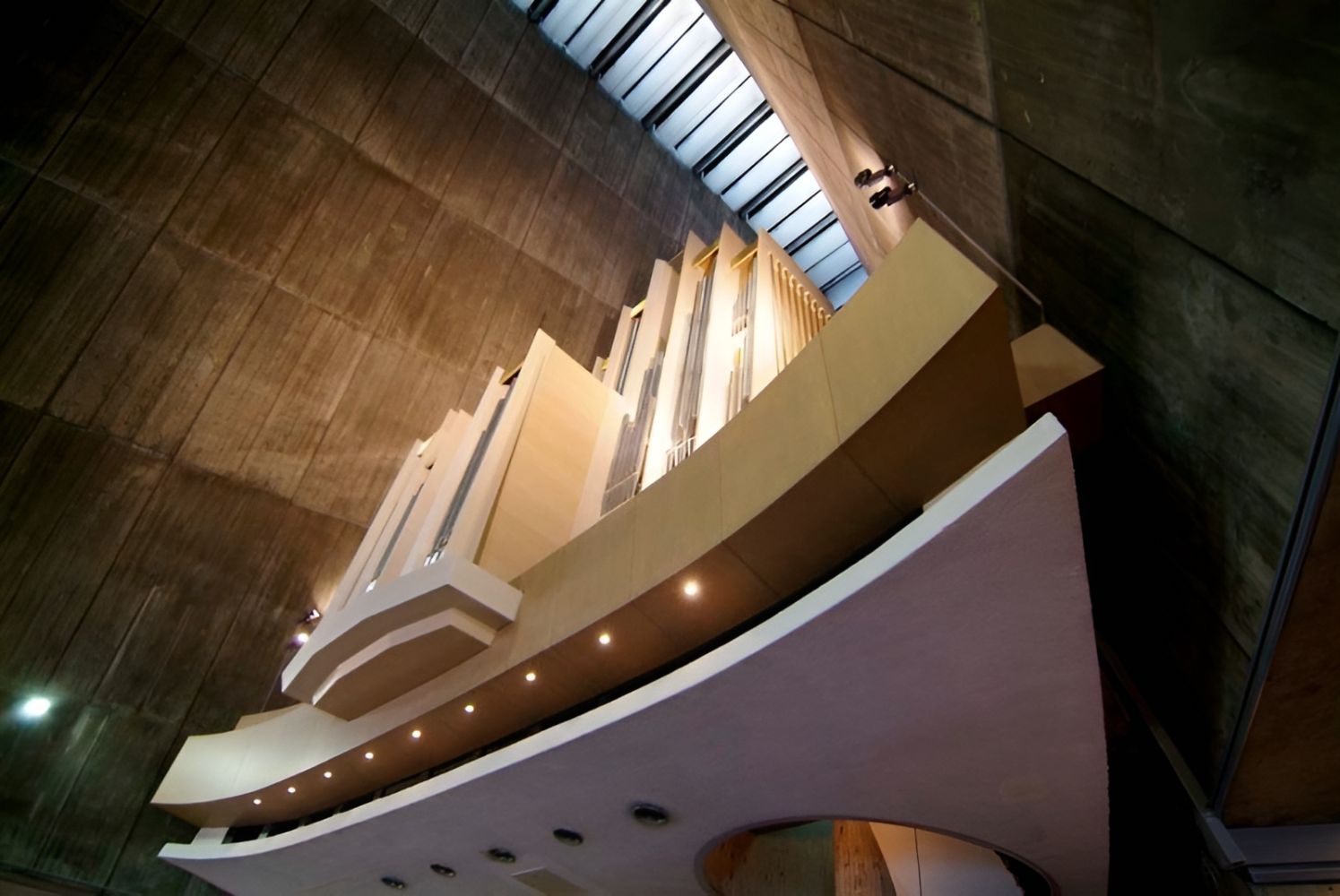
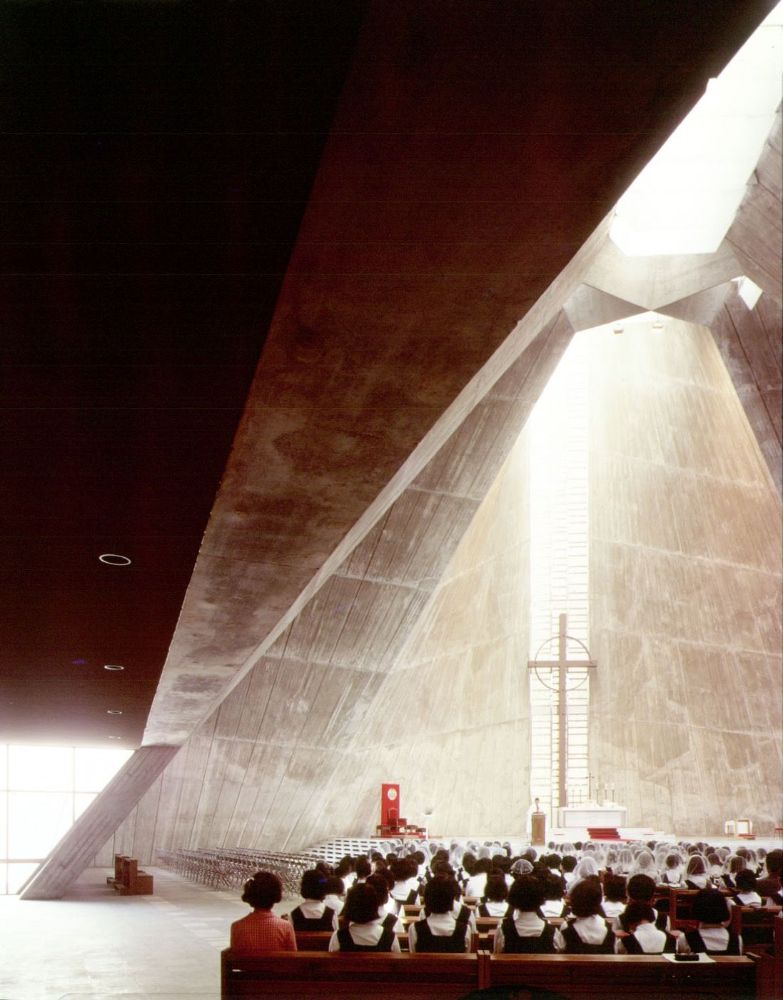
The exterior is clad in stainless steel panels that reflect changing light conditions and emphasize the curvature of the form. This reflective surface contrasts with the exposed concrete interior, where the material texture enhances the perception of mass and geometry. Light enters through these openings and roof apertures, producing a controlled interplay between illumination and shadow that defines the spatial atmosphere.
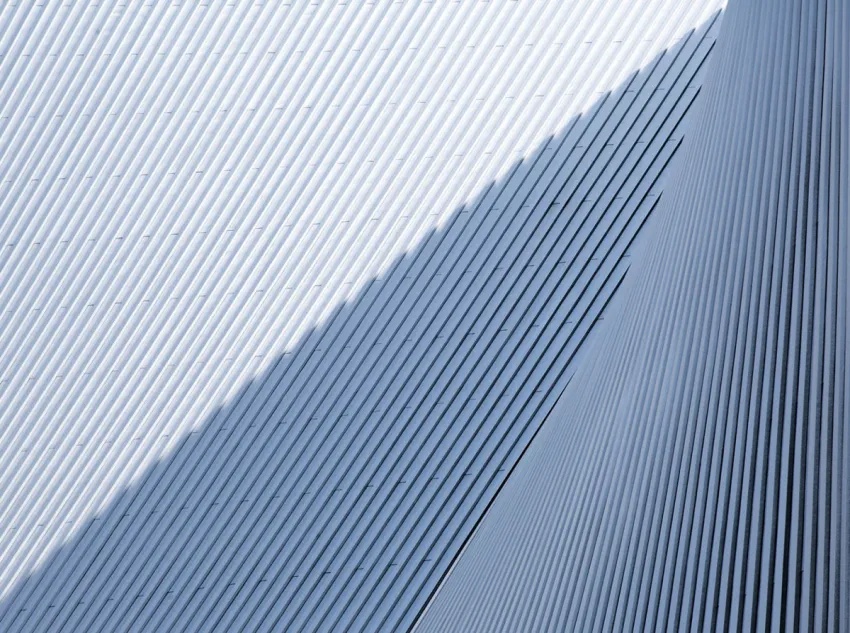
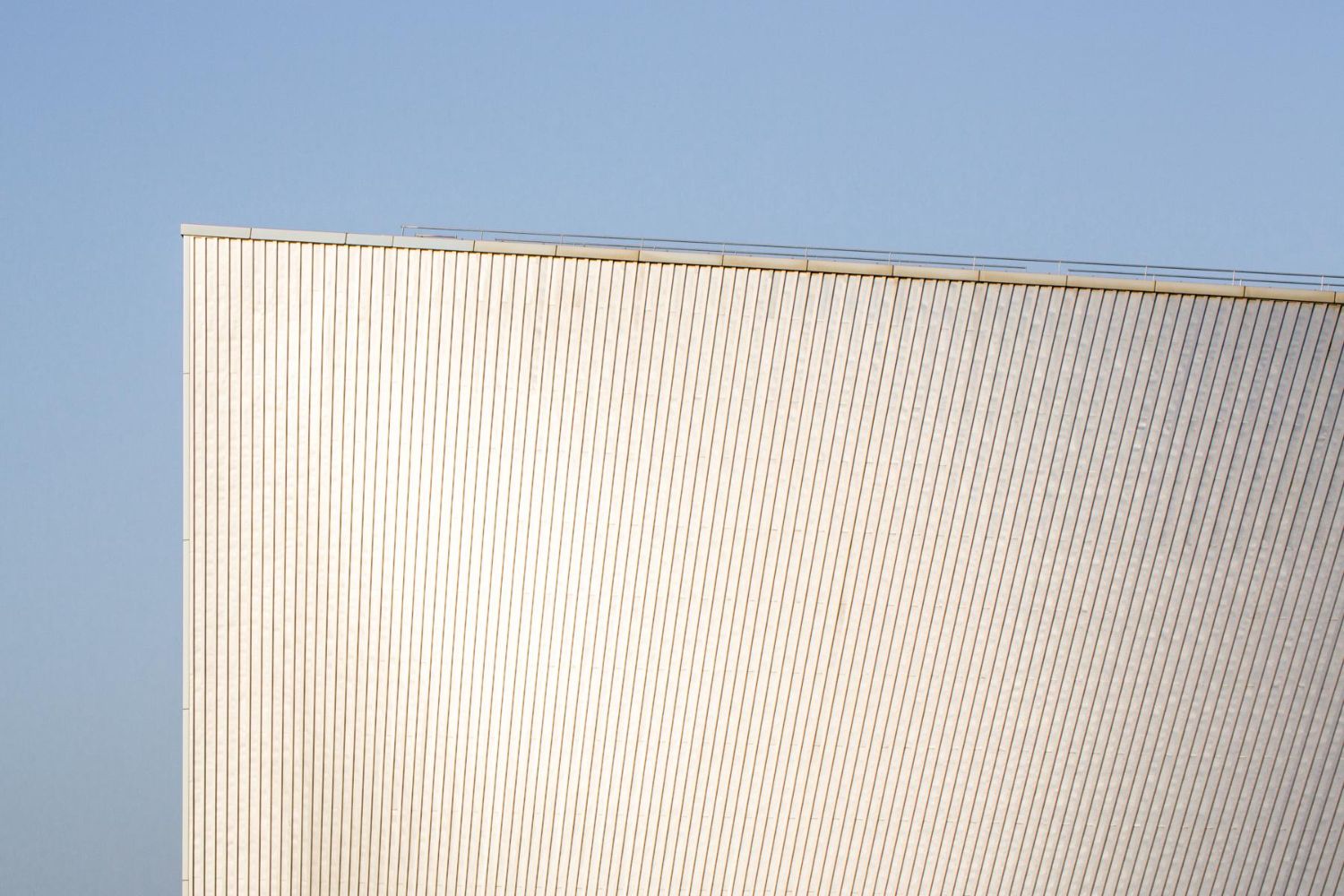
St. Mary cathedral / kenzo tange | classics on architecture lab
St. Mary Cathedral / Kenzo Tange | Classics on Architecture Lab 103
St. Mary cathedral / kenzo tange | classics on architecture lab
St. Mary Cathedral / Kenzo Tange | Classics on Architecture Lab 104
St. Mary cathedral / kenzo tange | classics on architecture lab
St. Mary Cathedral / Kenzo Tange | Classics on Architecture Lab 105

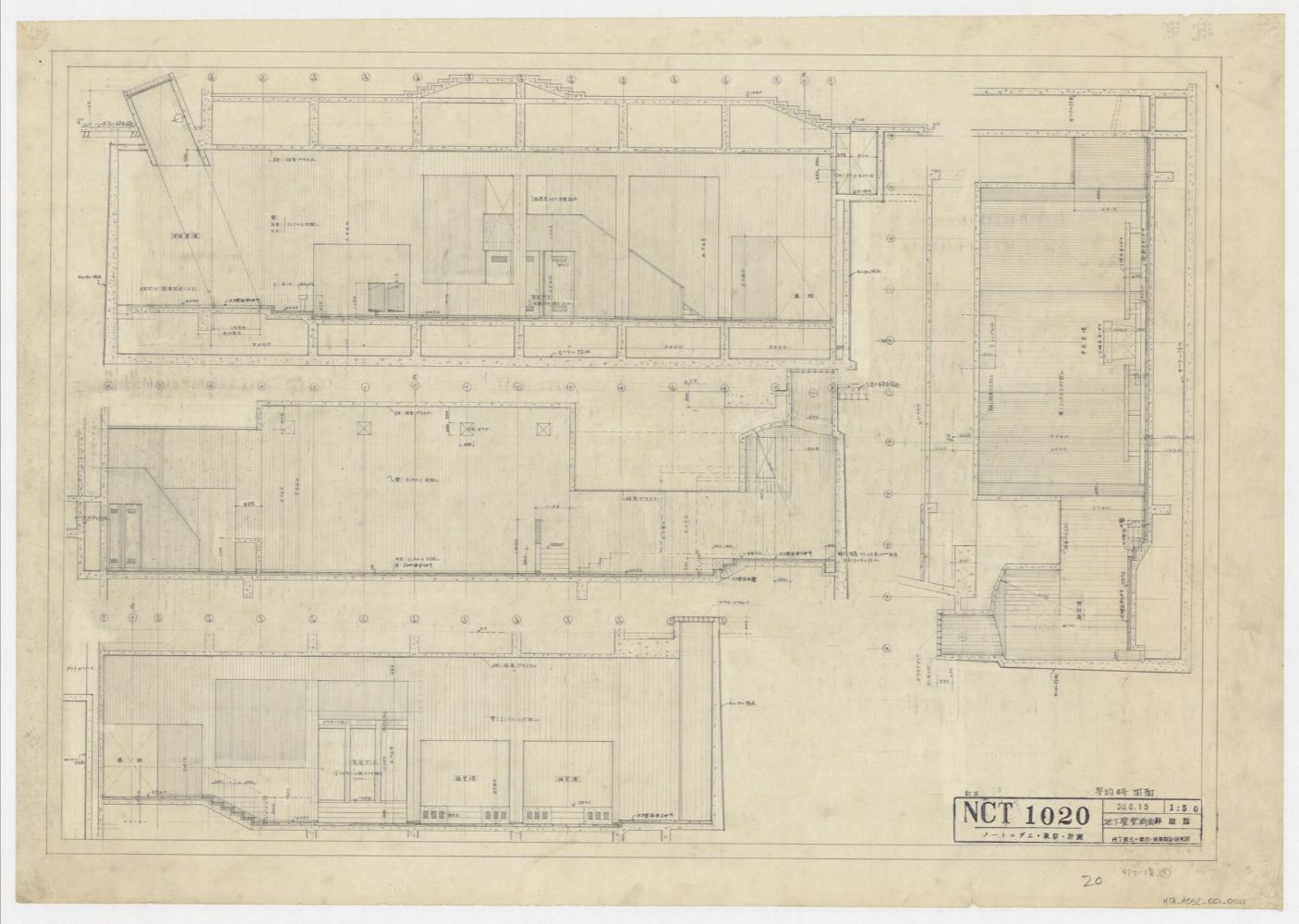
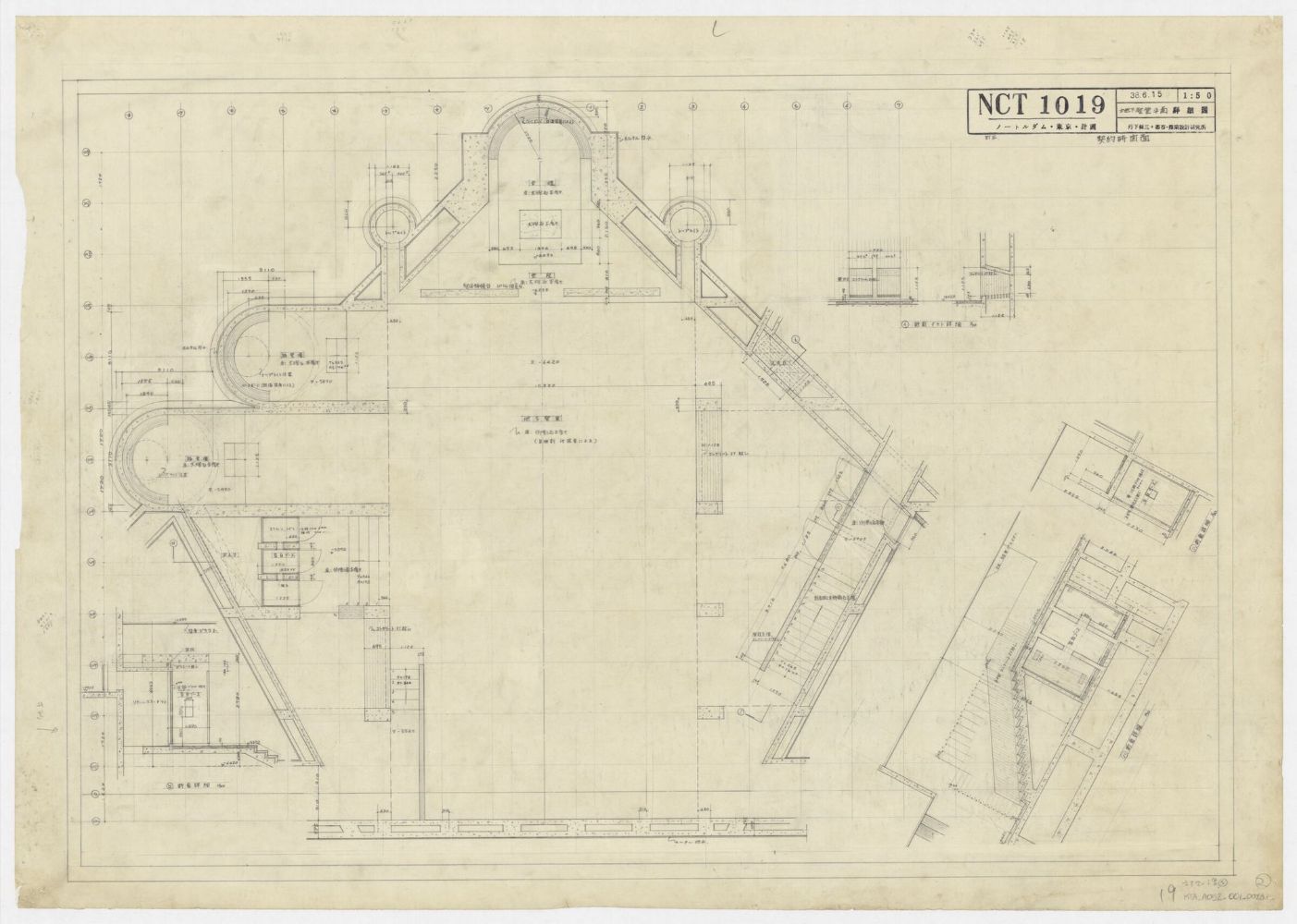
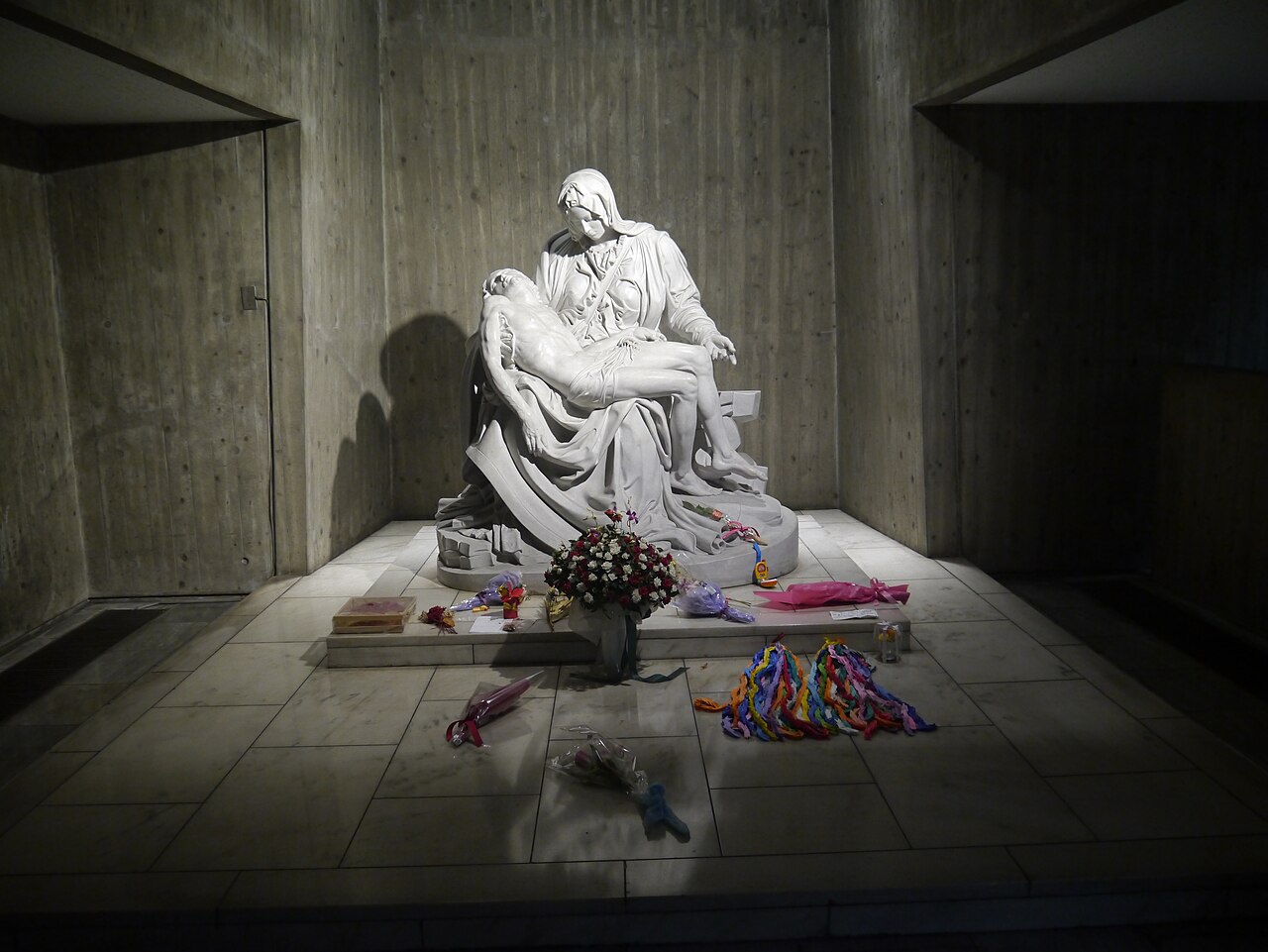
The interior remains largely unobstructed, allowing the structural geometry to define the space. The altar aligns with the central axis beneath the cross of light, while the enclosure emphasizes vertical movement toward the apex. The space remains relatively dim, with light concentrated along the cross to reinforce its symbolic role.
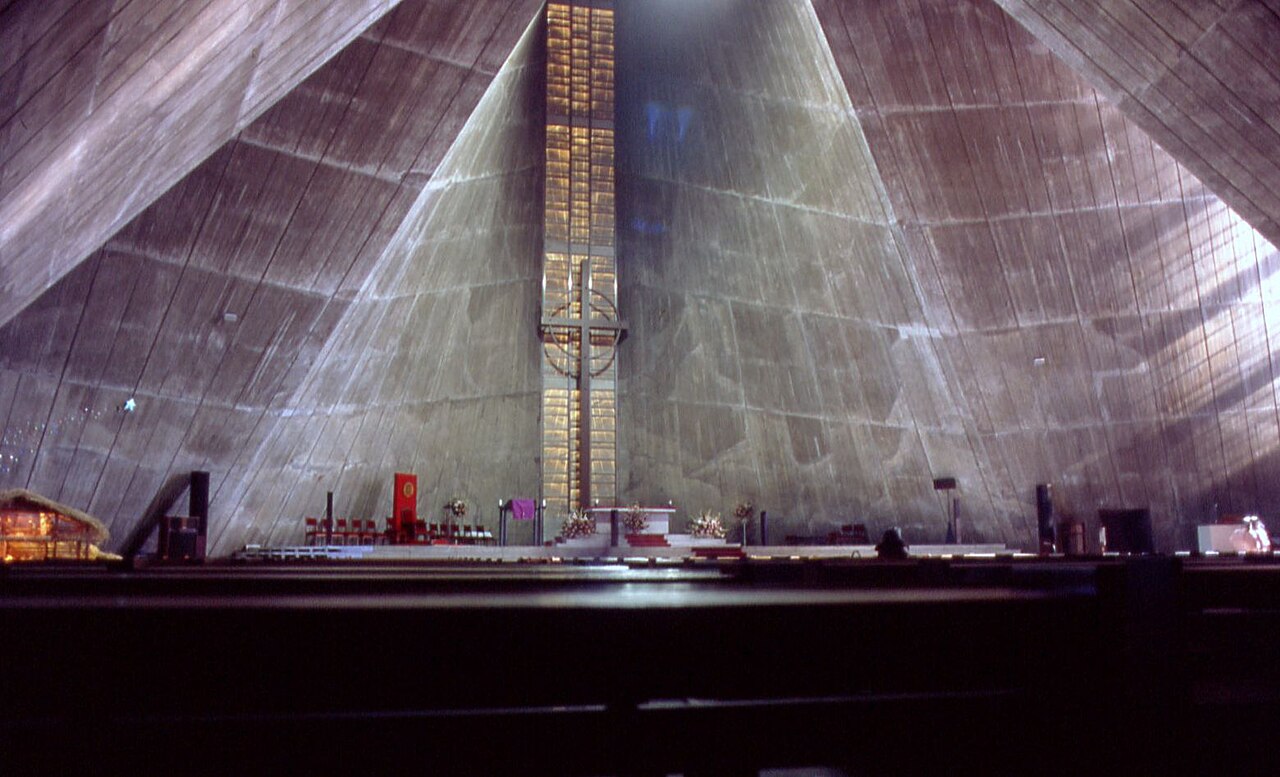
St. Mary cathedral / kenzo tange | classics on architecture labSt. Mary cathedral / kenzo tange | classics on architecture lab

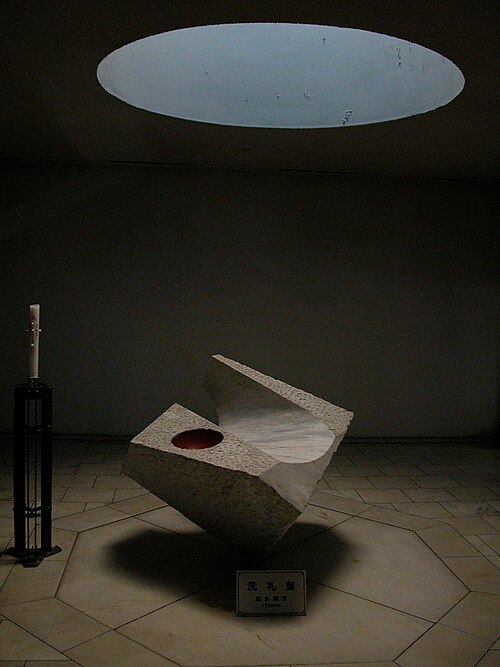
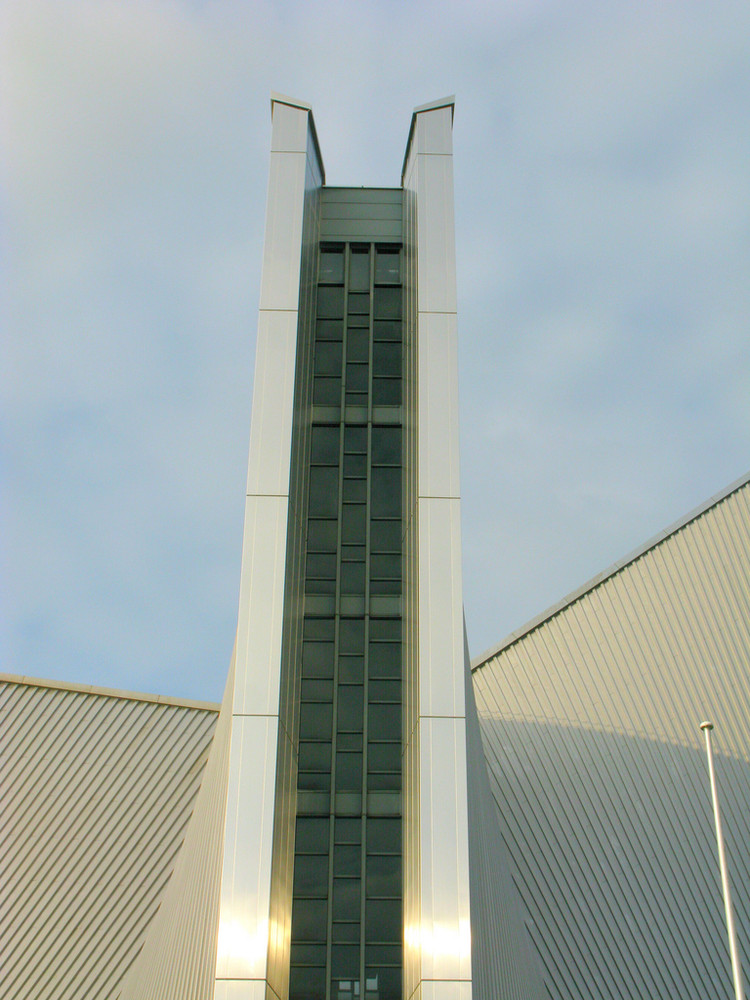
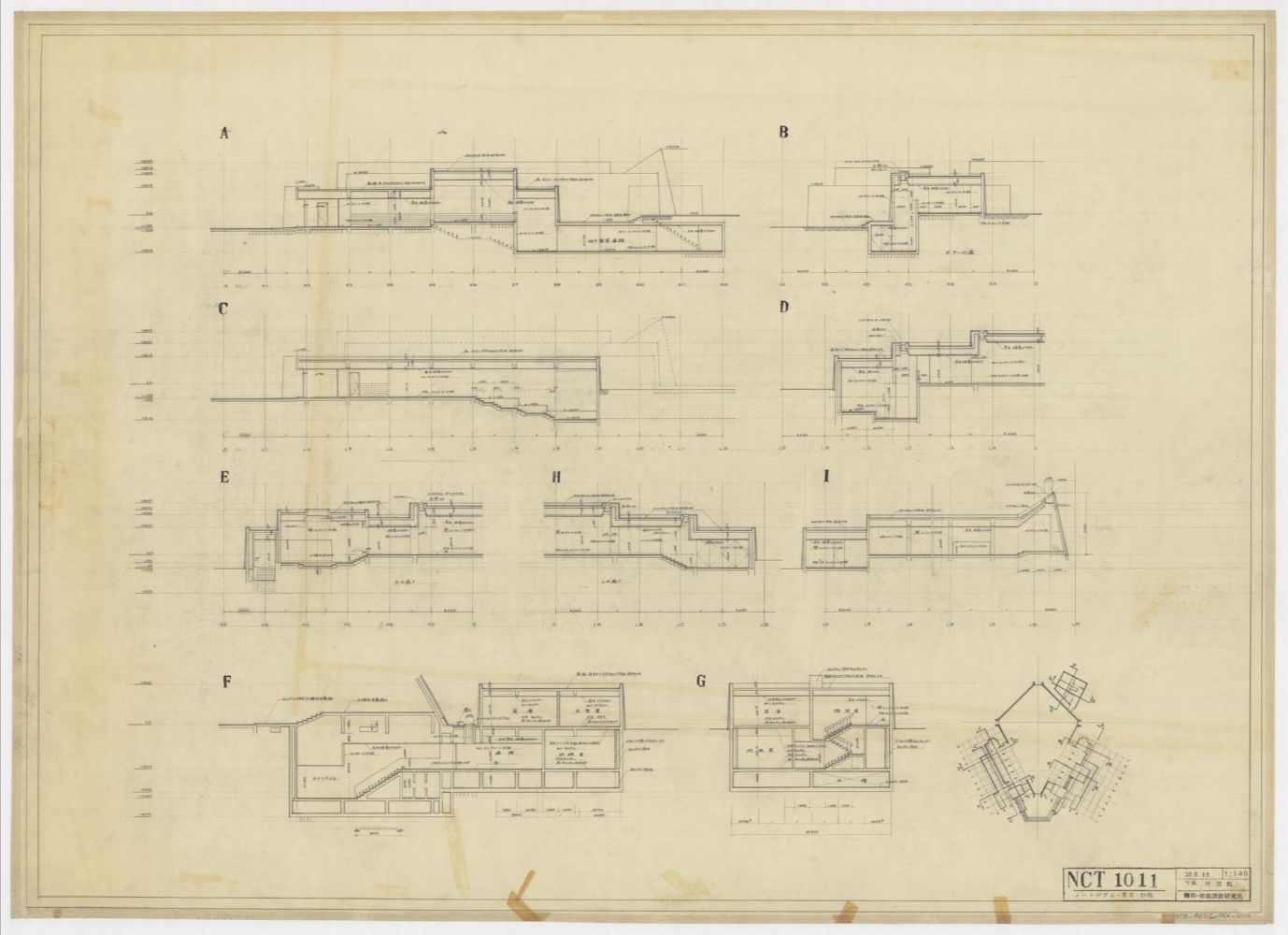
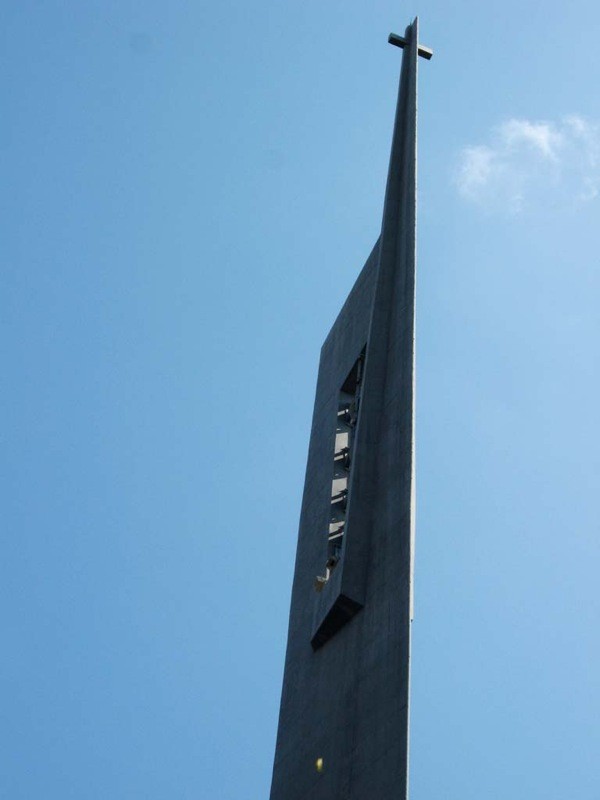
A detached bell tower rises to the west of the main volume, reaching approximately 61.6 meters and extending the vertical emphasis of the composition. Additional elements, including the baptistry, are organized as secondary volumes that contrast with the primary sculptural form.
St. Mary cathedral / kenzo tange | classics on architecture lab
St. Mary Cathedral / Kenzo Tange | Classics on Architecture Lab 112
St. Mary cathedral / kenzo tange | classics on architecture lab
St. Mary Cathedral / Kenzo Tange | Classics on Architecture Lab 113

St. Mary’s Cathedral reflects Tange’s synthesis of Western religious typology and Japanese spatial principles. The sequence of approach recalls traditional temple progression, while the abstract structural system redefines sacred space through modern materials and engineering.
St. Mary cathedral / kenzo tange | classics on architecture lab

Project Gallery

79 photographs
St. Mary Cathedral / Kenzo Tange | Classics on Architecture LabSt. Mary Cathedral / Kenzo Tange | Classics on Architecture LabSt. Mary Cathedral / Kenzo Tange | Classics on Architecture LabSt. Mary Cathedral / Kenzo Tange | Classics on Architecture LabSt. Mary Cathedral / Kenzo Tange | Classics on Architecture LabSt. Mary Cathedral / Kenzo Tange | Classics on Architecture LabSt. Mary Cathedral / Kenzo Tange | Classics on Architecture LabSt. Mary Cathedral / Kenzo Tange | Classics on Architecture LabSt. Mary Cathedral / Kenzo Tange | Classics on Architecture LabSt. Mary Cathedral / Kenzo Tange | Classics on Architecture LabSt. Mary Cathedral / Kenzo Tange | Classics on Architecture LabSt. Mary Cathedral / Kenzo Tange | Classics on Architecture LabSt. Mary Cathedral / Kenzo Tange | Classics on Architecture LabSt. Mary Cathedral / Kenzo Tange | Classics on Architecture LabSt. Mary Cathedral / Kenzo Tange | Classics on Architecture LabSt. Mary Cathedral / Kenzo Tange | Classics on Architecture LabSt. Mary Cathedral / Kenzo Tange | Classics on Architecture LabSt. Mary Cathedral / Kenzo Tange | Classics on Architecture LabSt. Mary Cathedral / Kenzo Tange | Classics on Architecture LabSt. Mary Cathedral / Kenzo Tange | Classics on Architecture LabSt. Mary Cathedral / Kenzo Tange | Classics on Architecture LabSt. Mary Cathedral / Kenzo Tange | Classics on Architecture LabSt. Mary Cathedral / Kenzo Tange | Classics on Architecture LabSt. Mary Cathedral / Kenzo Tange | Classics on Architecture LabSt. Mary Cathedral / Kenzo Tange | Classics on Architecture LabSt. Mary Cathedral / Kenzo Tange | Classics on Architecture LabSt. Mary Cathedral / Kenzo Tange | Classics on Architecture LabSt. Mary Cathedral / Kenzo Tange | Classics on Architecture LabSt. Mary Cathedral / Kenzo Tange | Classics on Architecture LabSt. Mary Cathedral / Kenzo Tange | Classics on Architecture LabSt. Mary Cathedral / Kenzo Tange | Classics on Architecture LabSt. Mary Cathedral / Kenzo Tange | Classics on Architecture LabSt. Mary Cathedral / Kenzo Tange | Classics on Architecture LabSt. Mary Cathedral / Kenzo Tange | Classics on Architecture LabSt. Mary Cathedral / Kenzo Tange | Classics on Architecture LabSt. Mary Cathedral / Kenzo Tange | Classics on Architecture LabSt. Mary Cathedral / Kenzo Tange | Classics on Architecture LabSt. Mary Cathedral / Kenzo Tange | Classics on Architecture LabSt. Mary Cathedral / Kenzo Tange | Classics on Architecture LabSt. Mary Cathedral / Kenzo Tange | Classics on Architecture LabSt. Mary Cathedral / Kenzo Tange | Classics on Architecture LabSt. Mary Cathedral / Kenzo Tange | Classics on Architecture LabSt. Mary Cathedral / Kenzo Tange | Classics on Architecture LabSt. Mary Cathedral / Kenzo Tange | Classics on Architecture LabSt. Mary Cathedral / Kenzo Tange | Classics on Architecture LabSt. Mary Cathedral / Kenzo Tange | Classics on Architecture LabSt. Mary Cathedral / Kenzo Tange | Classics on Architecture LabSt. Mary Cathedral / Kenzo Tange | Classics on Architecture LabSt. Mary Cathedral / Kenzo Tange | Classics on Architecture LabSt. Mary Cathedral / Kenzo Tange | Classics on Architecture LabSt. Mary Cathedral / Kenzo Tange | Classics on Architecture LabSt. Mary Cathedral / Kenzo Tange | Classics on Architecture LabSt. Mary Cathedral / Kenzo Tange | Classics on Architecture LabSt. Mary Cathedral / Kenzo Tange | Classics on Architecture LabSt. Mary Cathedral / Kenzo Tange | Classics on Architecture LabSt. Mary Cathedral / Kenzo Tange | Classics on Architecture LabSt. Mary Cathedral / Kenzo Tange | Classics on Architecture LabSt. Mary Cathedral / Kenzo Tange | Classics on Architecture LabSt. Mary Cathedral / Kenzo Tange | Classics on Architecture LabSt. Mary Cathedral / Kenzo Tange | Classics on Architecture LabSt. Mary Cathedral / Kenzo Tange | Classics on Architecture LabSt. Mary Cathedral / Kenzo Tange | Classics on Architecture LabSt. Mary Cathedral / Kenzo Tange | Classics on Architecture LabSt. Mary Cathedral / Kenzo Tange | Classics on Architecture LabSt. Mary Cathedral / Kenzo Tange | Classics on Architecture LabSt. Mary Cathedral / Kenzo Tange | Classics on Architecture LabSt. Mary Cathedral / Kenzo Tange | Classics on Architecture LabSt. Mary Cathedral / Kenzo Tange | Classics on Architecture LabSt. Mary Cathedral / Kenzo Tange | Classics on Architecture LabSt. Mary Cathedral / Kenzo Tange | Classics on Architecture LabSt. Mary Cathedral / Kenzo Tange | Classics on Architecture LabSt. Mary Cathedral / Kenzo Tange | Classics on Architecture LabSt. Mary Cathedral / Kenzo Tange | Classics on Architecture LabSt. Mary Cathedral / Kenzo Tange | Classics on Architecture LabSt. Mary Cathedral / Kenzo Tange | Classics on Architecture LabSt. Mary Cathedral / Kenzo Tange | Classics on Architecture LabSt. Mary Cathedral / Kenzo Tange | Classics on Architecture LabSt. Mary Cathedral / Kenzo Tange | Classics on Architecture LabSt. Mary Cathedral / Kenzo Tange | Classics on Architecture Lab

Project Location

Address3 Chome-16-15 Sekiguchi, Bunkyo City, Tokyo 112-0014, Japan

Tokyo (Bunkyo), Japan

The location is intended for general reference and may denote a city or country; it does not identify a precise address.

Project Credits

Architects
Kenzo Tange
Structural engineer
Yoshikatsu Tsuboi
Photographs
Kenzo Tange, Tange Associates, Frances Loeb Library, Harvard University Graduate School of Design, James Florio Photography, Xia Zhi, Scarletgreen, Mobileart, D. Fajio, Wikimedia Commons, Morio, Zairon, Shinjuku1, Fred Cherrygarden, Bigjap
Leave a Comment

Browse the best architecture professionals in the world through the projects we publish →

Partners