
home/projects/temporary installations/t10a pavilion
T10A Pavilion / ODDO architects
Cultural ArchitectureTemporary installationPavilion
- Architects
- ODDO architects
- Lead architects
- Mai Lan Chi Obtulovičová, Nguyen Duc Trung, Marek Obtulovič
- Location
- Hanoi, Vietnam
- Year
- 2025
- Area
- 320 m²3,444 ft²
- Photographs
- Trieu Chien
- Client
- Kienviet.net
- Materials
- Recycled plastic bags, handmade paper, steel
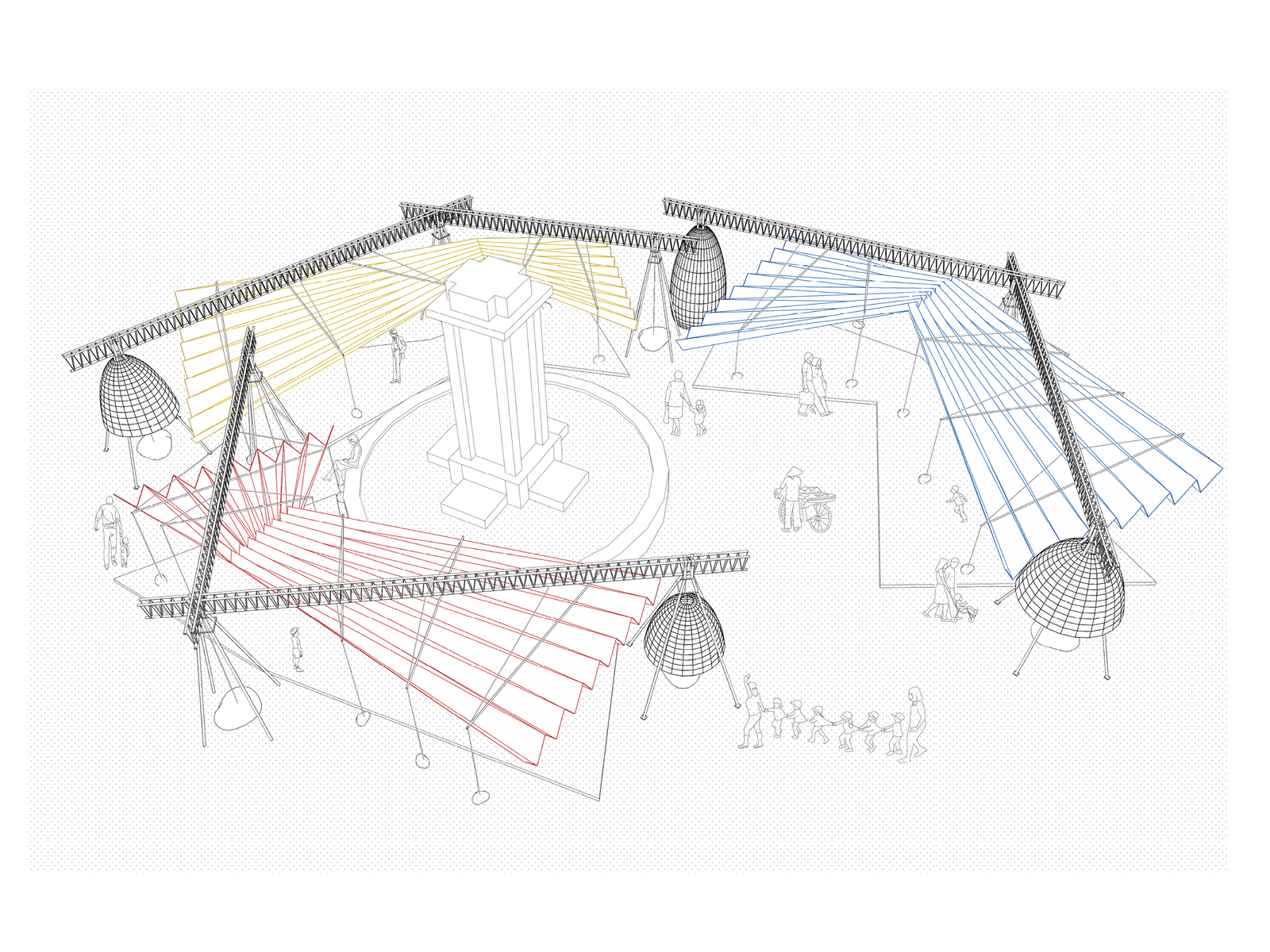
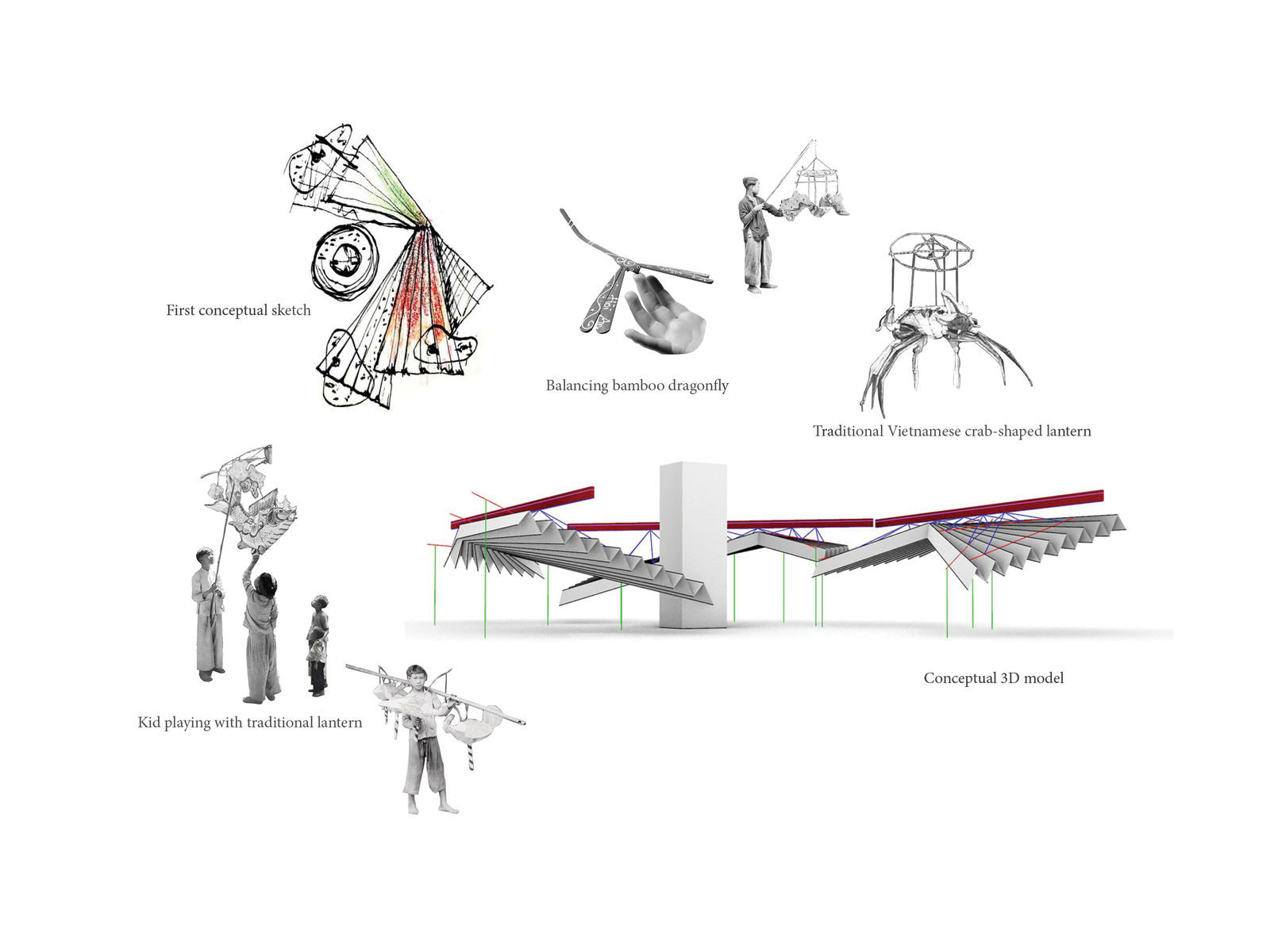
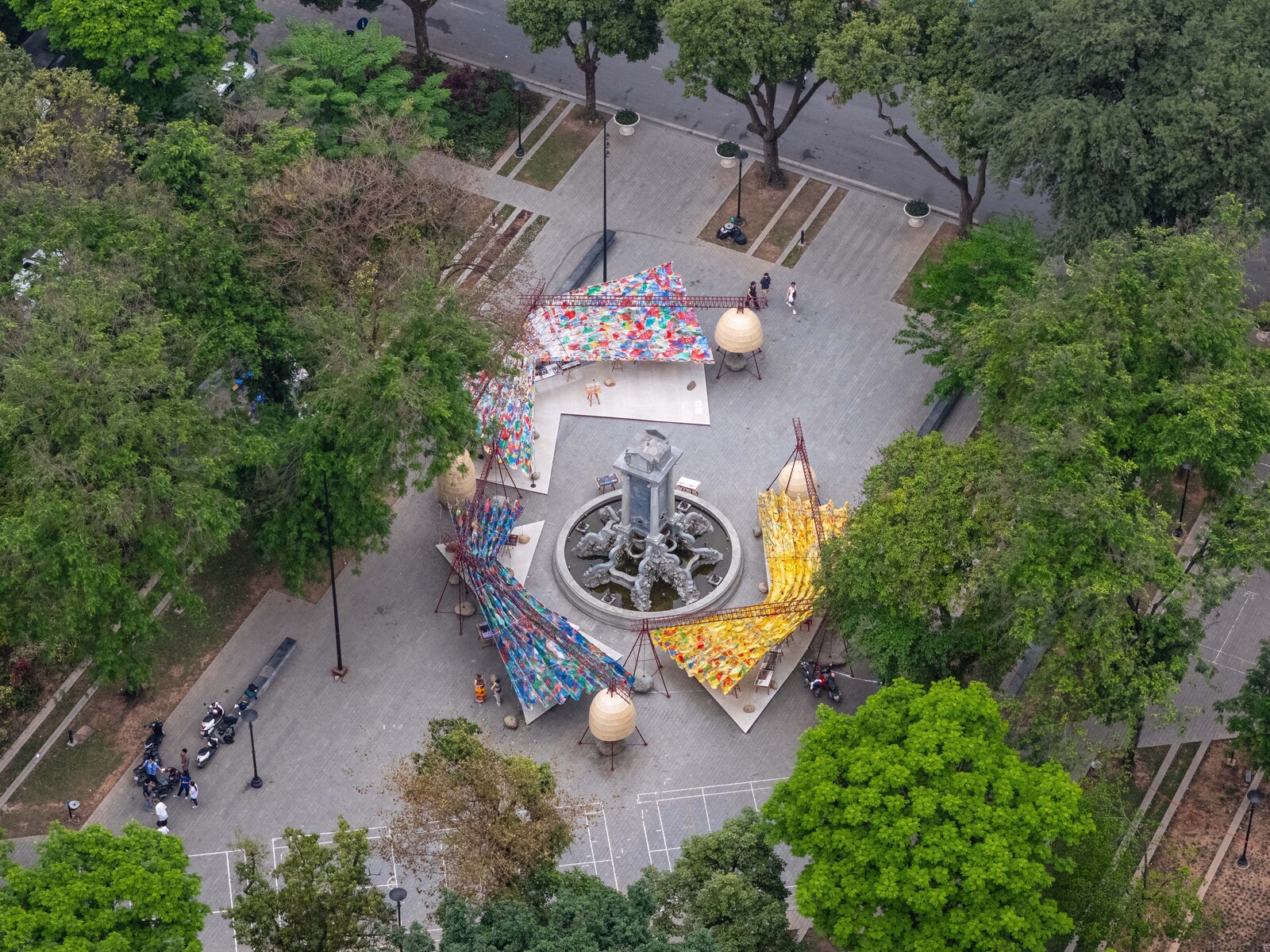
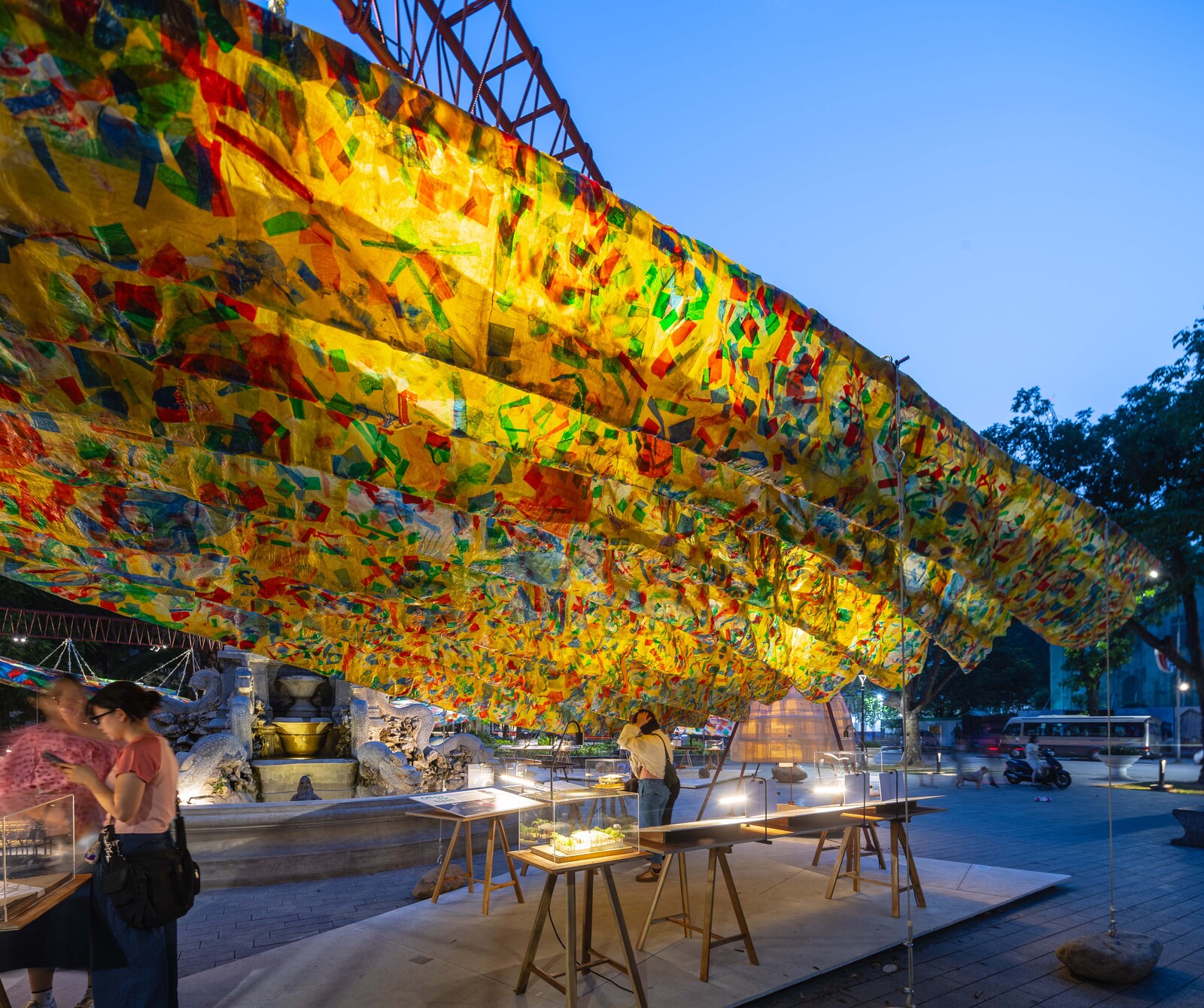
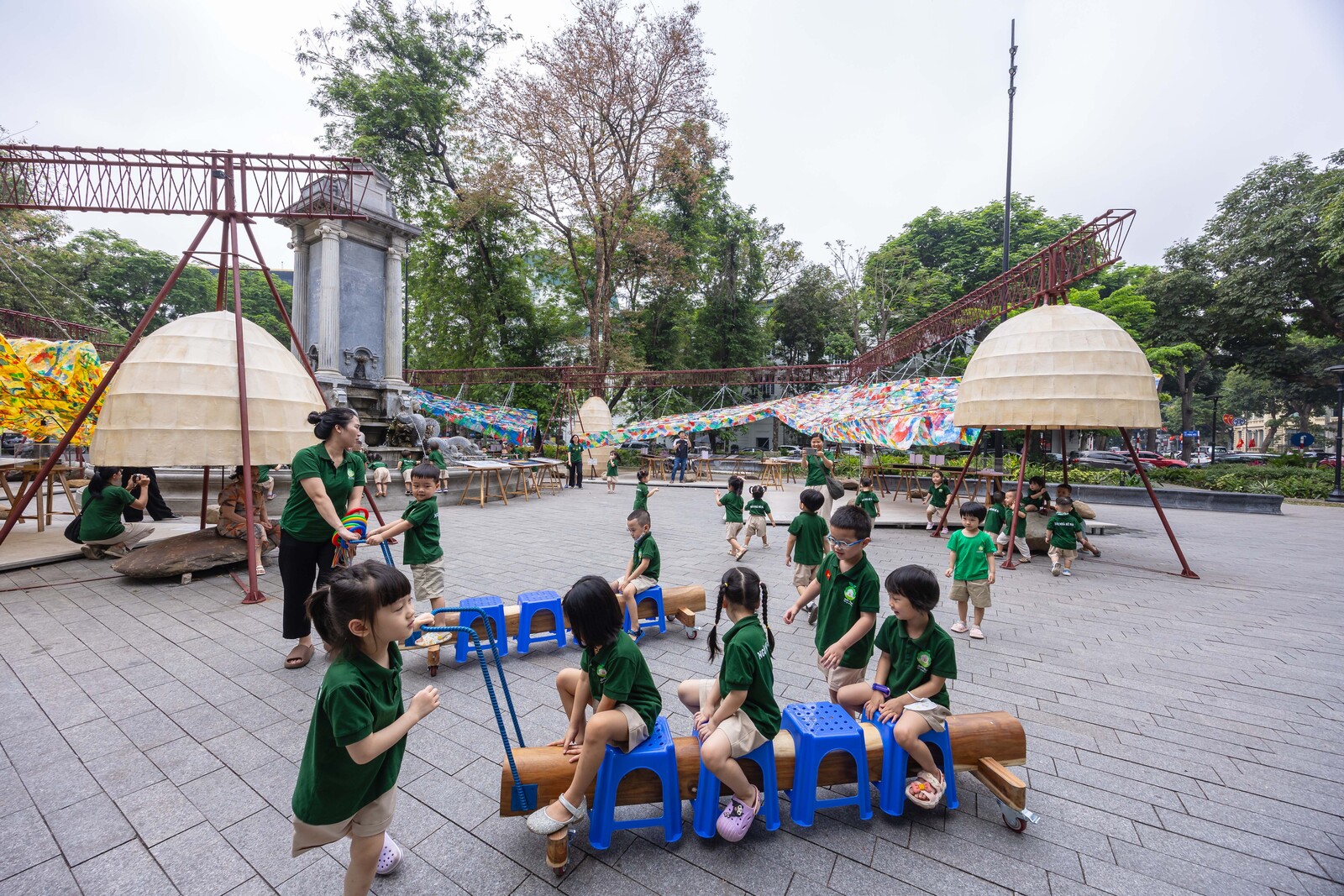
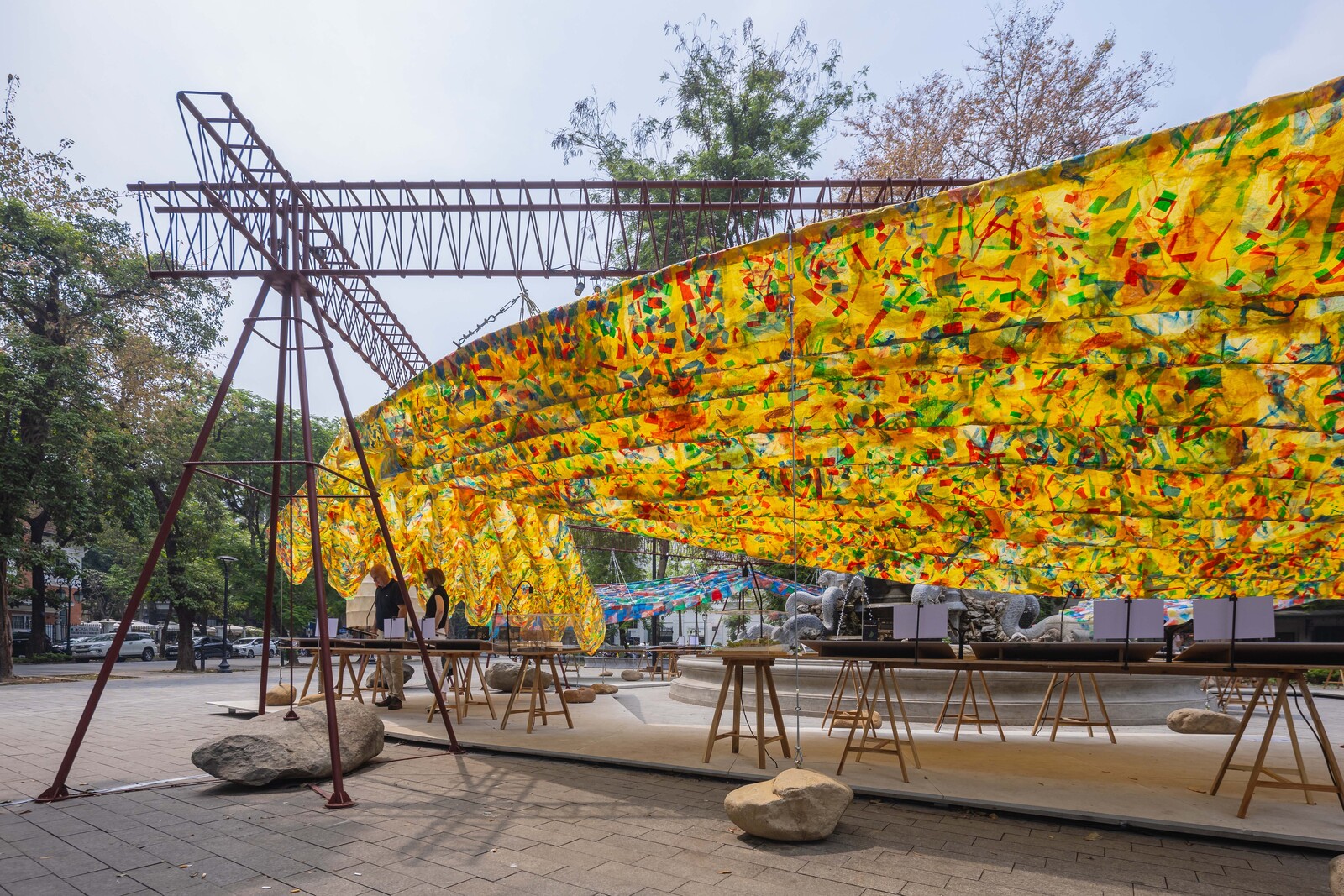
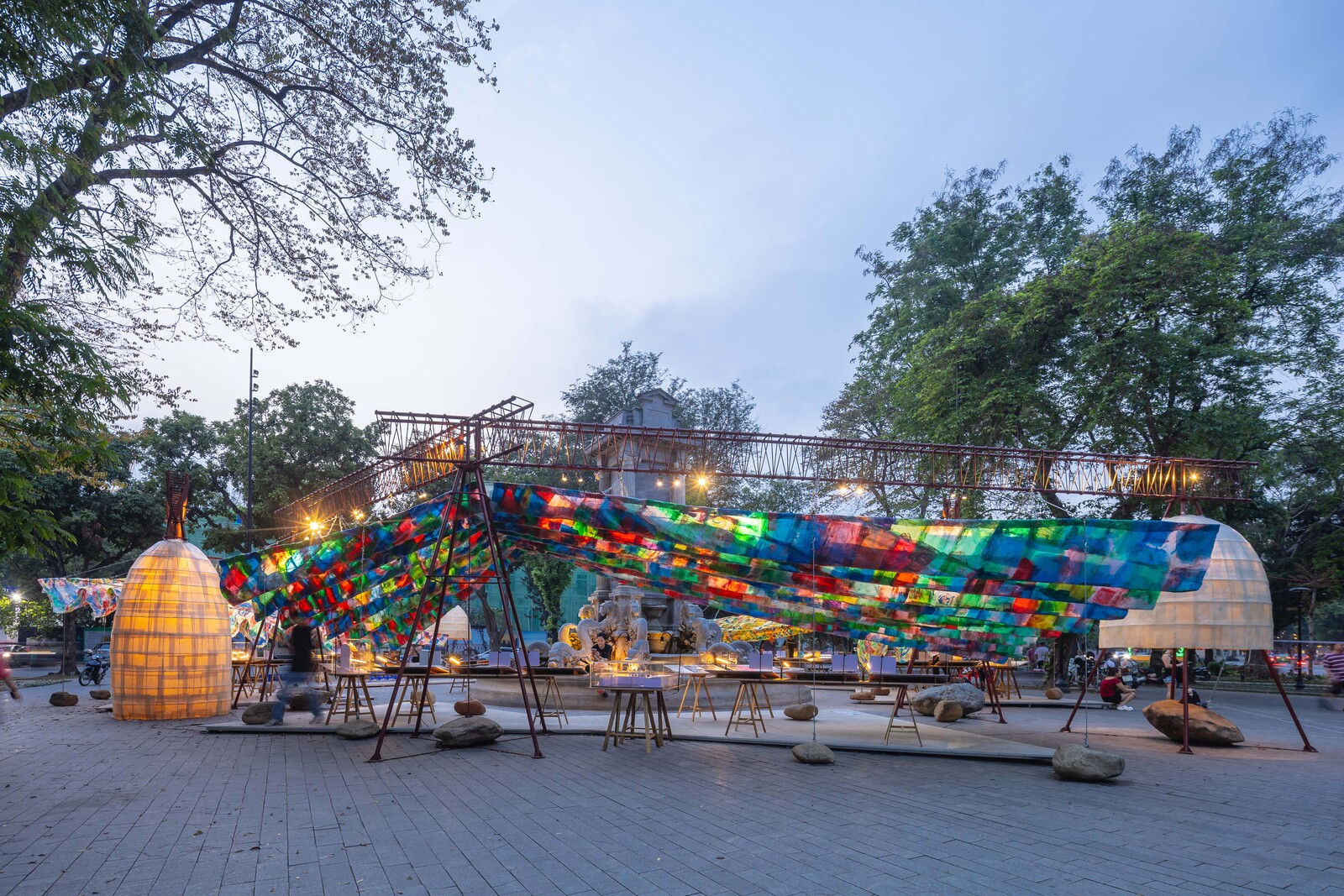
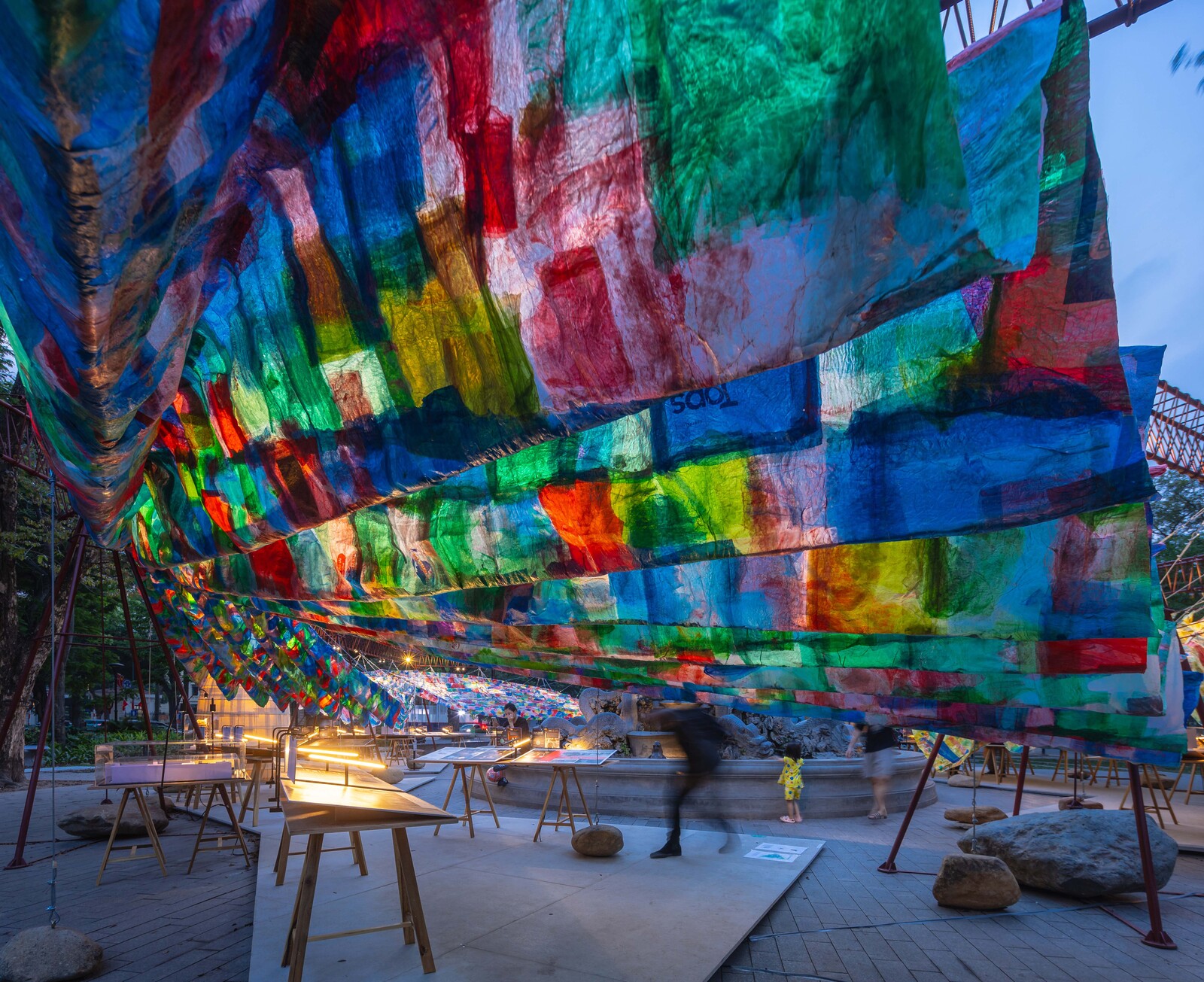
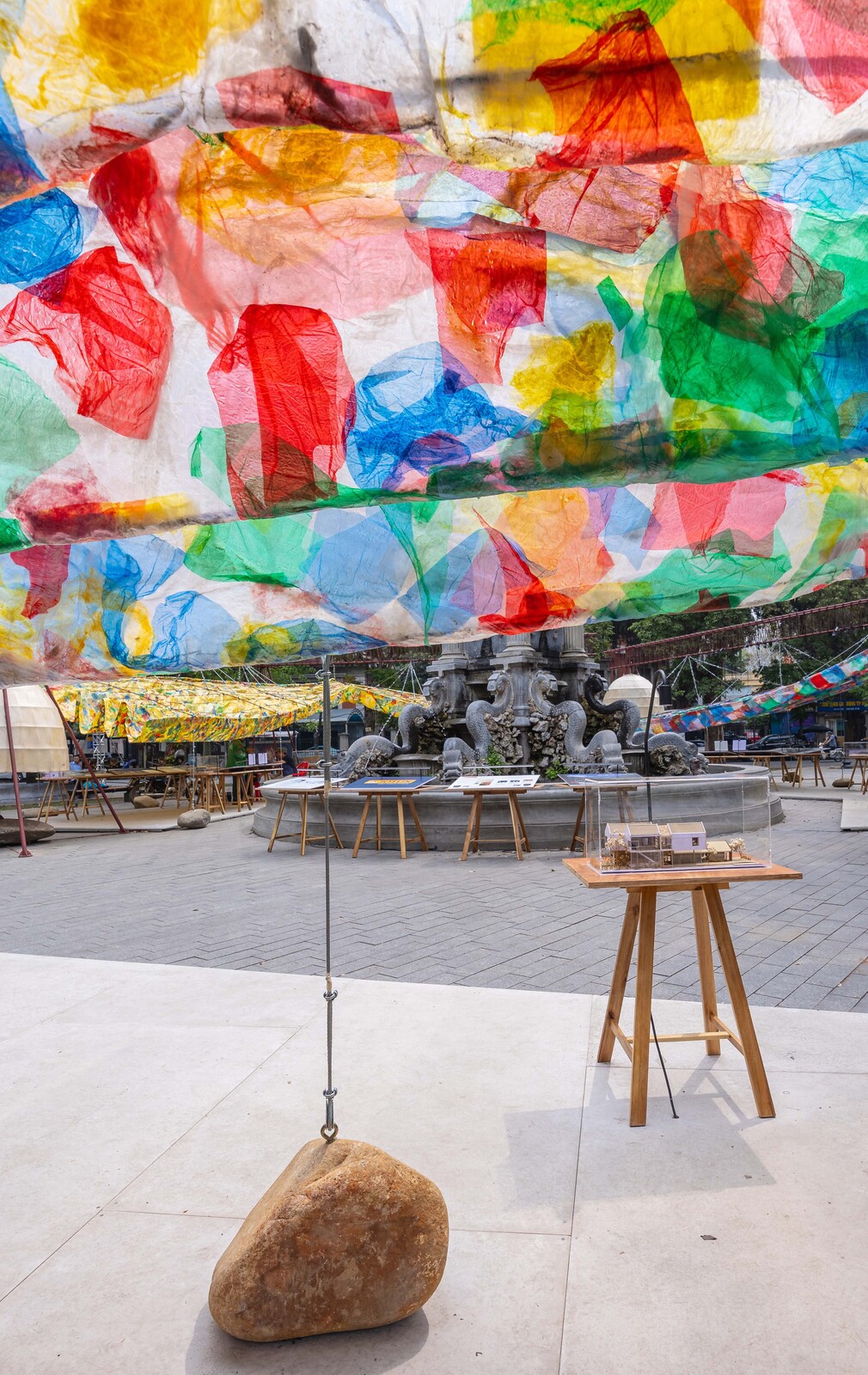
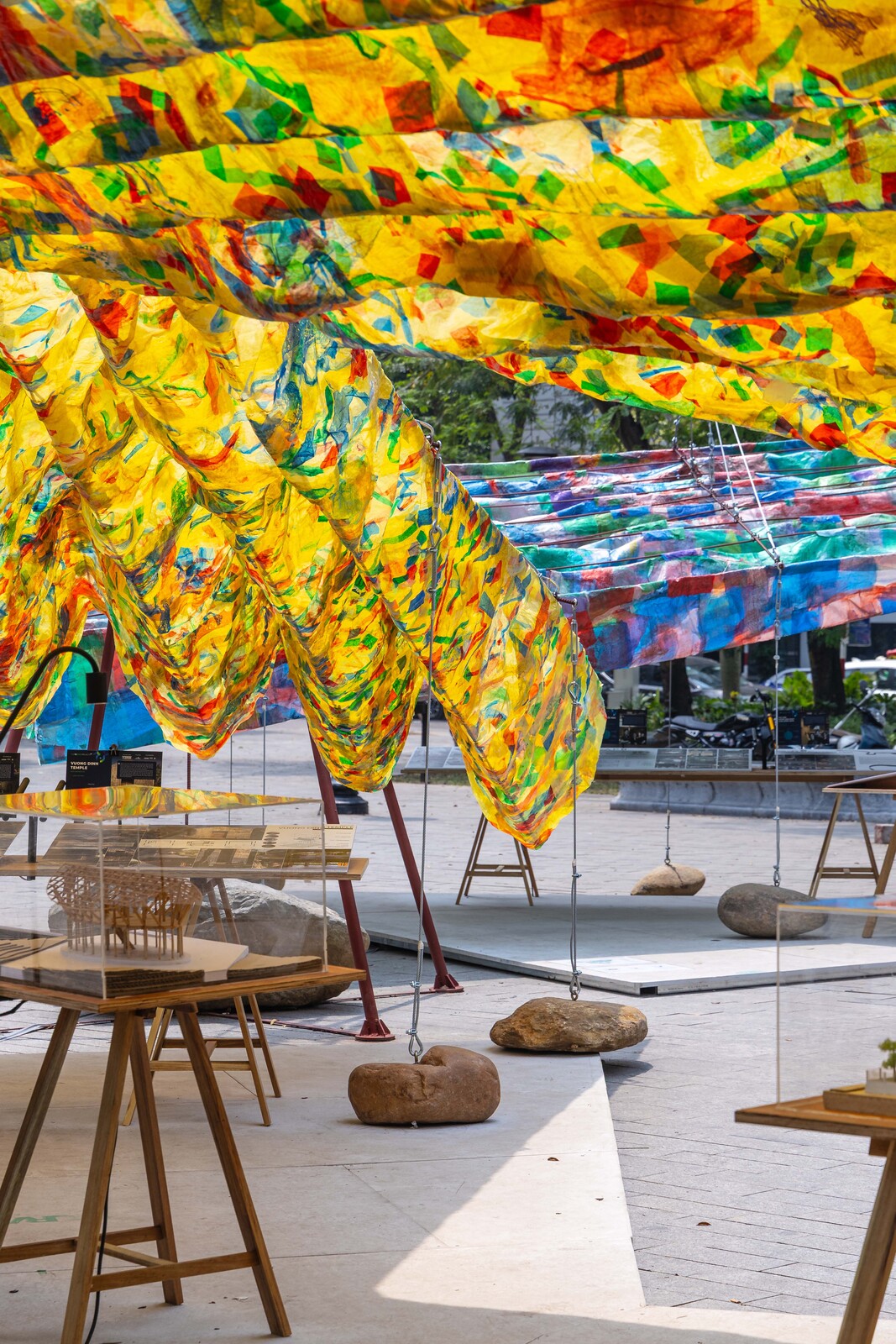
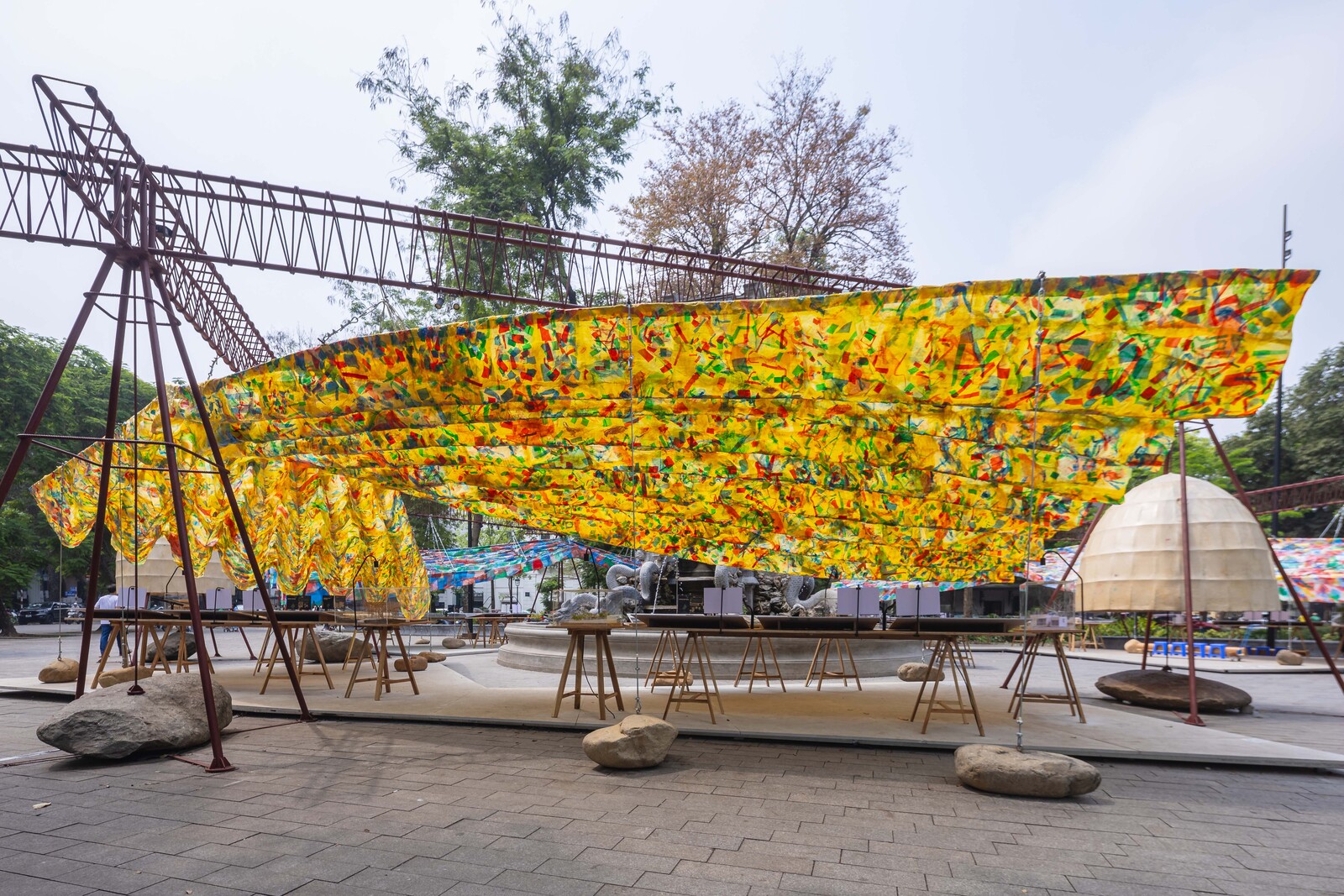
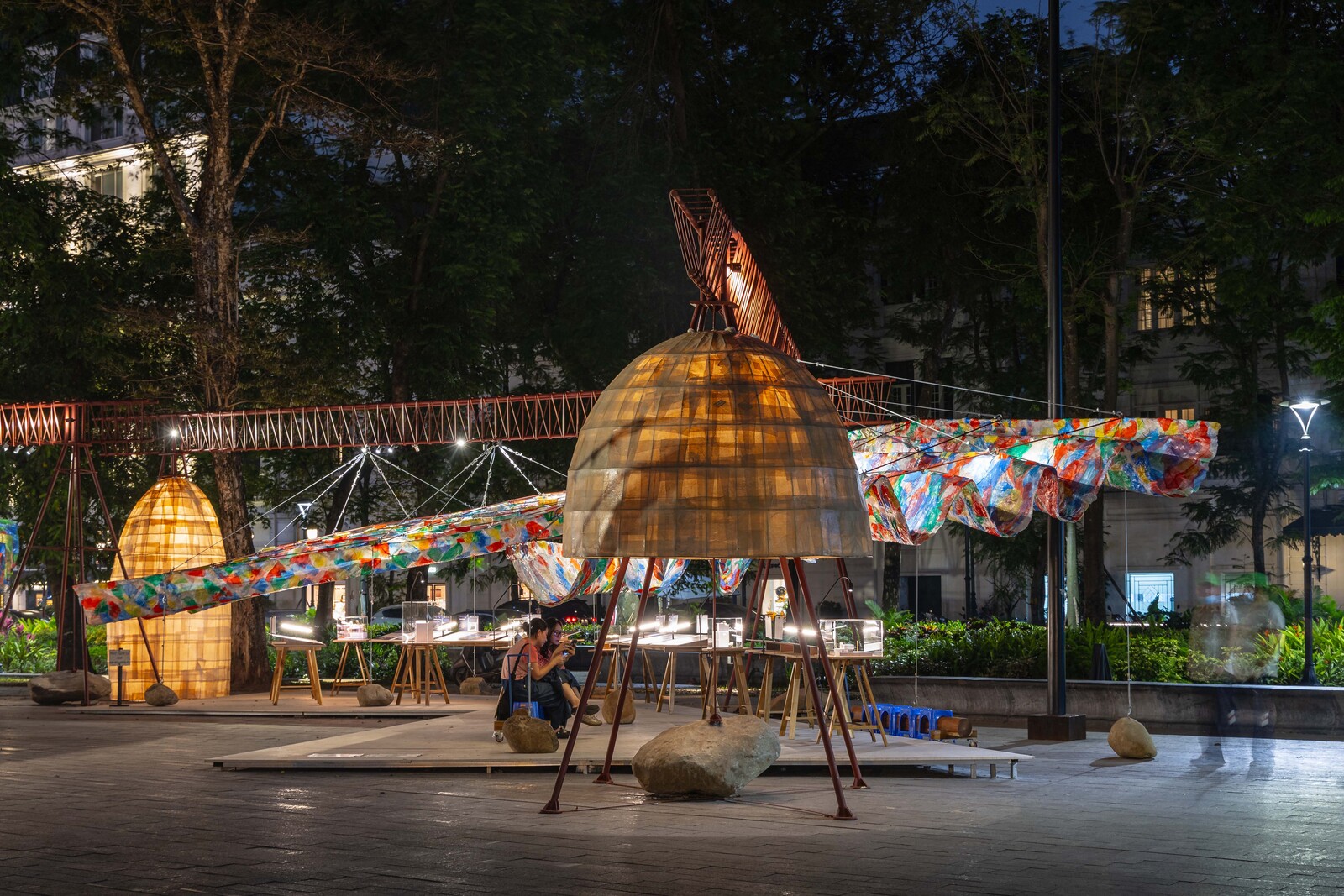
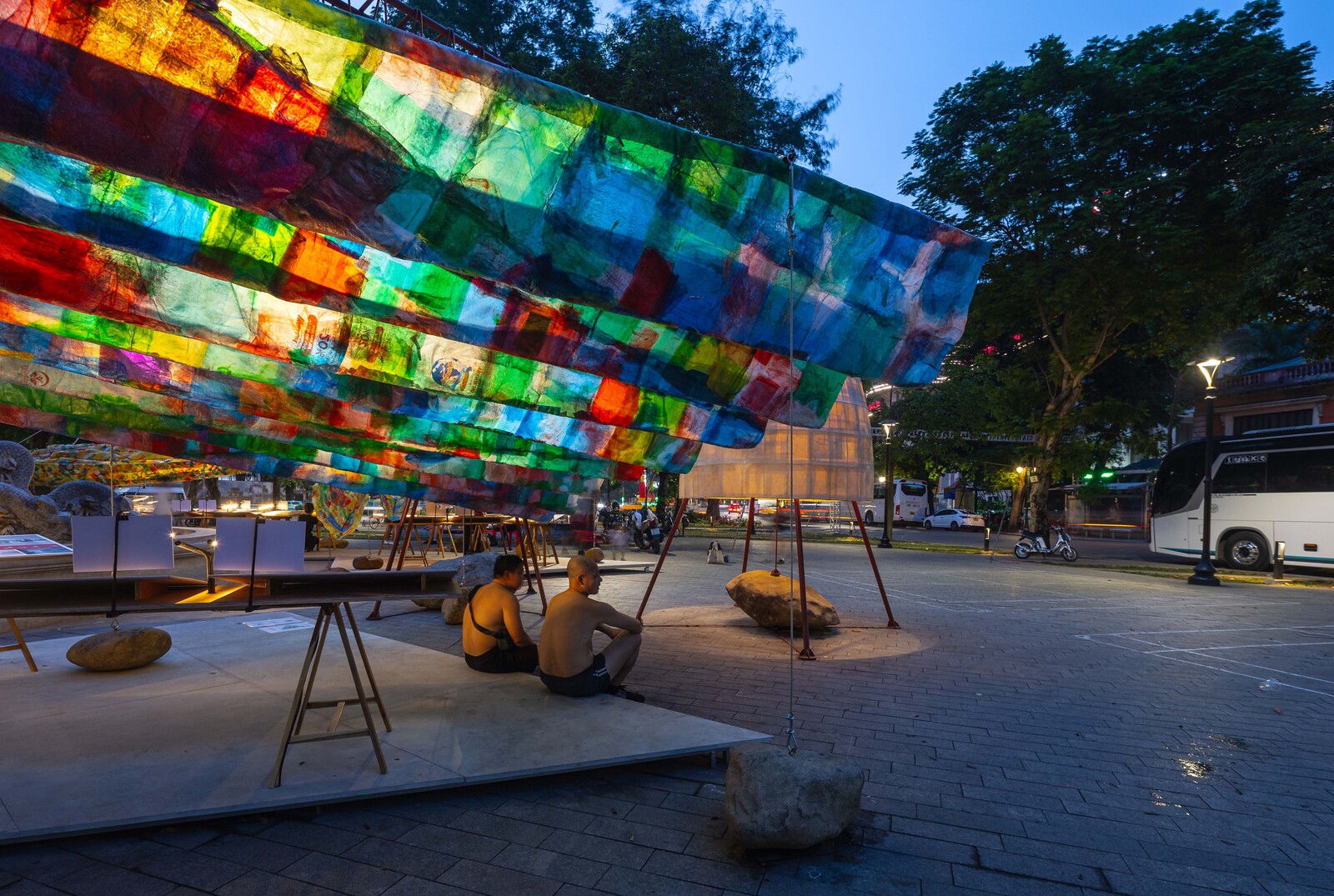
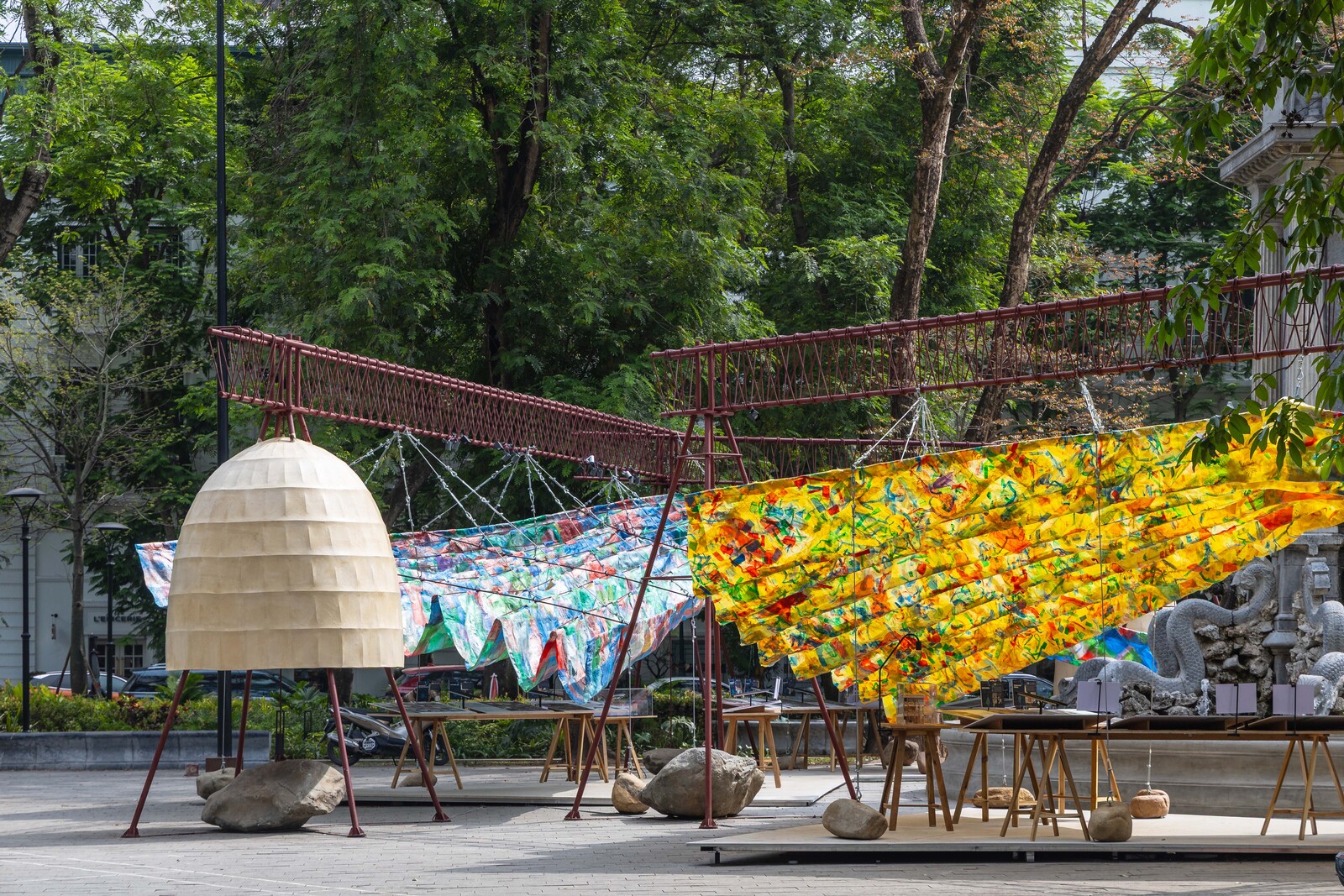
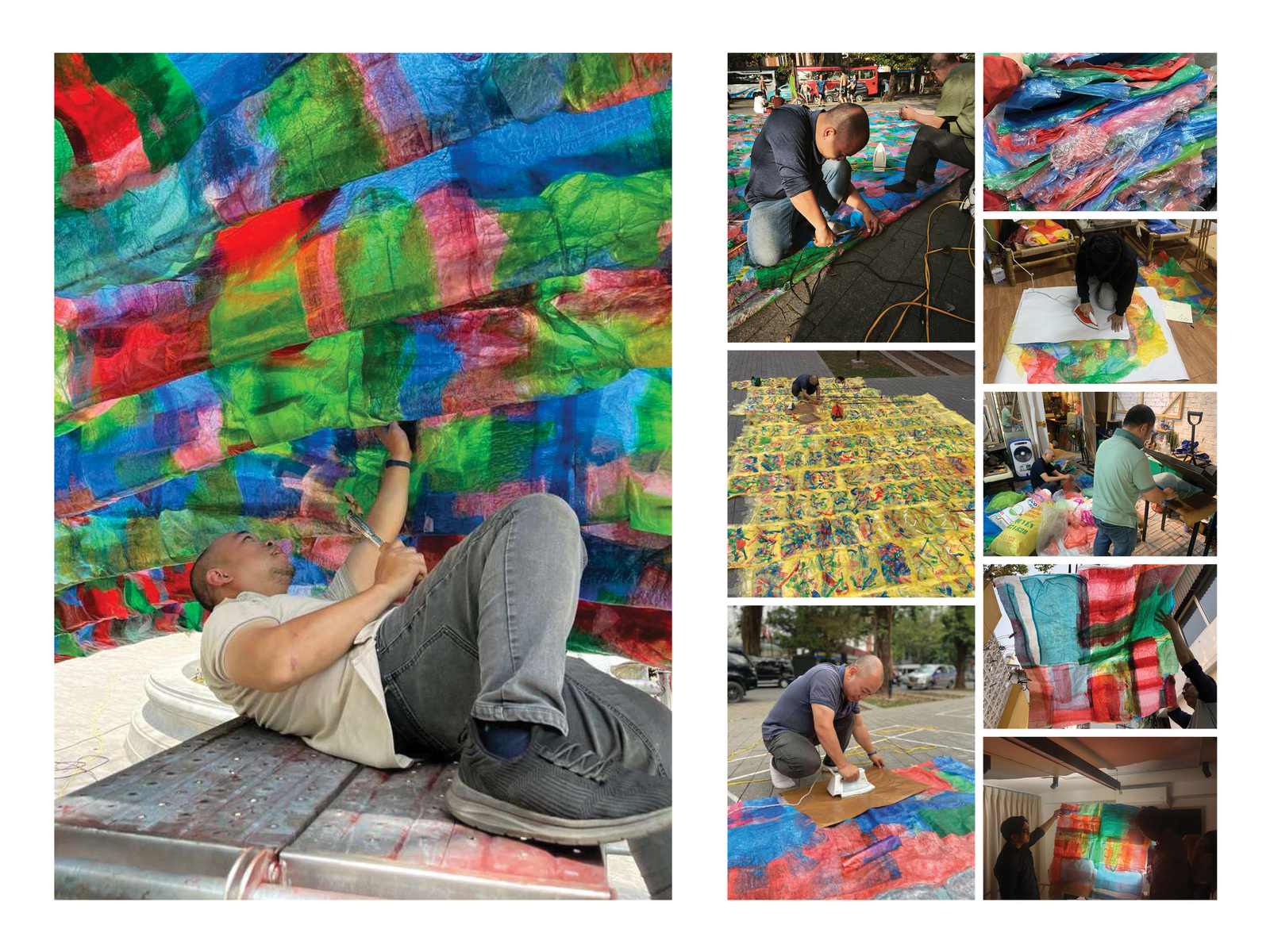
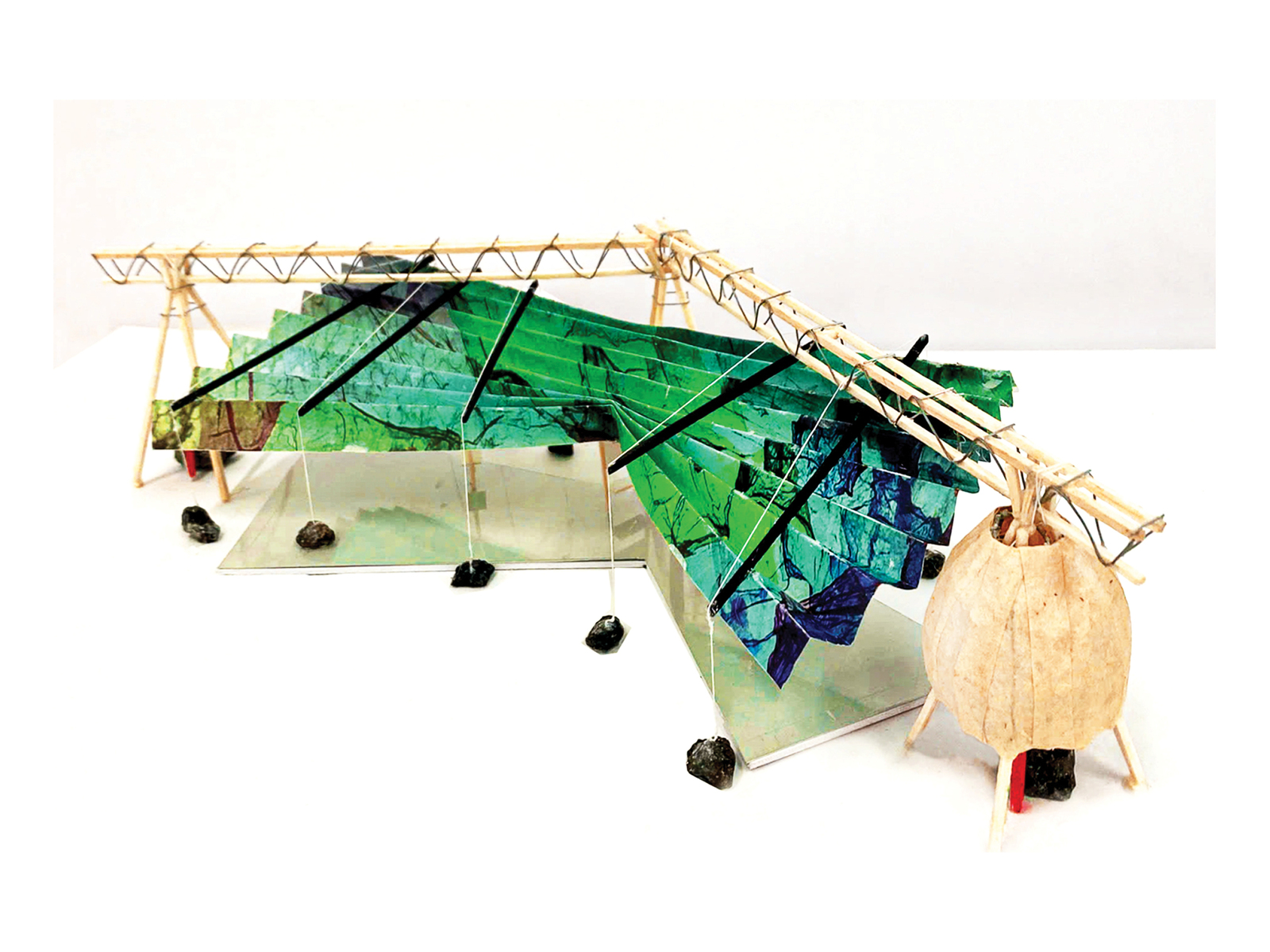
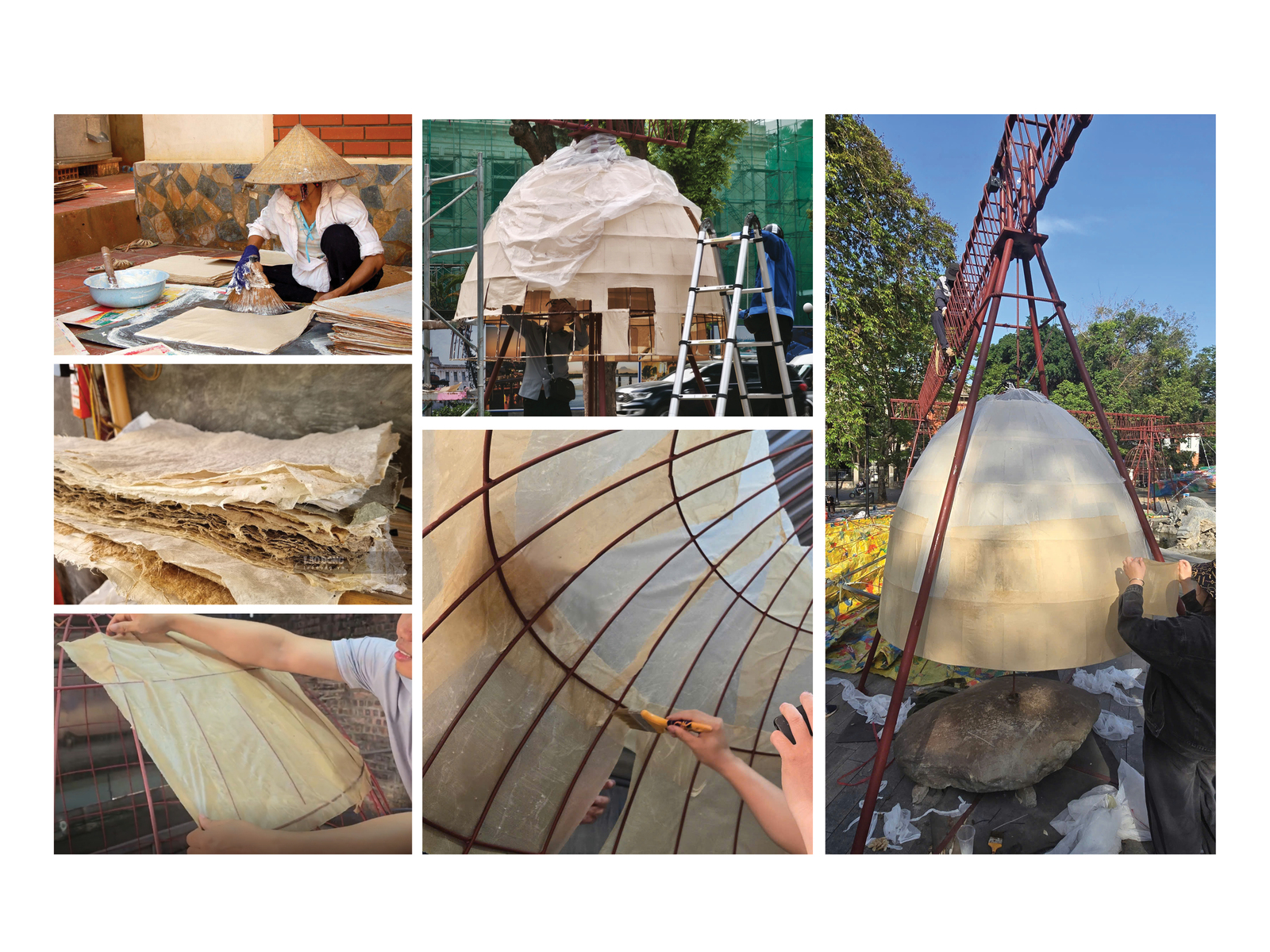
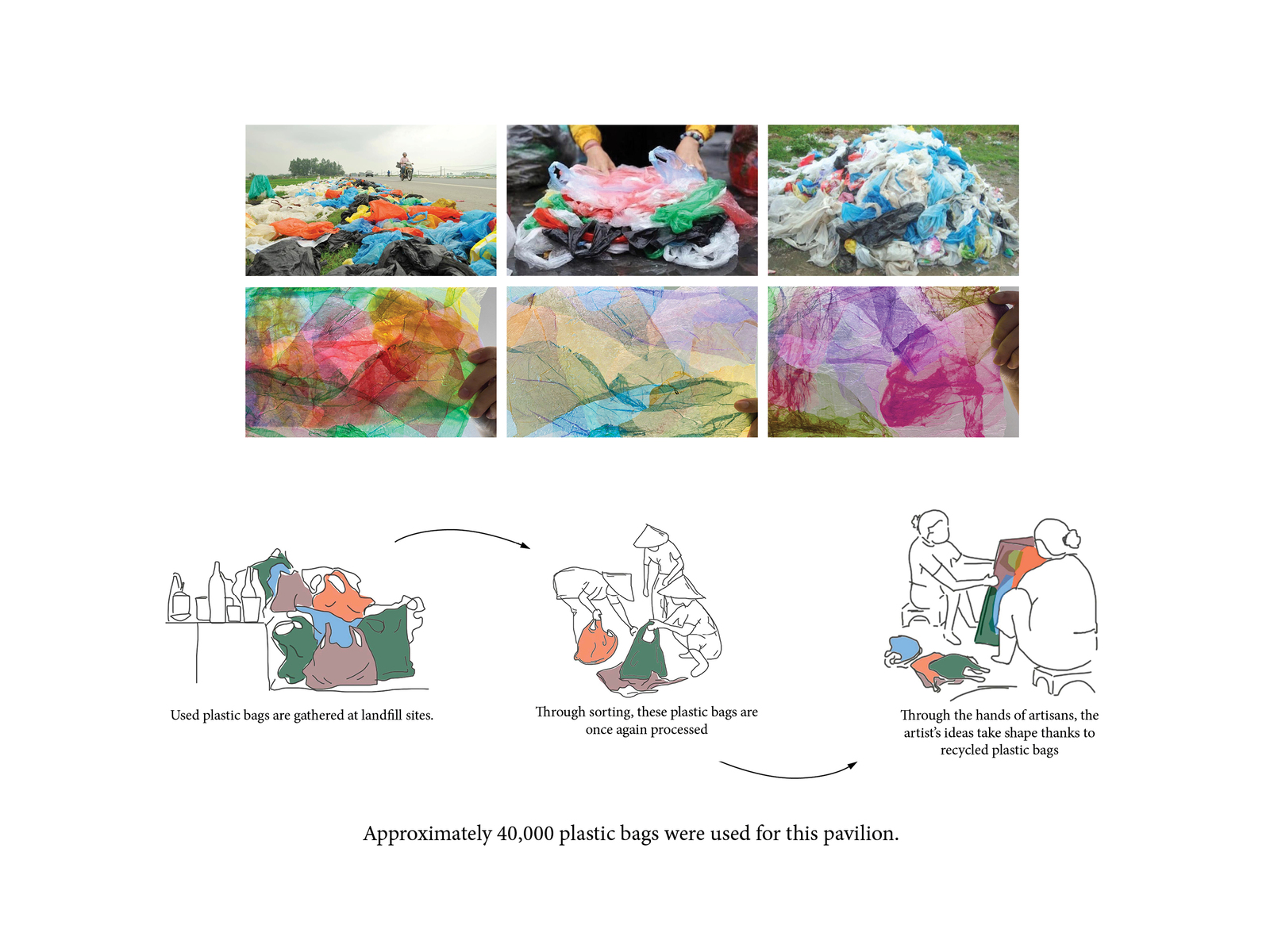
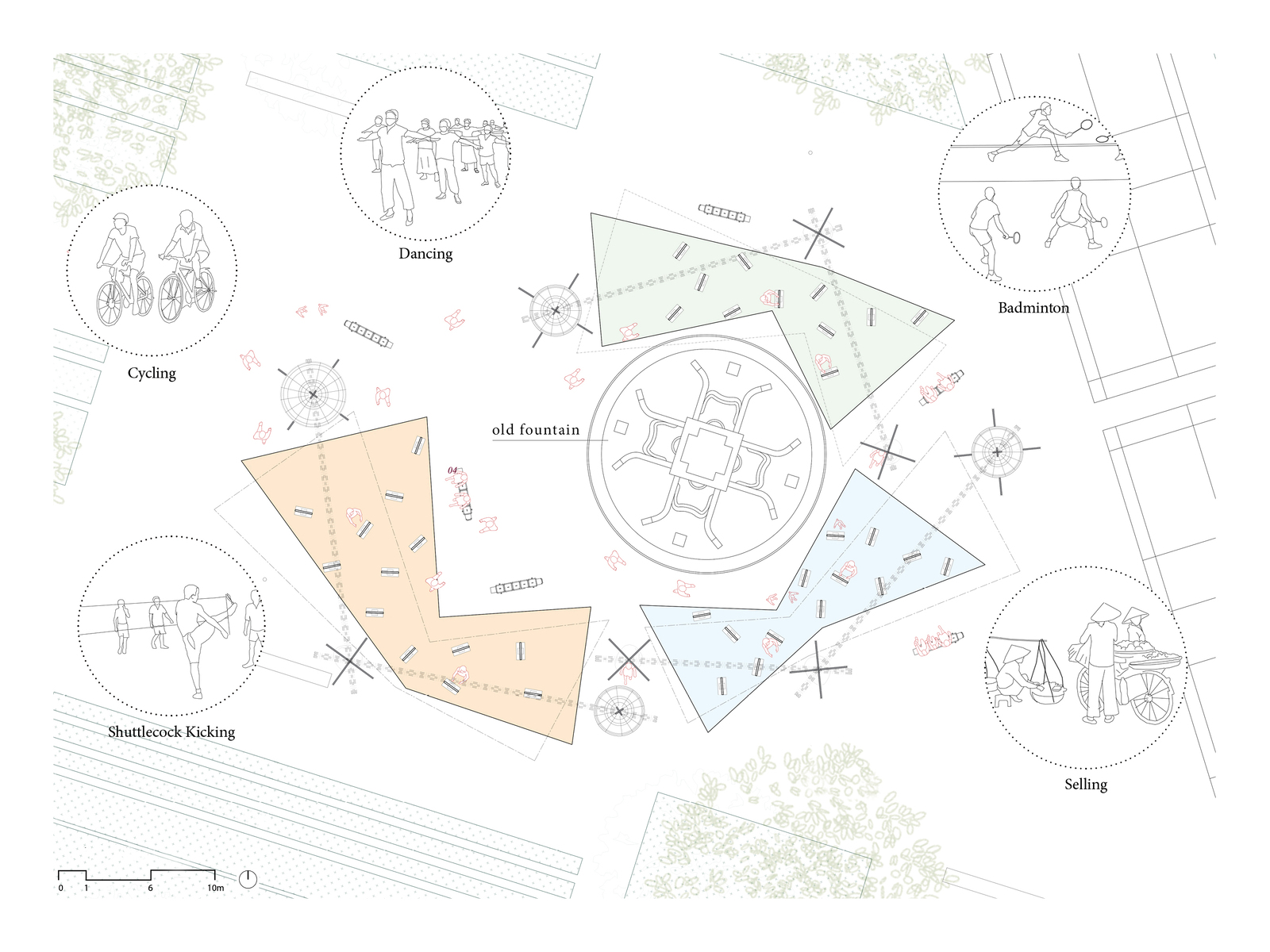
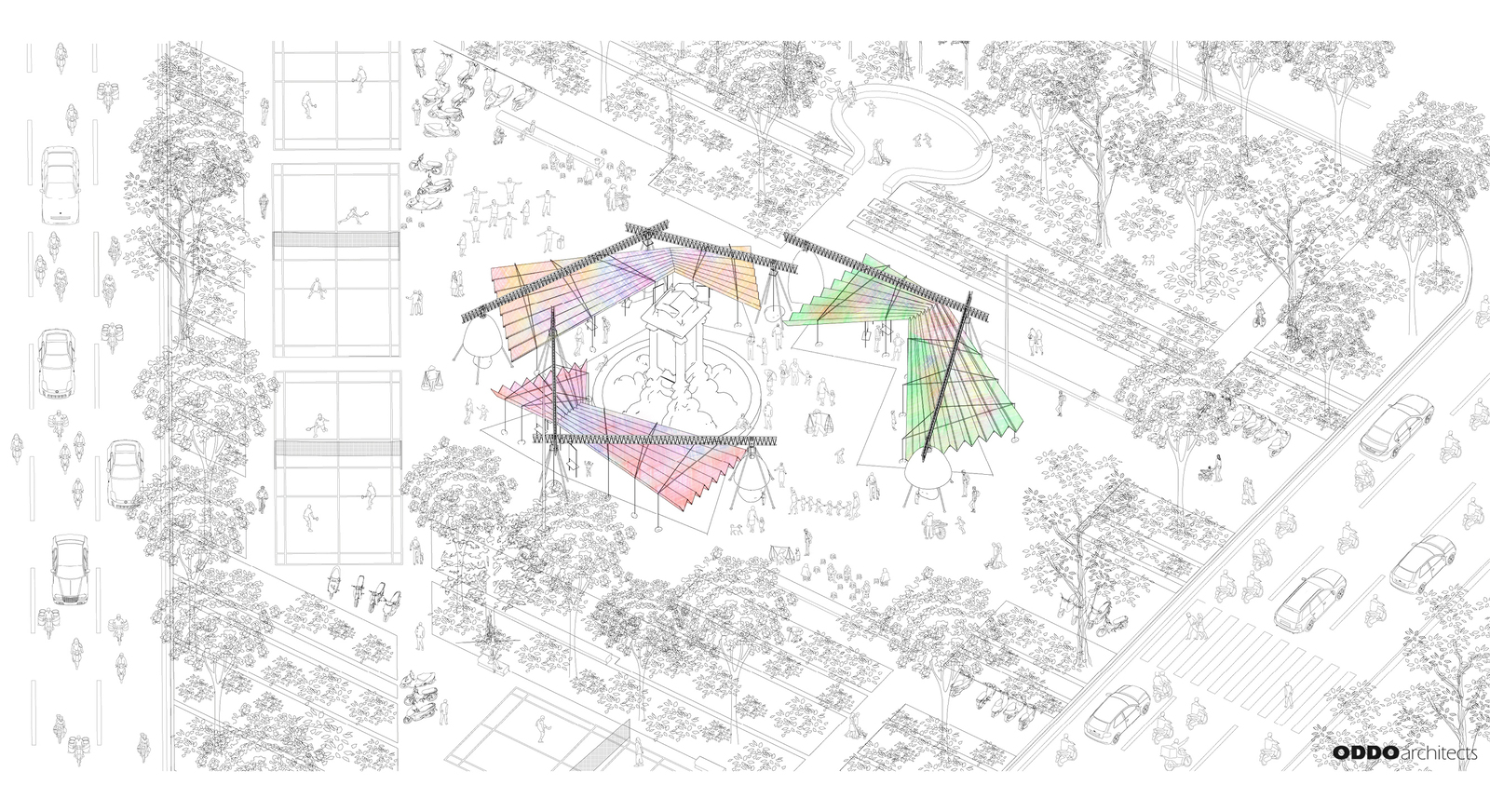
The T10A Pavilion in Hanoi is a temporary exhibition structure designed to foreground sustainable practices through material reuse and collective participation. Conceived by ODDO architects, the pavilion was constructed primarily from recycled plastic, with more than forty thousand discarded shopping bags transformed into semi-transparent architectural components. The project functions as both an exhibition space for awarded Vietnamese architecture projects and a public demonstration of how waste materials can be repurposed through design. A lightweight steel framework supports a series of wing-like roof forms that organize the pavilion into three exhibition zones, each associated with a distinct architectural theme. Complementing the plastic elements, handmade paper domes provide intimate interior environments for displaying drawings and installations. The pavilion draws from Hanoi’s craft traditions while engaging contemporary questions of circular economy and environmental responsibility. Beyond its temporary lifespan, the project extends its sustainability agenda by reusing the plastic components in new design objects, reinforcing the idea of architecture as an active agent in material life cycles rather than a static endpoint.
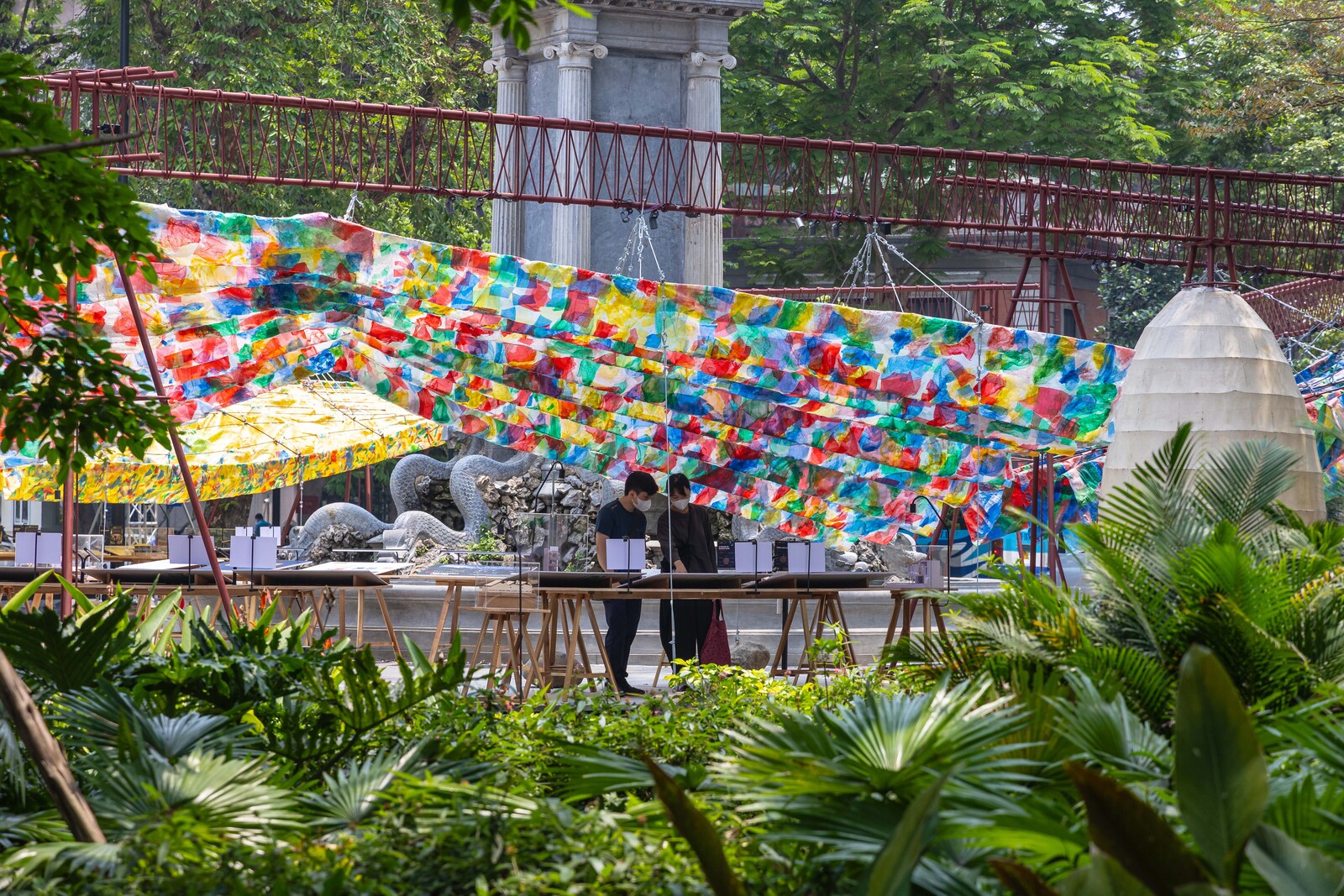
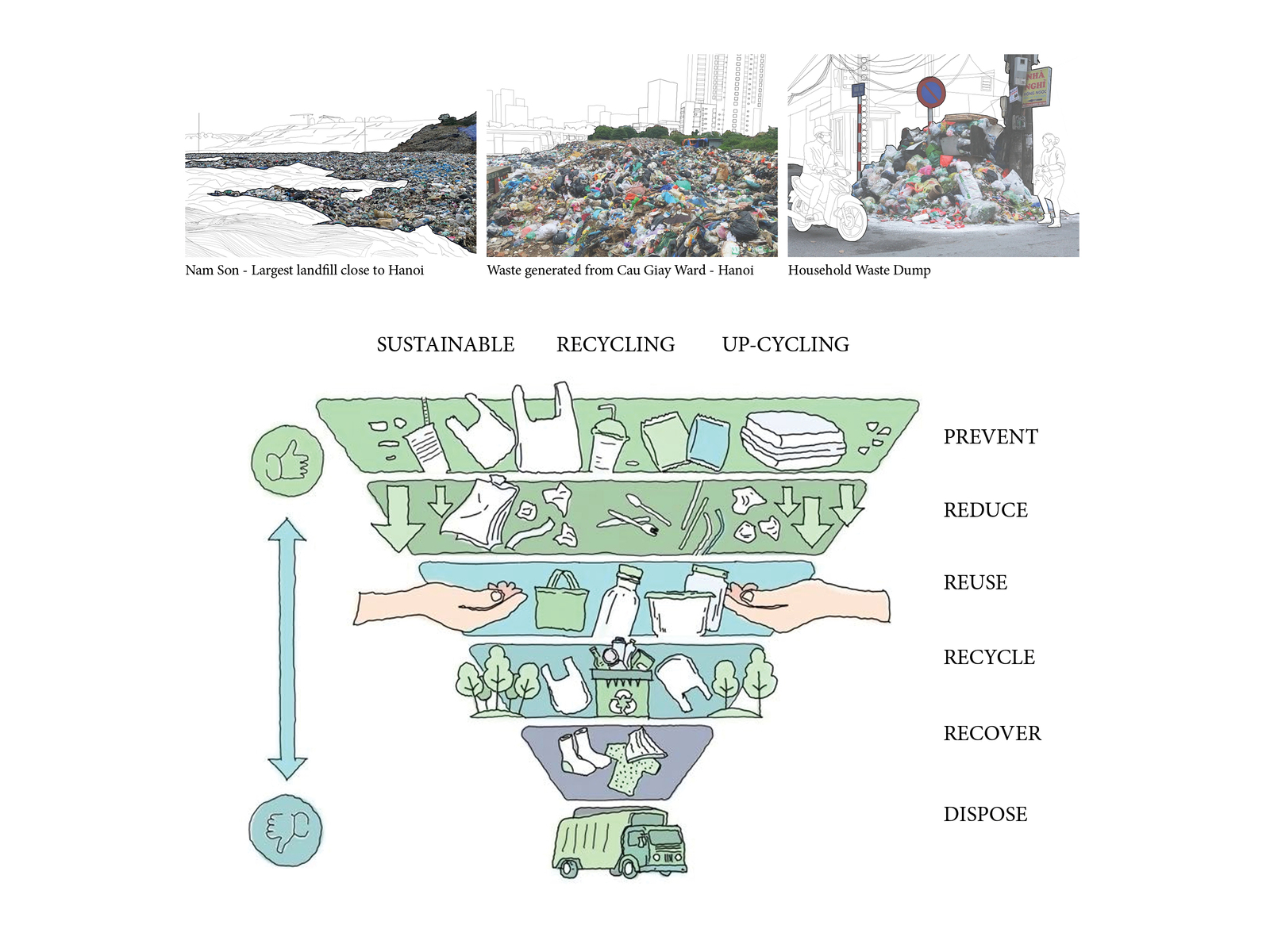
Rather than treating sustainability as an abstract ambition, the T10A Pavilion approaches it as a tangible, civic act rooted in everyday materials and shared labor. The project positions waste as a visible and expressive construction resource, inviting visitors to confront the scale and consequences of plastic consumption within an urban context that generates millions of tons of household waste each year. By assembling the pavilion through volunteer participation, the architects expanded authorship beyond the studio, allowing construction itself to become a form of public engagement.
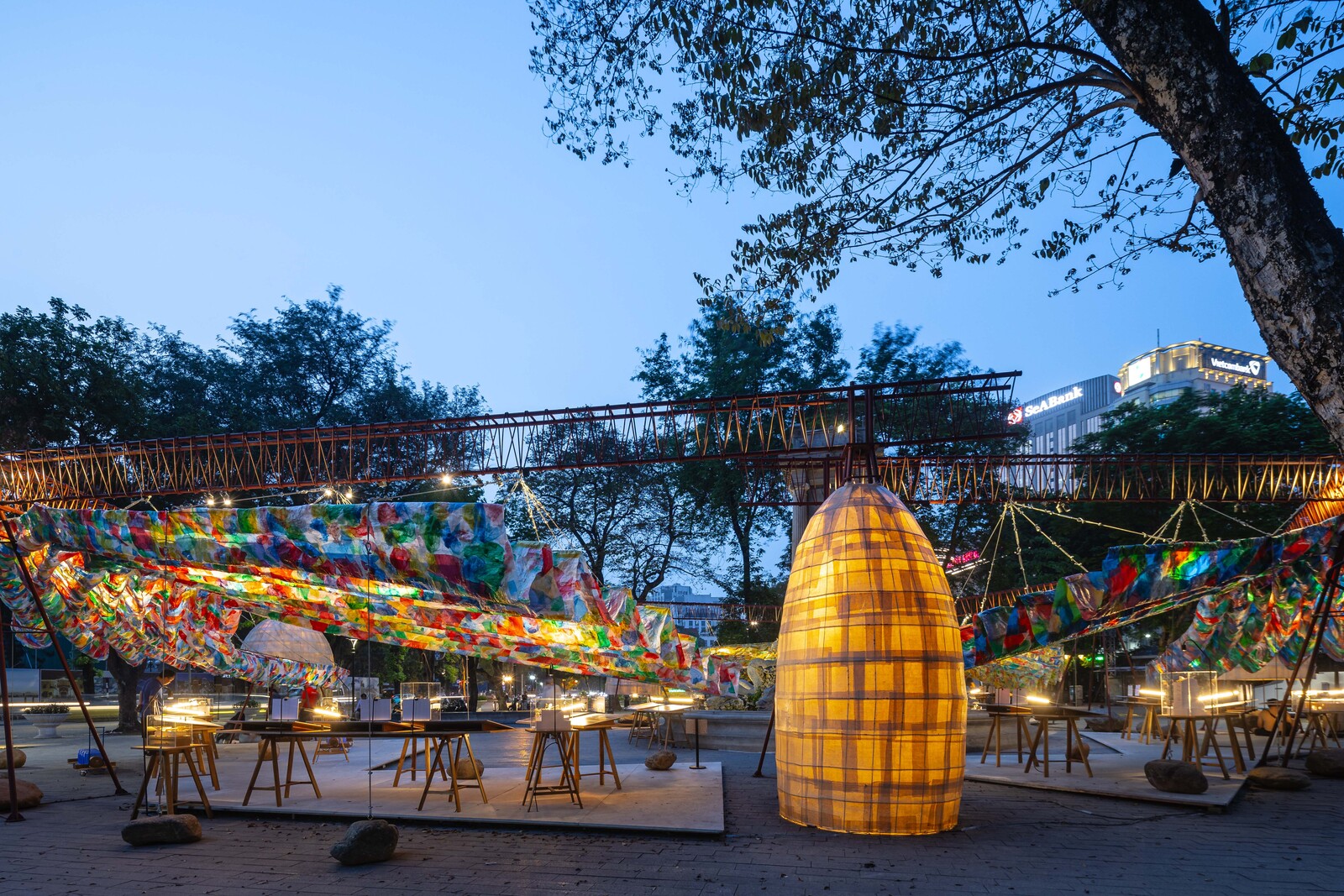
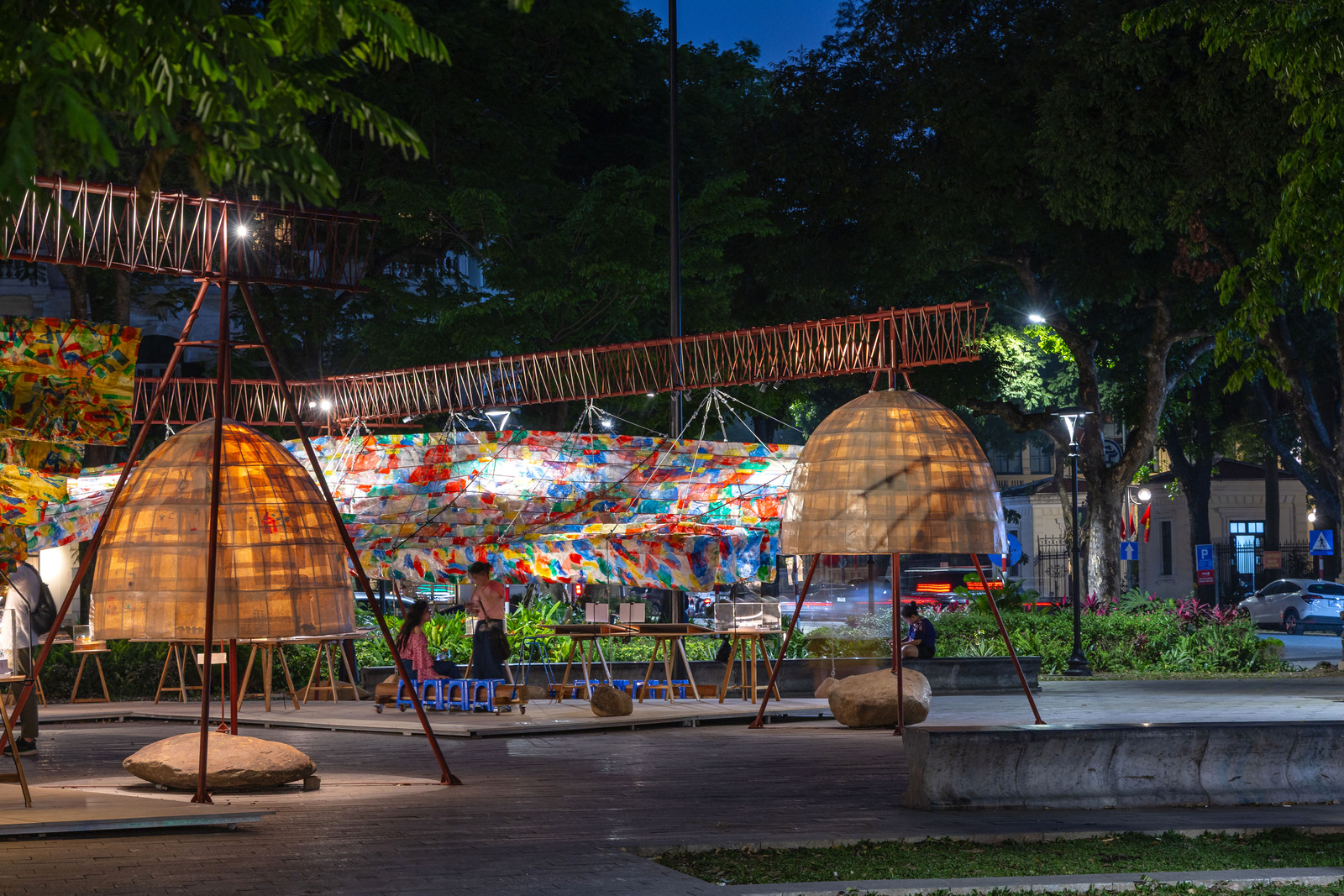
The architectural language is intentionally direct. Recycled plastic panels, once lightweight carriers of daily commerce, are reconfigured into roof surfaces and walls that filter daylight and animate the interior with shifting color and shadow. During evening hours, the structure reads as a luminous presence, its translucent skin transforming artificial light into a soft, lantern-like glow. This visual permeability reinforces the pavilion’s role as an open forum rather than an enclosed object.
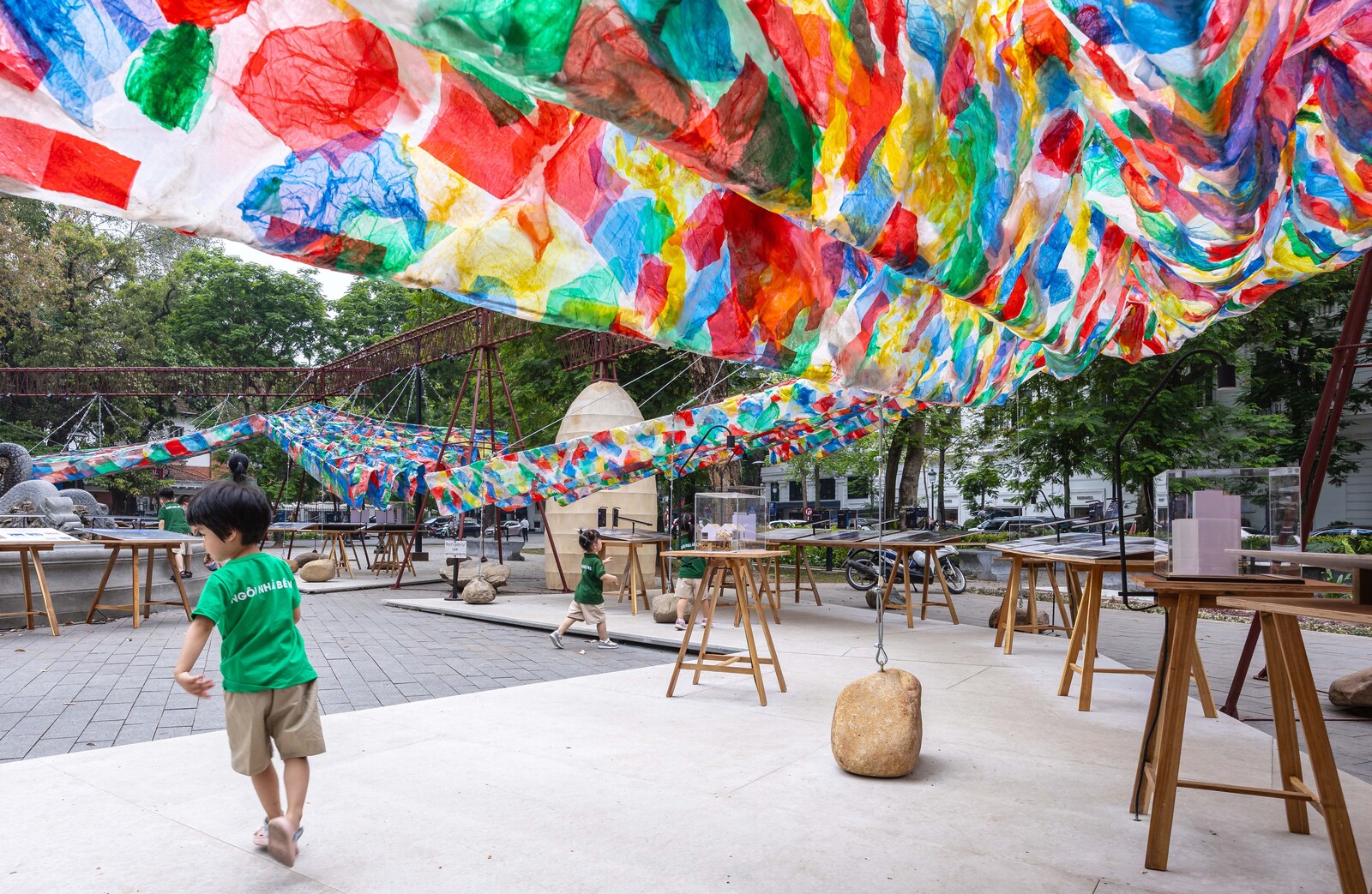
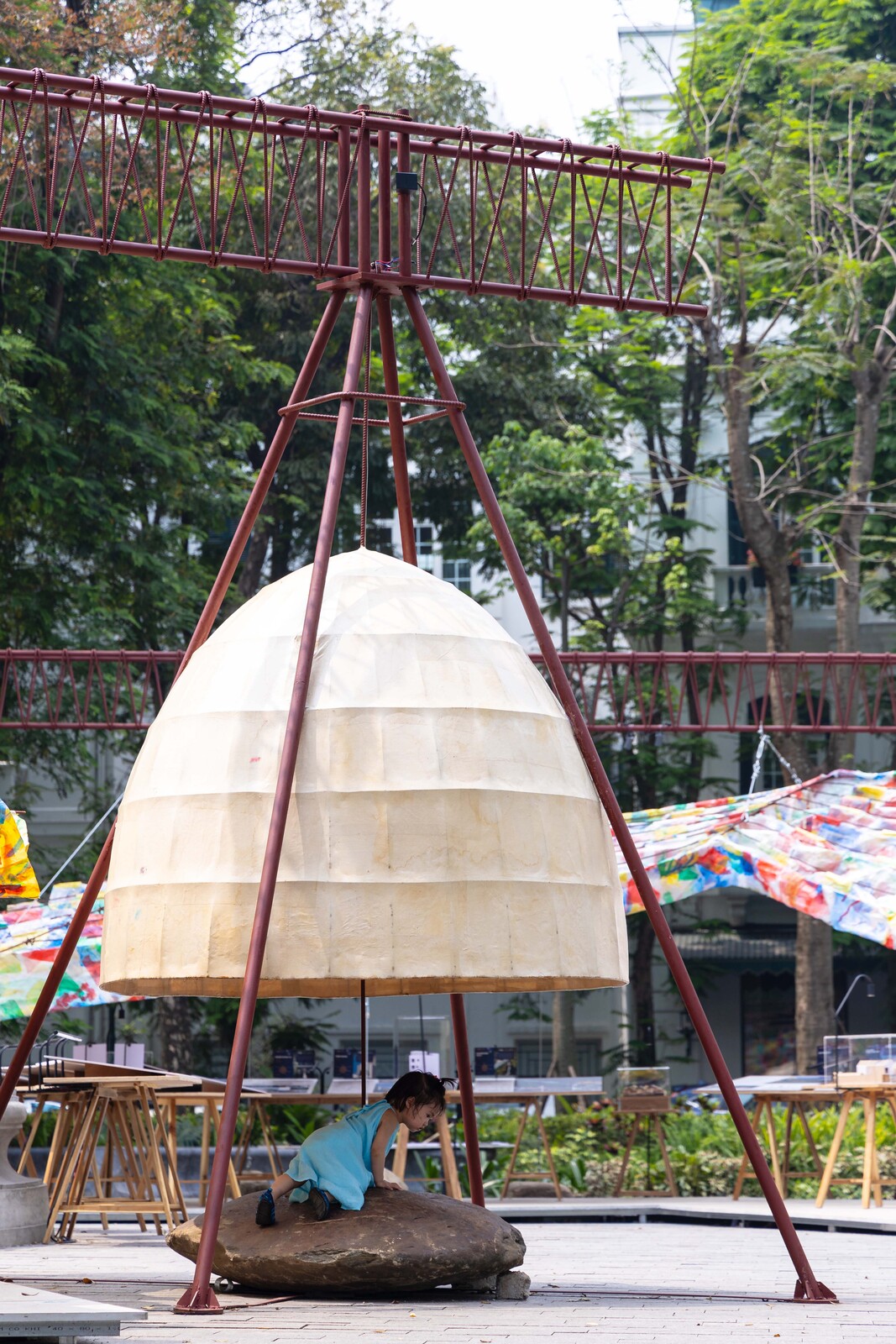
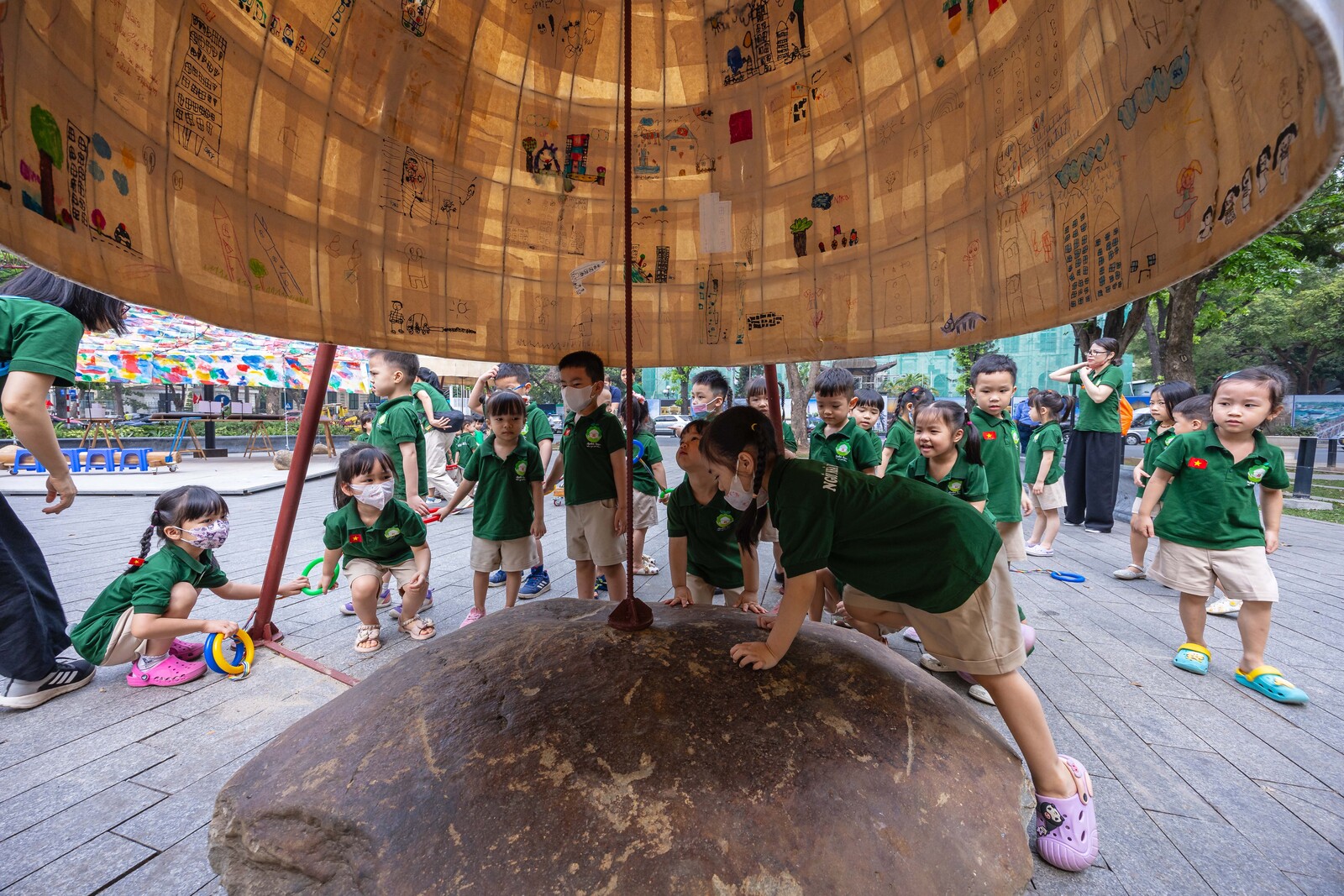
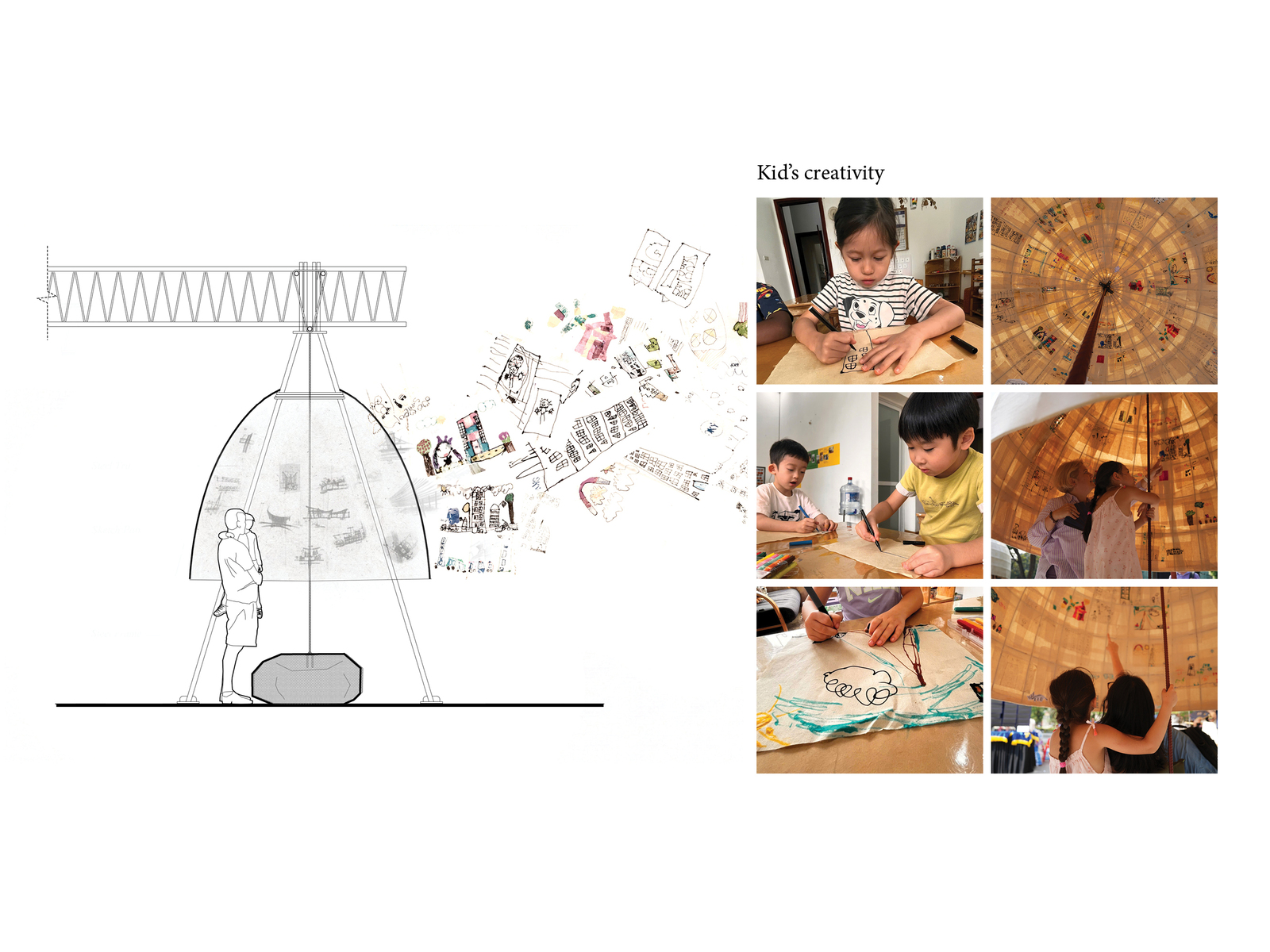
Material experimentation is grounded in local cultural references. The use of Giấy Dó, a traditional handmade paper associated with Hanoi’s artisan villages, introduces a tactile counterpoint to the plastic surfaces. Shaped into domes of varying scale, these paper structures define quieter exhibition spaces while recalling vernacular construction methods and craft-based knowledge. The inclusion of drawings by kindergarten children on the paper surfaces further embeds the pavilion within its social context, layering professional discourse with personal imagination.
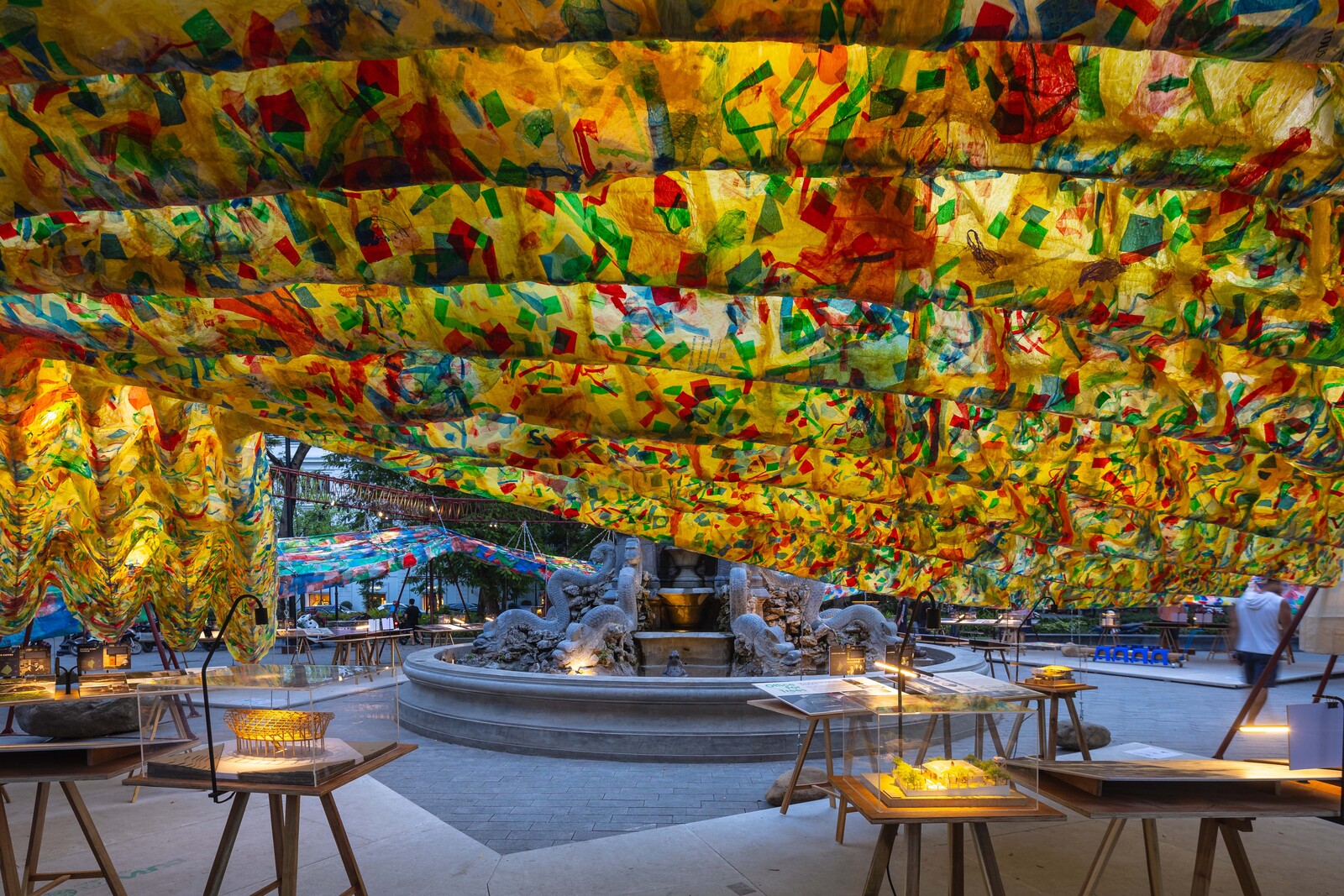
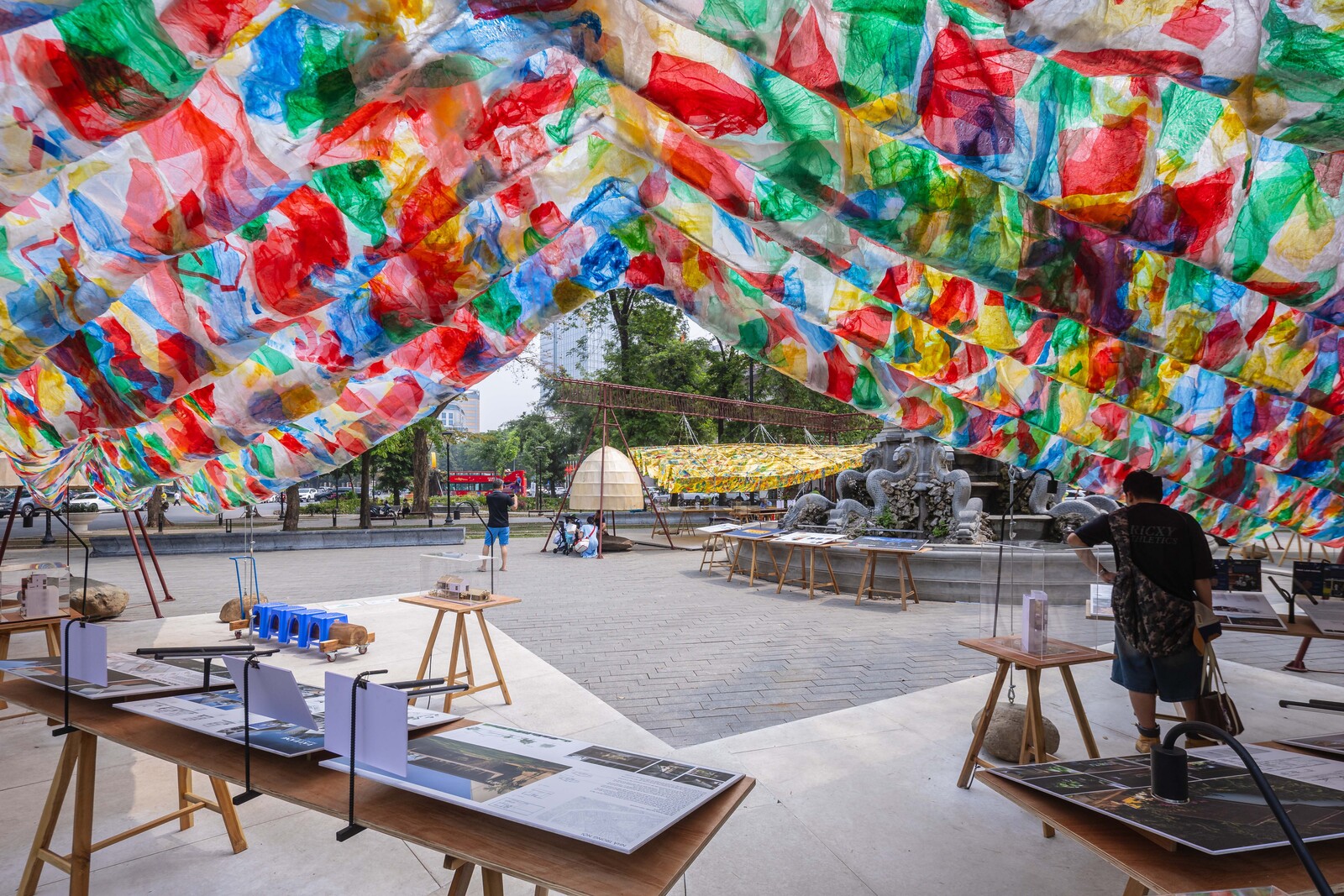
Spatially, the pavilion is organized under three winged roofs corresponding to exhibition themes of housing, interior design, and sustainability. Color differentiation subtly guides movement while maintaining a cohesive overall form. This clarity of organization allows the architecture to support, rather than compete with, the exhibited work.
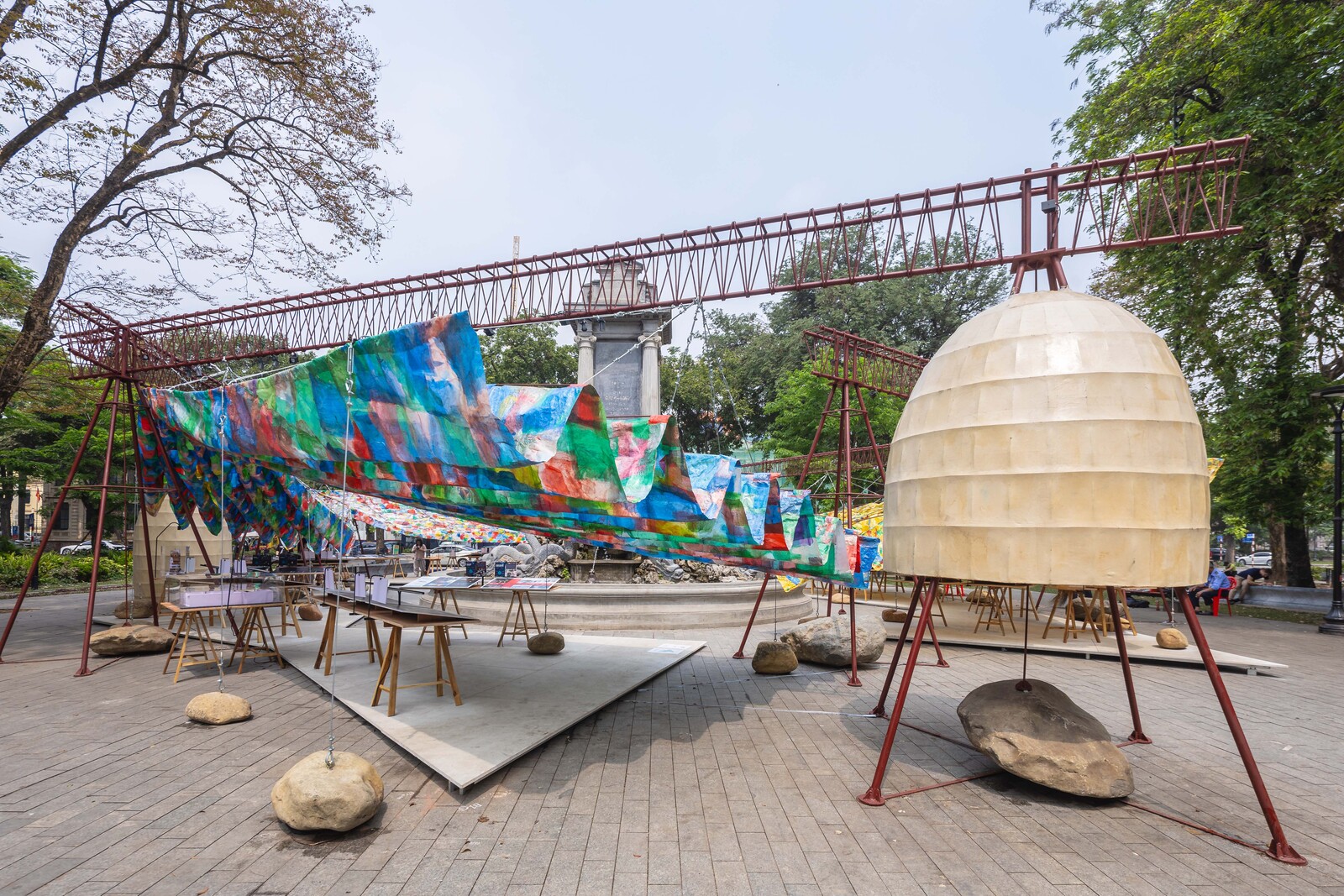
After dismantling, the pavilion’s material life continues. Plastic components were reused in the production of new objects, underscoring the project’s commitment to circularity beyond symbolic gestures. In this way, the T10A Pavilion reframes the temporary exhibition structure as a testing ground for long-term environmental thinking, demonstrating how architectural design can recalibrate perceptions of waste, value, and collective responsibility within Vietnam’s rapidly changing urban landscape.
Project Gallery
34 photographs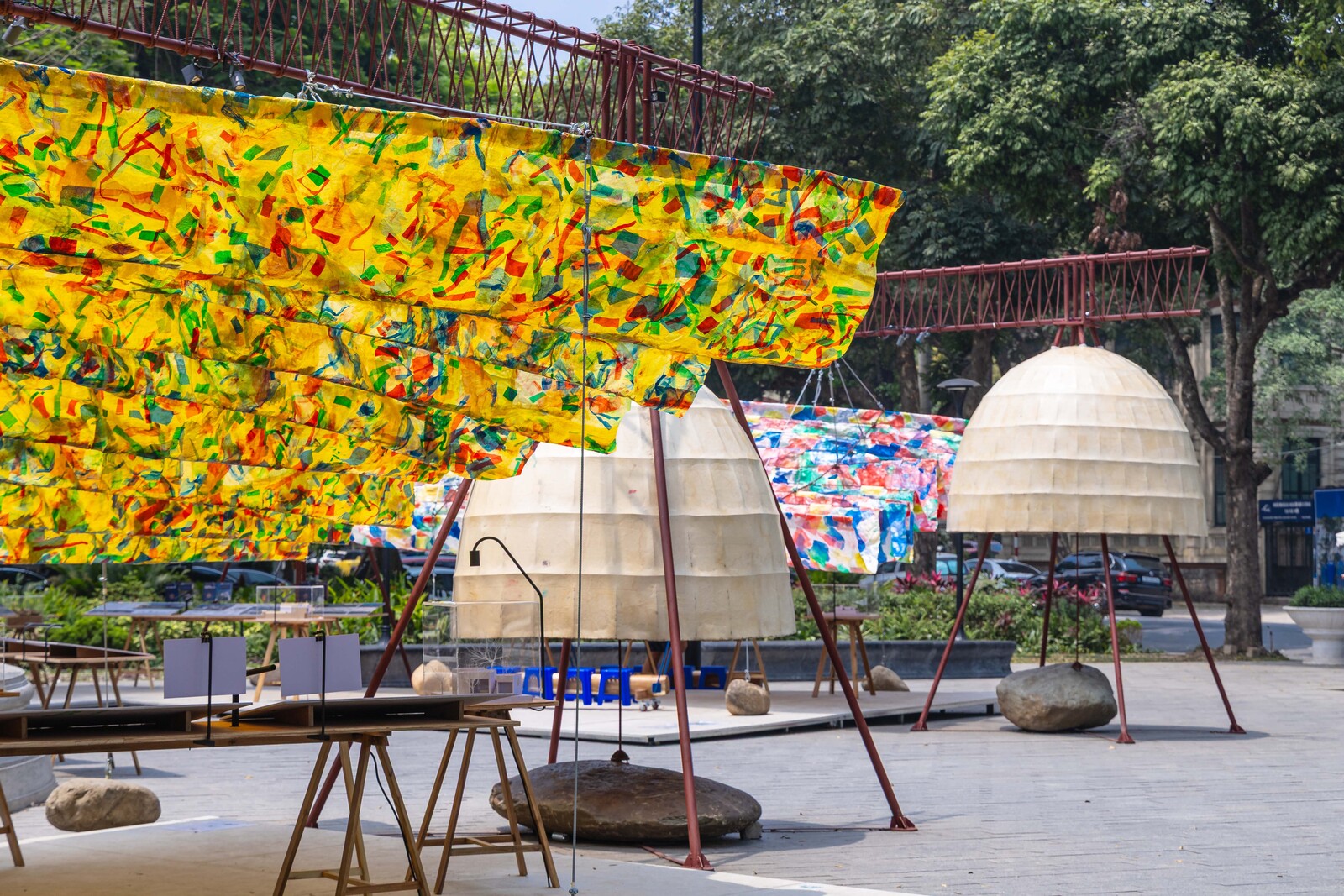
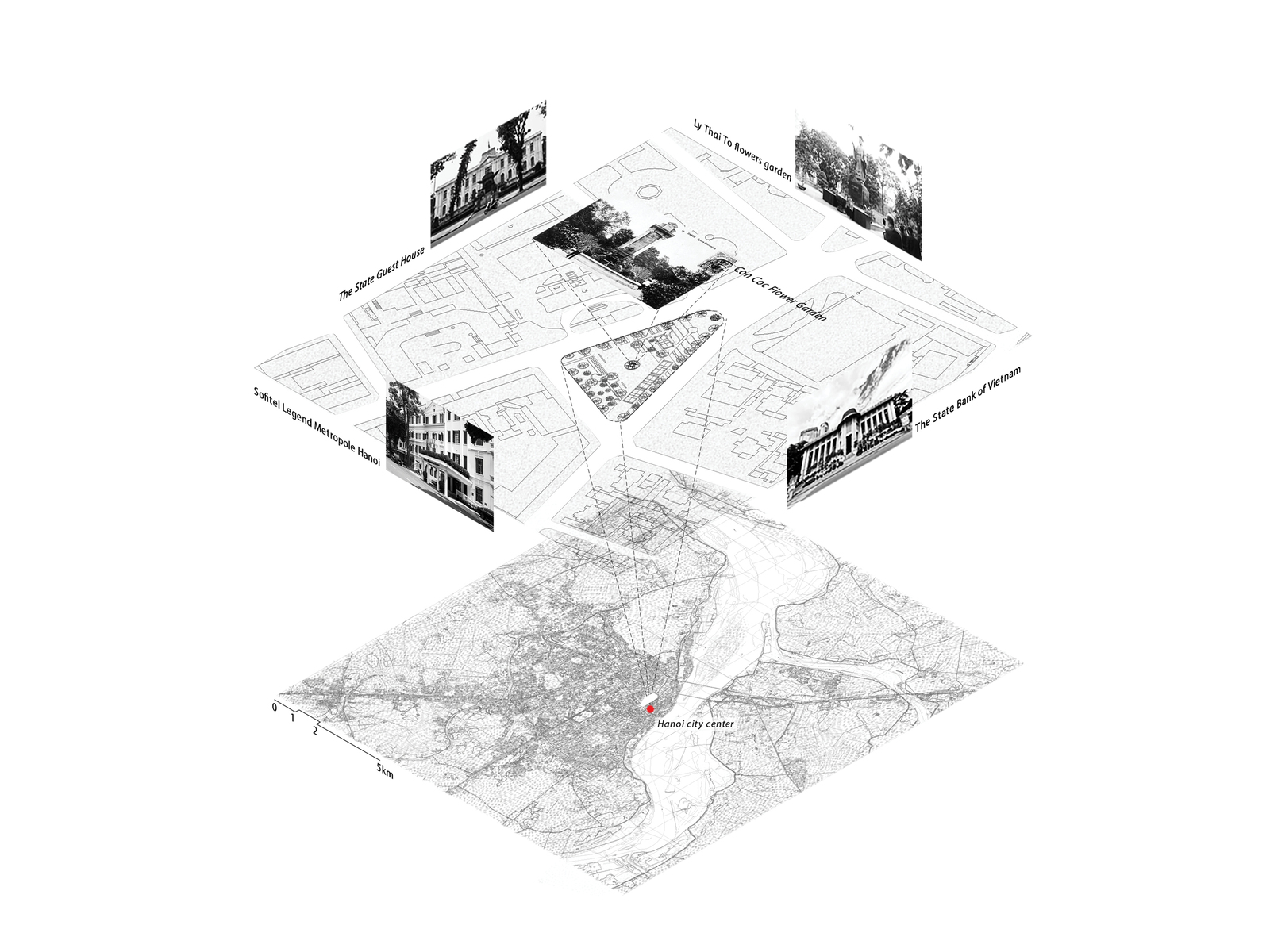
Project Location
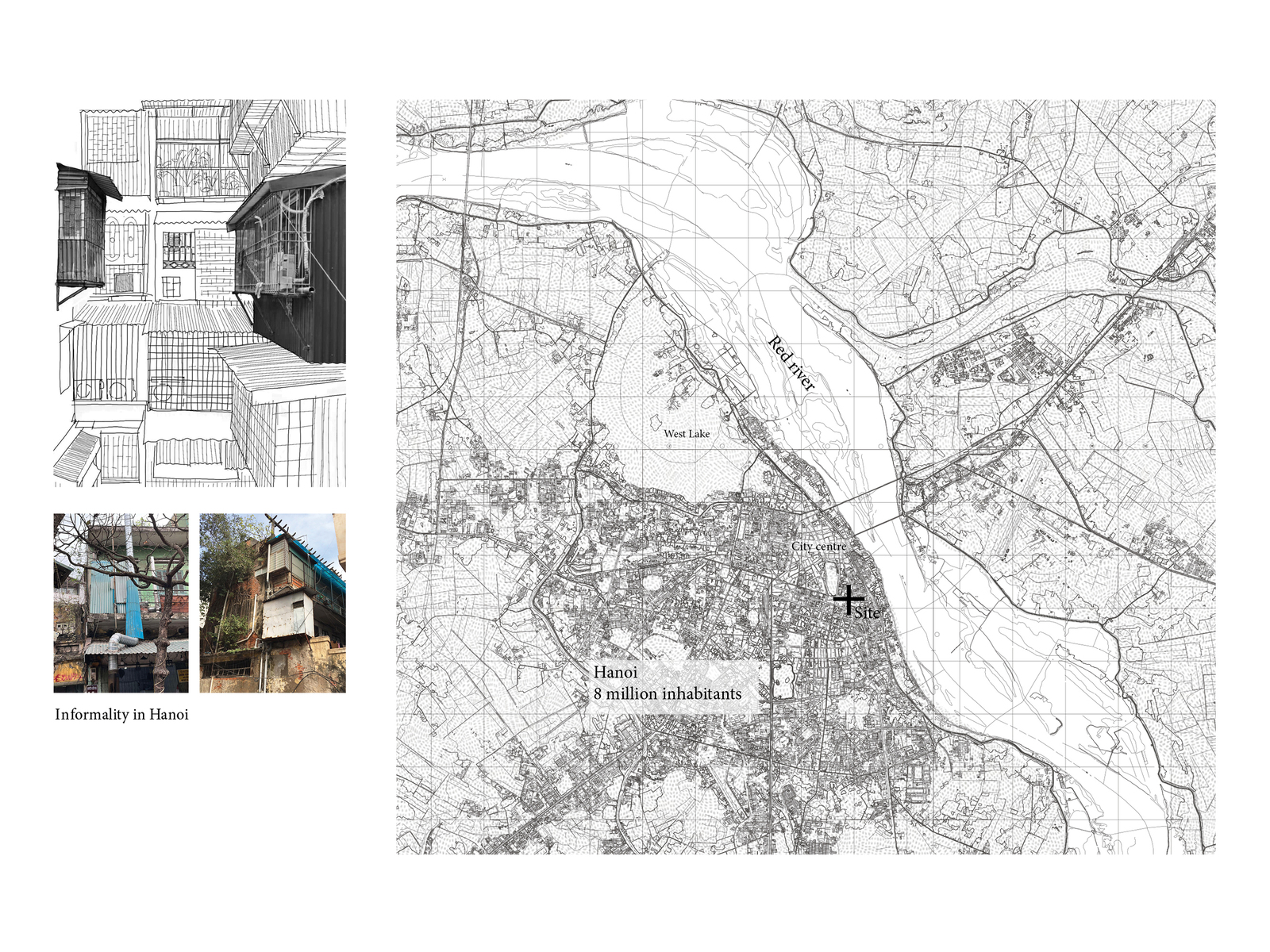
AddressHanoi, Vietnam
The location is intended for general reference and may denote a city or country; it does not identify a precise address.