
home/projects/installations/the full moon
The Full Moon / SHISUO Design Office
Cultural ArchitectureInstallation
- Architects
- SHISUO Design Office
- Lead architects
- Sanif, Changshan
- Location
- Shanghai, China
- Year
- 2025
- Area
- 20 m²215 ft²
- Photographs
- Ye Jianyuan; Power Station of Art
- Type
- Installation
- Client
- Shanghai Power Station of Art
- Materials
- Square steel tubes, crackle-textured acrylic panels
- Collaborating artist
- Shi Qinling
- Planning and presentation
- Shanghai Power Station of Art
- Video
- Sanif, Shanghai Power Station of Art, Ye Jianyuan
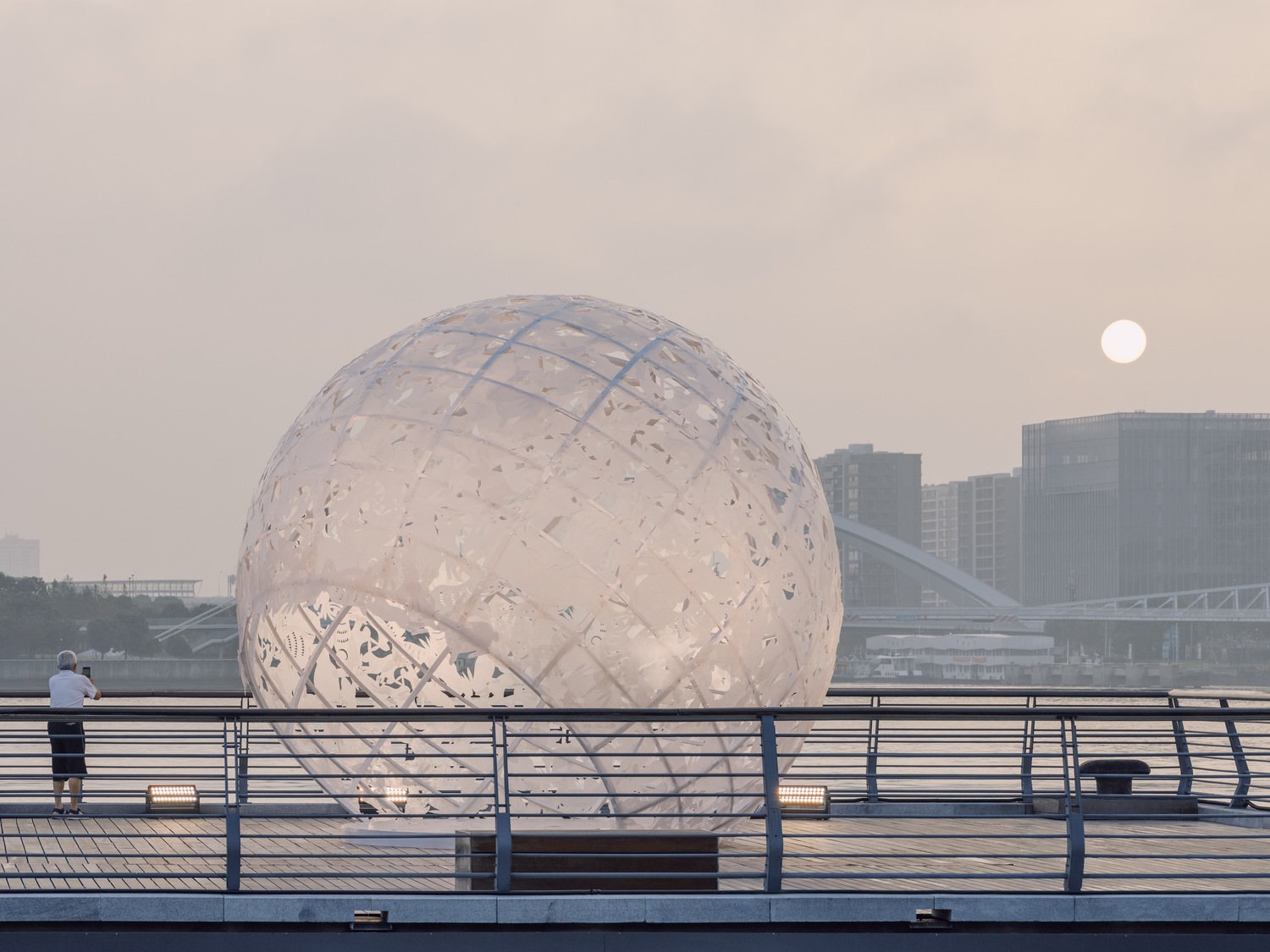
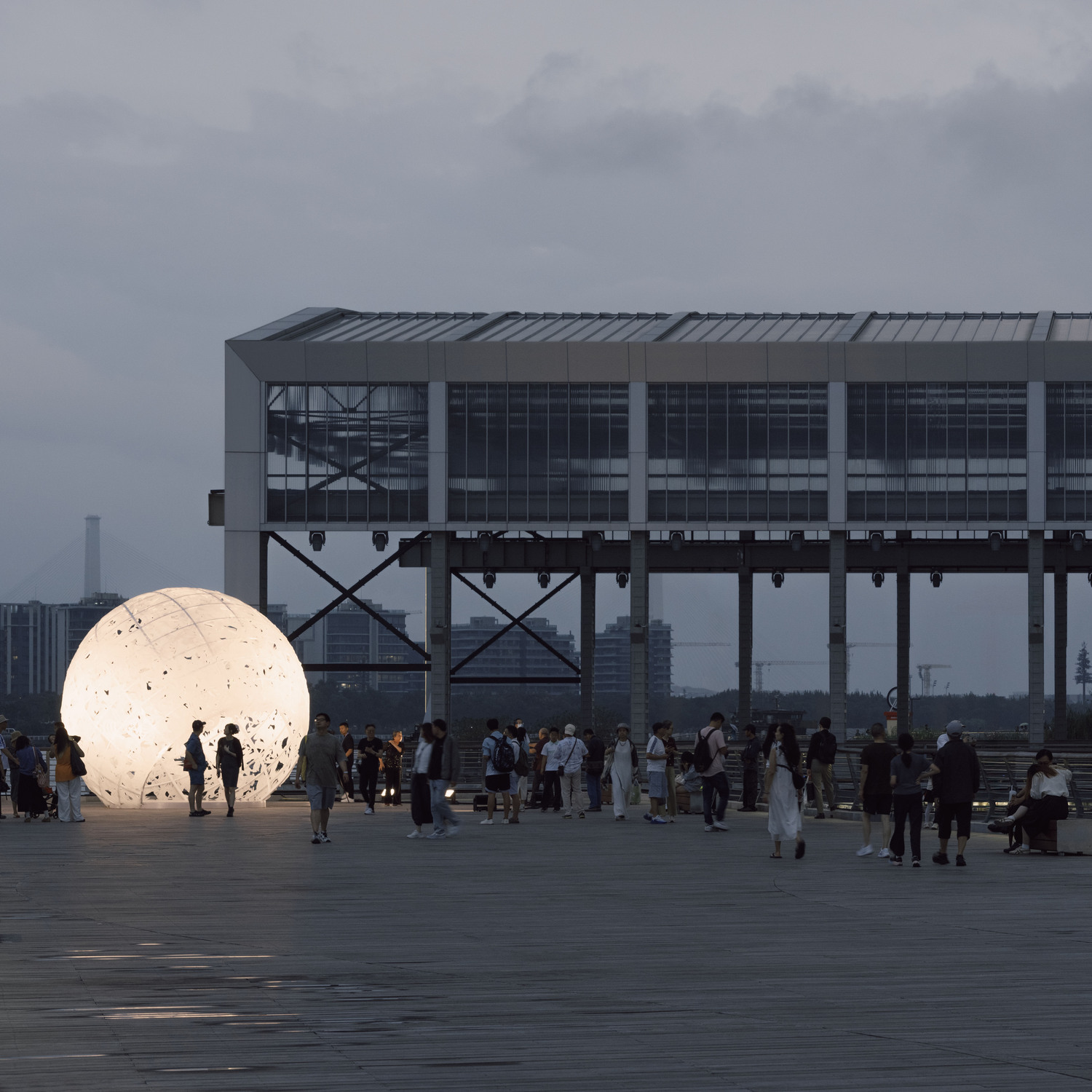
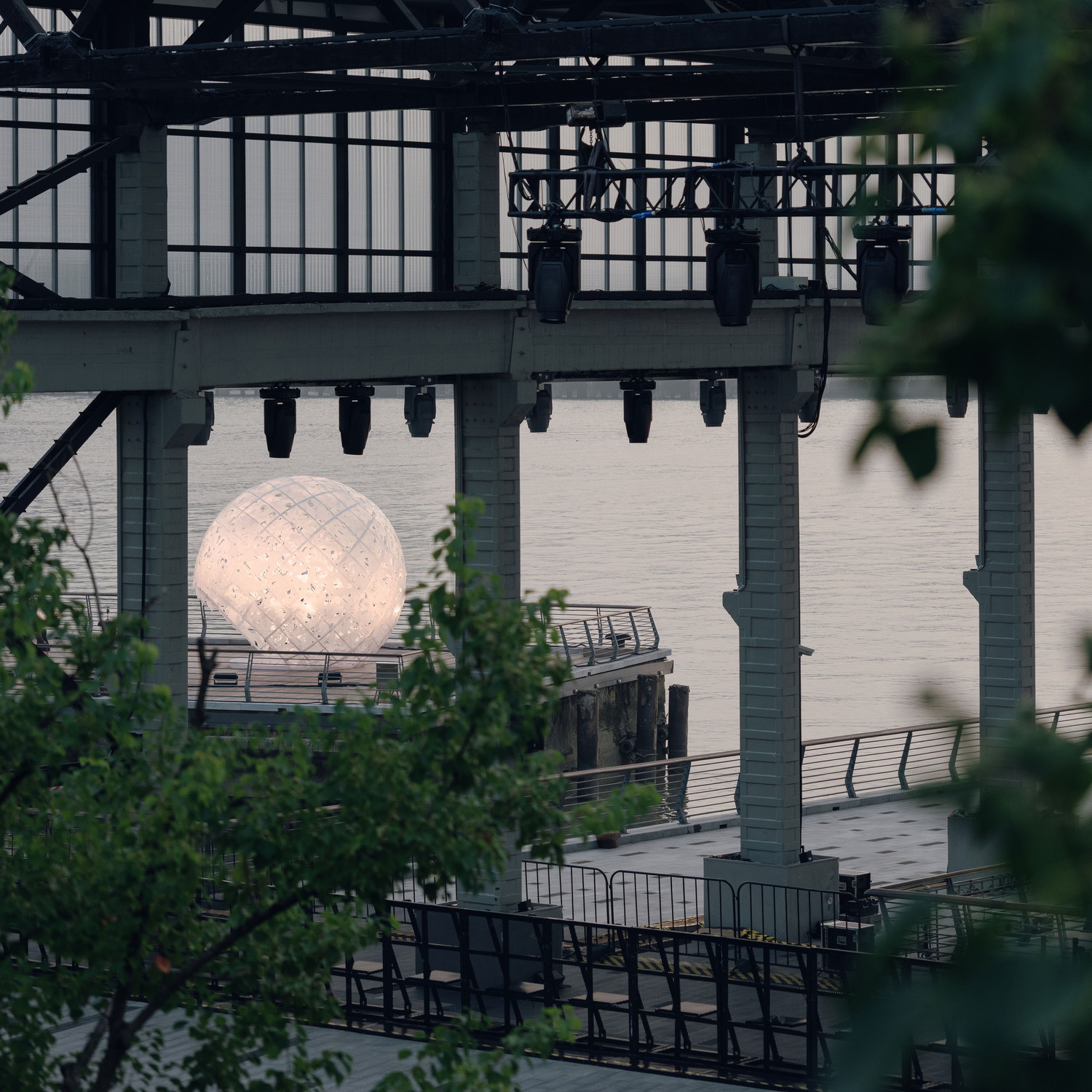
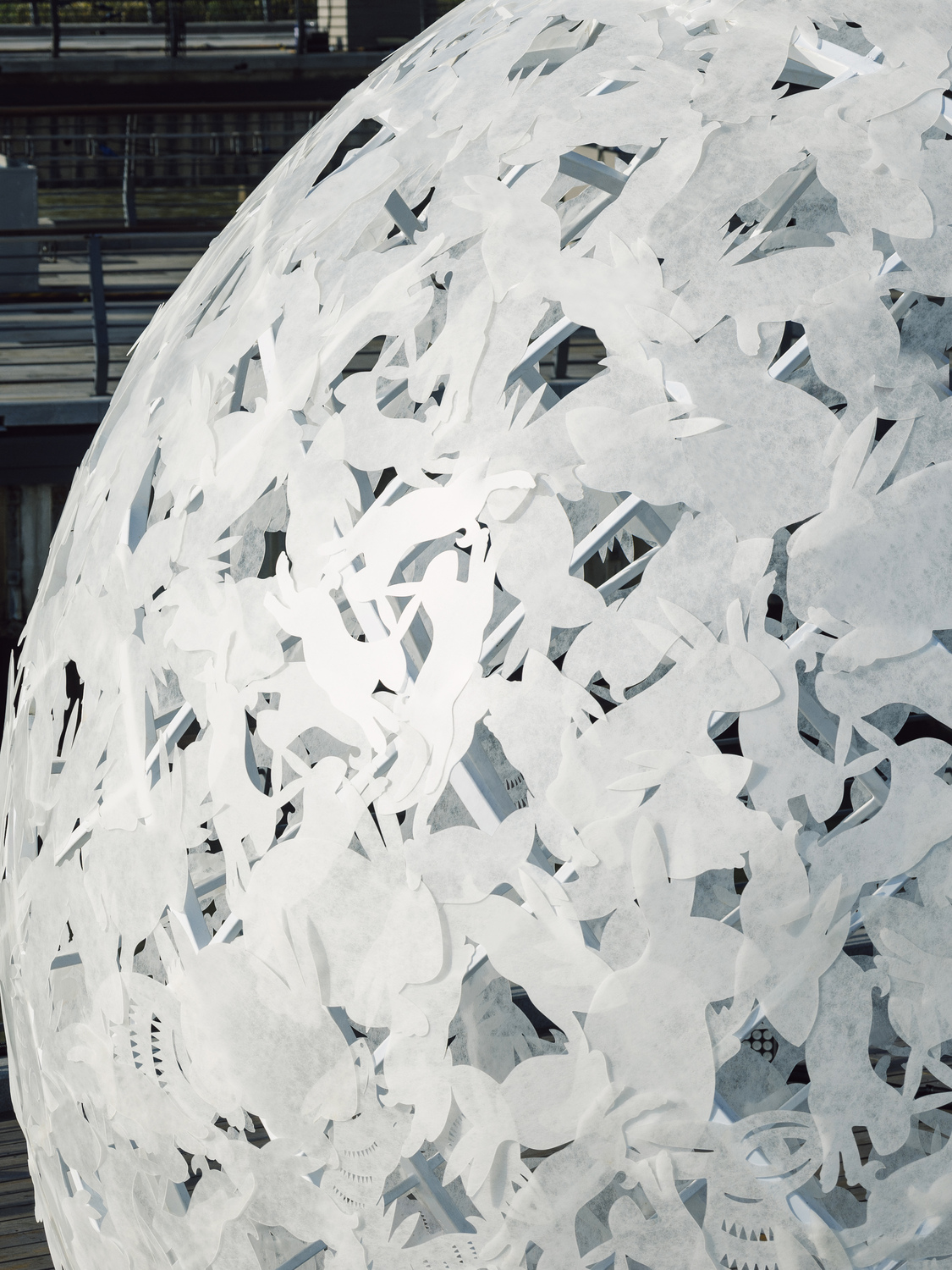
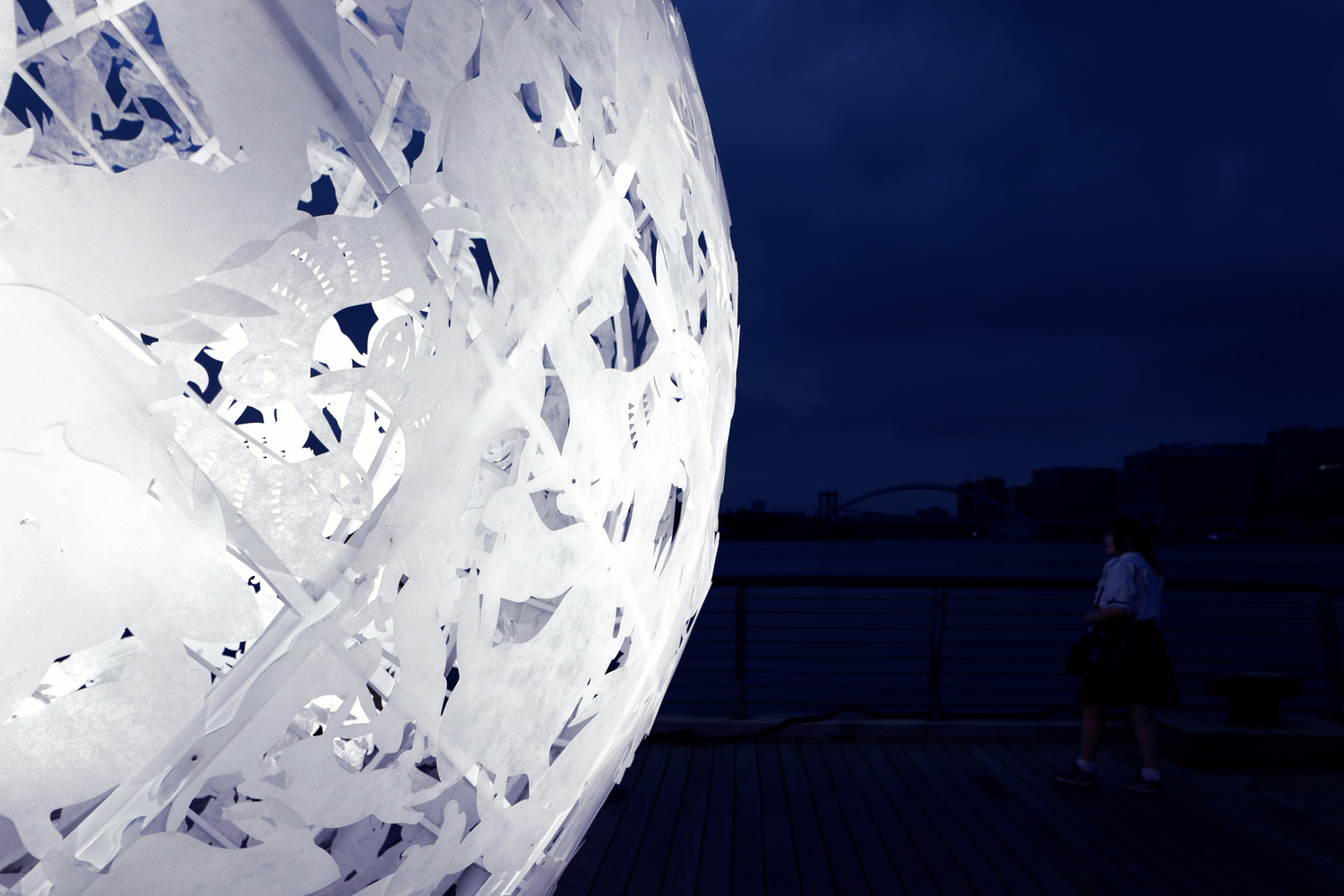
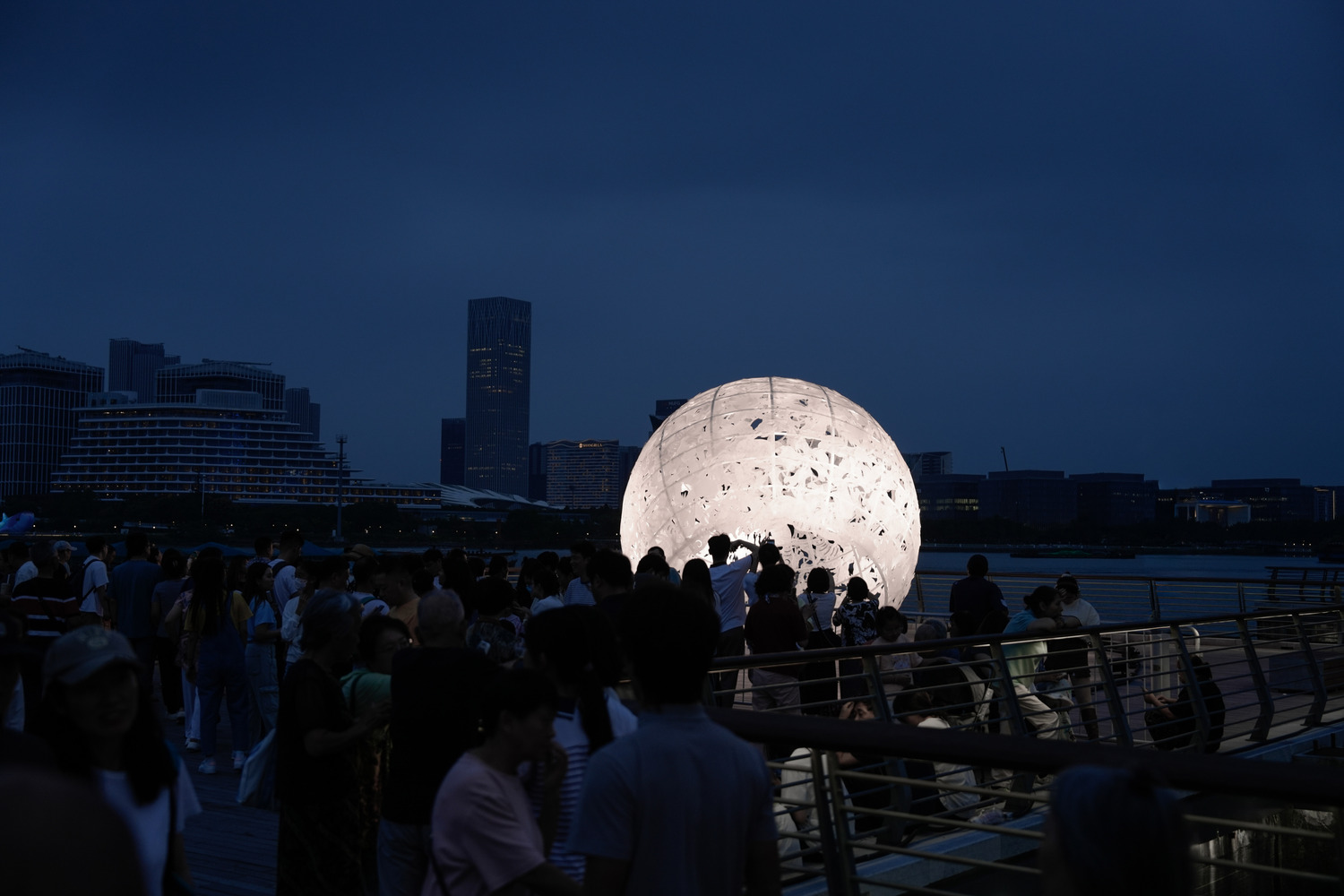
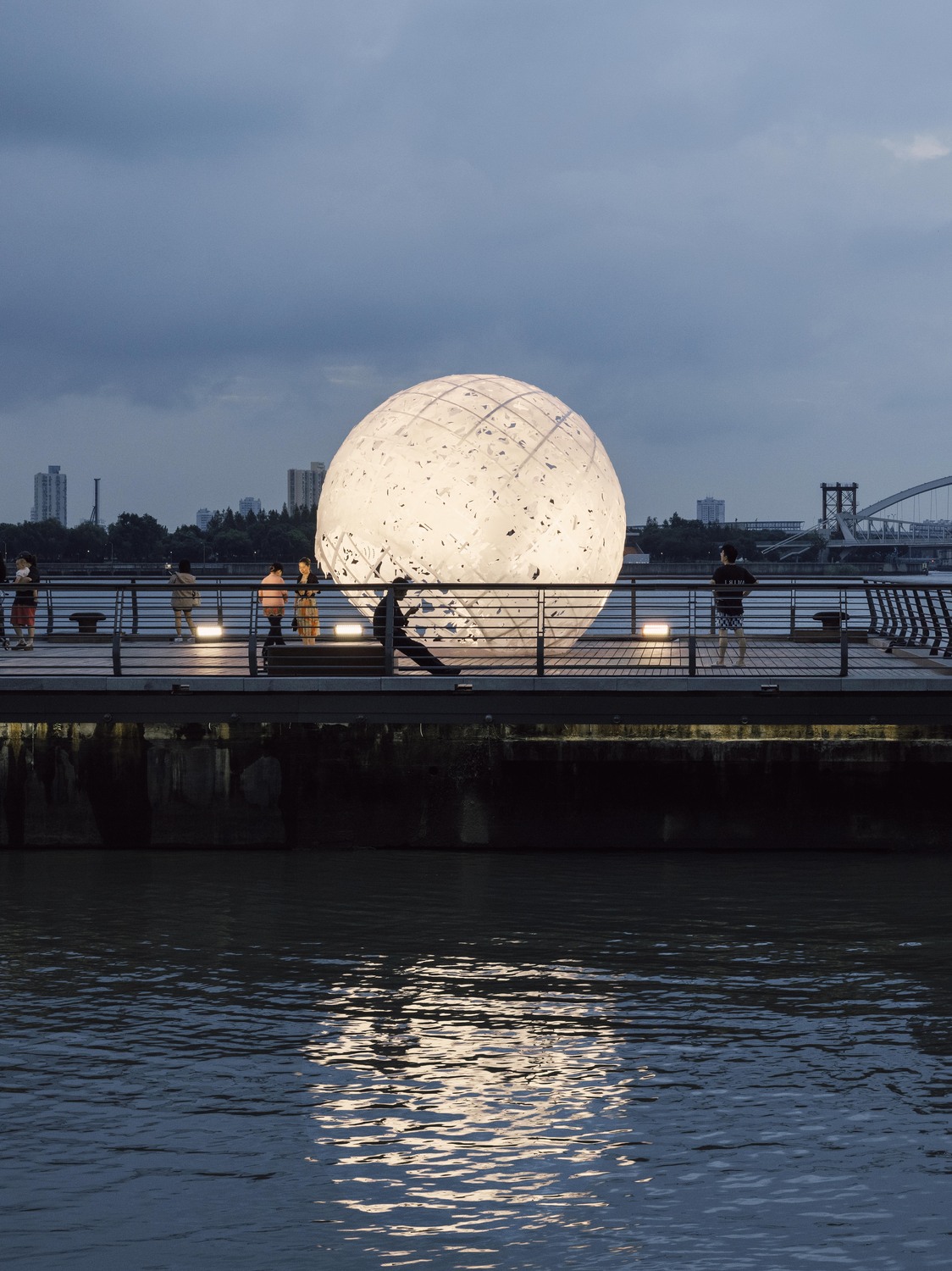
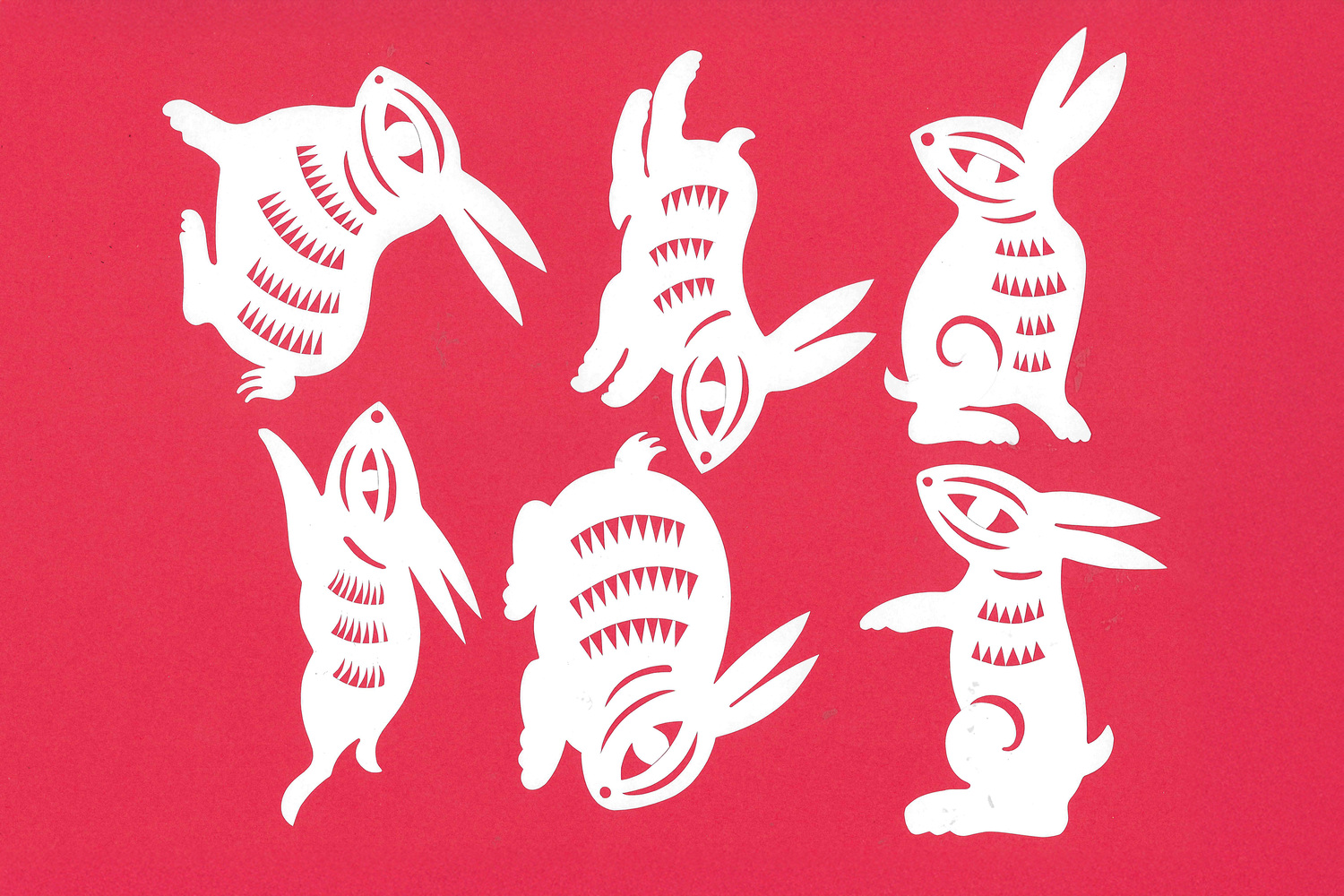
Conceived as a temporary urban public art installation for the Mid-Autumn Festival, The Full Moon transforms traditional Chinese symbolism into an immersive spatial experience along Shanghai’s West Bund. Drawing on the shared cultural imagery of the moon and the rabbit, the project merges contemporary architectural design with the craft of Shanghai-style paper-cutting. A segmented spherical structure composed of openwork rabbit silhouettes creates a porous surface that responds to light, wind, and movement. Inside, visitors enter a domed space aligned to frame the full moon during the festival night. Designed for a short exhibition period and challenging seasonal conditions, the installation combines poetic expression with pragmatic structural strategies, offering a contemporary reflection on cyclical time, reunion, and collective cultural memory.
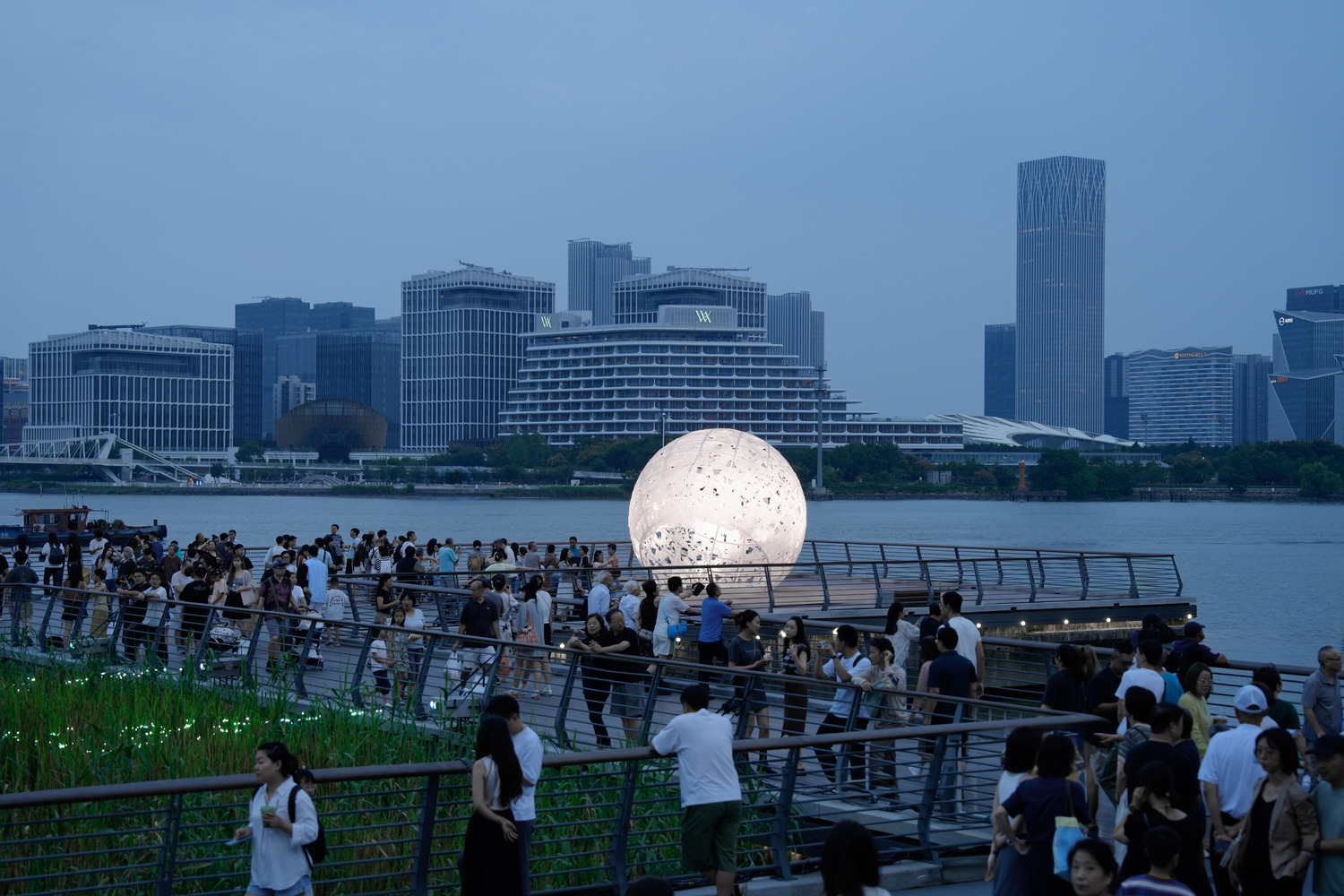
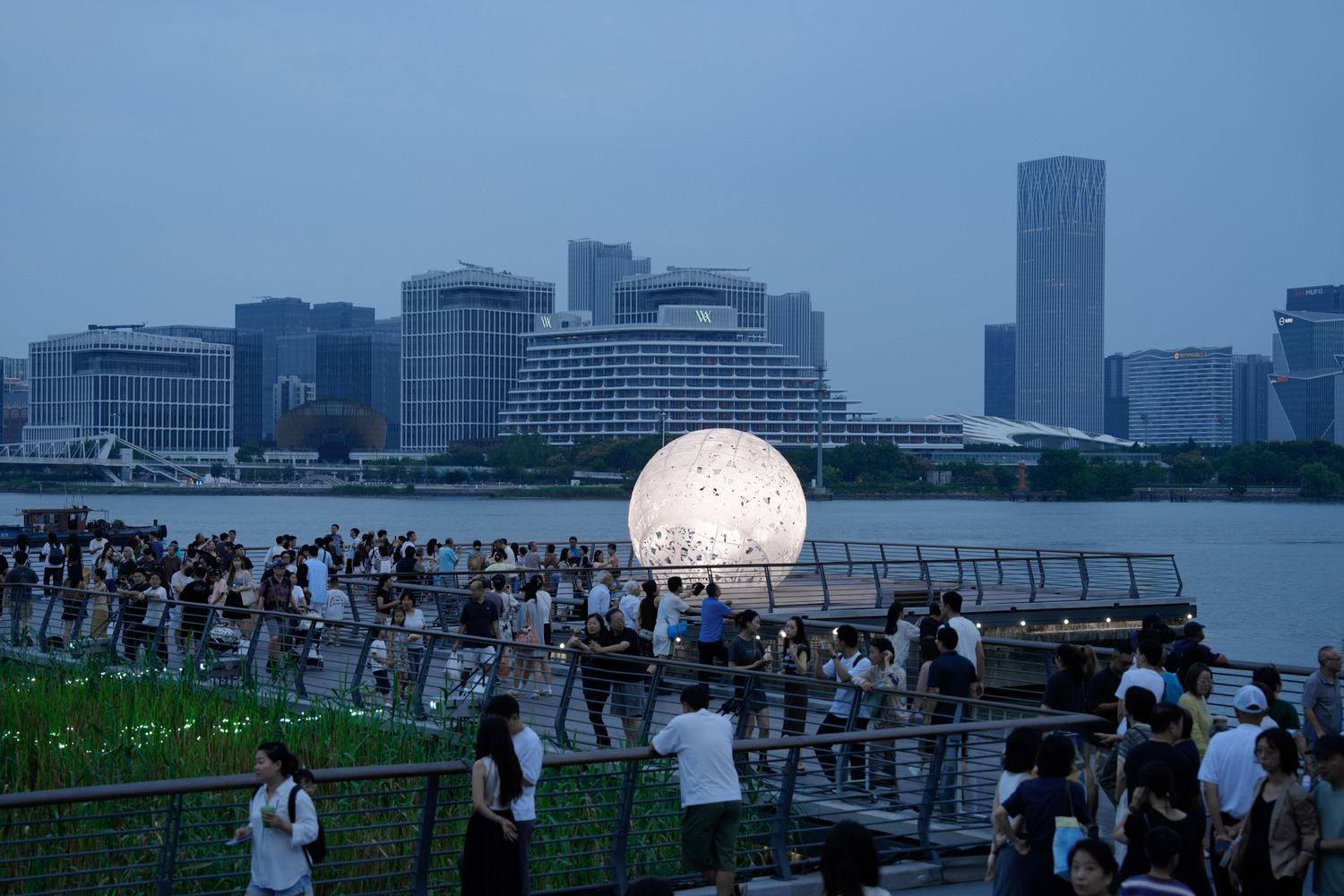
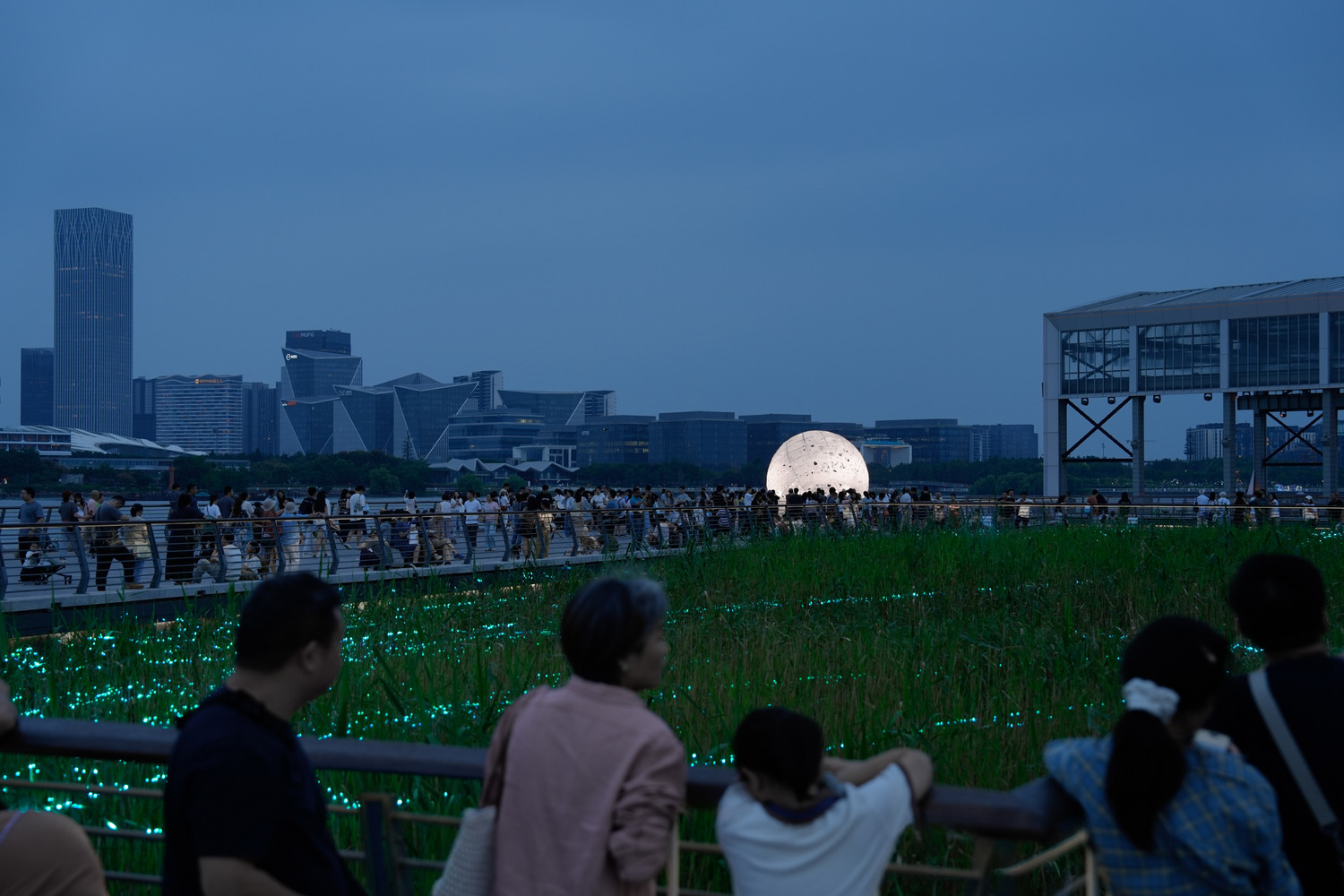
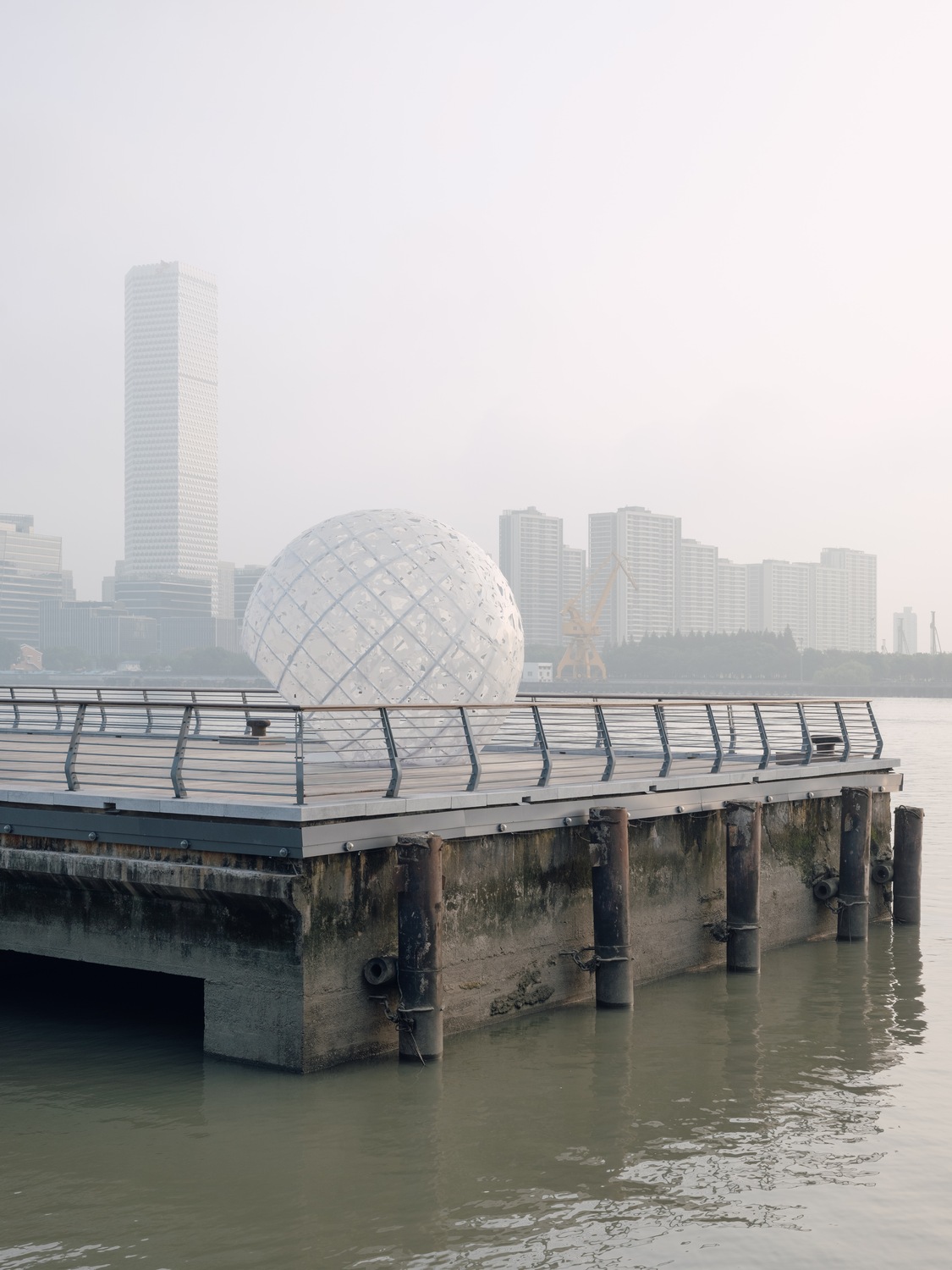
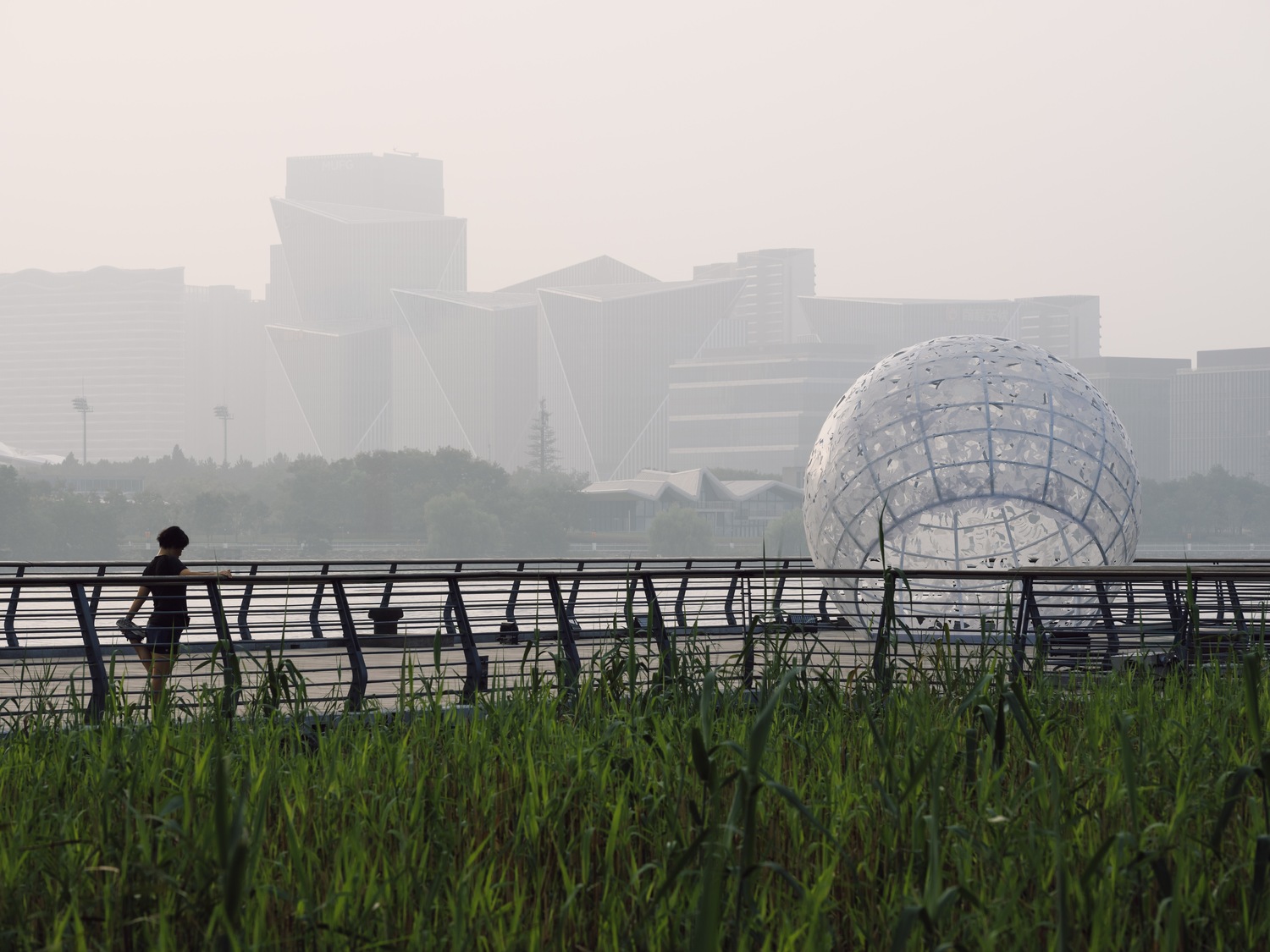
Rather than positioning the moon as a distant celestial object, The Full Moon invites visitors to physically inhabit a symbol deeply embedded in Chinese cultural consciousness. Installed on the industrial waterfront of the West Bund Shipyard Pier, the project introduces a moment of introspection within a rapidly transforming urban environment, using spatial experience to bridge mythology, craft, and contemporary public life.
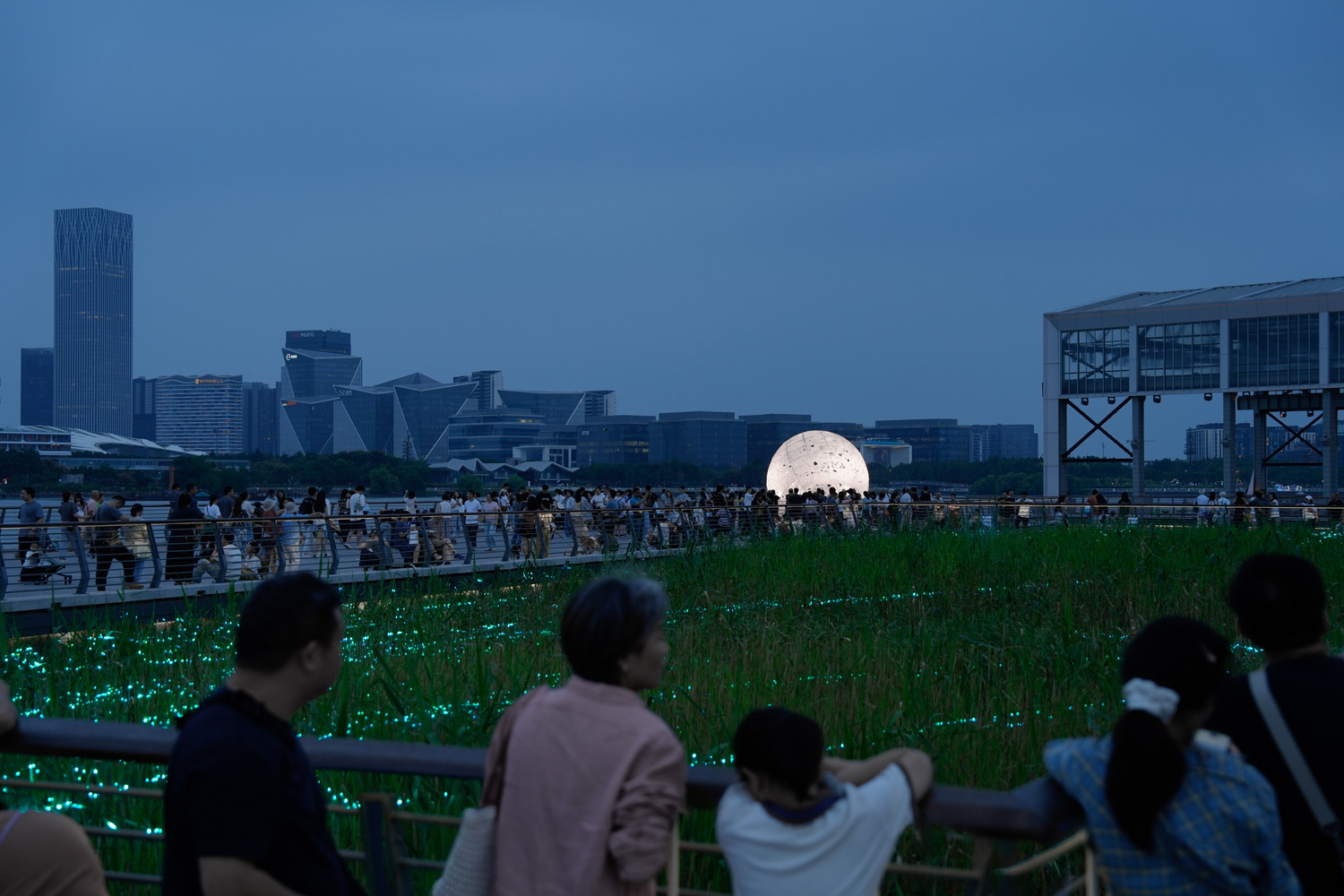
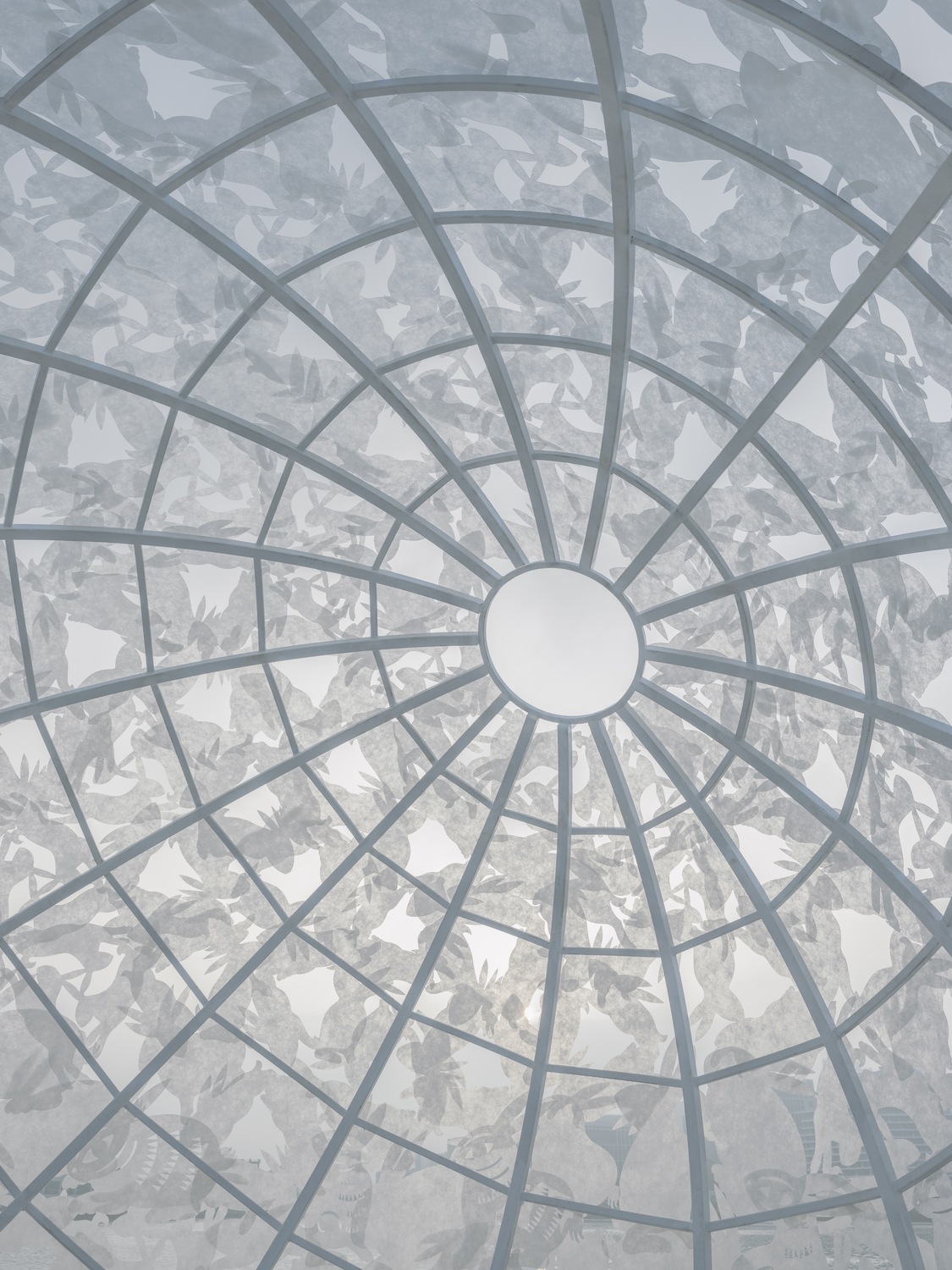
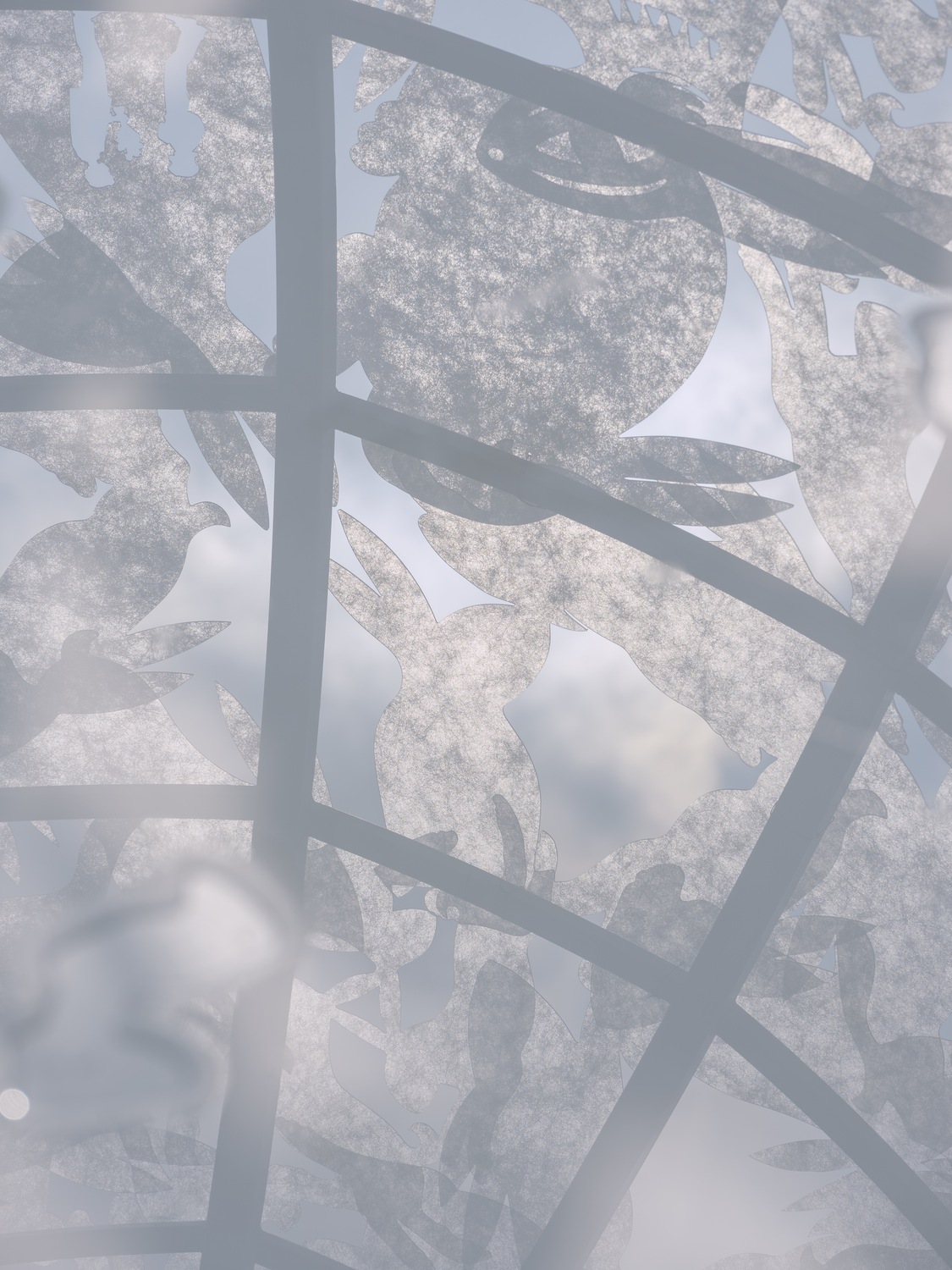
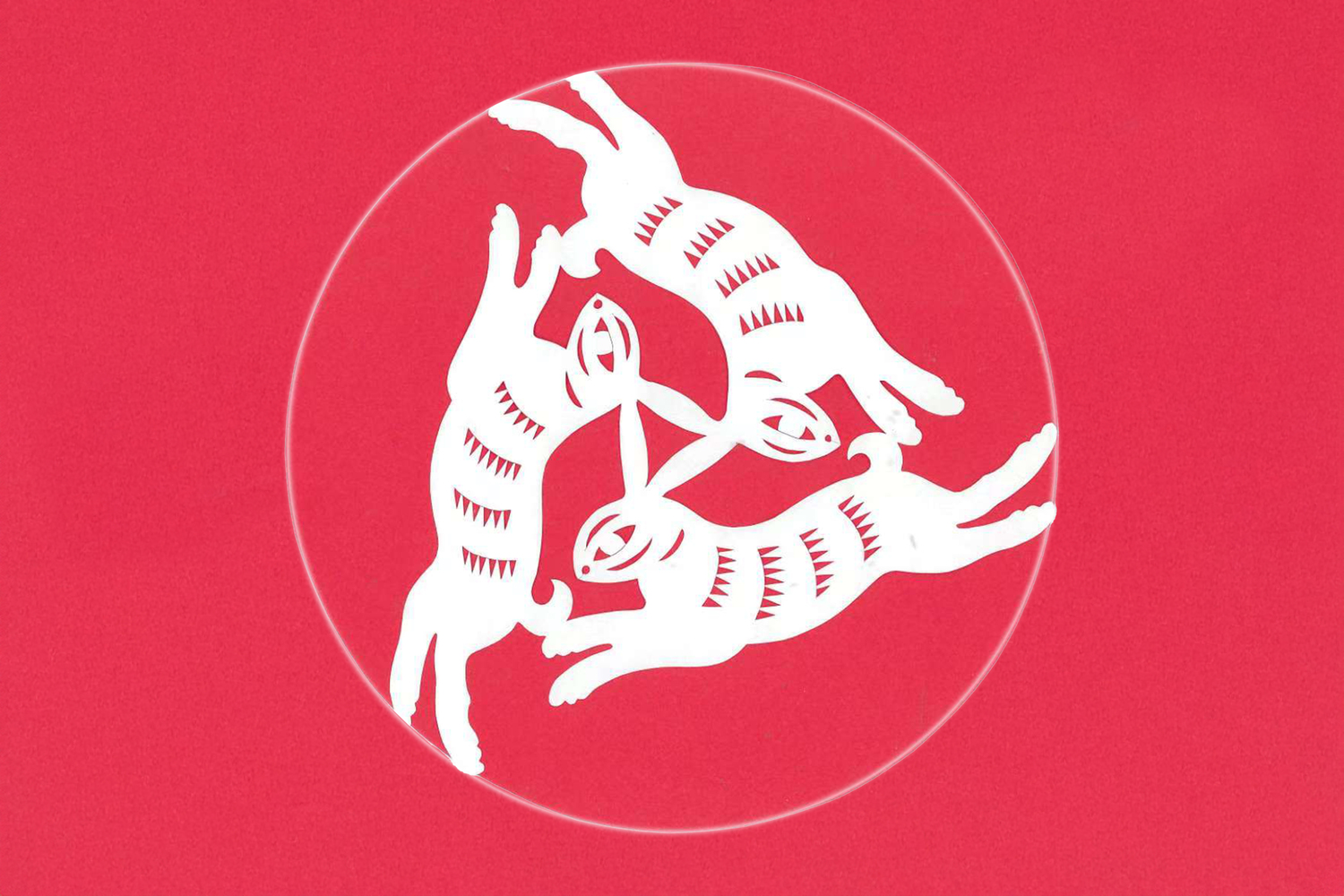
Developed by SHISUO Design Office in collaboration with Shanghai-style paper-cutting inheritor Shi Qinling, the installation is rooted in the enduring relationship between the moon and the rabbit in Mid-Autumn folklore. The moon signifies cyclical transformation and philosophical continuity, while the rabbit embodies vitality and renewal. These themes are articulated through a reinterpretation of the “Three Hares with Conjoined Ears” motif, historically found in the caisson ceilings of the Dunhuang murals, translated here into an architectural surface composed of layered silhouettes.
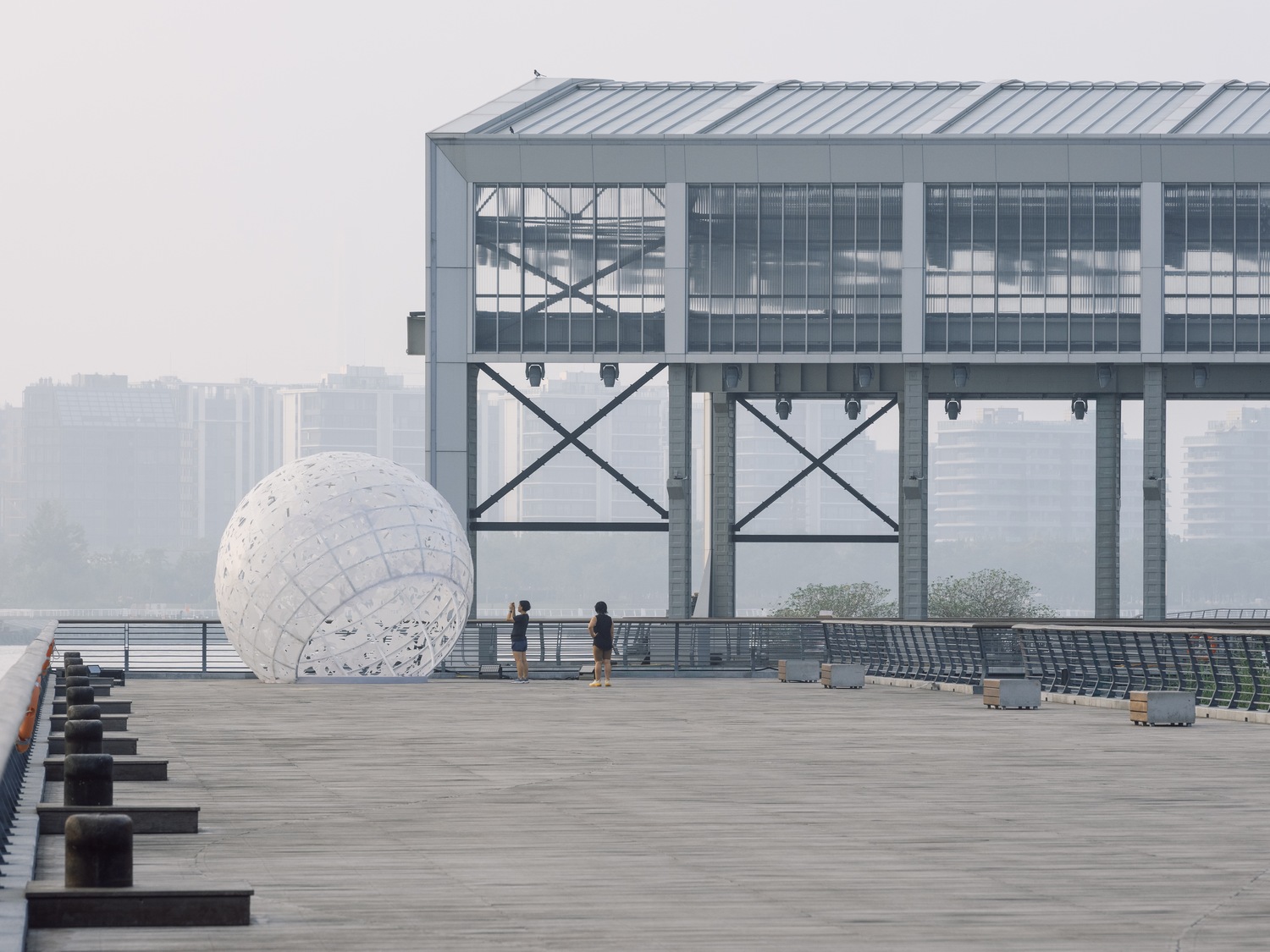
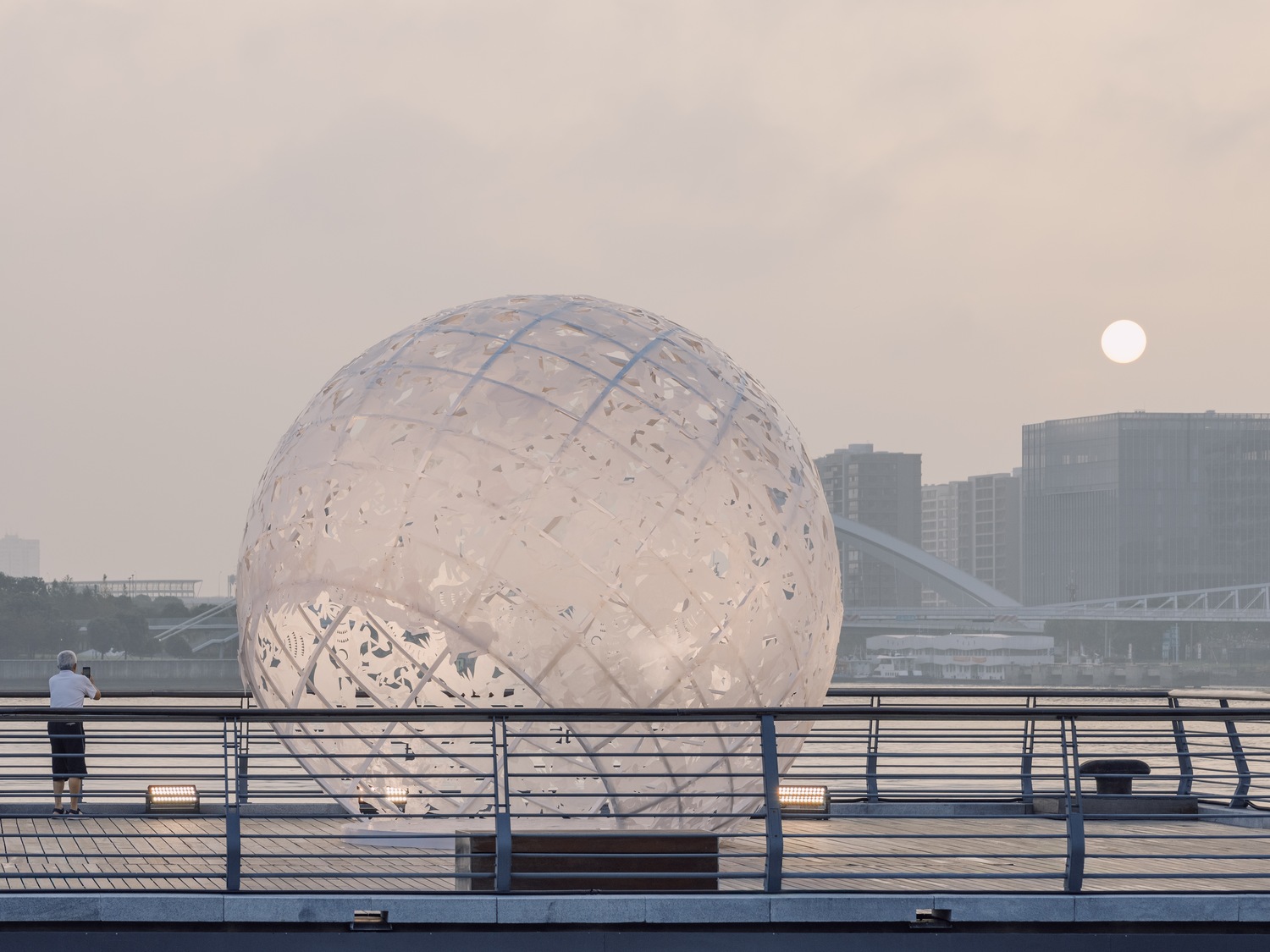
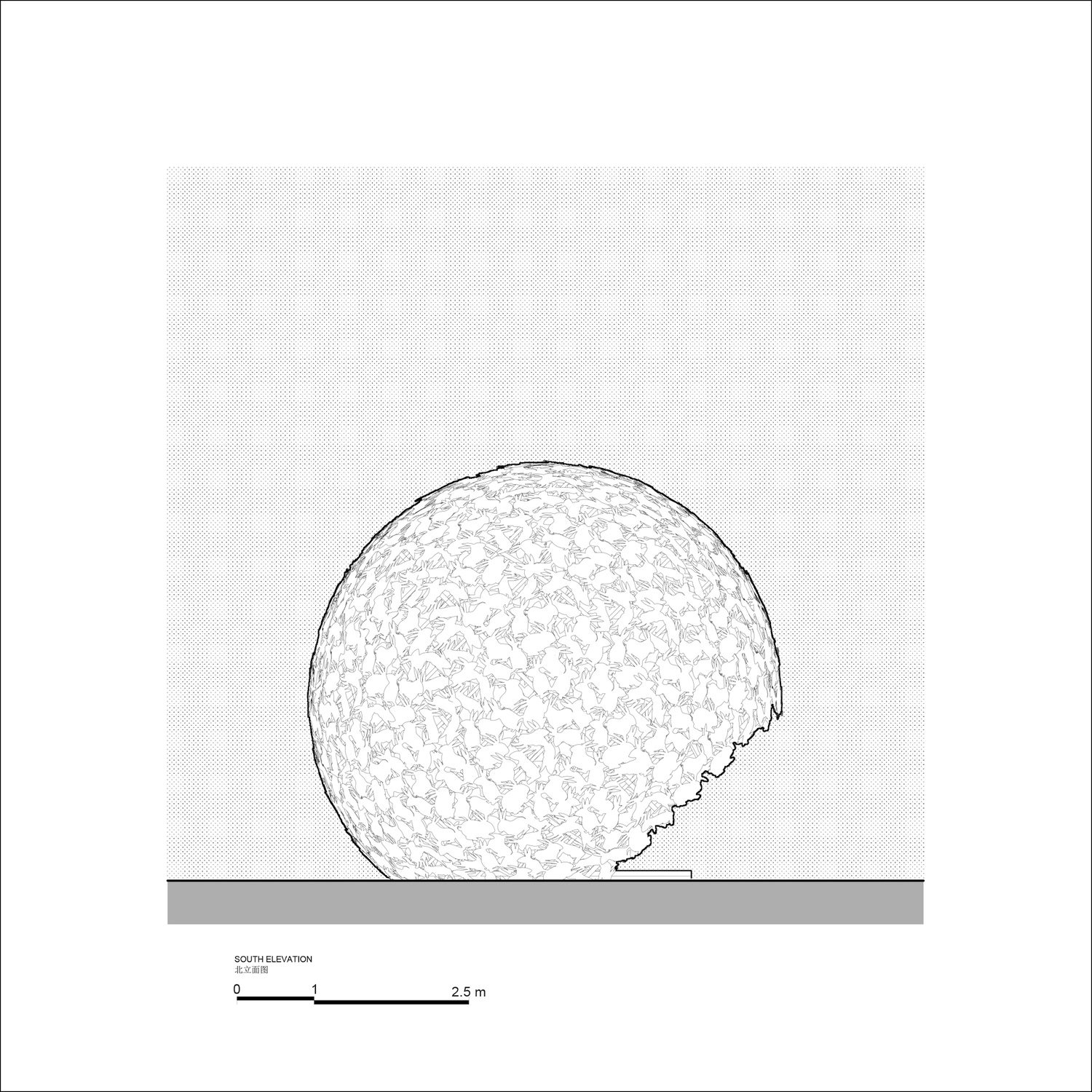
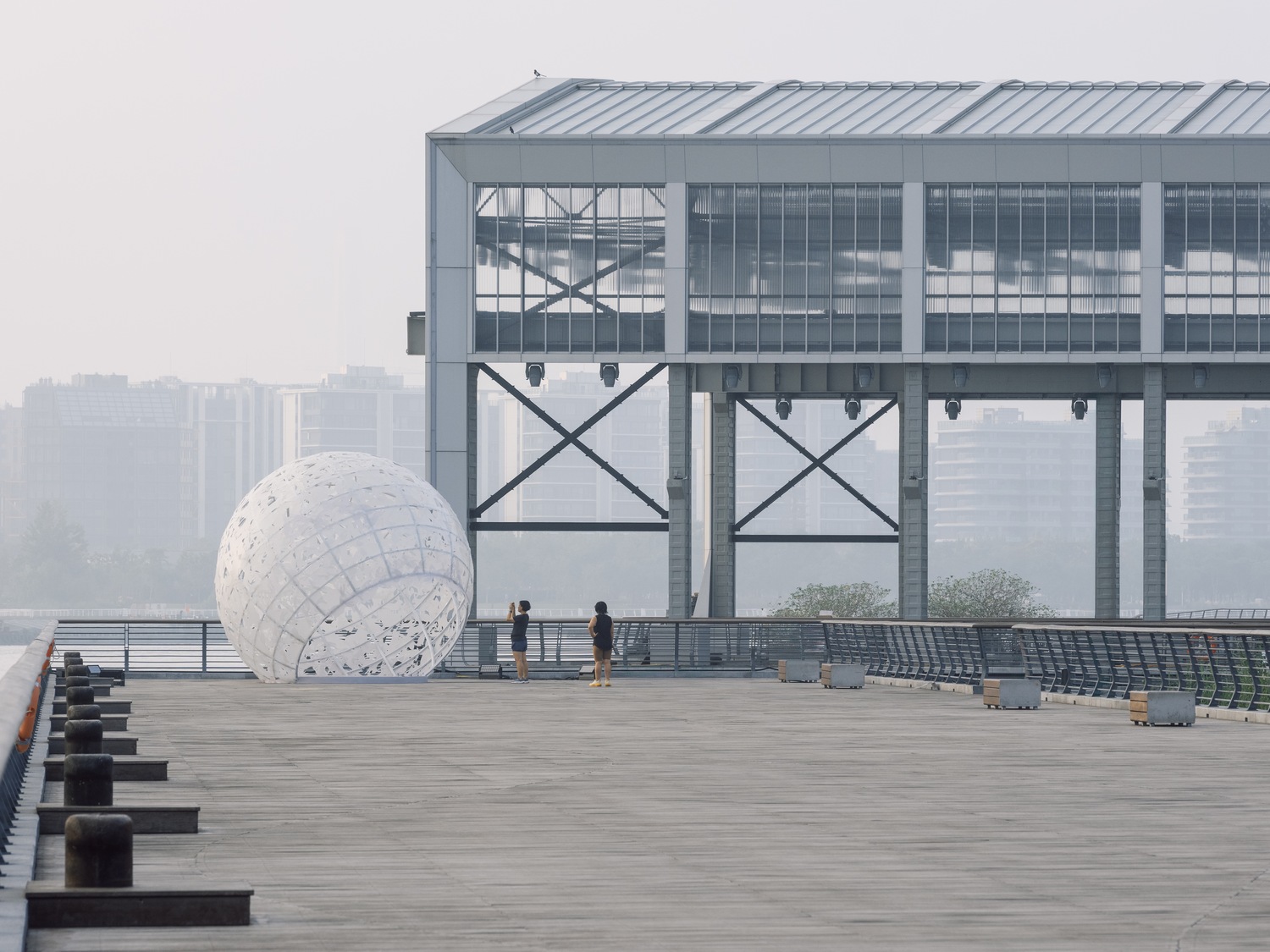
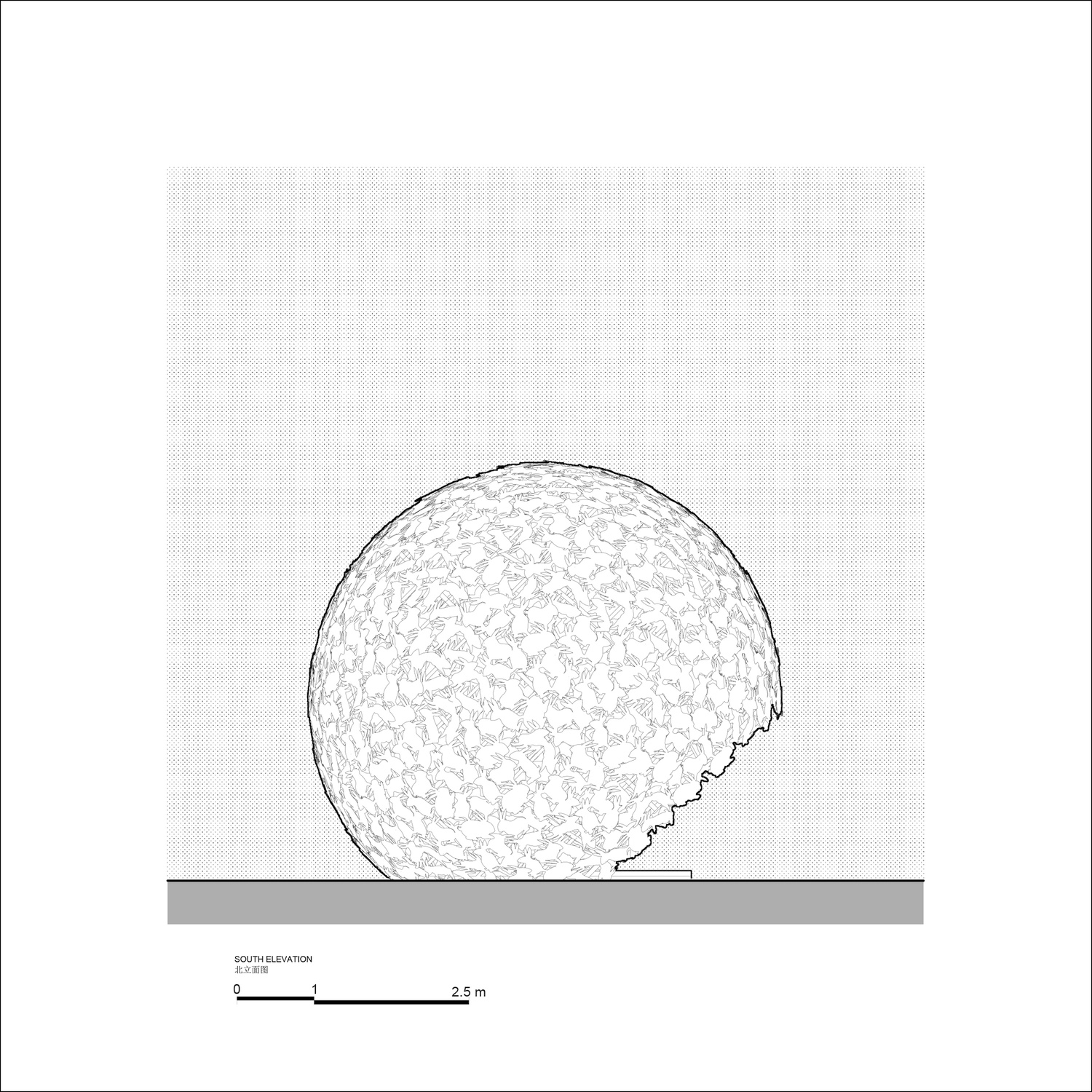
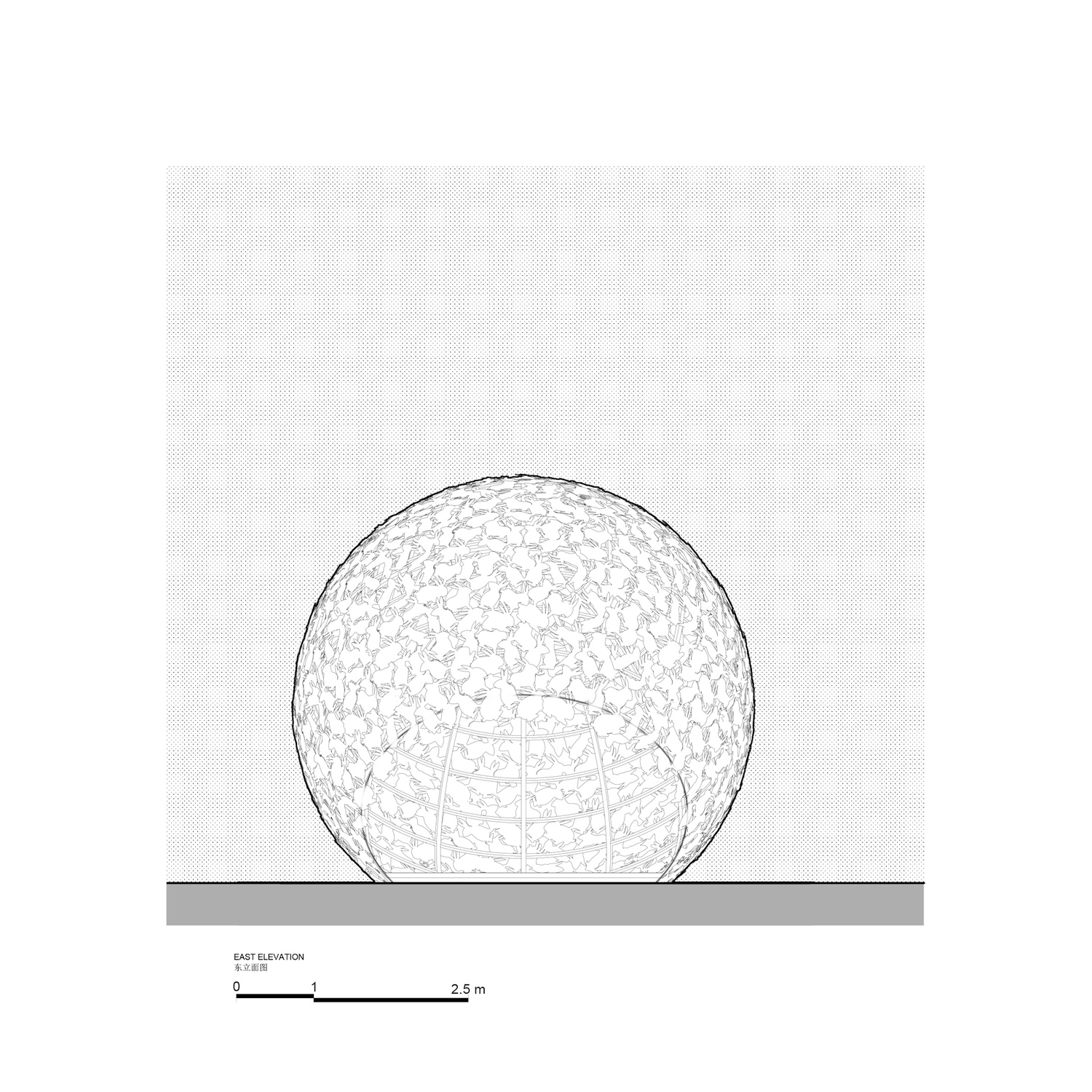
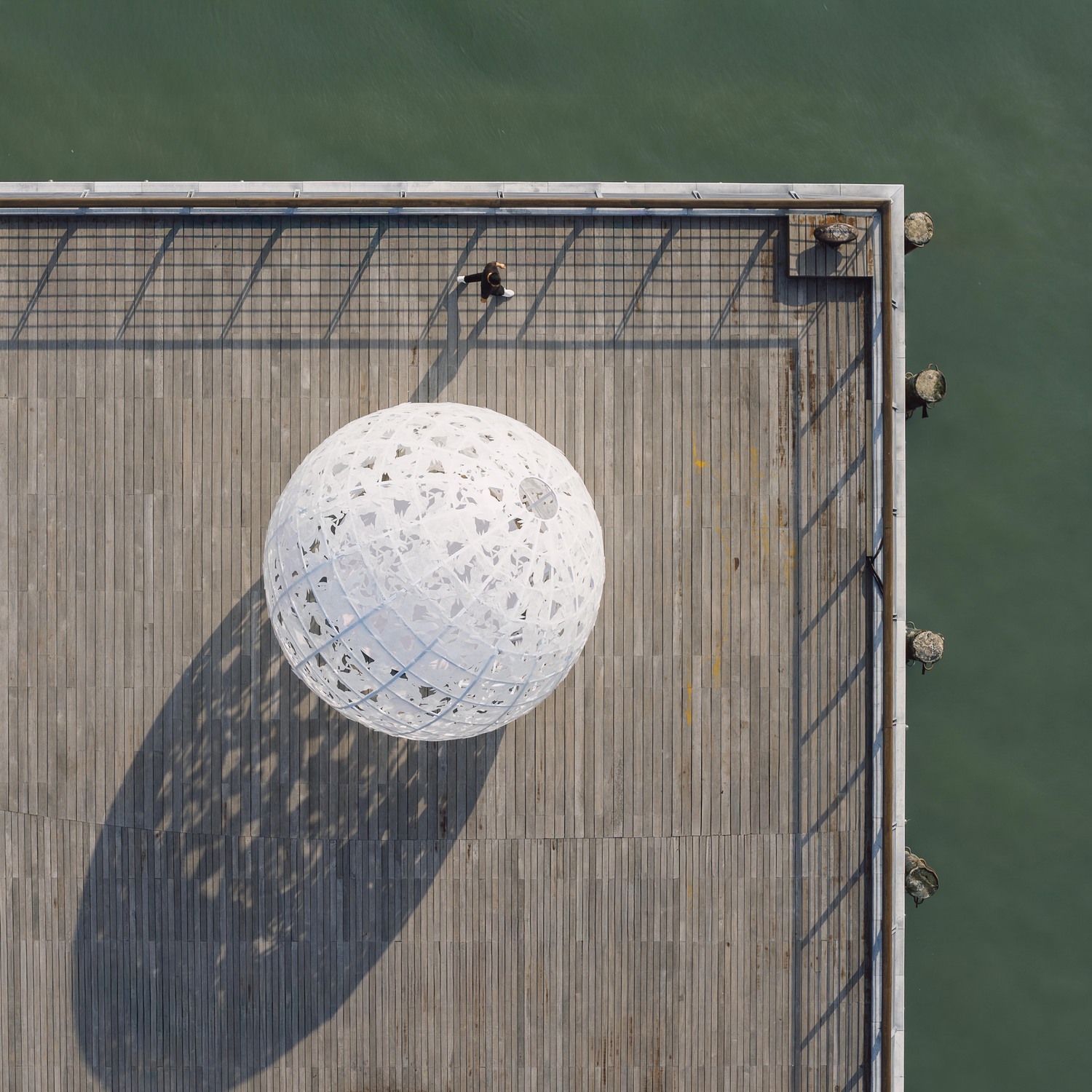
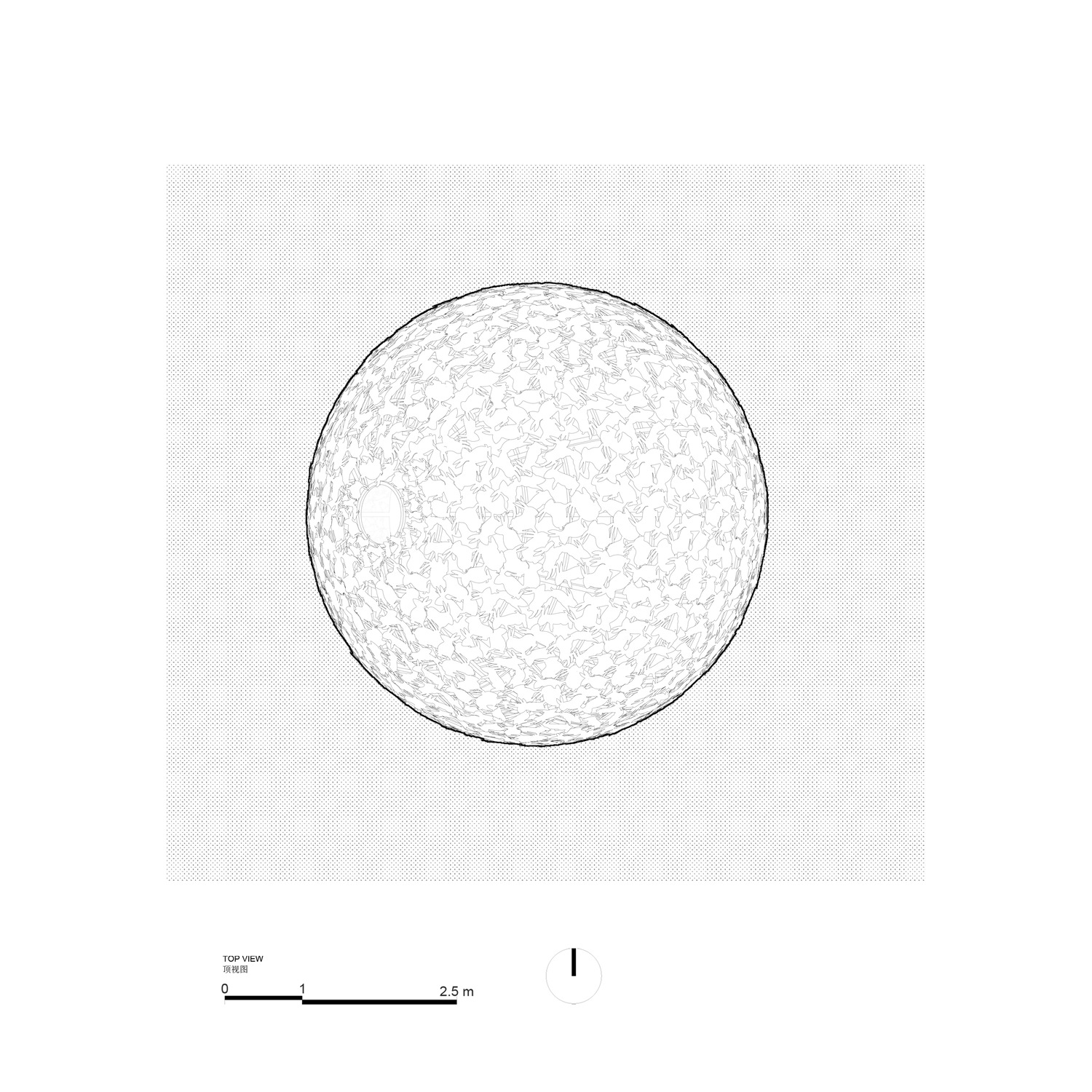
The structure takes the form of a segmented sphere with a deliberately removed section, allowing the installation to register shifting visual conditions as viewers move around it. From different perspectives along the riverfront, the form appears to wax and wane, evoking lunar phases and reinforcing the project’s temporal dimension. This dynamic perception transforms the installation into a kind of spatial theater, where movement and time become integral to the work’s meaning.
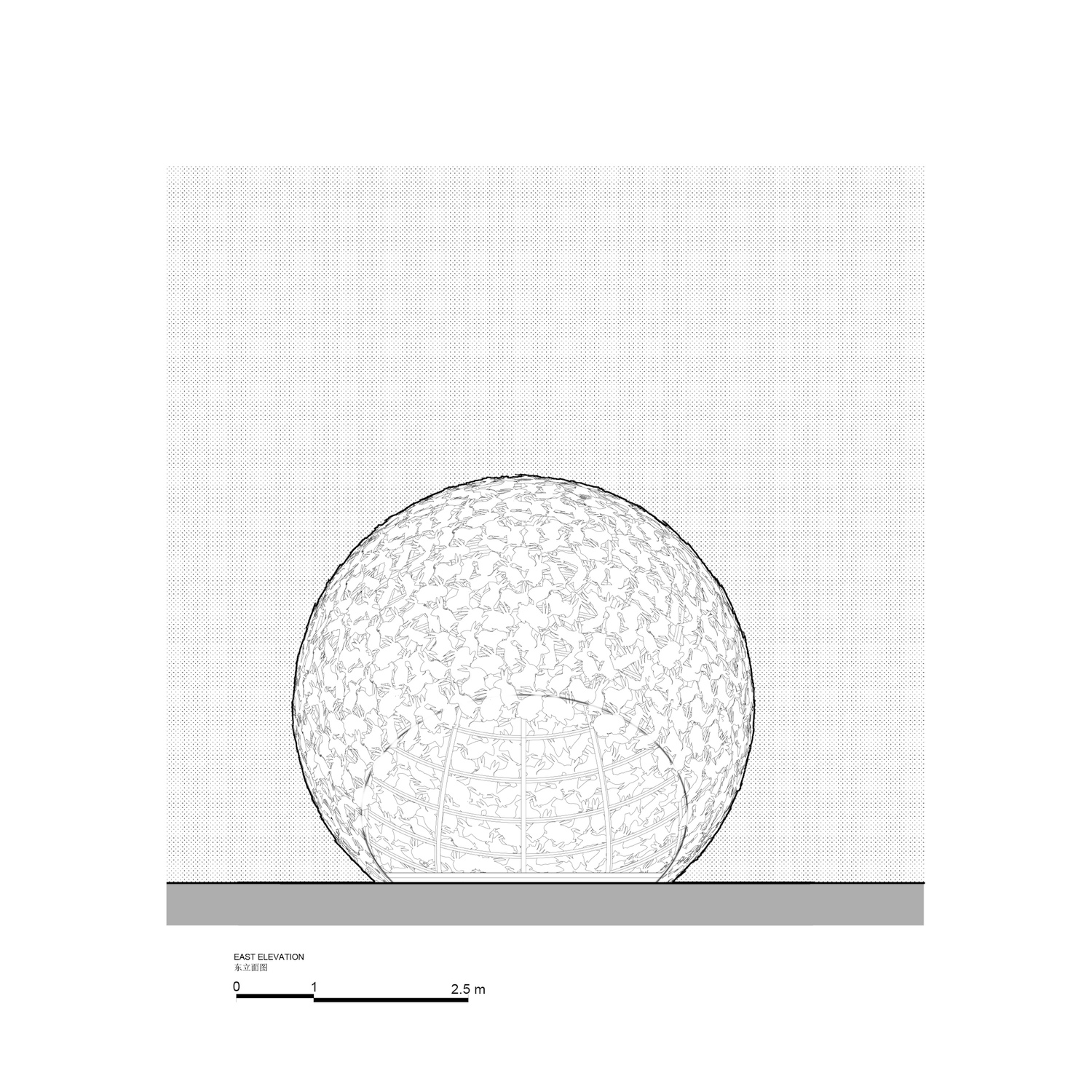
Inside, the experience becomes contemplative and immersive. The domed interior remains open to the sky, while overlapping rabbit silhouettes encircle the space, casting layered shadows that evolve throughout the day. The opening at the top of the sphere was precisely calibrated so that on a clear Mid-Autumn Festival night, the full moon could be seen framed within the installation itself, aligning architectural representation with celestial reality.
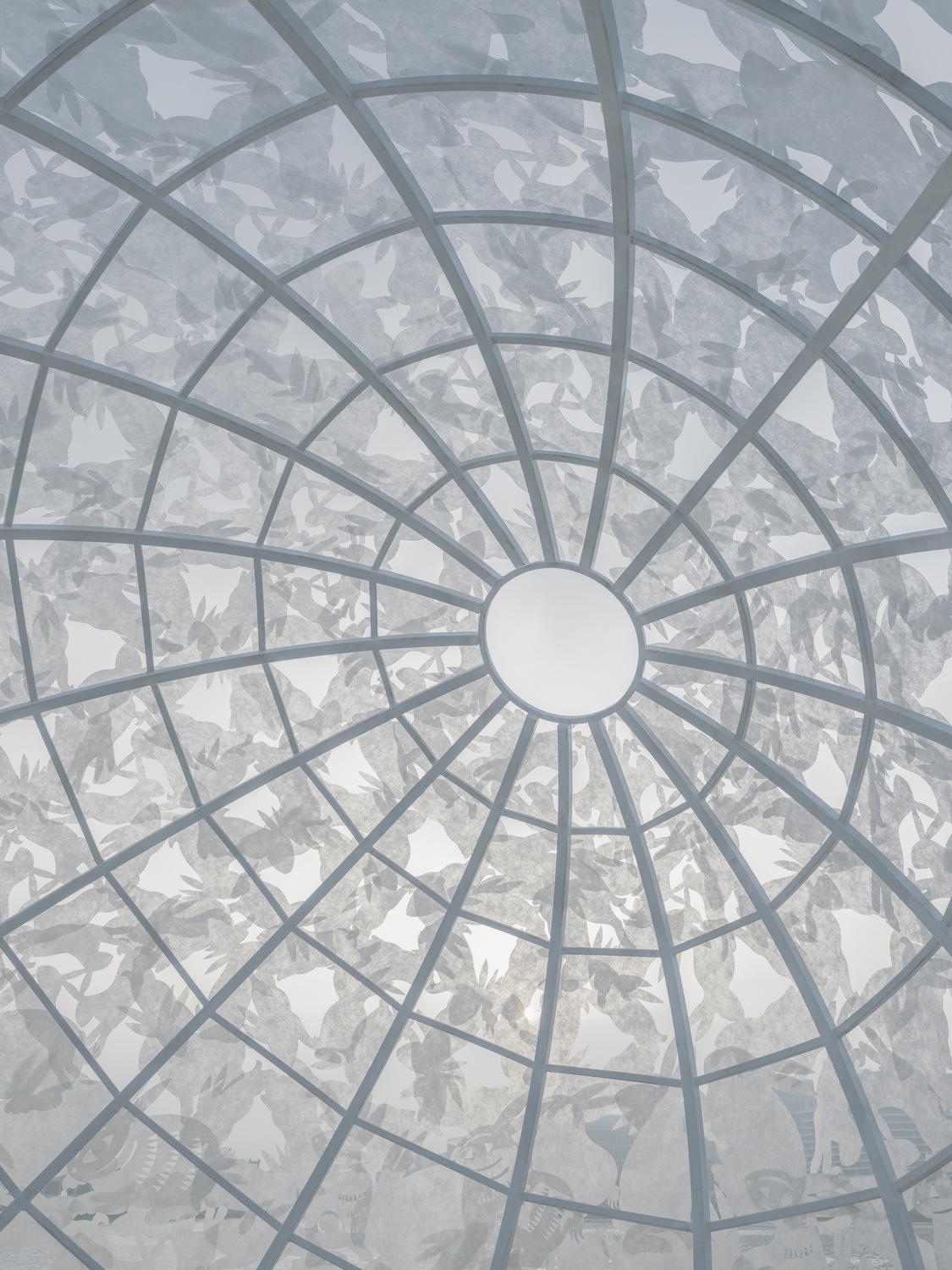
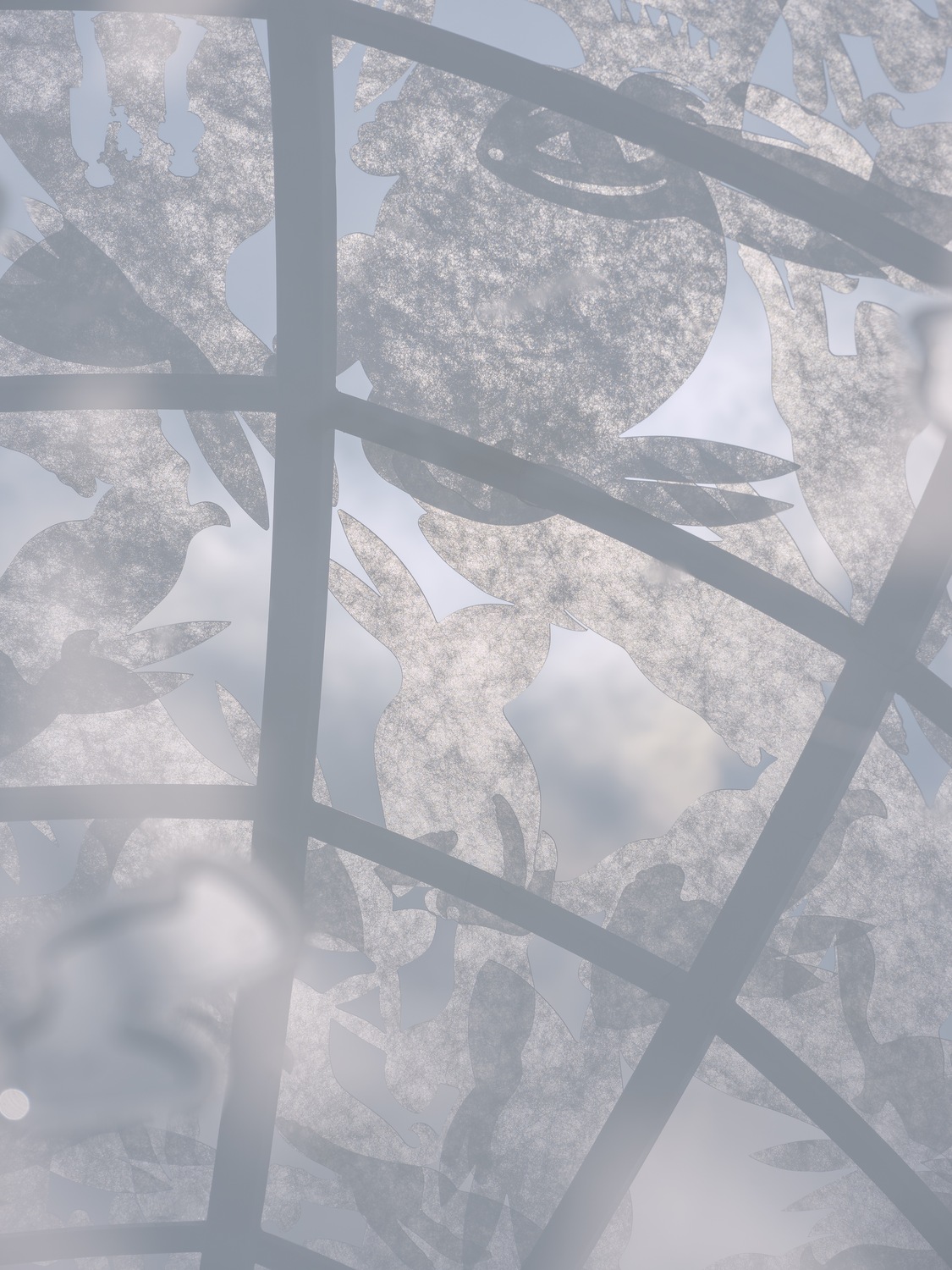
Given its riverside location and the heightened risk of typhoons during late summer and early autumn, structural safety and reversibility were central to the project’s execution. A framework of square steel tubes provides stability while enabling rapid assembly and dismantling, and the porous acrylic surface allows wind to pass through, reducing structural load. The deck beneath the installation was carefully removed, cataloged, and restored after the seven-day exhibition, returning the site to its original condition. Through this careful balance of cultural expression, technical restraint, and respect for place, The Full Moon articulates a contemporary architectural interpretation of impermanence, reunion, and shared cultural longing.
Project Gallery
21 photographs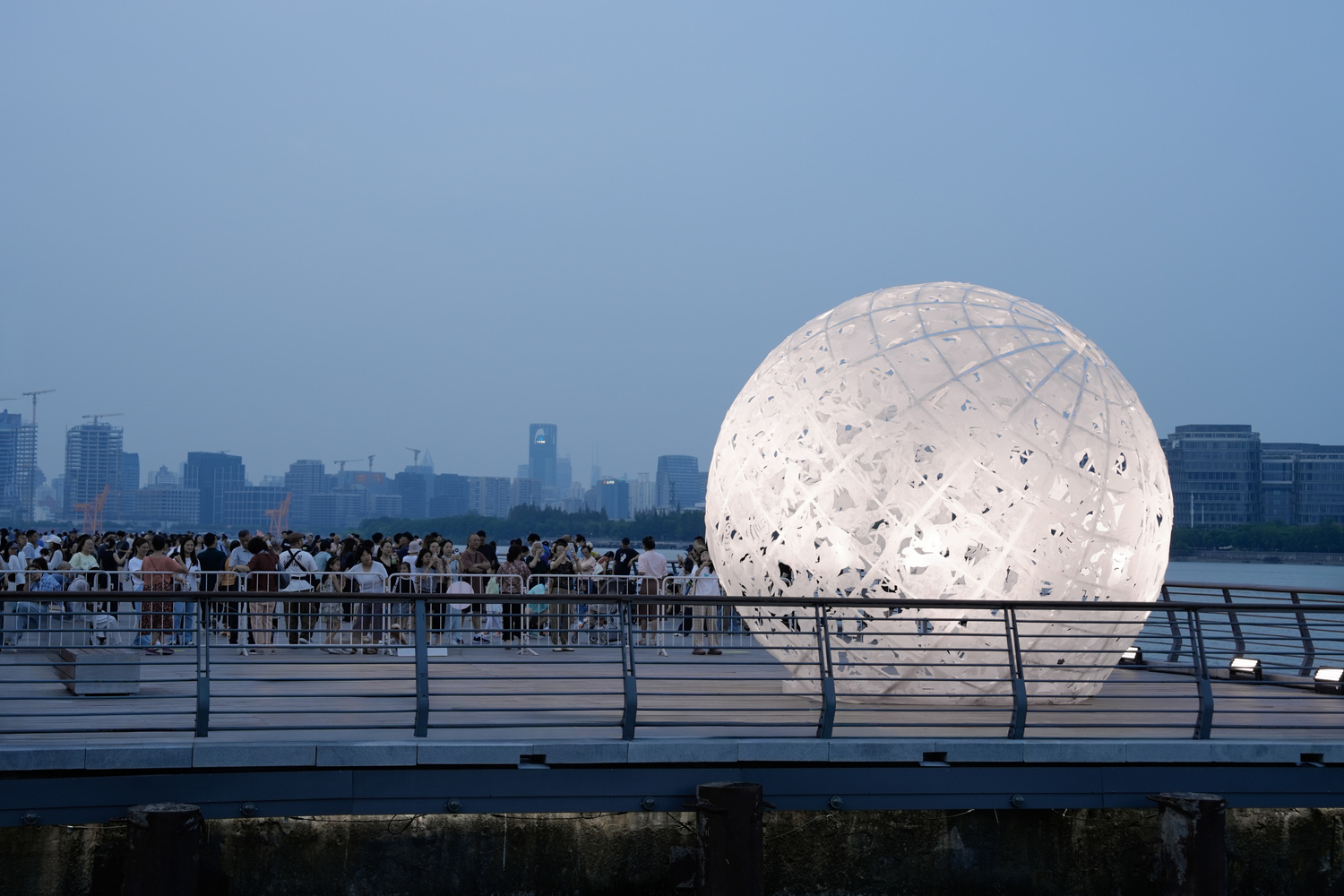
Project Location
AddressWest Bund Shipyard Pier, Shanghai, China
The location is intended for general reference and may denote a city or country; it does not identify a precise address.