

Books on building a house include Larry Haun’s framing manual The Very Efficient Carpenter, John Carroll’s Complete Visual Guide to Building a House and Charlie Wing’s Visual Handbook of Building and Remodeling. Haun’s 224-page manual is our starting pick for DIY framing, covering walls, floors, stairs and roofs. Carroll offers the whole construction sequence, while Wing helps readers choose materials and systems. All three come from The Taunton Press, which published Wing’s fifth edition on June 20, 2023. For an owner hiring a builder, Amy Johnston’s What Your Contractor Can’t Tell You addresses contracts and project management. The eleven books span hands-on construction, general contracting, commissioning a home and choosing a plan or sustainable design. Matching the book to that role keeps a framing manual, an owner’s planning guide and a residential construction reference useful at different stages of the same build.
Eleven books on building a house, each selected for a distinct building or planning role.
- The Very Efficient Carpenter by Larry Haun: Our pick for framing it yourself, Larry Haun’s 224-page Taunton Press manual on laying out and raising walls, floors, stairs and gable, hip, valley and truss roofs
- How to Build Your Dream Home Without Getting Nailed! by The Chubby Builder: Our pick for hiring a builder, a guide catalogued by AbeBooks at 256 pages to finding a building lot, choosing the right contractor and making a budget
- The Complete Visual Guide to Building a House by John Carroll and Chuck Lockhart: Our pick whole-house visual guide, John Carroll and Chuck Lockhart’s construction guide, listed by its publisher as a 528-page hardcover
- What Your Contractor Can't Tell You, 2nd Edition, by Amy Johnston: Our pick for working with contractors, Amy Johnston’s second edition, dated 2022 at Bookshop.org on choosing an architect or contractor, cost estimating, budgets, contracts and dealing with town officials
- The Complete Guide to Contracting Your Home by Kent Lester and Dave McGuerty: Our pick for being your own general contractor, a 368-page Krause guide to every phase of home construction with schedules, order forms, control logs, contracts and checklists
- The Visual Handbook of Building and Remodeling, 5th Edition, by Charlie Wing: Our pick systems reference, Charlie Wing’s 688-page 5th edition of 2023 with 1,700 full-color illustrations and 300 quick-reference charts
- Big Book of Small Home Plans, 2nd Edition, by Design America Inc.: Our pick small home plans, more than 360 plans for homes under 1,200 sq ft, about 111 m², with construction blueprints sold separately for each project
- Essential Sustainable Home Design by Chris Magwood: Our pick sustainable home design, Chris Magwood’s 224-page New Society guide with a criteria matrix for design, material and systems decisions
- Pretty Good House by Michael Maines, Daniel Kolbert, Emily Mottram and Christopher Briley: Our pick for energy-efficient homes, a Taunton guide with 256 pages recorded by the publisher to creating better homes whose four authors include two architects and a Certified Passivhaus Consultant
- The Complete Guide to Building Your Own Home by Corie Richter: Our pick owner-builder planner, an Atlantic Publishing guide catalogued by GoodwillBooks at 288 pages to site choice, a construction time line, construction loans, subcontractors, building codes and permits
- Foundations & Concrete Work by the Editors of Fine Homebuilding: Our pick for foundations and concrete, the 272-page revised Taunton edition on planning, pouring and finishing foundations, footings, slabs and retaining walls
Compare the Best Books on Building a House
| Book | Best For | Author | Publisher | Edition, Year | Pages | Format |
|---|---|---|---|---|---|---|
| The Very Efficient Carpenter by Larry Haun | Framing it yourself | Larry Haun | The Taunton Press | Paperback, 1998 | 224 | Paperback |
| How to Build Your Dream Home Without Getting Nailed! by The Chubby Builder | Hiring a builder | The Chubby Builder | Chubby Builder Publishing, AbeBooks record | 1st, 2015 (AbeBooks) | 256 (AbeBooks) | Paperback |
| The Complete Visual Guide to Building a House by John Carroll and Chuck Lockhart | Whole-house sequence | John Carroll, Chuck Lockhart | The Taunton Press | Seventh label at publisher; 2014 publisher / 2013 catalogs | 528 publisher / 520 TCDC | Hardcover |
| What Your Contractor Can't Tell You, 2nd Edition, by Amy Johnston | Working with contractors | Amy Johnston | Shube Publishing | 2nd, 2022 (Bookshop.org) | 240 | Paperback |
| The Complete Guide to Contracting Your Home by Kent Lester and Dave McGuerty | Being your own general contractor | Kent Lester, Dave McGuerty | Krause Publications | Fifth at Alibris, 2017 | 368 | Paperback |
| The Visual Handbook of Building and Remodeling, 5th Edition, by Charlie Wing | Systems reference | Charlie Wing | The Taunton Press | 5th, 2023 | 688 | Paperback |
| Big Book of Small Home Plans, 2nd Edition, by Design America Inc. | Choosing a small home plan | Design America Inc. | Creative Homeowner | 2nd, 2021 | 288 | Paperback |
| Essential Sustainable Home Design by Chris Magwood | Sustainable home design | Chris Magwood | New Society Publishers | Series Book 5, 2017 | 224 | Paperback, EPUB, Web PDF |
| Pretty Good House by Michael Maines, Daniel Kolbert, Emily Mottram and Christopher Briley | Energy-efficient design | Maines, Kolbert, Mottram, Briley | The Taunton Press | 2022 | 256 publisher / 224 Booktopia | Hardcover |
| The Complete Guide to Building Your Own Home by Corie Richter | Owner-builder planning | Corie Richter, retail record | Atlantic Publishing Group | 2009, ThriftBooks; 2008, Goodwill Books | 288 (GoodwillBooks) | Paperback |
| Foundations & Concrete Work by the Editors of Fine Homebuilding | Foundations and concrete | Editors of Fine Homebuilding | The Taunton Press | Revised and Updated, 2018 | 272 | Paperback, ebook |
01. The Very Efficient Carpenter by Larry Haun – Our Pick for Framing It Yourself
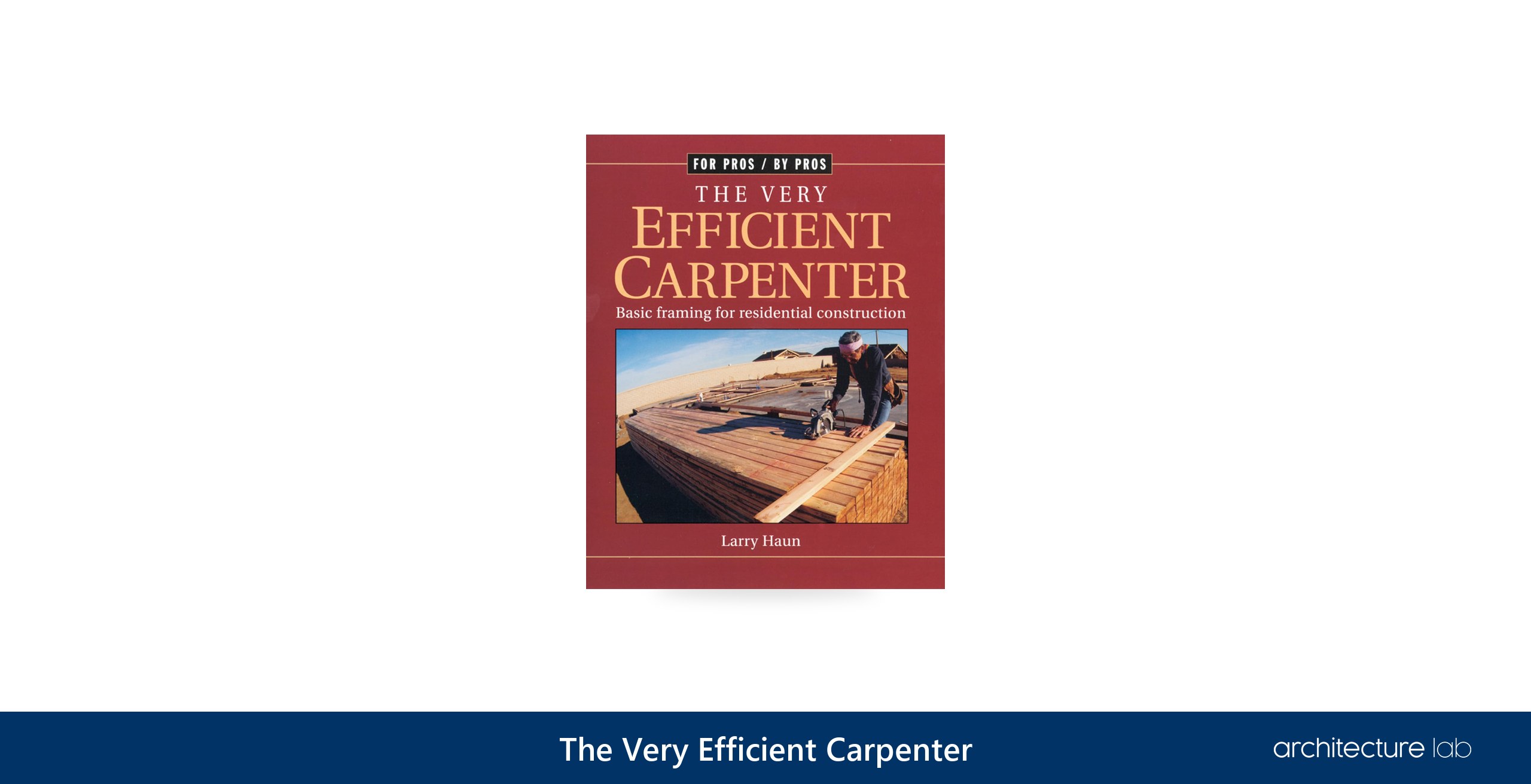
The Very Efficient Carpenter follows the framing work Larry Haun knew as an American union journeyman carpenter, author and teacher. Subtitled Basic Framing for Residential Construction, the 224-page paperback was published by The Taunton Press on October 1, 1998. Taunton describes more than five decades of hands-on experience in his biography and more than 35 years in the book description; those lower bounds are compatible.
The book covers tools, plans, codes and lumber selection, joisting, sheathing and floor construction, laying out, cutting, assembling and raising walls, framing gable, hip, valley and truss roofs, and building various types of stairs. For an owner-builder doing the framing personally, that concentration on carpentry makes it a useful working companion.
What We Like
- Walls laid out, cut, assembled and raised
- Gable, hip, valley and truss roofs
- Floors, joisting, sheathing and stairs
- Tools, plans, codes and lumber selection
- Written by a union journeyman carpenter
What We Don’t Like
- Published in 1998
02. How to Build Your Dream Home Without Getting Nailed! by The Chubby Builder – Our Pick for Hiring a Builder
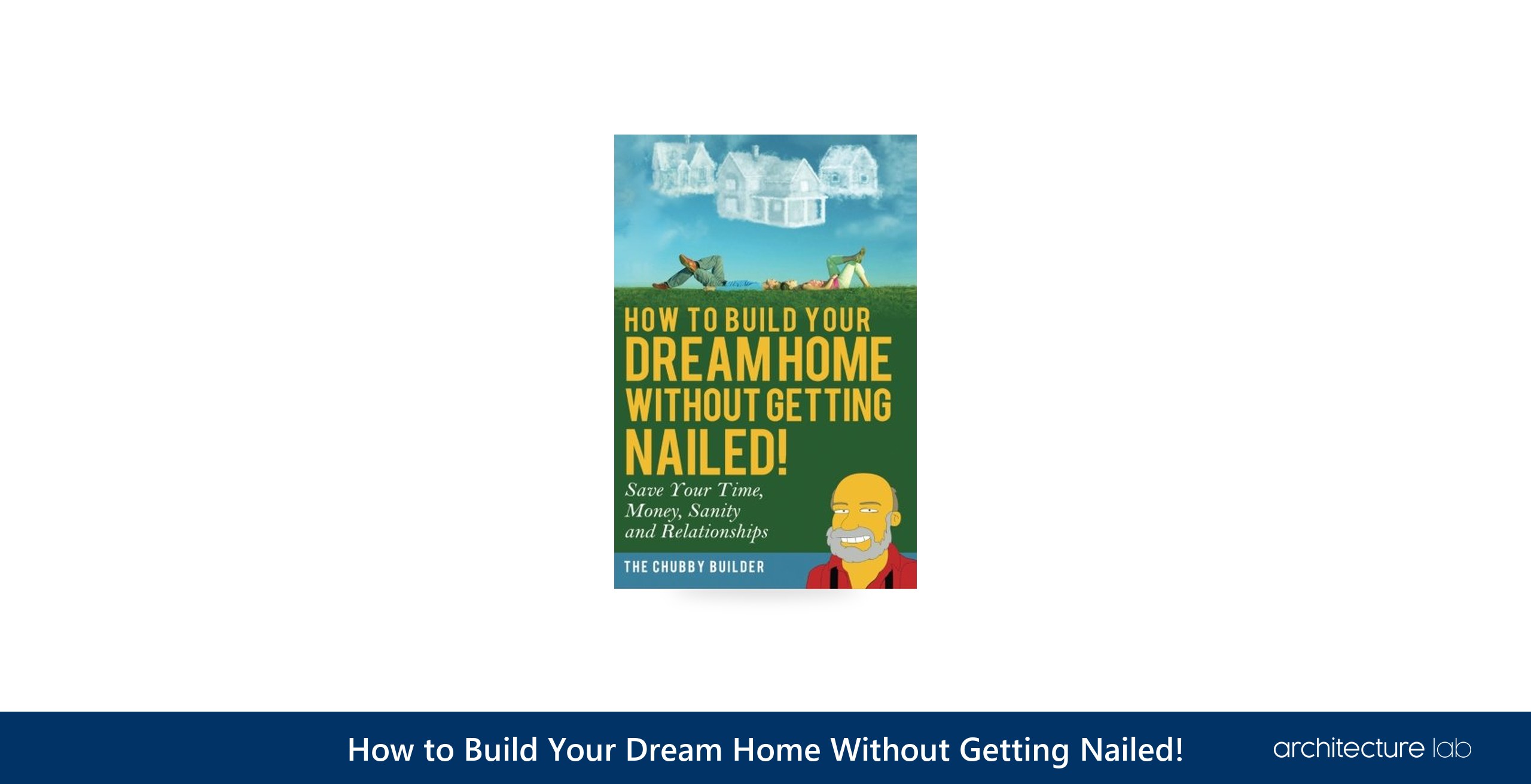
How to Build Your Dream Home Without Getting Nailed! addresses the owner’s decisions before and during a commissioned build. The Chubby Builder wrote the guide, subtitled Save Your Time, Money, Sanity and Relationships, and AbeBooks lists the 256-page first-edition paperback under Chubby Builder Publishing in 2015.
Its published synopsis covers the points of finding the right building lot, how to position a new home on the lot to make it more livable and control utility costs, how to find the right contractor for the owner’s needs, and how to make a budget and stick to it. We consider it a sensible beginner’s choice for an owner who wants to know what to ask before signing with a builder.
What We Like
- Finding a lot and positioning the home
- Choosing the right contractor
- Making a budget and sticking to it
- Utility costs considered at siting
- 256 pages, paperback, at AbeBooks
What We Don’t Like
- 2015 edition at AbeBooks
03. The Complete Visual Guide to Building a House by John Carroll and Chuck Lockhart – Our Pick Whole-House Visual Guide
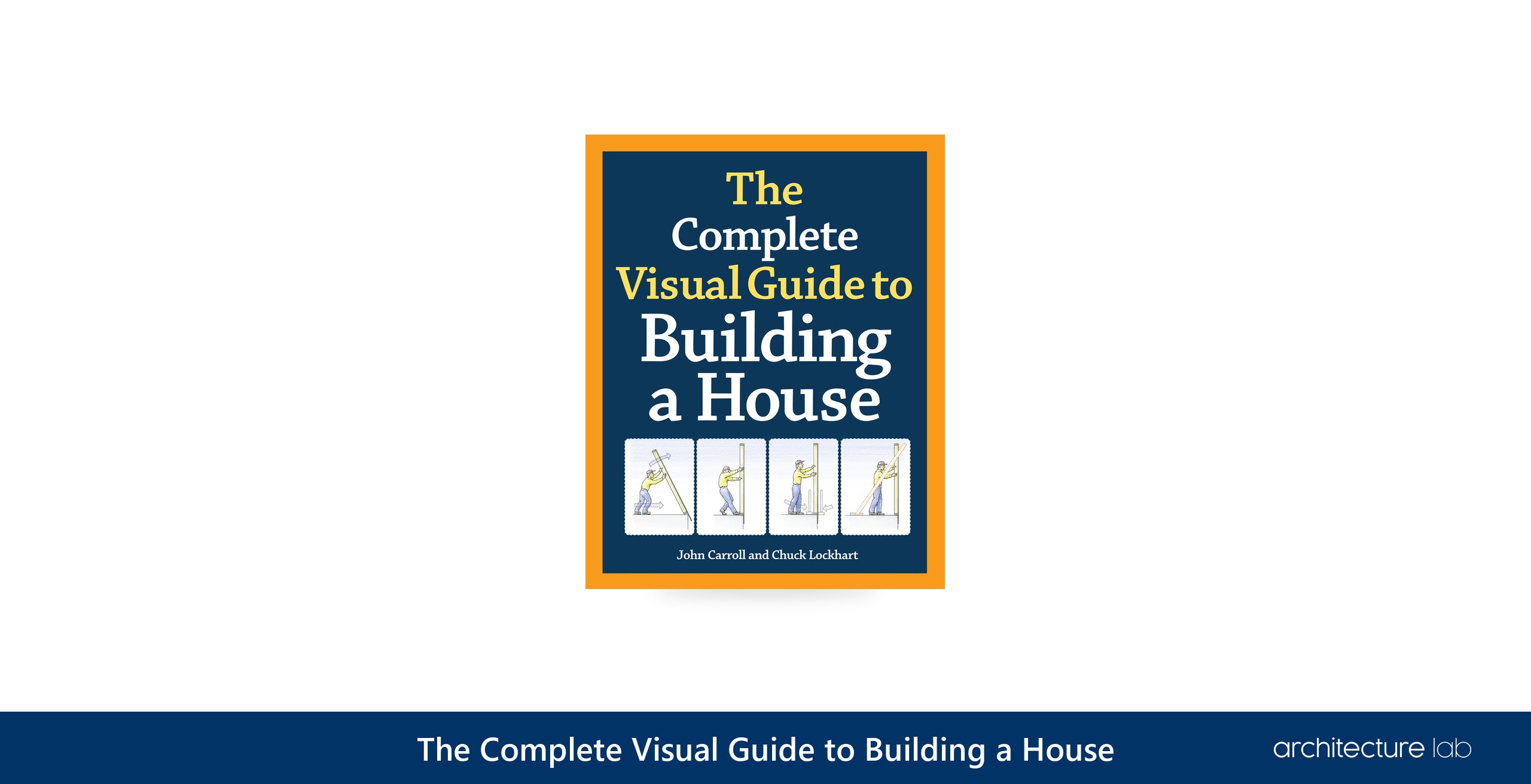
The Complete Visual Guide to Building a House follows the construction sequence in John Carroll and Chuck Lockhart’s guide, subtitled What Every Builder and Homeowner Needs to Know About Quality Construction. Abrams lists the Taunton hardcover as a seventh edition dated March 18, 2014, with 528 pages. TCDC’s library catalog records the same ISBN in 2013 with 520 pages, and Allegheny County Libraries also dates it to 2013. These are the records displayed on October 21, 2026.
It covers framing, roofing, siding, insulation, plumbing and electrical rough-in, with hundreds of detailed, clear diagrams and photographs that show installation details, from the foundation anchor bolts to the roof flashing. That breadth makes it a useful volume for a reader who wants the whole sequence of house construction.
What We Like
- Framing, roofing, siding and insulation
- Plumbing and electrical rough-in
- Hundreds of diagrams and photographs
- Foundation anchor bolts to roof flashing
- Publisher’s 528-page hardcover
What We Don’t Like
- Publication metadata differs between catalogs
- Hardcover format
04. What Your Contractor Can’t Tell You, 2nd Edition, by Amy Johnston – Our Pick for Working With Contractors
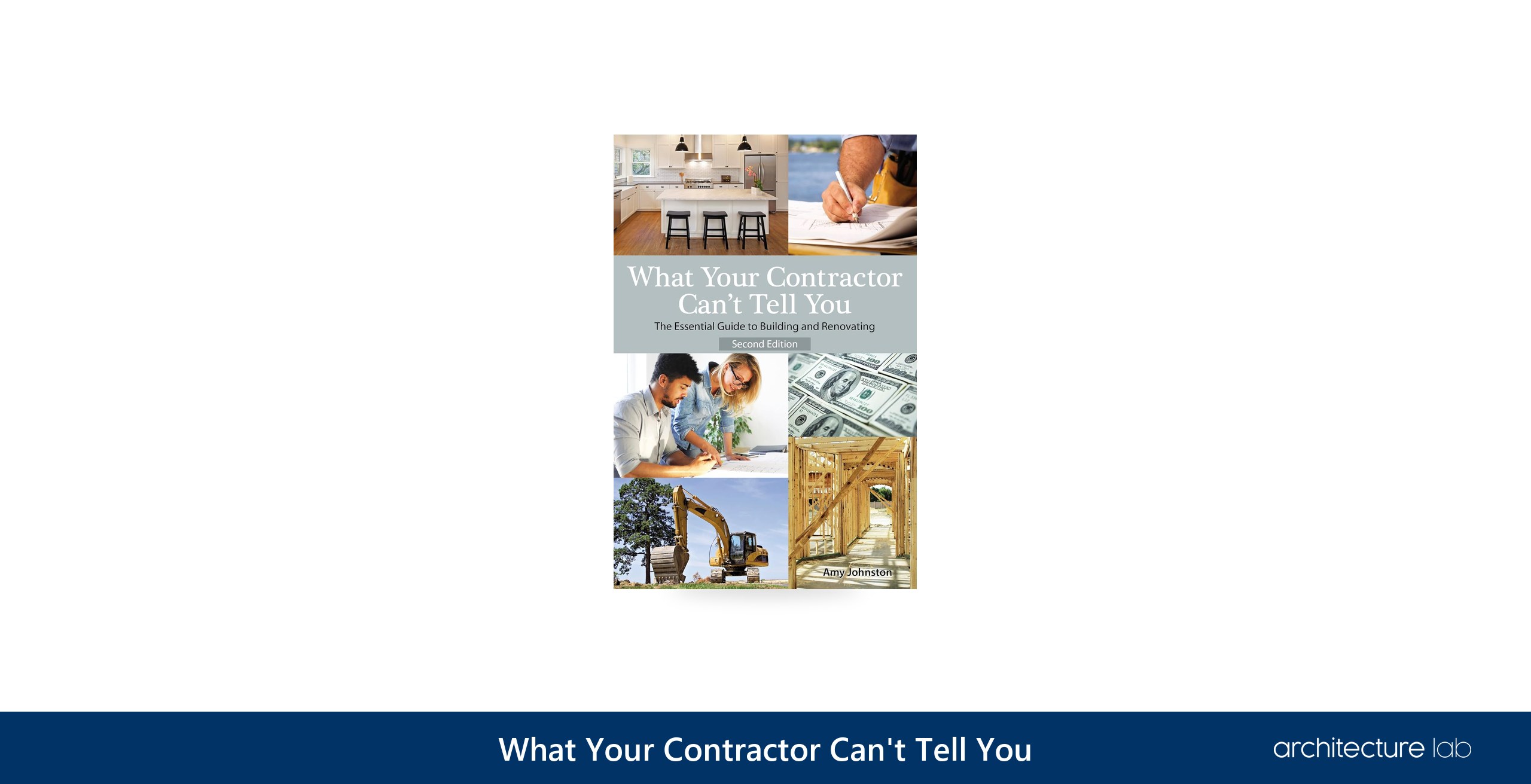
What Your Contractor Can’t Tell You, 2nd Edition, approaches building and renovation from the owner’s side of the contract. Lakeside Book Company’s distributor biography describes Amy Johnston as a Construction Manager and Owner’s Representative with thirty years of professional project management, overseeing the design, construction and renovation of residential homes, affordable housing projects, historic downtown restorations and commercial spaces. Shube Publishing released the 240-page paperback, subtitled The Essential Guide to Building and Renovating, with an August 16, 2022 publication date at Bookshop.org; AbeBooks also records a 2008 edition.
Its chapters cover planning the project, design options, selecting and working well with an architect or contractor, cost estimating, budgets, plan specifications, contracts, dealing with town officials, managing the project on site and keeping track of everything along the way.
What We Like
- Second edition, dated 2022 at Bookshop.org
- Working with an architect or contractor
- Cost estimating, budgets and contracts
- Dealing with town officials
- Author is a construction manager and owner's representative
What We Don’t Like
- 240 pages, paperback
- Written for homeowners hiring builders
- AbeBooks also records a 2008 edition
05. The Complete Guide to Contracting Your Home by Kent Lester and Dave McGuerty – Our Pick for Being Your Own General Contractor
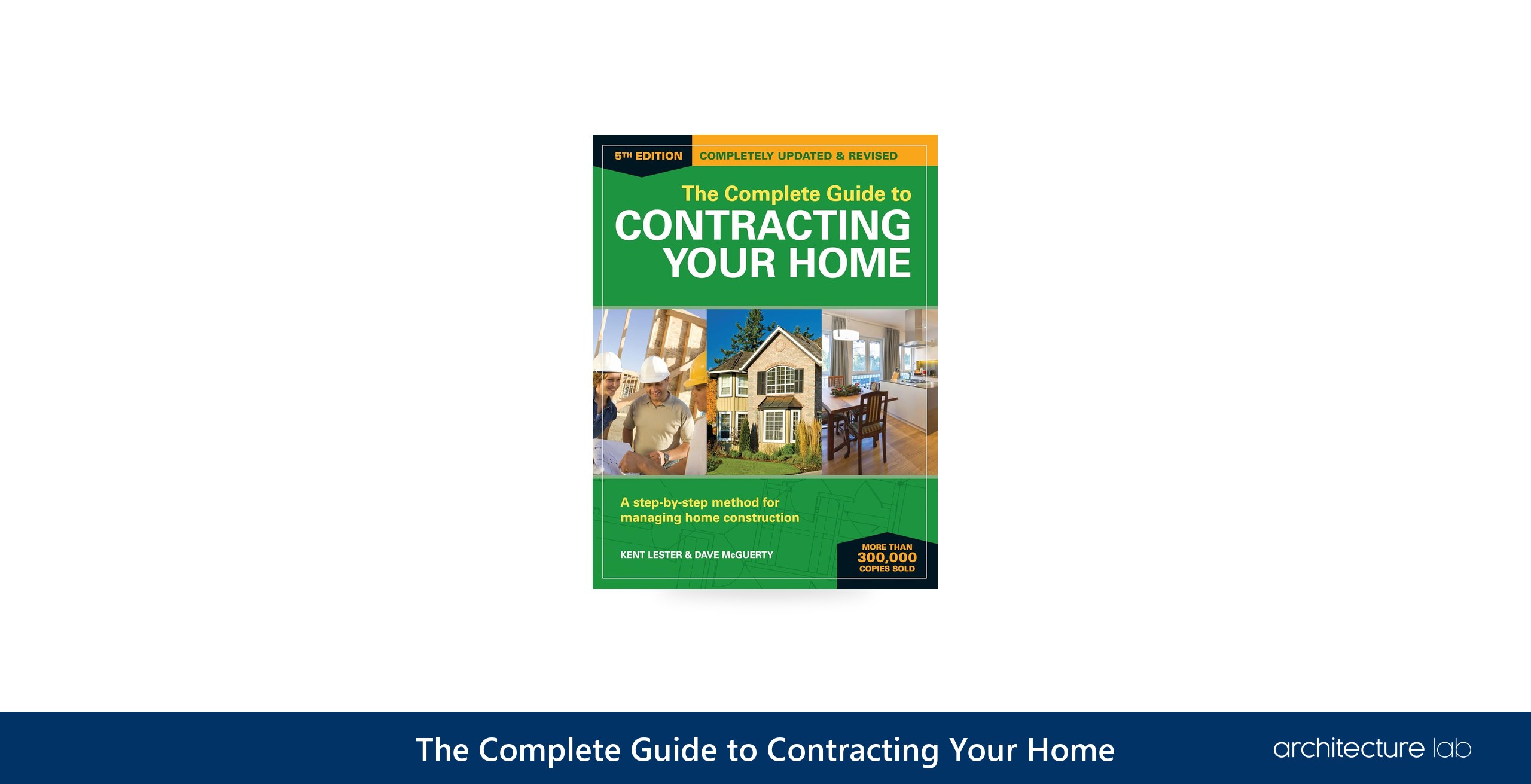
The Complete Guide to Contracting Your Home turns construction management into a sequence of jobs for an owner acting as general contractor. Kent Lester and Dave McGuerty’s guide is subtitled A Step-by-Step Method for Managing Home Construction. Krause Publications published the 368-page paperback on January 12, 2017; Alibris identifies it as the fifth edition.
The guide walks through each phase of construction, including preconstruction, foundations, framing, roofing, plumbing, electrical, masonry, siding, insulation, drywall, trim, painting, cabinetry, countertops, flooring, tile and landscaping, adds a new section on sustainable building in this edition, and supplies schedules, order forms, control logs, contracts and checklists. It also covers financial and legal details, what to consider when selecting a lot, how to deal with suppliers, labor and subcontractors, and building codes and inspections.
What We Like
- Schedules, order forms and control logs
- Contracts and checklists
- Every phase, preconstruction to landscaping
- Section on sustainable building
- 368 pages
What We Don’t Like
- Published in 2017
06. The Visual Handbook of Building and Remodeling, 5th Edition, by Charlie Wing – Our Pick Systems Reference
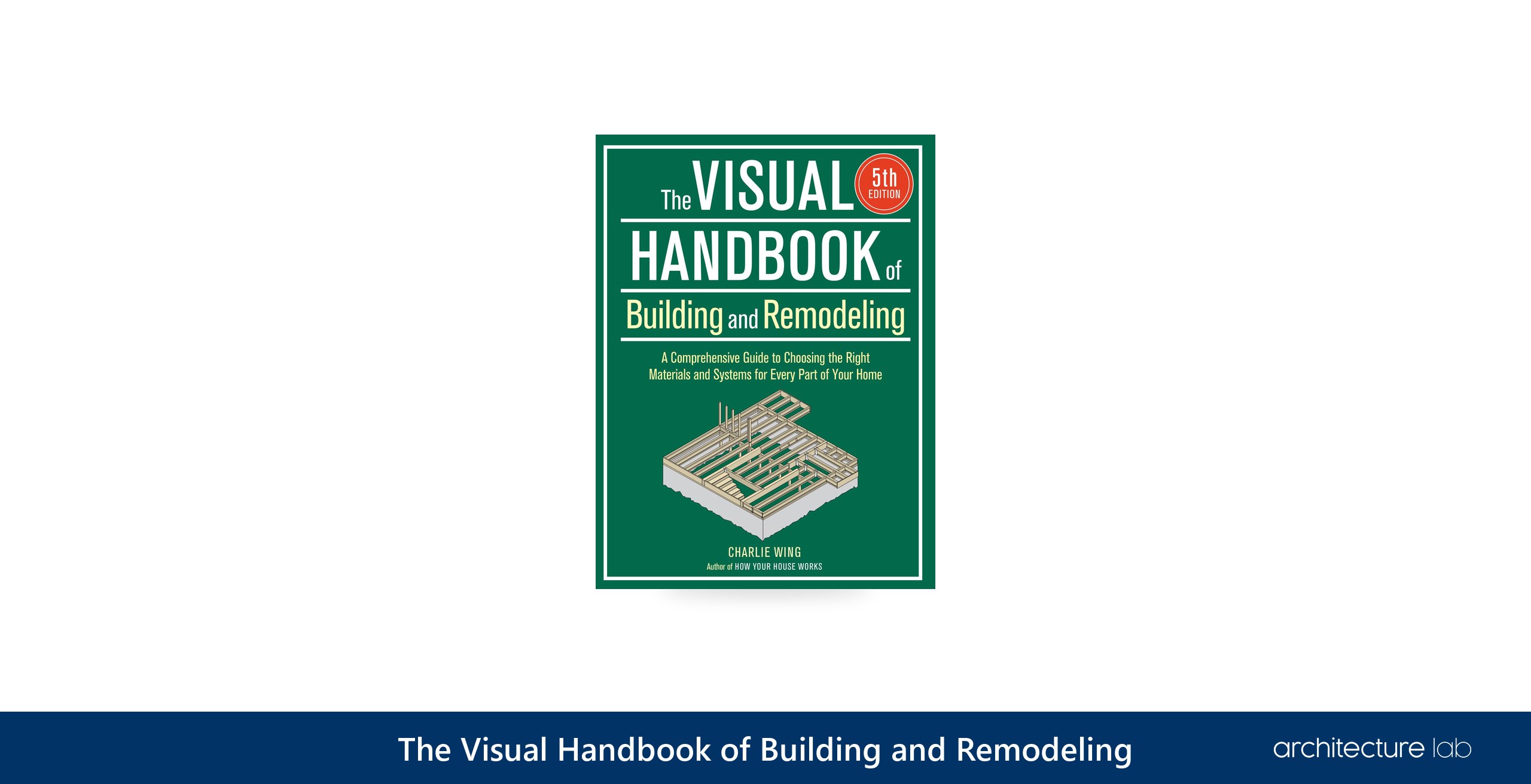
The Visual Handbook of Building and Remodeling, 5th Edition, concentrates on choosing materials and systems for every part of a home. Charlie Wing’s 688-page paperback was published by The Taunton Press on June 20, 2023, as a comprehensive home-building reference. The fifth edition carries 1,700 full-color illustrations and 300 quick-reference charts, covering building science through modern insulation, air-sealing and moisture-management techniques, together with simplified visual breakdowns of what Taunton calls the most current International Residential Code standards.
Charlie Wing holds a Ph.D. in Physical Oceanography from MIT, co-founded the Shelter Institute and Cornerstones, and hosted the PBS series Housewarming with Charlie Wing. The Taunton Press also credits him with developing the first DOE-approved computerized home energy audit.
What We Like
- 1,700 full-color illustrations
- 300 quick-reference charts
- Insulation, air-sealing and moisture management
- 688 pages
- 5th edition of 2023
What We Don’t Like
- MIT Press Bookstore records a fourth edition
07. Big Book of Small Home Plans, 2nd Edition, by Design America Inc. – Our Pick Small Home Plans
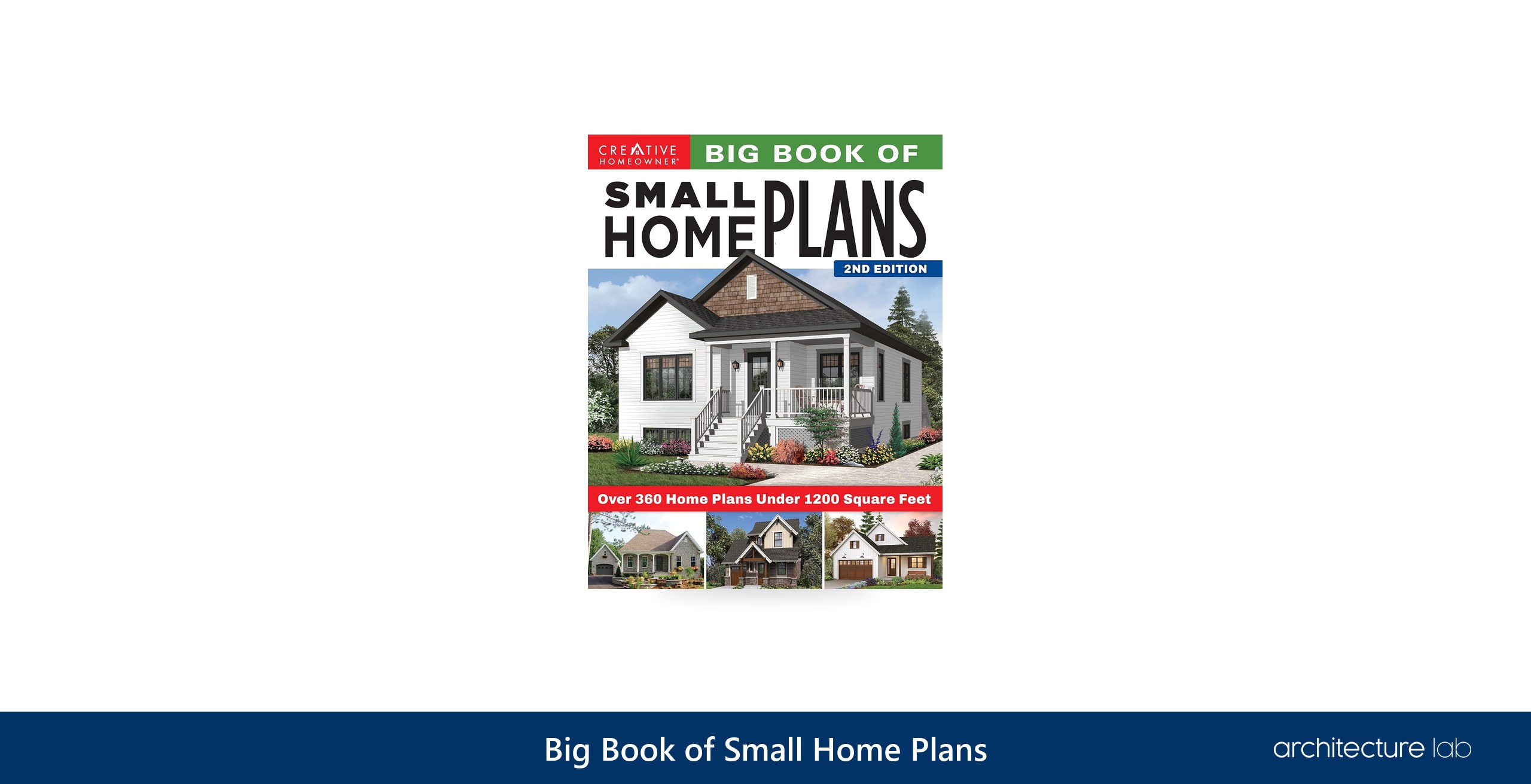
Big Book of Small Home Plans, 2nd Edition, collects more than 360 designs for homes under 1,200 sq ft, about 111 m². Design America Inc.’s book is subtitled Over 360 Home Plans Under 1200 Square Feet. Creative Homeowner published the 288-page paperback on September 7, 2021, following the 2017 first edition.
The second edition adds 140 plans prepared by architects and designers, covering cabins, cottages, small homes and tiny houses. It also guides do-it-yourself builders through all or part of the work. Construction blueprints are sold separately for each project in print and digital formats; the book itself adds advice on small home organization, decorating and storage.
What We Like
- More than 360 plans
- Homes under 1,200 sq ft, about 111 m²
- Blueprints sold per plan, print or digital
- Small home organization and storage tips
- 2nd edition of 2021
What We Don’t Like
- Blueprints sold separately for each plan
- A 2017 first edition also exists
08. Essential Sustainable Home Design by Chris Magwood – Our Pick Sustainable Home Design
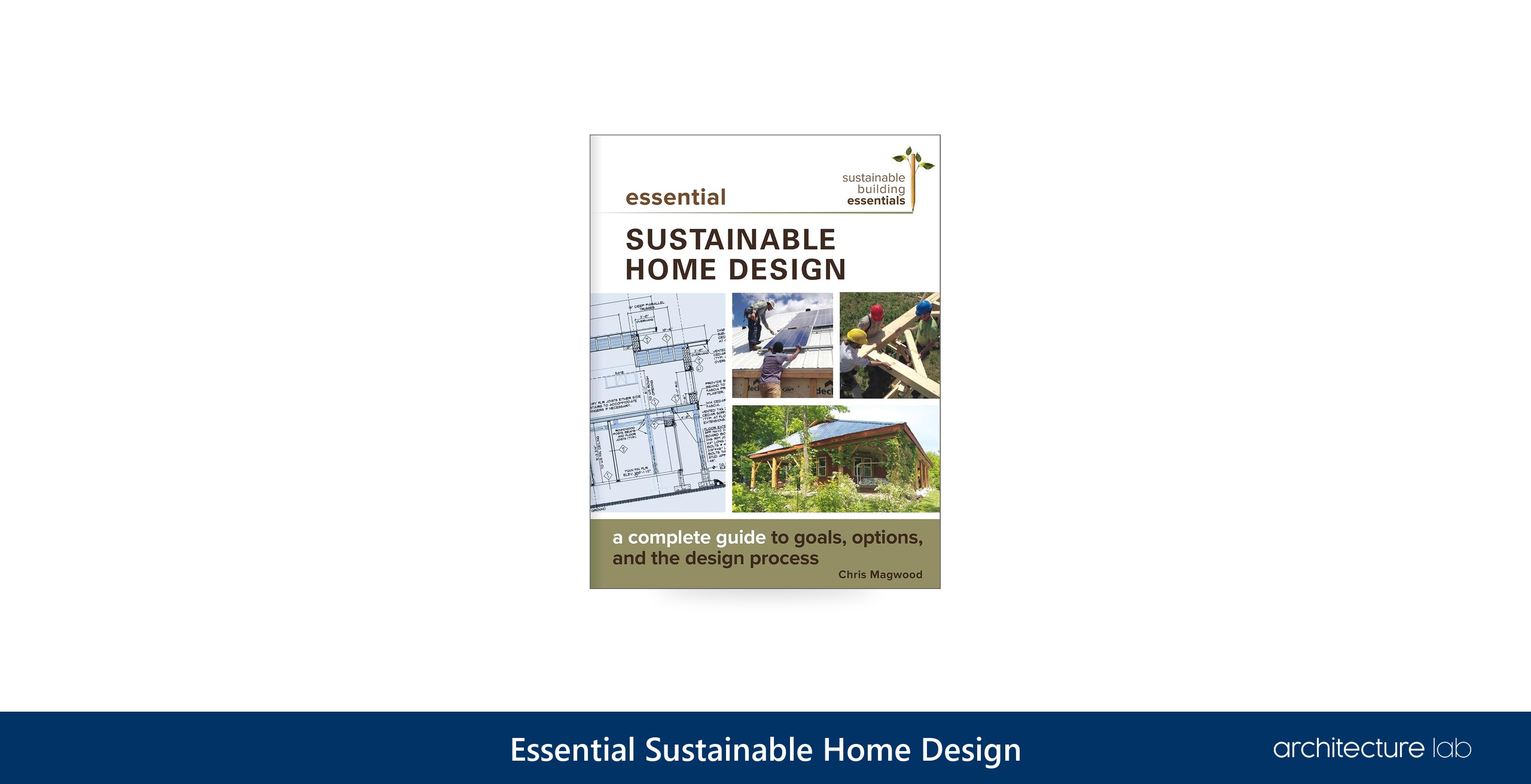
Essential Sustainable Home Design organizes a green building project around goals, materials and systems decisions. Chris Magwood’s guide is subtitled A Complete Guide to Goals, Options, and the Design Process and is Book 5 in the Sustainable Building Essentials Series. New Society Publishers released it on July 31, 2017, in 224 pages as a paperback, EPUB and Web PDF.
Magwood’s criteria matrix guides design, material and systems decisions, alongside advice on working with code officials and one-page summaries and ratings of sustainable materials and system options. The audience is owner-builders and sustainable building contractors. New Society’s biography credits Magwood with co-founding the Endeavour Centre for Innovative Building and Living and with Ontario’s first off-grid straw bale home. As of October 2026, it still calls him a director there, while RMI lists him in its Carbon-Free Buildings team and Living Future dates his Endeavour directorship to 2011–2022.
What We Like
- Written for owner-builders
- Criteria matrix for design decisions
- Working with code officials
- One-page summaries of sustainable materials
- Paperback, EPUB and Web PDF
What We Don’t Like
- Published in 2017
- 224 pages
09. Pretty Good House by Michael Maines, Daniel Kolbert, Emily Mottram and Christopher Briley – Our Pick for Energy-Efficient Homes
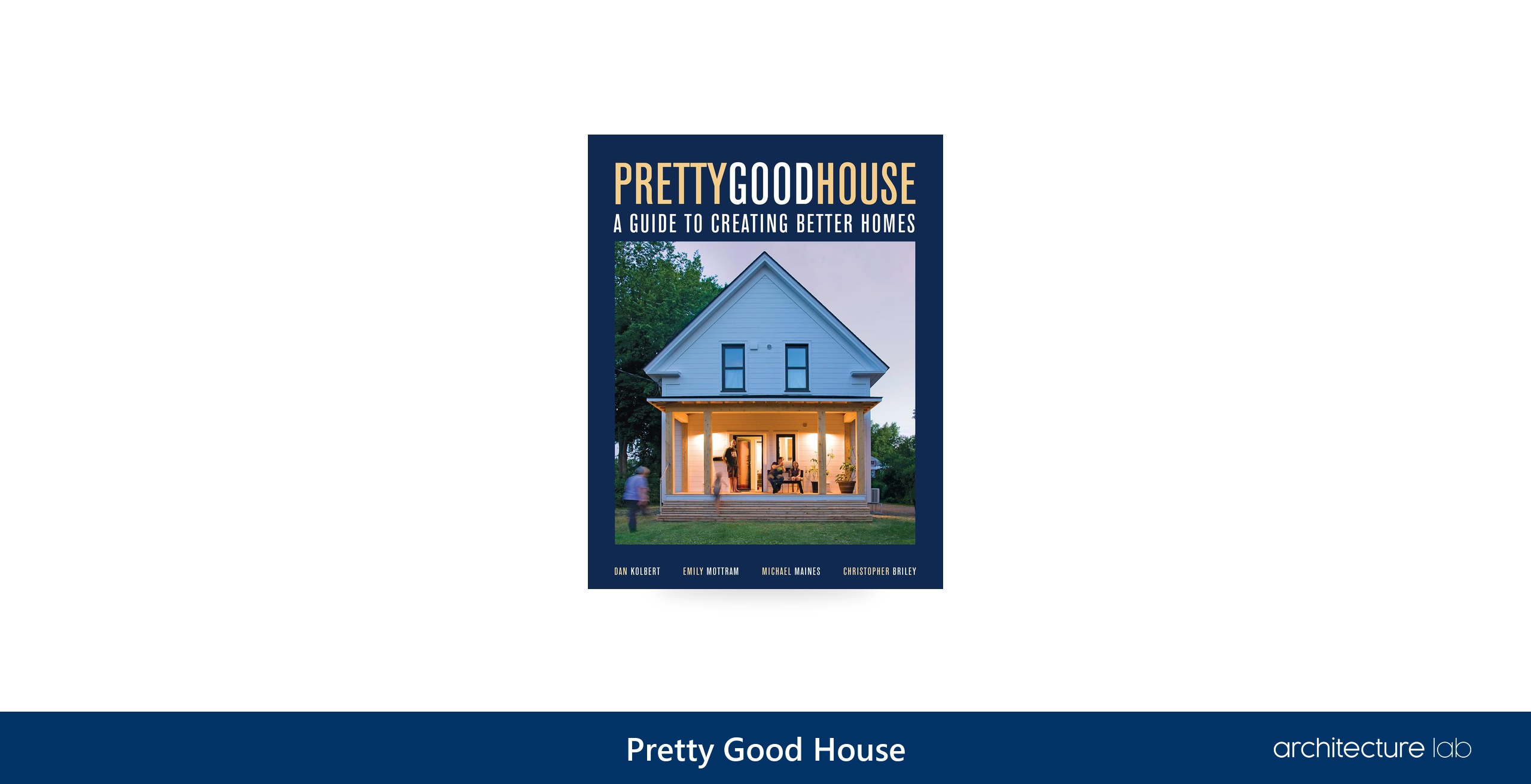
Pretty Good House brings two architects and a Certified Passivhaus Consultant into the discussion of energy-efficient home design. Michael Maines, Daniel Kolbert, Emily Mottram and Christopher Briley wrote the guide. Abrams gives its subtitle as A Guide to Creating Better Homes; Booktopia gives A Common-Sense Approach To Energy-Efficient Building for the same ISBN. The Taunton Press dates the hardcover July 26, 2022 and lists 256 pages; Booktopia lists 224 pages for the same ISBN. Those records differ as of October 21, 2026.
Mottram is a Registered Architect and founder and principal of Mottram Architecture; Briley is a principal architect at BRIBURN. Maines is a residential designer specializing in energy-efficient homes and a Certified Passivhaus Consultant. For an owner who wants energy efficiency considered before the first drawing, we consider their design focus a promising starting point.
What We Like
- A Registered Architect and a principal architect among the authors
- Certified Passivhaus Consultant co-author
- Published in 2022
- Publisher lists 256-page hardcover
What We Don’t Like
- Hardcover format
10. The Complete Guide to Building Your Own Home by Corie Richter – Our Pick Owner-Builder Planner
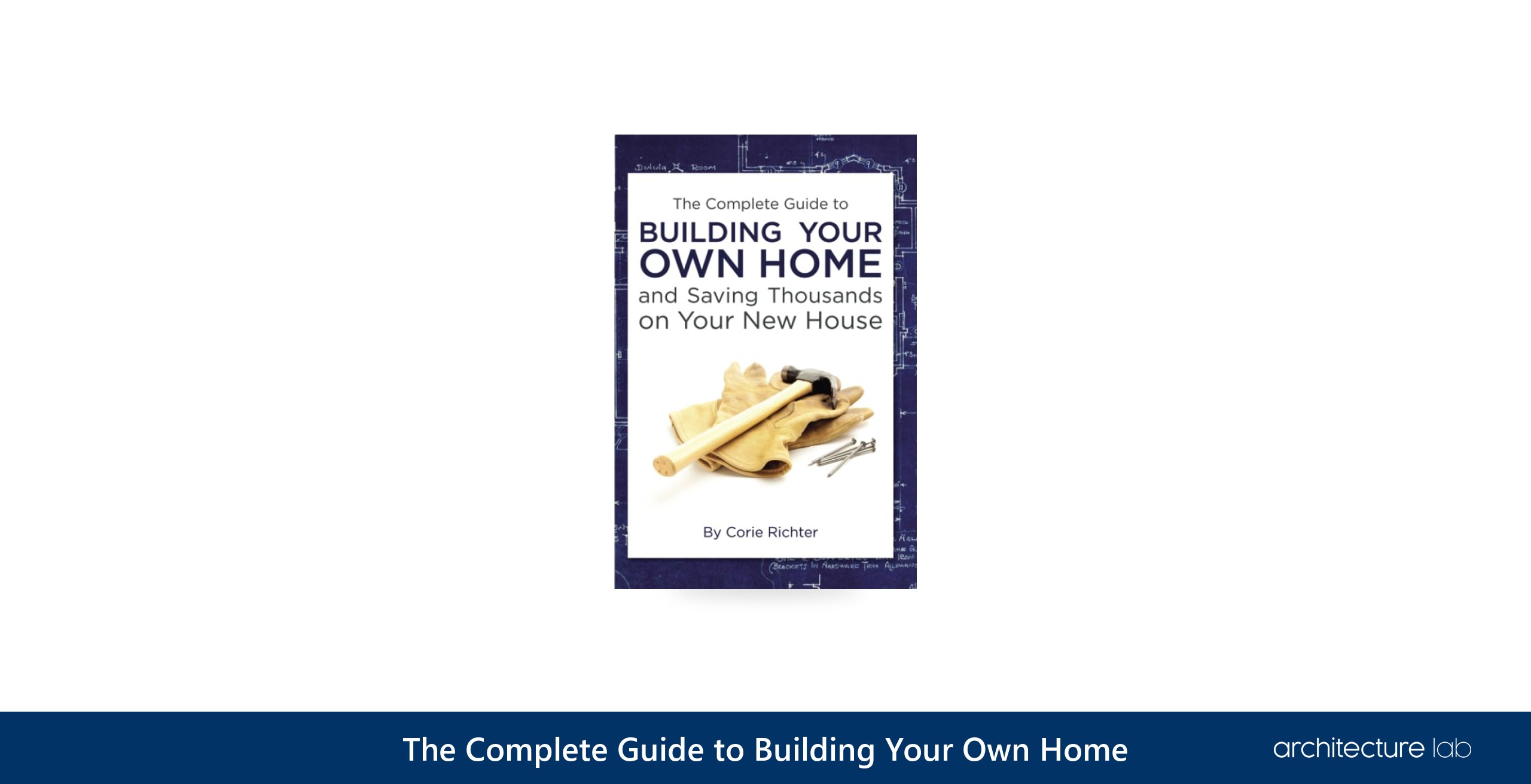
The Complete Guide to Building Your Own Home and Saving Thousands on Your New House covers the owner’s planning work. ThriftBooks lists the 288-page Atlantic Publishing paperback with an October 2009 date; Goodwill Books gives 2008. Both retail records were read October 21, 2026.
The synopsis reproduced by GoodwillBooks covers how to choose a site, draw up a construction time line, apply for construction loans and financing, obtain essential insurance information, buy or prepare inexpensive plans, find and negotiate with subcontractors, comply with building codes and get building permits.
What We Like
- Site choice and a construction time line
- Construction loans, financing and insurance
- Negotiating with subcontractors
- Building codes and permits
- 288 pages at GoodwillBooks
What We Don’t Like
- 2008/2009 retail publication records
- ThriftBooks dates it to 2009, before the 2021 IRC
11. Foundations & Concrete Work by the Editors of Fine Homebuilding – Our Pick for Foundations and Concrete
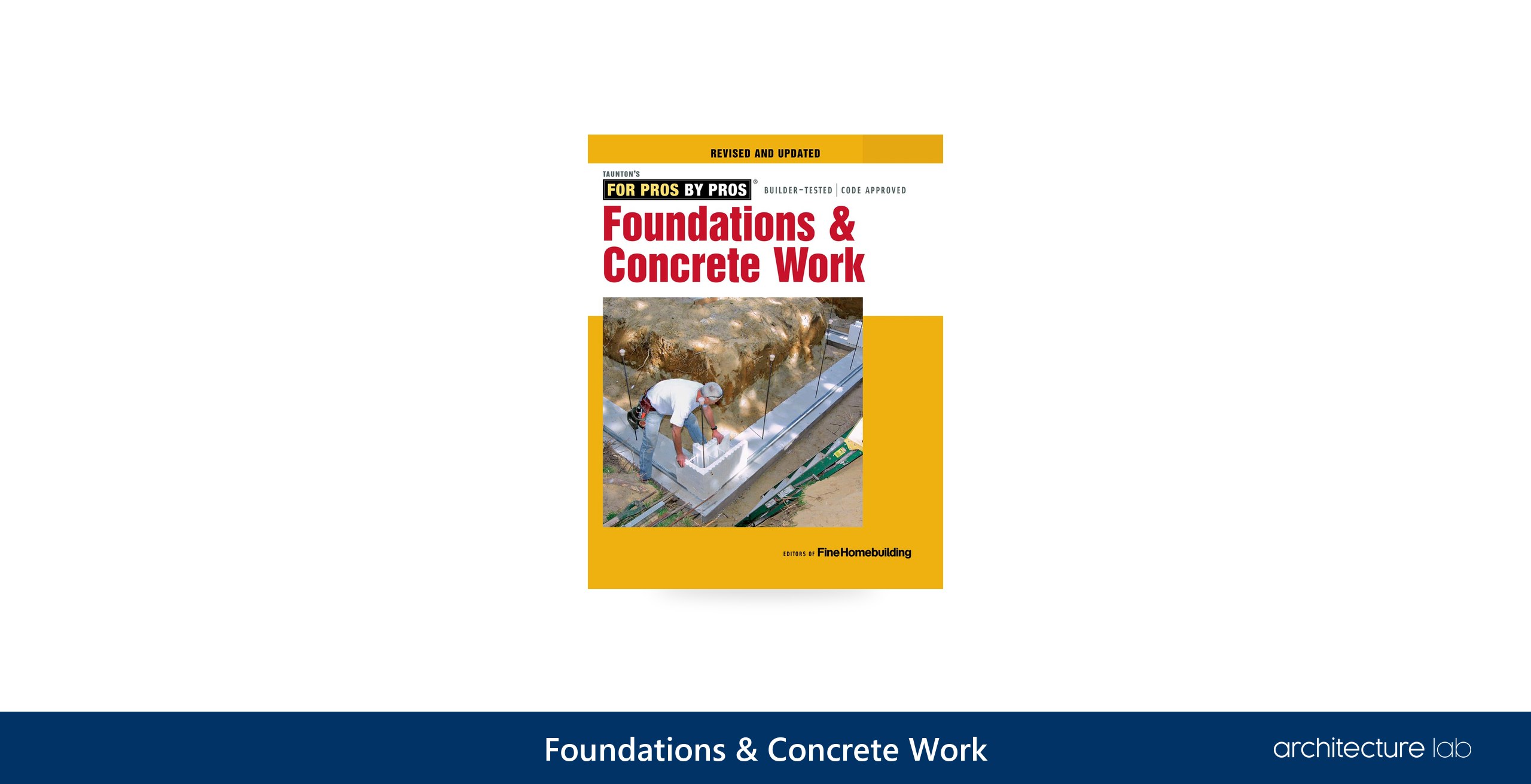
Foundations & Concrete Work, Revised and Updated, concentrates on the concrete work that precedes and supports a frame. The Editors of Fine Homebuilding compiled the manual, published by The Taunton Press on January 16, 2018, as a 272-page paperback and an ebook. It would make a useful companion to a framing manual for an owner-builder forming and pouring a foundation.
It teaches how to plan, pour and finish concrete foundations, footings, slabs and retaining walls, with clear and detailed guidance on pouring concrete, laying block foundations, waterproofing and handling drainage. Hundreds of diagrams, photos and charts break complex processes into easy-to-understand steps.
What We Like
- Foundations, footings, slabs and retaining walls
- Block foundations
- Waterproofing and drainage
- 272 pages, paperback and ebook
- Revised and Updated edition
What We Don’t Like
- Published in 2018
Which book on how to build a house should you read first?
John Carroll’s Complete Visual Guide to Building a House is our suggested first book on how to build a house because it follows the whole construction sequence. The other ten books divide by the reader’s role on the build, while Charlie Wing’s Visual Handbook of Building and Remodeling offers a systems reference across all four roles. Bob Vila books cover remodeling and renovation; for the new-construction sequence, Carroll remains our preference.
- For hands-on framing and foundation work, consider Larry Haun’s The Very Efficient Carpenter and Foundations & Concrete Work from the Editors of Fine Homebuilding.
- For acting as your own general contractor, consider The Complete Guide to Contracting Your Home by Kent Lester and Dave McGuerty and the Complete Guide to Building Your Own Home, credited to Corie Richter at retail.
- For having a house built by a contractor, consider Amy Johnston’s What Your Contractor Can’t Tell You and The Chubby Builder’s How to Build Your Dream Home Without Getting Nailed!
- For choosing a design before building, consider the Big Book of Small Home Plans, Chris Magwood’s Essential Sustainable Home Design and Pretty Good House.
Which books cover residential construction in depth?
Forum contributors in 2006 and 2009 recommended Francis D. K. Ching’s Building Construction Illustrated and Rob Thallon’s Graphic Guide to Frame Construction for understanding construction. Builder’s Book records Ching’s Wiley sixth edition at 512 pages, dated January 29, 2020. Thallon’s Taunton fifth edition has 256 pages and is dated October 15, 2024. Thallon is an architect and Associate Professor Emeritus of Architecture at the University of Oregon.
Fundamentals of Residential Construction by Edward Allen, Alexander C. Schreyer and Rob Thallon, published by Wiley at 832 pages, is a textbook for students in architecture, construction science, construction management and building technology. Its catalogue dates differ: August 2022 at Wiley-VCH (checked October 22, 2026), versus September 14, 2022 at Builder’s Book (checked October 21, 2026). For a reader who needs the parts of a house and the construction process explained, rim joist against sill plate, floating slab, grade beam and hip roof, the 2009 Fine Homebuilding discussion points to Building Construction Illustrated and, for the framing, Graphic Guide to Frame Construction, with the caution that detail drawings may not translate well for a novice.
Bill Maclay’s The New Net Zero explores net-zero design for professionals working on homes and other buildings. Google Books catalogues the 576-page book under Chelsea Green Publishing in 2014. It addresses air, water and vapor barriers, insulation, renewable energy and monitoring and commissioning.
For building codes, Code Check Building, 5th Edition, by Douglas Hansen, published by Taunton on October 10, 2023, is fully revised to reflect the changes in the 2021 International Residential Code. Abrams lists 32 pages, while the author-owned CodeCheck specifies 50 for the print flip-chart version; both pages were read October 21, 2026. The code edition a jurisdiction has adopted is the one that applies there.
Frequently Asked Questions
what are the best resources or books for diy home building?
Larry Haun’s The Very Efficient Carpenter covers floors, walls, roofs and stairs. Foundations & Concrete Work, compiled by the Editors of Fine Homebuilding, covers foundations, footings, slabs, waterproofing and drainage. The books address distinct stages: the concrete work supporting the house and the carpentry that forms its frame.
What books do you all recommend we read if we're building a home?
Amy Johnston’s What Your Contractor Can’t Tell You covers budgets, contracts and working with an architect or contractor. Kent Lester and Dave McGuerty’s Complete Guide to Contracting Your Home follows the construction process through its phases and provides schedules, control logs and checklists for managing the project. Both address the owner’s decisions and responsibilities during a build.
Conclusion
- John Carroll’s Complete Visual Guide to Building a House is the pick for the whole sequence of a house.
- Larry Haun’s The Very Efficient Carpenter is the pick for framing a house yourself.
- Kent Lester and Dave McGuerty’s Complete Guide to Contracting Your Home is the pick for acting as your own general contractor.
- Amy Johnston’s What Your Contractor Can’t Tell You, 2nd Edition, is the pick for an owner hiring an architect or a contractor.
- Chris Magwood’s Essential Sustainable Home Design is the pick for a green home, and the Big Book of Small Home Plans for a small home under 1,200 sq ft, about 111 m².
Related Articles
The 50 Best Architecture Books You Must Read
11 Frank Lloyd Wright Books | Inspiration for Architects
28 Best Bauhaus Books That Showcase 100 Years of Design School
Architect-Designed Homes vs Project Homes
13 Best Bookshelves You Can Buy Online
6 Best Sketchbooks for Architects Ready to Shelter Art
7 Best Dot Grid Notebooks For Bullet Journaling
