

Wicker and rattan are often mistaken for the same thing. In truth, one is a technique, the other a material.
The distinction matters when choosing durable, climate-appropriate, and stylish furniture for your home or patio.
This guide explains what each term means, how they’re made, and which performs better in different environments.
| Feature | Rattan | Wicker |
|---|---|---|
| Definition | A natural climbing palm used as a furniture material | A weaving technique using pliable materials |
| Category | Material | Method |
| Composition | Solid vine core and outer peel | Any natural or synthetic fibers (rattan, willow, bamboo, resin) |
| Origin | Tropical Asia and Africa | Ancient Egyptian craft, later adapted worldwide |
| Typical Use | Framework and structure | Decorative weave or covering |
| Durability | Strong and flexible; sensitive to humidity | Varies by material—synthetic wicker highly durable |
| Best Location | Indoors or covered patios | Outdoors if synthetic, indoors if natural |
| Maintenance | Occasional oiling and gentle cleaning | Depends on material—synthetic wicker needs less care |

What Is Rattan?
Rattan is a naturally occurring climbing palm native to Southeast Asia, Africa, and Australasia.
It grows in long, slender canes that can reach over 100 meters in length. When harvested, the vine is divided into two parts:
- Outer skin: Used for weaving and binding.
- Inner core: Steamed, shaped, and used to form frames for chairs, tables, and sofas.
Rattan’s strength, flexibility, and renewability make it ideal for furniture manufacturing. It’s lightweight, naturally resilient, and sustainable—rattan regenerates rapidly and requires minimal processing.
Key Features of Rattan Furniture
- Naturally golden to honey-toned color range.
- It can be stained or painted, but usually left in natural hues.
- Comfortable elasticity and structural strength.
- Suitable for indoor or covered outdoor use (avoid prolonged moisture exposure).
Rattan furniture includes armchairs, loungers, dining sets, and baskets—pieces valued for their tactile warmth and organic aesthetic.
What Is Wicker?
Wicker refers not to a material, but to a craft technique that involves weaving pliable fibers—such as rattan, willow, reed, bamboo, or synthetic resin—into functional or decorative forms.
The method dates back thousands of years, with examples found in ancient Egypt and Rome.
Today, wicker furniture ranges from vintage handwoven designs to modern synthetic resin weaves engineered for full outdoor exposure.
Key Features of Wicker Furniture
- Lightweight, breathable, and visually textured.
- Can be made from both natural and synthetic fibers.
- Synthetic (resin) wicker resists UV rays, humidity, and mold.
- Natural wicker requires protection from rain and sun to prevent drying and cracking.
Wicker’s versatility allows it to appear in nearly every design style—from coastal patios to contemporary lofts.
Fundamental Difference
The core distinction is simple:
Rattan is the material. Wicker is the weaving method.
All rattan furniture may be wicker, but not all wicker furniture is made of rattan.
A wicker chair can be made of rattan, bamboo, or synthetic resin, depending on the desired look and durability.
Natural vs. Synthetic Wicker
| Type | Composition | Best Use | Care |
|---|---|---|---|
| Natural Wicker | Woven plant fibers—rattan, willow, reed | Indoors or covered patio | Dust gently; avoid moisture and sun |
| Synthetic Wicker (Resin) | Polyethylene (HDPE) or PVC resin | Outdoor furniture | Wash with mild soap; UV and weather resistant |
Synthetic wicker mimics the organic weave of natural wicker but lasts significantly longer outdoors. High-quality HDPE resin is recyclable, fade-resistant, and sustainable when paired with aluminum or steel frames.


Durability and Maintenance
| Factor | Rattan | Wicker (Natural) | Wicker (Synthetic) |
|---|---|---|---|
| Weather Resistance | Moderate | Low | High |
| Flexibility | Excellent | Good | Moderate |
| Weight | Light | Light | Slightly heavier |
| Maintenance | Clean with damp cloth, re-oil yearly | Keep dry, vacuum gently | Hose off occasionally |
| Longevity (typical) | 10–15 years indoors | 5–10 years indoors | 15–25 years outdoors |
Aesthetic and Design Considerations
- Rattan furniture highlights natural warmth—its fibers show organic texture and subtle color shifts that complement tropical, bohemian, or Scandinavian interiors.
- Wicker furniture, especially synthetic variants, offers design flexibility—available in whites, blacks, or contemporary neutrals suitable for coastal or modern outdoor spaces.
- Pairing rattan frames with wicker-style resin weaves combines tactile charm with outdoor durability.
Sustainability
Rattan is a renewable natural resource harvested without deforestation—its vines grow quickly and help stabilize tropical ecosystems.
Synthetic wicker, when made from HDPE (high-density polyethylene), is fully recyclable and weatherproof.
Both materials, when responsibly sourced or recycled, are environmentally sound alternatives to hardwood furniture.
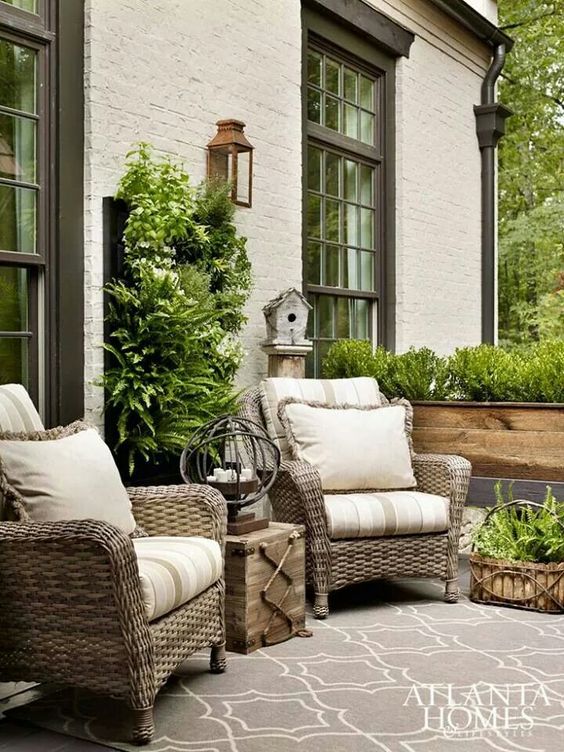
Choosing Between Wicker and Rattan
| Preference | Choose Rattan | Choose Wicker |
|---|---|---|
| Material Authenticity | Natural, organic look and feel | Wider choice of materials and finishes |
| Primary Use | Indoor or covered patio | Fully outdoor (synthetic) or decorative |
| Maintenance Willingness | Occasional oiling and care | Low maintenance if synthetic |
| Design Goal | Mid-century, tropical, or boho interiors | Coastal, modern, or minimalist outdoors |
| Longevity Priority | Indoor durability | Outdoor endurance |
Care and Preservation Tips
- Keep natural rattan or wicker away from direct rain and prolonged sunlight.
- Clean with a soft brush or microfiber cloth; avoid soaking.
- For synthetic wicker, rinse periodically to remove dust and salt residues.
- Store furniture indoors during extreme seasons to extend its lifespan.
Wicker vs Rattan Furniture FAQs
Is wicker furniture made from rattan?
Often, yes—but not always. Rattan is one of several natural materials used in the wicker weaving technique.
Can wicker furniture be used outdoors year-round?
Only synthetic wicker is suitable for full outdoor use. Natural wicker should stay in covered or indoor environments.
Does rattan furniture last longer than wicker?
Rattan furniture lasts longer indoors, while synthetic wicker outperforms rattan outdoors.
Which is more eco-friendly?
Both are sustainable when responsibly sourced. Natural rattan is biodegradable; HDPE wicker is recyclable.
How can I tell the difference when buying?
Check labels: “rattan” indicates vine material; “wicker” indicates woven construction. Synthetic wicker feels smoother and uniform, while rattan fibers show subtle texture and color variation.
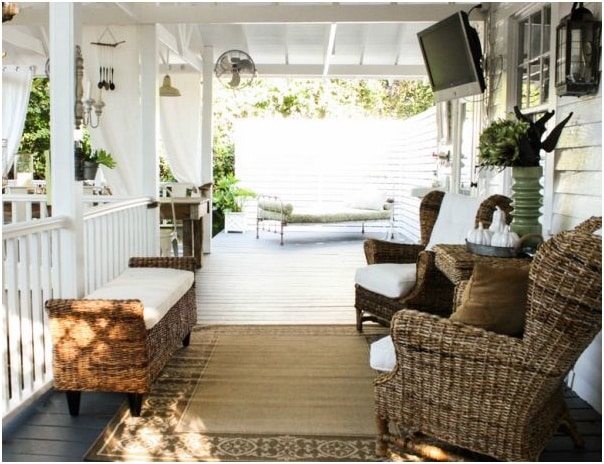
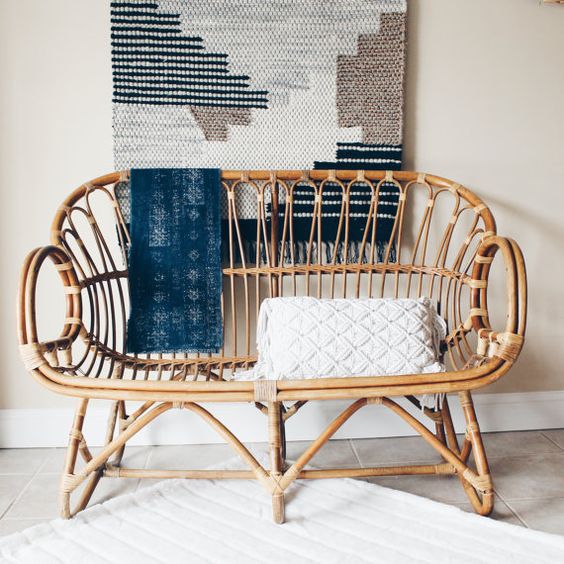
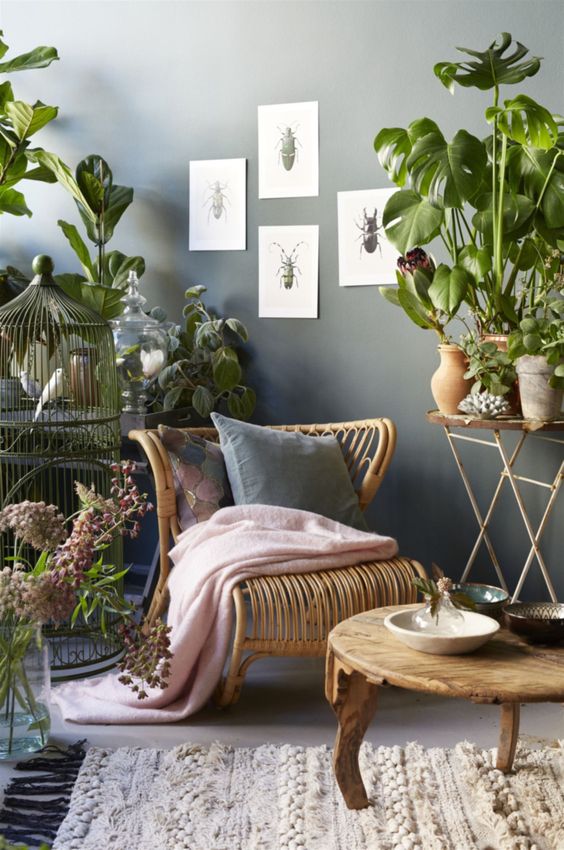
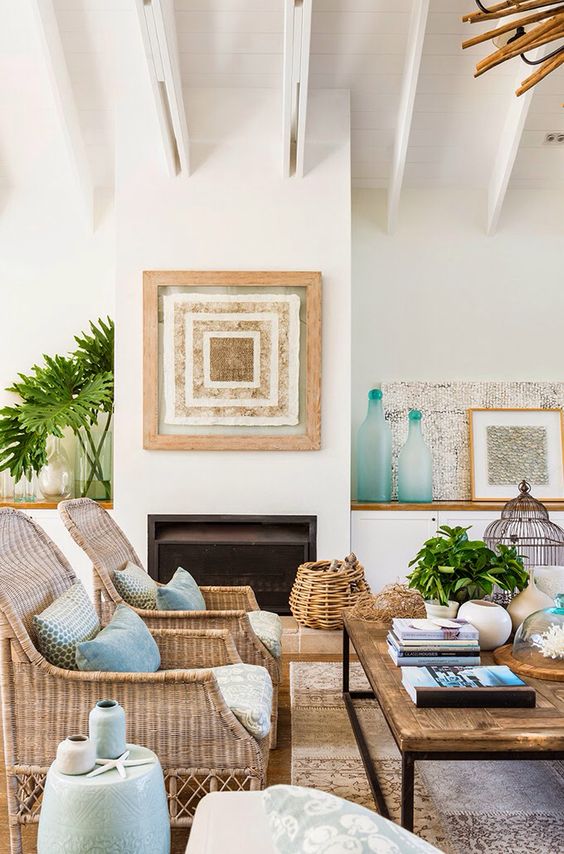
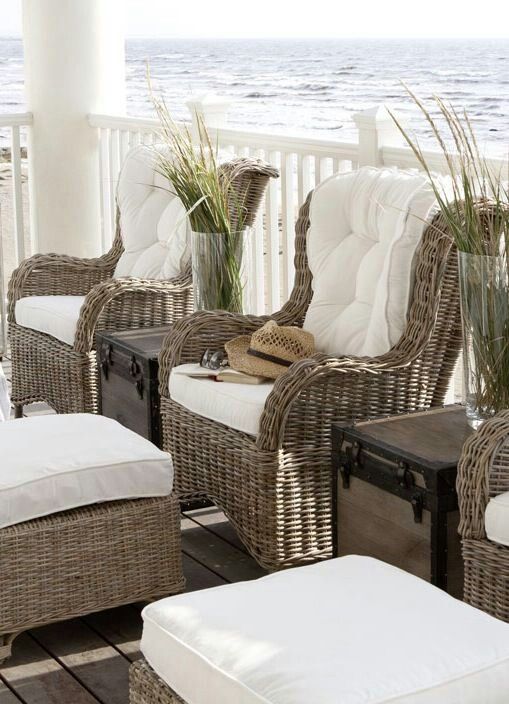
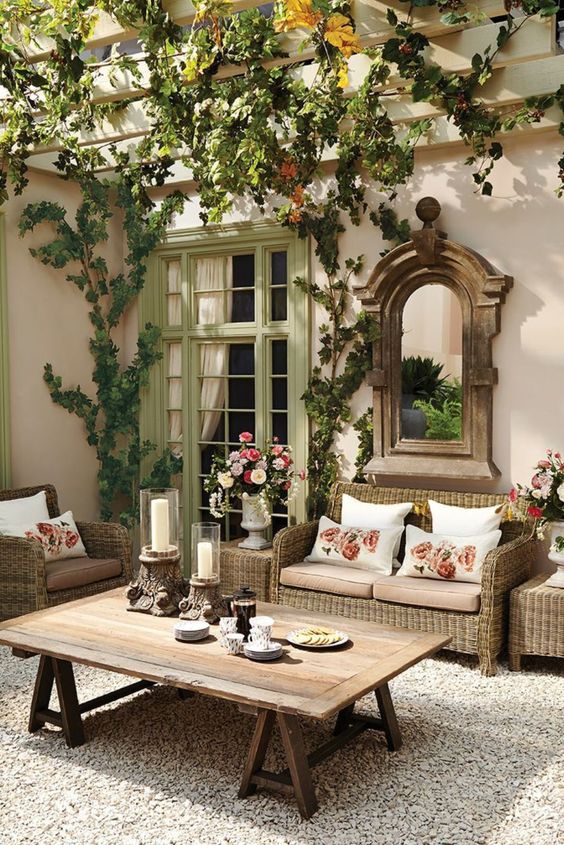
Wicker vs. Rattan Furniture Gallery




Conclusion
Rattan and wicker share an intertwined history but serve different roles in furniture making.
Rattan is the strong, flexible material that forms the frame and weave; wicker is the age-old technique that transforms such materials into artful, functional designs.
For indoor warmth and organic charm, choose natural rattan.
For outdoor durability and easy maintenance, opt for synthetic wicker.
Understanding this distinction ensures you select furniture that not only fits your aesthetic but also endures the elements for years to come.

