

Exterior cladding defines how a building meets its surroundings. Beyond color and pattern, siding controls heat, moisture, and light, influencing both comfort and longevity. The right material bridges appearance and performance—an architectural skin that must age gracefully under climate and time.
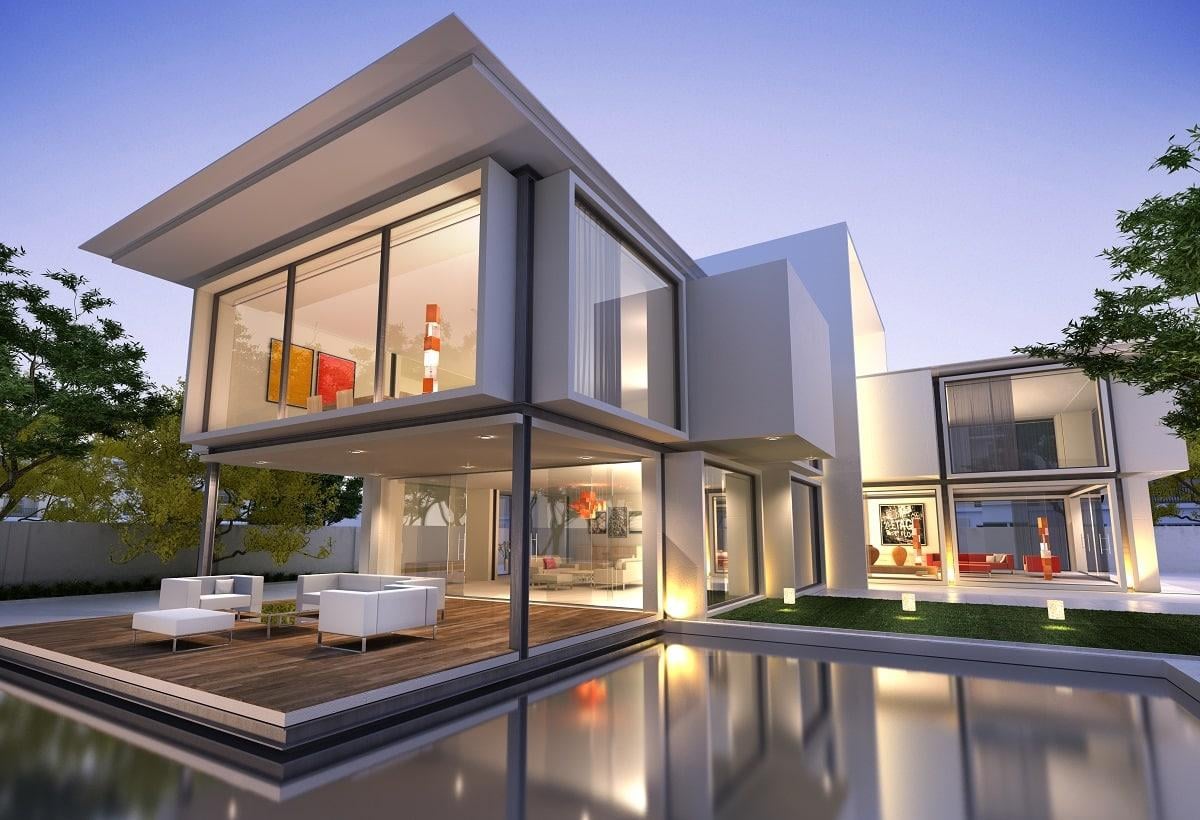
1. Vinyl Siding
Vinyl has dominated suburban construction since the 1960s because it is inexpensive, light, and requires almost no maintenance. Panels snap together in long runs, imitating clapboard or shingle patterns. Homeowners choose it for its wide palette and quick installation, but the same plastic surface that resists rot can trap moisture if detailing is careless. In cold weather it may crack, and in heat it expands noticeably. Proper ventilation and back-flashing mitigate most issues. For low-budget projects or retrofits, vinyl remains a practical baseline.
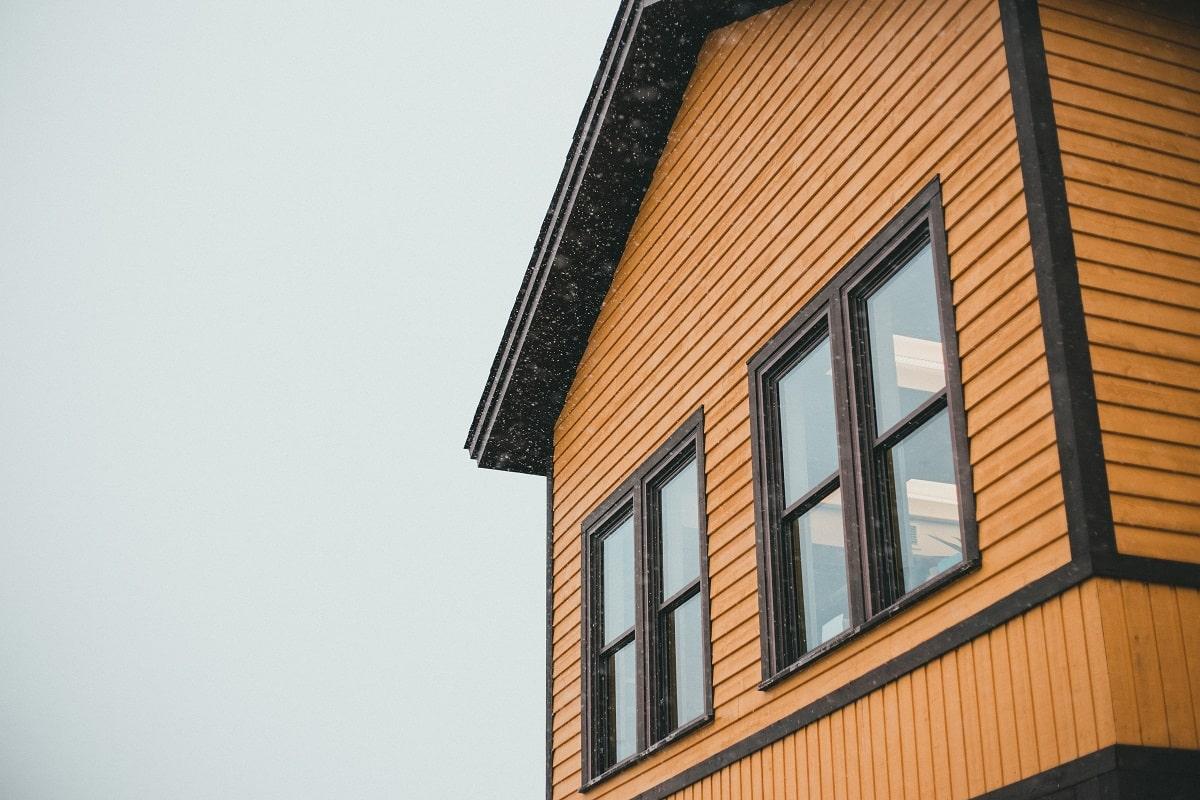
2. Fiber Cement Siding
A composite of cement, sand, and cellulose fiber, this material combines the toughness of masonry with the appearance of timber. It will not burn, warp, or host insects, and it accepts paint or factory coatings that last for decades. Because each board is dense and heavy, professional installation is essential, yet once fixed, maintenance is minimal. In wildfire-prone or coastal regions, fiber-cement consistently outperforms other lightweight sidings, offering fifty years or more of service.
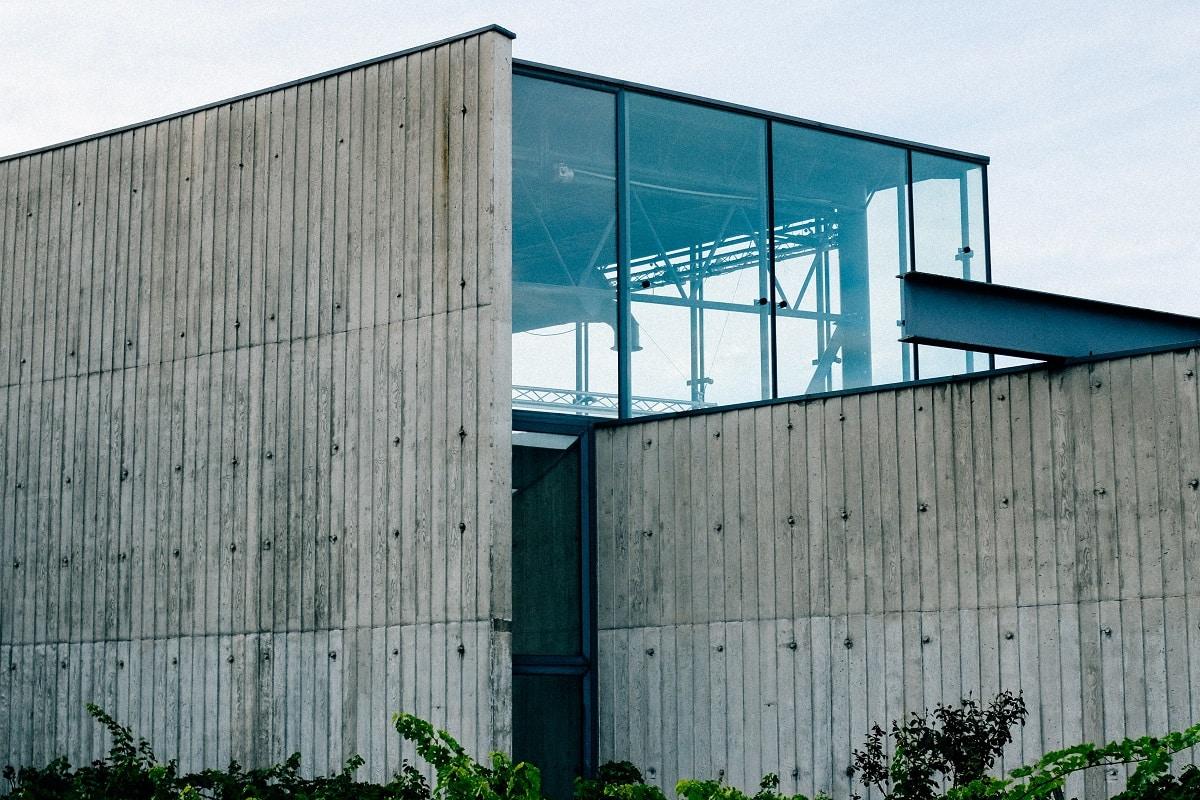
3. Cedar Wood Shingle Siding
Cedar shingles lend texture and warmth impossible to fake. The wood’s natural oils slow decay and insects, and its subtle variation brings depth to façades. Left unfinished, it silvers to a soft grey; stained, it keeps a rich tone for years. Installation is slow and best handled by craftsmen familiar with shingle coursing and ventilation. Though costlier than synthetics, well-kept cedar can last half a century, proving that beauty and resilience can coincide.

4. Stucco Siding
Traditional stucco—lime, sand, and cement—forms a continuous shell that regulates temperature and adds mass to walls. In dry climates, it excels, resisting fire and requiring little upkeep. Problems arise only where humidity lingers; stucco’s porosity demands drainage layers and careful flashing. Its versatility in texture allows both minimalist smooth coats and sculptural relief, aligning easily with Mediterranean or contemporary designs.
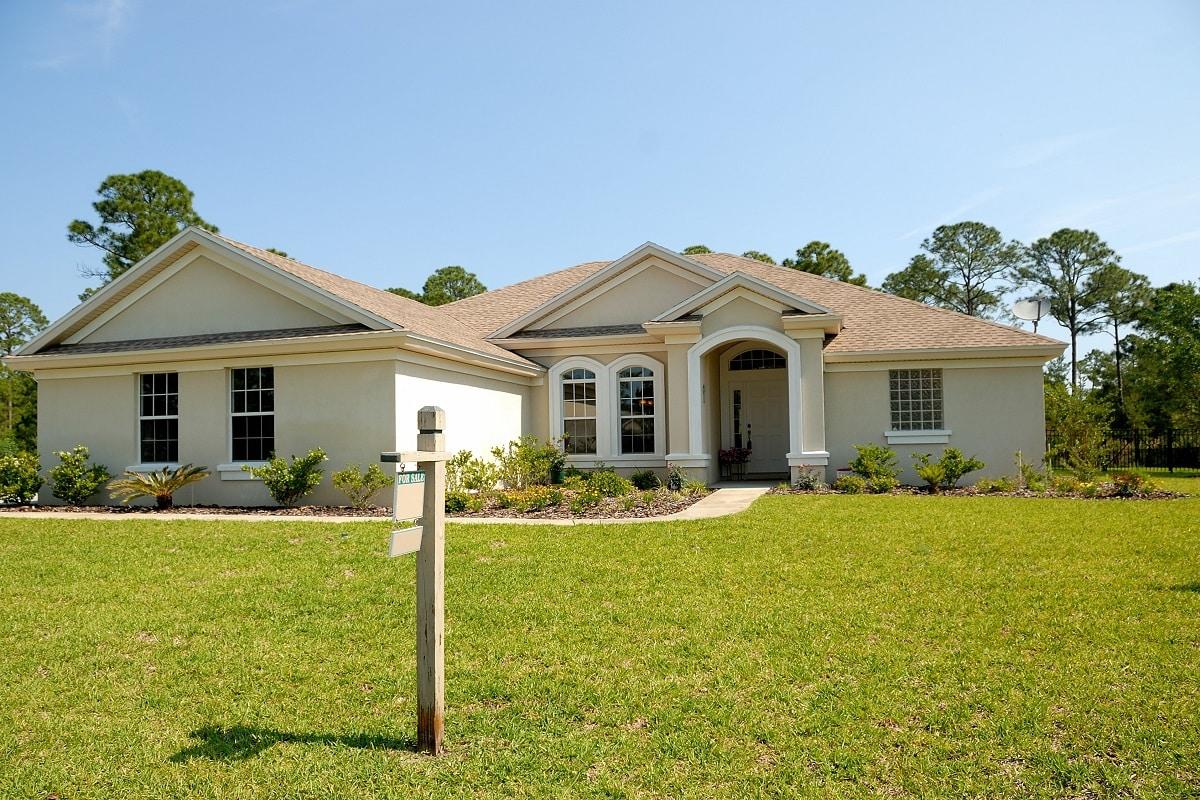
5. Aluminum Metal Siding
Lightweight and recyclable, aluminum gained popularity in the mid-century and remains viable where low cost and durability are key considerations. It shrugs off corrosion and insects and contributes modest insulation value. Its weakness lies in denting—hail or impact leaves visible marks—but repainting can restore uniformity. When paired with insulation backing, aluminum competes favorably with modern composites at a fraction of the environmental cost.

6. Natural Stone Siding
Stone conveys permanence. Whether granite, limestone, or slate, it endures centuries of weather with almost no attention. Its weight demands reinforced structure and professional masonry, raising upfront cost but eliminating most future maintenance. The thermal mass moderates indoor climate, and the texture never fades. For high-end residences or statement façades, stone remains the benchmark of longevity.
7. Faux Stone Veneer Siding
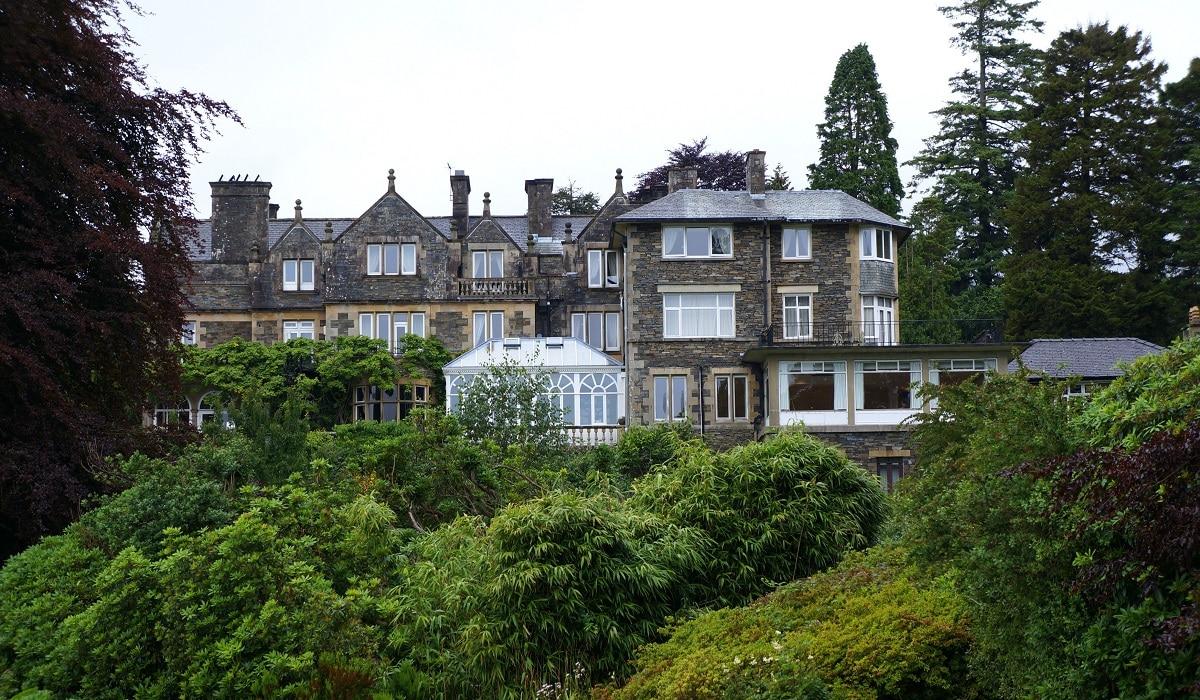
Manufactured stone veneer achieves the appearance of quarried blocks using lightweight aggregates and pigments. Panels are glued or screw to plywood sheathing, making installation fast and accessible. Although not as indestructible as natural stone, modern products maintain their color stability for decades. Moisture management is critical: sealed seams and back-ventilated cavities prevent the mold issues that plagued early versions.
8. Brick Siding
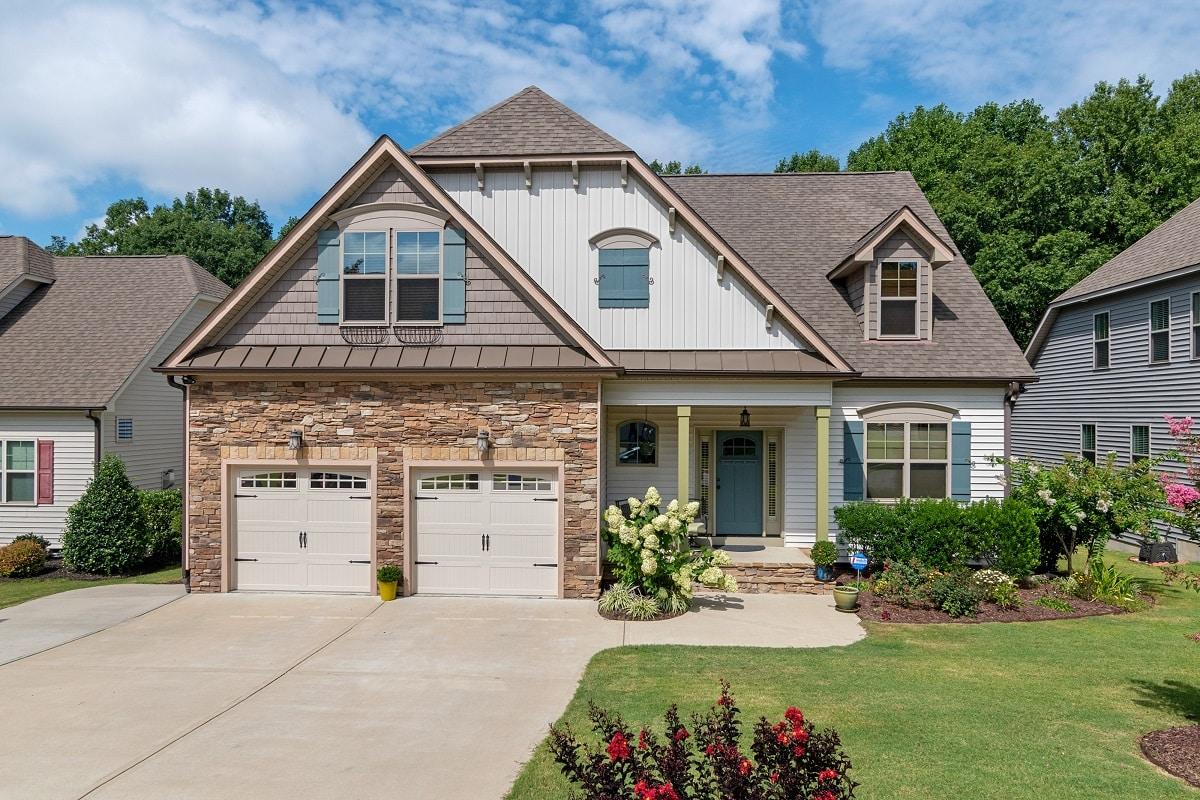
Brick unites aesthetics and function. Its fired surface resists fire, wind, and decay, while its mass stores heat, stabilizing indoor temperature. Mortar joints are the weak link, requiring repointing every few decades, yet the brickwork itself can last indefinitely. Despite higher labor costs, many architects specify brick for its timeless character and proven durability.
9. Split-Log Siding
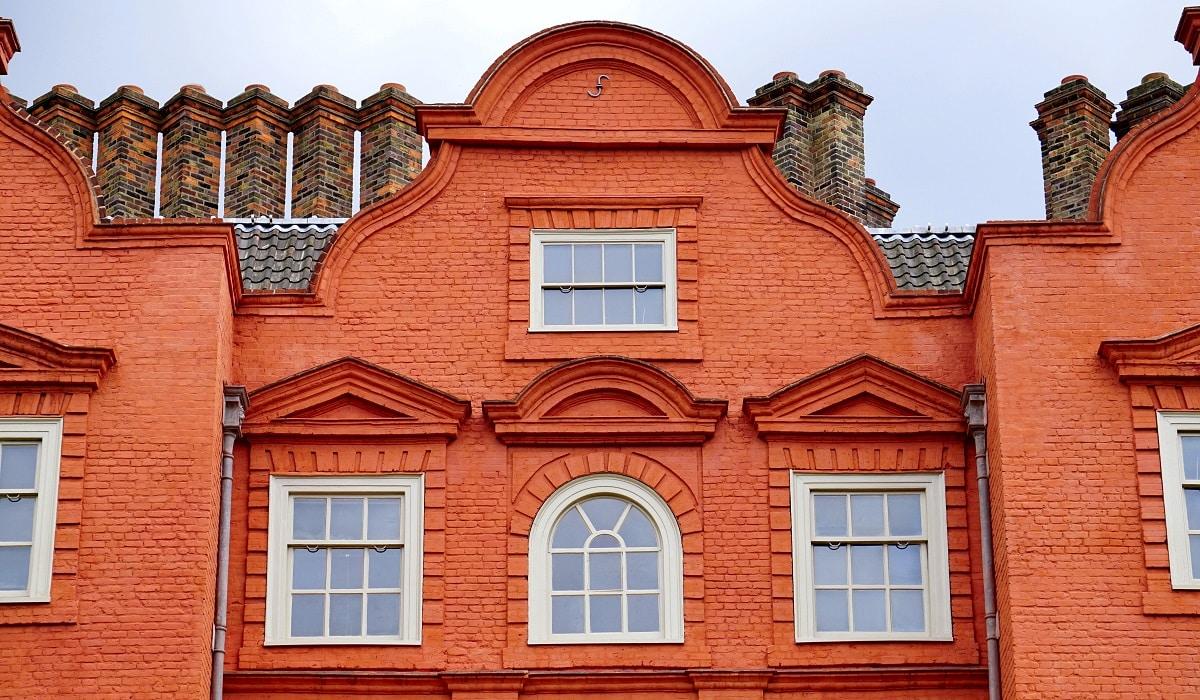
Nothing rivals the rustic presence of log cladding. Split logs—usually cedar, pine, or cypress—turn ordinary walls into cabin architecture. They insulate naturally but demand consistent sealing against insects and moisture. Maintenance costs often surpass installation, yet for mountain homes and retreats, the material’s authenticity justifies the investment.

10. Board-and-Batten Siding
Alternating wide boards and narrow battens create a vertical rhythm that reads both traditional and modern. Once used on barns, the pattern now defines contemporary farmhouses. In wood, it requires careful joinery to prevent water ingress; in vinyl or fiber-cement, panels are pre-molded for efficiency. The effect adds height and clarity to simple elevations.

11. Seamless Steel Siding
Formed from continuous steel coils, seamless siding eliminates horizontal joints where dirt and water collect. It resists temperature swings, pests, and warping, making it ideal for severe climates. Finishes imitate wood grain or matte metal tones. Rust protection is essential—galvanized or coated panels with sealed edges ensure decades of service with minimal upkeep.
12. Glass Siding and Curtain Walls
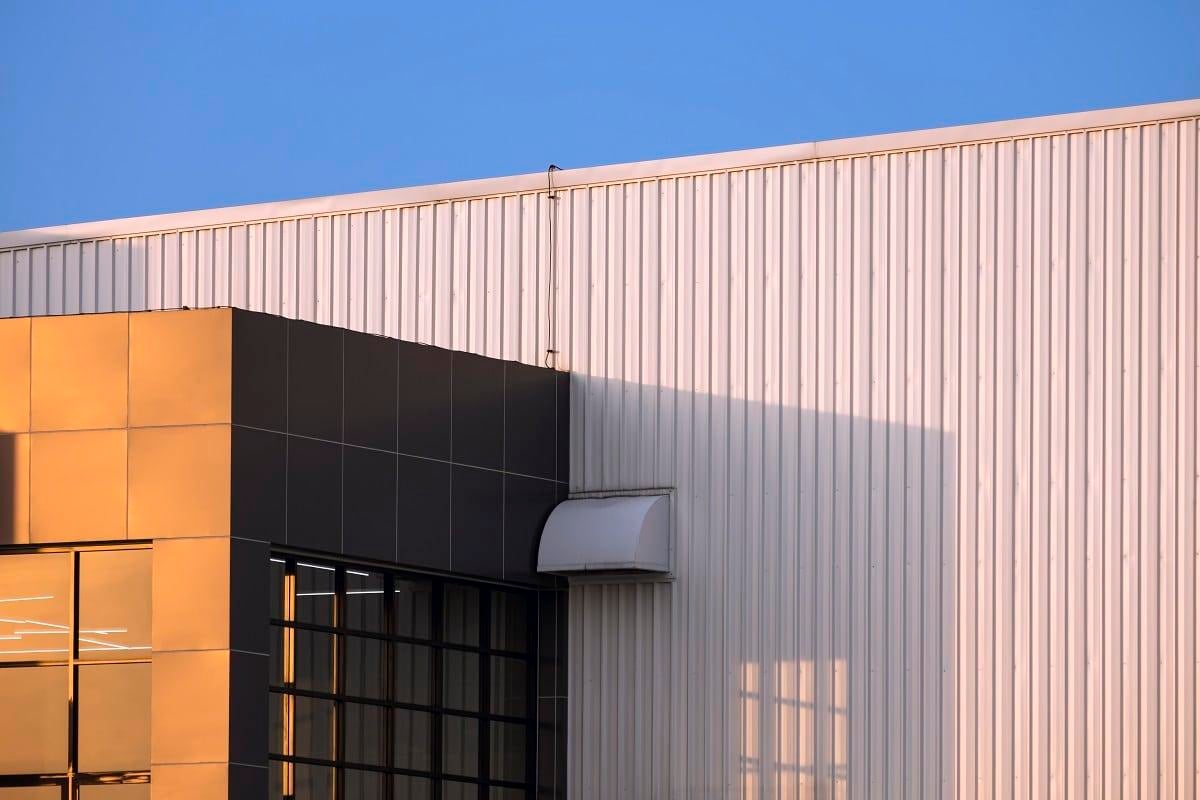
Though glass is rarely full “siding,” many contemporary homes employ structural glazing as a façade system. Properly detailed double or triple panes deliver remarkable insulation and daylight, turning the exterior into a luminous plane. The trade-off is privacy and maintenance: glass demands cleaning and shading strategies. In limited use, it provides contrast and openness within solid envelopes.
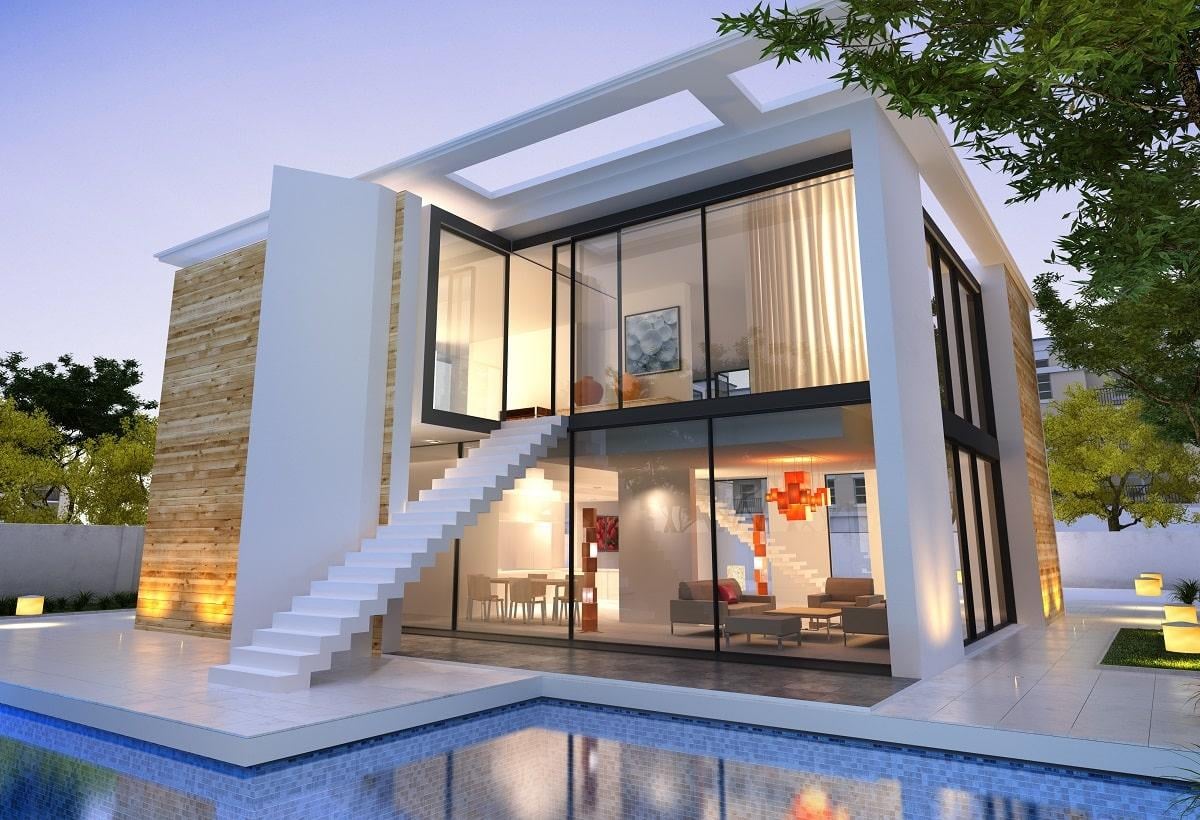
13. Engineered Wood Siding
Engineered wood, made from bonded wood fibers, mimics the warmth of timber while improving resistance to decay and pests. It is lighter, more uniform, and usually prefinished. Because color is integral, repainting flexibility is lower than with real wood, yet lifecycle costs are smaller. For sustainable design, engineered boards often use recycled content and formaldehyde-free binders.
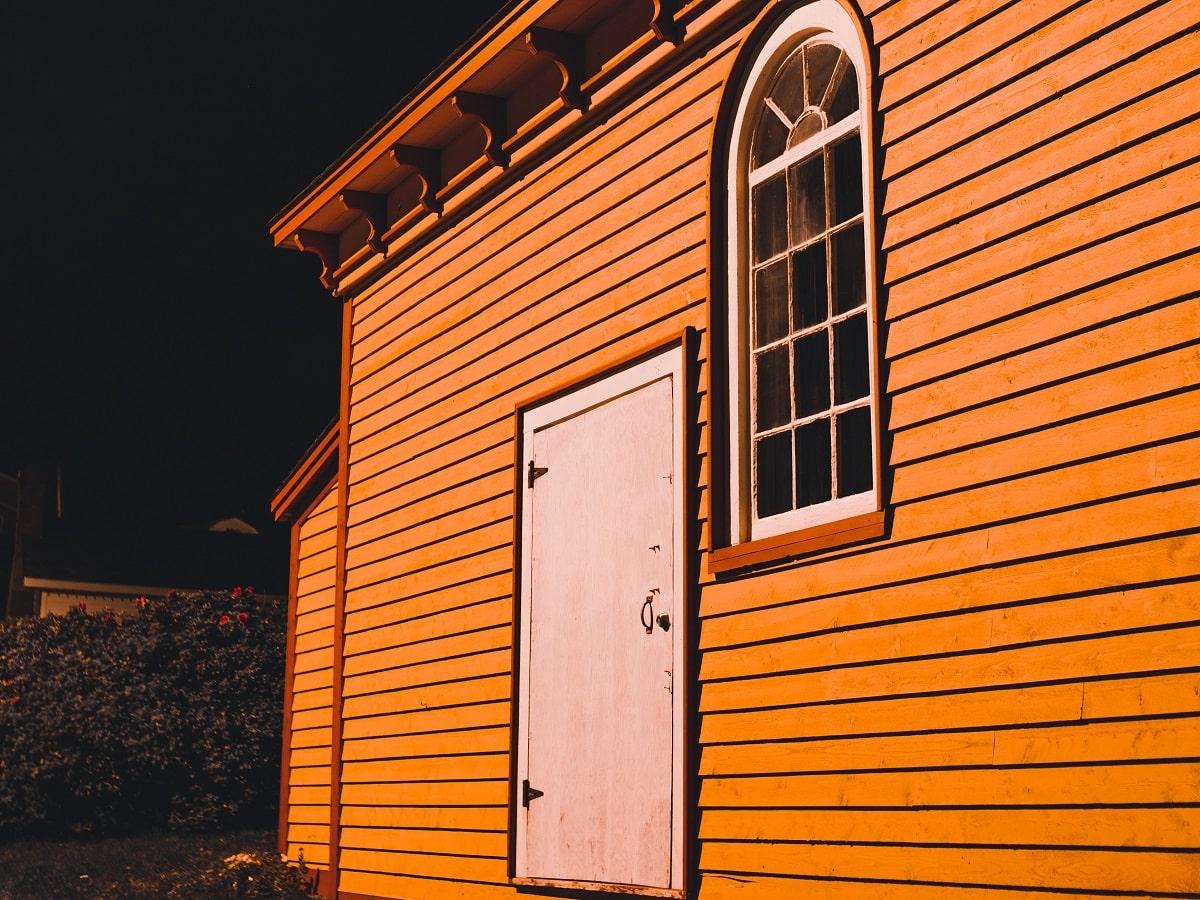
14. Horizontal Wood (Shiplap) Siding
Shiplap uses interlocking planks laid horizontally to form clean shadow lines. The profile suits both traditional and minimalist façades. Cypress, pine, or cedar perform best, though fiber-cement alternatives reduce maintenance. Horizontal boards face direct sunlight and require periodic re-coating, but their crisp geometry remains a defining architectural gesture.
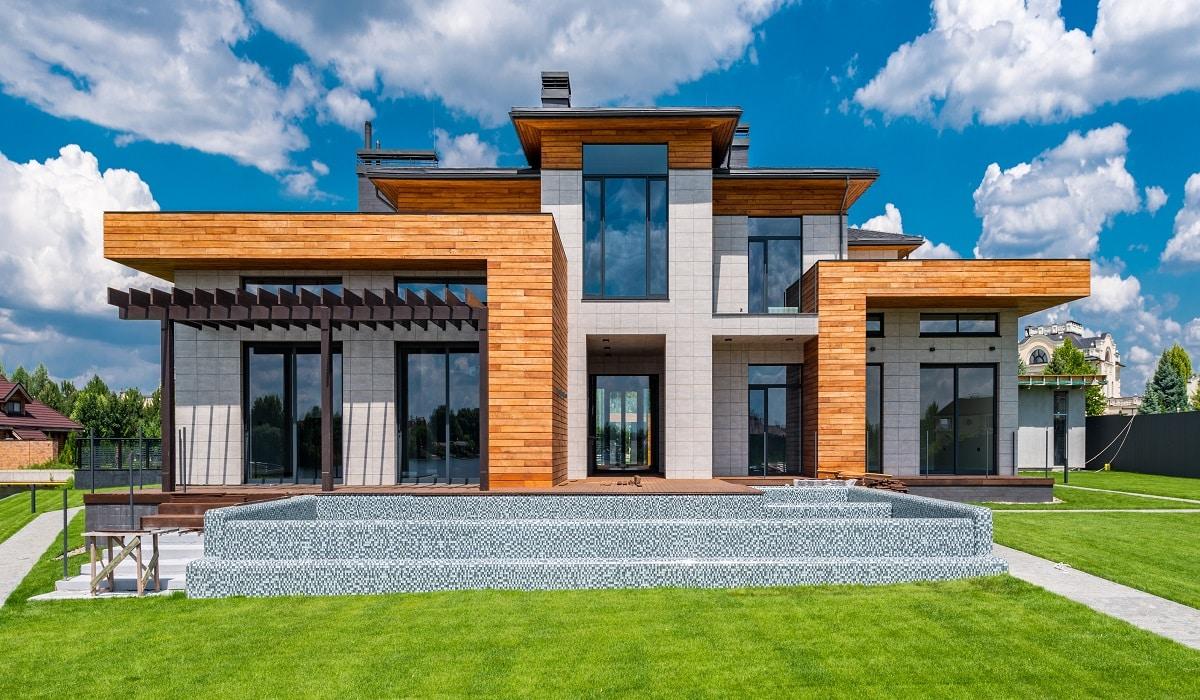
15. Vertical Wood Siding
Vertical boards accentuate height and work beautifully on narrow or tall volumes. Proper detailing at base and cap prevents water tracking into joints. The visual effect is sleek and disciplined, often chosen for Scandinavian-inspired homes. Regular sealing maintains color and protects grain; with care, vertical siding rivals horizontal versions in longevity.
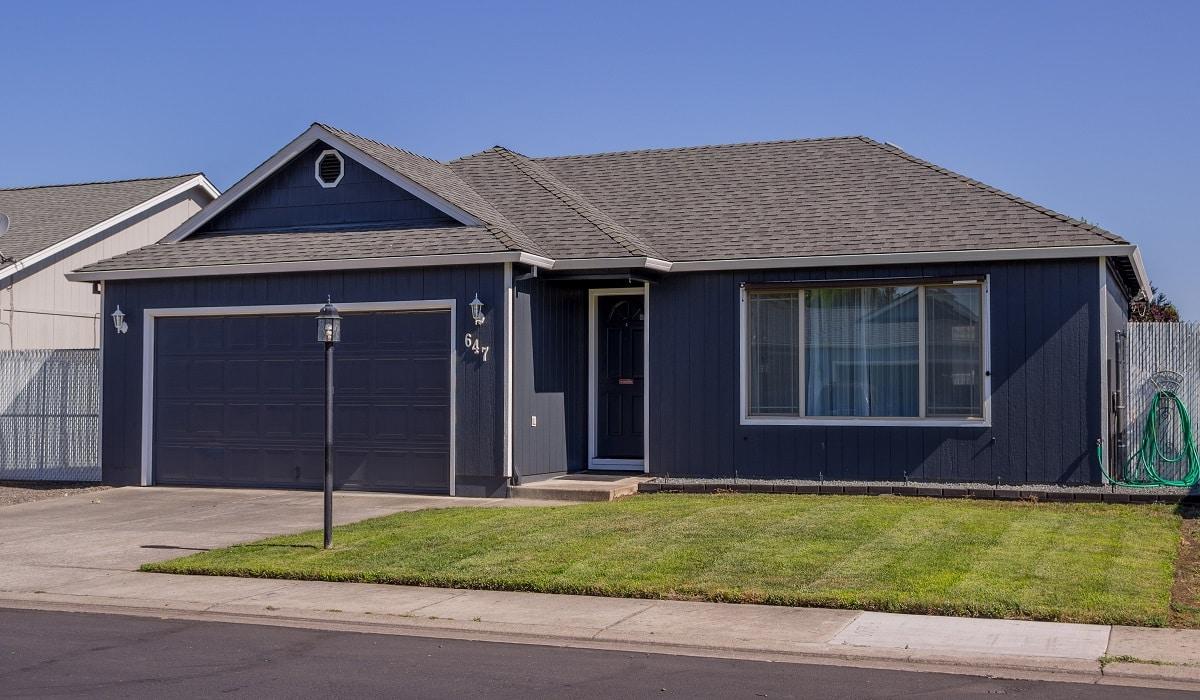
16. Wood Clapboard (Lap) Siding
Clapboard remains the archetypal North American cladding. Overlapping boards shed rain and create fine horizontal shadow lines. The system relies on accurate layering and sound moisture barriers behind it. When painted and maintained, clapboard lasts generations, proving why the design has changed little in two hundred years.
17. Insulated Vinyl Siding
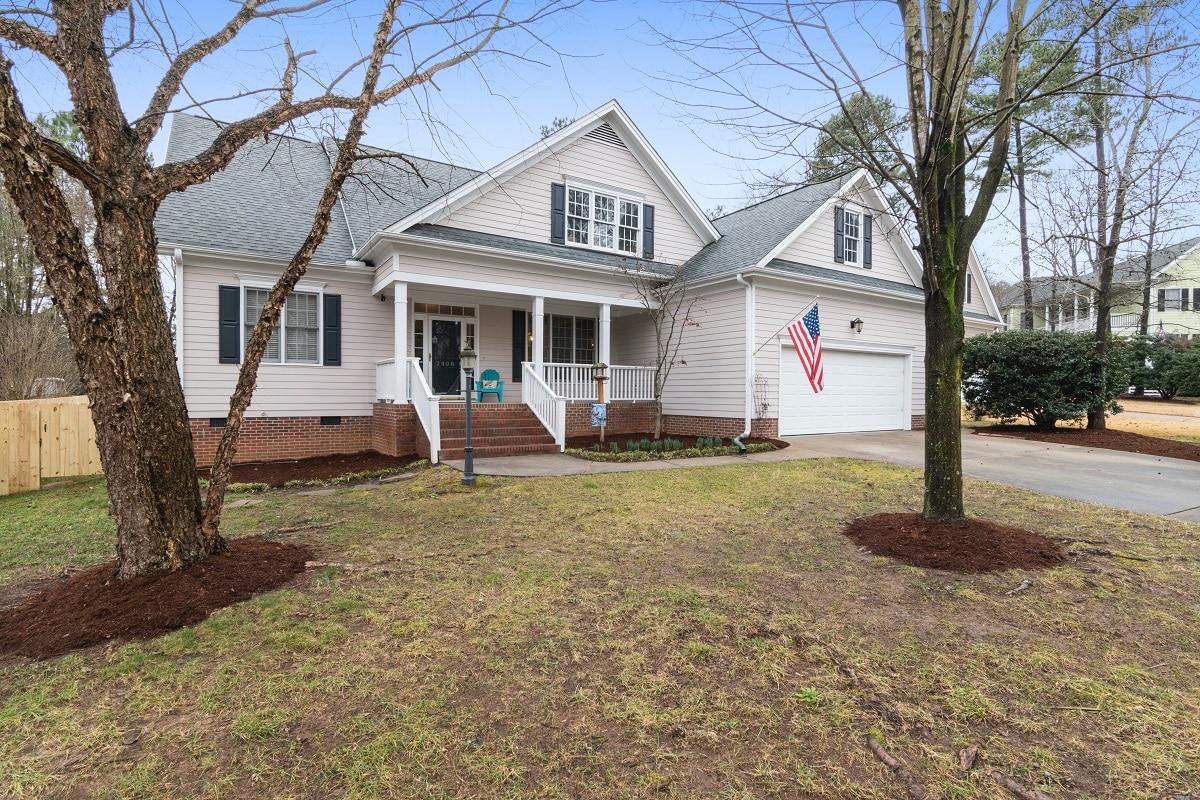
By fusing expanded-polystyrene foam to standard vinyl planks, manufacturers increase stiffness and insulation. The system improves energy performance by roughly twenty percent over hollow vinyl. It feels more solid under impact and moderates noise. Detailing follows standard vinyl practice, but joints must align carefully to avoid telegraphing seams. For cold climates, it’s a cost-efficient thermal upgrade.

18. Concrete Siding
Concrete panels or cast-on-site façades withstand almost anything—fire, flood, wind, or impact. Texture ranges from polished to board-formed, allowing tactile richness rarely matched by synthetics. Weight and cost are higher, but maintenance is negligible. For architects designing in hurricane or wildfire zones, concrete has become the go-to defense material.

19. Wood and Stucco Hybrid
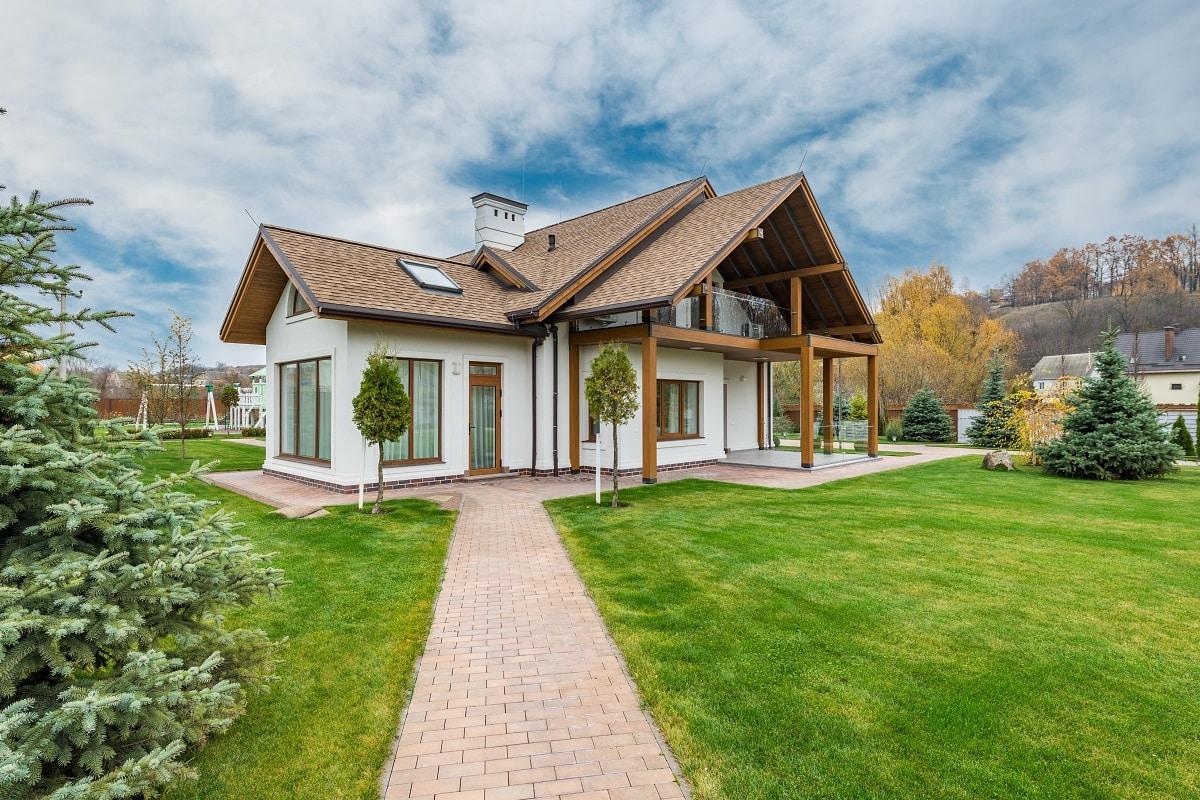
The pairing of timber trim with white stucco dates to nineteenth-century English houses and still feels contemporary. Stucco offers mass and insulation; timber adds warmth and pattern. Detailing is crucial: flashing and ventilation must prevent moisture from entering at junctions. In dry regions, the combination endures gracefully, marrying craft and simplicity.
20. Corrugated Metal Siding
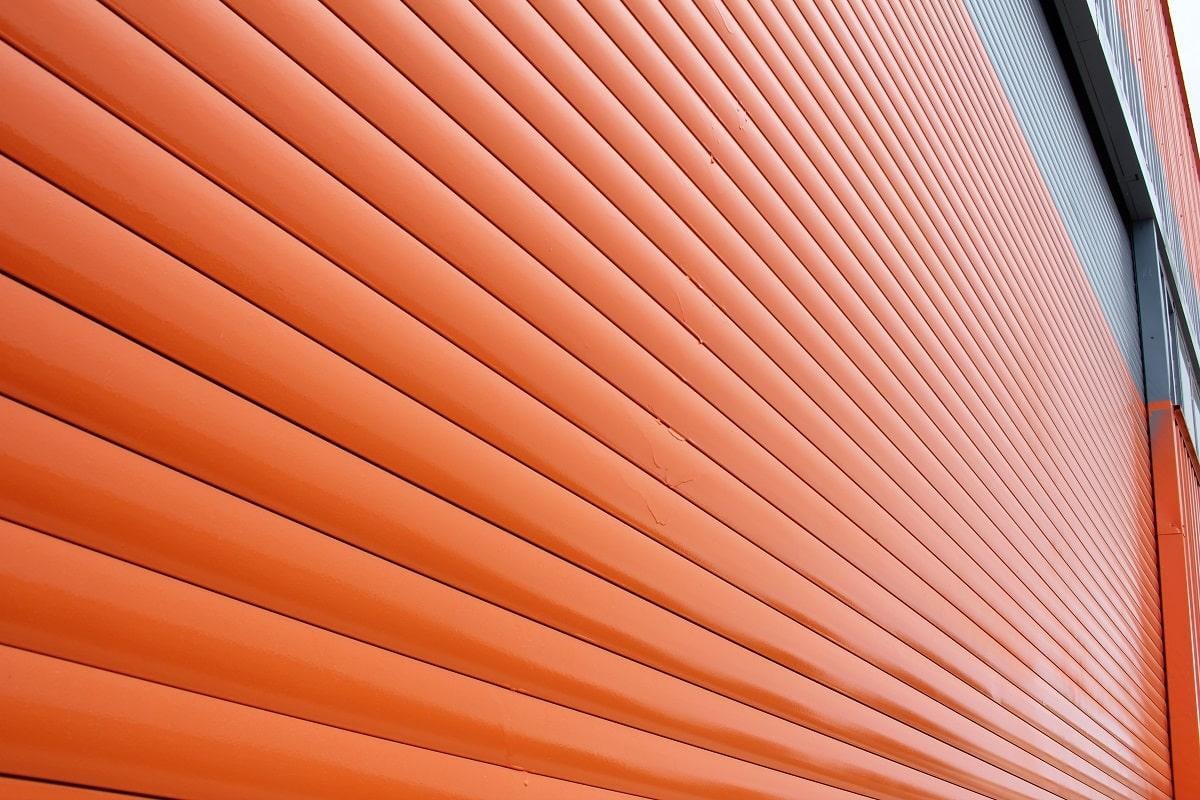
Corrugated steel, once limited to barns, now anchors modern residential design. Its ribbed profile stiffens thin sheets, making them strong yet light. Galvanized coatings prevent rust, and darker finishes create an elegant contrast against wood or concrete. The cost is moderate, installation is rapid, and maintenance is nearly zero. Few materials express economy and honesty so clearly.
21. Brick Veneer Siding
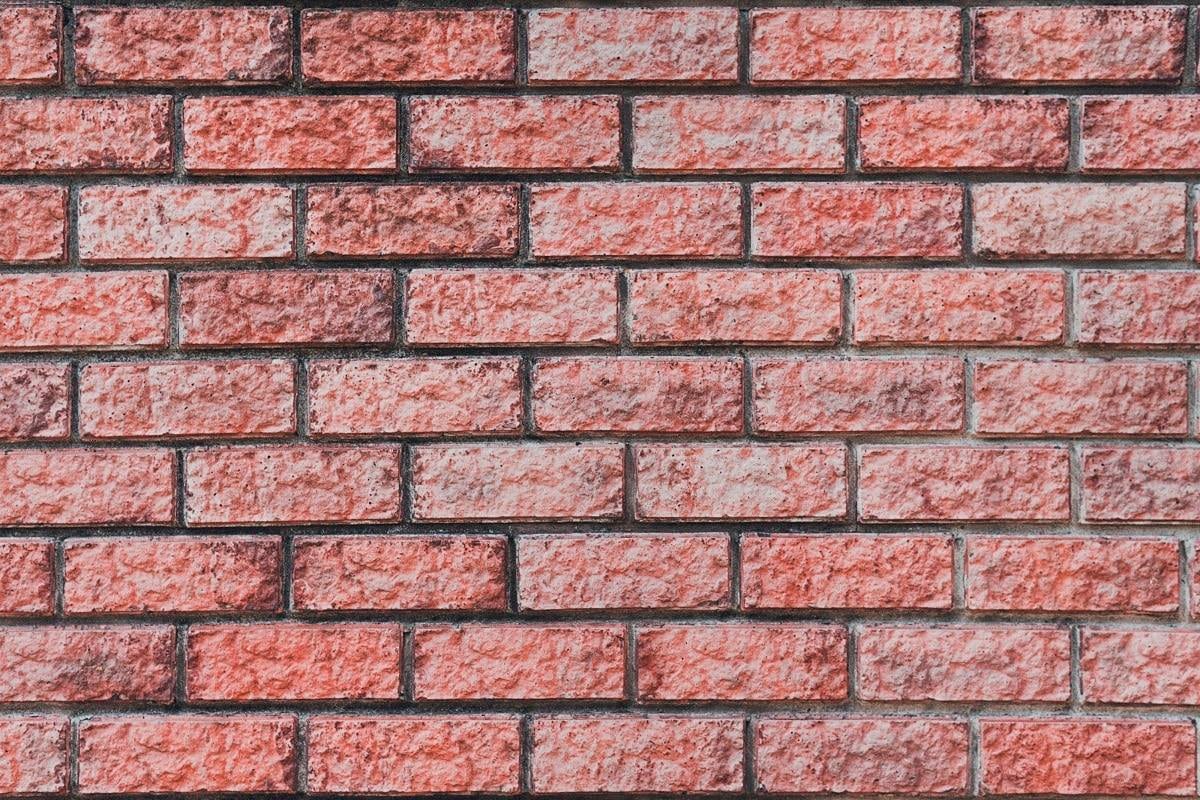
Brick veneer offers the texture of masonry without structural weight. Thin bricks mount over sheathing with a ventilated cavity and weep holes for drainage. The result looks identical to solid brick but installs faster and costs less. Longevity depends on the quality of ties and flashing; with good detailing, veneers easily exceed fifty years of service.
House Siding Materials Compared: Cost, Durability & Maintenance
| Siding Type | Typical Cost (per sq ft) | Lifespan | Maintenance Level | Fire Resistance | Climate Fit | Key Notes |
|---|---|---|---|---|---|---|
| Vinyl | 1–2 $ (1–2 € , £1–£2) | 20–30 yrs | Very Low | Low–Medium | Temperate | Affordable, easy to clean |
| Insulated Vinyl | 2–4 $ (2–4 € , £2–£3) | 30–40 yrs | Low | Low–Medium | Hot/Cold | Adds thermal performance |
| Fiber-Cement | 5–14 $ (5–13 € , £4–£11) | 40–50 yrs | Low | High | All climates | Non-combustible, paintable |
| Cedar Shingles | 6–10 $ (6–9 € , £5–£8) | 30–50 yrs | Medium | Medium | Dry/Coastal | Natural look, needs sealing |
| Stucco | 5–9 $ (5–8 € , £4–£7) | 50 yrs+ | Low | High | Dry | Porous, not for humid zones |
| Aluminum | 3–7 $ (3–7 € , £2–£6) | 40 yrs+ | Low | Medium | Coastal | Recyclable, may dent |
| Seamless Steel | 6–12 $ (6–11 € , £5–£9) | 50 yrs+ | Low | High | All | Durable, rust protection needed |
| Corrugated Metal | 1–2.5 $ (1–2 € , £1–£2) | 50 yrs+ | Low | High | All | Industrial aesthetic |
| Natural Stone | 15–30 $ (14–28 € , £12–£24) | 100 yrs+ | Very Low | High | All | Permanent, heavy |
| Faux Stone Veneer | 5–10 $ (5–9 € , £4–£8) | 25–70 yrs | Medium | Medium | Mild | Lightweight, needs sealing |
| Brick | 9–15 $ (8–14 € , £7–£12) | 100 yrs+ | Very Low | High | All | Classic, labor-intensive |
| Brick Veneer | 6–10 $ (6–9 € , £5–£8) | 50–75 yrs | Low | High | All | Lighter alternative |
| Split Log | 7–12 $ (6–11 € , £5–£9) | 25–40 yrs | High | Low | Dry/Cold | Rustic, insect treatment needed |
| Board-and-Batten | 4–8 $ (4–7 € , £3–£6) | 30–40 yrs | Medium | Medium | All | Vertical pattern, customizable |
| Engineered Wood | 4–9 $ (4–8 € , £3–£7) | 25–30 yrs | Low | Medium | Mild | Sustainable composite |
| Horizontal Wood (Shiplap) | 5–9 $ (5–8 € , £4–£7) | 40 yrs+ | Medium | Medium | All | Clean lines, UV protection needed |
| Vertical Wood | 5–9 $ (5–8 € , £4–£7) | 40 yrs+ | Medium | Medium | All | Tall visual effect |
| Clapboard (Lap) | 5–10 $ (5–9 € , £4–£8) | 50 yrs | Medium | Medium | All | Overlapping water-shedding boards |
| Concrete | 10–18 $ (9–17 € , £8–£15) | 75 yrs+ | Very Low | High | Extreme | Storm and fire resistant |
| Wood + Stucco | 6–10 $ (6–9 € , £5–£8) | 40 yrs+ | Medium | Medium | Dry | Textural contrast |
| Glass Panels | 40 $+ (37 € , £32+) | 40 yrs+ | High | Medium | All | Energy-efficient glazing systems |
Prices include material only; local labor costs vary.
What the Numbers Mean
Durability reflects exposure tolerance—sun, moisture, impact, and fire. Lifespan depends as much on installation as on composition. Vinyl and aluminum reduce upkeep but may age aesthetically faster than natural materials. Brick, stone, and concrete endure with almost no attention, justifying a higher upfront cost.
Fiber-cement and engineered wood occupy a balanced middle ground, offering longevity and modern visual range without the fragility of wood.
Climate & Architectural Fit
- Hot, dry climates: Stucco, fiber-cement, and concrete maintain color and form under UV and heat.
- Cold or variable climates: Insulated vinyl, fiber-cement, and steel handle expansion and frost cycles.
- Humid regions: Brick, stone veneer, or ventilated metal perform best; untreated wood may swell.
- Coastal zones: Aluminum and galvanized steel resist salt corrosion when properly coated.
Maintenance and Lifespan in Practice
Vinyl needs little more than annual washing. Wood demands staining every few years. Fiber-cement and stucco require almost no intervention beyond repainting every decade. Masonry materials last centuries if joints remain sealed, while metals thrive with minimal cleaning. These cycles shape not just cost but environmental footprint.
Frequently Asked Questions
What is the most durable siding material?
Natural stone and brick consistently lead. Properly installed, both can last longer than the structure they protect.
Which siding works best for high humidity?
Fiber-cement and masonry veneers allow moisture to breathe without trapping water behind the wall.
Can vinyl siding be recycled?
Yes. Modern vinyl production often reuses post-consumer material. Check with regional recycling programs.
Is fiber-cement siding worth its cost?
For most climates, yes. It combines the low maintenance of masonry with the flexibility of painted wood.
Does metal siding rust?
Not if galvanized, powder-coated, or sealed. Maintenance involves periodic inspection of edges and fasteners.
What is lap siding?
Lap or clapboard siding overlaps each course to shed water effectively—an enduring technique since colonial times.
Which siding adds the most resale value?
Brick and fiber-cement typically return the highest resale percentages due to durability and perceived quality.
Can I install siding myself?
DIY installation works for vinyl or faux stone panels. Masonry, stucco, or heavy materials require professionals for safe anchoring and waterproofing.
Architect’s Insight
Siding selection is not purely aesthetic—it’s architectural. The façade mediates light, temperature, and maintenance costs for decades. A vinyl-clad house might look identical to one in fiber-cement, but one will need repainting in twenty years, the other may still perform flawlessly.
Where climate allows, combine materials: brick or stone on the lower walls for durability, lighter panels above to reduce cost and structural load.
Above all, insist on proper underlayment, flashing, and ventilation. The layers you never see determine how long your chosen material keeps doing its quiet work.
Summary
Siding materials vary not only in appearance but in endurance, maintenance, and environmental response. Vinyl and engineered composites win on economy; fiber-cement and masonry define longevity; wood and metal express craft and precision. The right decision aligns architecture, climate, and care—ensuring the building’s outer skin protects as beautifully as it performs.

