home/interviews/jaron lubin
Interview with Jaron Lubin of Safdie Architects
in conversation
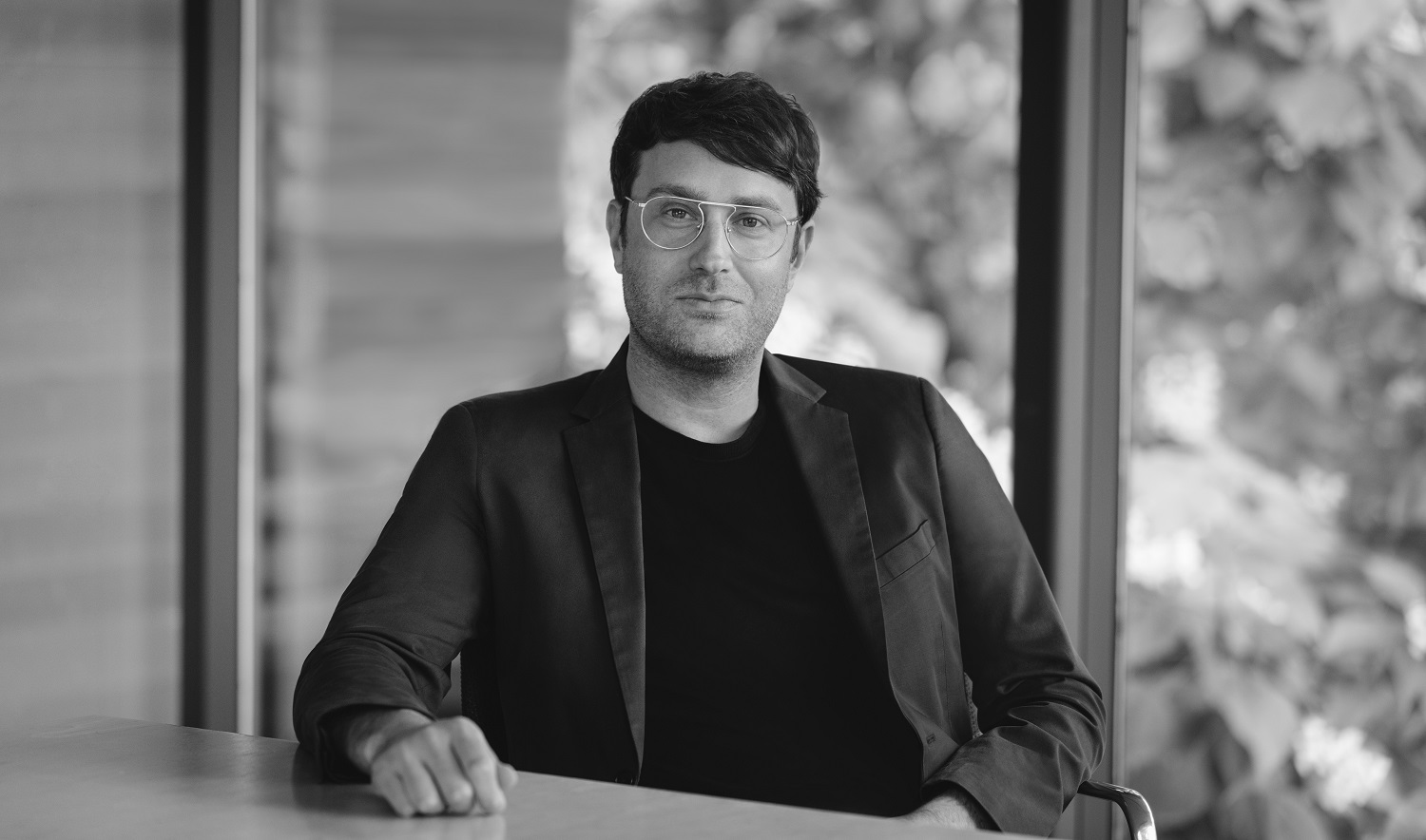
Jaron Lubin is an American designer and Senior Partner at Safdie Architects, the Somerville, Massachusetts–based architecture and urban design practice founded by Moshe Safdie in 1964. Educated at the University of Michigan and the University of California, Los Angeles, he has played a leading role in the design of large-scale cultural, civic, aviation, mixed-use, and urban projects across North America, Asia, and the Middle East. His portfolio includes Marina Bay Sands and Jewel Changi Airport in Singapore, the Cherokee Nation Heritage Center in Oklahoma, and numerous master plans and public developments that explore the relationship between architecture, landscape, infrastructure, and civic life. Alongside professional practice, Lubin has contributed to architectural education through teaching, lectures, design juries, and research, including co-leading Architecture and Urban Design studios with Moshe Safdie at the Harvard Graduate School of Design. Safdie Architects' work has been featured by Architecture Lab, ArchDaily, Dezeen, Designboom, Architectural Record, and other international architecture and design publications.

What inspires you?
I'm inspired by the fact that architects have been confidently trying to solve the exact same human problems for about five thousand years, and we're still convinced this meeting will finally crack it.
I'm fascinated by architectural history, not as a catalogue of styles, but as an ongoing conversation about how people live together. From ancient cities and vernacular settlements to modern experiments and utopian visions, every era has wrestled with remarkably familiar questions: How do we gather? How do we build community? How do we make everyday life better?
Every generation believes it has discovered the future, only to find it has joined a conversation that began millennia ago. We inherit ideas, challenge them, improve some, abandon others, and occasionally rediscover what someone else has already figured out.
What inspired you to become an architect?
I blame my parents.
My father is an architect. My mother trained as a medical illustrator, so visiting the job site as a child was perfectly normal. Today my wife Helen Han is an architect, educator, and filmmaker, which means architecture has successfully occupied three chapters of my daily life.
What attracts me now is that no two days look remotely alike. One morning you're discussing urban design guidelines. By lunch you're negotiating with fifteen consultants. By dinner you're trying to explain to someone why moving one column by half a meter somehow affects twelve disciplines and everyone's vacation plans.
How would you describe your design philosophy?
Architecture shouldn't begin with what a building looks like. It should begin with what people actually do. I have a healthy suspicion of fashionable architecture. Trends expire much faster than buildings.
Whether we're designing an airport, museum, housing, or cultural center, the questions are surprisingly consistent. How will people arrive? How will they gather? Where will they pause? What will they remember? How does the building make daily life just a little better?
Style tends to emerge from answering those questions honestly rather than decorating them afterward.
I also don't see much distinction between architecture, urban design, landscape, and interiors. The public certainly doesn't. Nobody walks into a building and says, "Wonderful architecture... shame about the urbanism."
What is your favorite detail?
I'm probably not alone with an iPhone gallery filled with photos of terrible construction details that I encounter.
My favorite details are the ones nobody photographs because they're too busy enjoying the space.
A nicely proportioned leather-wrapped handrail. A comfortable timber bench set on axis in a park. The moment daylight bounces shadows from a tree at the end of a corridor.
Instagram prefers dramatic moments. Humans generally prefer knowing where to sit. I do believe both are important.

Do you have a favorite material?
Taking a clue from Moshe, I'd say daylight.
Every material becomes better in good light. Daylight changes by the hour and the season, constantly reminding us that architecture isn't static. It marks time and space.
Moonlight is also a thing. For years I've shared an obsession with the Japanese concept of Komorebi, with anyone who will hear me out.
What is your process for starting a new project?
Large projects have taught me that architecture is rarely defeated by design. It's usually defeated by communication.
Working on projects like Marina Bay Sands and Jewel Changi Airport meant collaborating with thousands of people whose expertise far exceeded my own in their respective fields. Engineers, contractors, operators, clients, government agencies, specialists—the architecture emerges from the choreography of all those voices.
Eventually someone asks, "Can we make it more iconic?"
I usually hope we can make it work first. Iconic is much easier after the structure is sound.


How do you fuel your creativity?
Walking. Traveling. Scrolling.
My daily walks through Cambridge are surprisingly productive. Travel helps even more. Every city offers lessons, whether you're standing in front of a celebrated masterpiece or simply watching how people claim a neighborhood street corner.
Teaching and lecturing are equally important because students ask wonderfully inconvenient questions. They force you to examine assumptions you've carried for years.
Instagram has become an unexpected outlet too. Architecture is a terribly serious profession that occasionally takes itself too seriously. Humor is an excellent design tool. If we can't laugh after the seventh revision of the same floor plan because someone discovered one more stakeholder, we're probably in trouble.
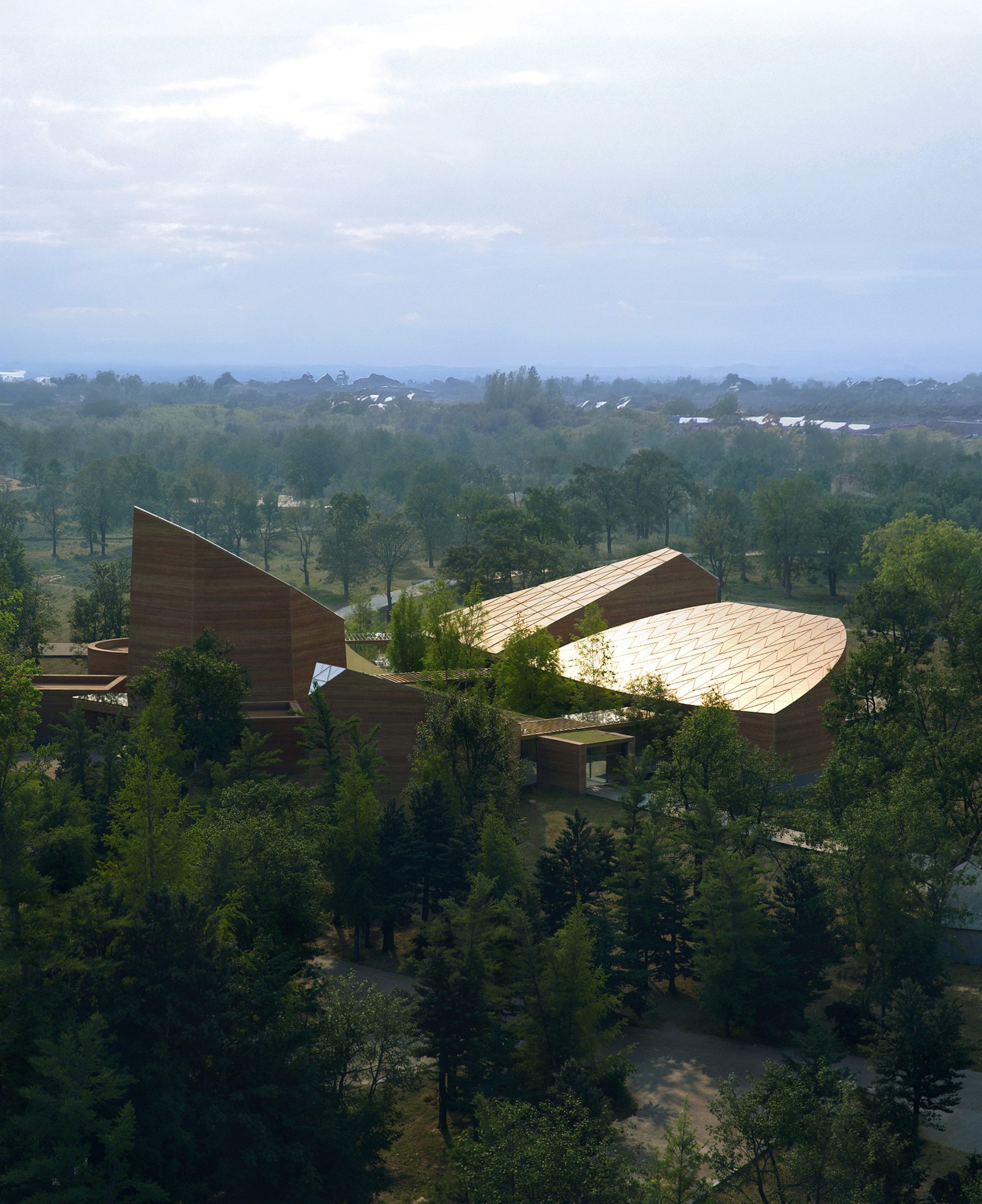


What inspired the design for the Cherokee Heritage Center?
One of the great privileges of architecture is occasionally being invited into someone else's story.
The Cherokee Heritage Center isn't about designing an object; it's about creating a place that supports a living culture. That changes the architect's role. You spend less time asking, "What should this building look like?" and much more time asking, "What should this place allow people to feel, remember, and share?"
The project reminds me that architecture begins with listening. Long before the drawings, there are conversations. If we're successful, the building becomes the backdrop for stories that continue long after the architects have gone home (which is probably for the best).

What advice would you give to young architects?
Read history obsessively. Sketch constantly. Travel whenever possible. Visit ordinary places, not just famous ones. Some of the best lessons are found in markets, train stations, apartment buildings, and neighborhood parks, not just architectural pilgrimages.
Also, understand that architecture is fundamentally a collective act. No significant building is the work of one brilliant sketch. It's thousands of conversations, compromises, disagreements, late nights, moments of unexpected inspiration, and an astonishing number of PDF presentation decks.
Despite what social media might suggest, architecture isn't about beautiful renderings. It's about improving people's lives, often in ways they'll never consciously notice.
If someone walks into a building and simply feels comfortable, connected, inspired, or at home without quite knowing why, then all those meetings, revisions, impossible deadlines, and debates about non-directional stainless-steel finishes were probably worth it.

Interview by Anton Giuroiu for Architecture Lab · Published · Updated