

Rain glass is a textured architectural glass distinguished by its raindrop-like pattern, designed to diffuse light while enhancing visual privacy, making it a popular choice in contemporary interior design. Frequently used in frameless shower enclosures, kitchen cabinets, office dividers, and semi-opaque windows, rain glass allows for natural light transmission without compromising discretion, which is a critical balance in architectural planning. Unlike traditional curtains or solid partitions, rain glass integrates seamlessly with open-plan concepts while supporting sustainable design goals by promoting passive lighting and reducing glare. Architects and designers value this material for its aesthetic fluidity, durability, and compatibility with various privacy-centric applications in both residential and commercial settings. In this guide, we’ll explore what rain glass is, how it compares to other decorative glazing options, and how to best implement it across different zones of a smart, functional space.
What Is Rain Glass?
Rainglass is a type of textured glass with patterns that resemble streaks of raindrops. It is distinguished by its ability to allow light transmission while providing visual privacy. Below, we will briefly discuss the main characteristics:
- Pattern: Rainglass displays a consistent surface texture reminiscent of raindrops. This pattern, while decorative, primarily serves to diffuse and obscure views through the glass.
- Light Transmission: Despite the textured appearance, rain glass permits a substantial amount of light to pass through, ensuring spaces remain well-lit even when visual privacy is maintained.
- Privacy: The distinctive raindrop pattern effectively obscures direct vision, making rain glass an optimal choice for areas where privacy without compromising on light is essential.
- Maintenance: The texture of rain glass offers an advantage in terms of cleaning and maintenance. Its design tends to mask smudges, fingerprints, and minor stains more effectively than its plain counterpart, leading to potentially reduced cleaning frequency.
How To Use Rain Glass?
1. Tinted Shower Doors
Rain glass undoubtedly features most as a part of the bathroom interior design. Due to its sleek appearance and the privacy it provides, a rain glass shower enclosure is nothing out of the ordinary in modern homes.
At the same time, you can add a unique touch to your own shower doors by adding a minimal green tint. Anyhow, the lighting that the rain glass allows throughout the entire space provides the illusion of a large bathroom.
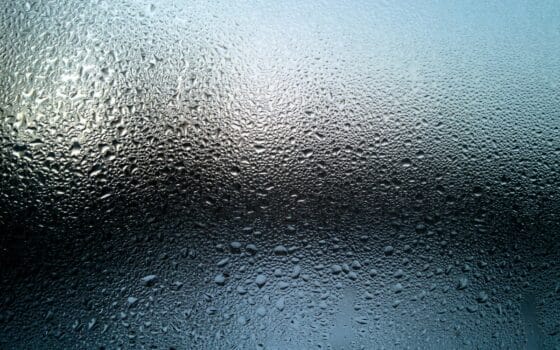
Alternatively, a rain glass screen is an elegant replacement for clunky partitions that help divide one room into separate sections. For instance, you can use it to separate the powder room from the toilet area. Moreover, you don’t need to use an entire screen and can just as easily work with a small glass pane.
2. Rain Glass Window
Apart from a rain glass structure around the shower, you may use the same material for exterior bathroom windows. After all, you don’t want Peeping Toms to catch a glimpse of household members doing their business.
Moreover, the sight of faux rain droplets may add a pleasant and relaxing touch as you enjoy a nice bubble bath. In fact, you may add rain glass windows to the rest of your house for a comfy and homely aura.
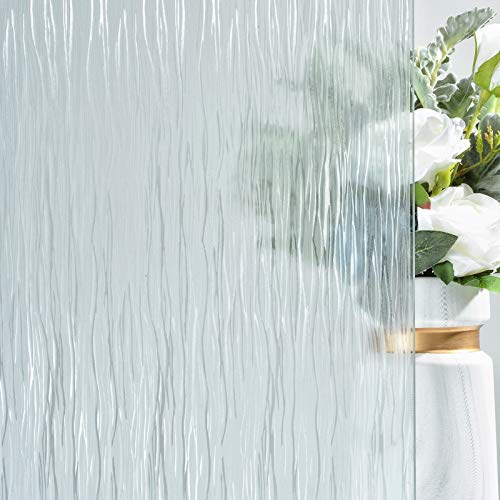
And, of course, the pattern makes sure the personal affairs of your household members are obscured from neighbors’ eyes. Not to mention how glass houses exemplify modern living and maximize various interior design strategies.
That said, glass-walled houses provide a sense of more space by ensuring additional natural light and a streamlined view that connects your interiors to the outside world. And if you have a well-maintained garden or an elegant pool area that you want to show off, it only adds to the list of reasons why you should invest in rain glass windows.
3. Frosted Glass Doors
Glass patterns, such as those on rain glass, can add a luxurious touch to your front door or double doors leading to the backyard. On that note, you can even opt for more subtle and elegant patterns and designs, such as frosted glass, for the front door.
Inside the house, sliding doors made of glass can lend the feel and design of a spa-style bathroom. And, of course, an opaque or semi-opaque door is a must for your most private moments at home. With that in mind, a frosted or patterned option is worth considering.
Moreover, sliding glass panels or glass doors may add a functional and safety element to high-traffic rooms, such as the kitchen.
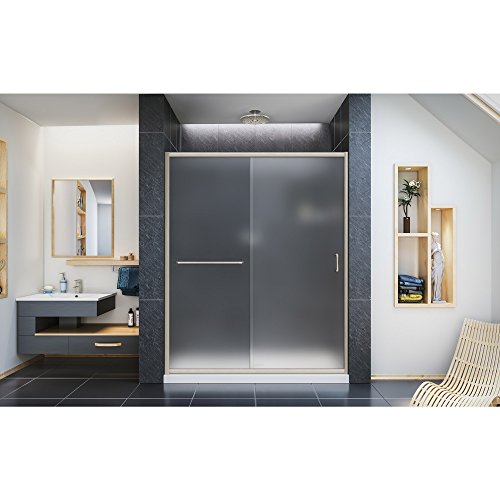
Think about it — if you see the silhouette of someone coming toward you from the other side, there’s a lesser chance of slamming the door in the other’s face. Not to mention the possibility of spills and broken glass if they happen to be carrying a tray of food or drinks.
4. Rain Glass Kitchen Cabinets
Kitchen cabinets and display shelves with glass panes have a universal appeal and provide a clean and elegant touch to your space. However, this is only true if you have beautiful cutlery or neatly arranged décor items to show off.
Needless to say, your messy snack cabinet or clutter that has been collecting dust is an eyesore that should be put behind opaque doors.
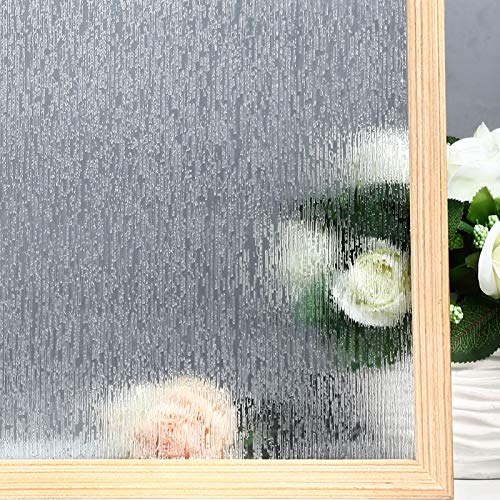
However, you don’t need to compromise on the sleek look of glass panels if you go for rain glass cabinets. And neither do you have to expose the contents of a disorganized cabinet to guests.
5. Rain Glass In The Office
In recent days, spending most of your time at work in a cramped office is becoming commonplace. Here, glass walls all around you can provide some relief from the stuffiness felt when sitting between four walls for hours at a time.
Moreover, sunshine and the all-important Vitamin D may help relieve some of the stress. With that in mind, architects are increasingly choosing to cover office buildings in glass material. On the flip side, glass windows and walls can heat up the room during a sunny summer afternoon.
That said, the semi-opaque nature of rain glass may take some burden off the air-conditioning system, especially if it is made up of tinted glass. Smart-glass windows are now a rage in architectural circles. With these, you can switch between the various patterns, opacities, tints, and so on.
What’s more, most glass constructions in office buildings provide security against fire hazards. So, while general glass may be able to withstand temperatures up to 250 degrees Fahrenheit, high-quality patterned and obscure tempered glass can resist up to 500 degrees Fahrenheit.

Glass is a versatile décor material, and experts are still coming up with methods to reinvent it in innovative ways so that people can use it around the house. Not to mention how it is a sustainable option that can be recycled in various ways.
At the same time, this green solution is available in various styles, including the rain glass pattern, which provides comfort and elegance all at once.
But if you’re still confused about choosing rain glass or another type of glass for your décor, perhaps smart-glass panels are the way to go. These allow you to effortlessly transition between patterns and hues with the click of a button.
And, of course, you can always switch back to the original, transparent HD glass when you want a clear picture of the pool area or garden.
Related Link
Is a Roof Made Out of Glass Viable
13 Acrylic Plexiglass Furniture Pieces to Emphasize the Feeling of Space
10 Best Window Insulation Kits
Casement vs. Sliding vs. Hung Windows 101
10 Important Basic Window Maintenance Tasks
Glass Wall House / Klopf Architecture
What Is A Linear Foot | Architect’s Information
What Is A Veranda | All You Need to Know

