home/products/9 best blackout curtains - picks, construction & light seals
9 Best Blackout Curtains - Picks, Construction & Light Seals
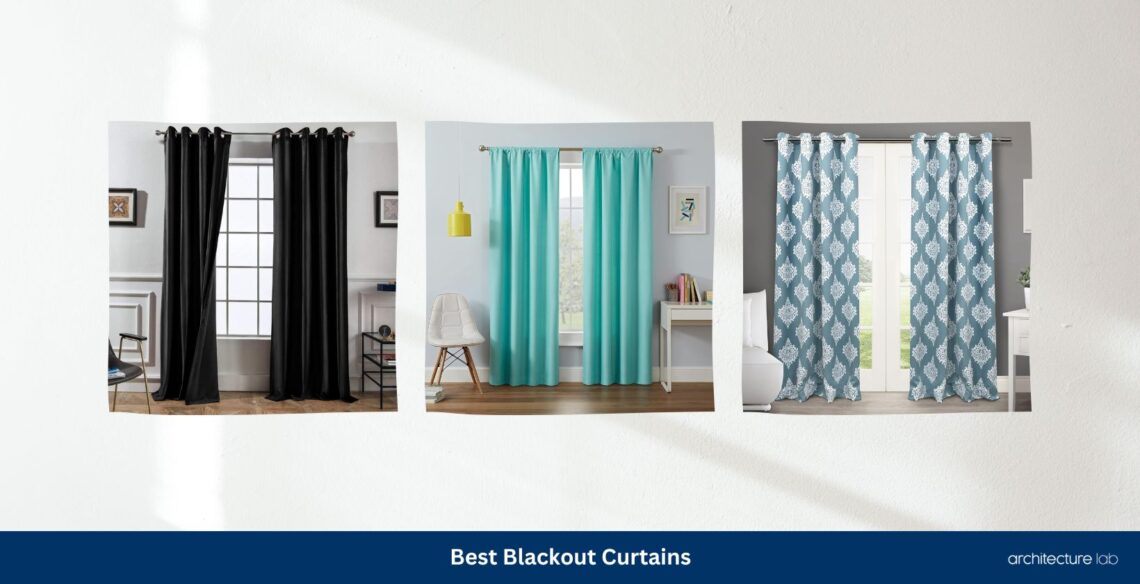
Blackout curtains succeed or fail on two things the marketing rarely mentions - construction and seals. Construction decides how much light the fabric itself stops, and the ladder runs from triple-weave polyester, which darkens by color, through foam backings, to the sewn-in liner that blocks light regardless of what the face fabric looks like. Seals decide whether the light just goes around the fabric instead of over a low rod, through the center gap, past uncovered sides, and independent testing keeps proving that the gap beats the weave as the reason bedrooms stay bright. The nine picks below are verified current products organized Amazon-first, with the strongest non-Amazon options closing the list, every opacity claim checked against its construction, and the flashlight test holds a phone light against the fabric in a dark room; watch the other side offered as the sixty-second check that separates true blackout from wishful room-darkening. The math that makes any of these seal properly lives in our guide to how to measure for blackout curtains.
Review
Blackout curtains succeed or fail on two things the marketing rarely mentions - construction and seals. Construction decides how much light the fabric itself stops, and the ladder runs from triple-weave polyester, which darkens by color, through foam backings, to the sewn-in liner that blocks light regardless of what the face fabric looks like. Seals decide whether the light just goes around the fabric instead of over a low rod, through the center gap, past uncovered sides, and independent testing keeps proving that the gap beats the weave as the reason bedrooms stay bright. The nine picks below are verified current products organized Amazon-first, with the strongest non-Amazon options closing the list, every opacity claim checked against its construction, and the flashlight test holds a phone light against the fabric in a dark room; watch the other side offered as the sixty-second check that separates true blackout from wishful room-darkening. The math that makes any of these seal properly lives in our guide to how to measure for blackout curtains.
01. NICETOWN Contemporary Lined Blackout - Best Overall
The Contemporary Lined panels earn the top slot in construction. A sewn-in liner backs the face fabric, and the liner does what no single-layer weave manages regardless of color: it stops light as a separate, dedicated layer. NICETOWN shows the white blackout liner pulled back behind the face, and Deconovo's own figures put a coated blackout fabric at 80 to 90 percent shading against 100 percent once a lining is added. NICETOWN's own catalogue sells this construction under its lined 100 percent blackout families, the families the Amazon search link returns, in 52-inch panel widths at 63, 84, 95 and 108 inches long.
In use
The two-layer build hangs heavy and straight, which serves the seal panels with real weight that fall together at the center instead of gapping stiffly apart. Light control reaches genuine blackout in every colorway because the liner, invisible from the room, carries the duty. The full retail size run and multiple header options make the measuring math straightforward to execute, and the thermal benefit of the trapped inter-layer air arrives free.
What could be better
Liner construction weighs more and costs more than single-layer triple-weave, and the rod hardware needs a rating for it. Both are the price of the test result.
What We Like
- Liner-backed blocking, not weave-and-color blocking
- Liner works in every color, light shades included
- Heavy hang closes the center seam naturally
What We Don't Like
- Needs sturdy hardware
- Costs above unlined weaves
02. NICETOWN 100% Blackout with Black Liners - Best Total Darkness
Where the Contemporary Lined satisfies bedrooms, this line satisfies night-shift workers - a two-layer build in which both layers are triple-weave blackout fabric, and the back layer is a dedicated black liner, the construction NICETOWN reserves for its 100 percent claim. The proof of the concept sits in the color chart: the line sells a pure white colorway that still blacks a room out, because the black liner behind the white face does the blocking.
In use
Full darkness at noon is the deliverable, and the doubled fabric delivers the side effects heavy construction always brings. The maker credits the two-layer build with roughly double the sound absorption of a single-layer panel, and the thermal insulation of two trapped-air layers works both seasons. Grommet hanging keeps installation simple despite the weight.
What could be better
This much fabric drapes more formally than softly, wants a serious rod, and the care label prefers minimal washing to protect the layers. Buyers wanting daytime ambiance in a living room should look two entries down.
What We Like
- True 100 percent construction, both layers blackout-grade
- White-that-blacks-out proves the liner logic
- Double-layer sound and thermal benefits
What We Don't Like
- Formal, heavy drape
- Demands strong hardware, gentle care
03. H.VERSAILTEX 100% Blackout Linen - Best Linen Look on Amazon
H.VERSAILTEX sells two different products under one brand, and knowing which is which is the whole trick, their triple-weave line darkens by color, while this linen-textured line puts a blackout coating and a white thermal backing behind the face, and that backing is the source of its 100 percent title. The textured face reads as natural fiber across a room, the backing does the blocking, and H.Versailtex names OEKO-TEX certification for its materials.
In use
The linen texture solves the aesthetic problem that blackout usually creates - a light, natural-looking curtain that still turns day to night, suited to living rooms where black polyester would land like a storm cloud. Grommet and back-tab options cover the header preferences, and the white liner bounces summer solar gain back out the glass, which the Department of Energy's figures reward.
What could be better
Textured faces can make packaging folds noticeable. Check the exact product’s care instructions before using heat or steam; the guide to blackout-curtain crease removal explains how to distinguish a fold from damaged backing. The linen look is a look; the fiber is polyester, disclosed plainly, and buyers wanting true linen should read the final two entries.
What We Like
- 100 percent blackout in light, natural-looking colorways
- White liner helps summer heat gain
- Maker names OEKO-TEX certified materials, dual headers
What We Don't Like
- Arrival wrinkles want steaming
- A linen texture on polyester fiber
04. MIULEE 100% Blackout Linen - Best Value Total Blackout
MIULEE names the line 100 percent blackout while its own spec sheet rates the fabric at 90 to 99 percent and credits triple-weave technology, and the faux-linen face with grommet top lands a notch below the bigger names on price, so the value case writes itself for anyone outfitting several windows to deep darkness at once.
In use
The panels darken to the deep end of the maker's own 90-to-99-percent rating, the natural-beige and neutral colorways carry the same daylight-friendly logic as the H.VERSAILTEX linen, and the sizing covers the standard run. Multi-window buyers save real money here.
What could be better
The brand's ecosystem is thinner - fewer colorways, fewer header options, less size depth at the edges of the range, and the hand is serviceable at the price, without plushness. The construction is the point, and it holds.
What We Like
- Liner-grade 100 percent blackout at value pricing
- Neutral linen-textured faces
- The multi-window budget answer
What We Don't Like
- Narrower color and size selection
- Fabric feel matches the price
05. Deconovo Lined Blackout - Best Budget Liner Construction
Deconovo's reputation rests on room-darkening triple-weaves, which makes this the line to ask for by construction: sewn-in liner panels, the budget route to true layer-based blocking over color-dependent dimming. At entry pricing, the liner build is rare, and the specification matters.
In use
The lining does the blocking while the face color sets what an unlined weave can manage, which is why Deconovo puts a black interlining behind its light colorways and reserves its 100 percent shading figure for the lined build, and the OEKO-TEX Standard 100 certification the brand carries on its fabrics travels with it. For renters and first apartments wanting real darkness on the smallest budget on this list, the construction question ends here.
What could be better
The budget shows in the details, hem finishing, visible packaging creases, a hand that serves without delighting. And the brand's catalog mixes liner and non-liner products under similar names, so the listing's construction language wants a careful read before checkout.
What We Like
- Sewn-liner blocking at the guide's lowest tier
- OEKO-TEX certified fabric
- Wide enough range to match rooms
What We Don't Like
- Finishing matches the price
- Catalog mixes constructions — read the listing
06. H.VERSAILTEX Room-Darkening Triple-Weave - Best When Blackout Is Too Much
The last Amazon entry is the deliberate step down, included because the tier is legitimate. The same CNN test that crowned the winner above noted these panels blocked most light, felt soft, installed easily, and let a flashlight beam through, which is precisely what room-darkening means and exactly right for rooms that want dim, never dark. A living room, a home office, a kitchen most rooms are these rooms.
In use
The triple-weave hangs softer and lighter than any liner build in this guide; the price sits below the blackout tier, and the darkness scales with color choice - deep tones approach blackout, light tones filter generously. Thermal duty comes standard with the weave density.
What could be better
Marketing across this tier loves the word blackout, and this entry exists partly to reclaim the vocabulary - a triple-weave without a liner is room-darkening, whatever the listing title says, and buying it for a night-shift bedroom ends in disappointment the product never deserved.
What We Like
- The correct product for most non-bedroom rooms
- Soft hand, easy hang, fair pricing
- Opacity scales with color, by design
What We Don't Like
- Will not fully black out any room
- The tier's naming chaos demands buyer attention
07. Sun Zero Aria Magnetic - Best Light Seal, Outside Amazon
The first non-Amazon entry earns its slot with hardware no Amazon-native line offers - sewn-in magnetic closures that pull the center seam shut and hold it, attacking the failure independent testing documents most: the glowing gap where two stiff panels part. Sun Zero rates the line theater-grade 100 percent blackout, sells it in pairs at Walmart for the price of a takeout dinner, and hangs it on back tabs.
In use
The magnets turn the Department of Energy's center-overlap prescription into something automatic - the seam closes itself every time the panels swing together, and the theater-grade fabric behind the seam holds up its half. For bedrooms and media rooms, the combination delivers darkness that fussier, costlier pairs miss for the width of one gap.
What could be better
The magnets seal the center, and only the center sides and top remain the installer's job, with the measuring rules and the color range trailing the Amazon giants.
What We Like
- Magnetic seam closure defeats the panel gap
- Theater-grade blackout at a value price
- Back-tab hang, sold in pairs
What We Don't Like
- Sides still need proper mounting
- Narrower palette
08. Quince European Linen True Blackout - Best Natural Fiber
Quince closes the fiber gap the Amazon tier leaves open, a 100 percent European flax linen face over a polyester-polyacrylic blackout liner, at direct-to-consumer prices well under what the fabric usually commands. One catalog caution carries the recommendation: Quince sells both a room-darkening linen line and the True Blackout line, states the difference plainly on its own pages, and this pick is the latter.
In use
Linen drapes the way the textured polyesters imitate, ages instead of pilling, and the triple-layer build behind it blocks the maker's own guidance names completely sunrise completely completely as the test, and the true-blackout construction passes it. OEKO-TEX certification on the fabric, extended sizes in the range.
What could be better
Natural linen prefers dry cleaning to survive unshrunk; the price sits above every Amazon entry here, and ordering the room-darkening line by mistake is the error the catalog makes possible. The collection page distinguishes them, and so should the cart.
What We Like
- Real linen over a genuine blackout liner
- Direct pricing undercuts the fabric's usual cost
- The maker distinguishes its own opacity tiers in plain language
What We Don't Like
- Dry-clean care
- Two similar lines, one of which is the pick
09. Pottery Barn Emery Linen Blackout - Best Design Grade
The Emery is the entry for rooms where the curtain is furniture - a 73 percent linen, 27 percent cotton face over a polyester blackout liner, blind-stitched hems, a three-in-one header that hangs by pole pocket, ring, or hook, and lengths running to 130 inches for tall openings. Pottery Barn's blackout program around it includes custom Belgian flax options and stand-alone blackout liners for curtains you already own.
In use
The natural-blend face and tailored finishing read at a level the value tier cannot reach; the liner performs the blocking so light colorways keep their claim, and the length range solves the ten-foot-window problem without custom pricing. The add-on liner program earns a separate note - an existing beloved curtain plus a blackout liner is the cheapest true upgrade path in this entire guide.
What could be better
The price is design-grade with the finishing, the liner blocks most light by the maker's own precise wording, with no theater-black promise, and delivery runs on furniture time.
What We Like
- Natural-blend face, tailored construction, 130-inch lengths
- Three-in-one header flexibility
- The liner add-on upgrades curtains you already love
What We Don't Like
- Design-grade pricing
- Most light-blocking by its own careful wording
The Construction Ladder - and the Flashlight Test
Every product above sorts onto one ladder. Triple-weave alone darkens by color and tops out at room-darkening. Foam backings block more and stiffen the hand. A sewn liner blocks independently of the face, and a two-layer blackout build with dedicated liner reaches the true 100 percent tier; the construction, never the adjective on the listing, sets the ceiling. The sixty-second verification costs nothing: hold a phone flashlight tight against the fabric in a dark room and look from the other side. True blackout shows nothing; room-darkening glows; and the same test run along the closed center seam reveals whether the panels or the gap will decide your mornings. Gaps have engineering answers - the magnetic closure above, wraparound rods that curve the fabric back to the wall, and the overlap-and-seal math from our measuring guide, which the Department of Energy's window-covering prescription backs to the inch. The energy question has its own plain-numbers treatment in do blackout curtains keep heat out, and buyers weighing insulation first should read our best thermal curtains guide alongside this one.
Frequently Asked Questions
How can I tell if curtains are truly blackout?
Run the flashlight test: shine a phone light against the fabric in a dark room and view it from the other side. True blackout construction shows nothing at all; room-darkening fabric glows visibly. Construction predicts the result: a sewn liner or two-layer build passes; an unlined triple-weave does not, whatever its listing claims.
What is the difference between blackout and 100 percent blackout curtains?
The difference between blackout and 100 percent blackout curtains is construction: standard blackout usually means a dense triple-weave that blocks most light, with performance varying by color, while the 100 percent tier adds a dedicated liner layer, often black or white fabric sewn behind the face, that blocks completely in every colorway. The liner is the difference, and listings that earn the claim describe it.
What about blackout curtains for a lab or darkroom?
The 100 percent tier is the starting point for two-layer liner constructions like the NICETOWN black-liner line, and the edges are the real work, since laboratory and darkroom use tolerates none of the leakage a bedroom forgives. Run the fabric on tracks or wraparound rods, overlap generously at the center, seal the sides to the wall, and test every edge with the flashlight method; purpose-built darkroom systems add hook-and-loop perimeter sealing, which the DOE's overlap-and-tape guidance approximates at household cost.
Do white blackout curtains exist?
Yes, and they prove how blackout works - a white face over a black or dense white liner blacks a room out completely, because the liner does the blocking while the face does the decorating. Anyone told that blackout means dark colors was sold a triple-weave without a liner, and the same liner logic delivers blackout in any color a maker offers, pastels included.
Are room-darkening curtains enough?
For most rooms, yes - living rooms, offices, and kitchens want a dim room and no darker, and room-darkening triple-weaves hang softer and cost less. Bedrooms for daytime sleepers, nurseries fighting summer sunrises, and media rooms are the rooms that justify the liner tier.
Do blackout curtains keep heat out?
They help within the Department of Energy's published limits - drawn draperies cut heat loss from a warm room by up to 10 percent, and white-backed medium colors reduce summer heat gain by about a third, with installation deciding whether a given pair reaches the numbers. The full physics, including what curtains cannot do, has its own guide linked above.
Conclusion
Three picks resolve the field. The NICETOWN Contemporary Lined is the best blackout curtain overall, the only independently tested full pass, built on the liner construction the whole ladder points toward. The Sun Zero Aria is the engineering value, with magnetic closures sealing the gap that defeats costlier pairs, at the lowest price in this guide. And the Quince European Linen True Blackout is the upgrade - real fiber over real blocking, from a maker that teaches its own opacity tiers straight. Whichever fits, run the flashlight test on arrival, hang by the measuring math, and let the construction, not the listing adjective, make the promise.
Article by Aida Vasquez for Architecture Lab · Published 20 April 2023 · Updated 1 October 2026
More Product Reviews
Topdon TC002C Review for Building Diagnostics: Specs, Field Tests, Alternatives
HIKMICRO B10S Review for Building Diagnostics: Specs, Field Tests, Alternatives
5 Best Fiber Laser Engravers and Cutters for Precision Work